Financial Support Provided By

Prairie Grassland Initiative

Managing Partner

Learn more about our ongoing and past events, connect with us and join upcoming events!
August 3-6, 2026· Northwestern Oklahoma State University Student Center, 709 Oklahoma Boulevard, Alva, OK 73717

Great Plains Fire Summit

Theme: Neighbors in Fire, Partners in Conservation

Getting There

"Life is a Highway" was the perfect soundtrack for the 1,320-mile drive from Saskatoon to Alva, Oklahoma, for the Great Plains Fire Science Exchange's Great Plains Fire Summit for our team members, Renny and Roy.

Mile by mile through the Dakotas, Nebraska, and Kansas, the landscape told its own story, eastern red cedar steadily reclaiming native grassland, a vivid reminder of what happens when fire disappears from fire-adapted ecosystems.

It's a challenge that doesn't stop at the Canada-U.S. border, and exactly why connecting with practitioners and partners across the Great Plains matters so much. Sometimes the journey itself is a reminder of why this work matters.

Photo Credit: Renny Grilz, PAg

Highlights

This year's summit theme captured exactly what the Great Plains fire community is about: cooperation across boundaries.

A few highlights from the event:

Collaboration across the region: Sessions emphasized how local and regional partnerships on prescribed burning drive better conservation outcomes, echoing the shared challenges between the Canadian Prairies and the U.S. Great Plains.

Field tour to the Gyp Hills: A bus tour to private ranches showcasing prescribed fire in action: restoring wildlife habitat, supporting livestock grazing, and aiding wildfire recovery on working landscapes.

Culture, economics, and science of fire: Presentations connected the practical, economic, and ecological dimensions of fire ecology, grounding the summit in real land-management decisions, not just theory.

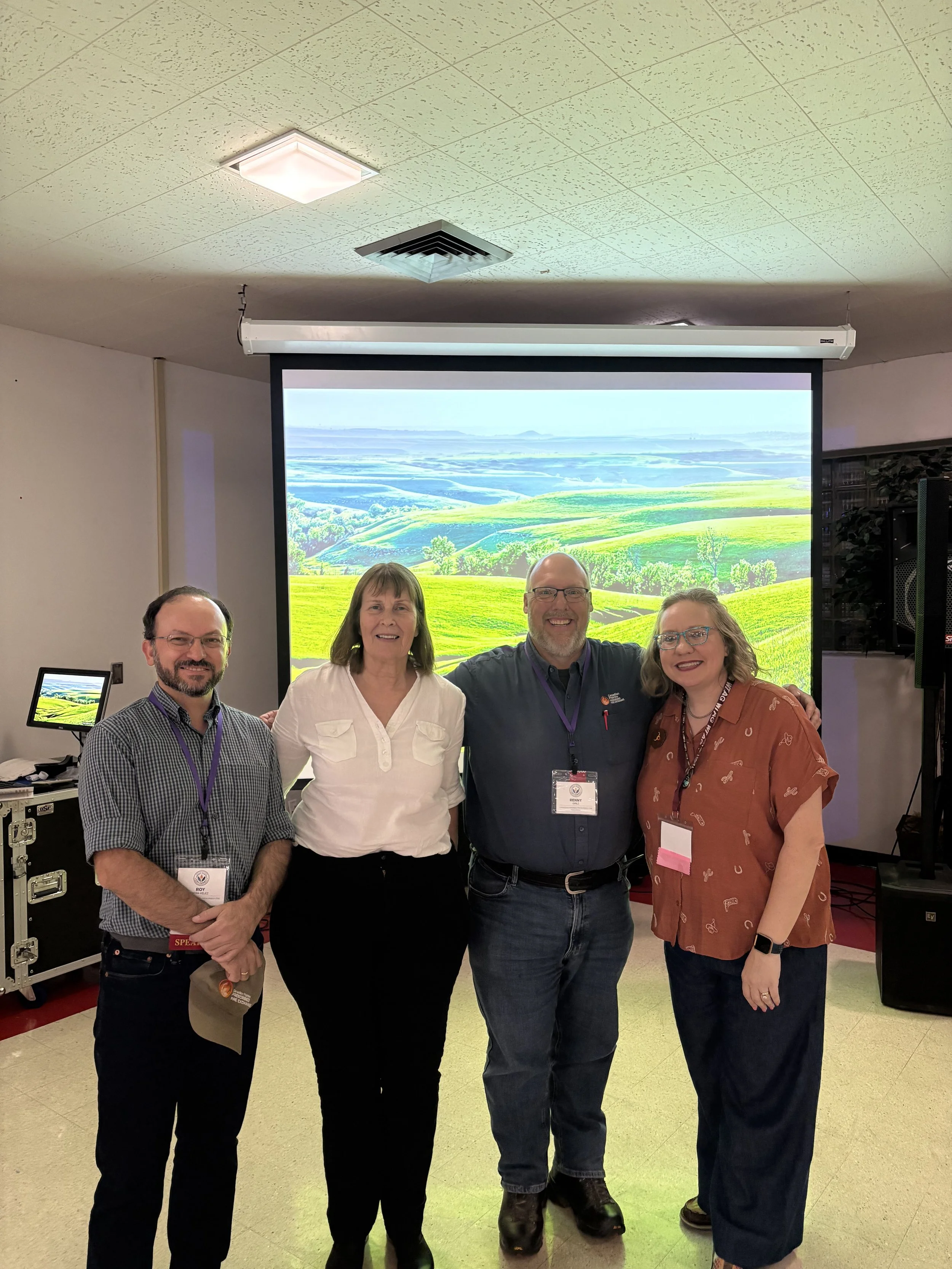
The CPPFE booth was buzzing at the Great Plains Fire Summit. Sharing resources on prescribed fire and grassland stewardship with fellow practitioners, researchers and land managers from across North America.

Nothing Like connecting face to face with people doing this work on thew ground!

Photo Credit:

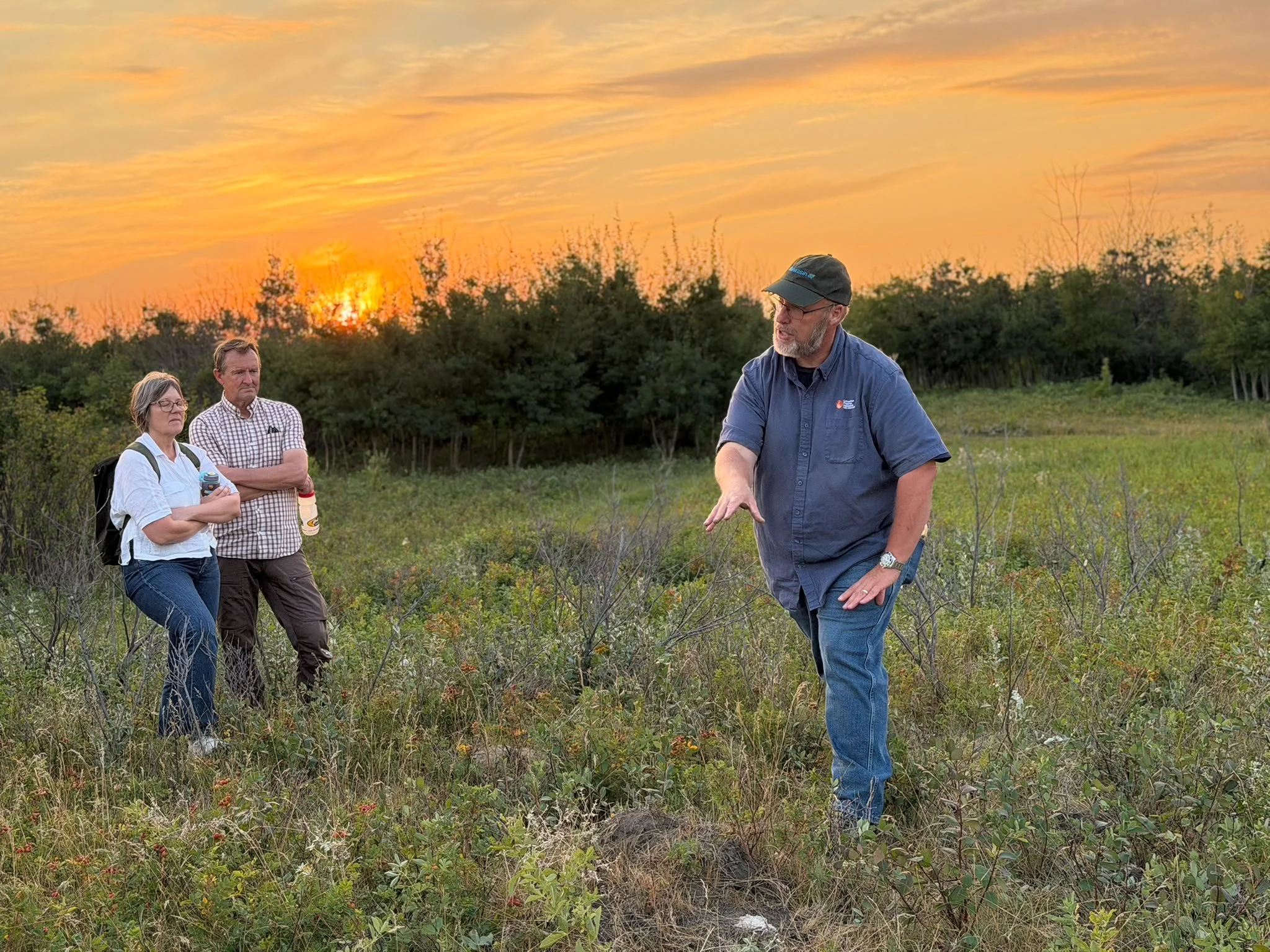
Renny Grilz, PAg giving an update on Prescribed Burn Associations in Canada.

Photo Credit : Roy Vera Velez

Key Takeaways

Fire is a multi-objective tool: Prescribed fire simultaneously supports wildlife habitat restoration, livestock grazing, and woody plant control, and it can accelerate ecosystem recovery after severe, unplanned wildfires.

Combating woody encroachment: Decades of fire suppression have let invasive species like eastern redcedar and ashe juniper, aspen, overtake native grasslands. Restoring natural fire intervals; paired with mechanical removal methods like chaining for standing dead trees is key to lowering fuel loads and reclaiming water resources.

Bridging regulatory and knowledge gaps: Prescribed Burn Associations need seamless, interstate frameworks to overcome regional policy divides, and closing the communication gap between university researchers and working rangeland practitioners speeds up how quickly new safety practices reach the field.

Trust and culture drive long-term success: Lasting conservation depends on deep trust between private ranchers, state agencies, and Tribal partners, and on shifting the broader mindset around fire, from hazard to be feared, to a controlled, cultural, and economic tool.

Check our events calendar for more information on upcoming events in the Great Plains!