

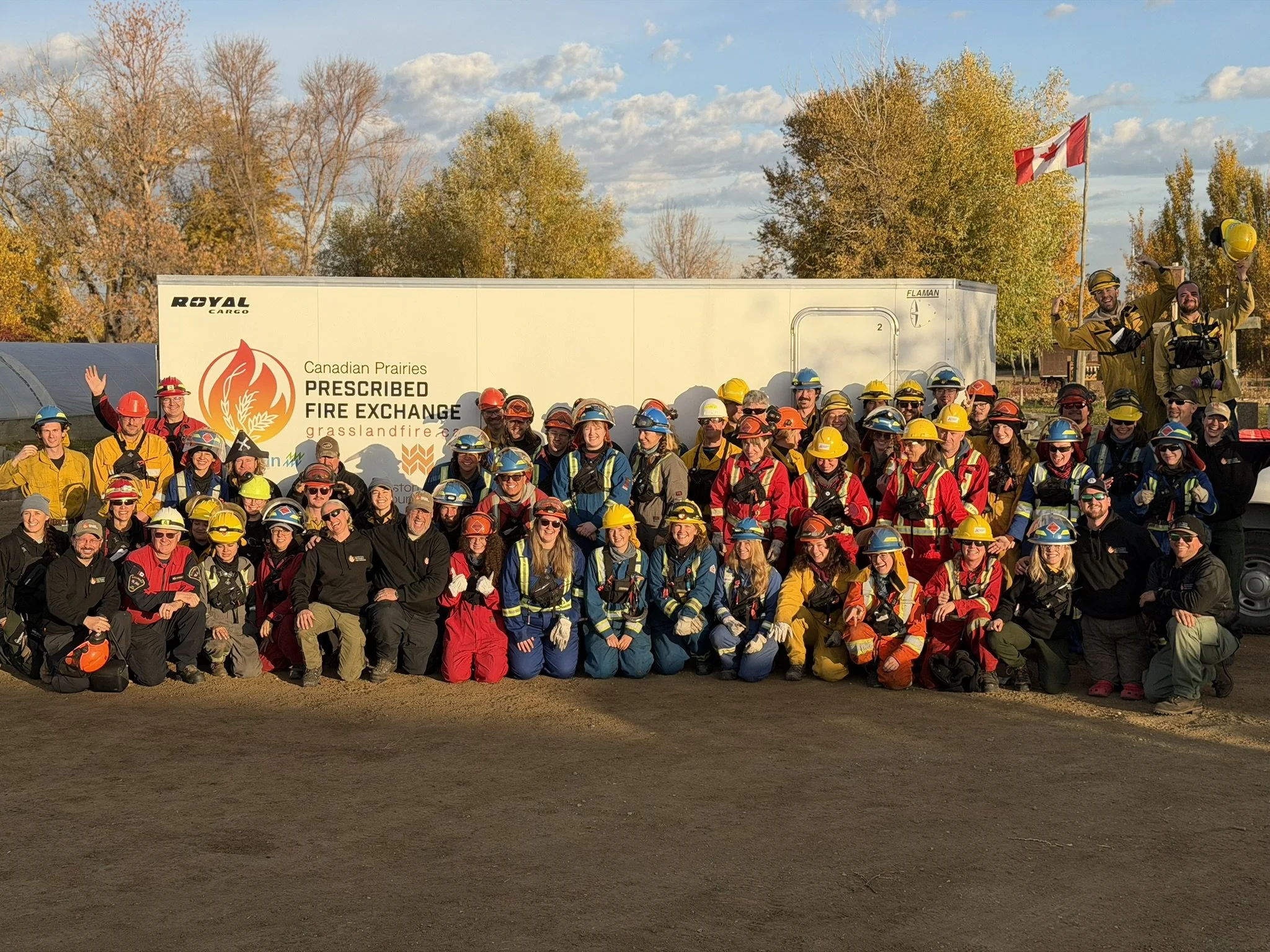
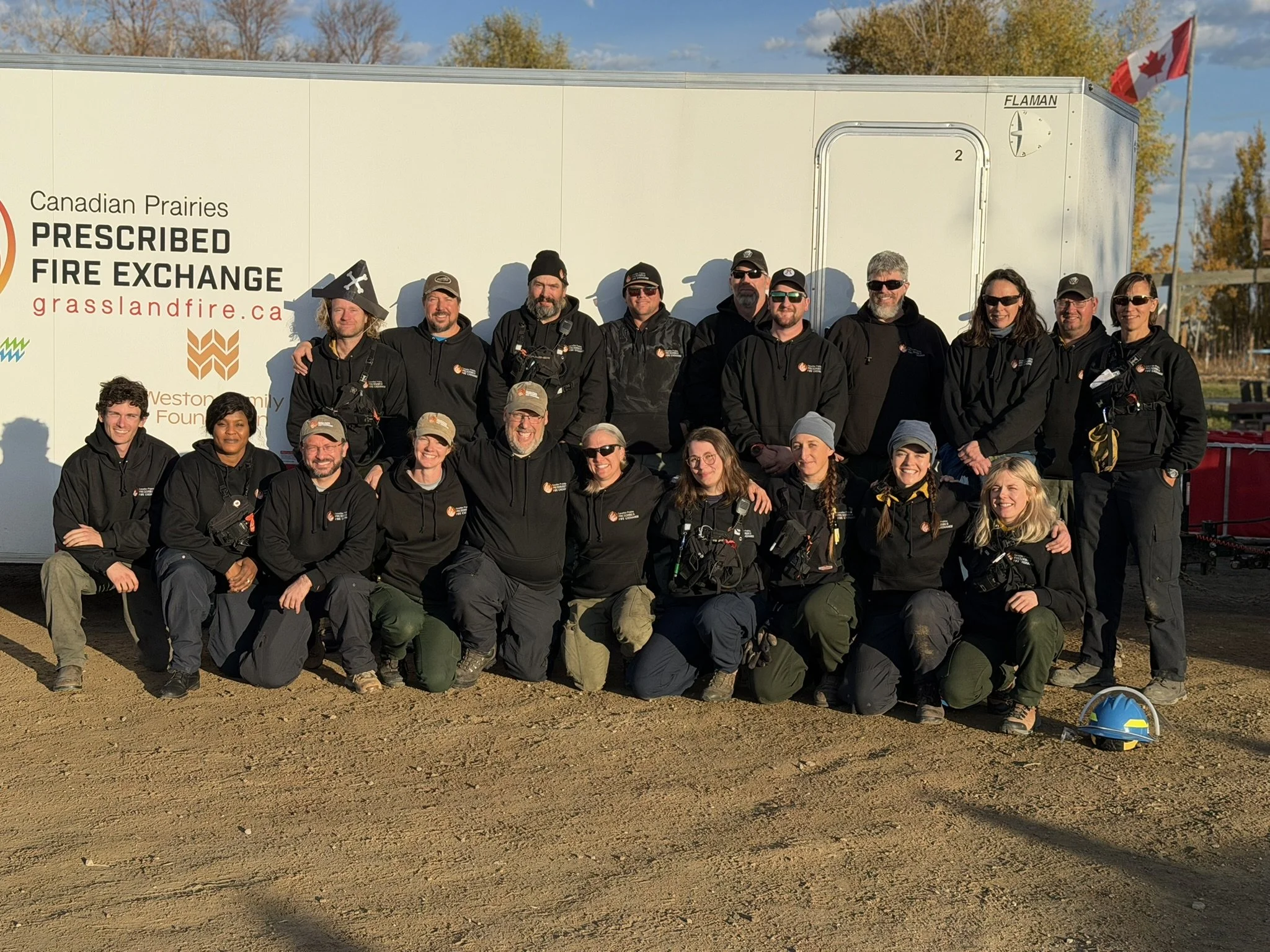
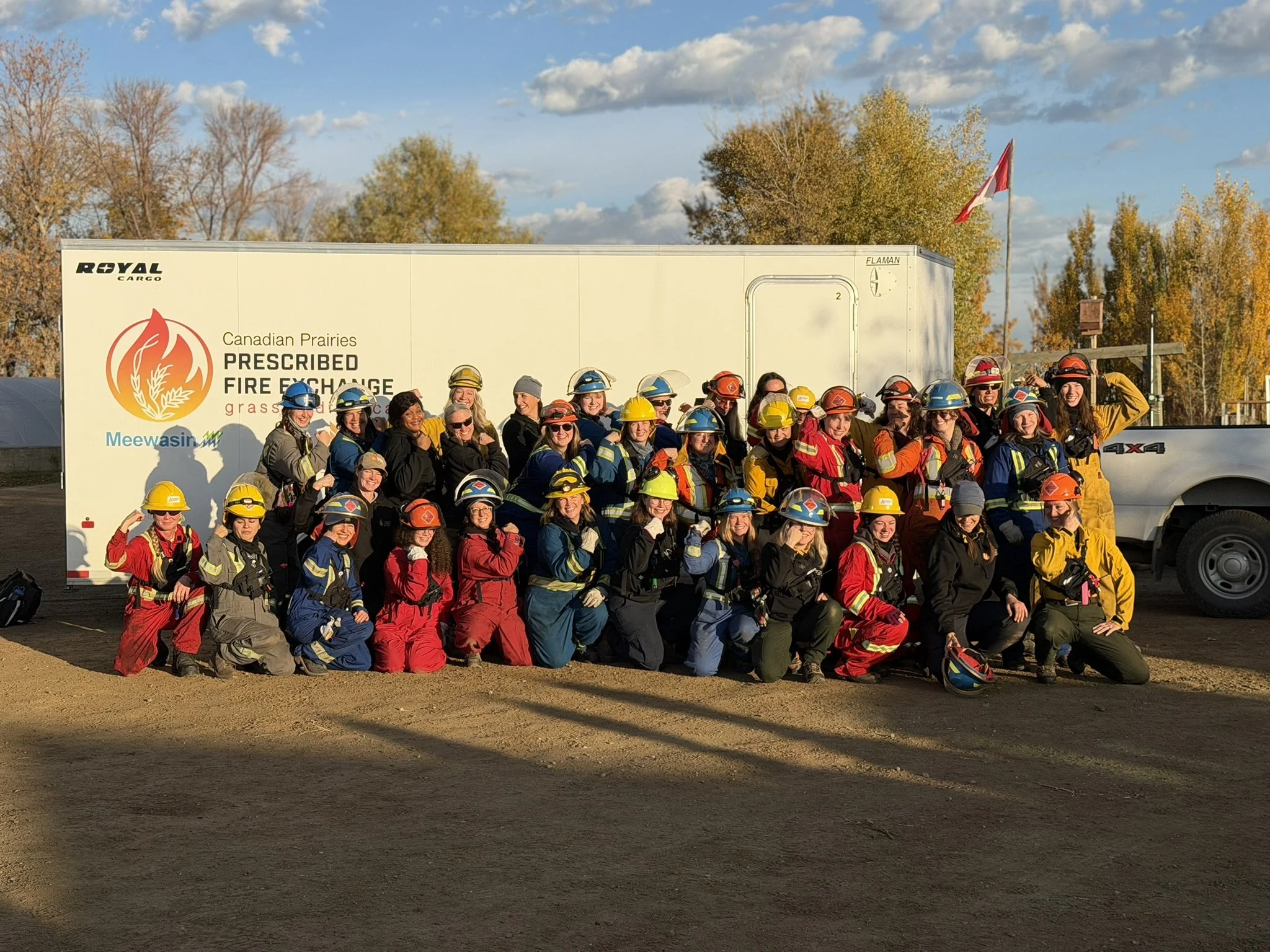
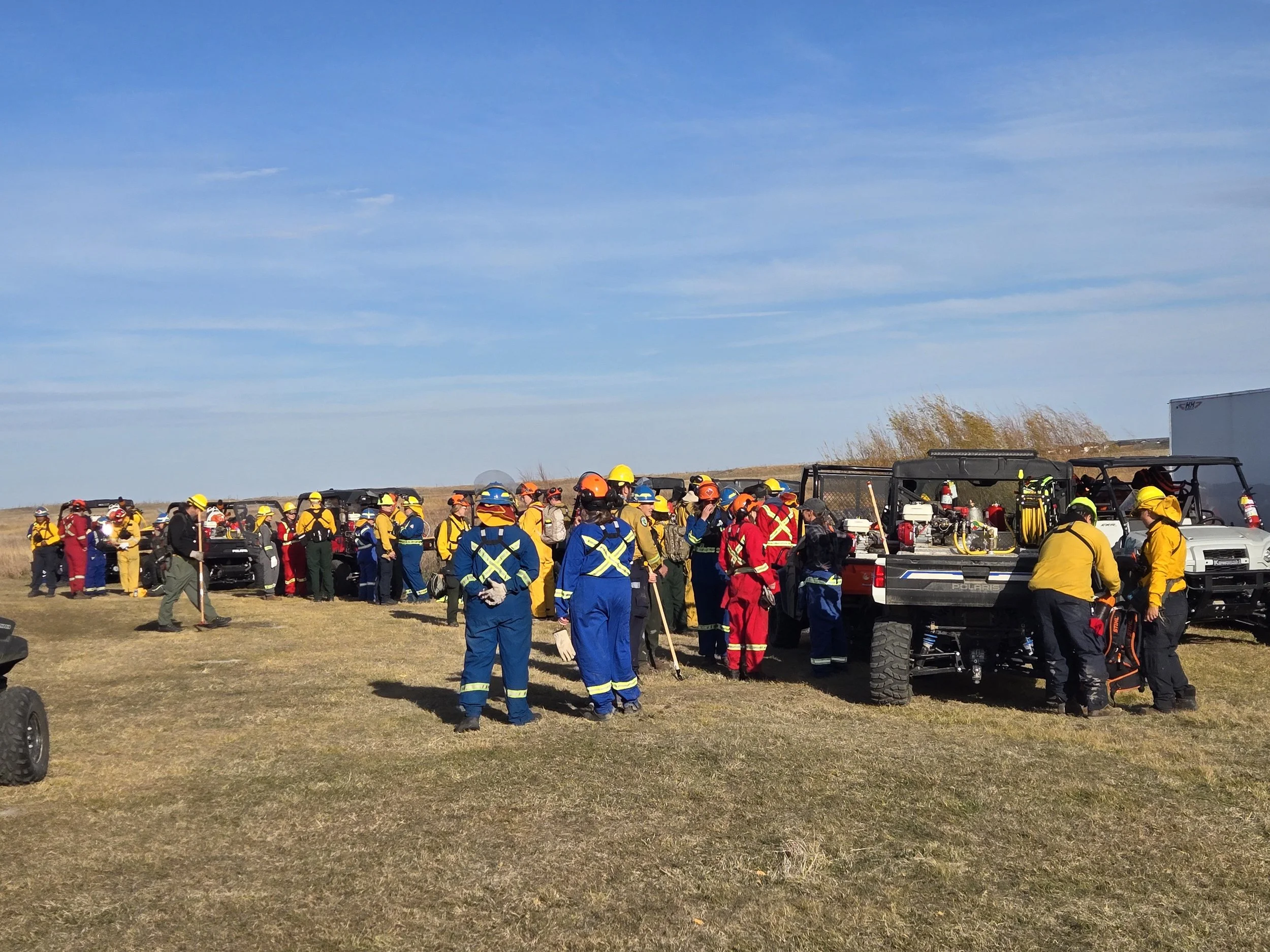
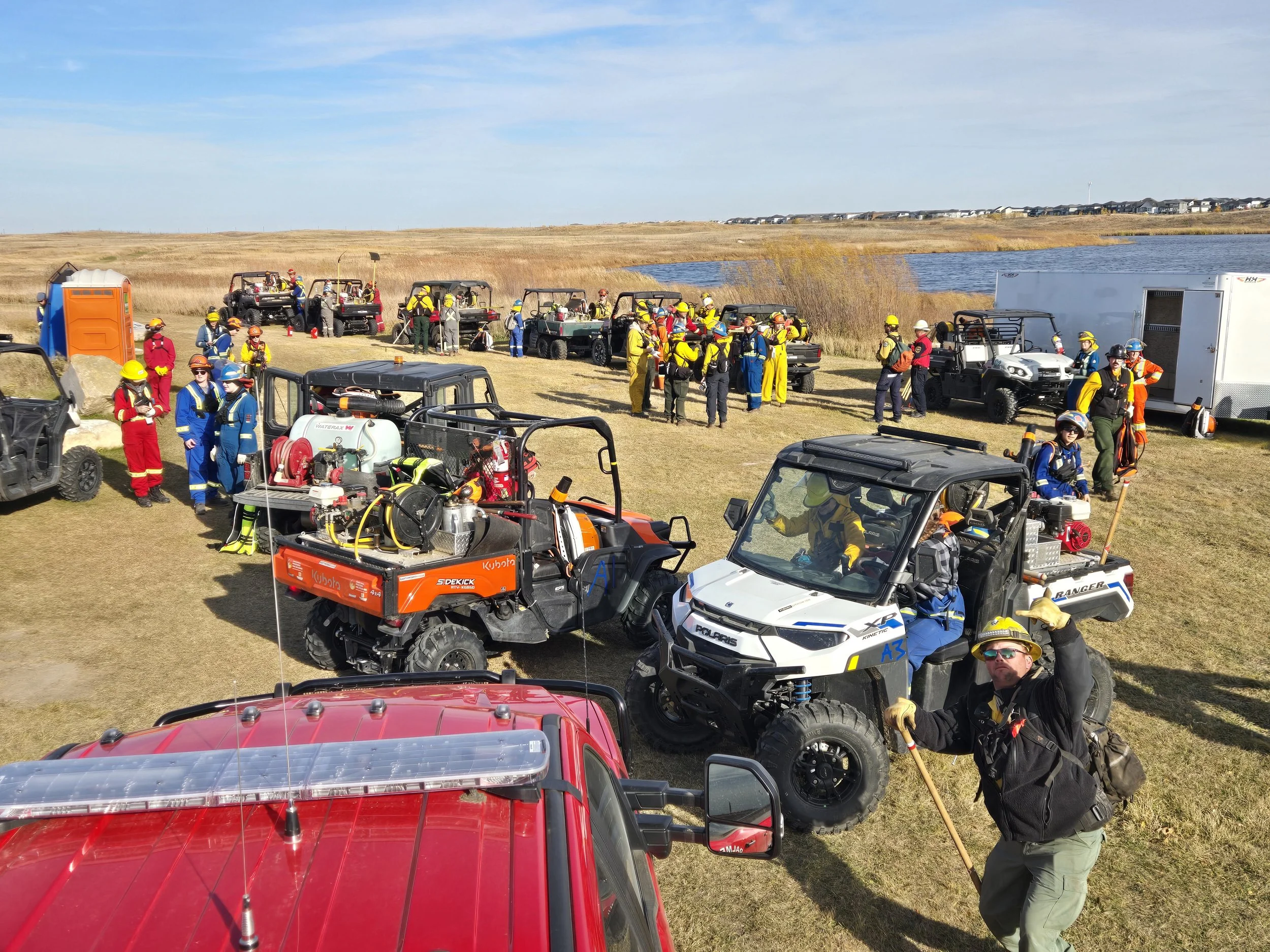
Fire has always been part of the prairie story. This October, that story continued as Meewasin and the Canadian Prairies Prescribed Fire Exchange (CPPFE) welcomed 67 participants from across Canada and the United States for a week of learning, collaboration, leadership development, and hands-on prescribed fire operations across Saskatchewan's prairie landscape.
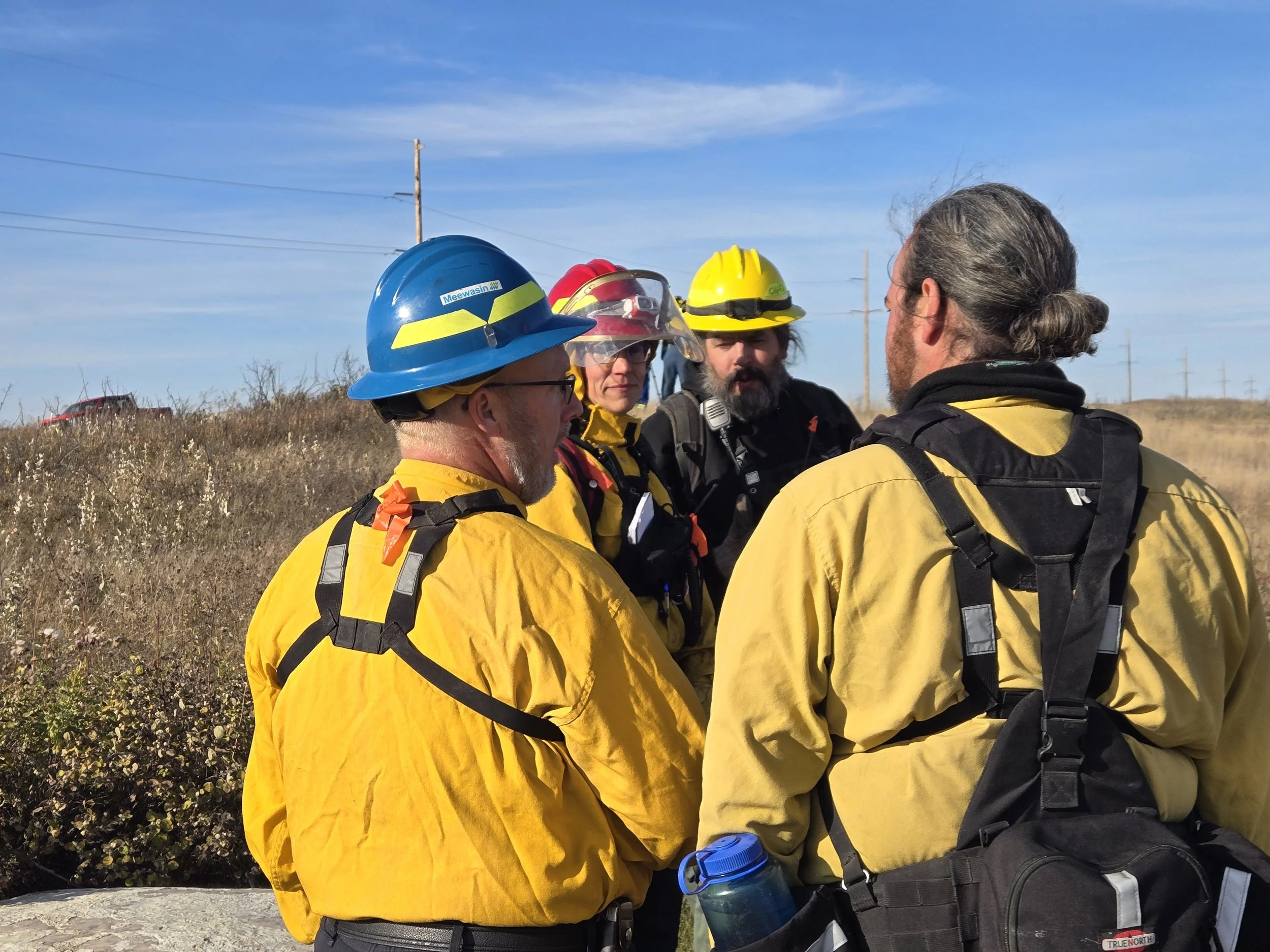
As a leadership training and capacity-building event, TREX brought together practitioners, land managers, conservation organizations, researchers, firefighters, and community partners with a shared goal: strengthening the knowledge, skills, and relationships needed to safely and effectively use prescribed fire as a tool for ecological stewardship. Guided by Incident Commander Renny Grilz, PAg (Distinguished) supported by Deputy Incident Commander Dale Gross, and coordinated by Operations Chief Ian Hantowich, participants gained hands-on experience in incident management, operational decision-making, and fireline leadership while working alongside experienced prescribed fire professionals. The exchange not only provided valuable technical training but also fostered collaboration, mentorship, and leadership development, helping build the next generation of prescribed fire practitioners across the Canadian Prairies and beyond.
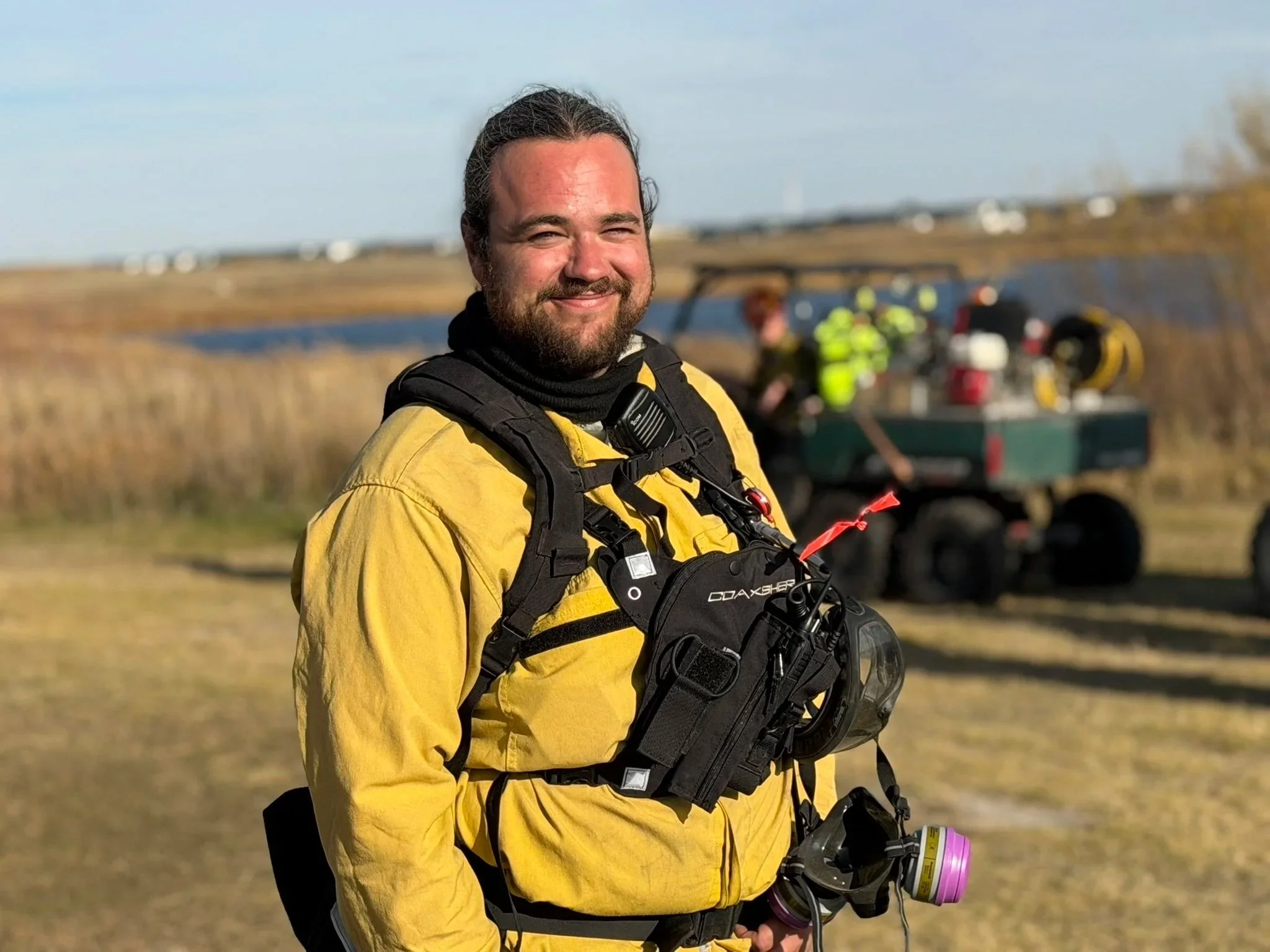
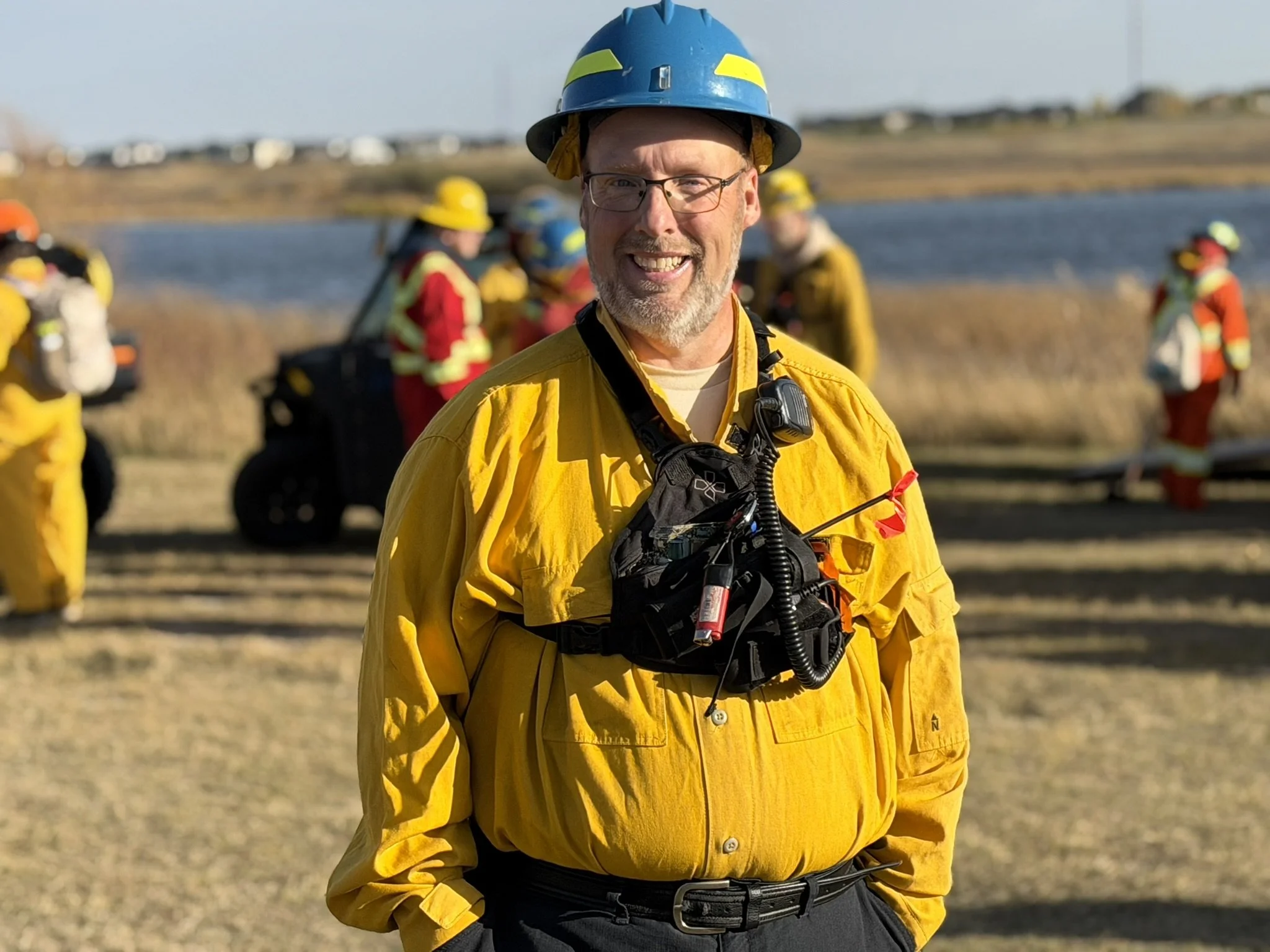
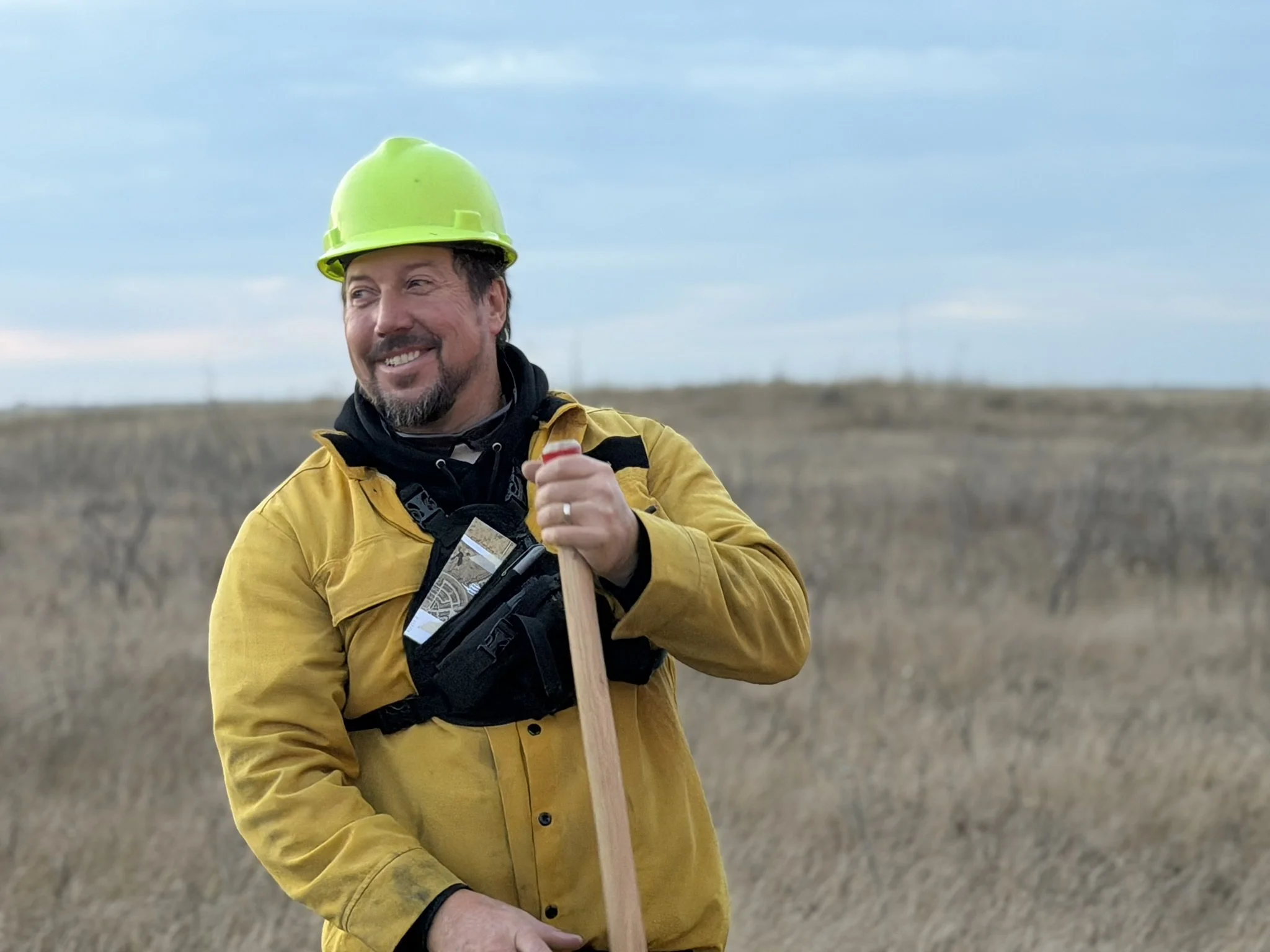
Learning Across Borders
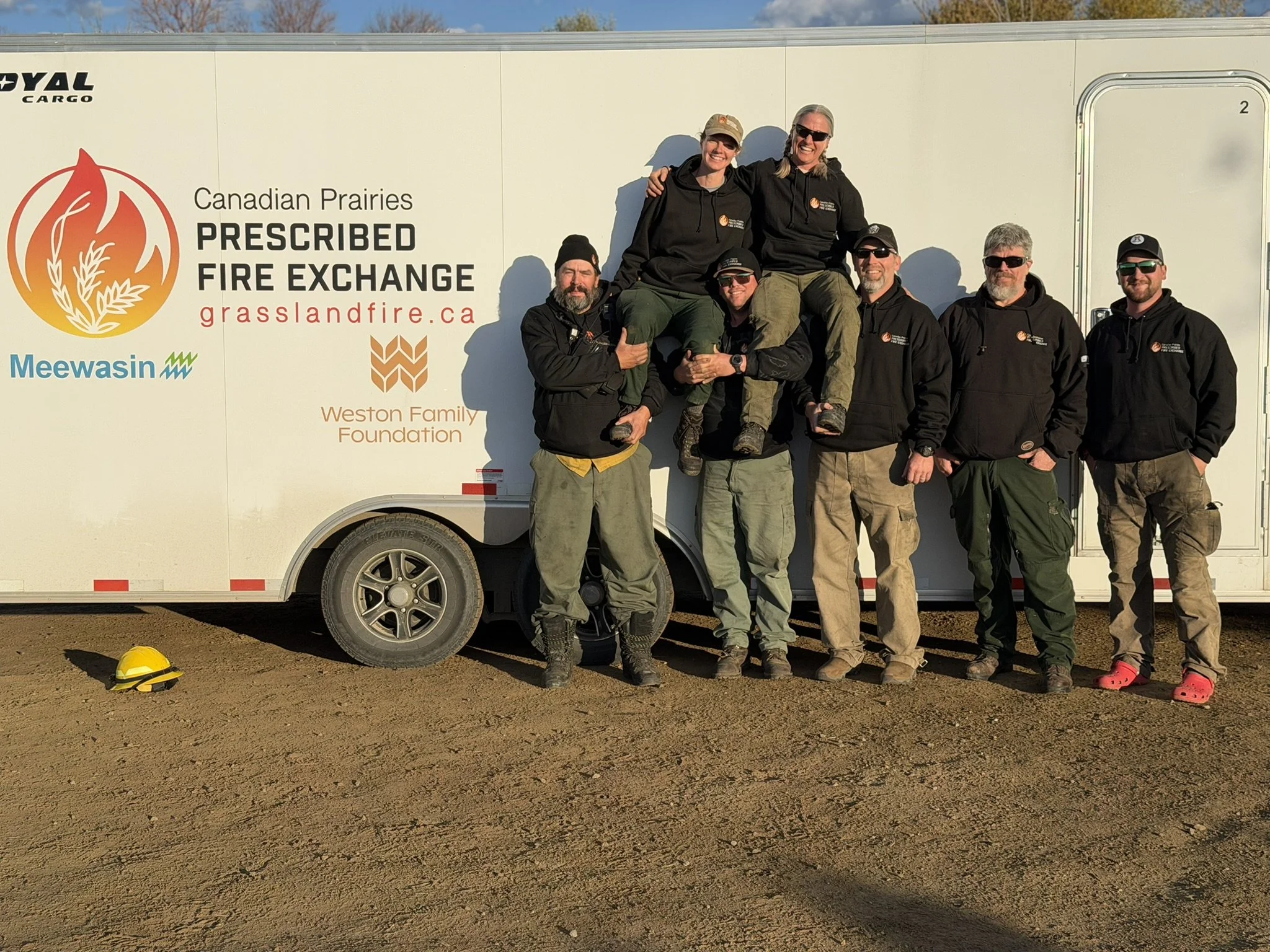
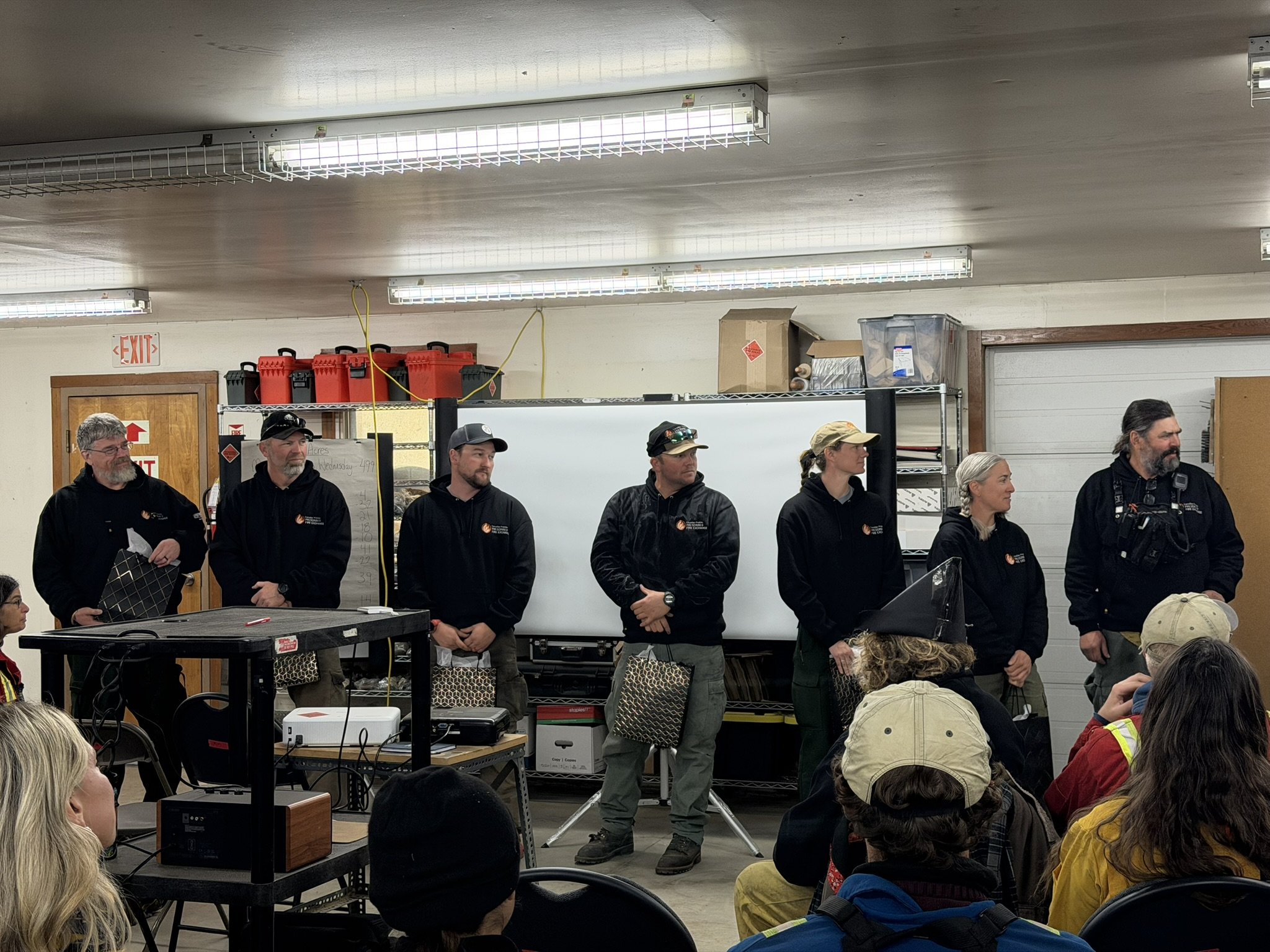
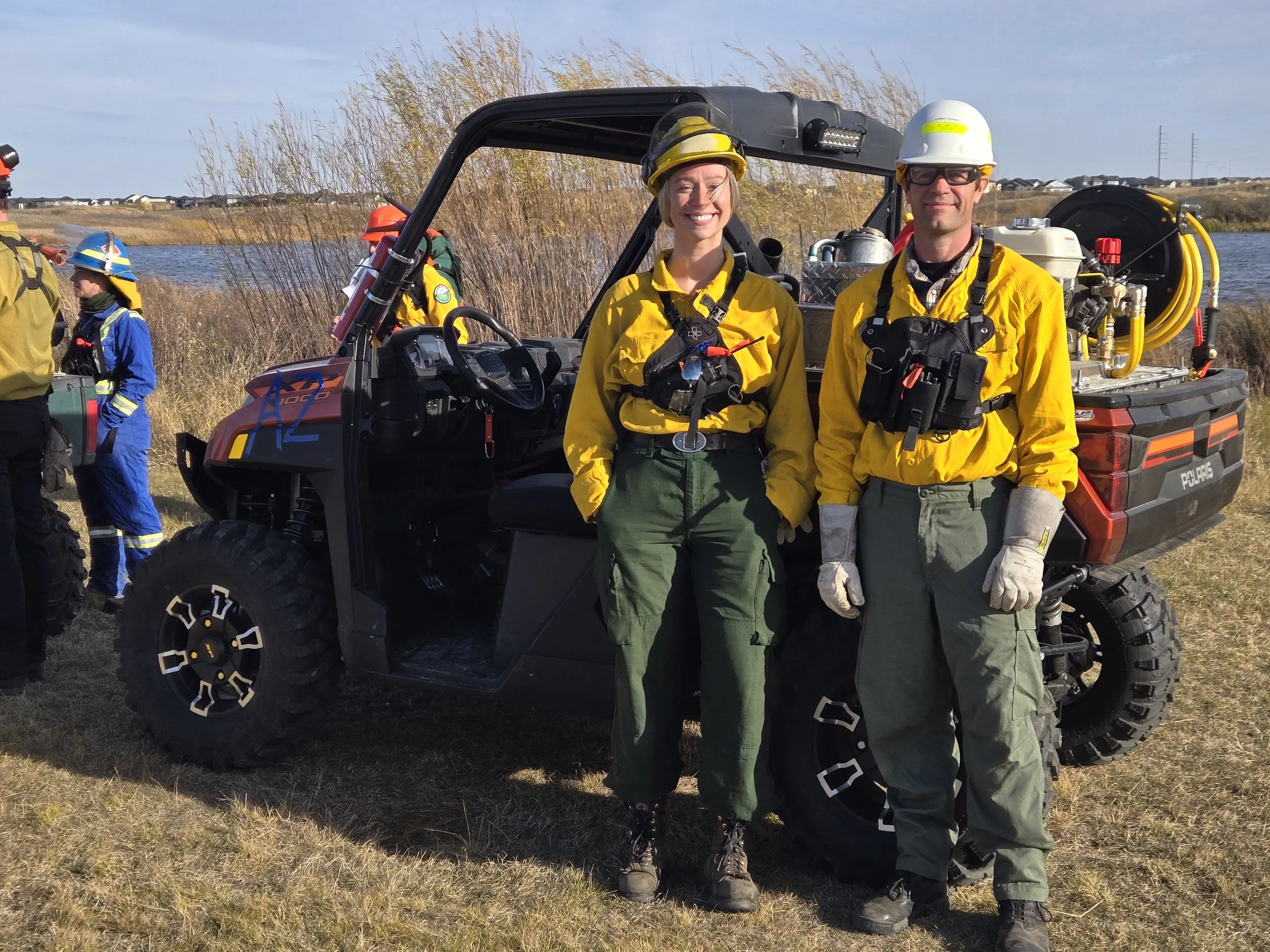
One of the highlights of this year's TREX was the continued support from an exceptional group of trainers from the United States. Returning to Saskatchewan were Lead Trainer Kody Wohlers and Brad Elder for their fourth TREX, Melanie Schmidt for her third, and Matt Shanklin for his second. Joining the Canadian Prairies TREX for the first time were Chase Durfee, Doug Chafa, and Lael Neal.
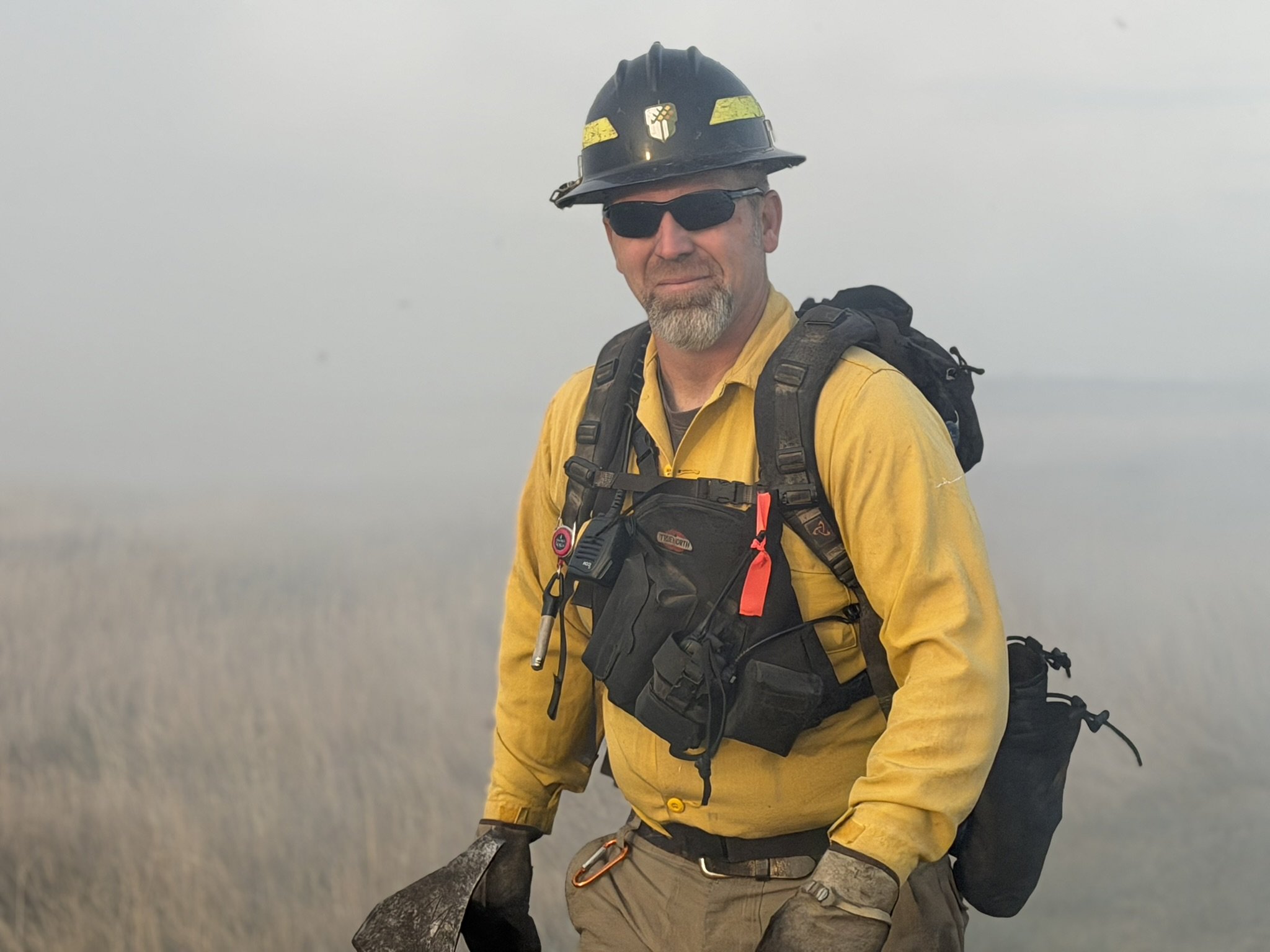
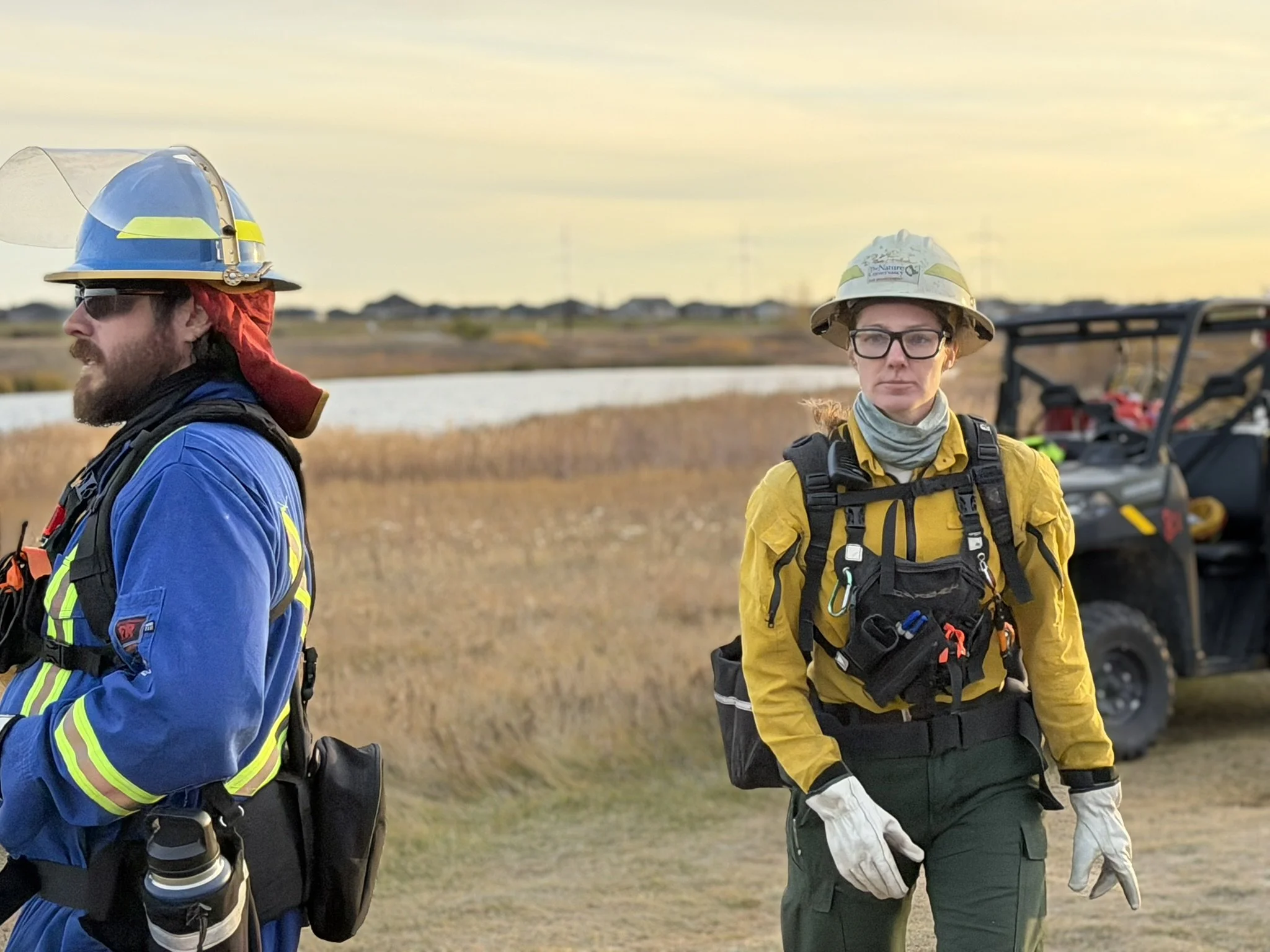
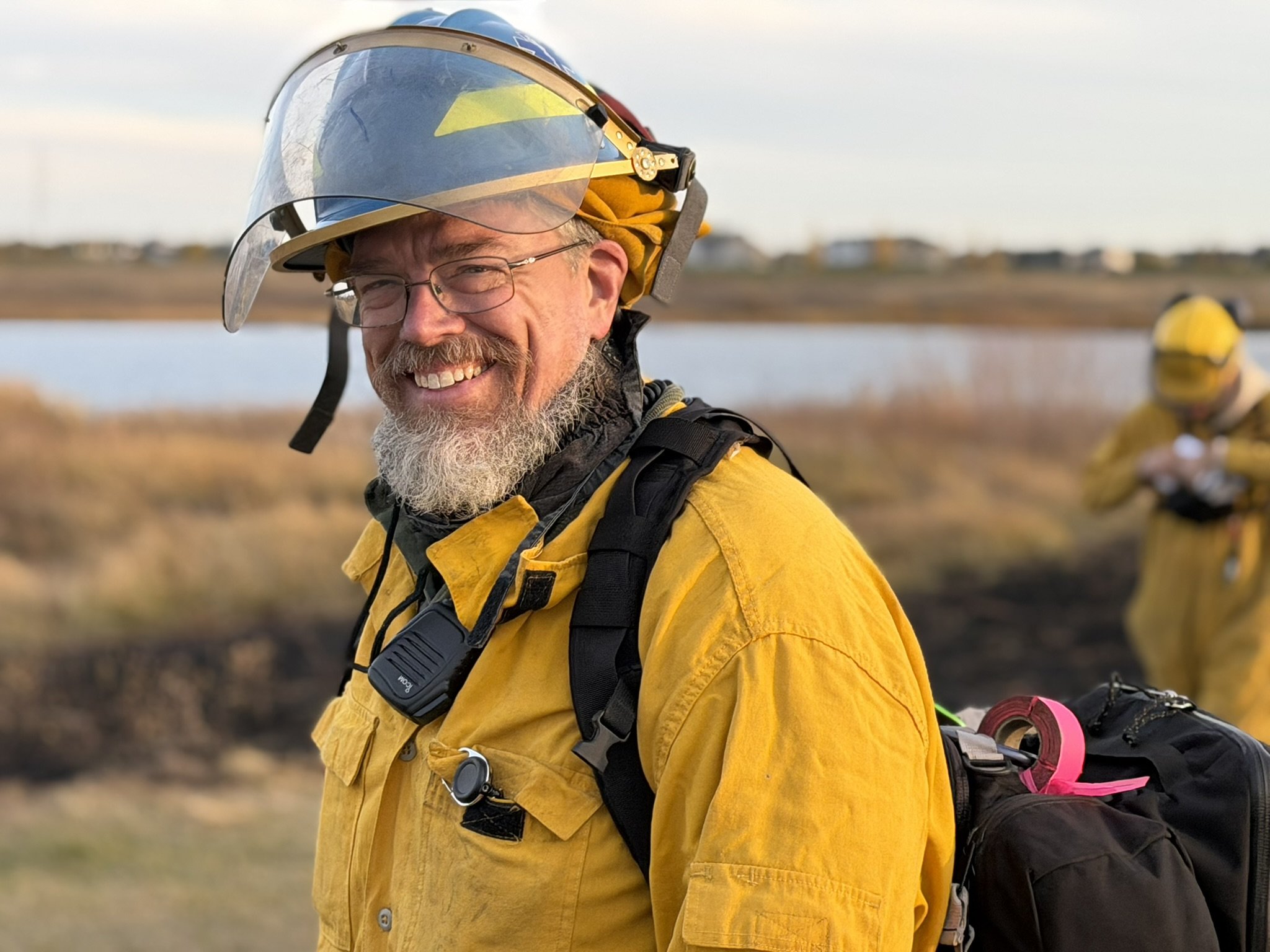
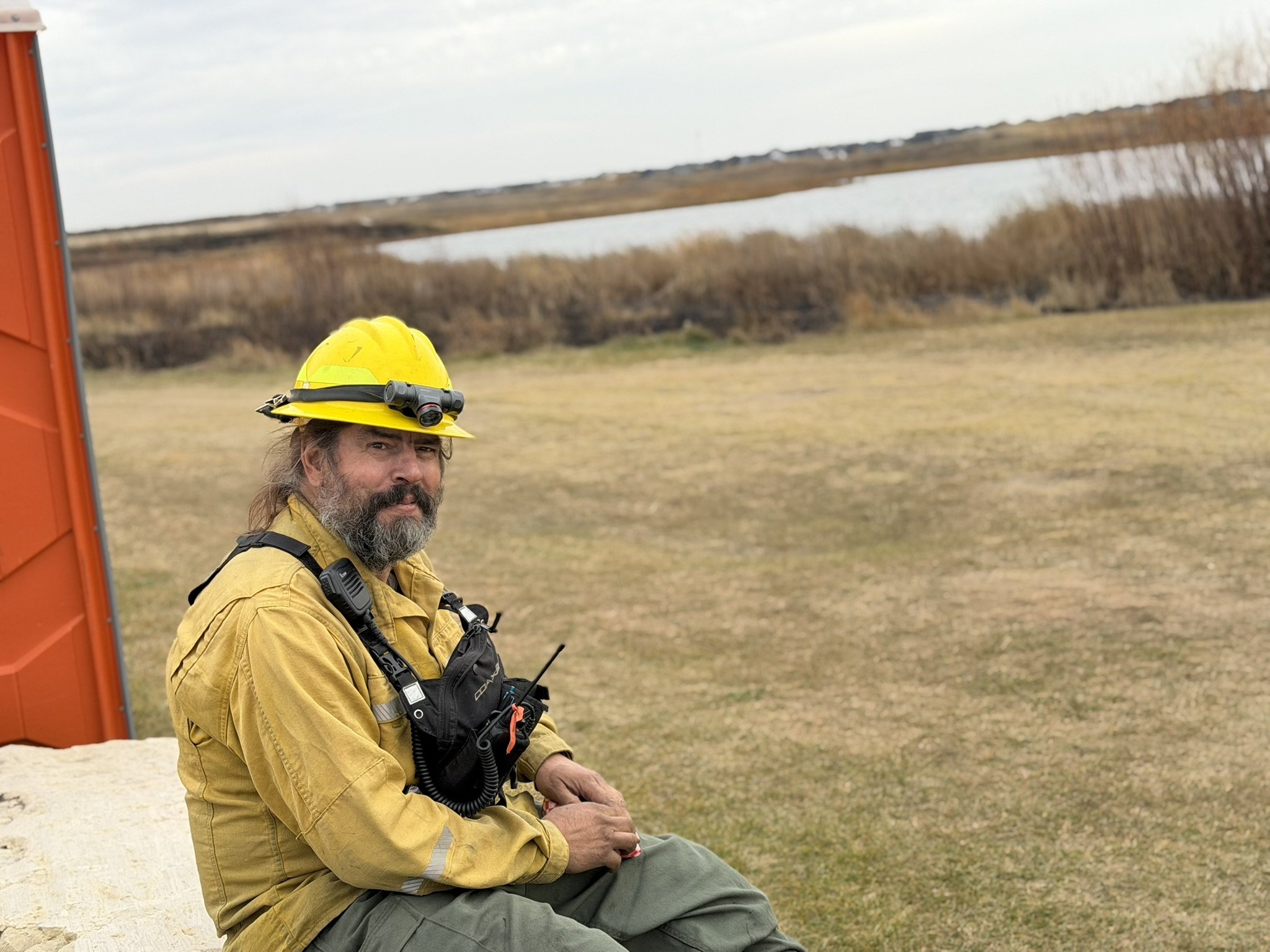
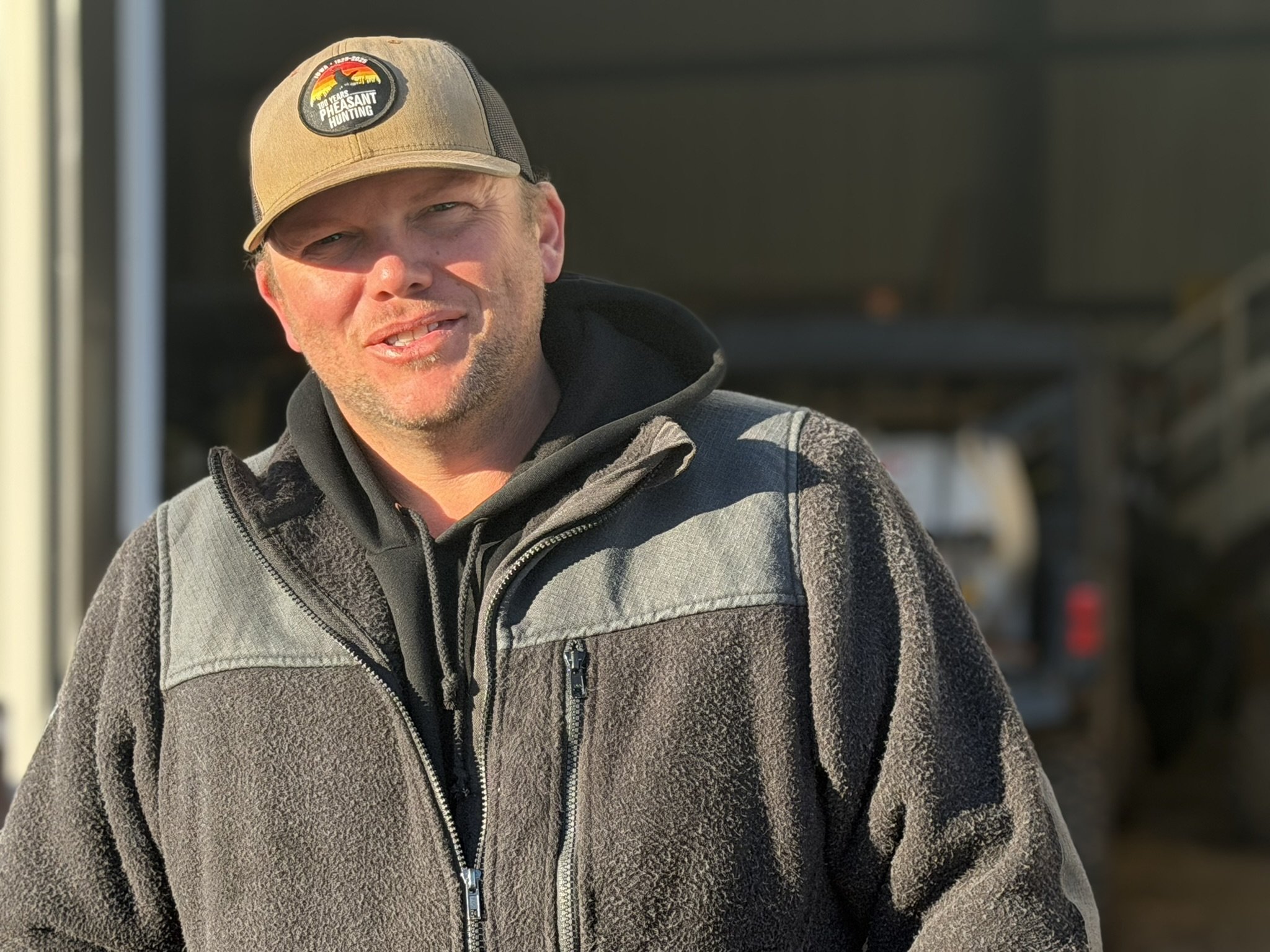
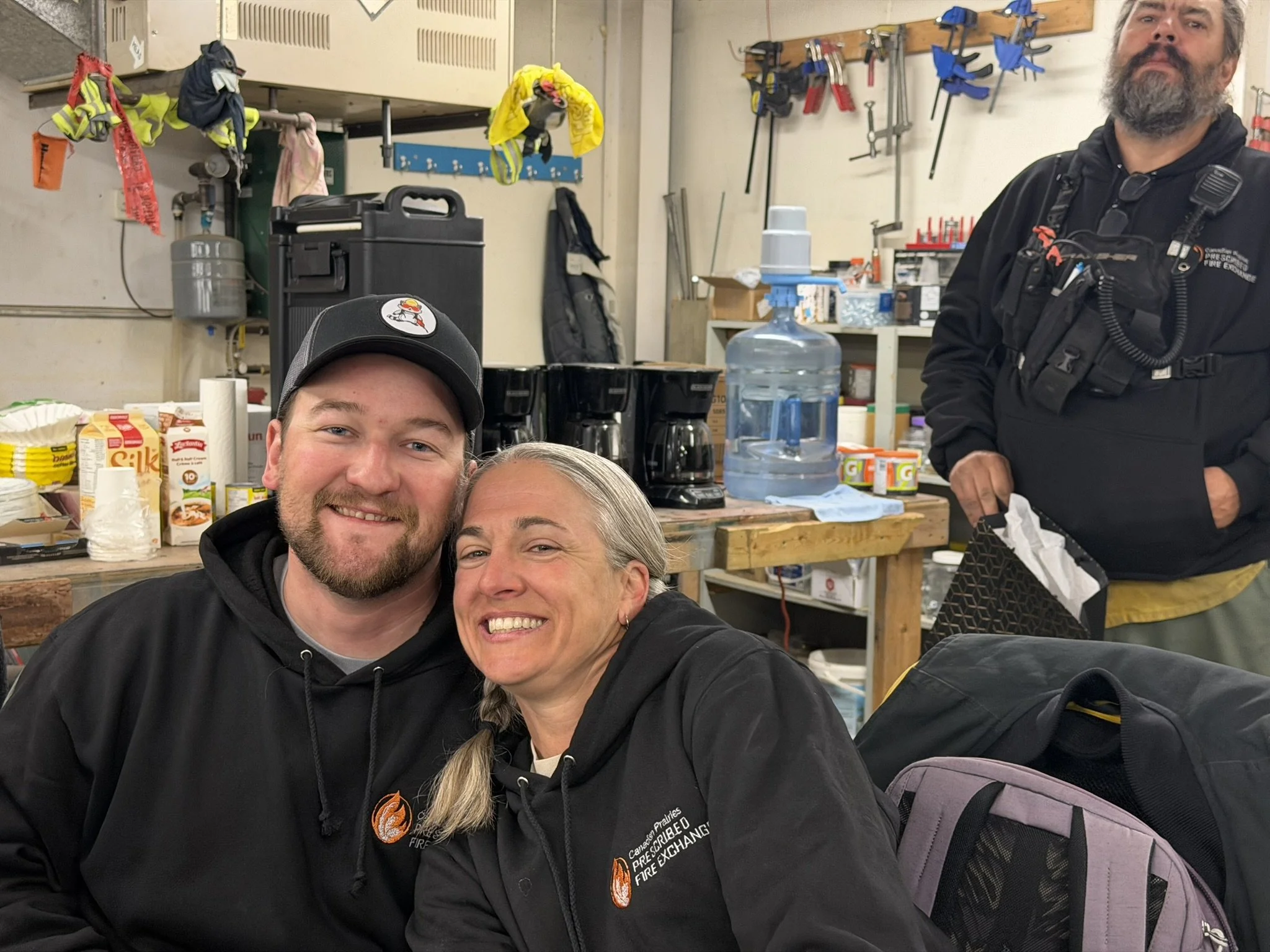
Representing organizations including the Iowa Department of Natural Resources, Iowa Natural Heritage Foundation, Polk County Conservation, and Doane University, these seven trainers generously volunteered their time and expertise to help build prescribed fire capacity in Canada.
Their contributions extend far beyond classroom instruction and field demonstrations. Over the years, these trainers have become trusted colleagues, mentors, and friends, helping strengthen a growing prescribed fire community that stretches across the Great Plains. Their willingness to share knowledge, experience, and lessons learned continues to play a vital role in advancing prescribed fire practices on both sides of the border.
And while every trainer left an impact, special recognition goes to Lael Neal, who arrived a week early and embraced Saskatoon with remarkable enthusiasm. From cycling along the Meewasin Trail to exploring local breweries and distilleries, she may have experienced more of the city in a single week than many residents do in a year!
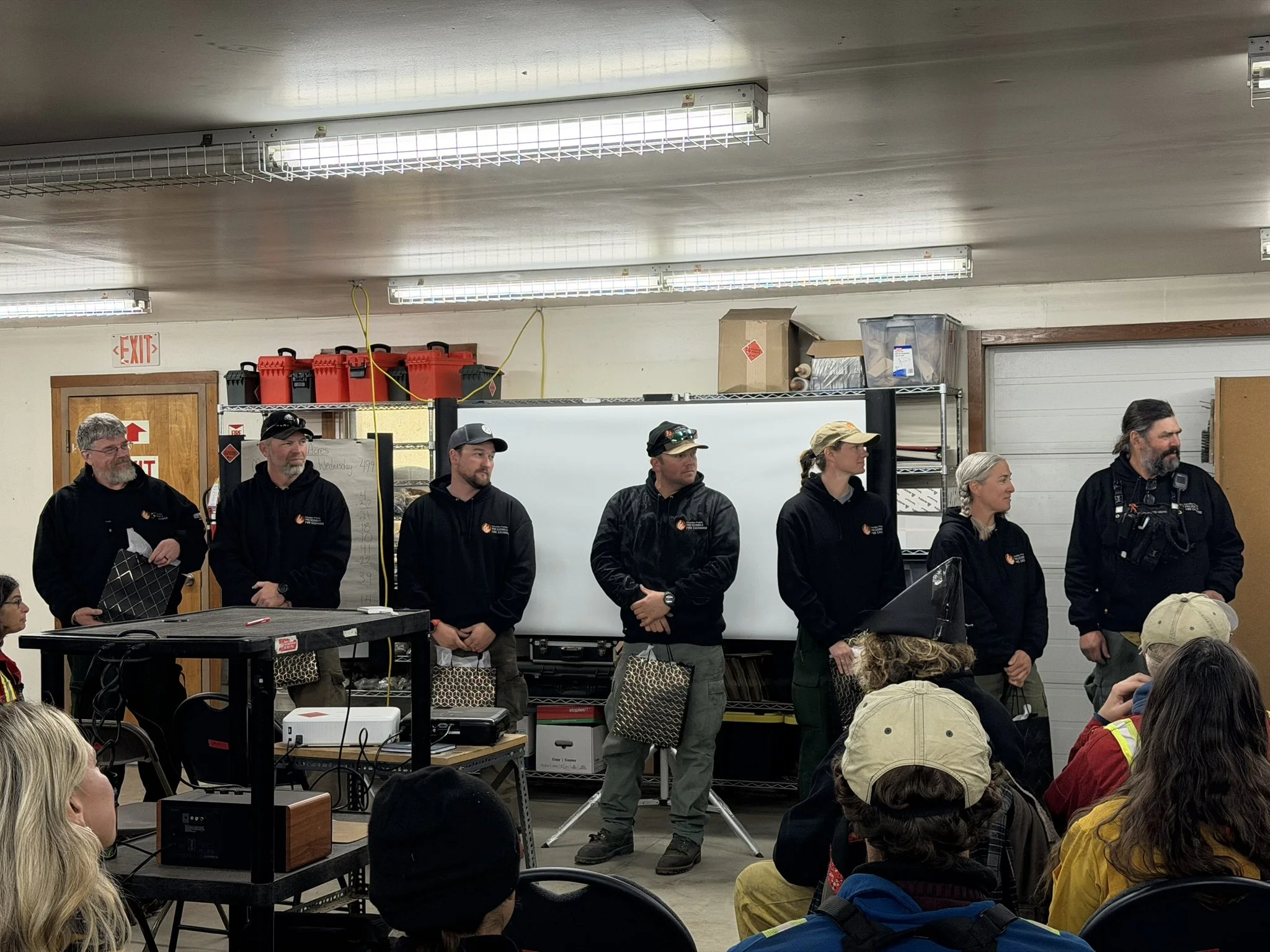
TREX also welcomed participants from across the country, including two wildland firefighters who travelled from Newfoundland to take part in the exchange. Their journey reflects the growing reputation and reach of the program as more people recognize the importance of prescribed fire in managing and restoring landscapes across Canada.
From Classroom to Fireline
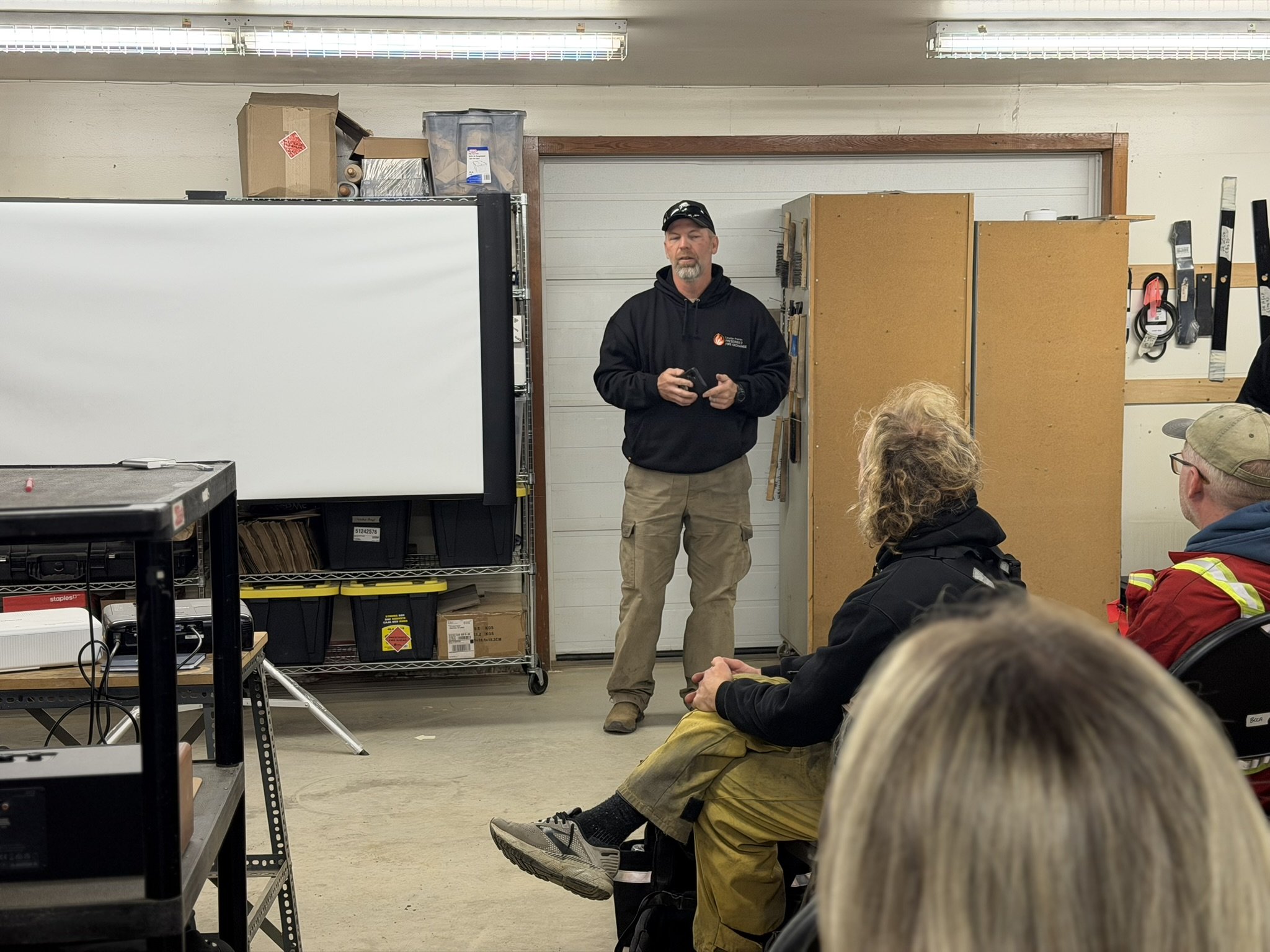
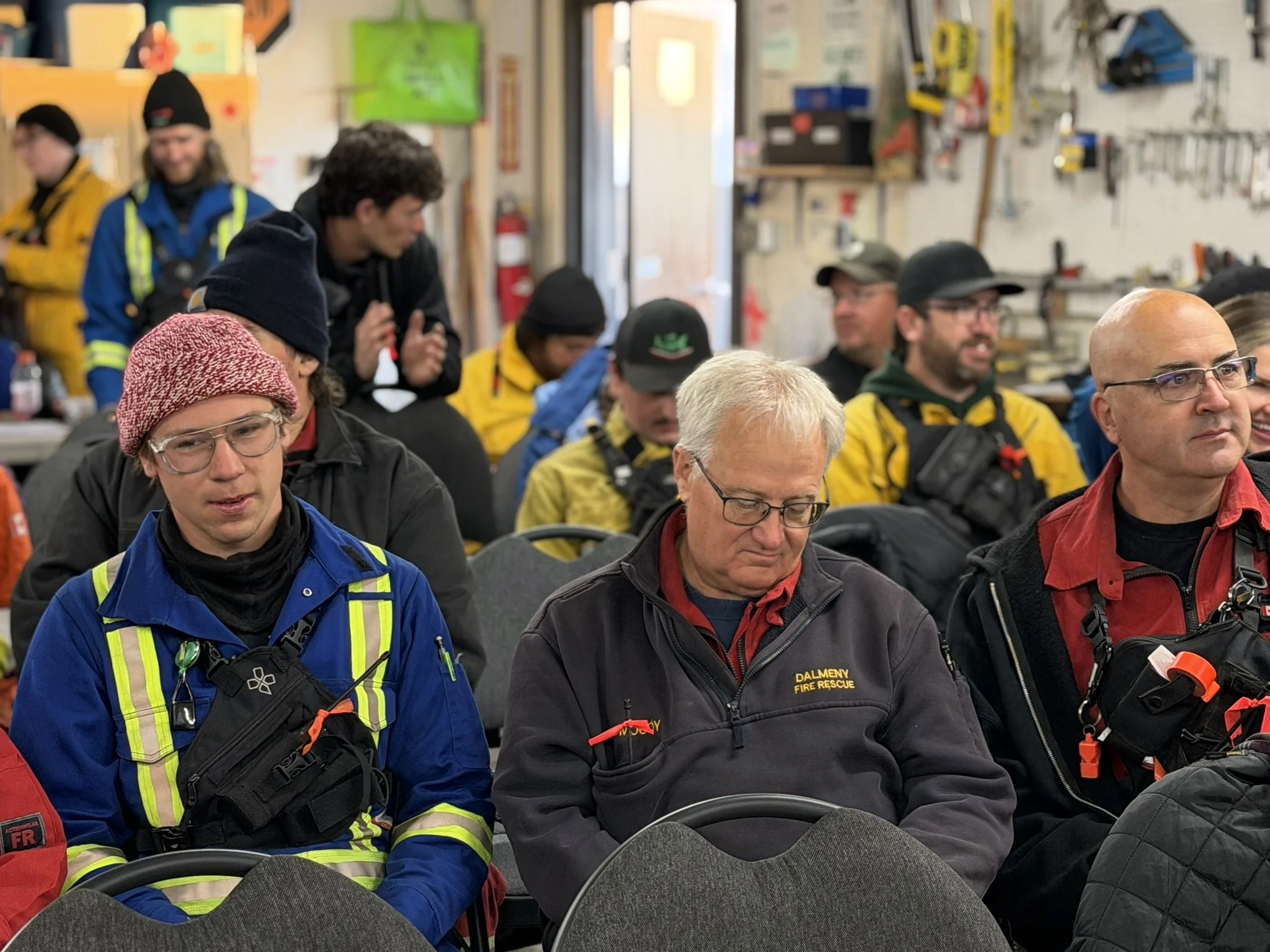
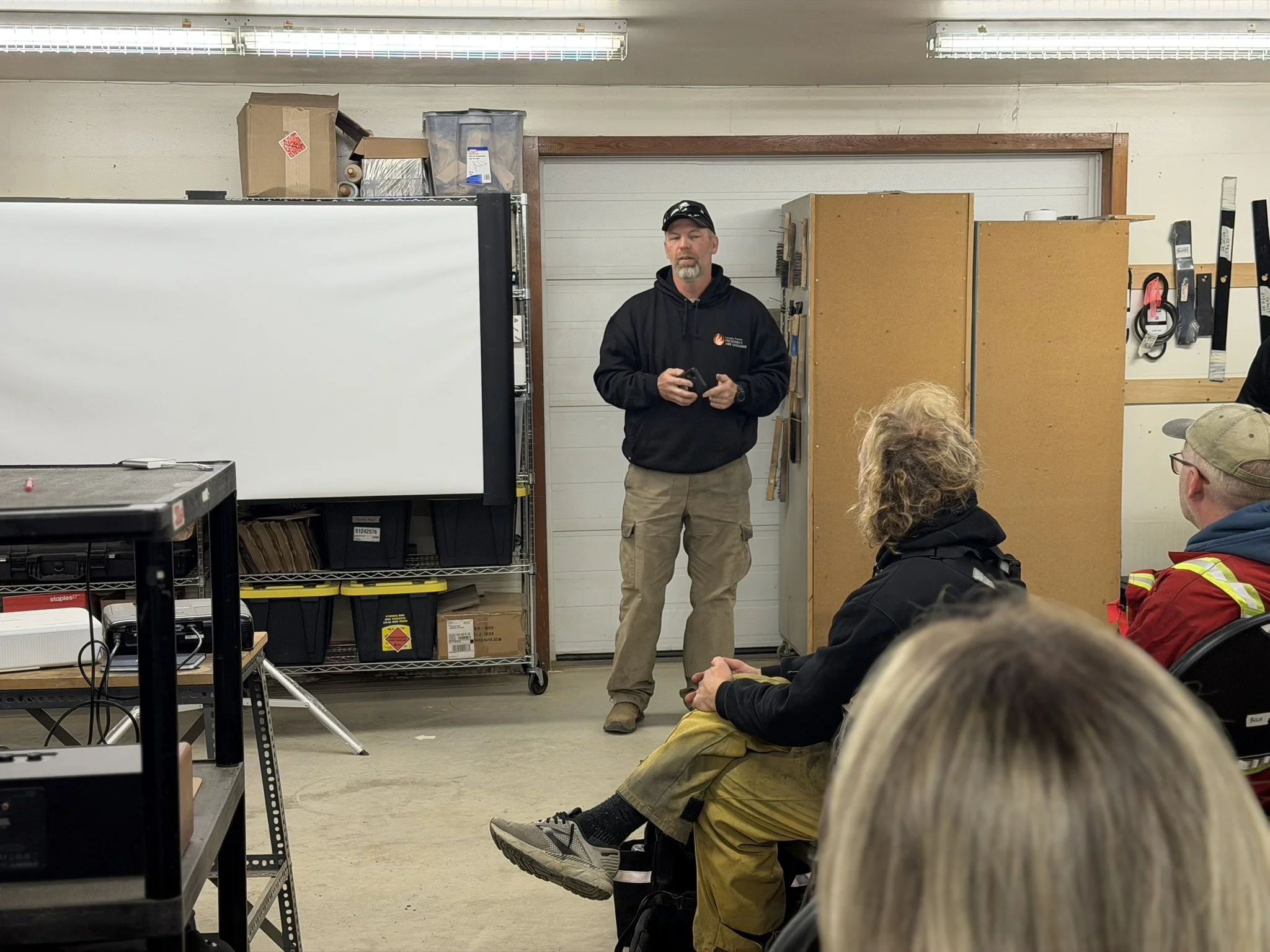
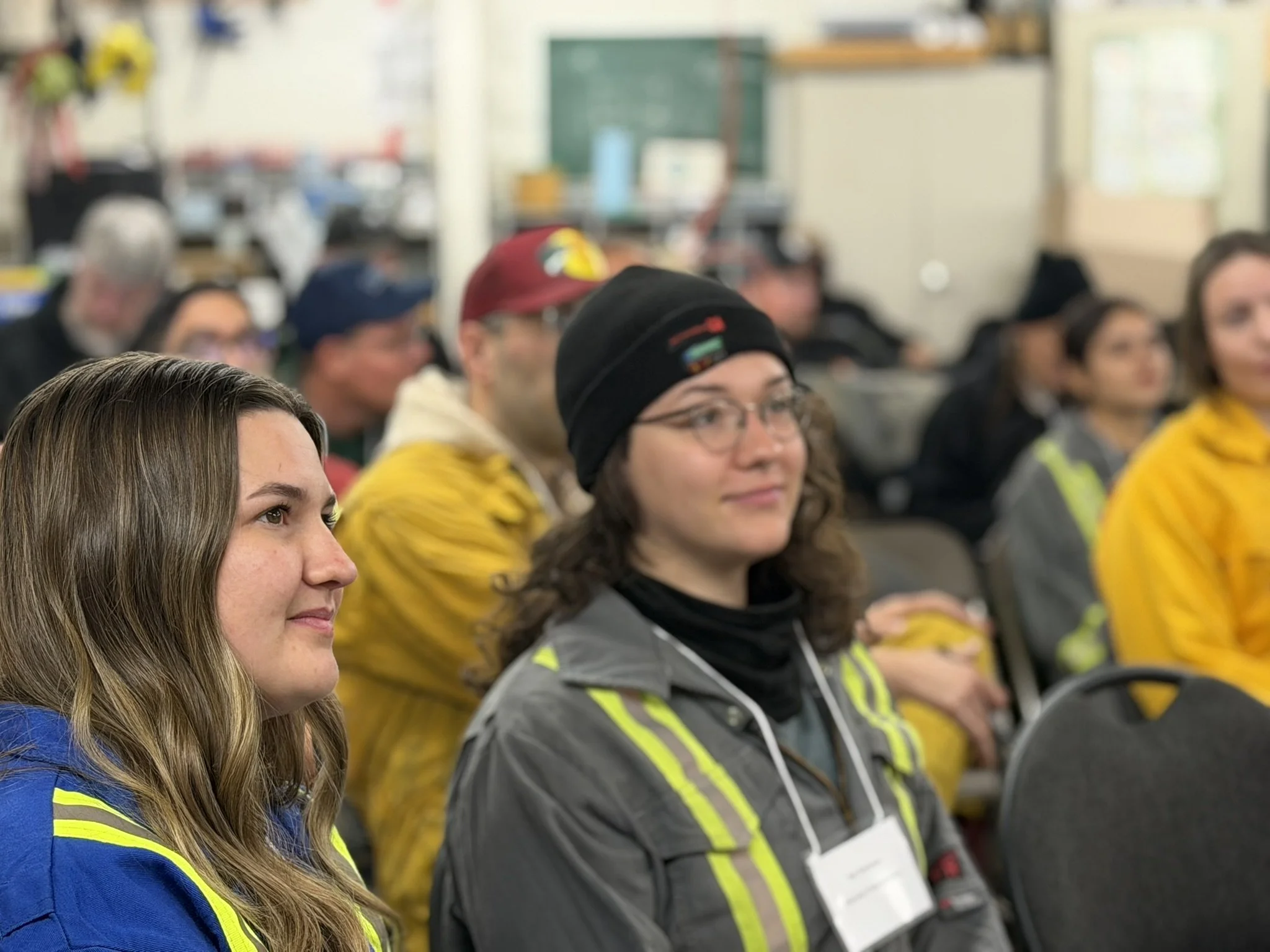
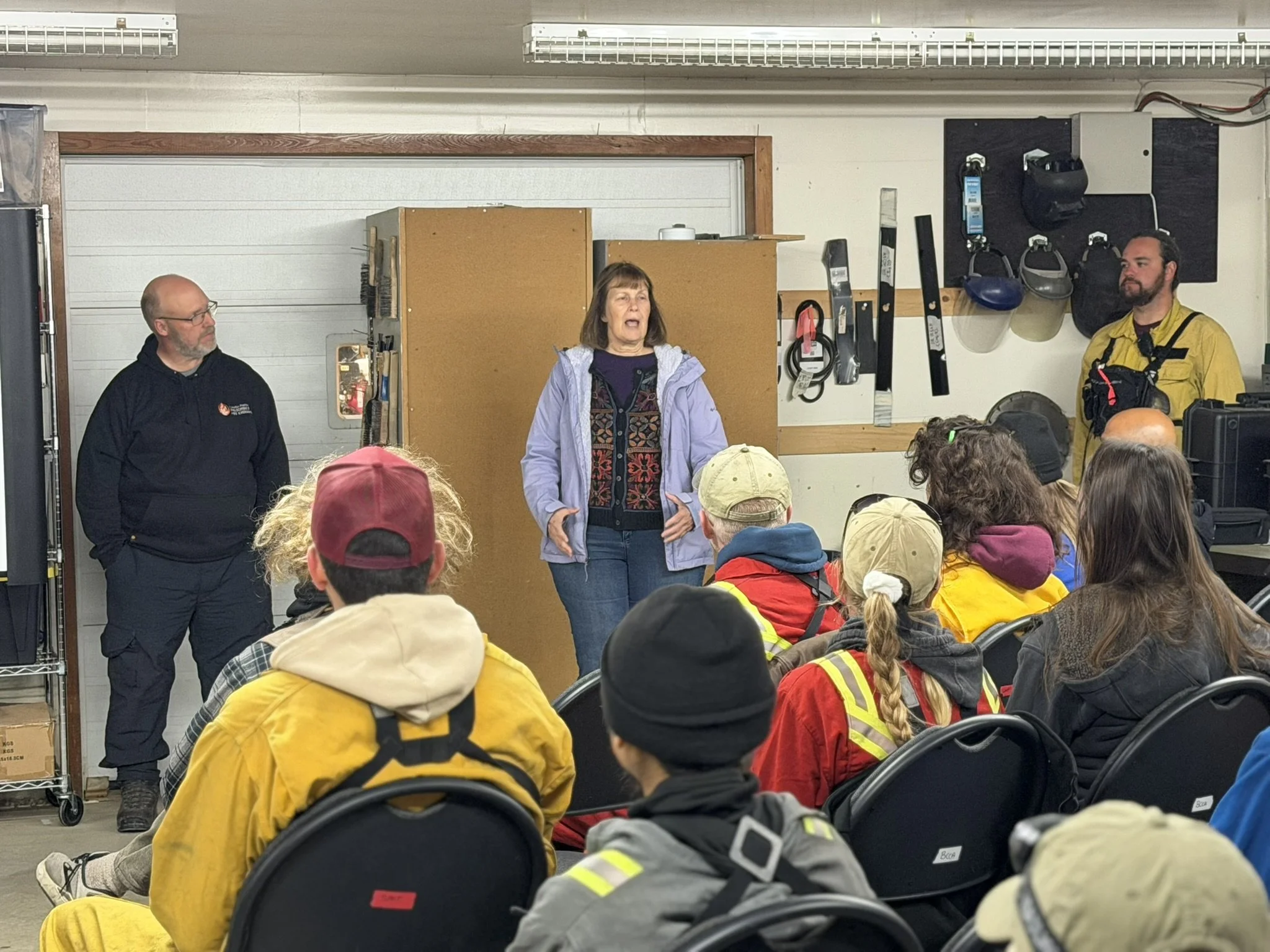
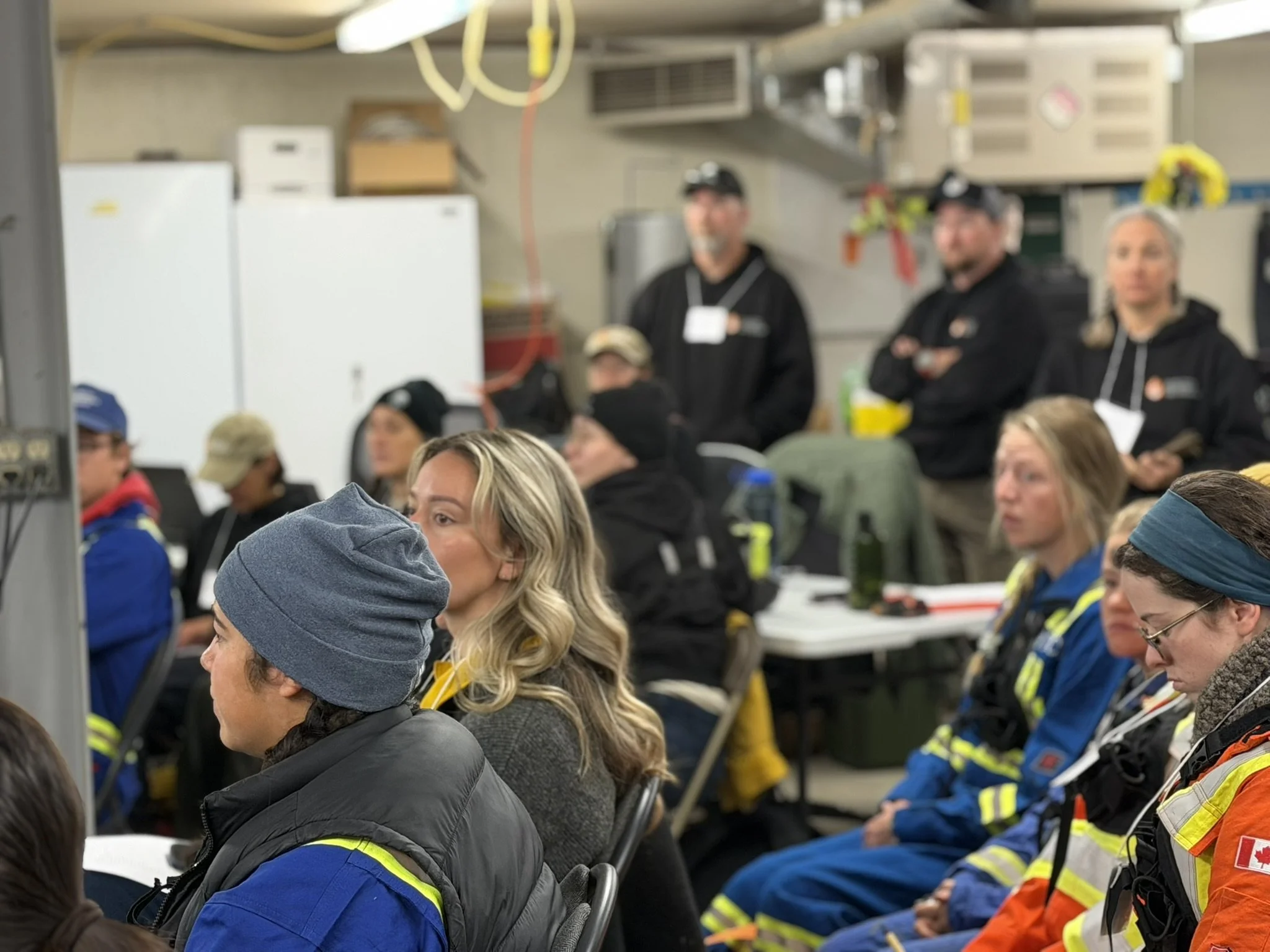
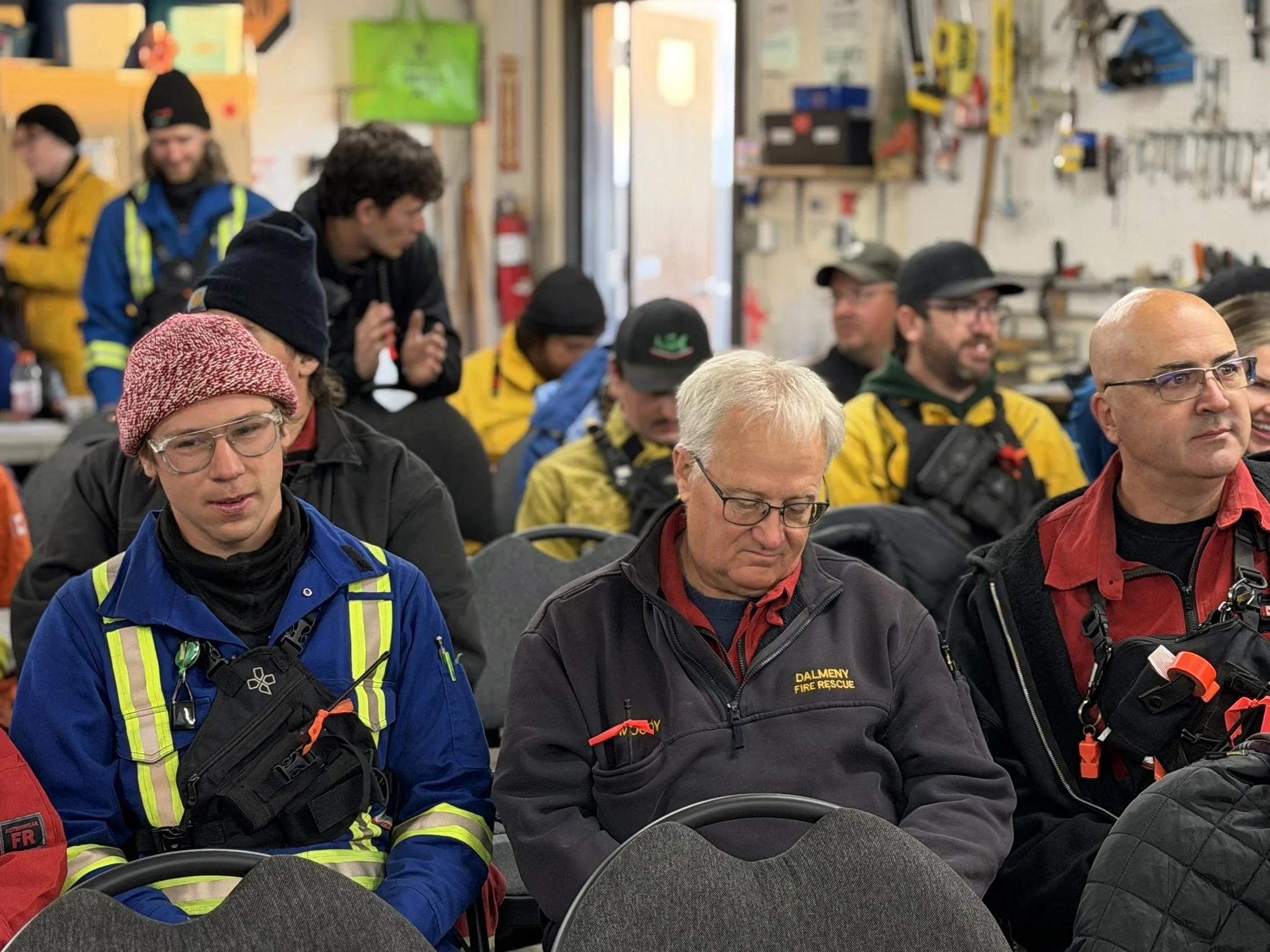
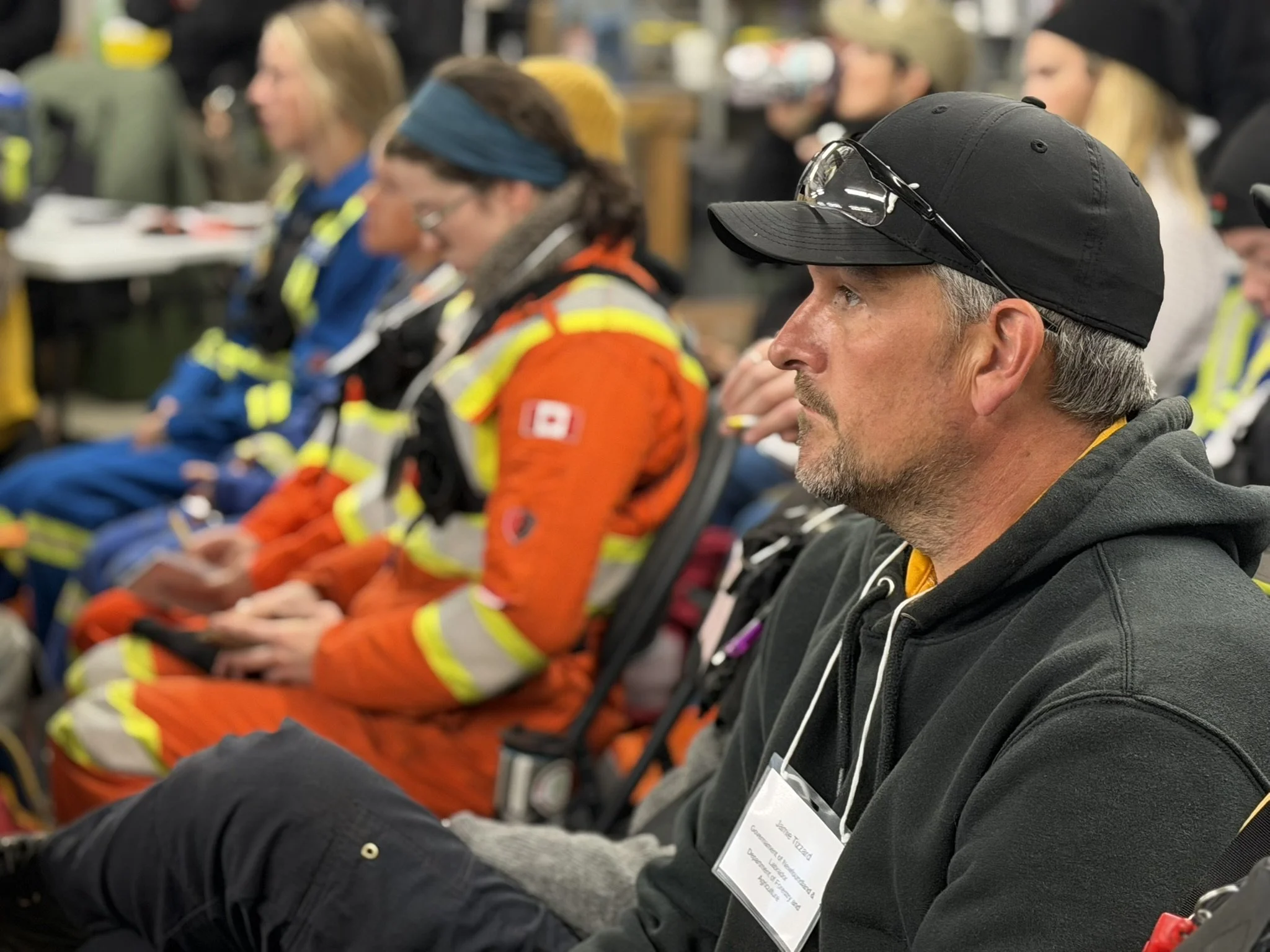
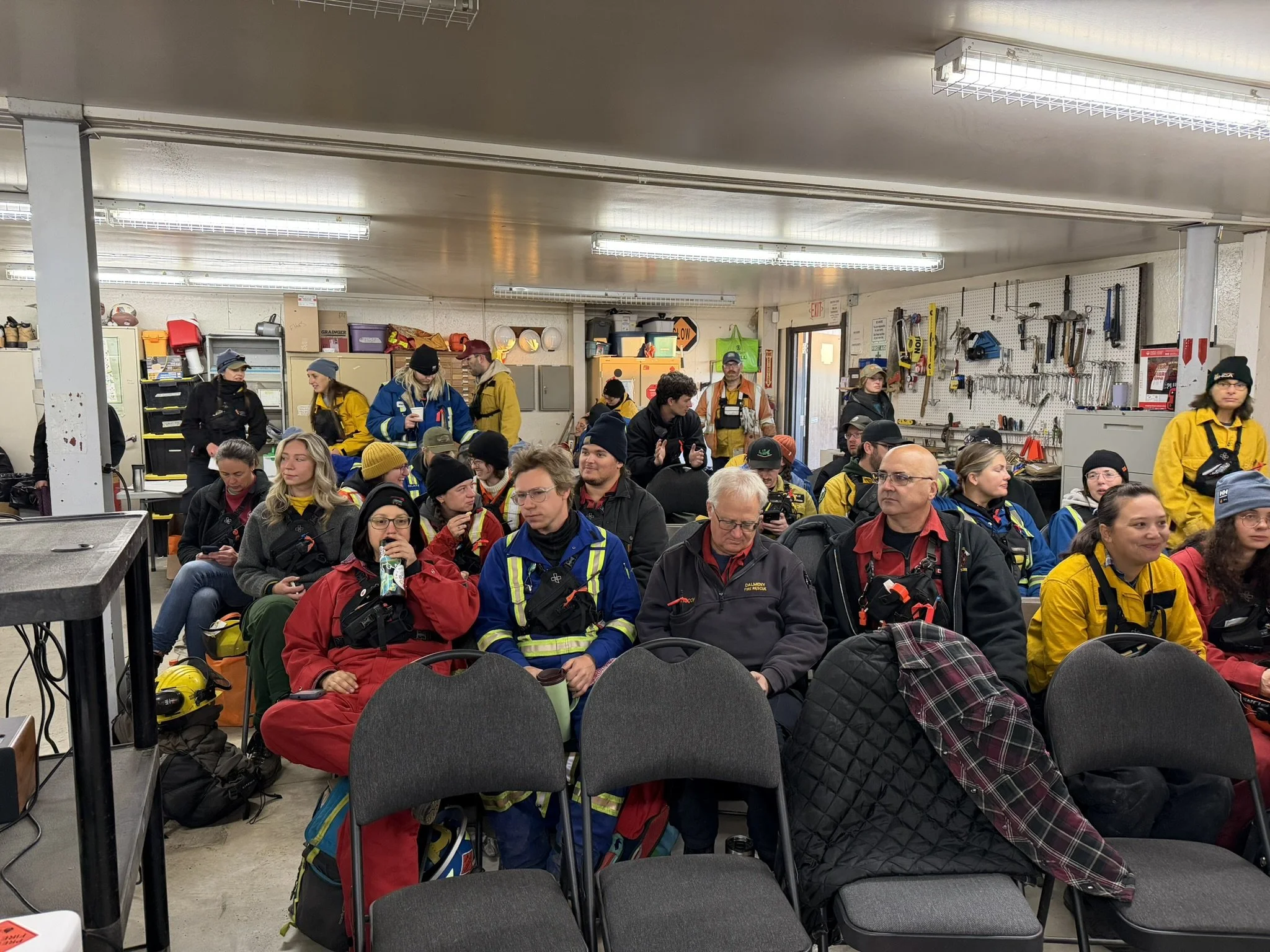
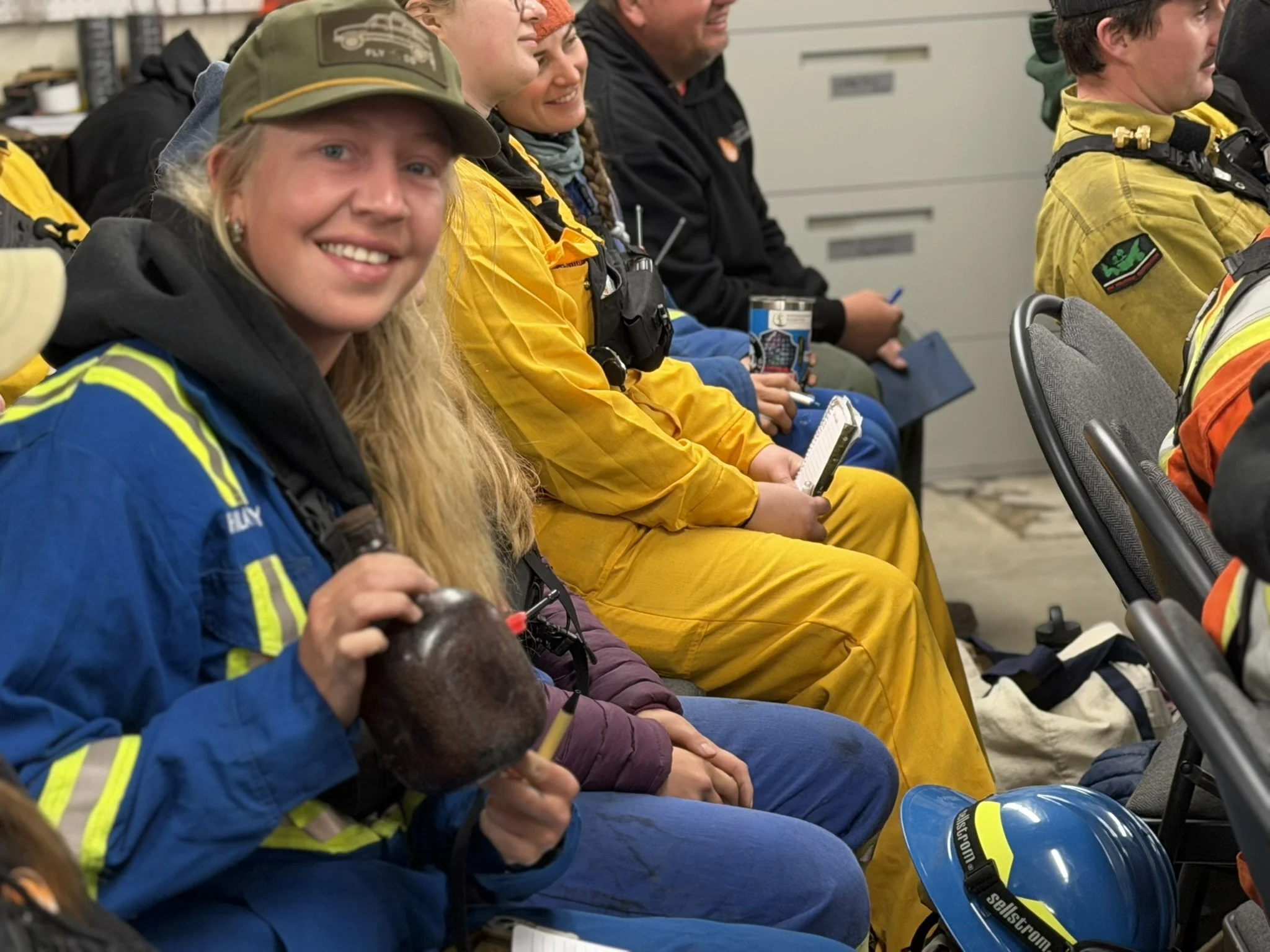
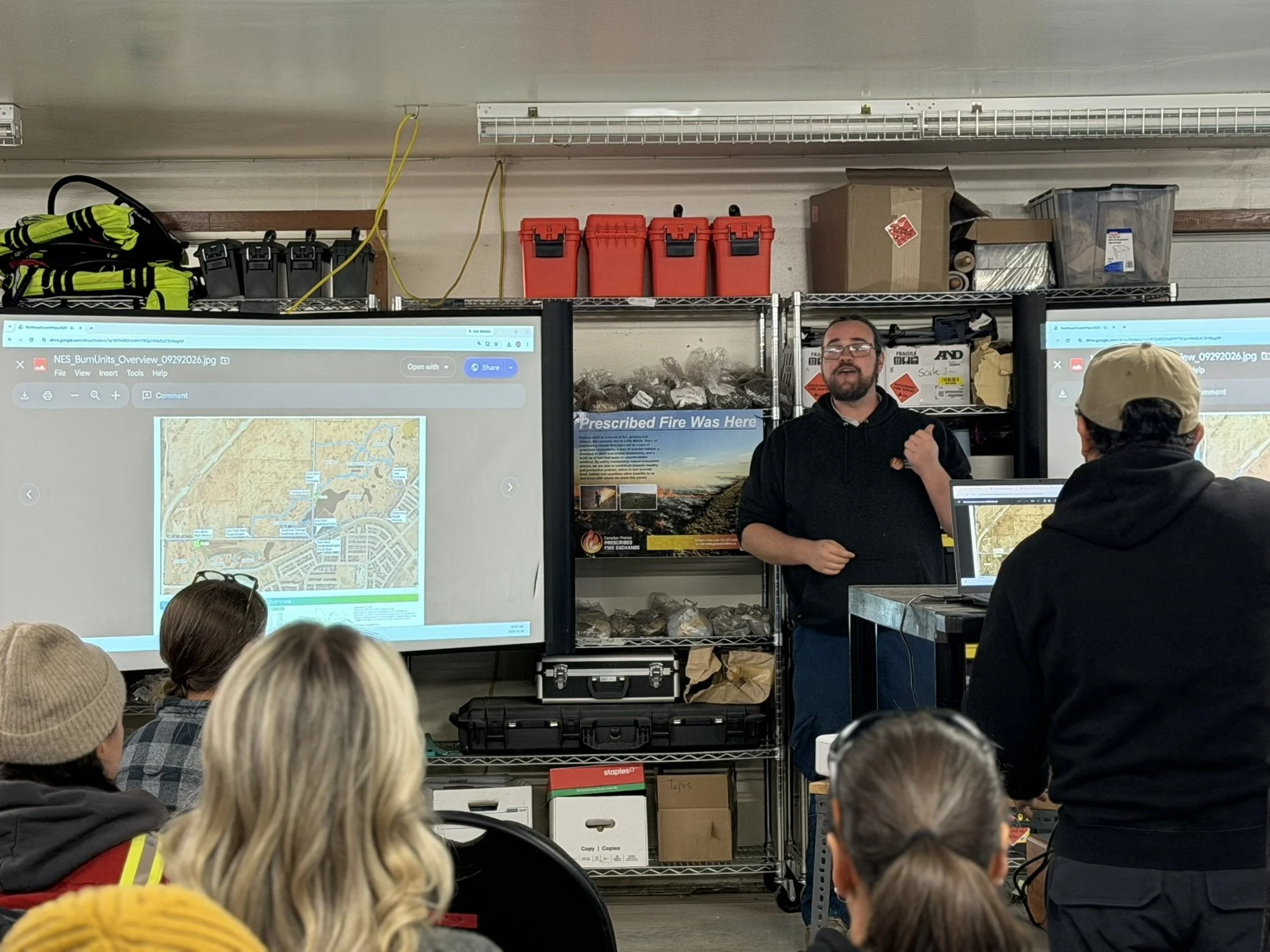
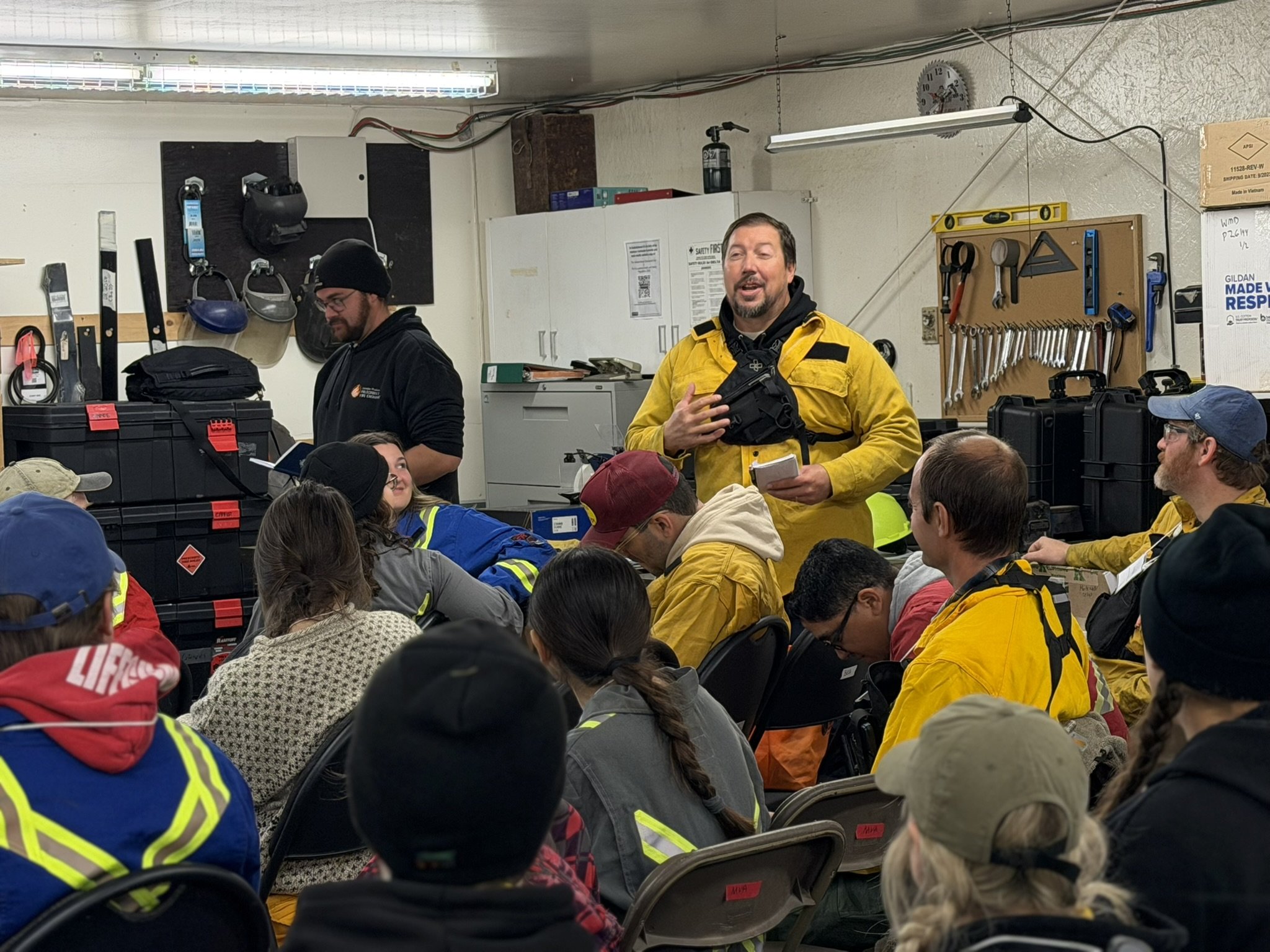
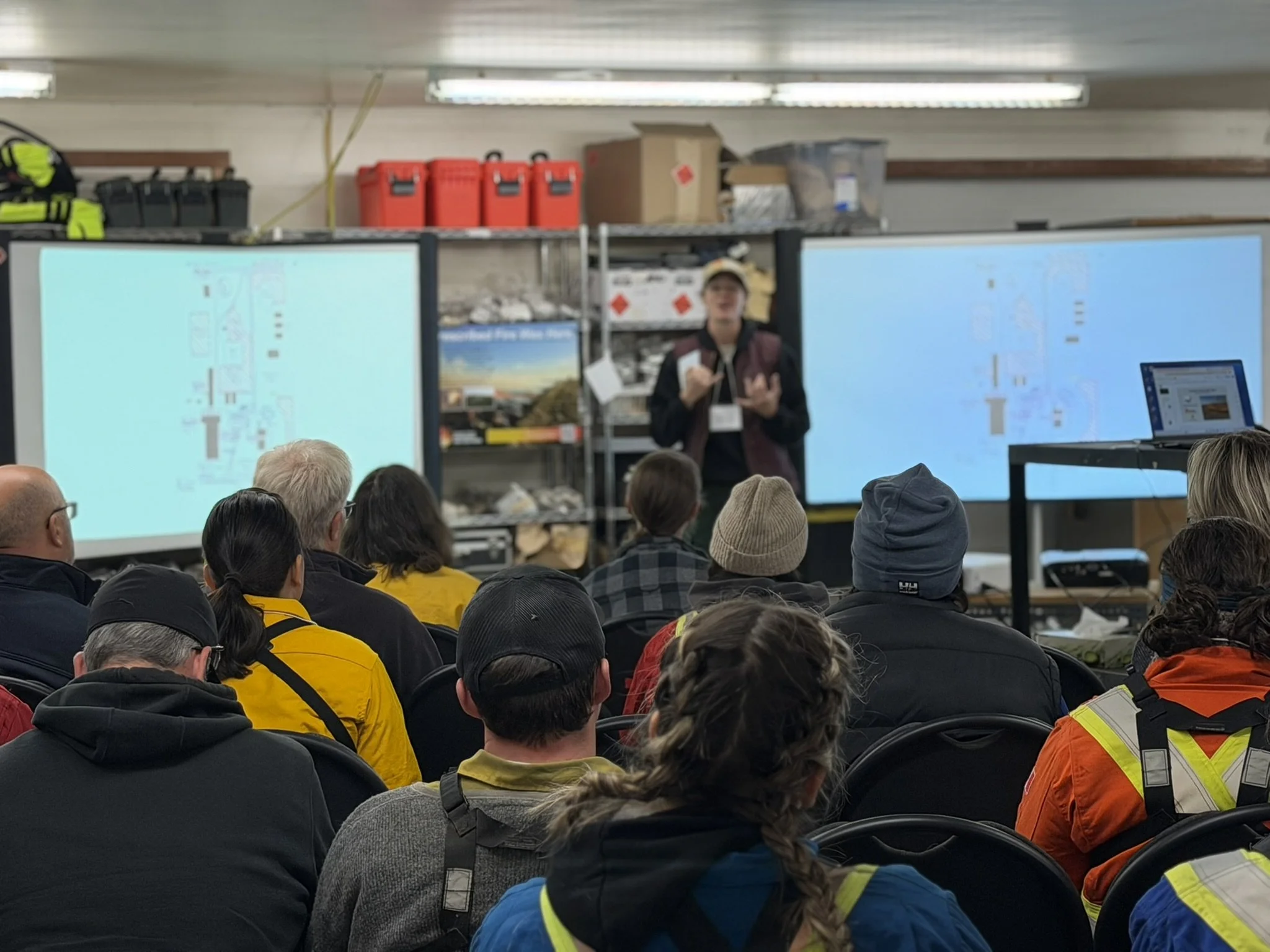
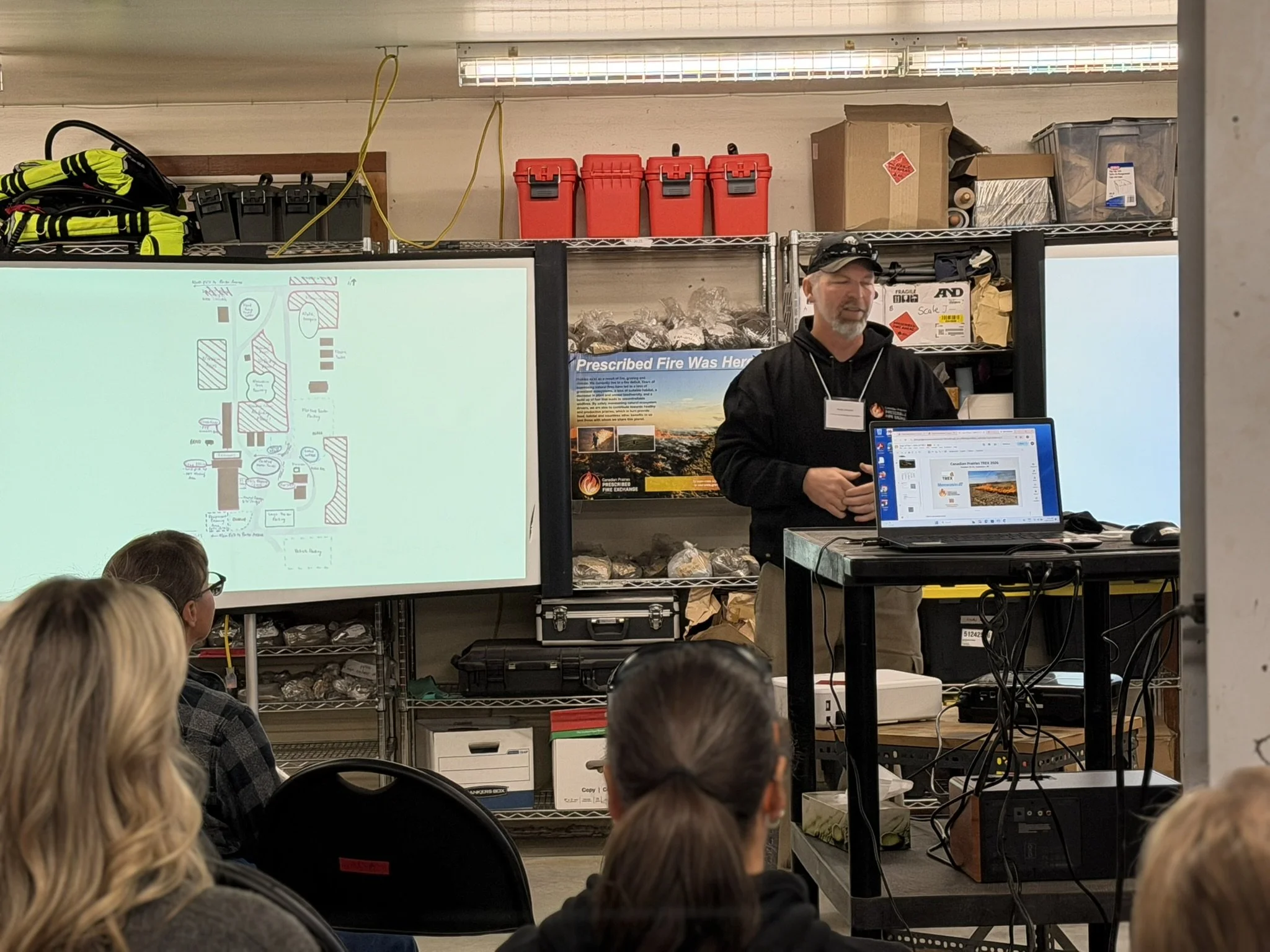
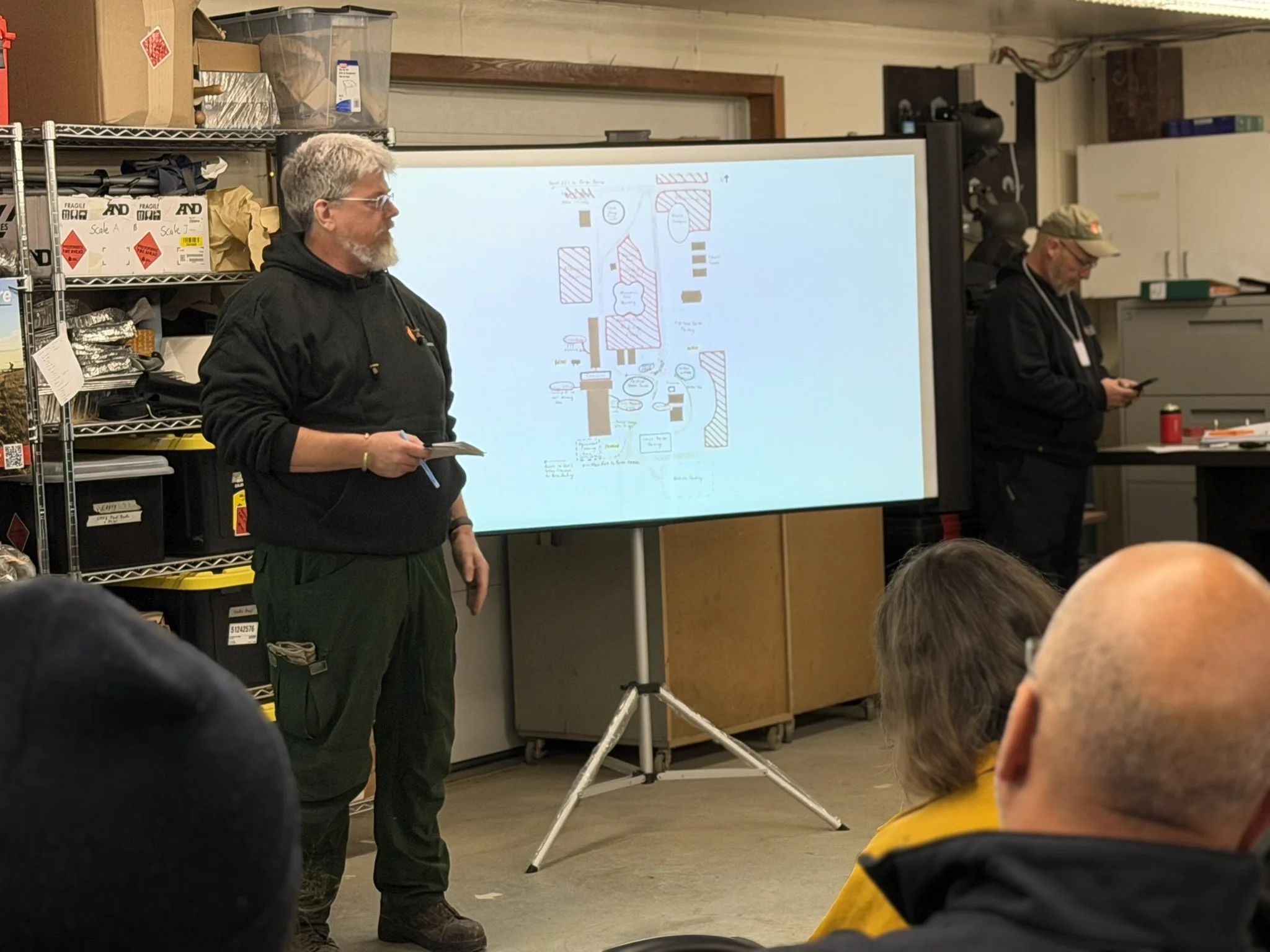
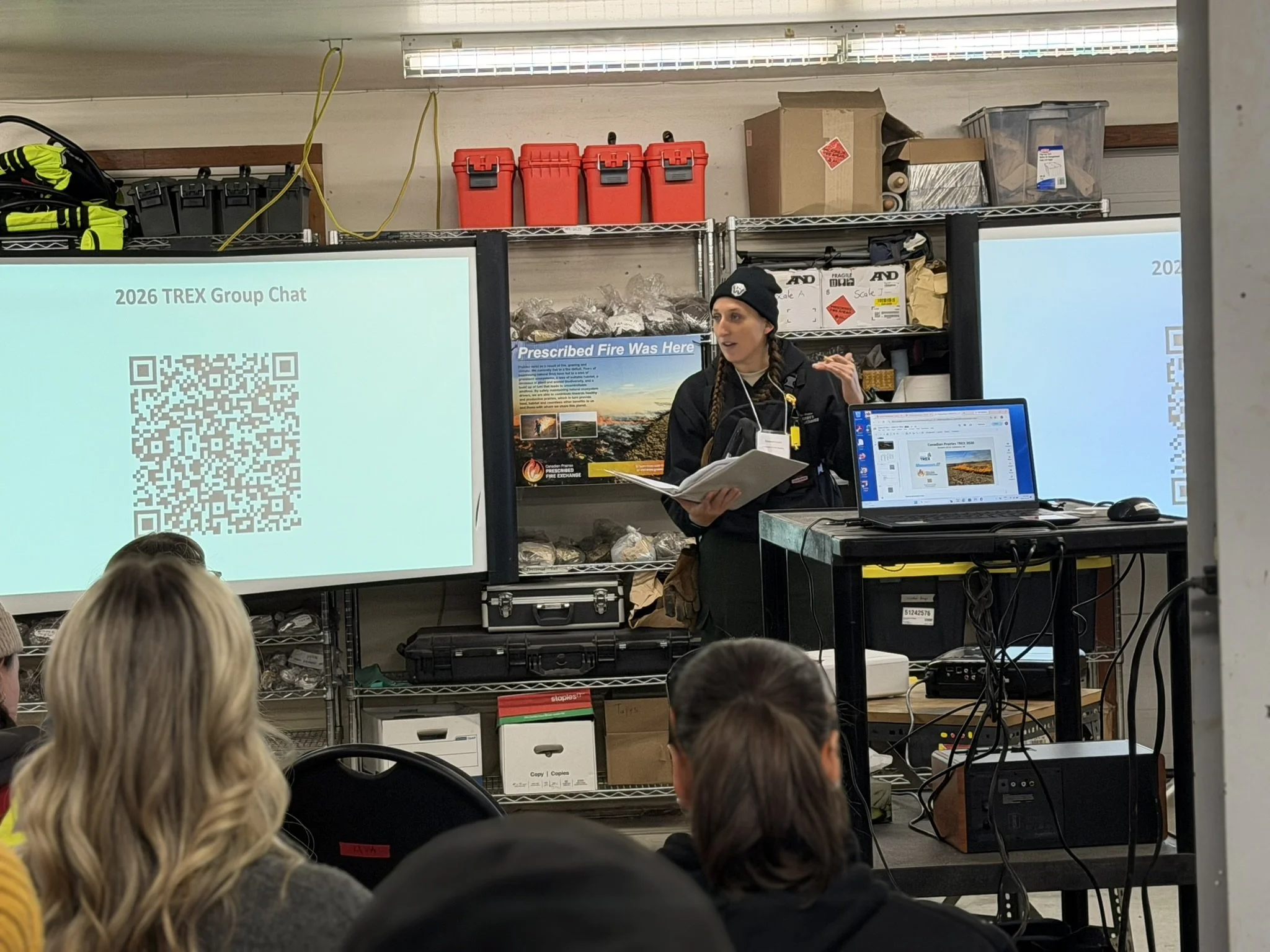
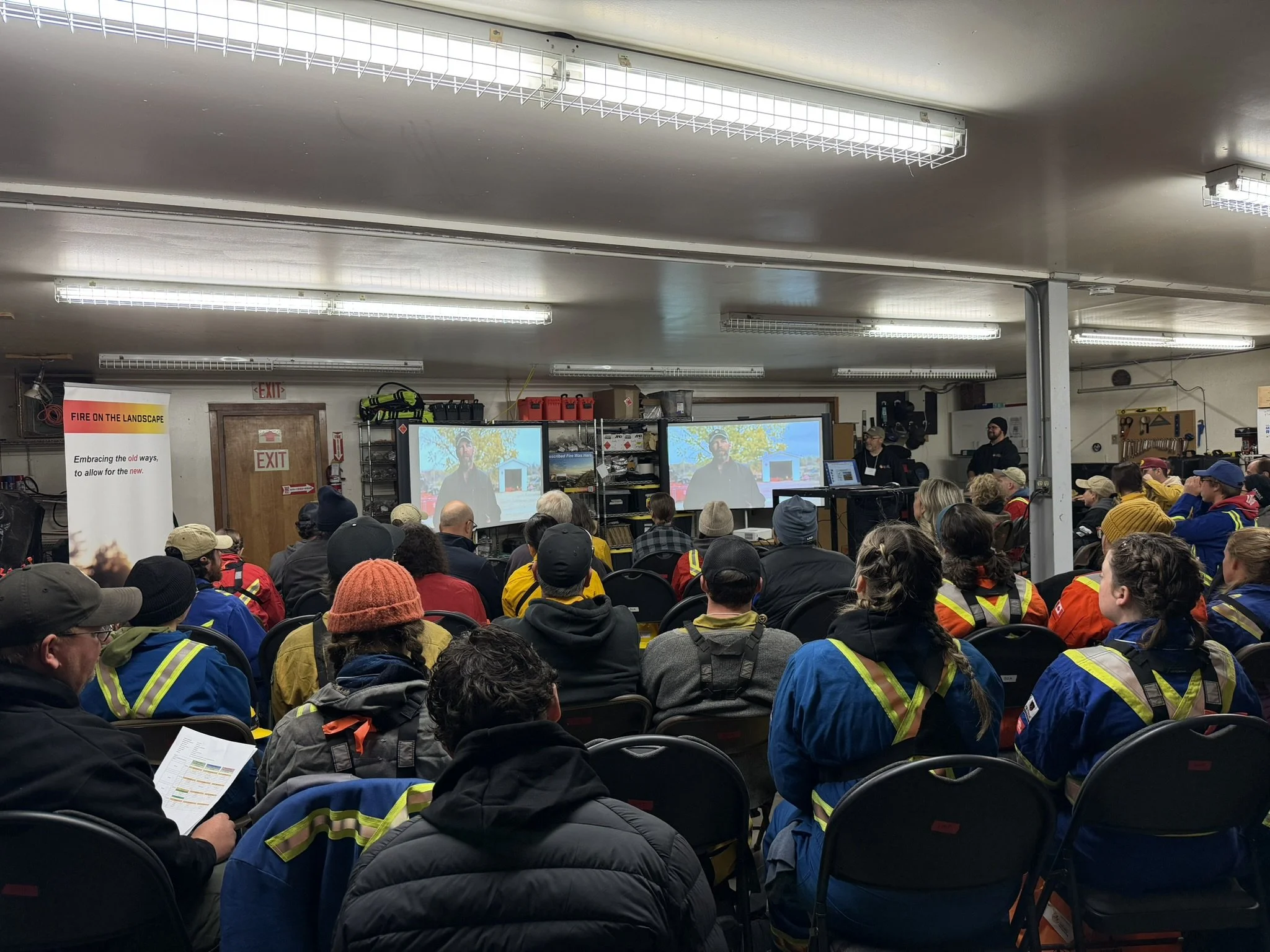
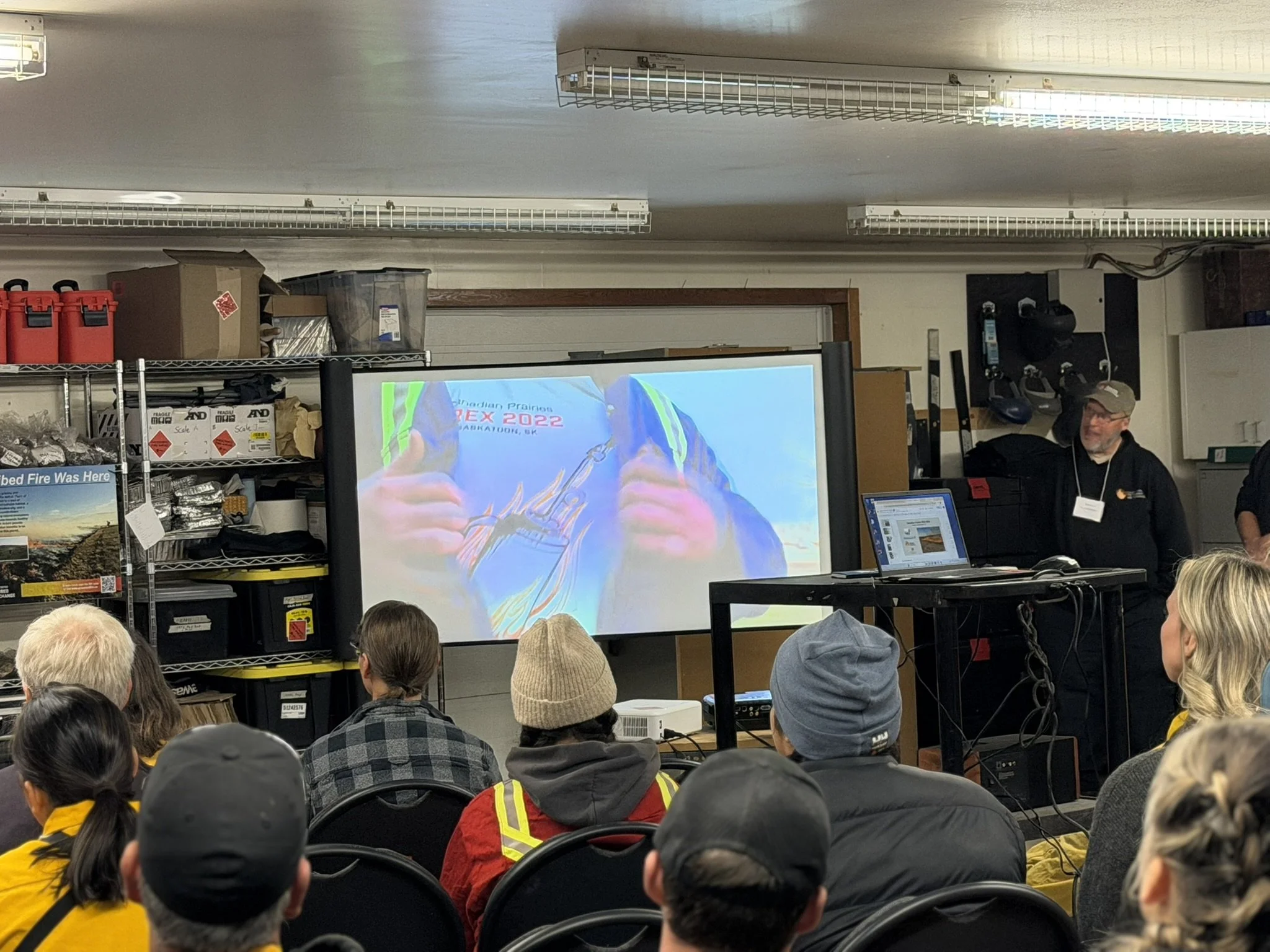
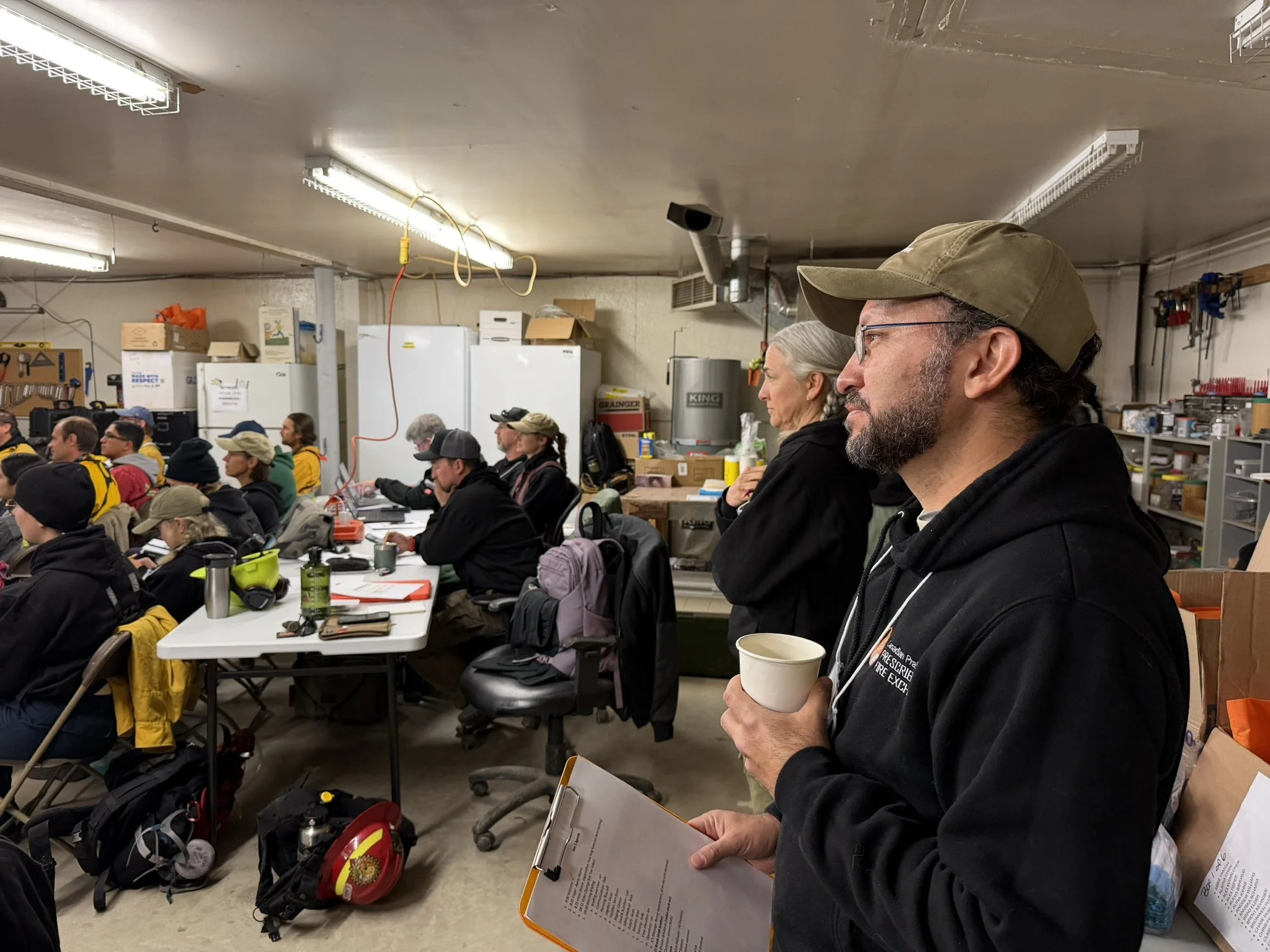
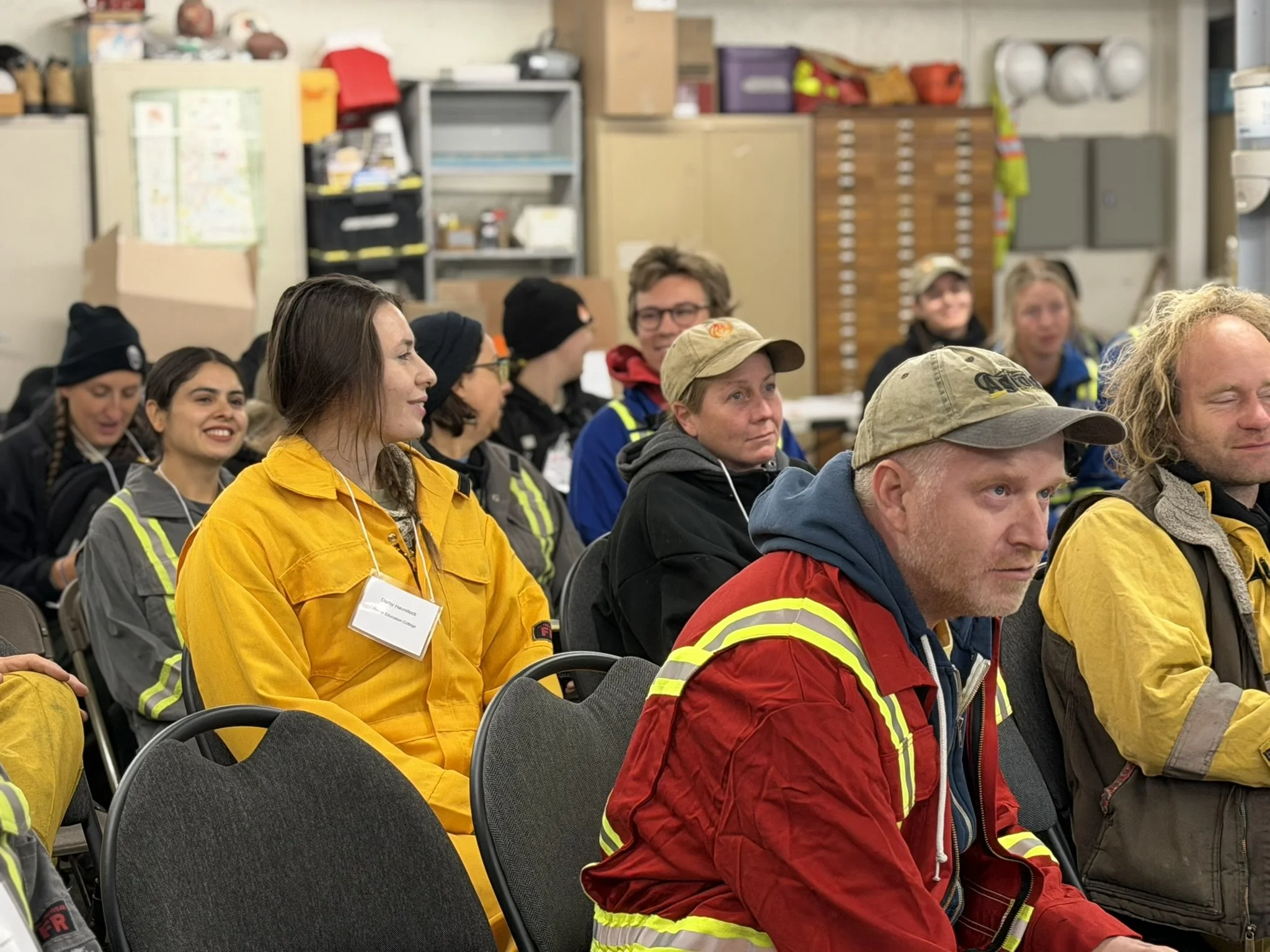
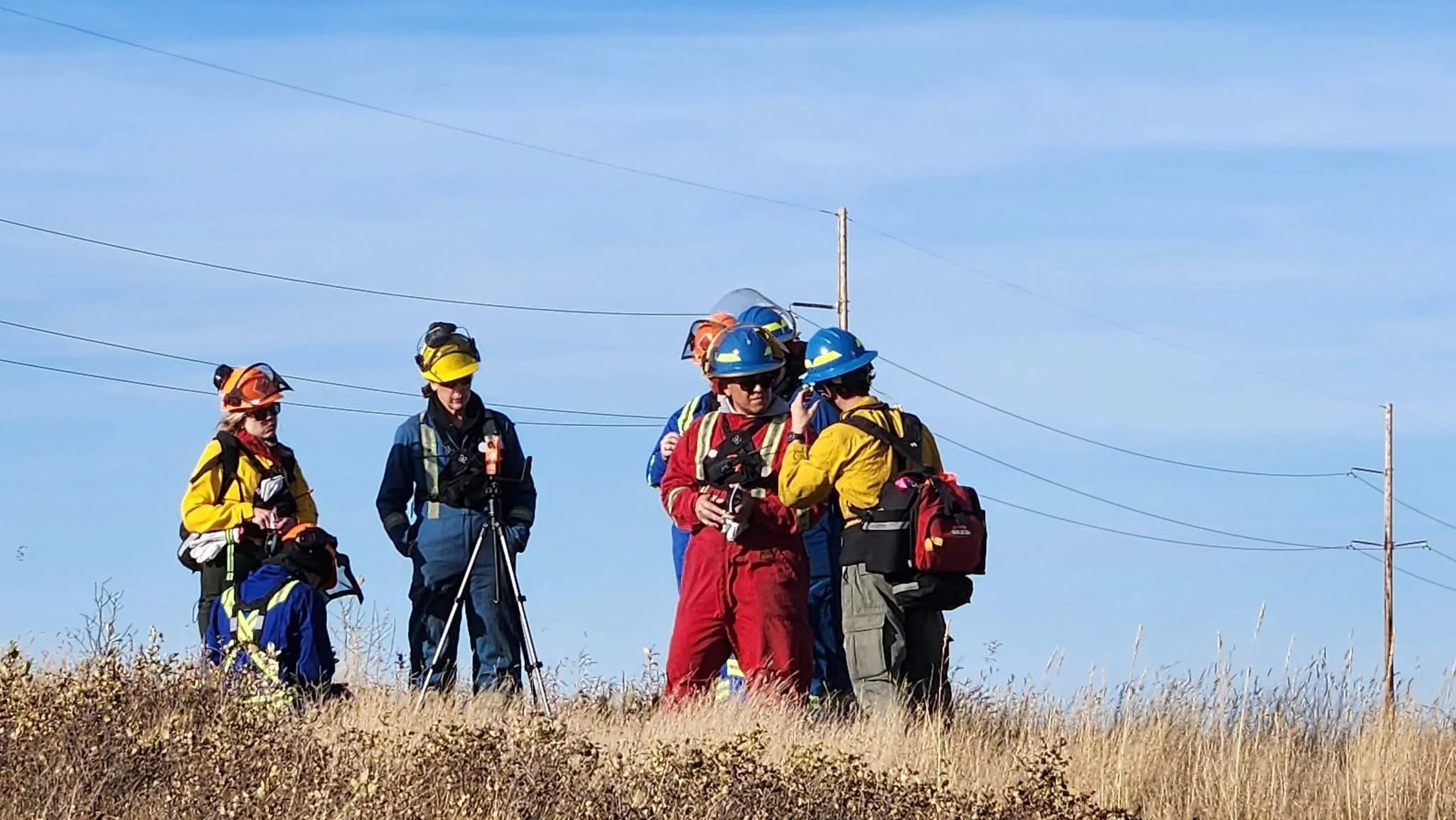
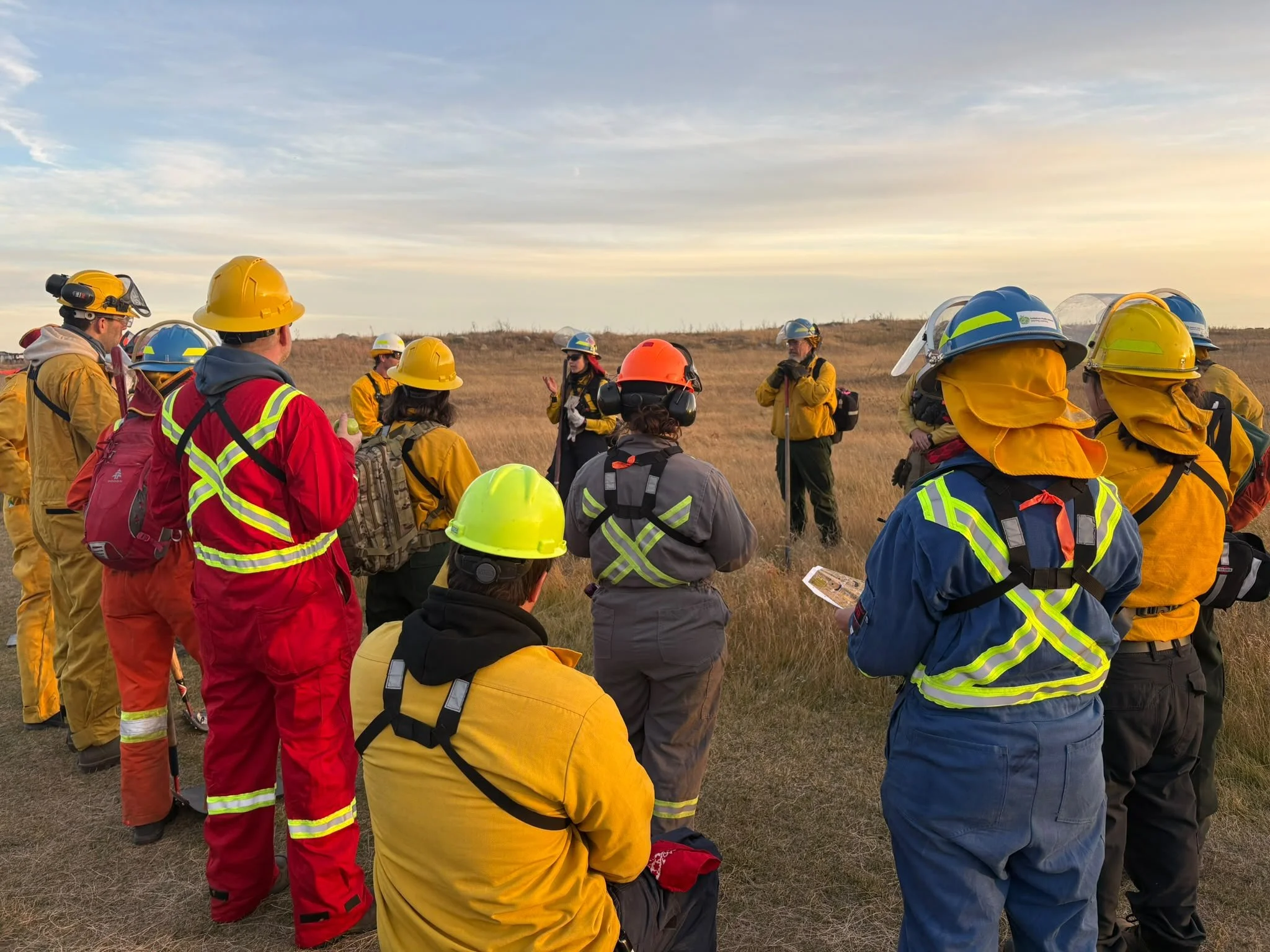
The week began at the Northeast Swale, where participants received classroom instruction covering fire behaviour, burn planning, operational procedures, safety protocols, and decision-making in prescribed fire operations.
Led by experienced trainers, the sessions provided a strong foundation before participants transitioned into the field for hands-on practical exercises. Throughout the week, that balance between learning and application remained central to the TREX experience, allowing participants to gain real-world experience while working alongside seasoned practitioners.
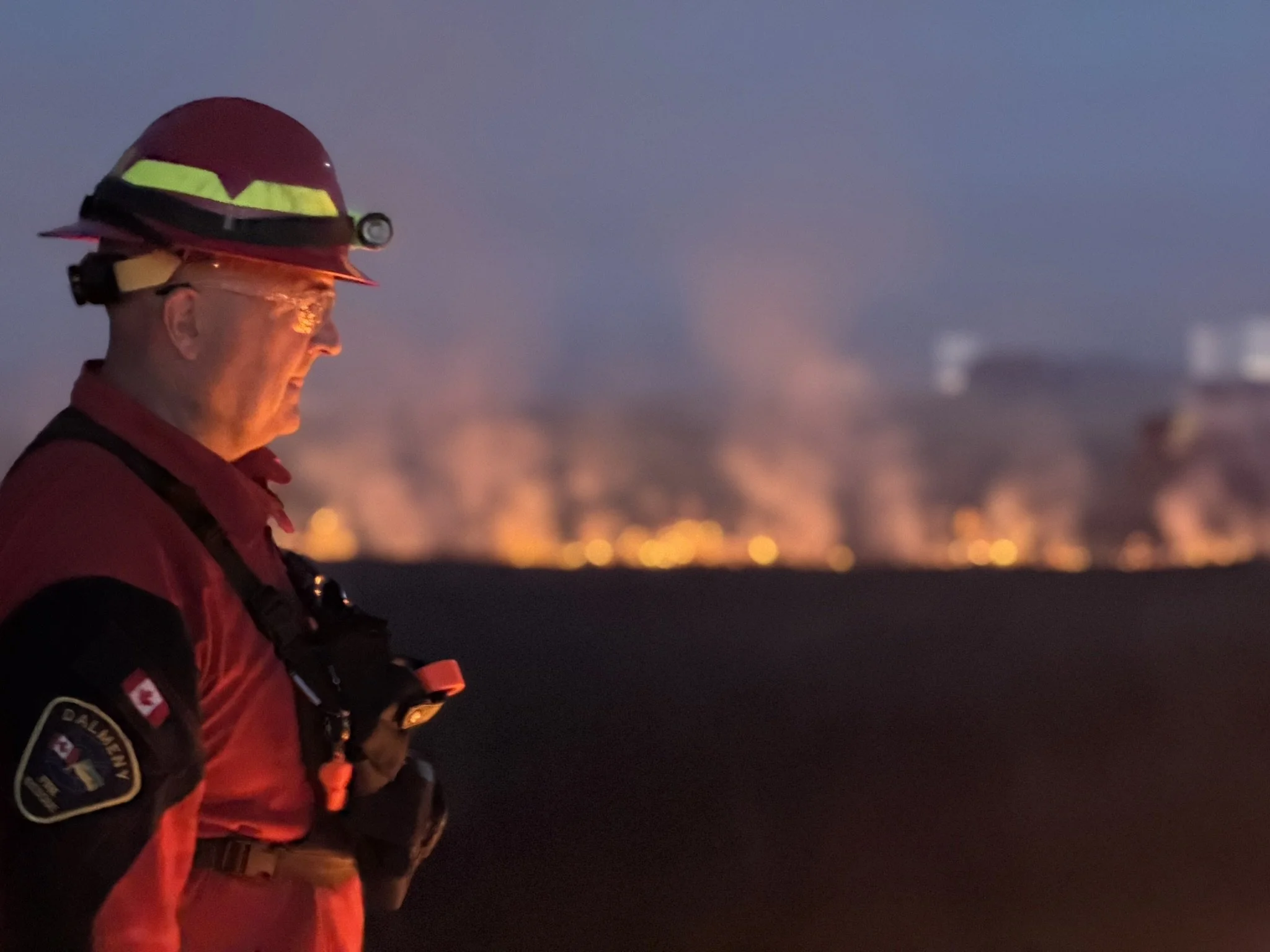
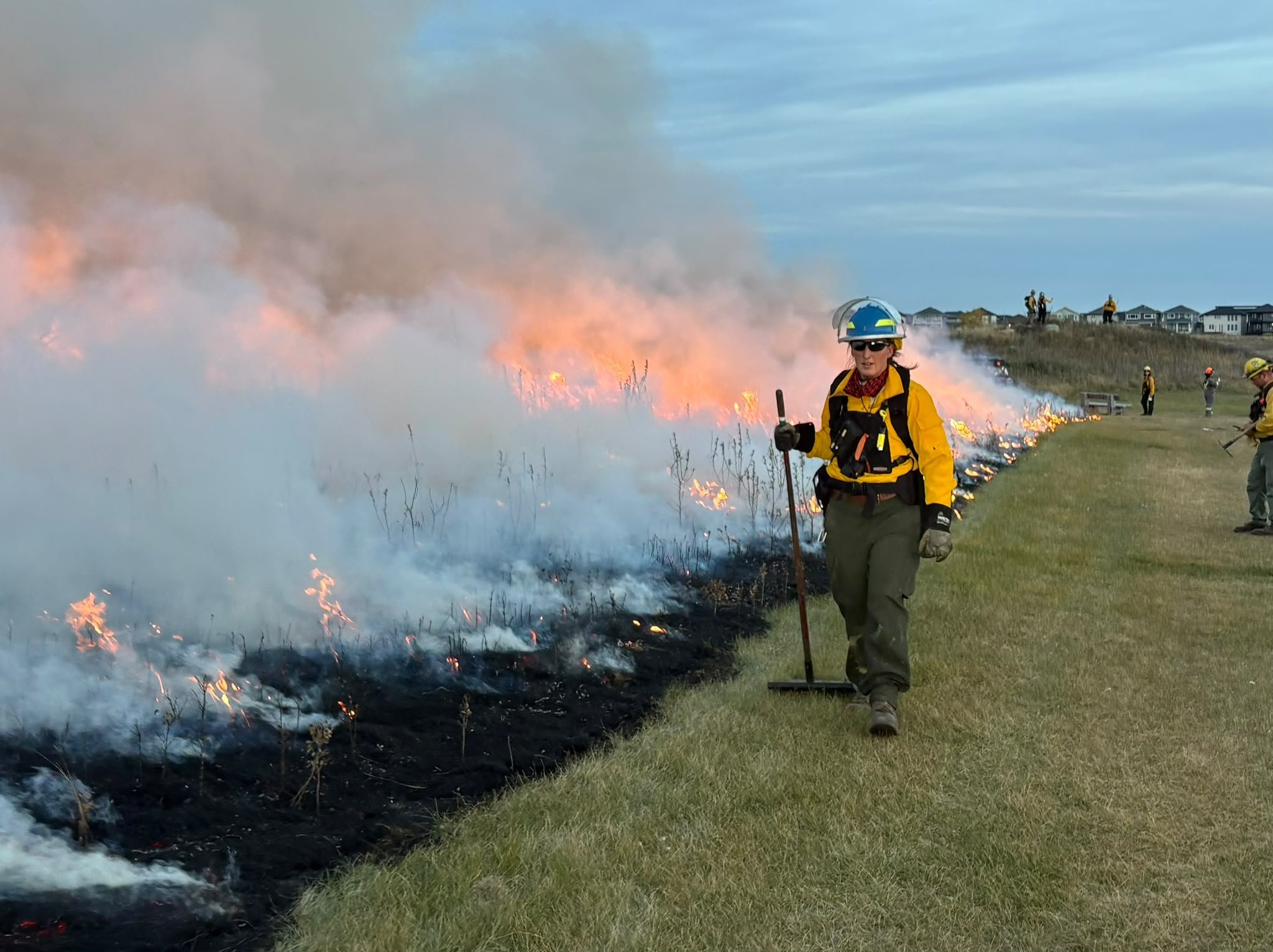
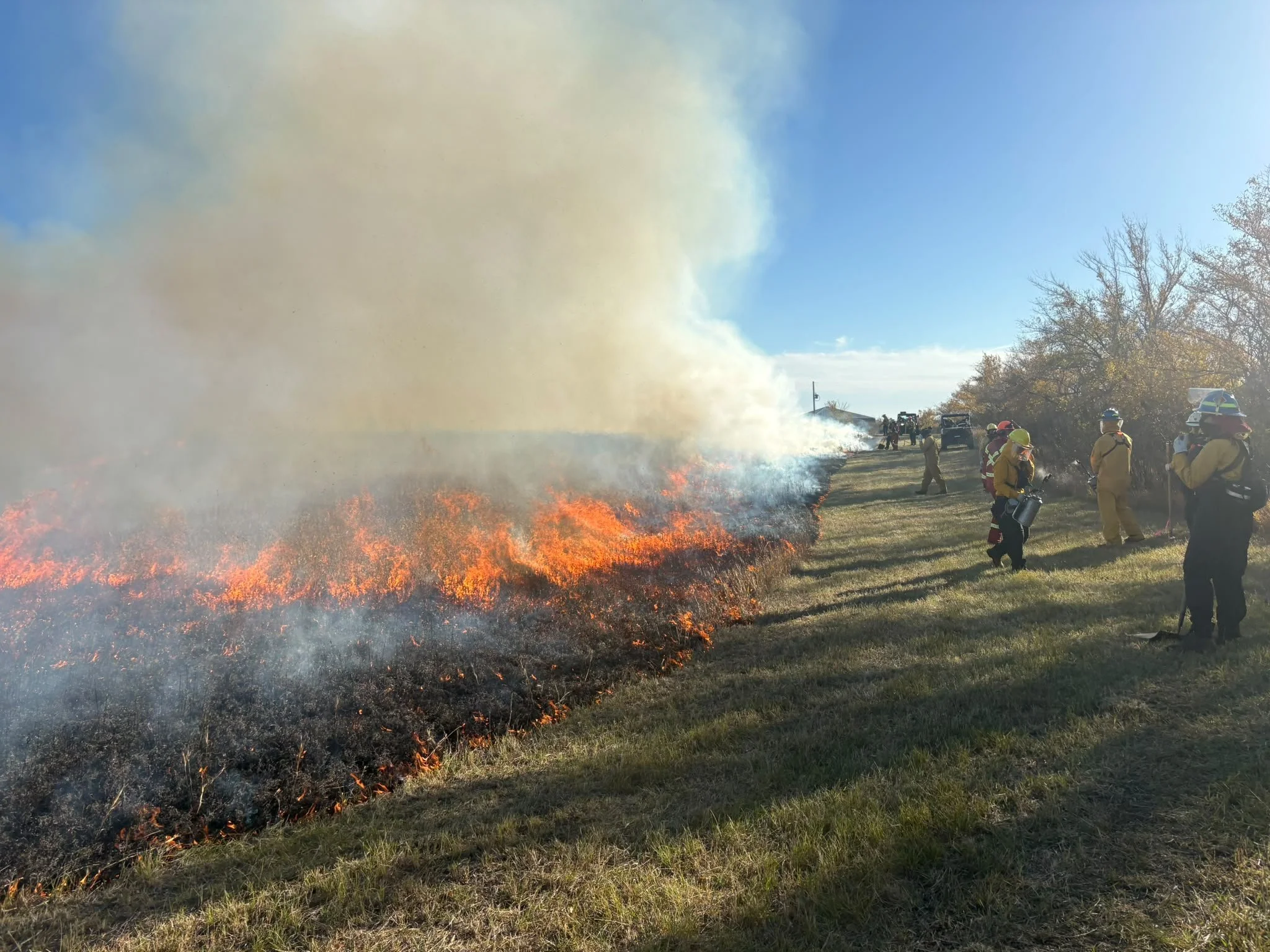
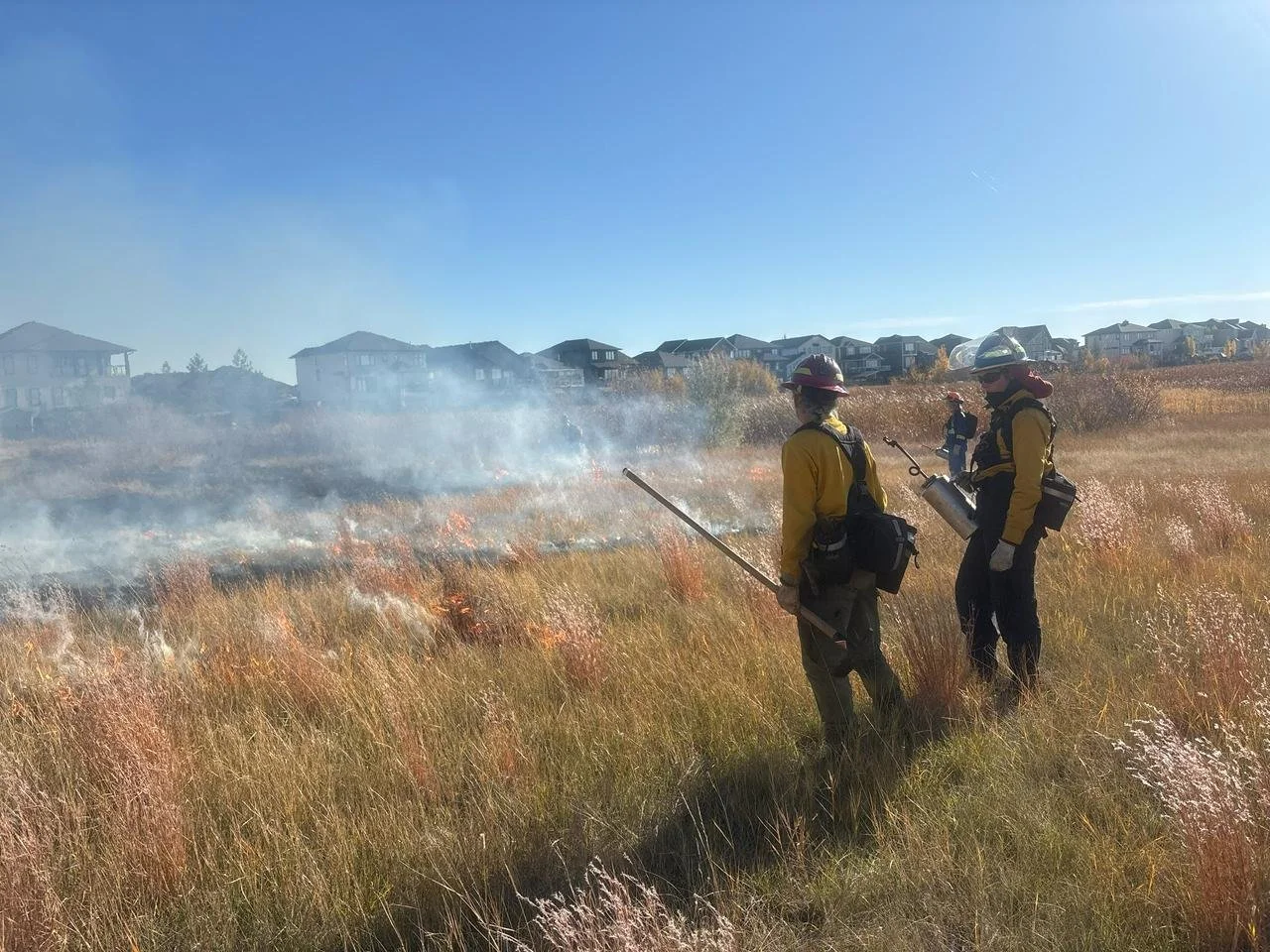
The opening day concluded with a successful urban prescribed burn at the Northeast Swale. Conducted under carefully monitored conditions, the operation demonstrated how prescribed fire can be safely used near urban areas to restore native ecosystems, reduce hazardous fuel accumulations, and support long-term landscape resilience.
Members of the public who observed the burn witnessed first-hand the professionalism, planning, and coordination required to conduct a successful prescribed fire. Many remarked on how quickly smoke dissipated following the operation, a testament to the careful planning and favourable conditions under which the burn was conducted.
Fire on the Ground Across Saskatchewan
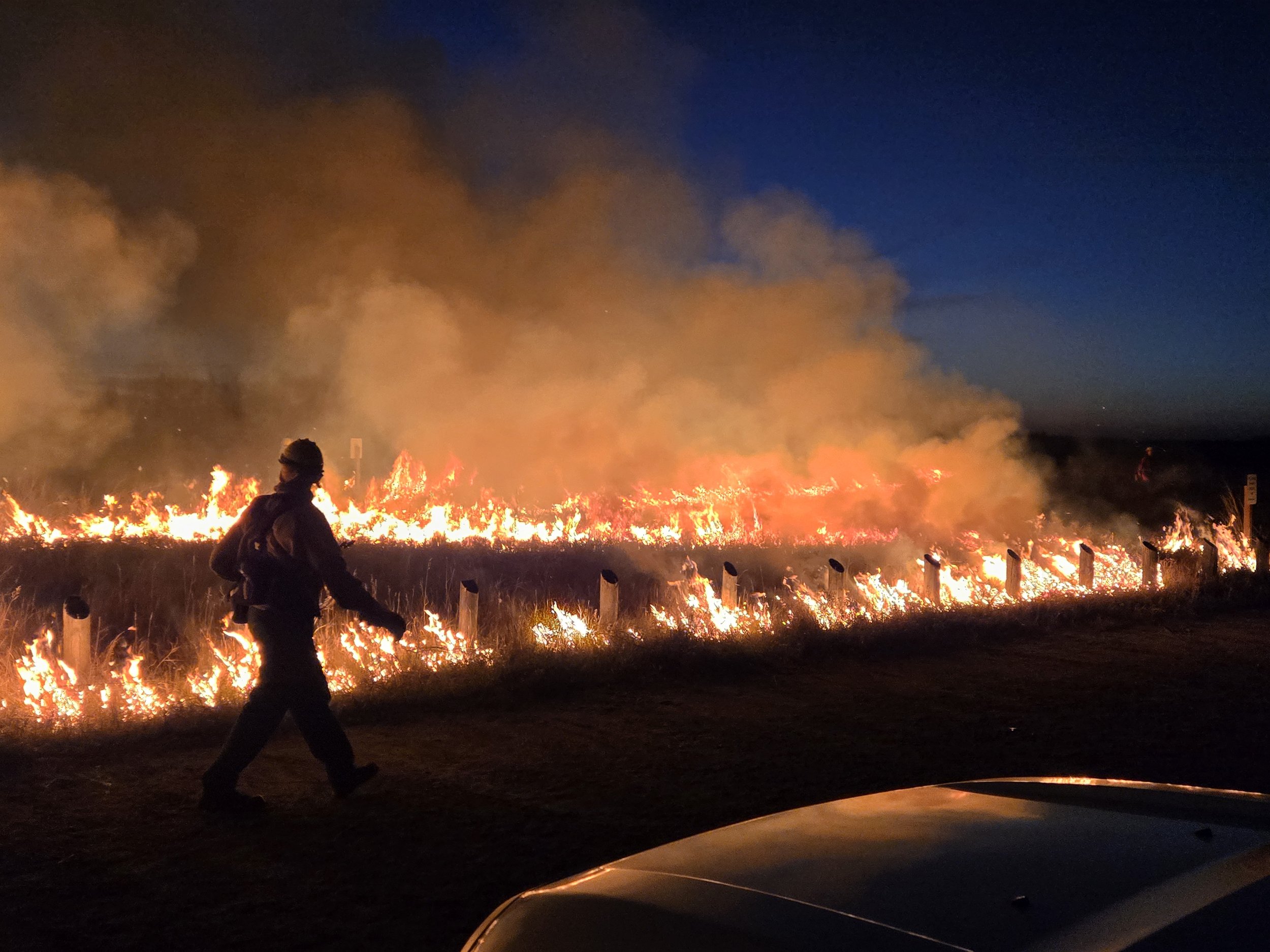
Over the course of the week, crews successfully conducted prescribed fires at seven locations:
Northeast Swale Ecological Core
Cranberry Flats Conservation Area
Beaver Creek Conservation Area
Saskatoon Natural Grasslands
Hyde Park
Brightwater Centre
St. Denis National Wildlife Area
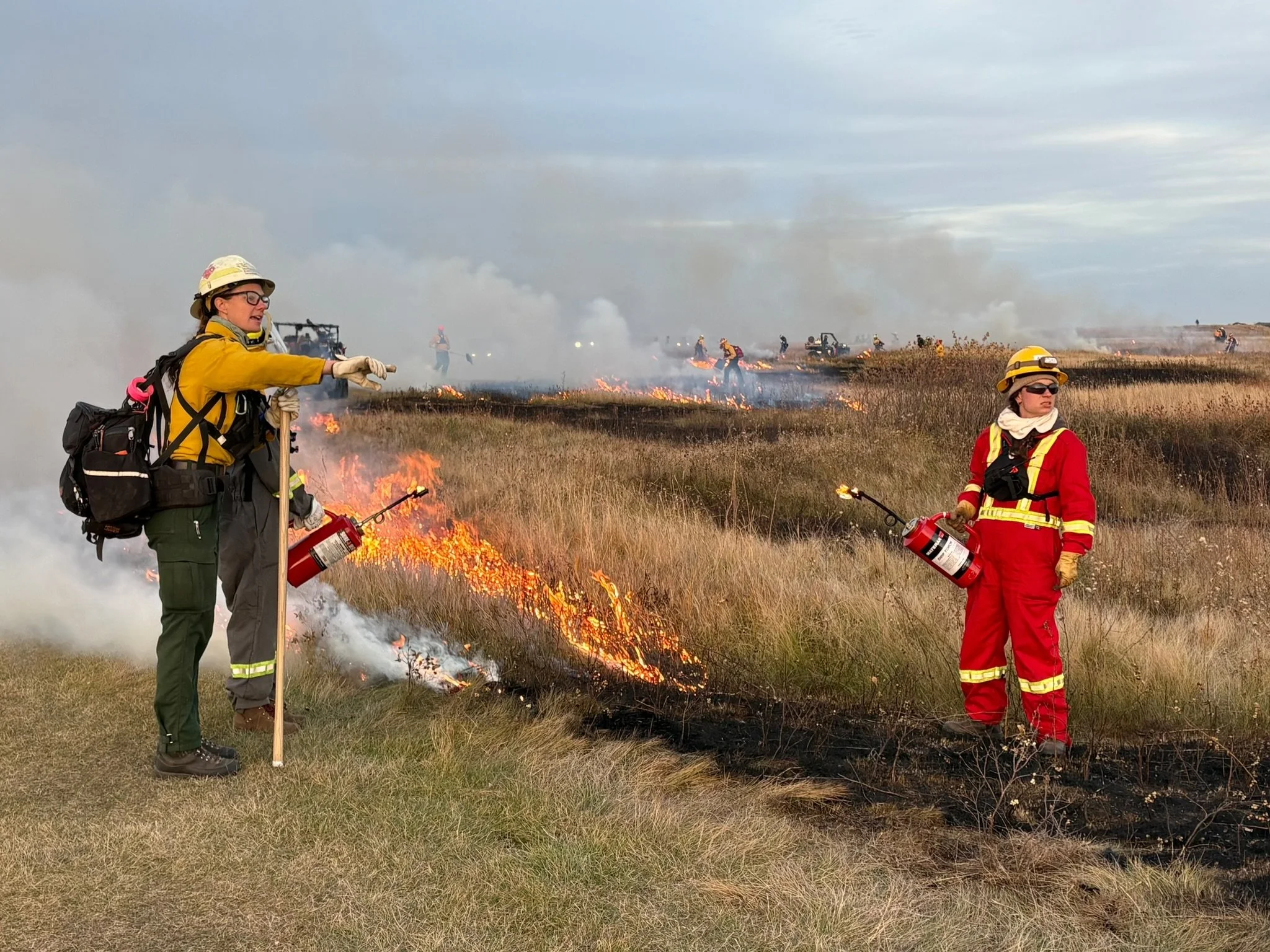
Together, crews burned approximately 700 acres across nearly 20 burn units, creating meaningful ecological benefits while receiving over 65 invaluable training hours throughout the week.
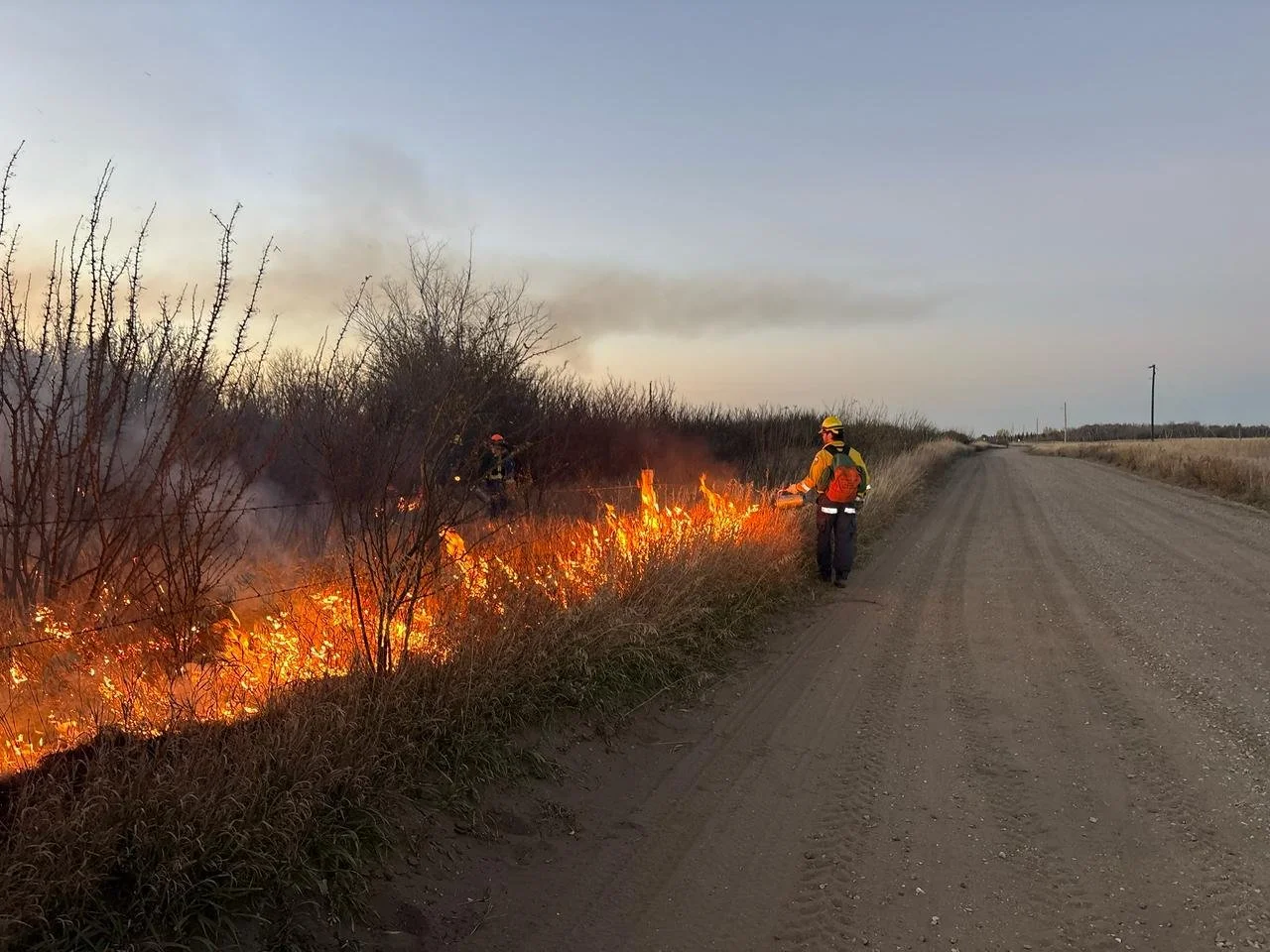
As the week progressed, participants worked across diverse landscapes and fuel types. Day two saw operations at Cranberry Flats Conservation Area, the Brightwater Centre, and St. Denis National Wildlife Area. Crews patiently monitored weather conditions throughout the day, waiting for suitable burn windows before beginning ignition operations. Once conditions aligned with burn prescriptions, burns proceeded safely and efficiently, continuing into the evening.
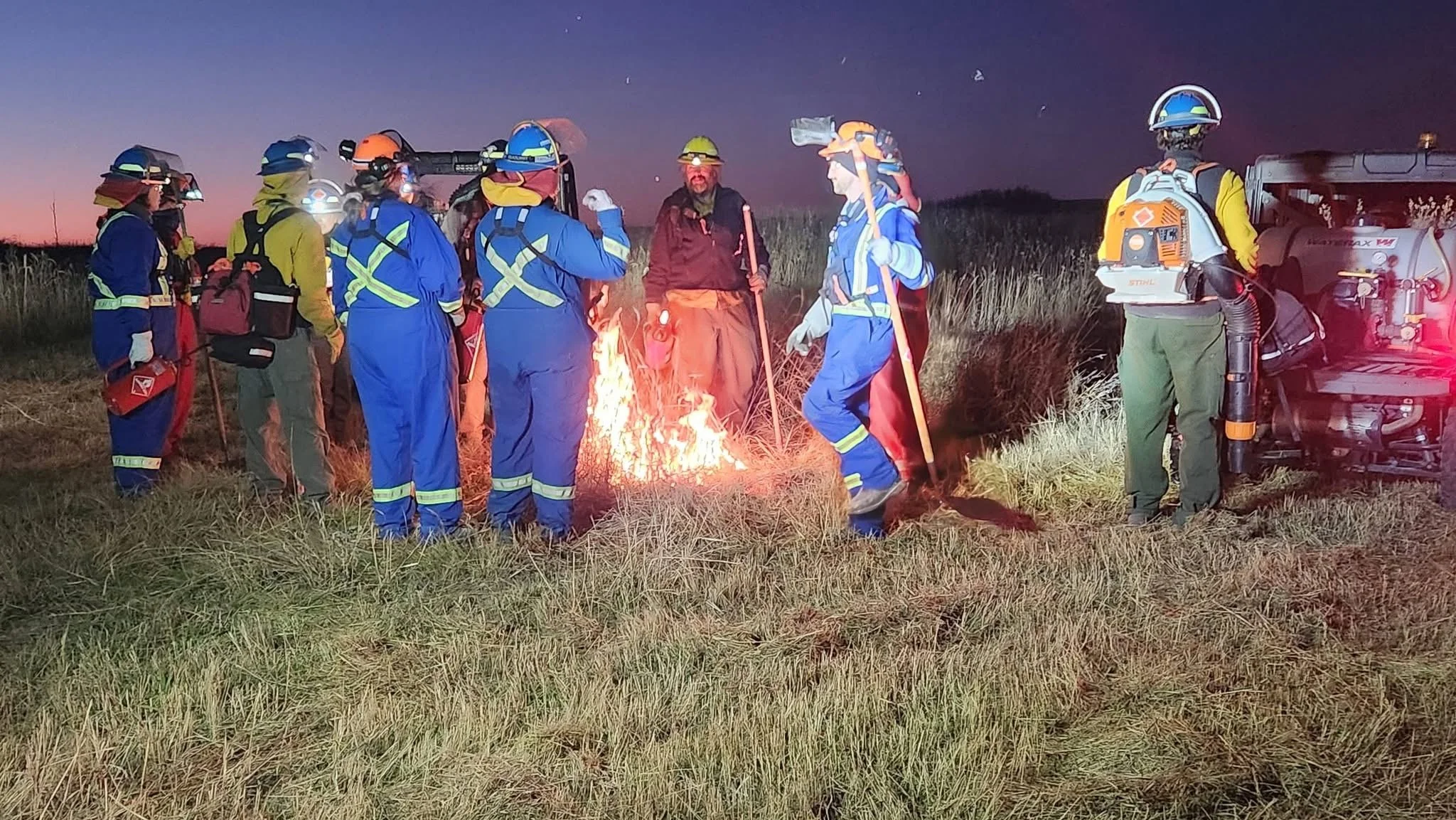
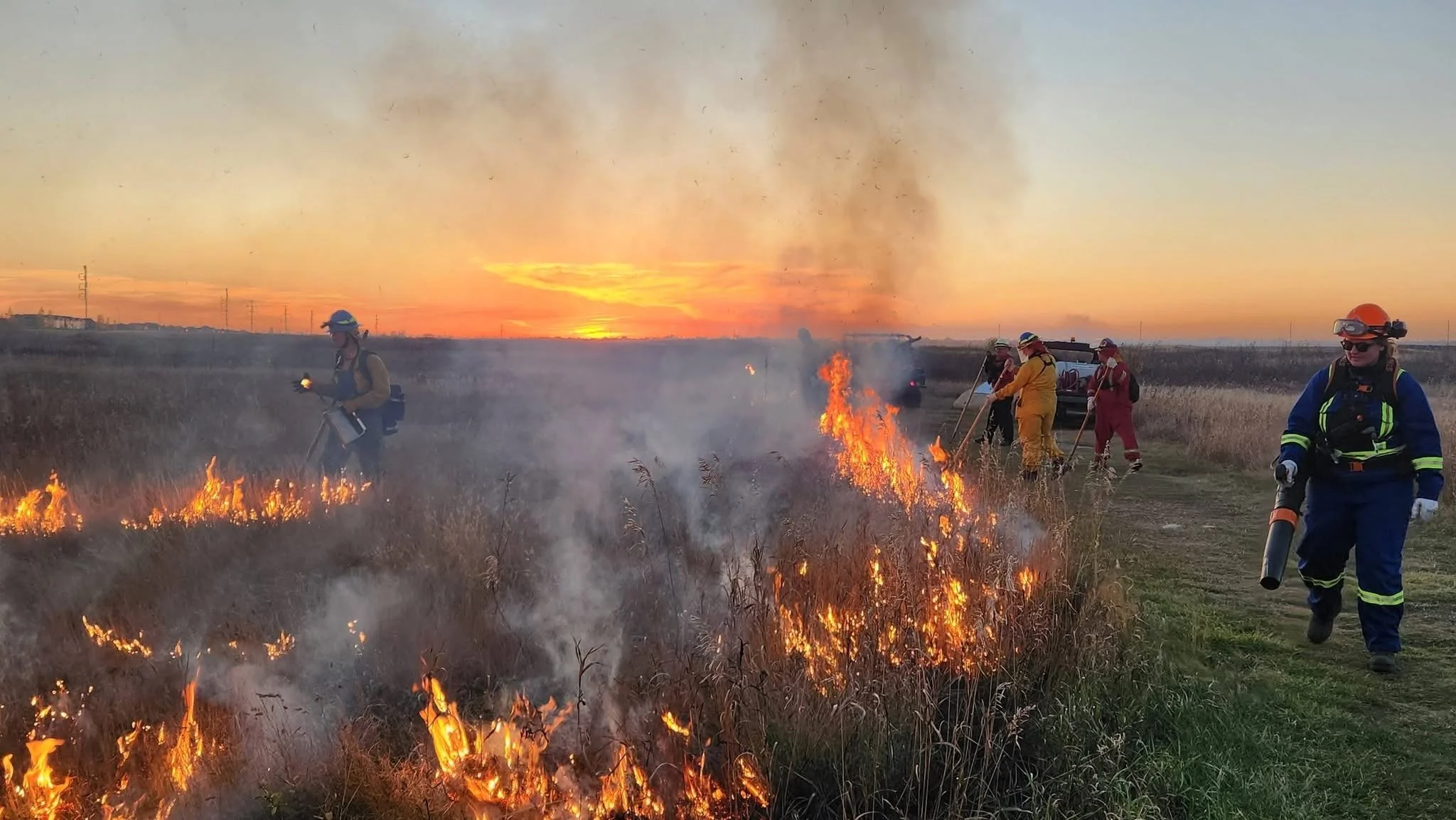
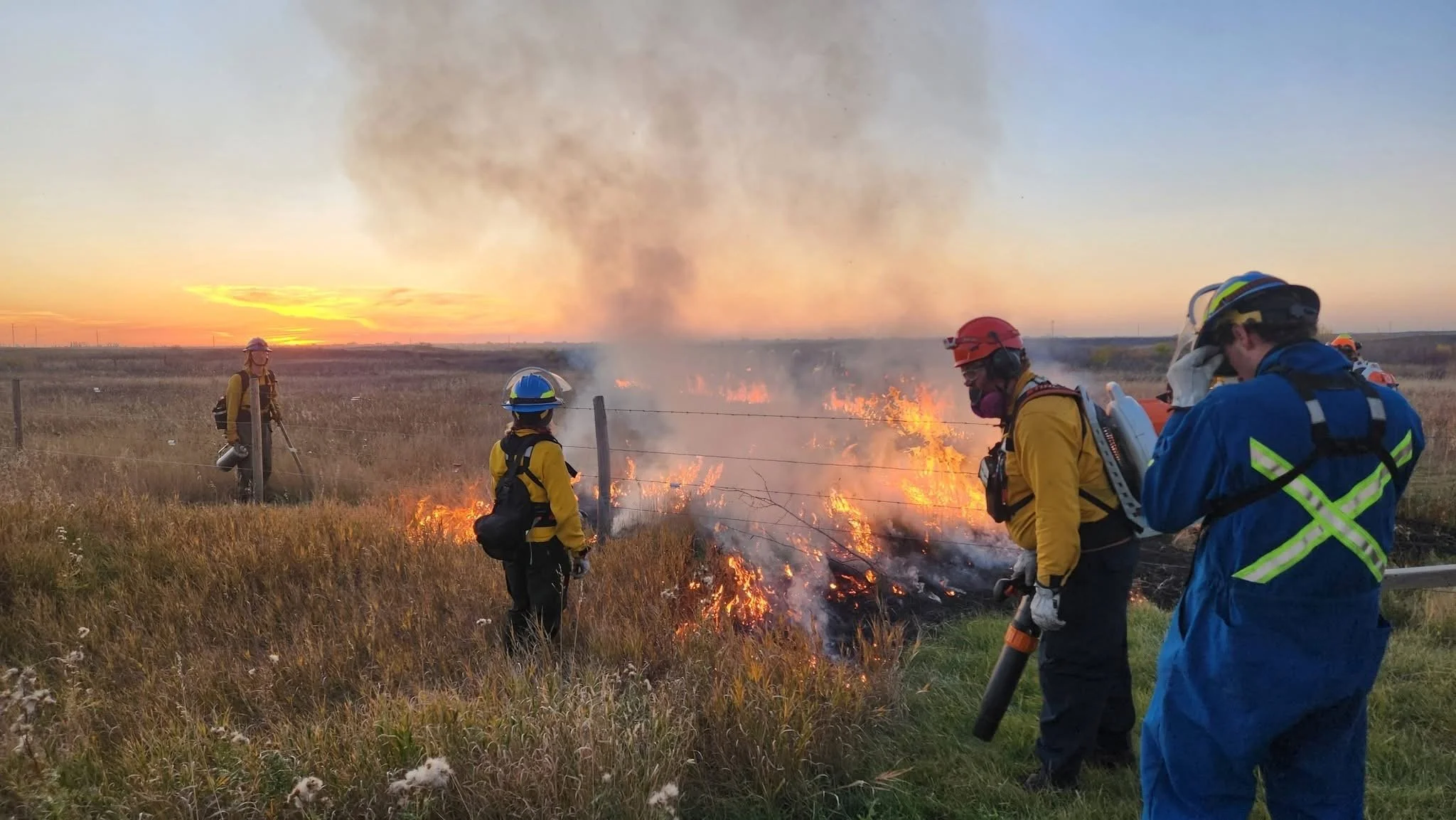
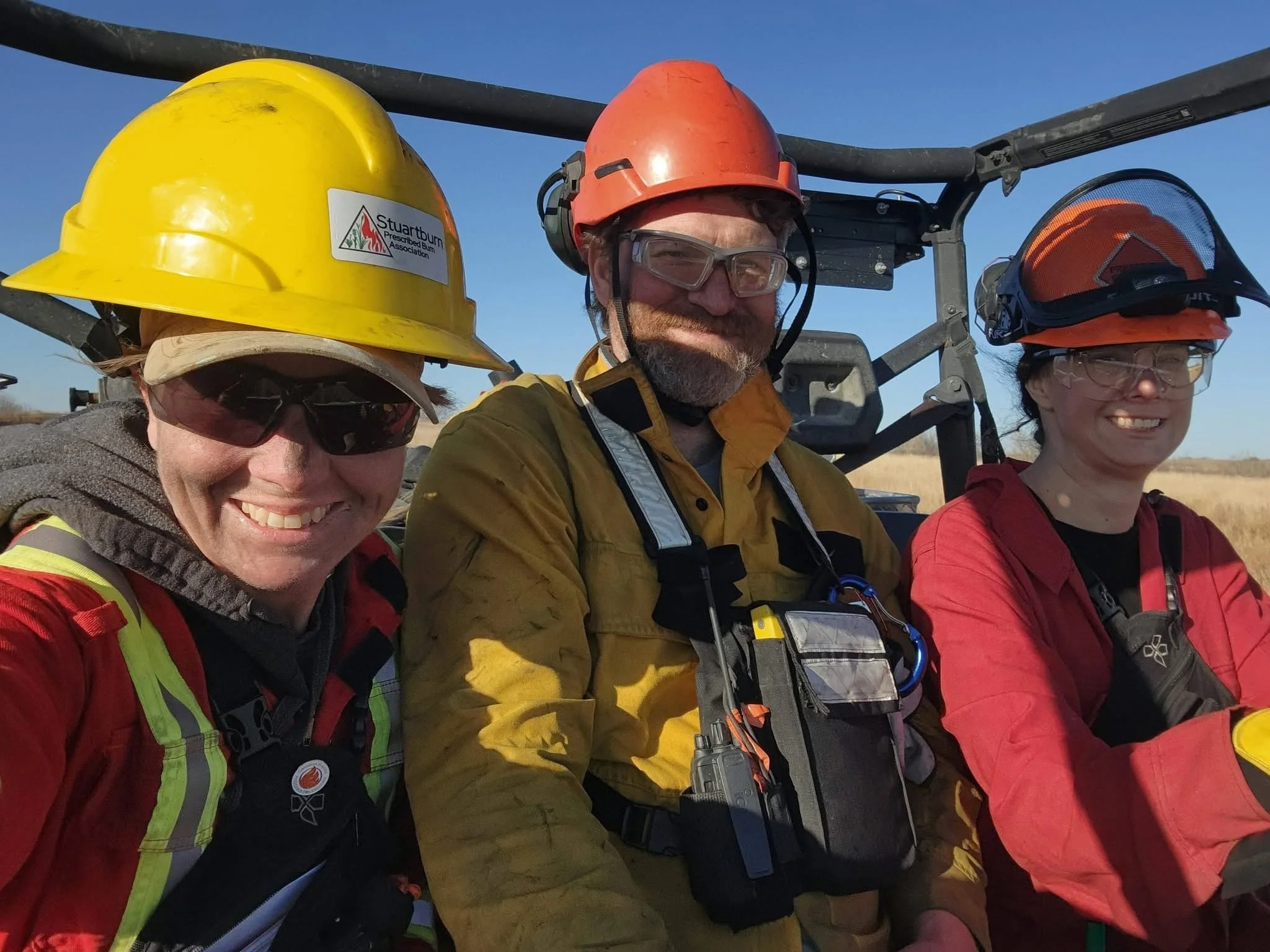
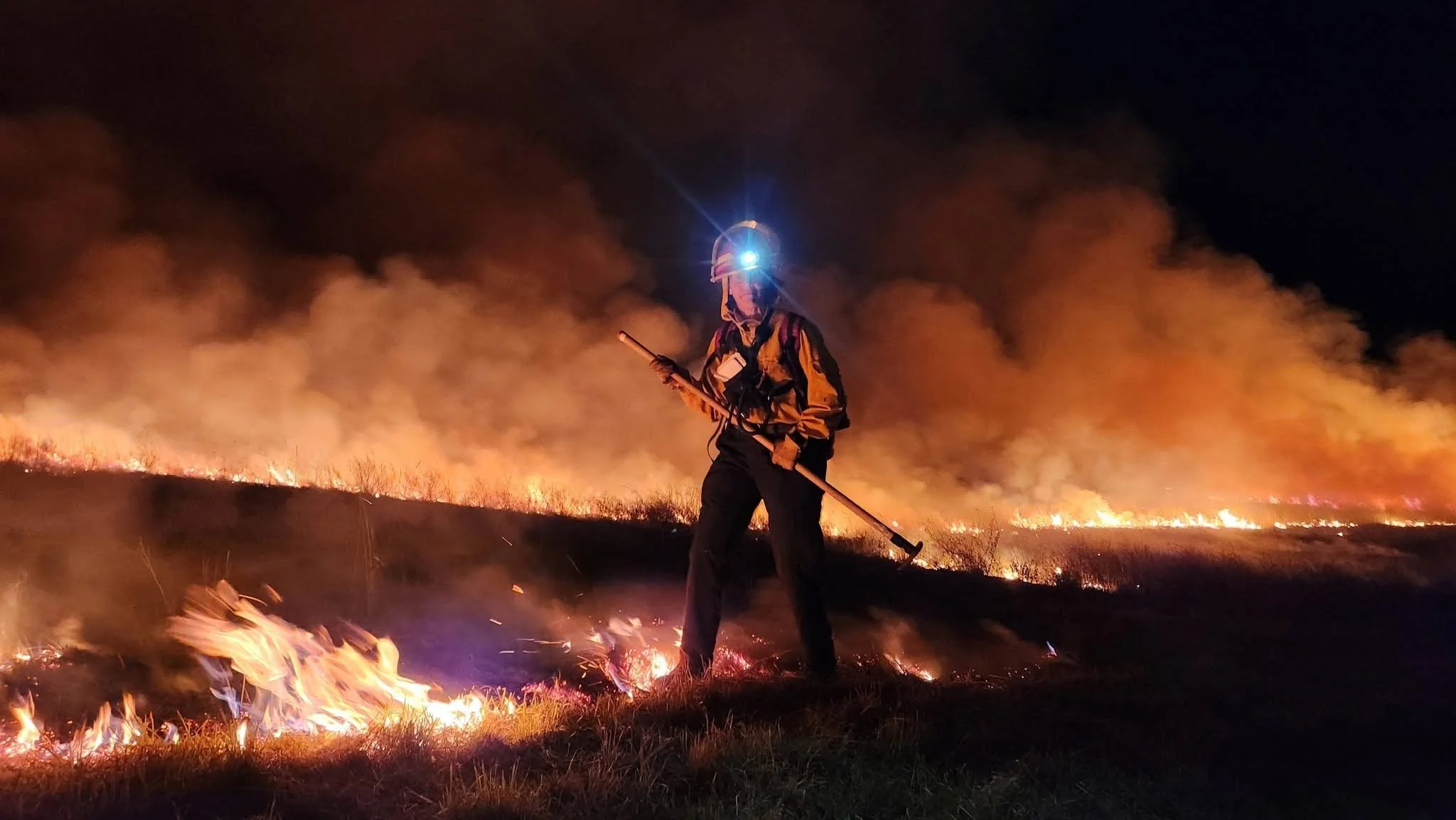
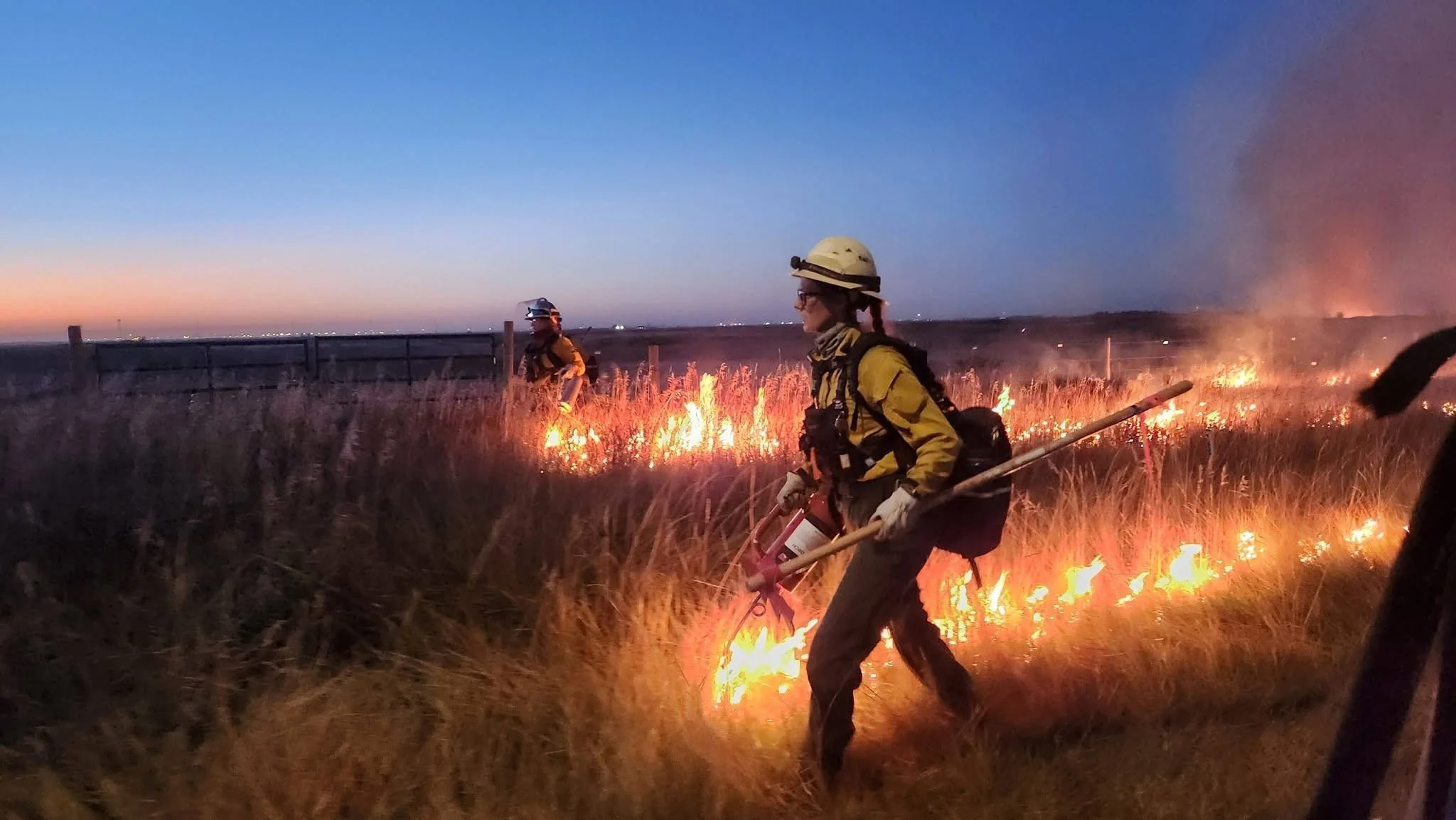
These operations highlighted one of the most important lessons in prescribed fire: patience. Successful burns are not determined by schedules but by conditions. Crews demonstrated adaptability and discipline, ensuring each operation met ecological objectives while maintaining the highest standards of safety.
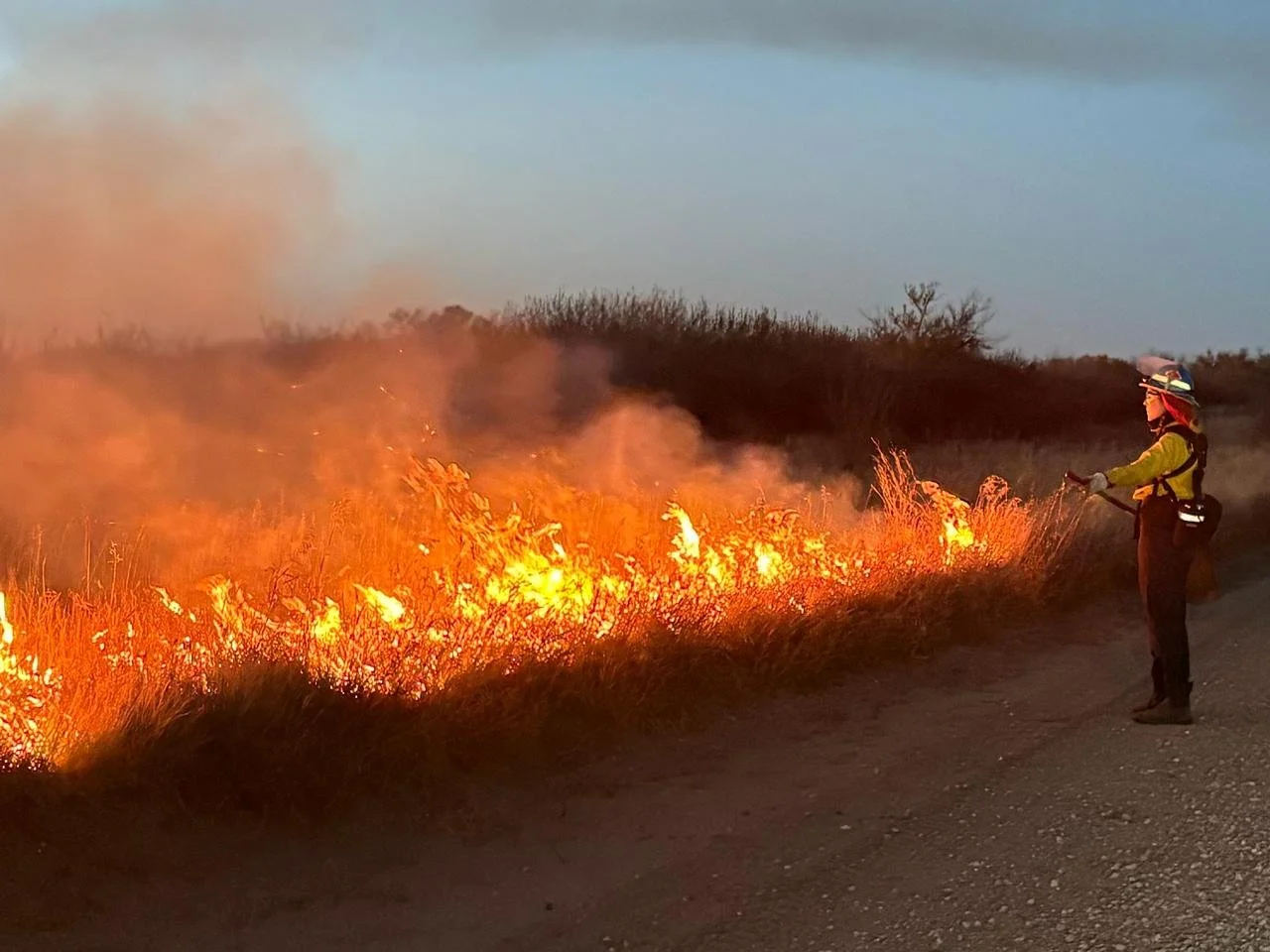
On October 21, crews conducted a successful evening burn at Saskatoon Natural Grasslands. As with every operation during TREX, practitioners carefully monitored weather conditions throughout the day before proceeding. Once temperature, humidity, and wind conditions aligned with burn objectives, crews implemented the burn to support grassland health, ecological resilience, and the natural processes that prairie ecosystems depend upon.
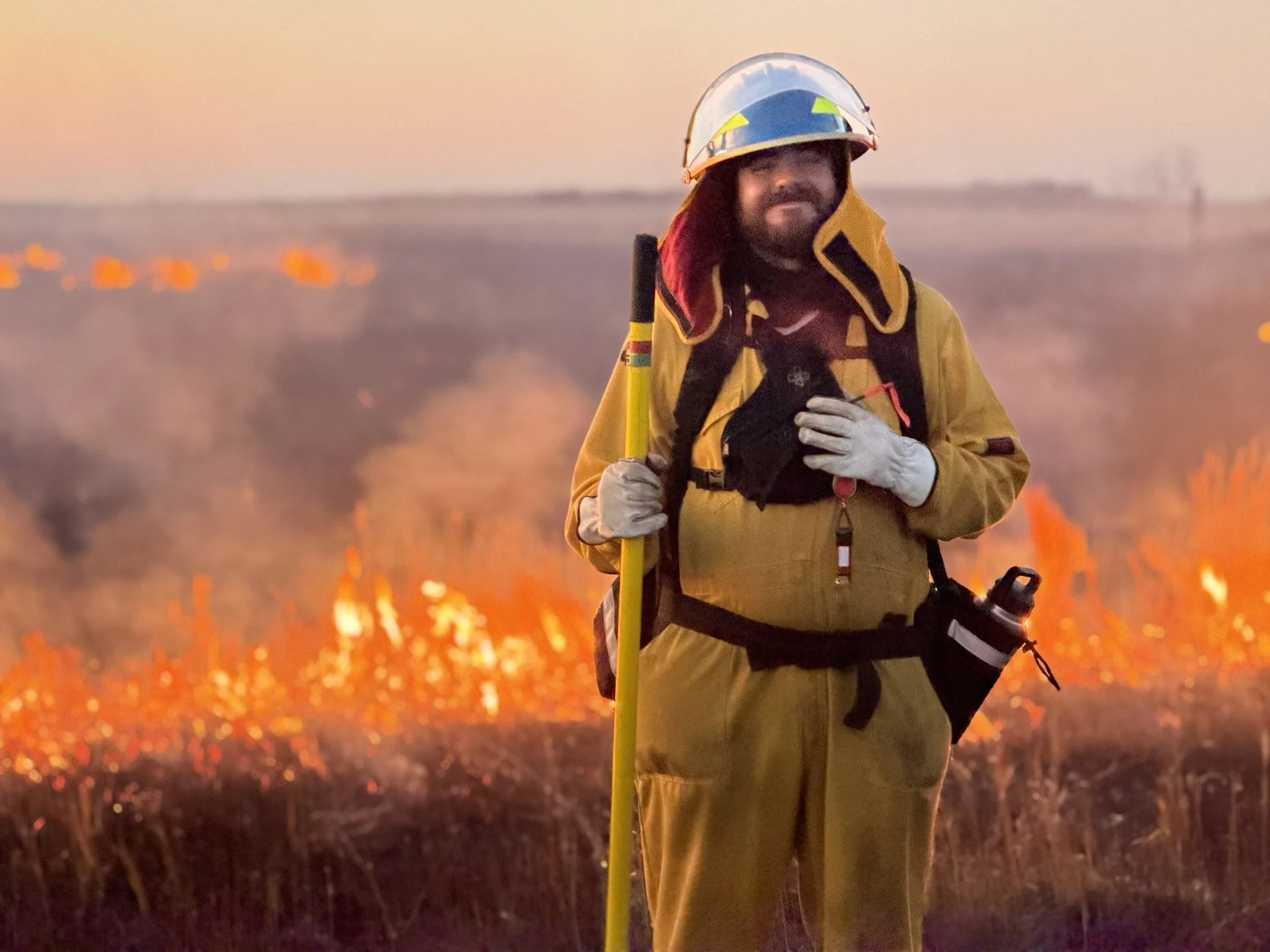
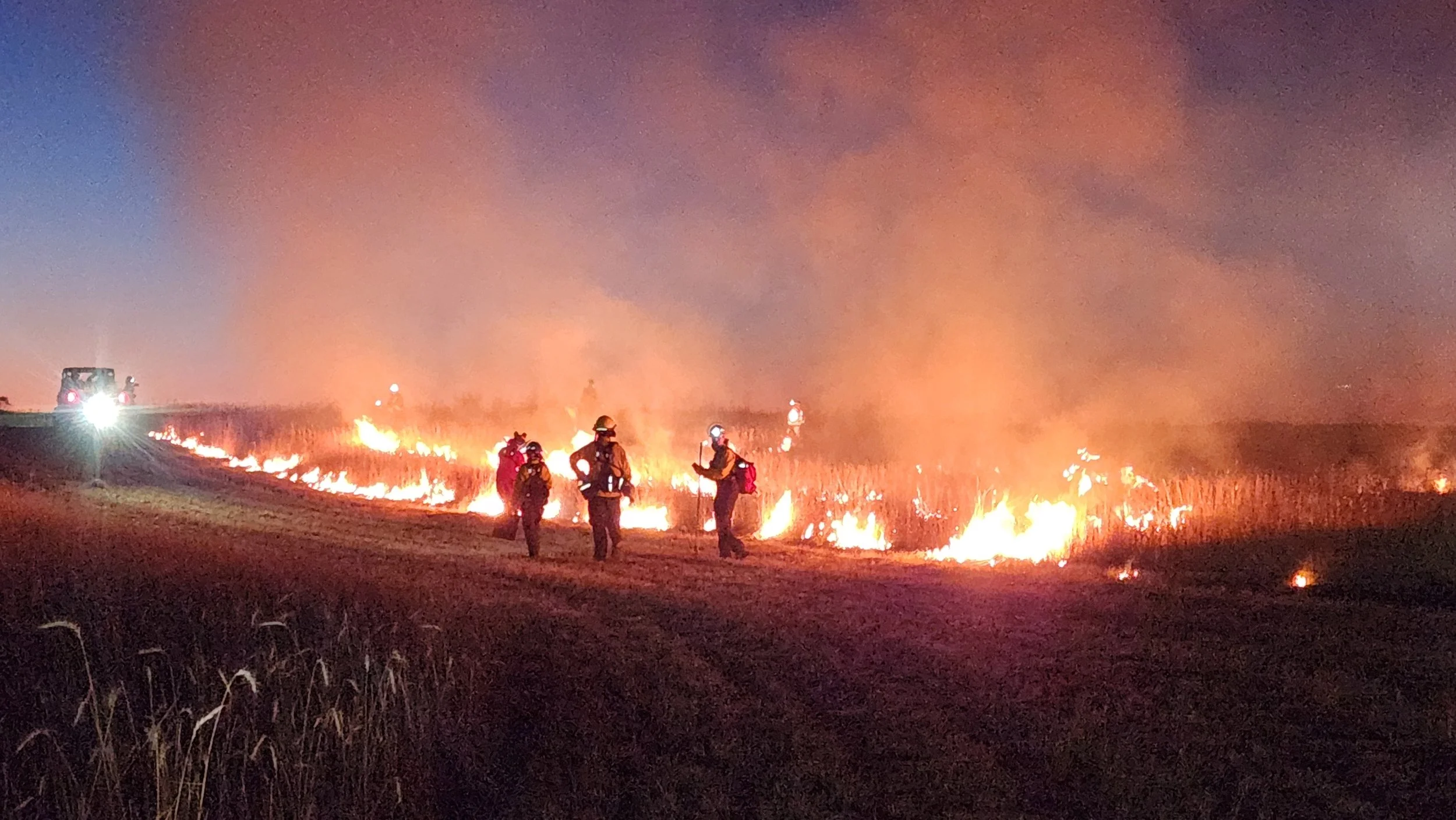
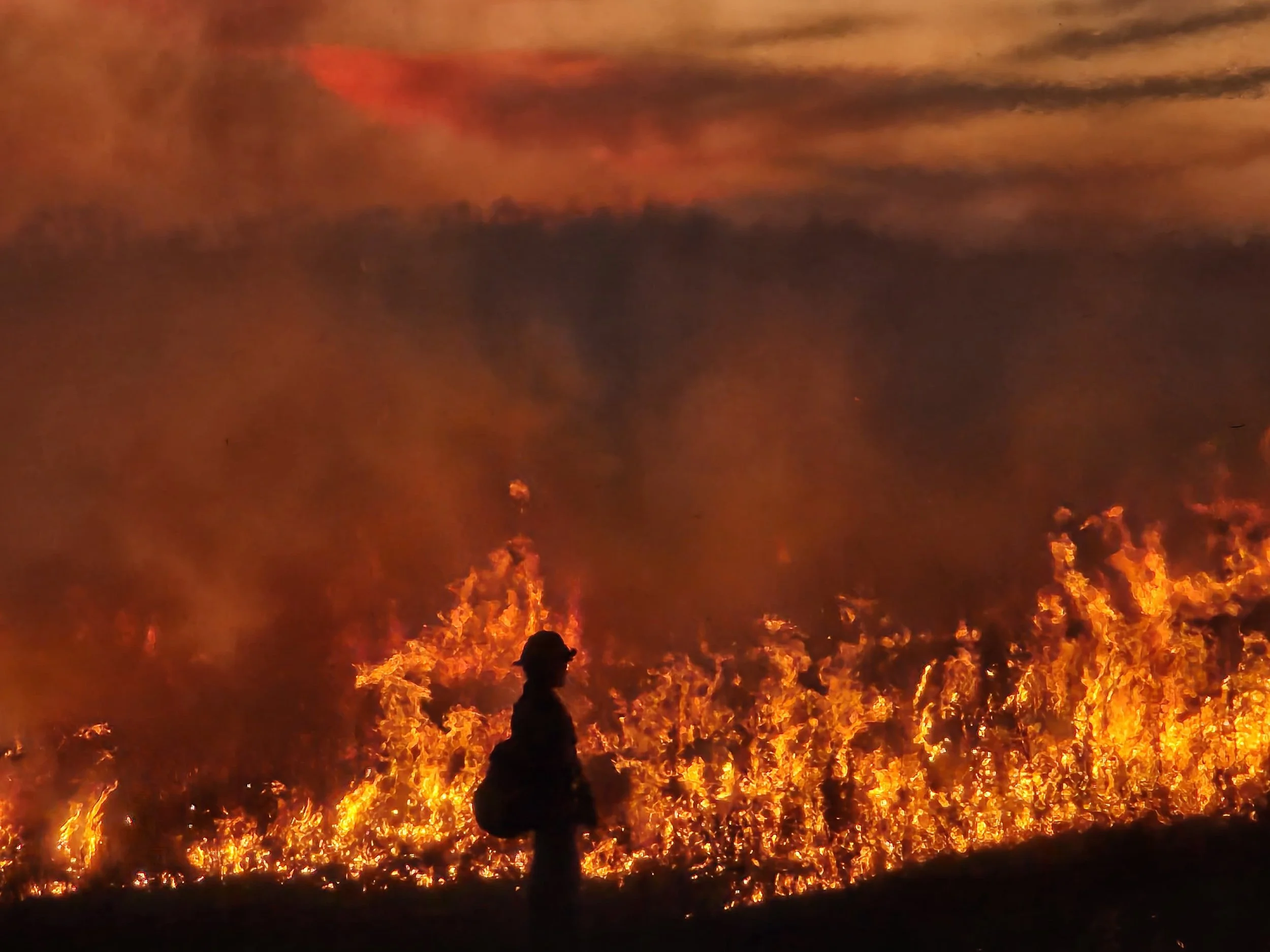
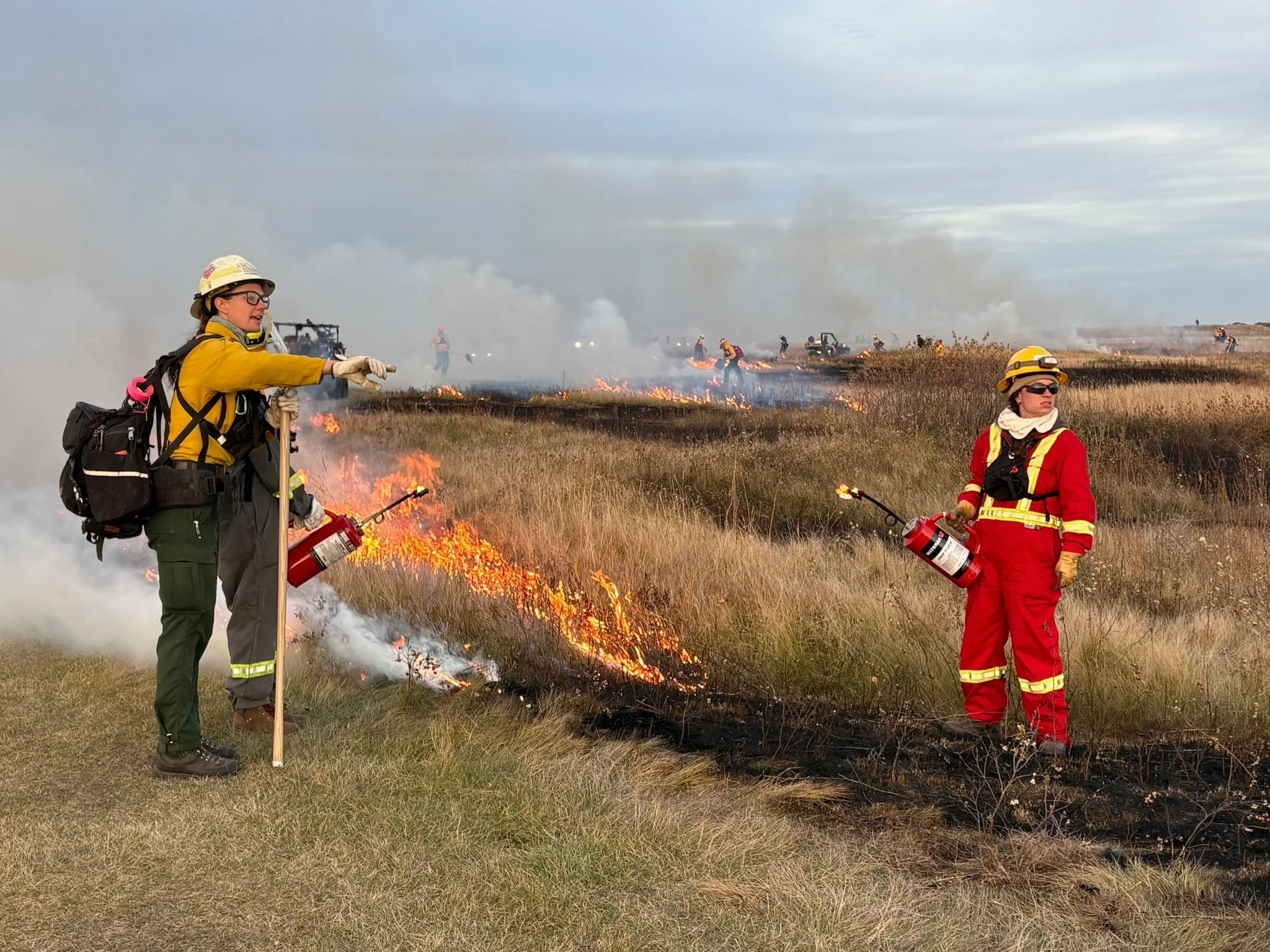
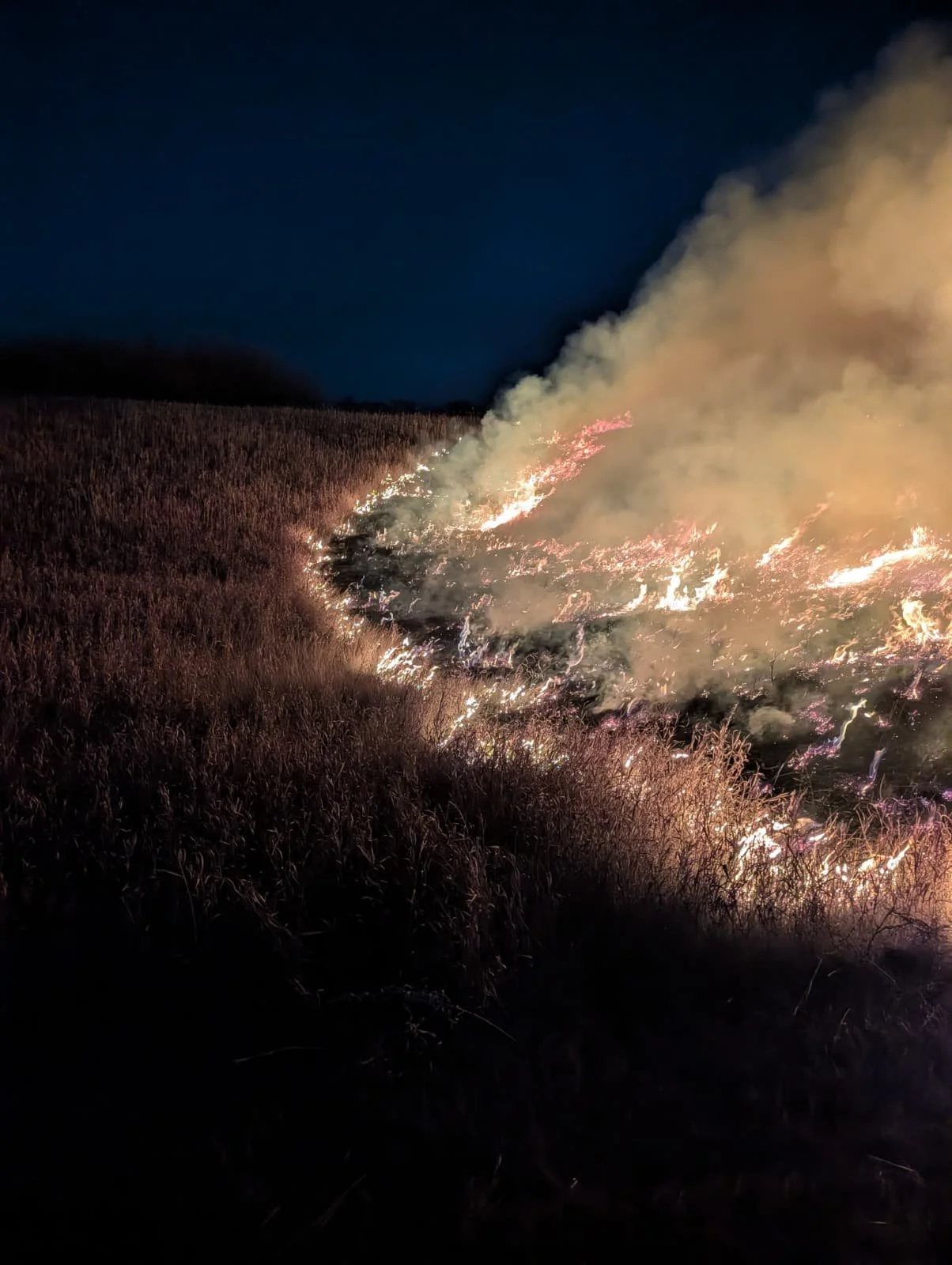
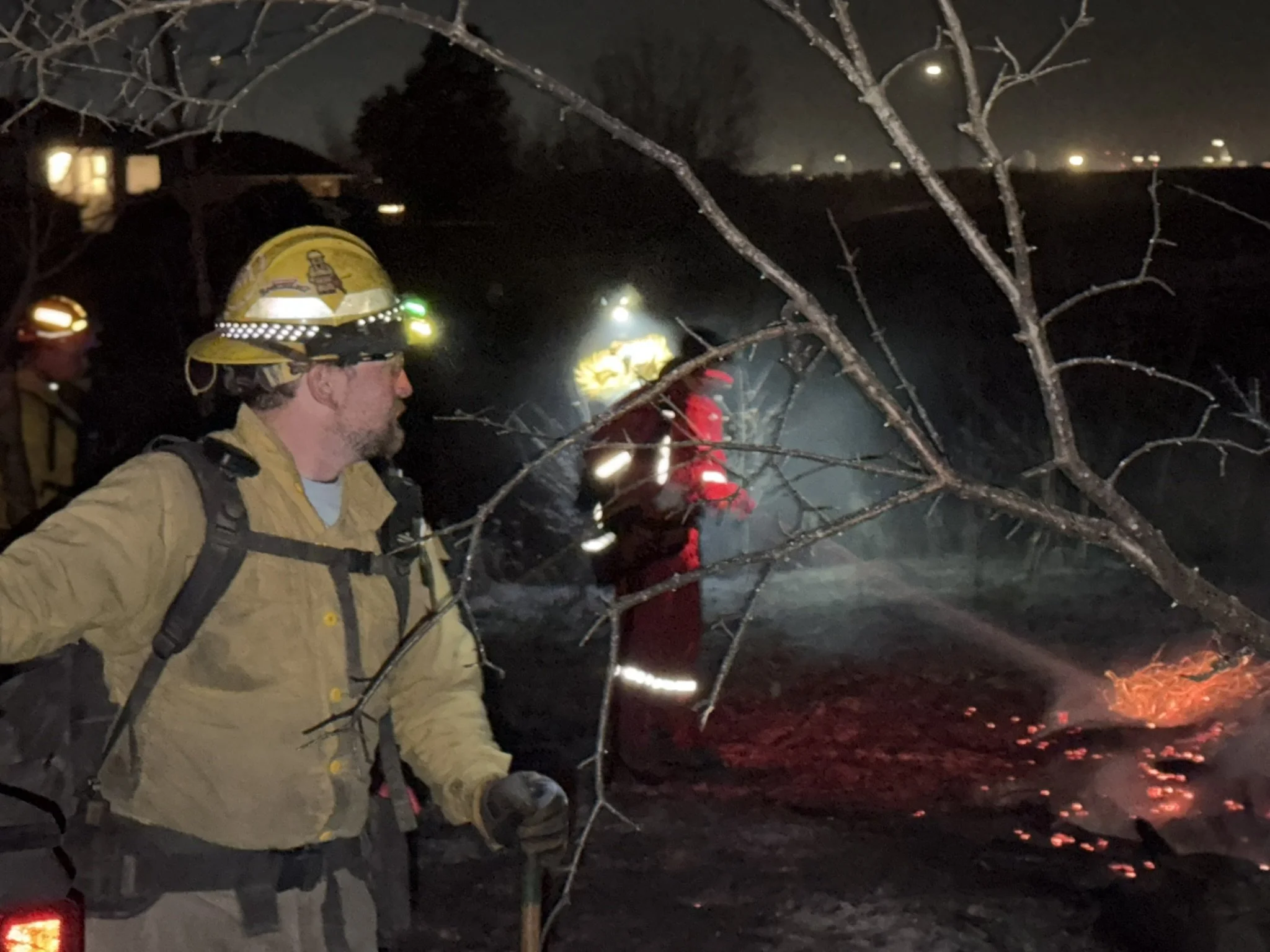
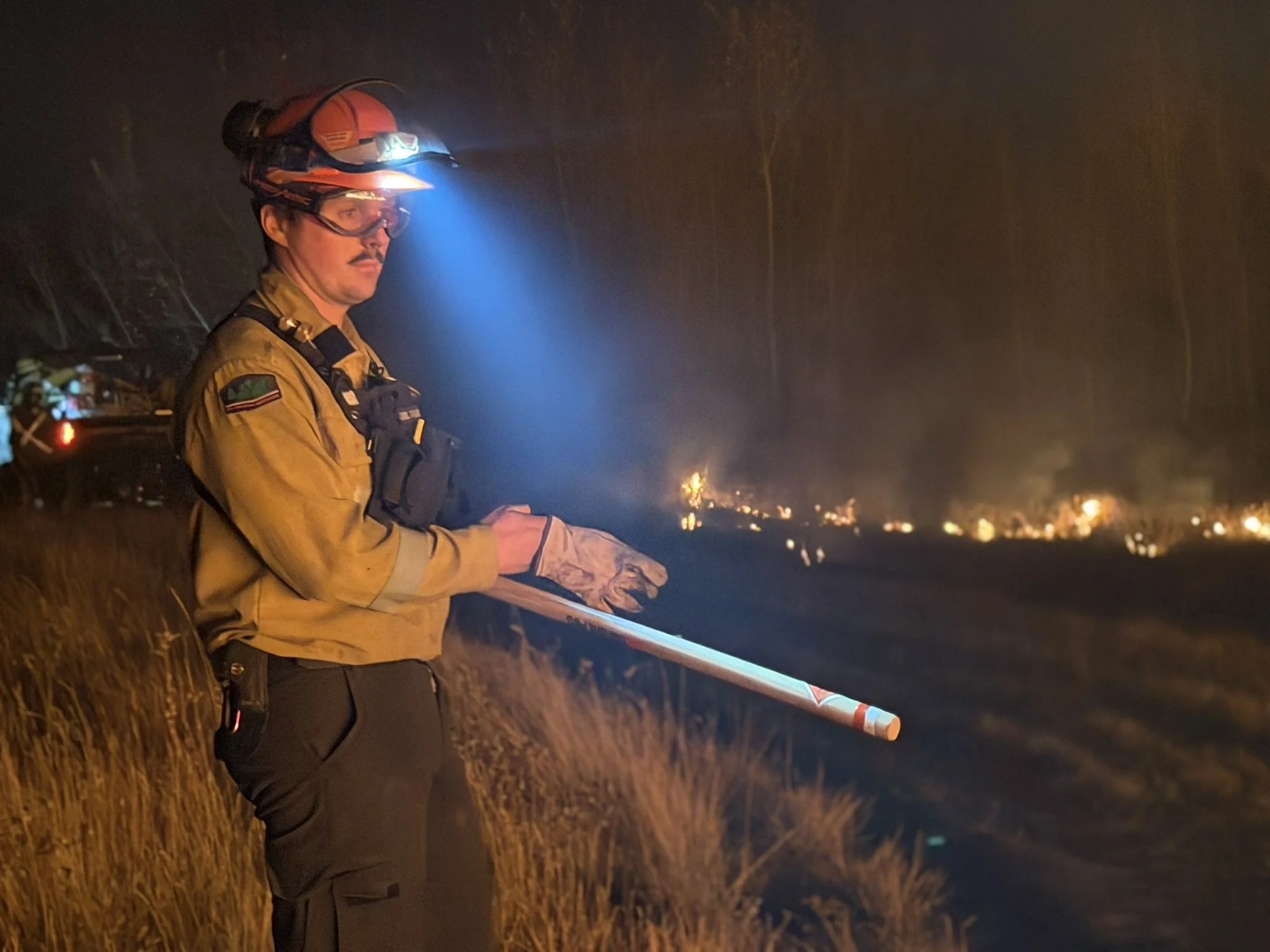
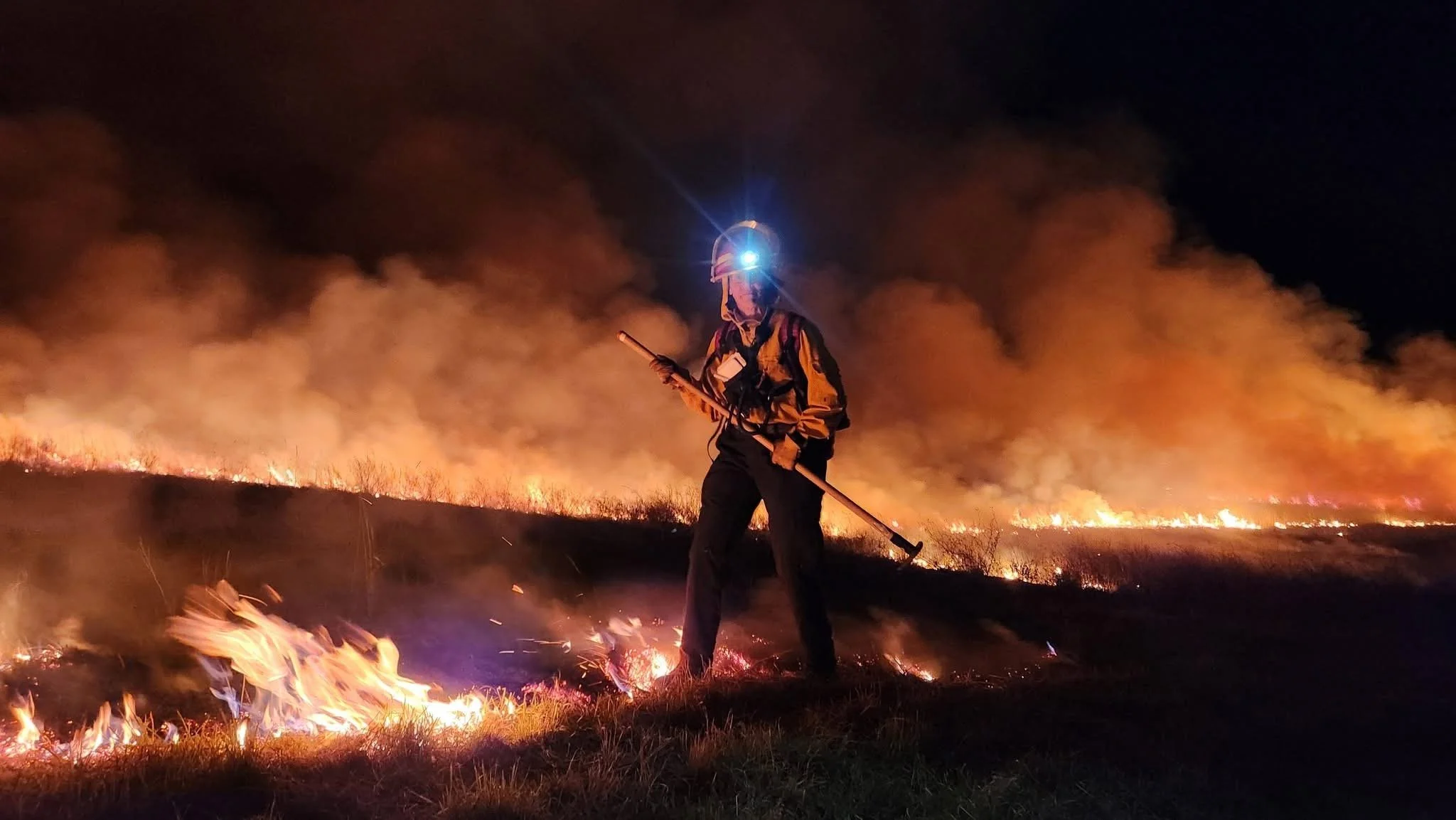
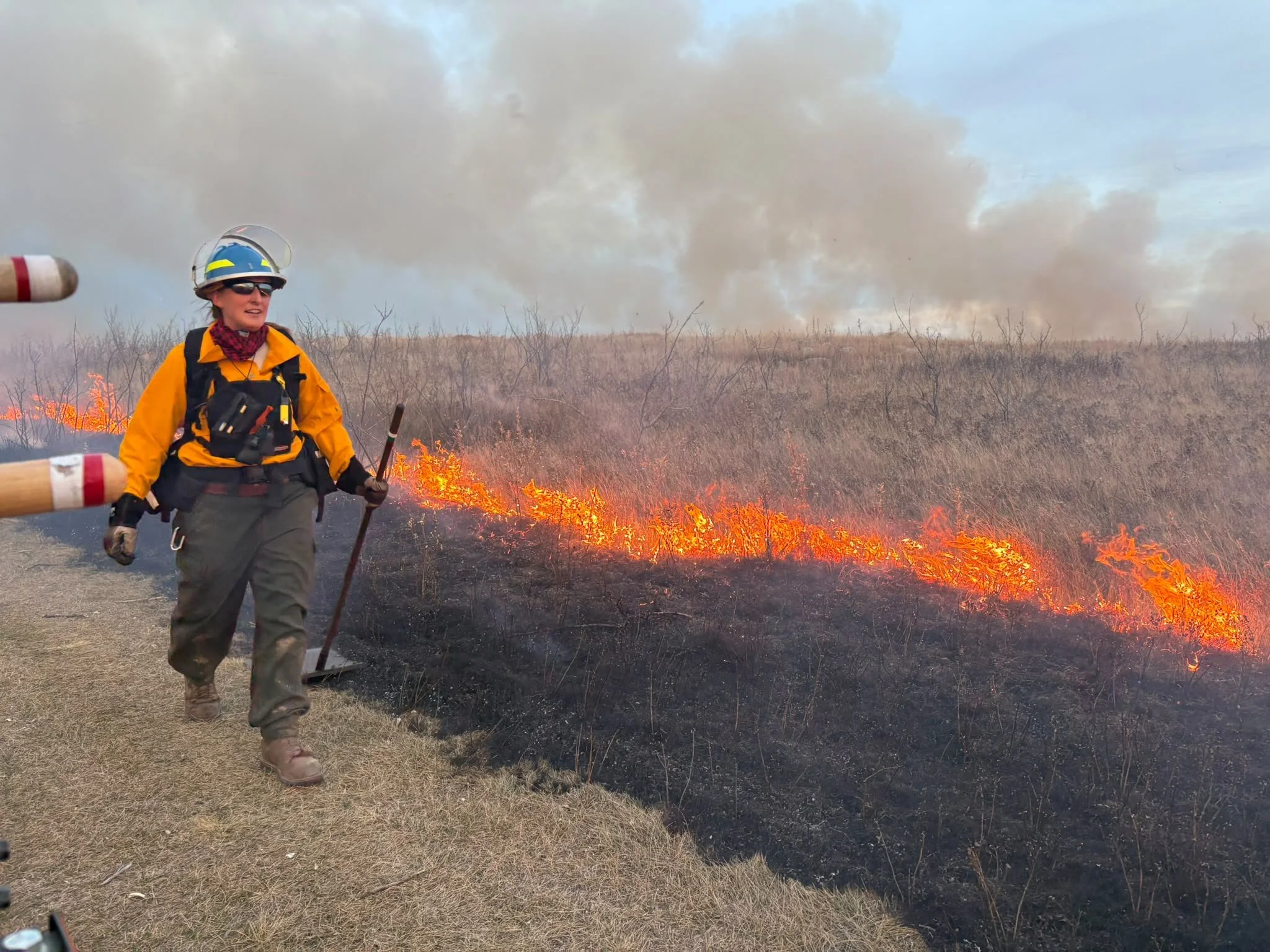
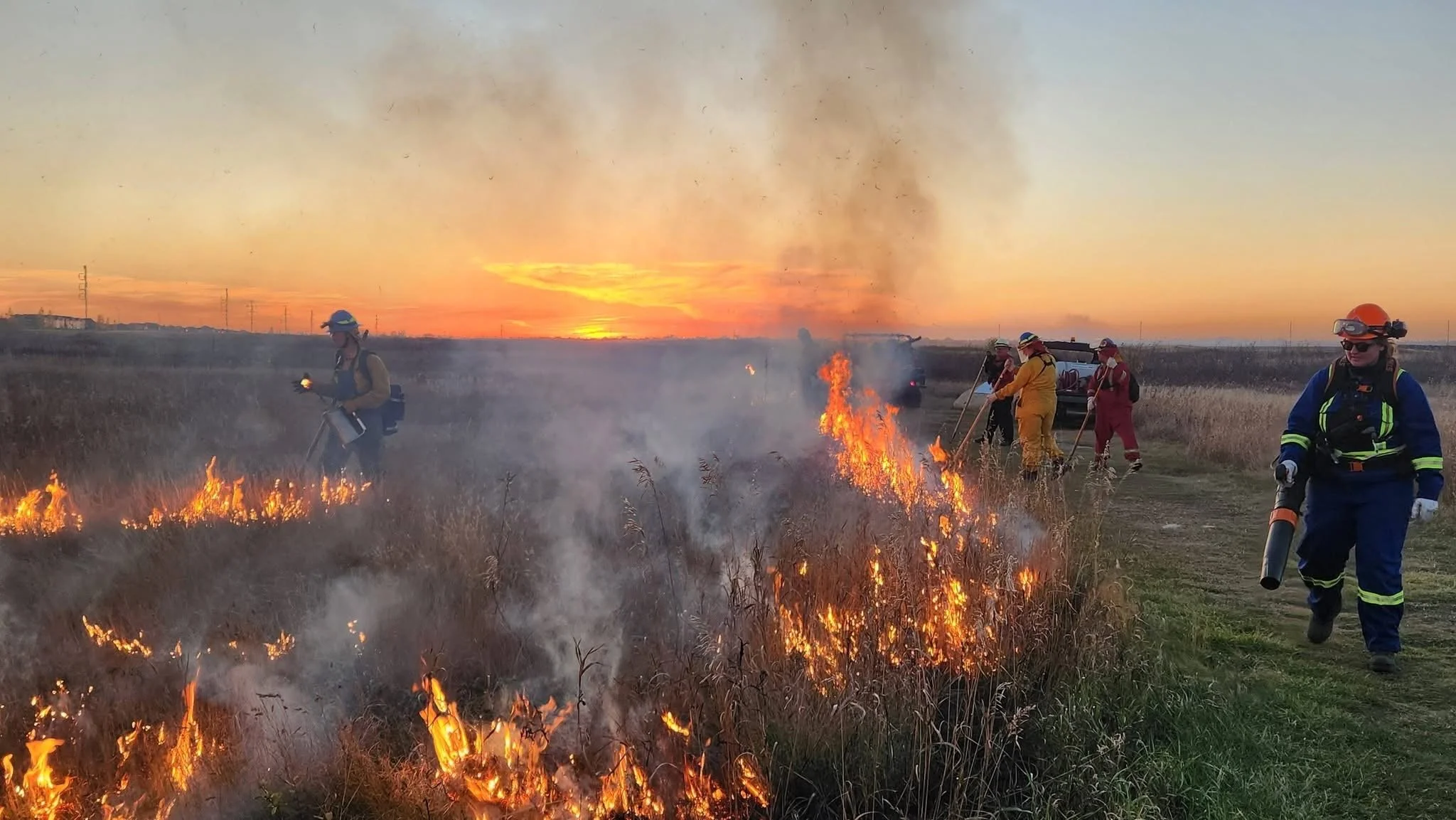
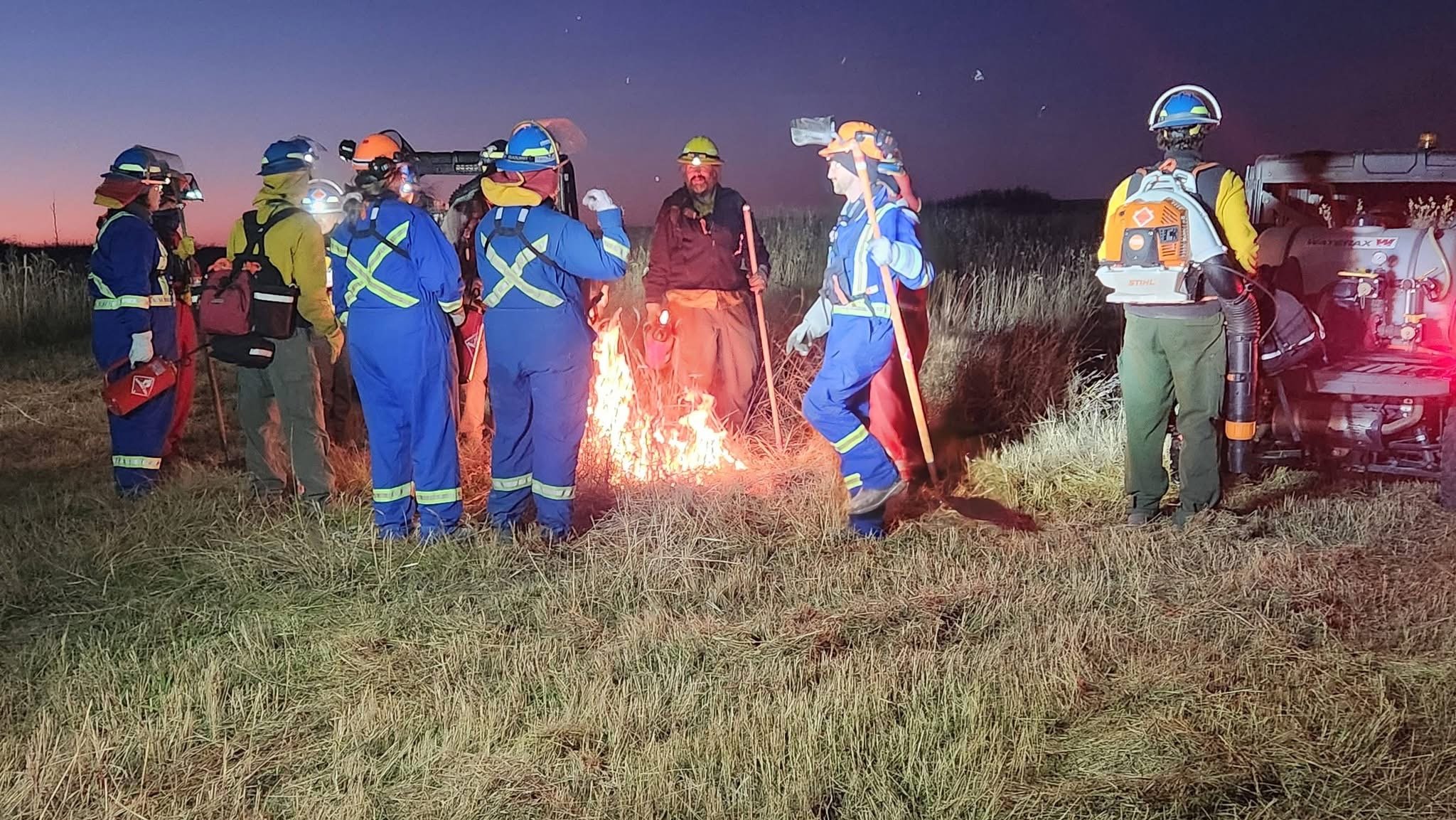
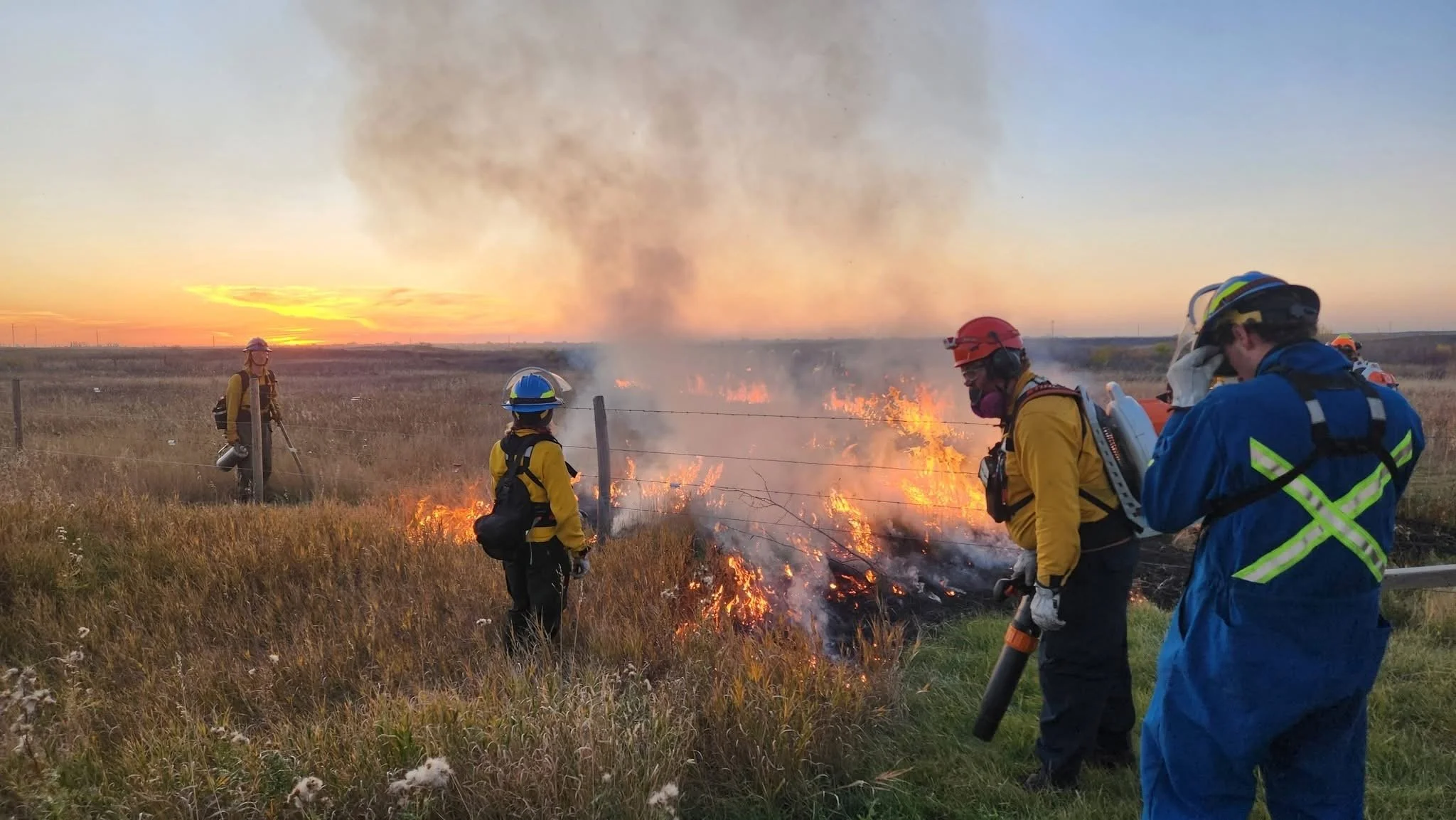
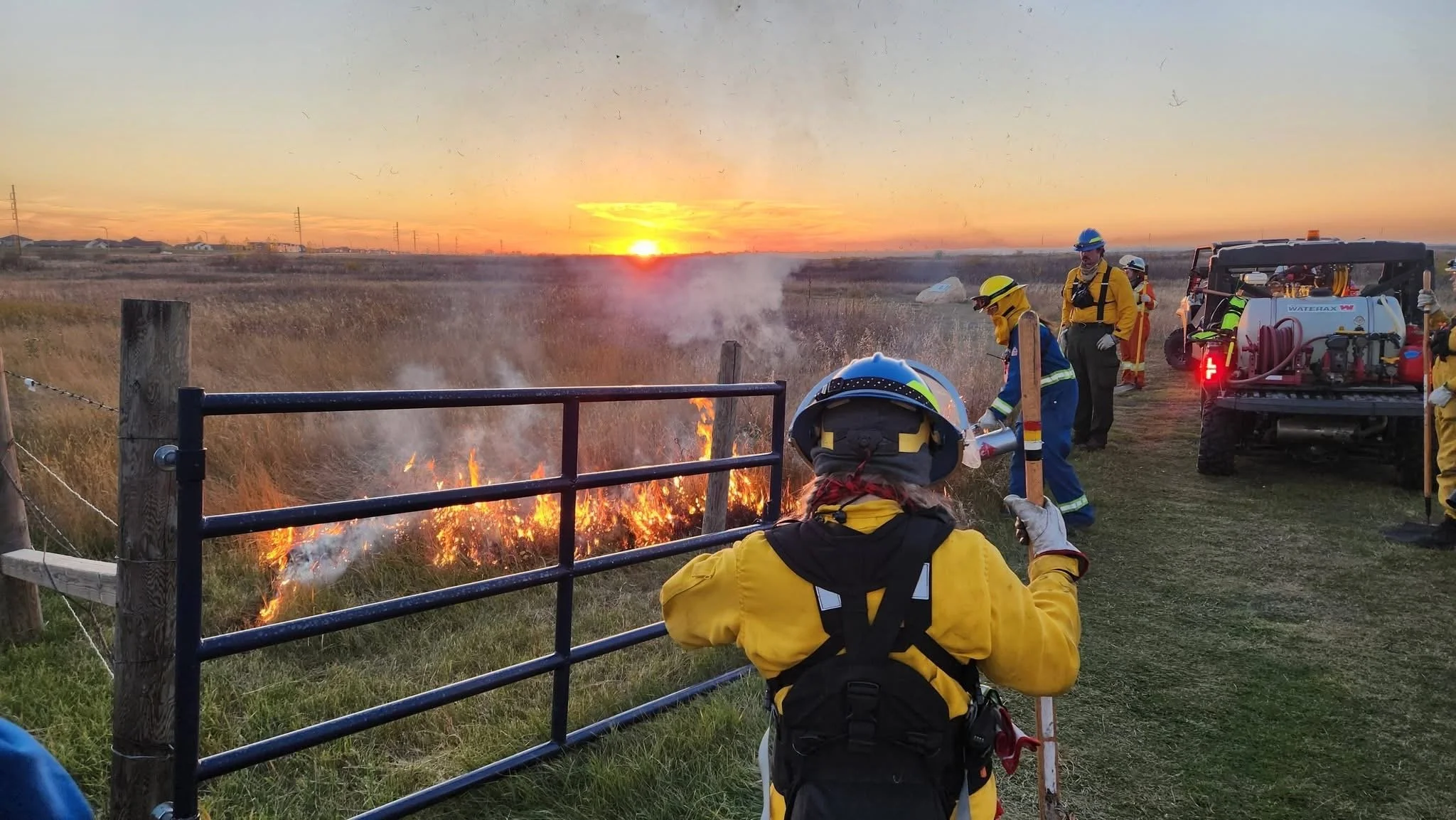
The operation showcased the professionalism required in prescribed fire management, reinforcing the principle that waiting for the right conditions is often the most important decision a burn team can make.
Finishing Strong
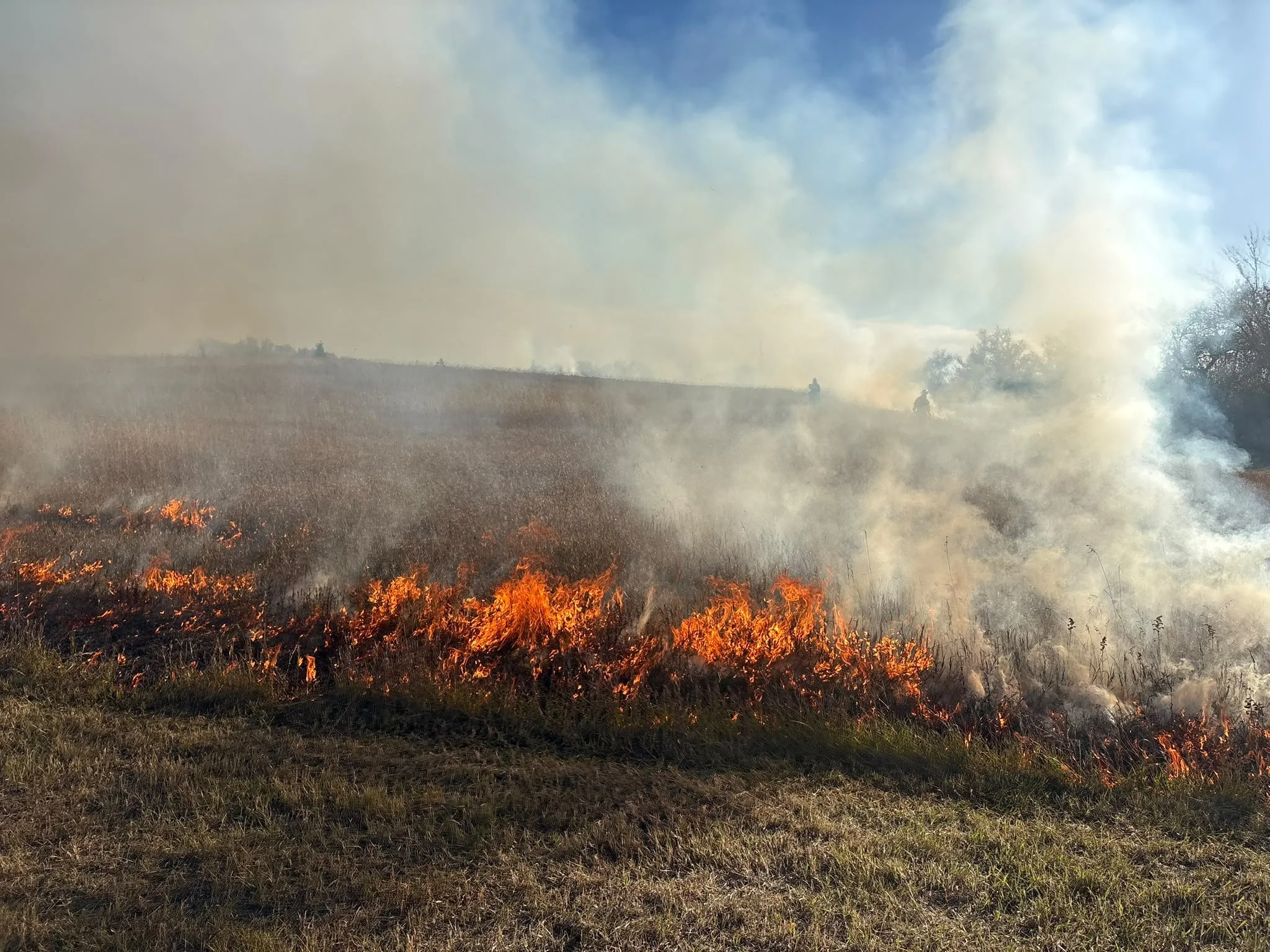
By the fourth day of TREX, participants were putting the skills and experience they had gained throughout the week into practice at Beaver Creek Conservation Area, Hyde Park, and the Northeast Swale Ecological Core. These prescribed fire activities were designed to reduce accumulated vegetation, improve wildlife habitat, promote native plant diversity, and support the long-term health of Saskatchewan's fire-adapted prairie ecosystems.
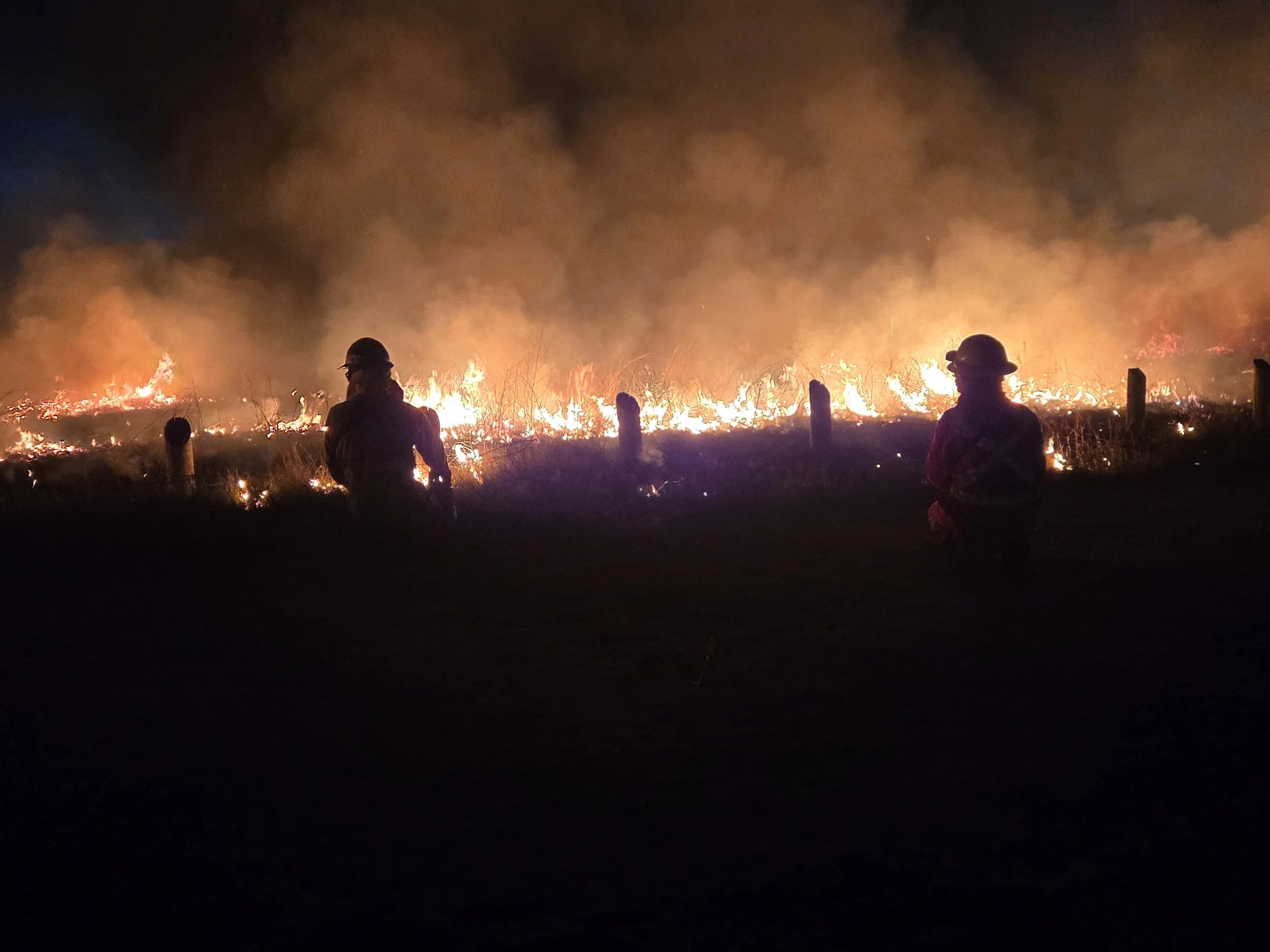
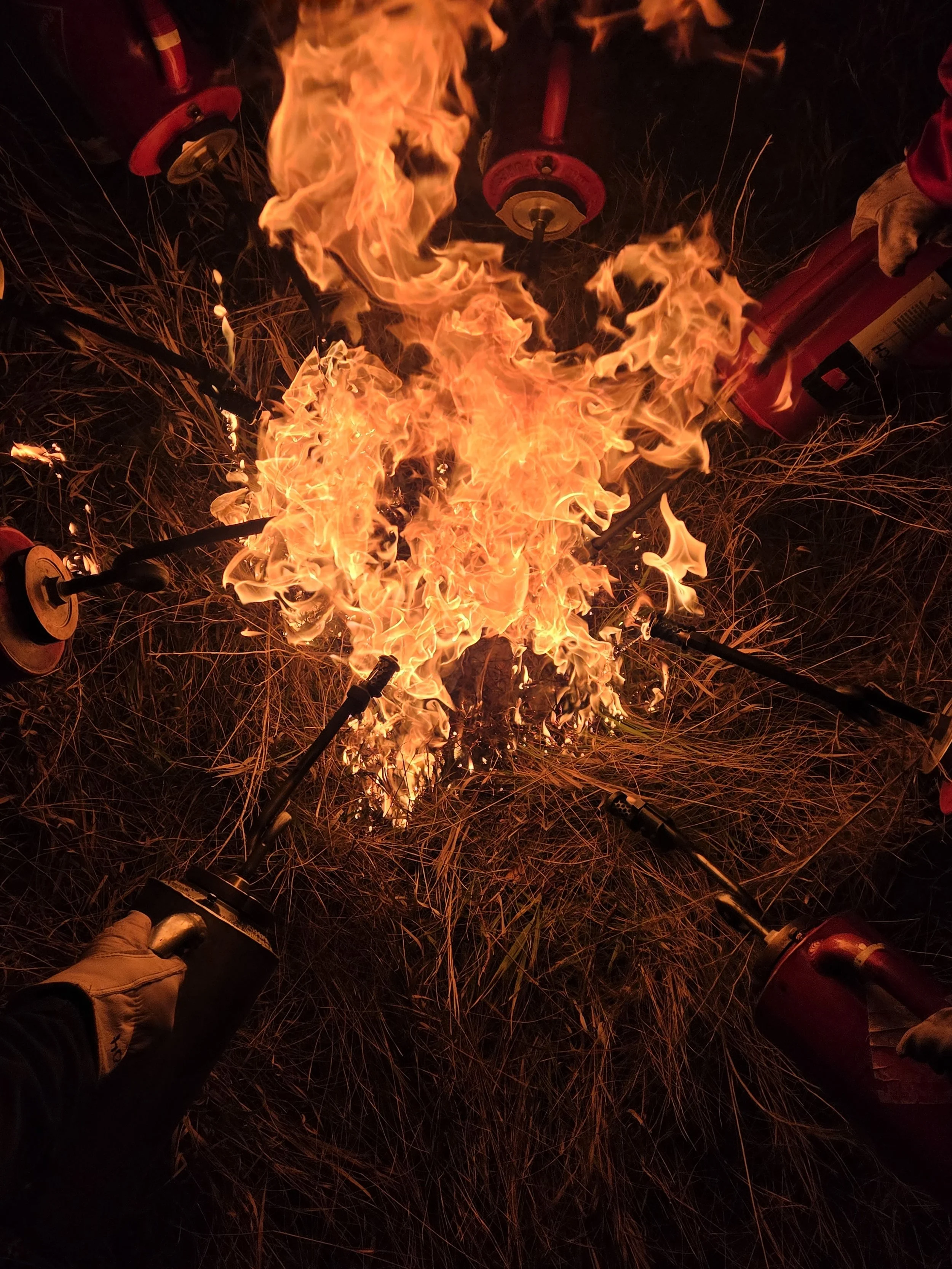
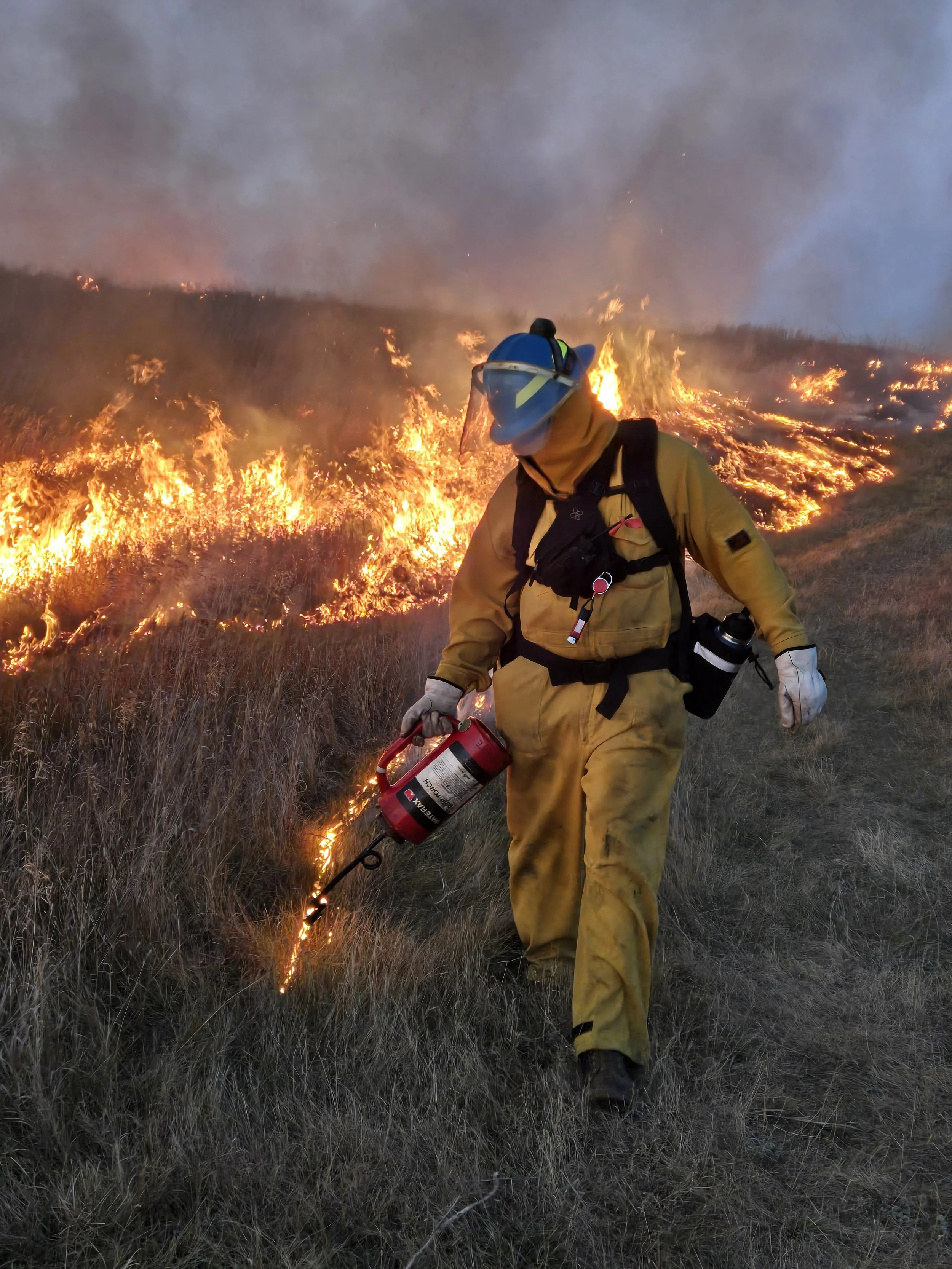
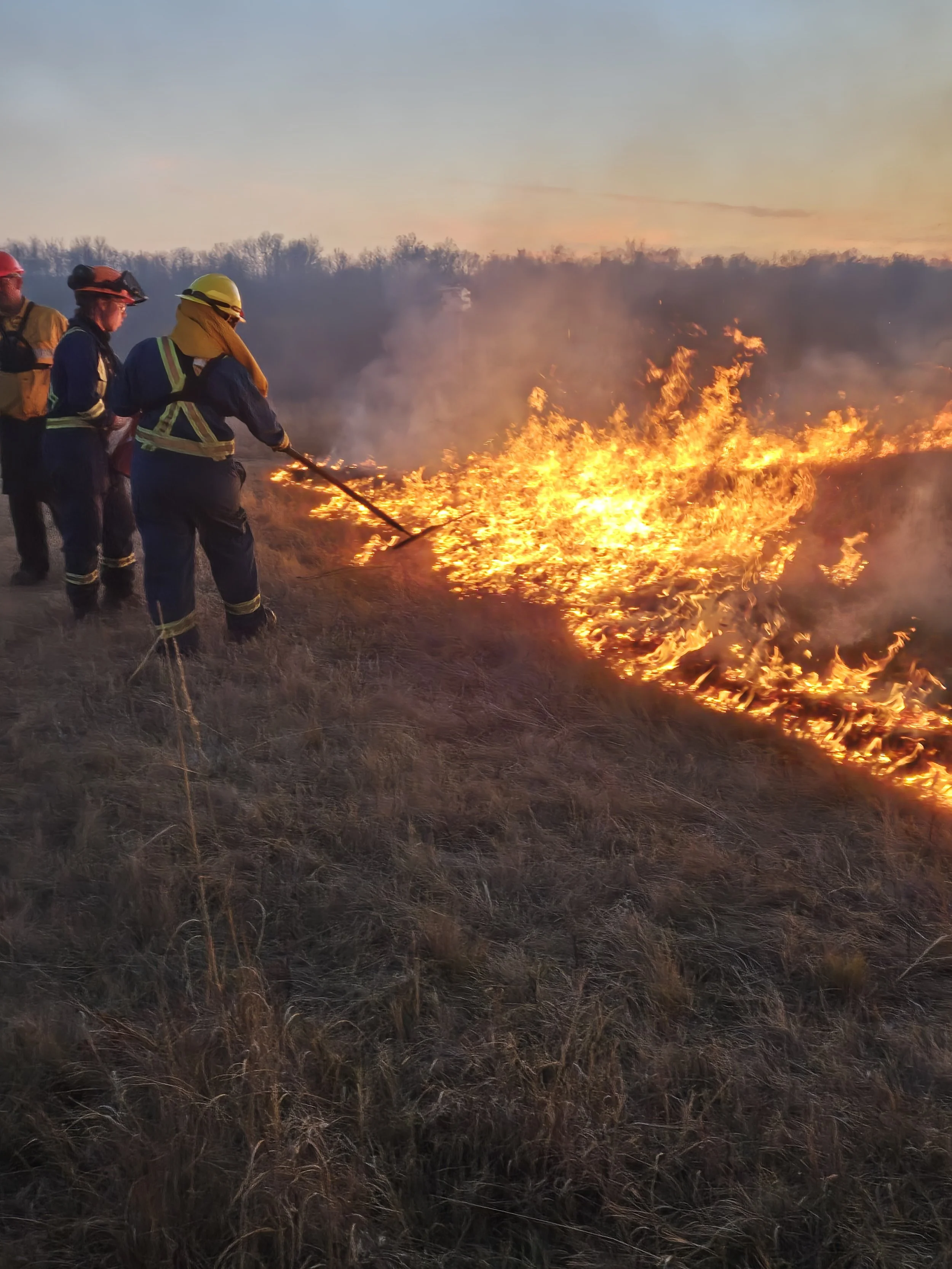
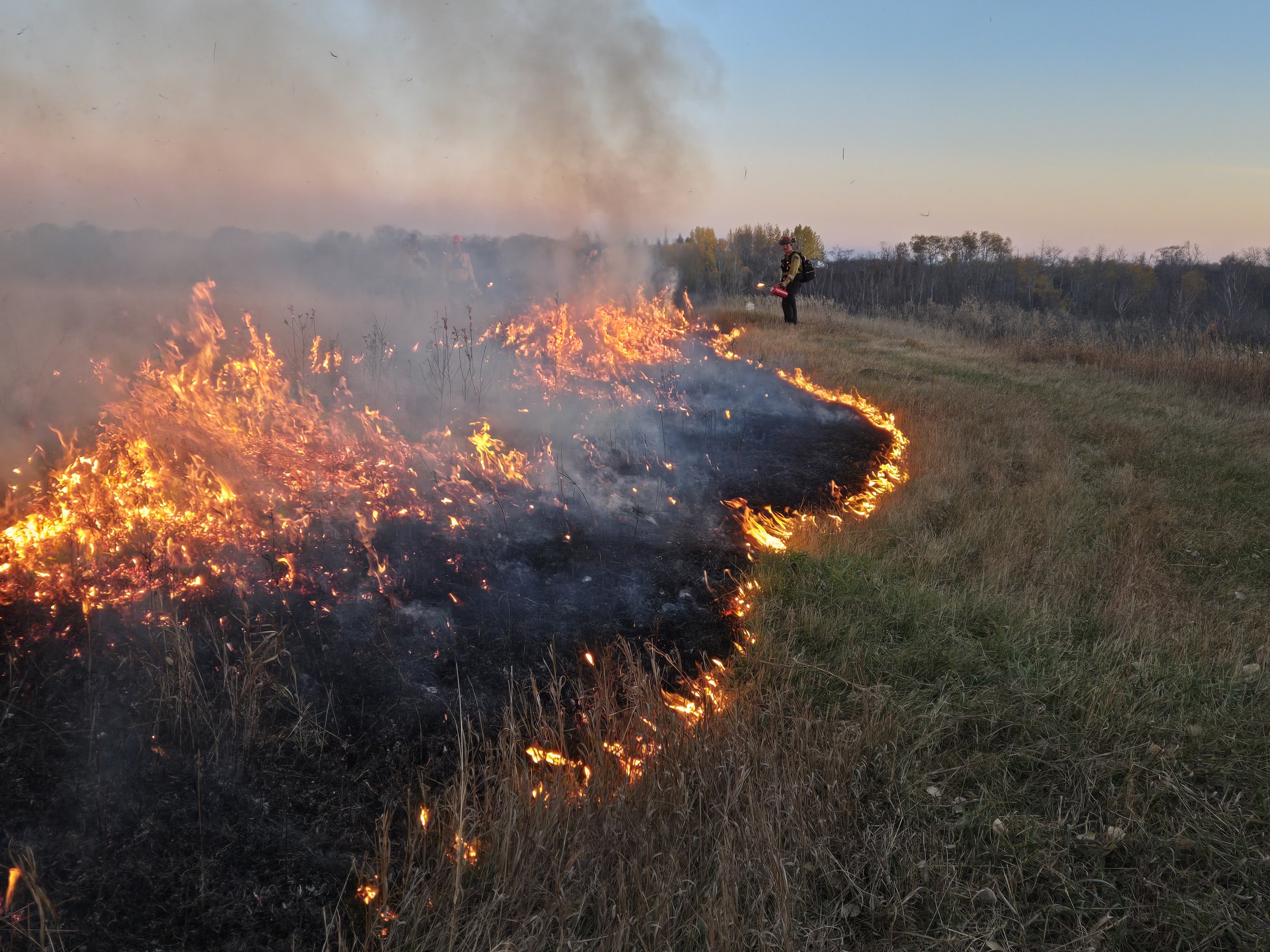
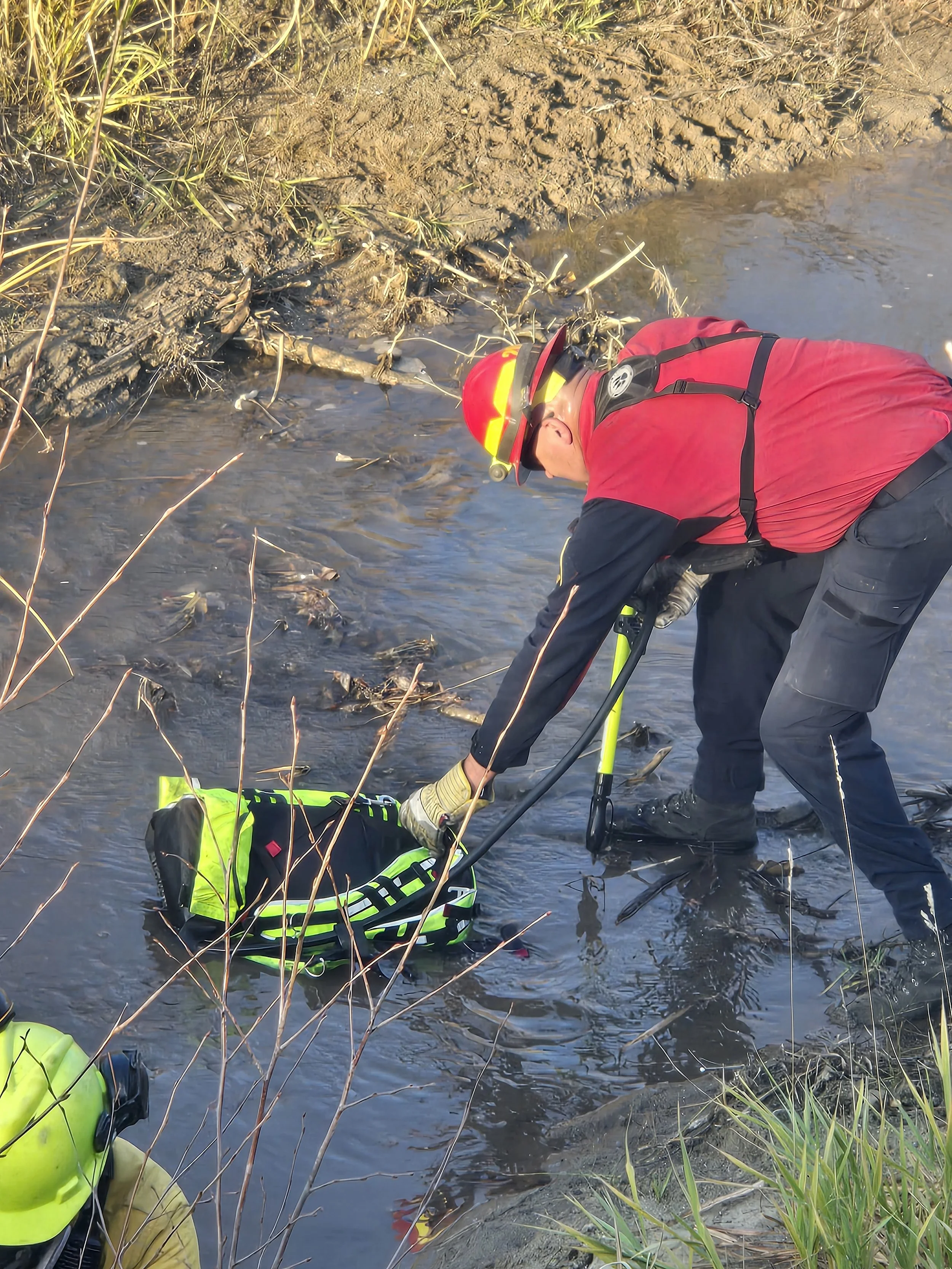
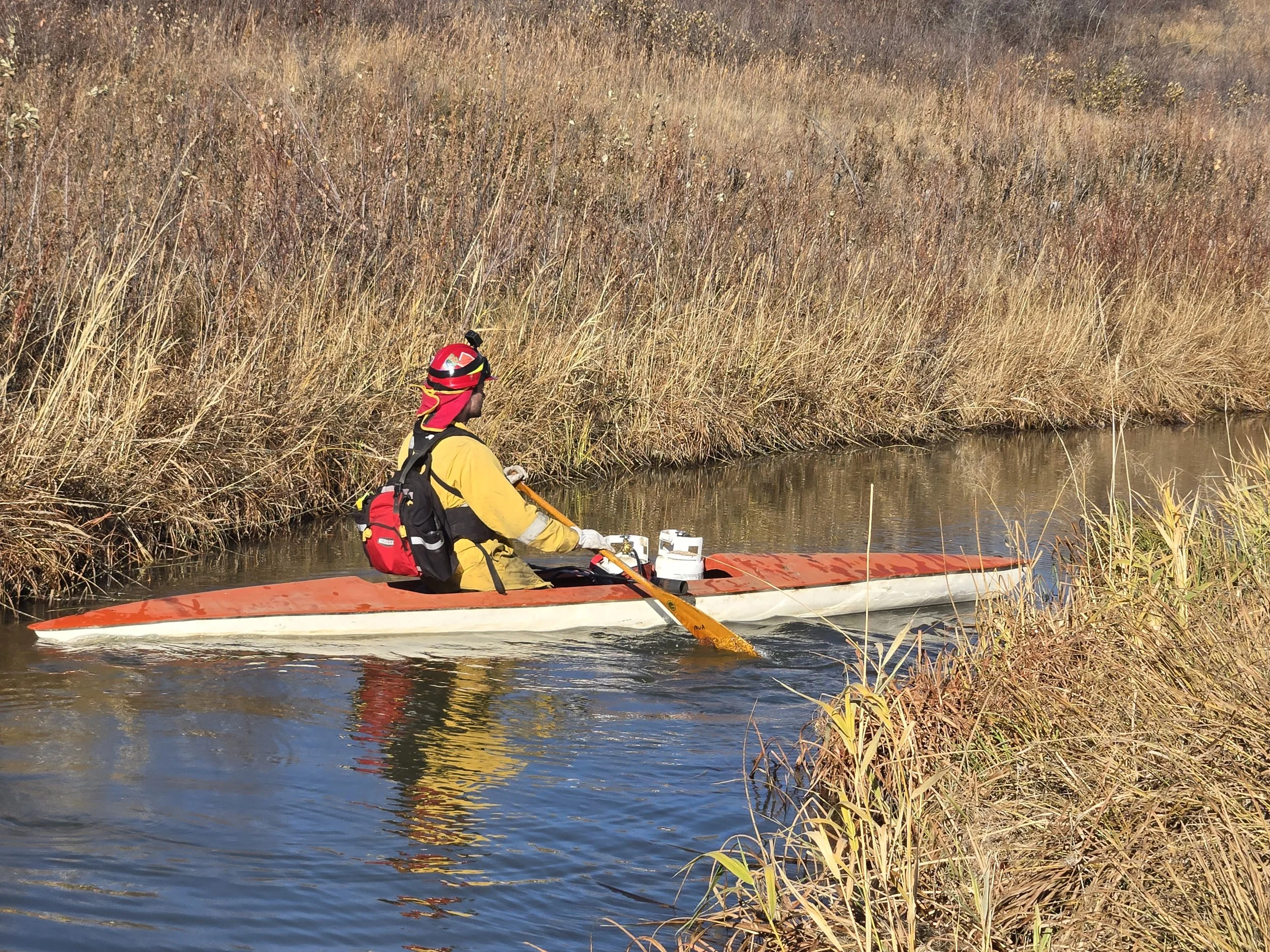
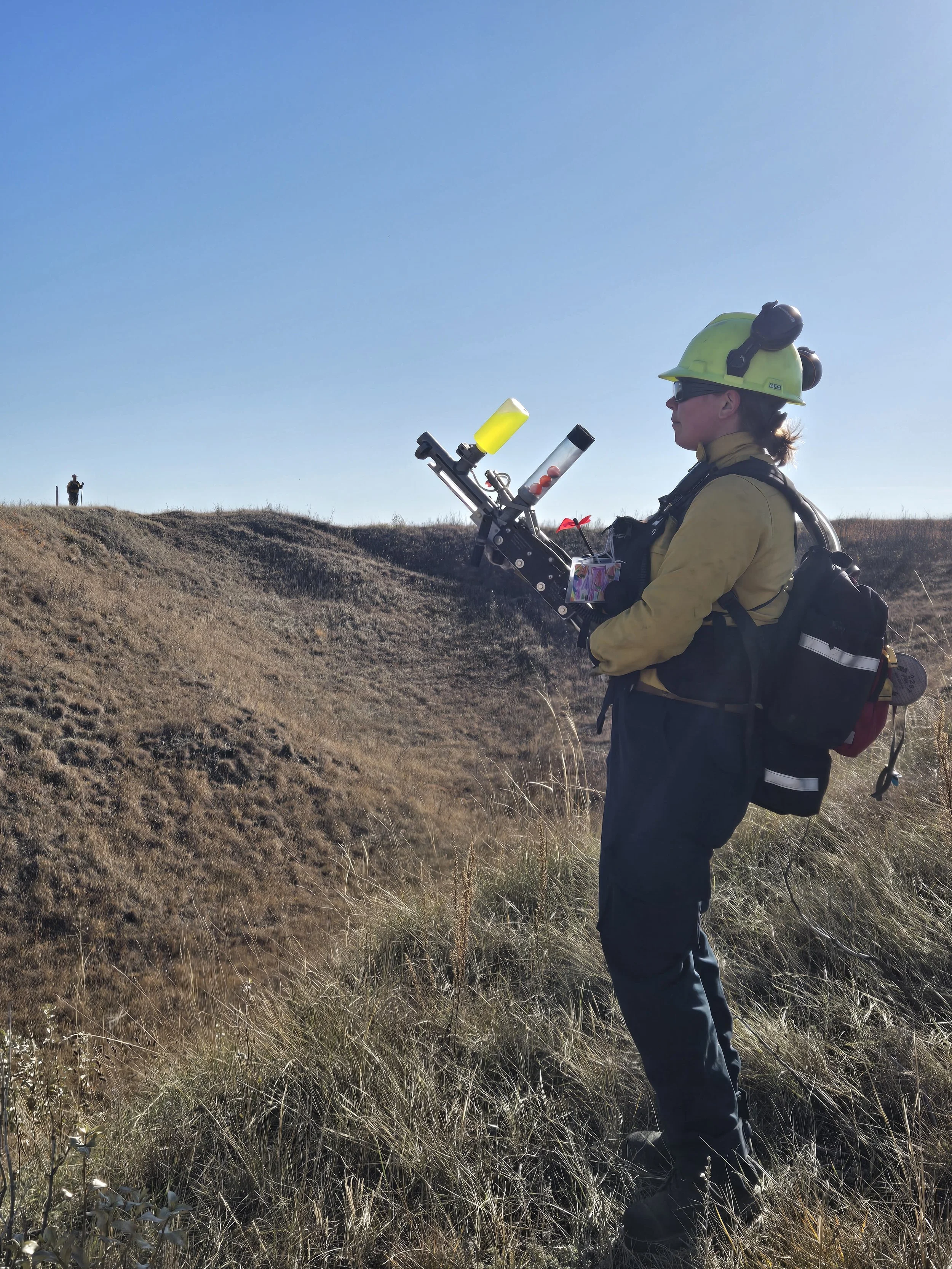
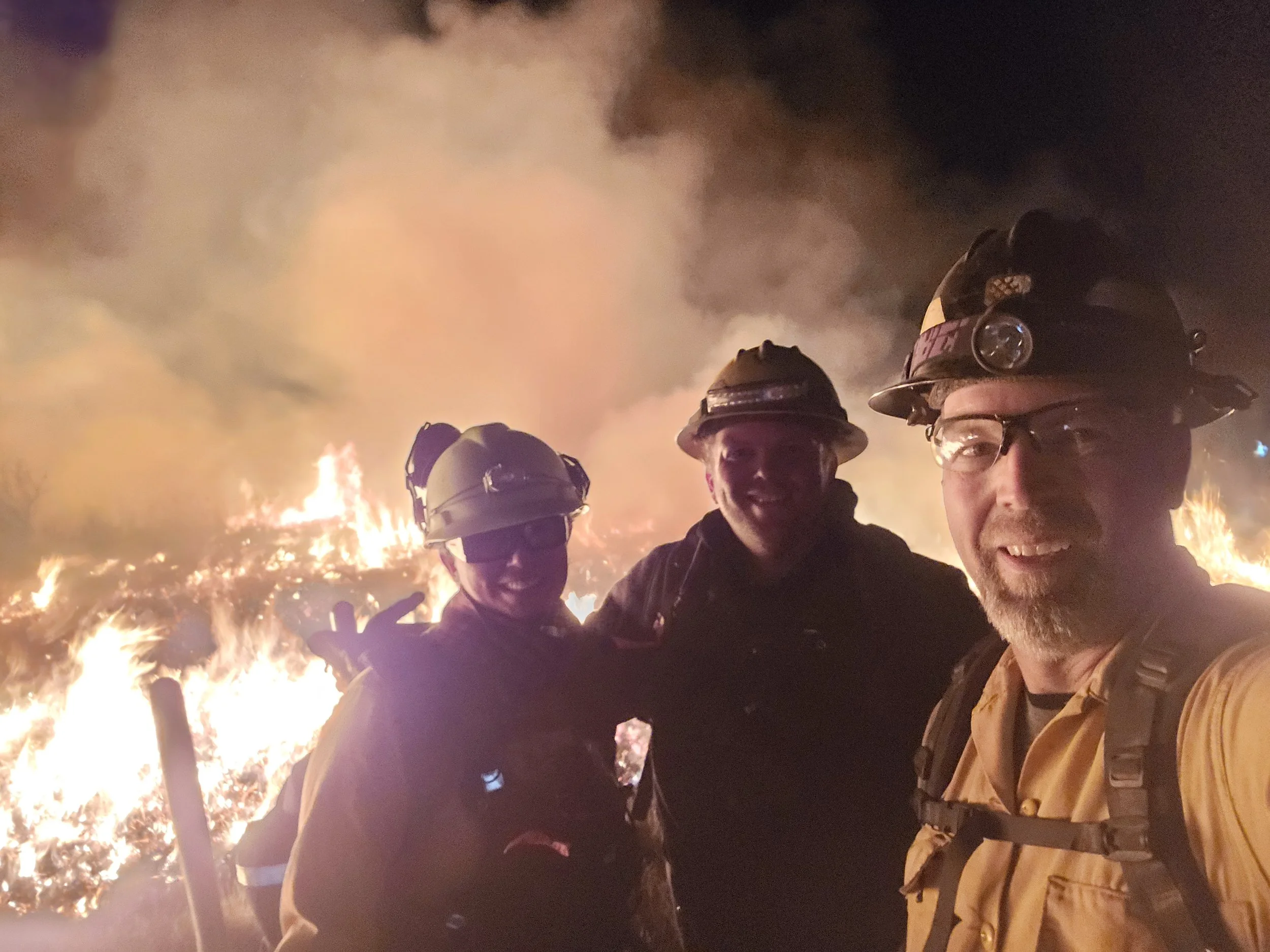
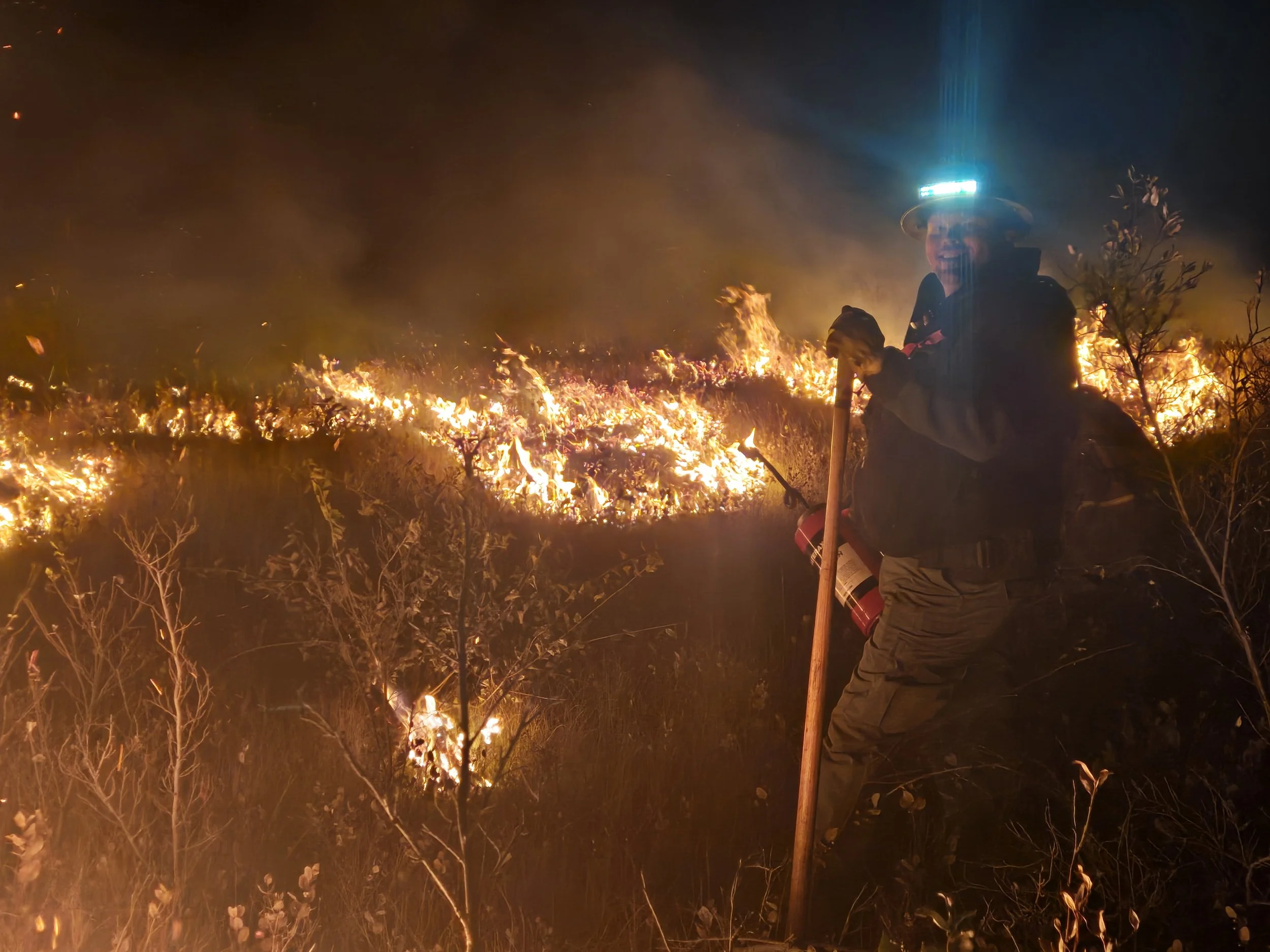
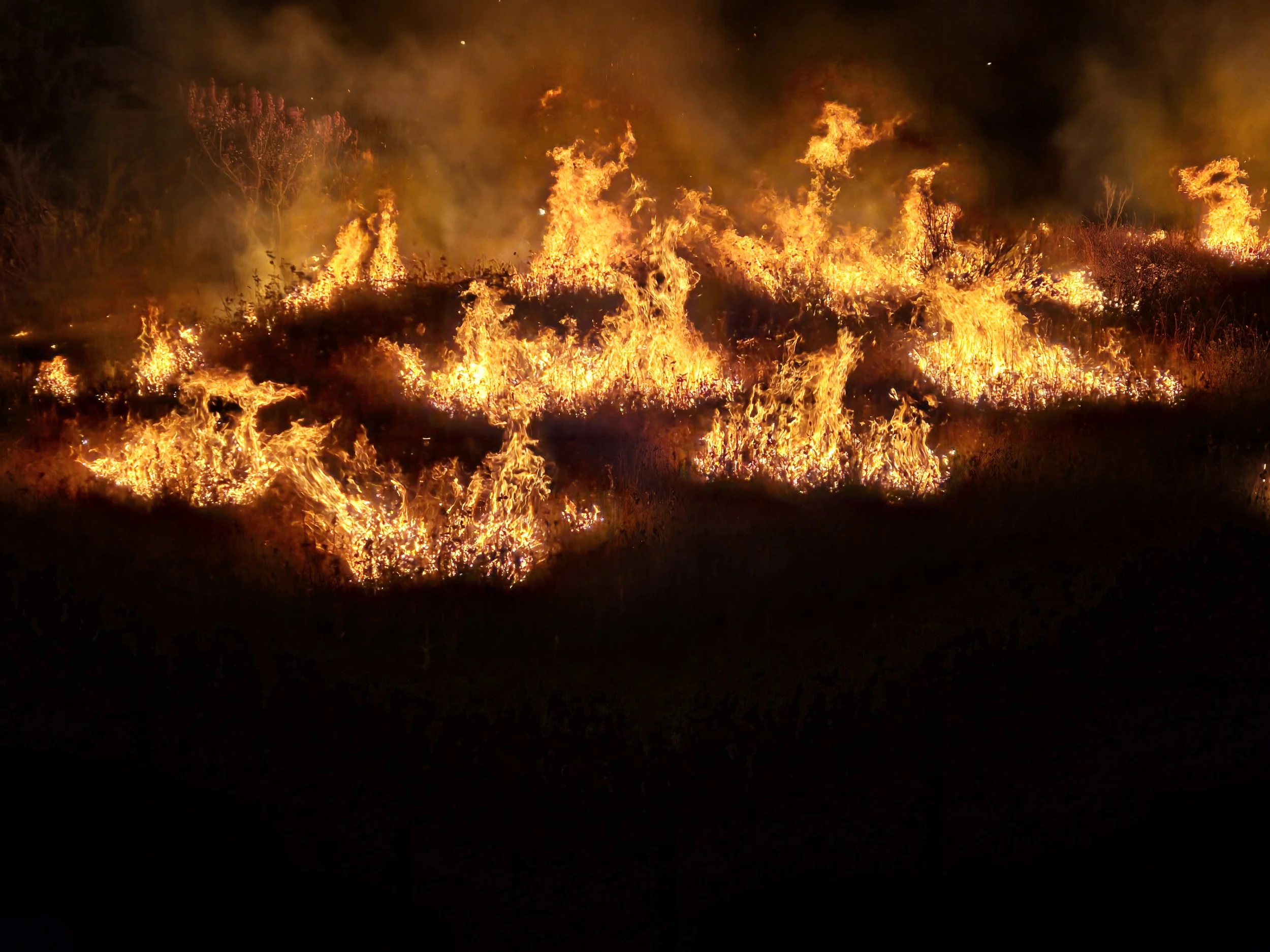
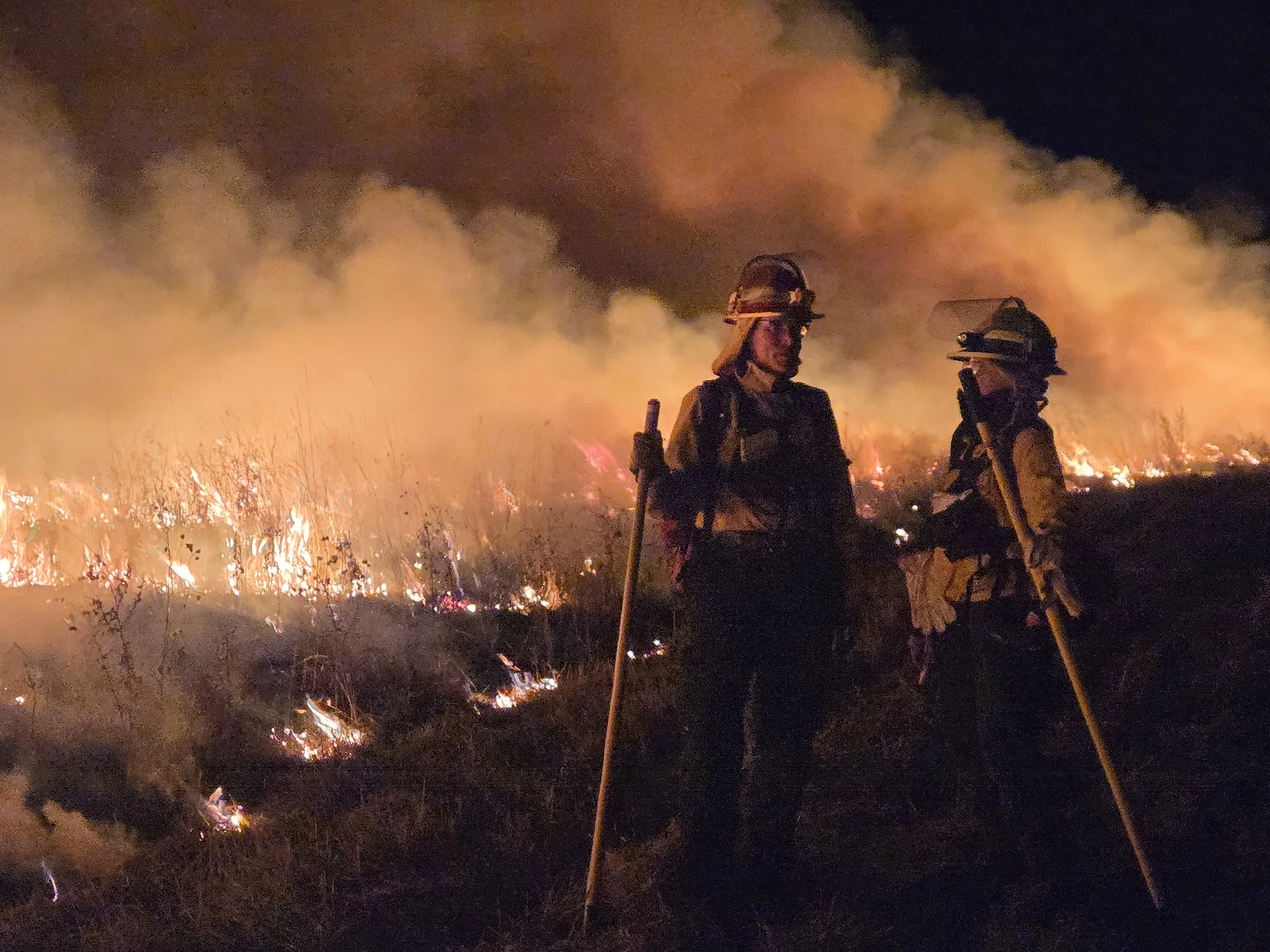
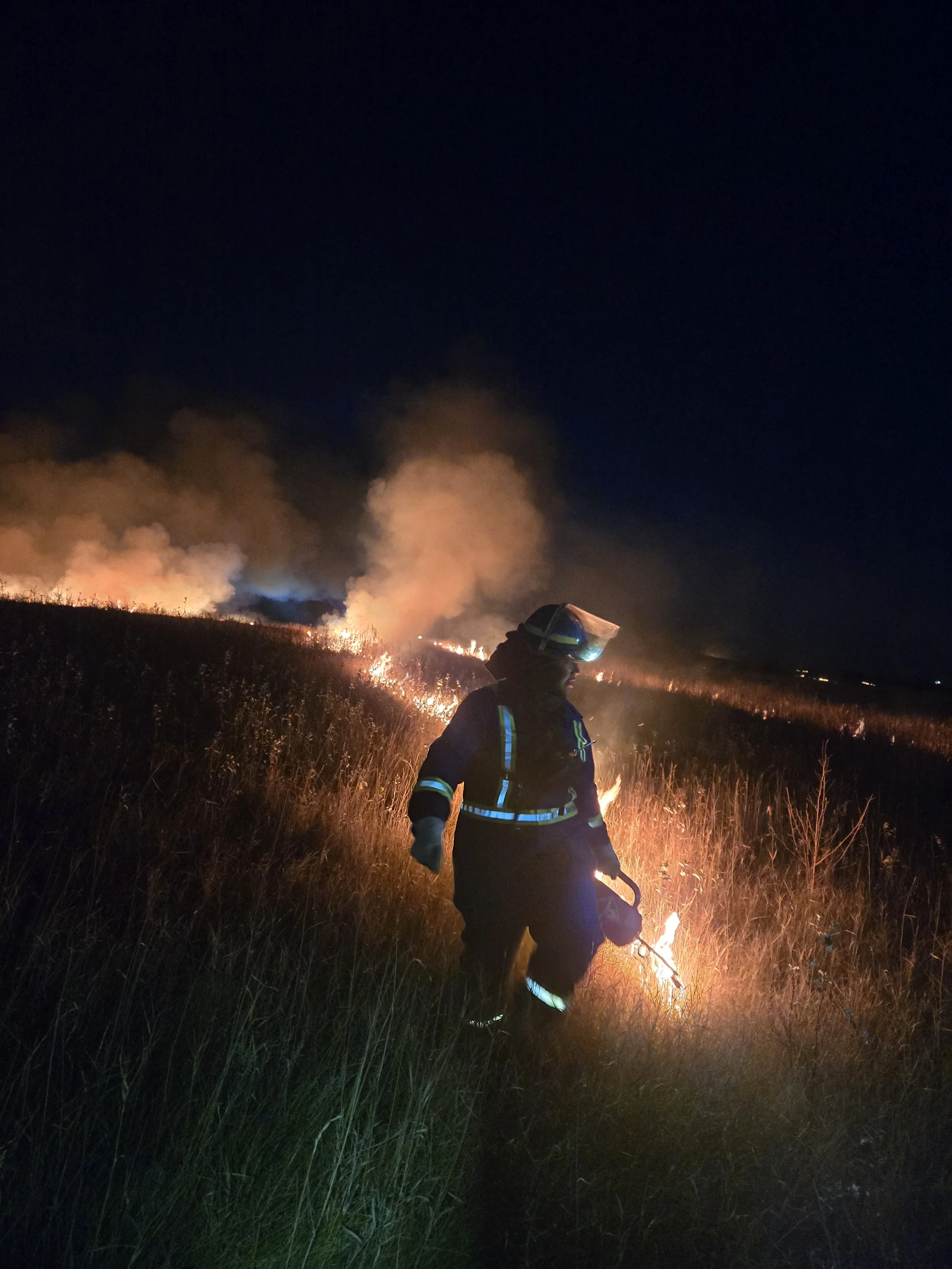
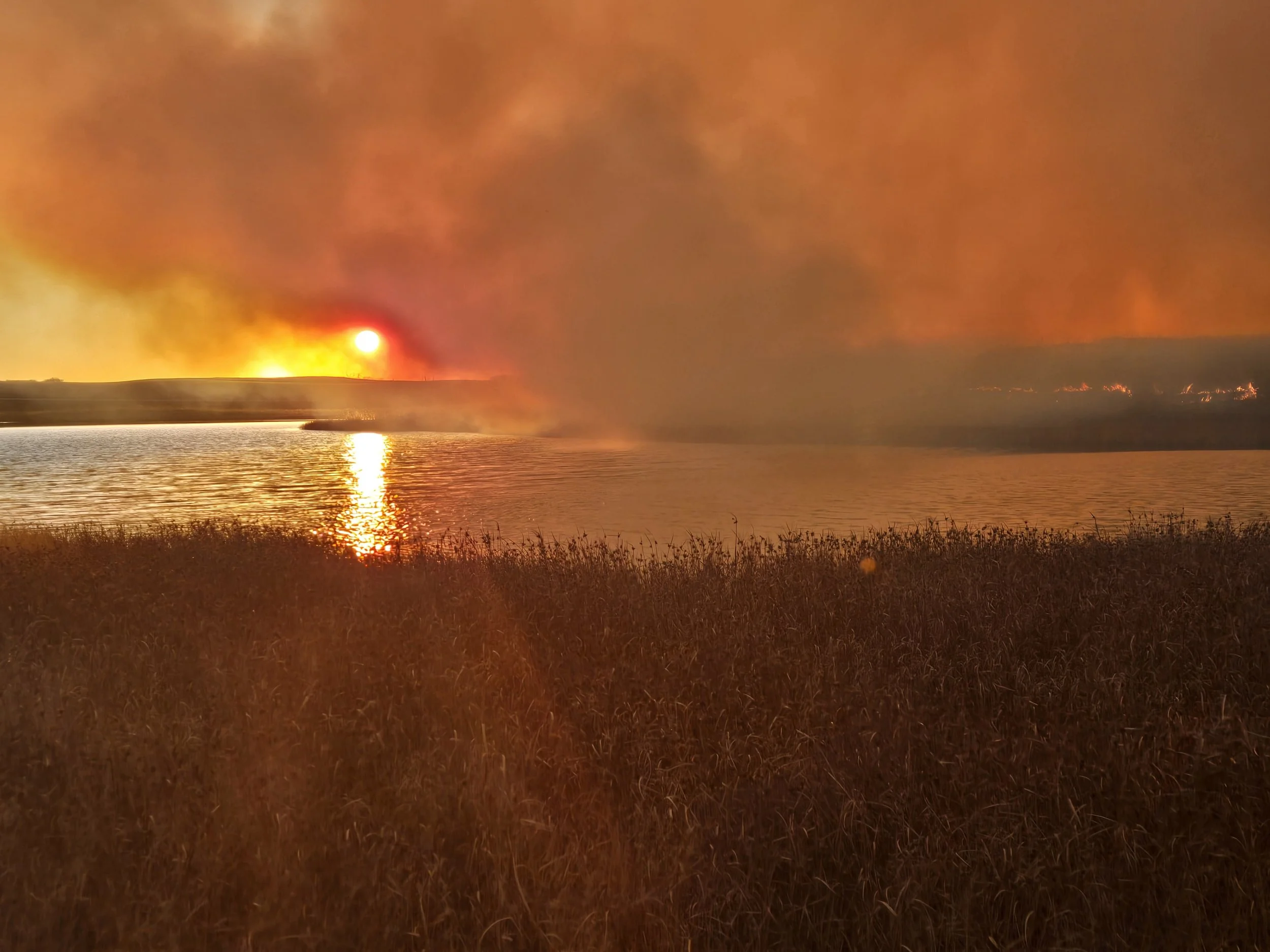
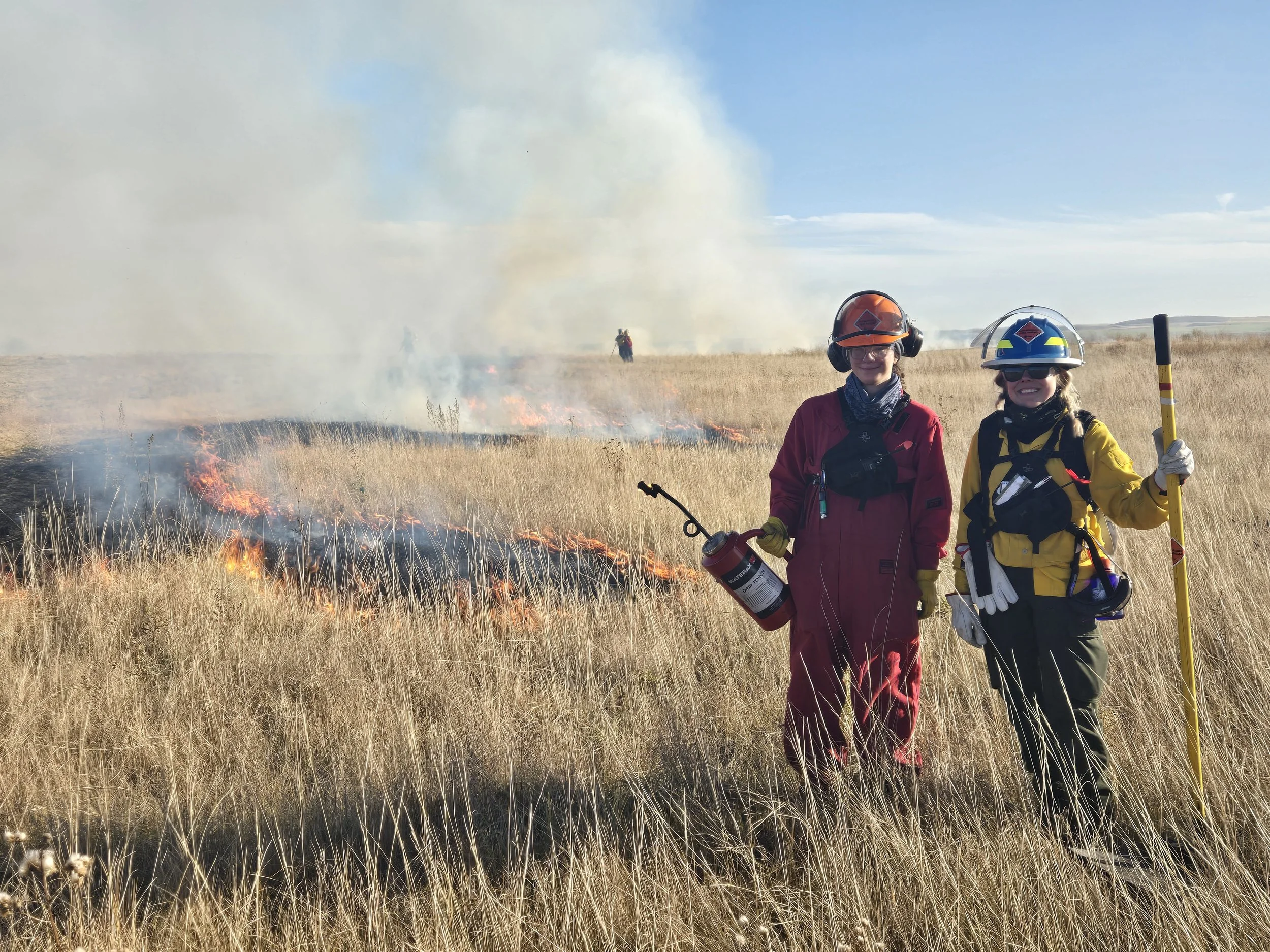
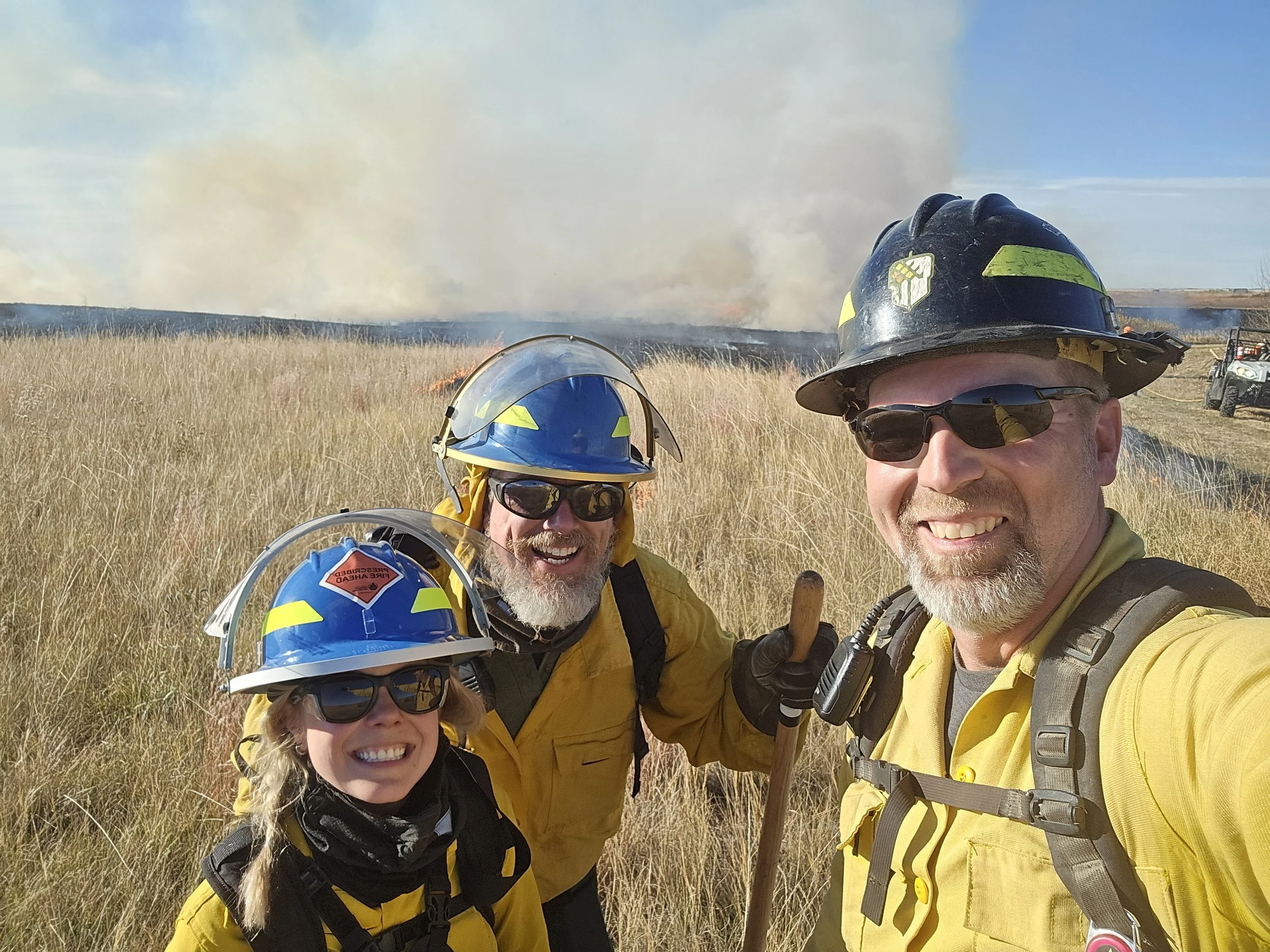
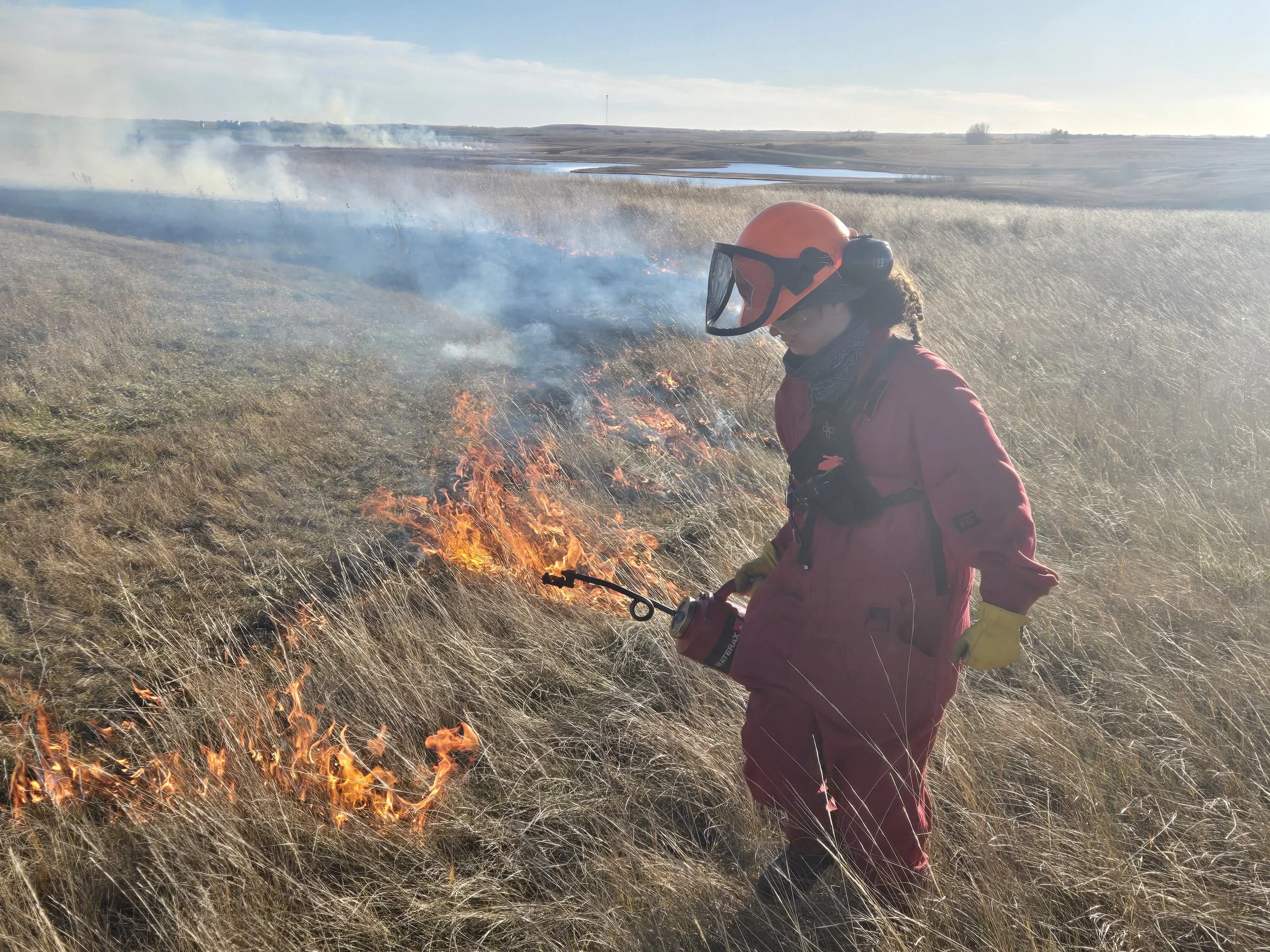
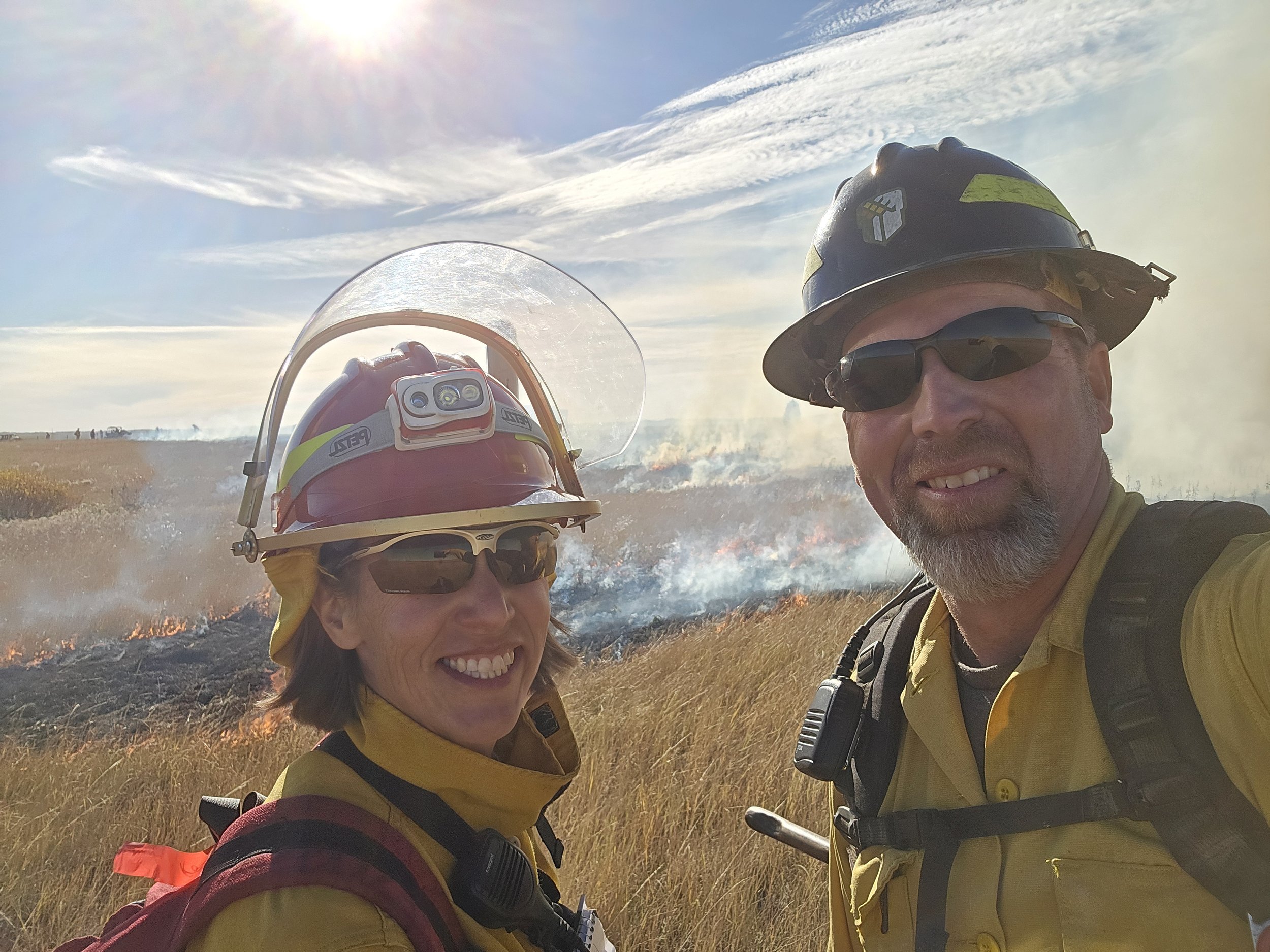
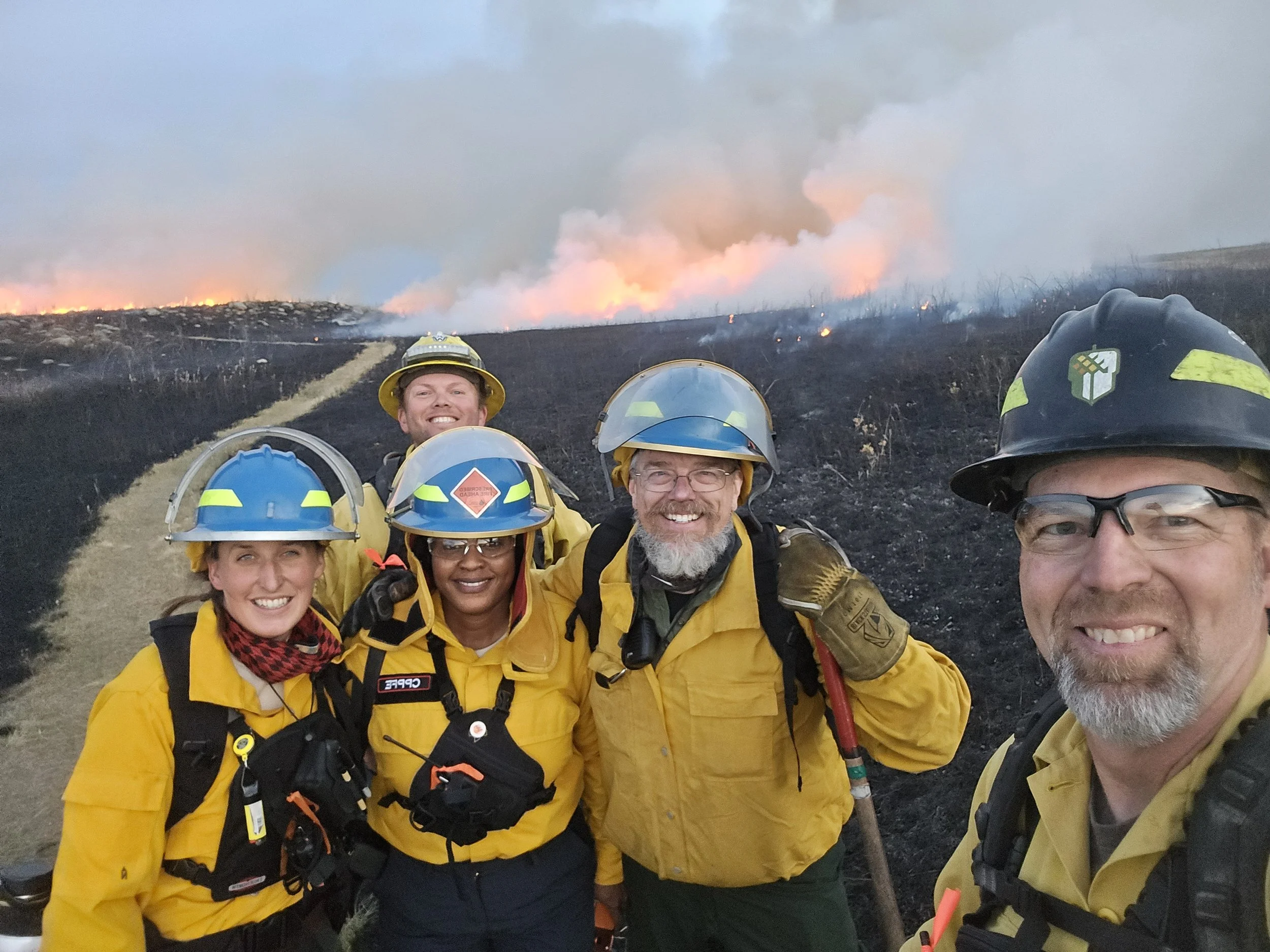
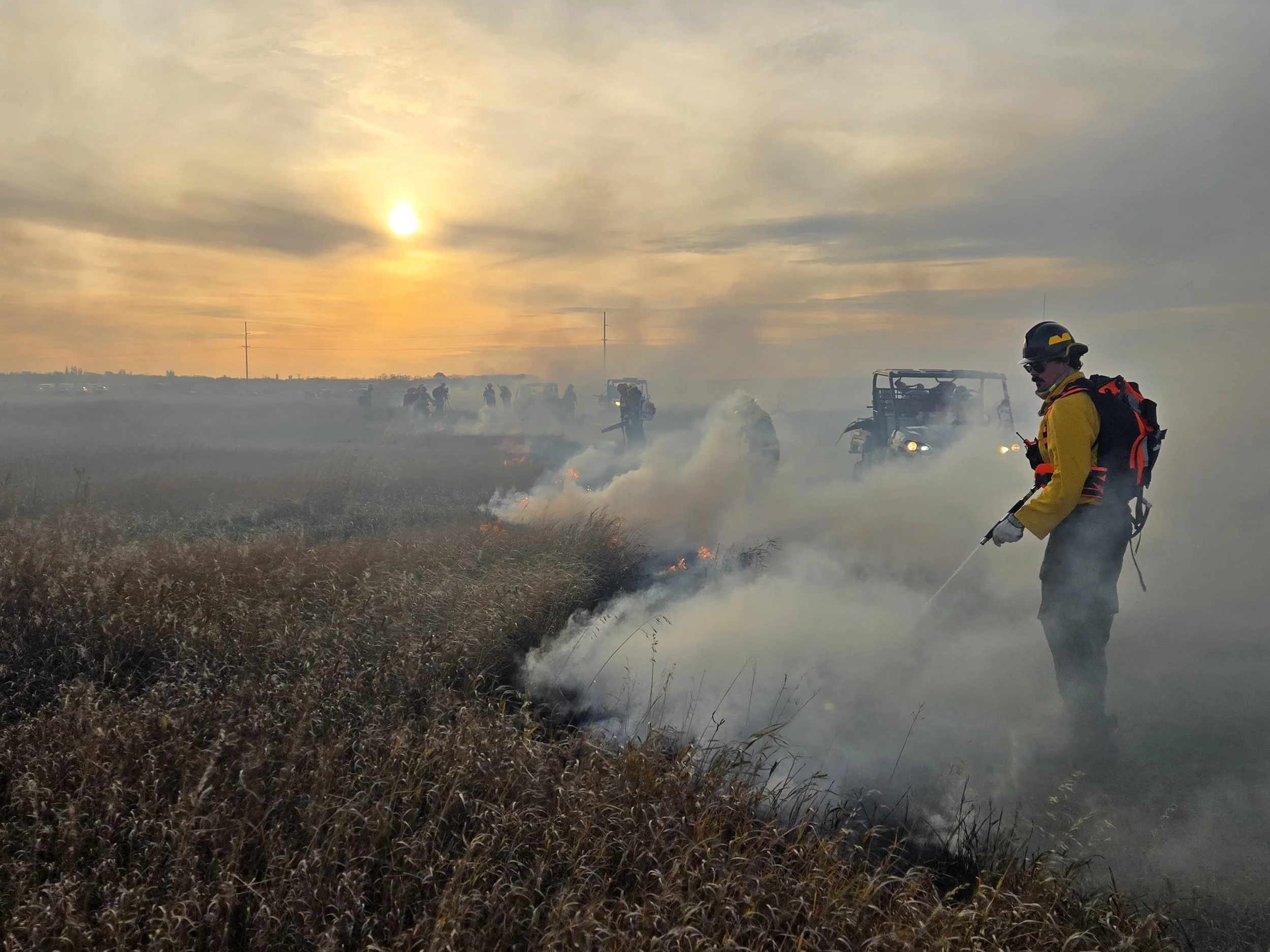
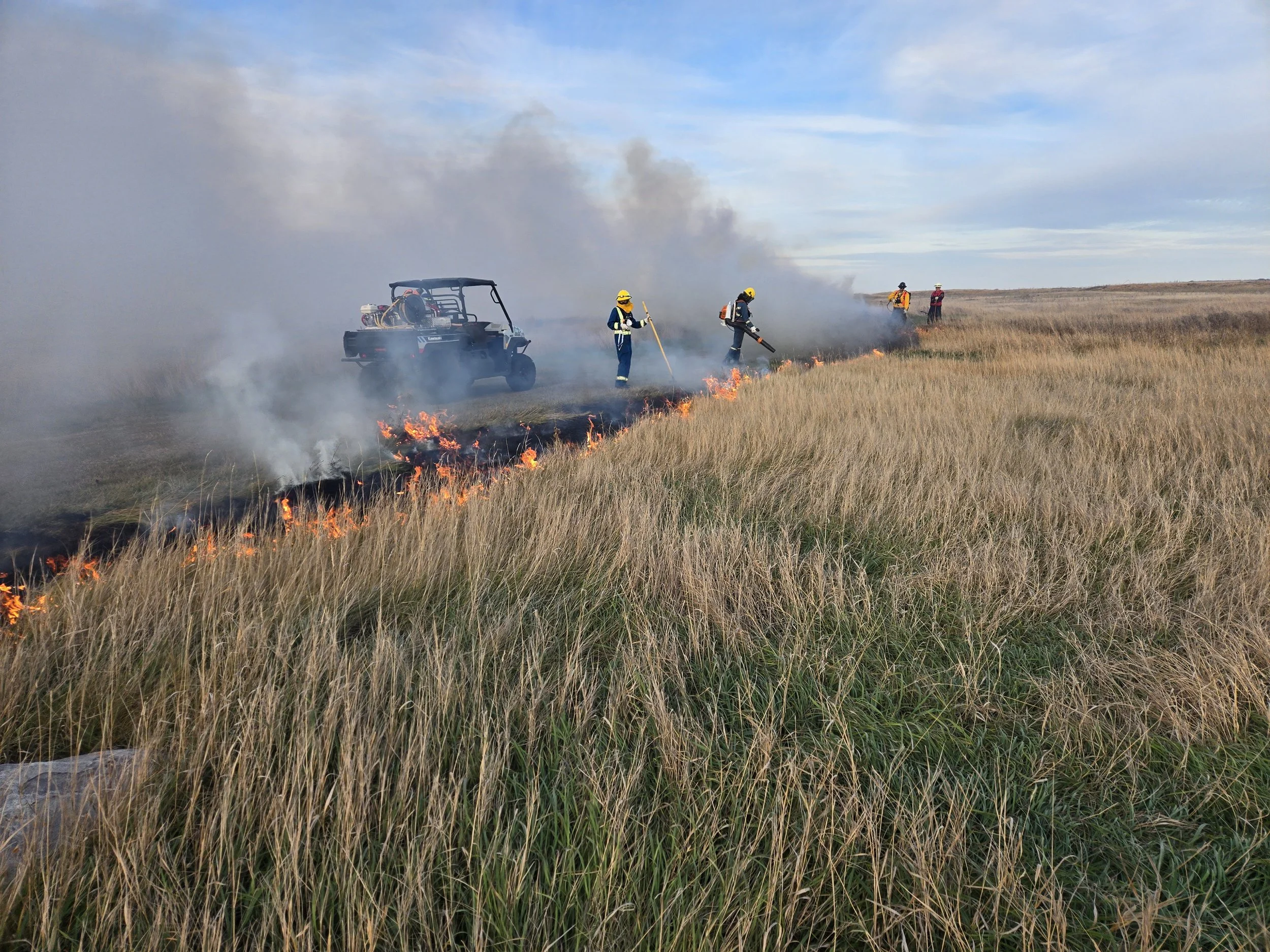
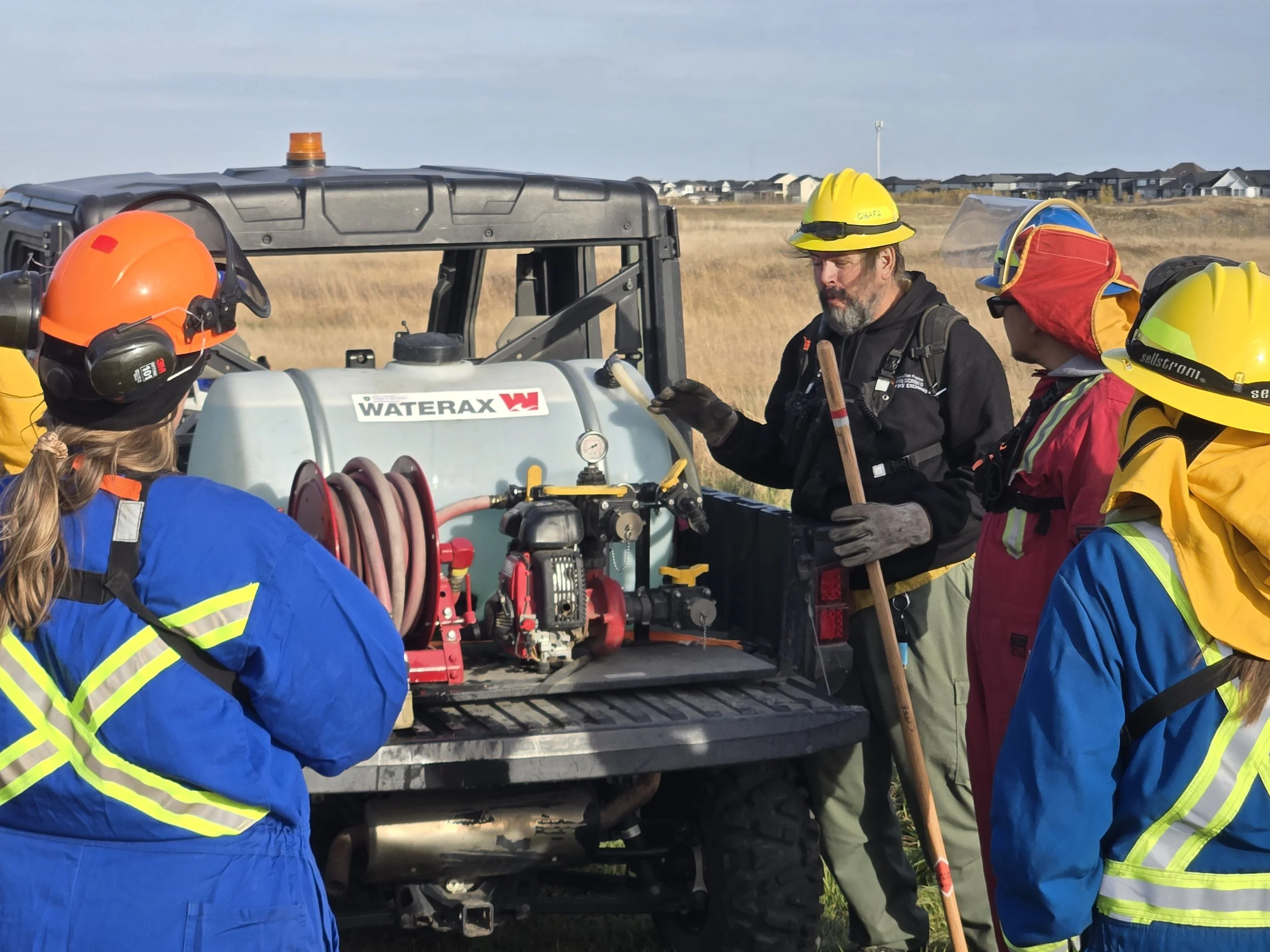
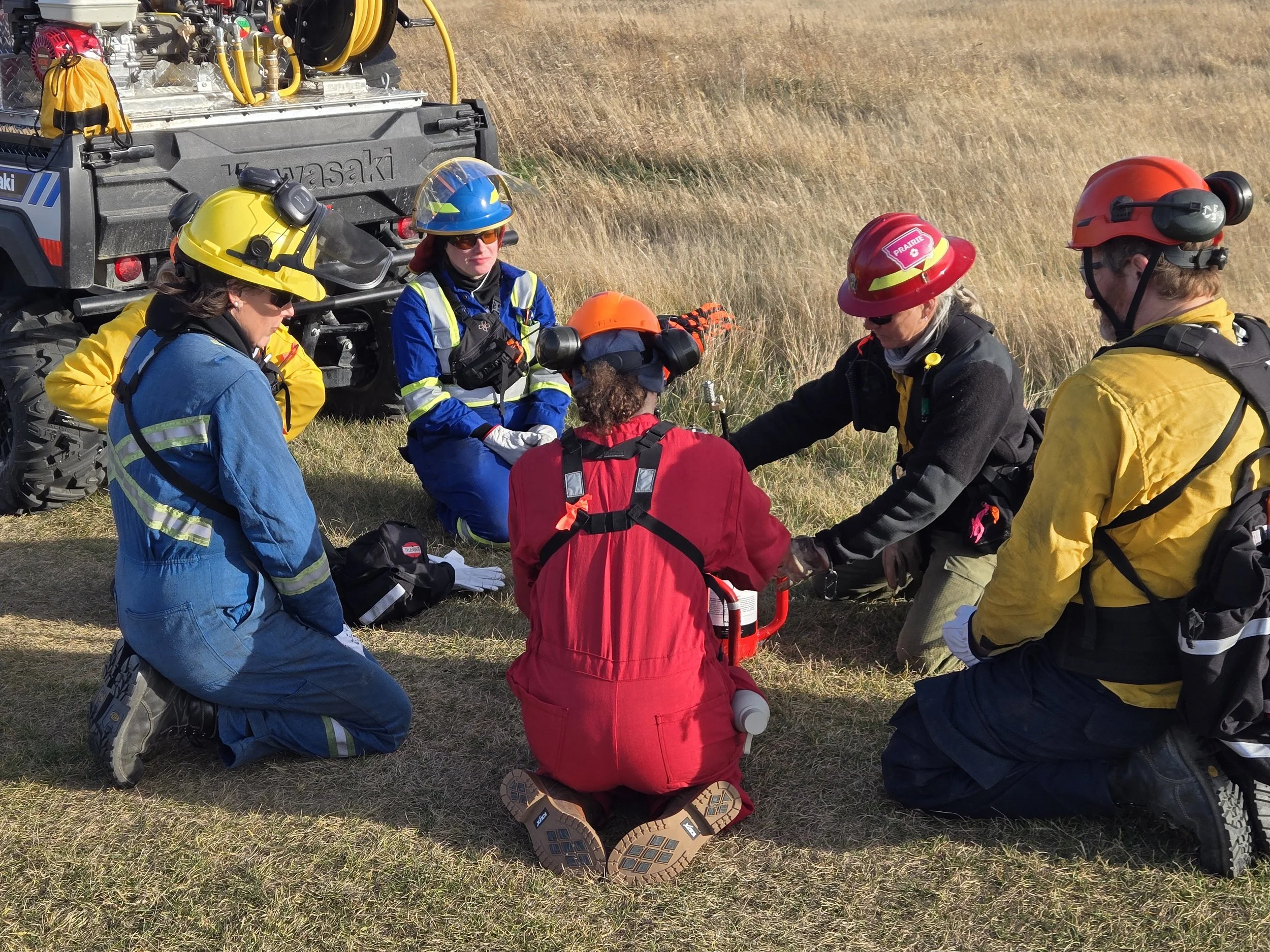
Throughout each operation, crews continuously monitored weather conditions, fuel conditions, and fire behaviour to ensure burns remained within prescription and met their ecological objectives safely and effectively. At the Northeast Swale Ecological Core, however, changing wind conditions prompted an important operational decision. Recognizing that conditions were no longer aligned with the burn plan, leadership immediately halted ignition activities and shifted crews into suppression mode. The decision reflected the professionalism, situational awareness, and sound judgment that are fundamental to prescribed fire operations. It demonstrated a strong safety culture and a commitment to protecting people, property, and the landscape, reinforcing that successful prescribed fire is not only about knowing when to light a fire, but also when to stop.
The final operational day looked very different. With wind speeds reaching approximately 90 km/h, conditions were unsuitable for additional prescribed burning. Demonstrating the safety-first culture that defines prescribed fire operations, all divisions shifted their focus to mop-up activities.
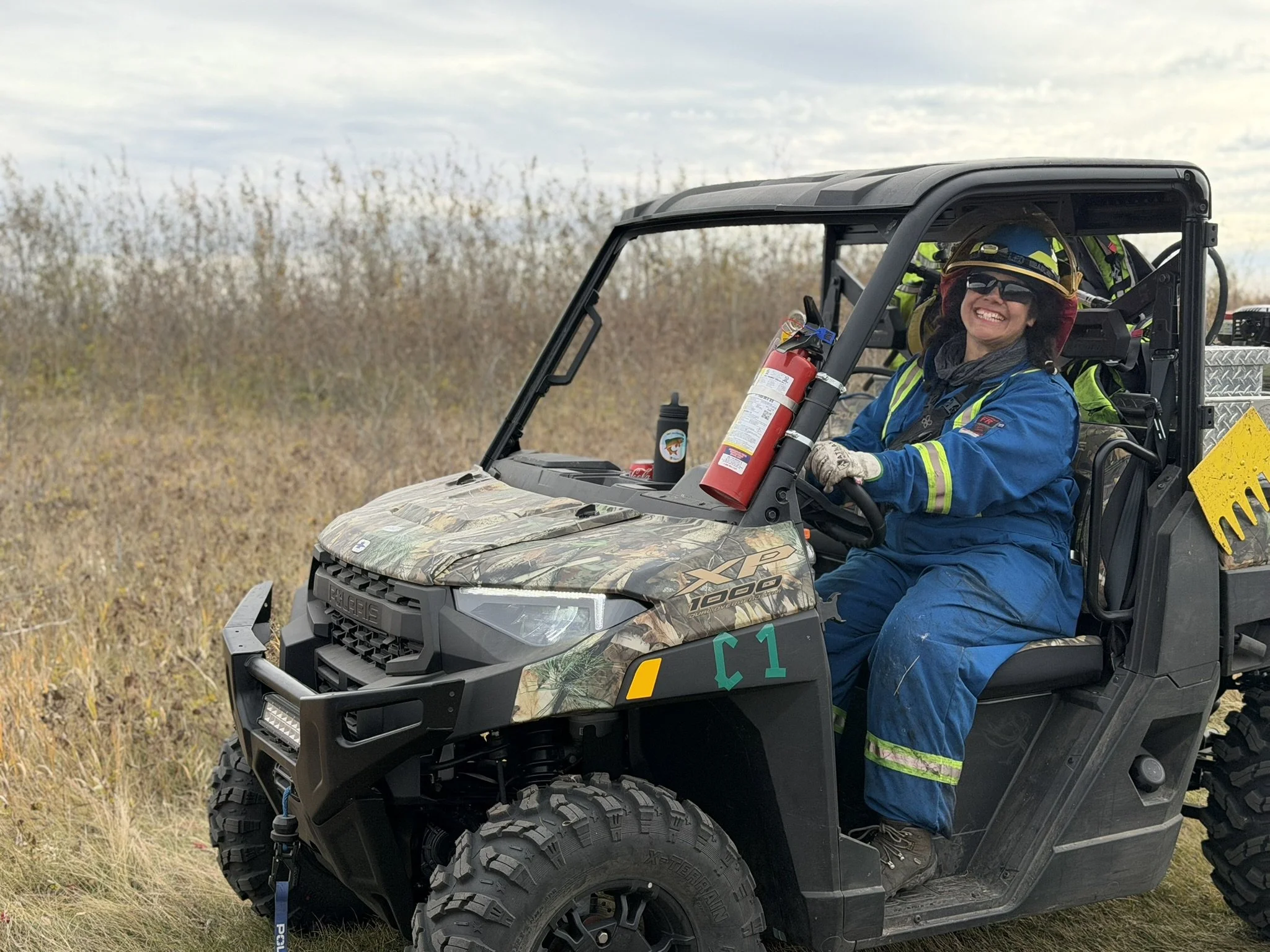
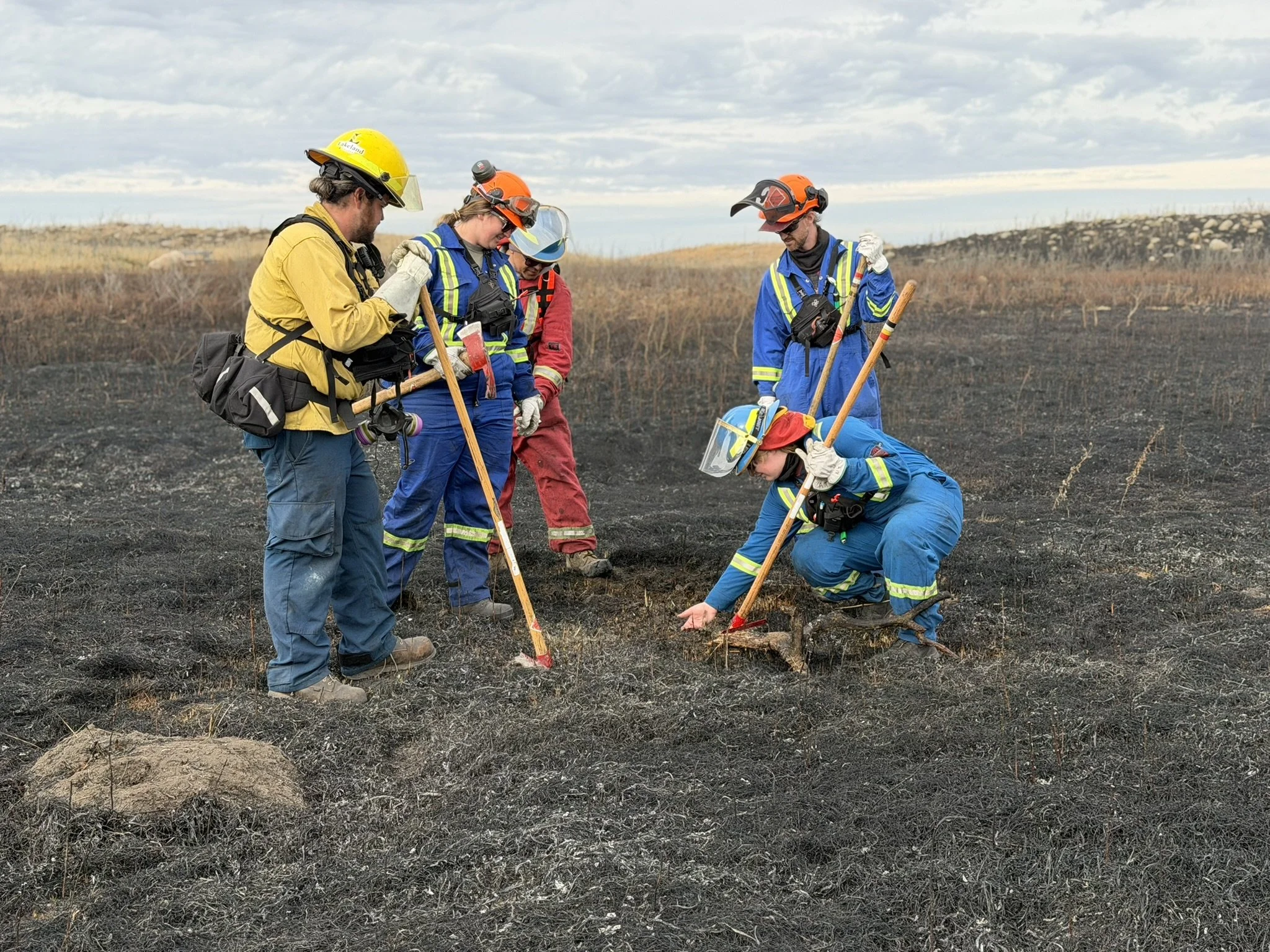
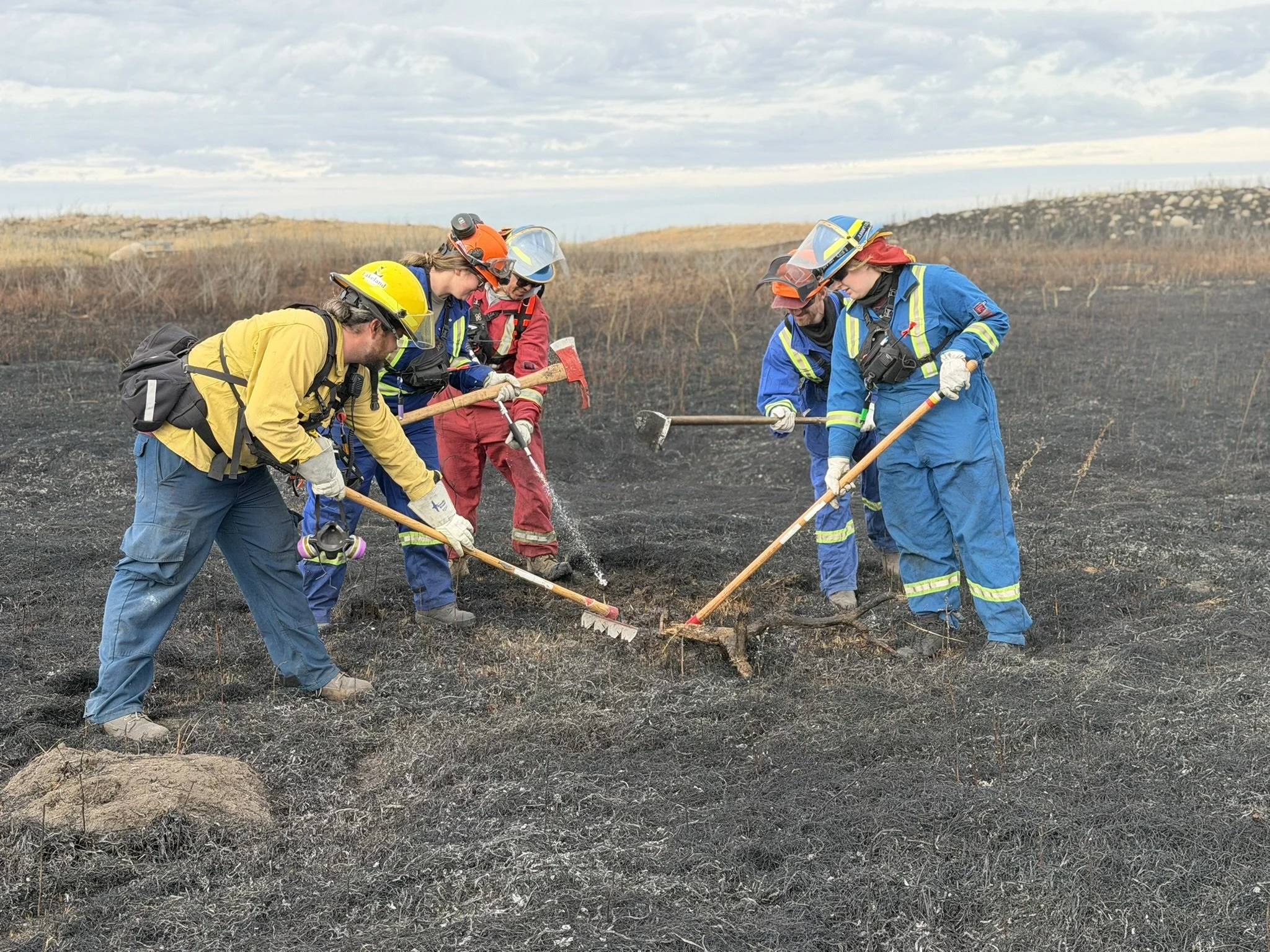
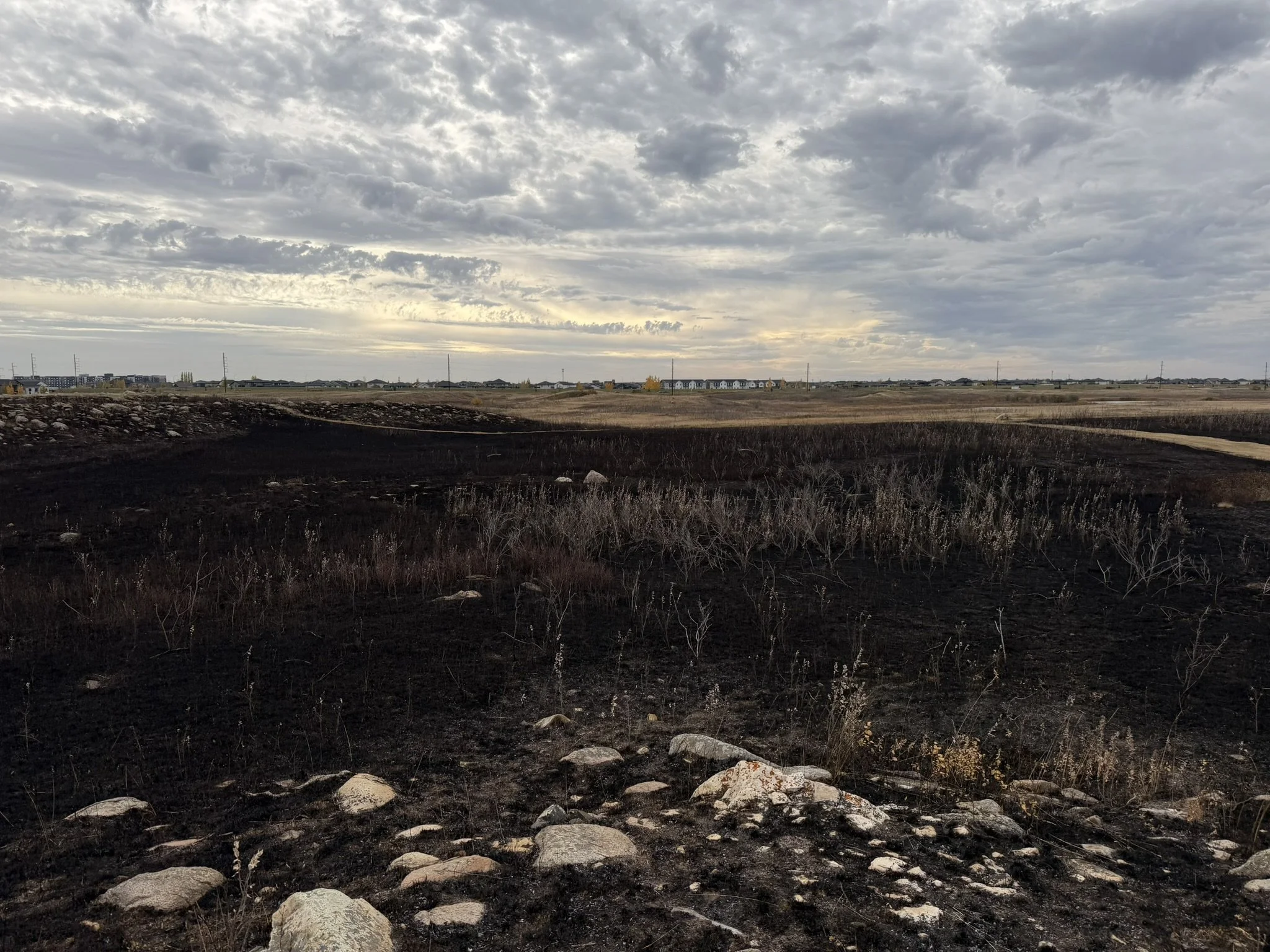
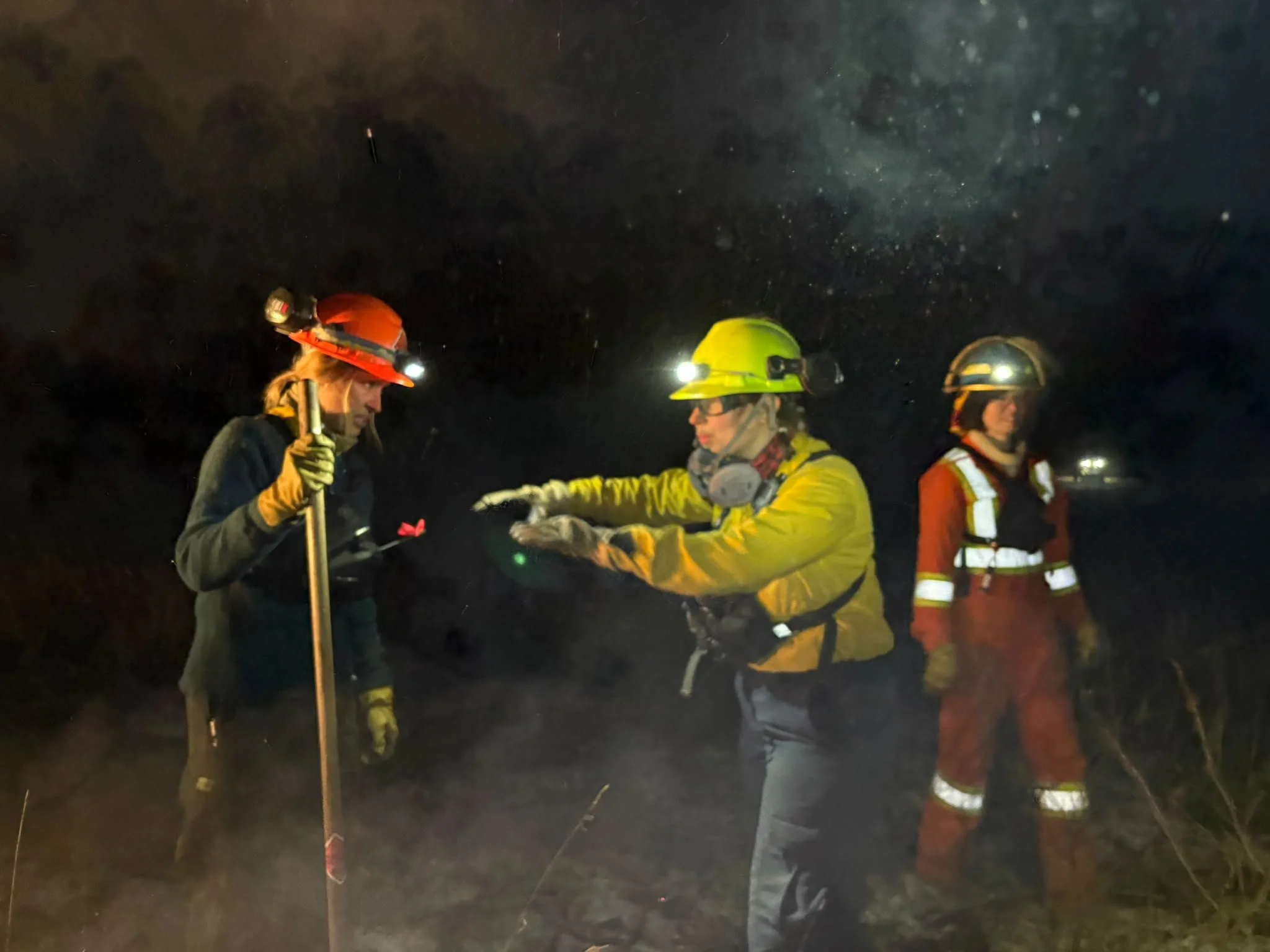
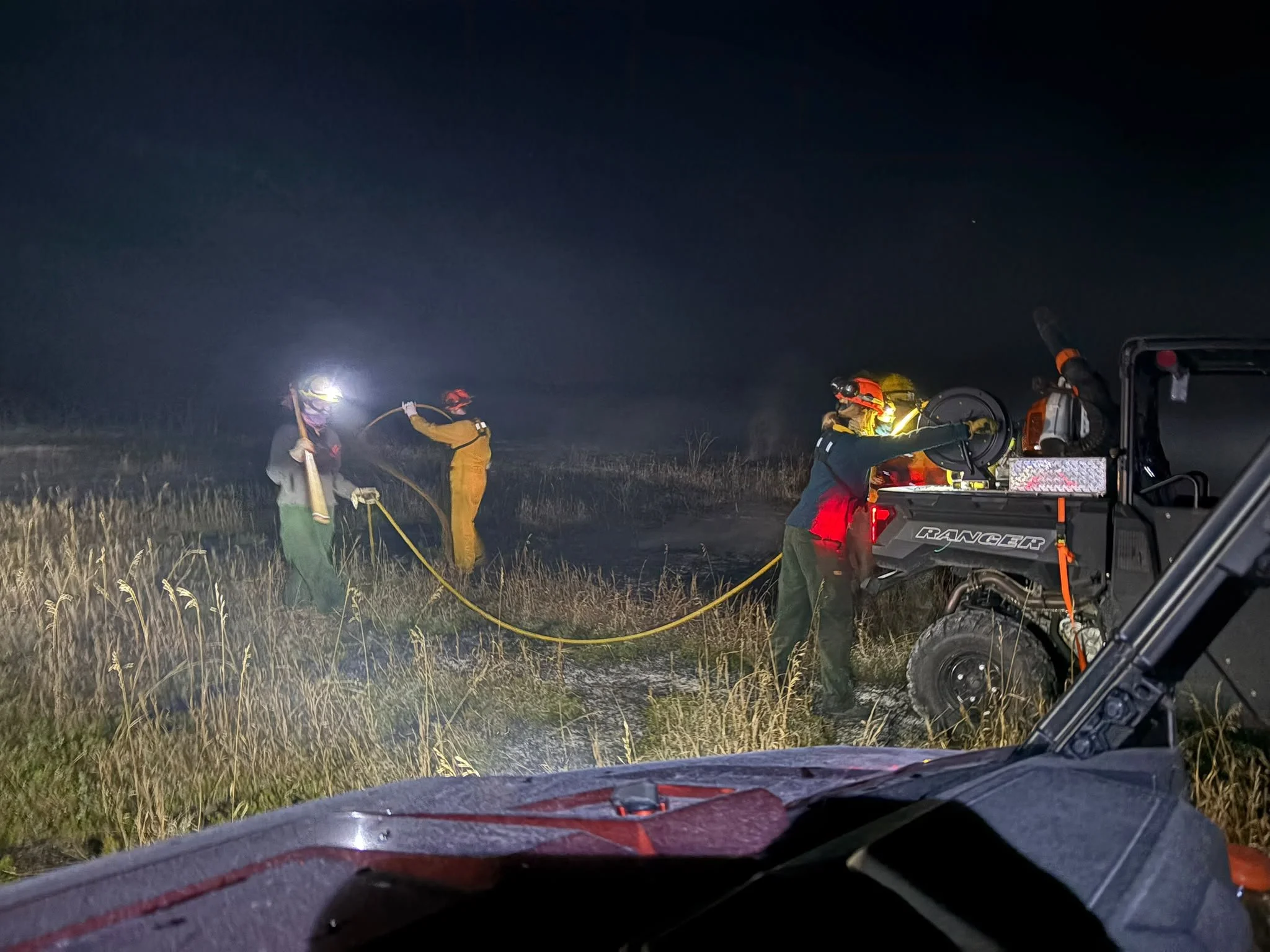
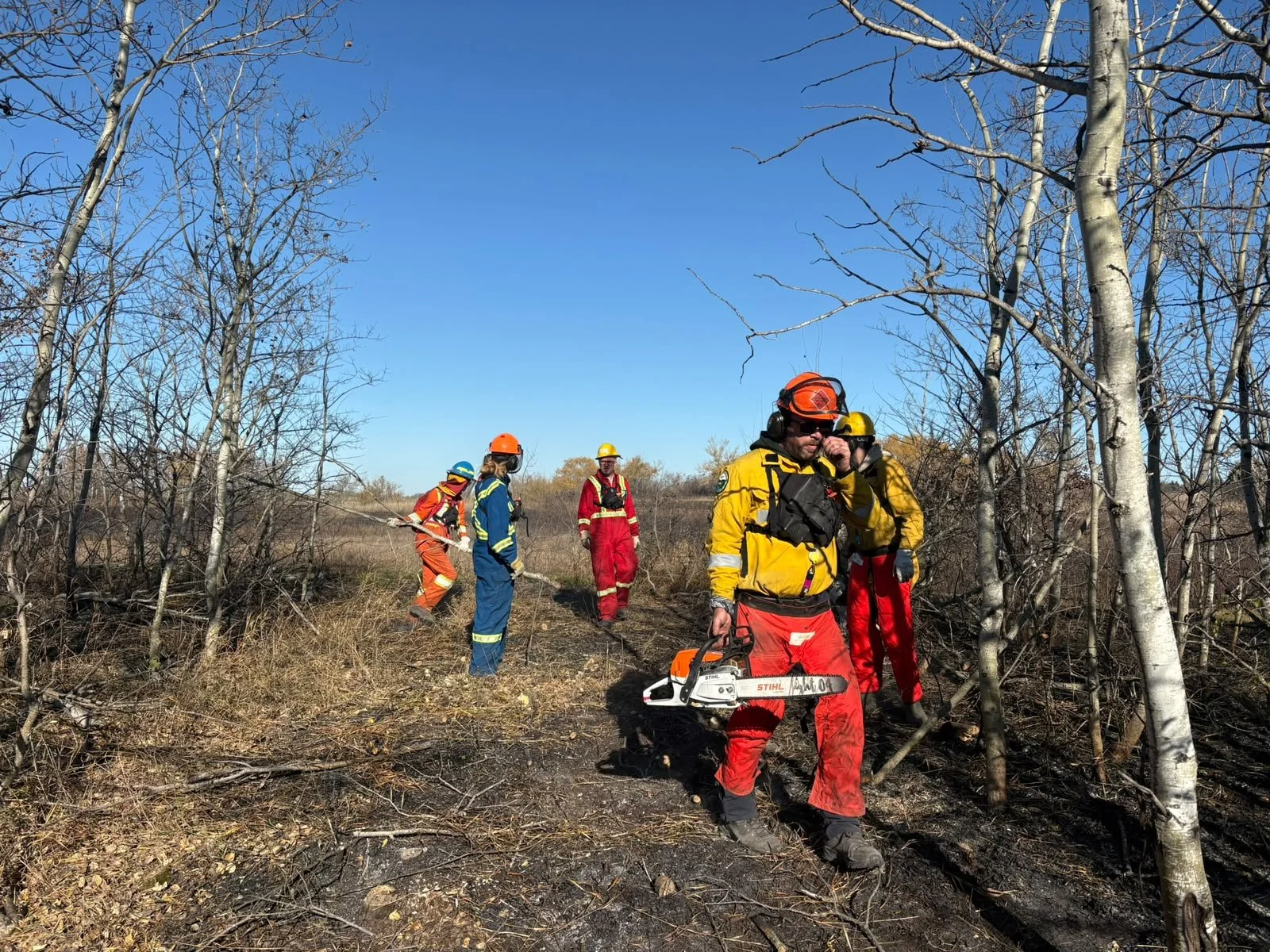
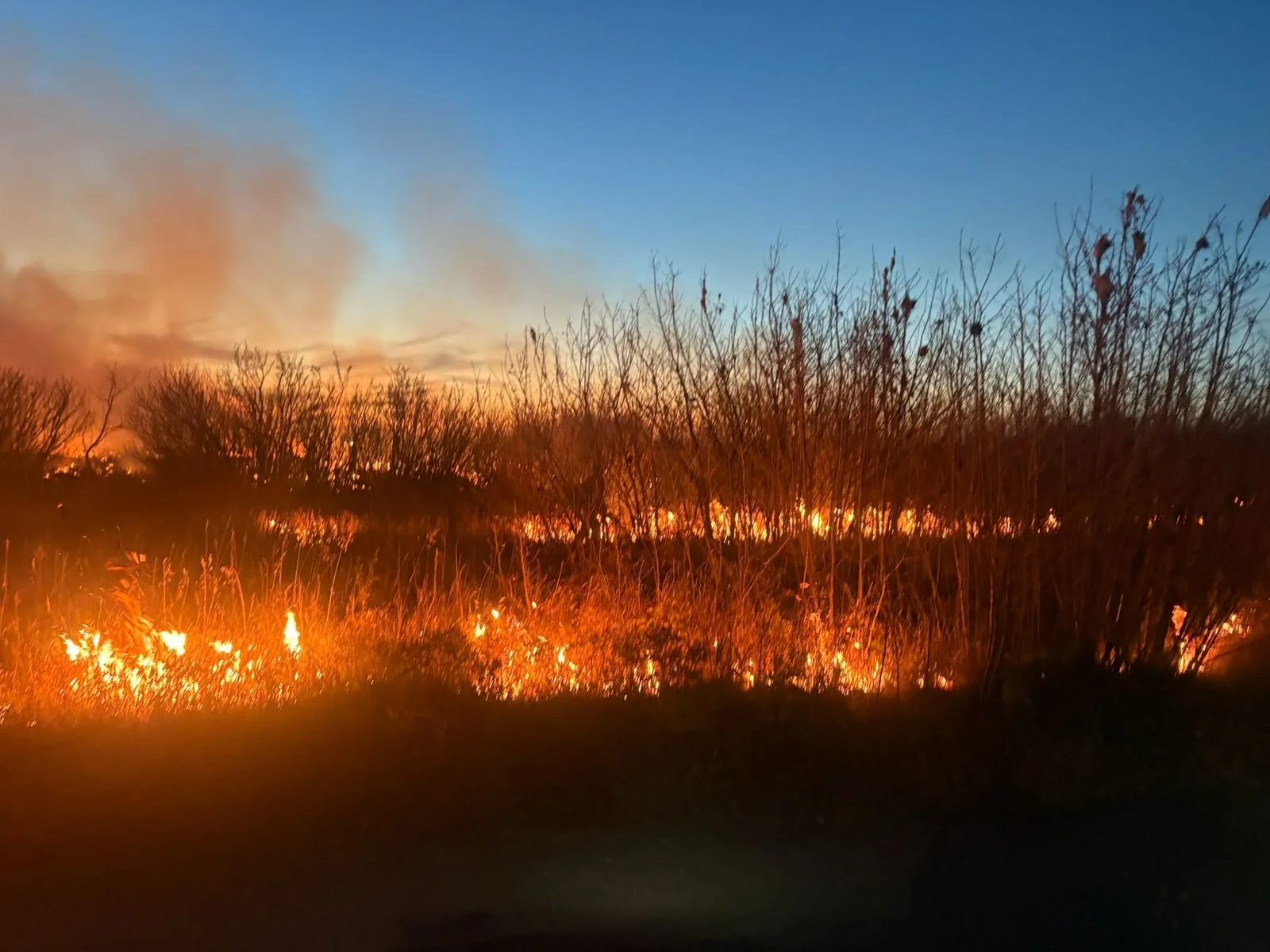
Crews returned to previously burned sites to patrol firelines, identify and extinguish hotspots, reinforce containment, and ensure every burn unit remained secure. While mop-up often happens behind the scenes, it is one of the most critical phases of any prescribed fire operation. The day served as an important reminder that successful prescribed fire is not only about ignition but also about ensuring every burn remains safe long after the flames are gone.
Together, the week's activities gave participants experience in the full cycle of prescribed fire management, from planning and implementation to monitoring and post-burn operations.
The Spirit of Collaboration and Partnership








Perhaps the most inspiring aspect of TREX 2026 was the number of organizations that came together in support of a shared vision for healthy, resilient prairie landscapes.
Meewasin Valley Authority with the Canadian Prairies Prescribed fire Exchange extends its sincere thanks to our funder, the Weston Family Foundation and all of the organizations and partners who contributed their expertise, personnel, equipment, planning support, and stewardship leadership throughout the week, including:
City of Saskatoon Naturalized Parks
University of Saskatchewan
Canadian Wildlife Service
Wanuskewin Heritage Park
Saskatchewan Parks
Saskatoon Public Schools Division
Nature Conservancy of Canada
These partnerships are the foundation of TREX. They create opportunities for organizations that might otherwise work independently to learn from one another, share resources, develop relationships, and build collective capacity.
This spirit of collaboration is exactly what the Canadian Prairies Prescribed Fire Exchange was designed to achieve: bringing people together, breaking down barriers between organizations, developing future leaders, and putting more good fire on the ground.
Looking Ahead
As TREX 2026 came to a close, it left behind more than treated acres and completed burn units. It strengthened professional networks, developed future burn leaders, expanded prescribed fire knowledge, and demonstrated what is possible when people are united by a common purpose.
From the classroom to the fireline, from Saskatchewan to Iowa and beyond, this year's exchange showcased the power of collaboration, stewardship, and shared learning. Most importantly, it reinforced a simple but powerful truth: when we work together, we can restore fire to our landscapes safely, responsibly, and effectively for the benefit of prairie ecosystems and future generations.
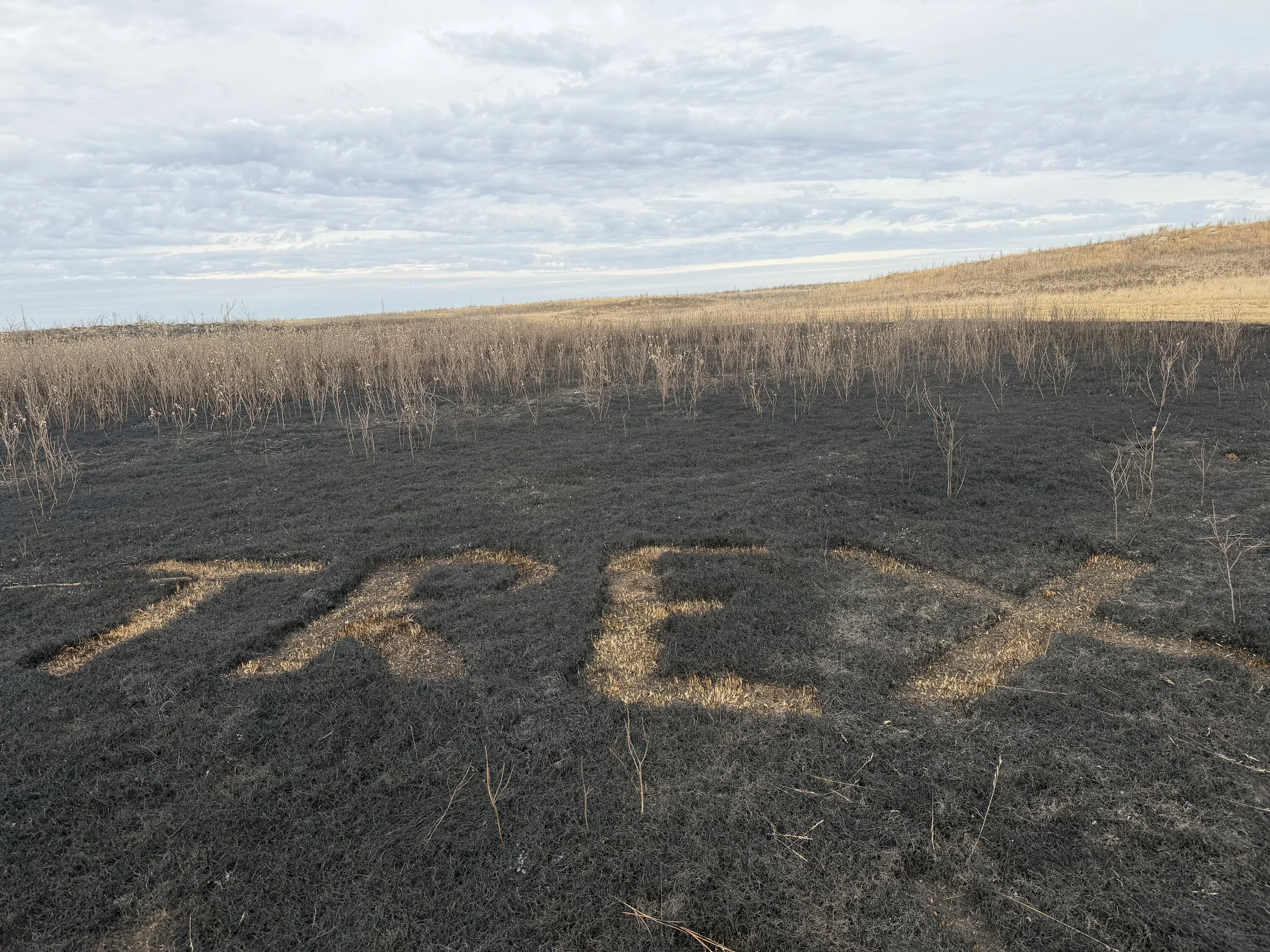
Artist Credit: Kale Cohen