

Pyric-Herbivory Talk and Tour with Renny Grilz, PAg
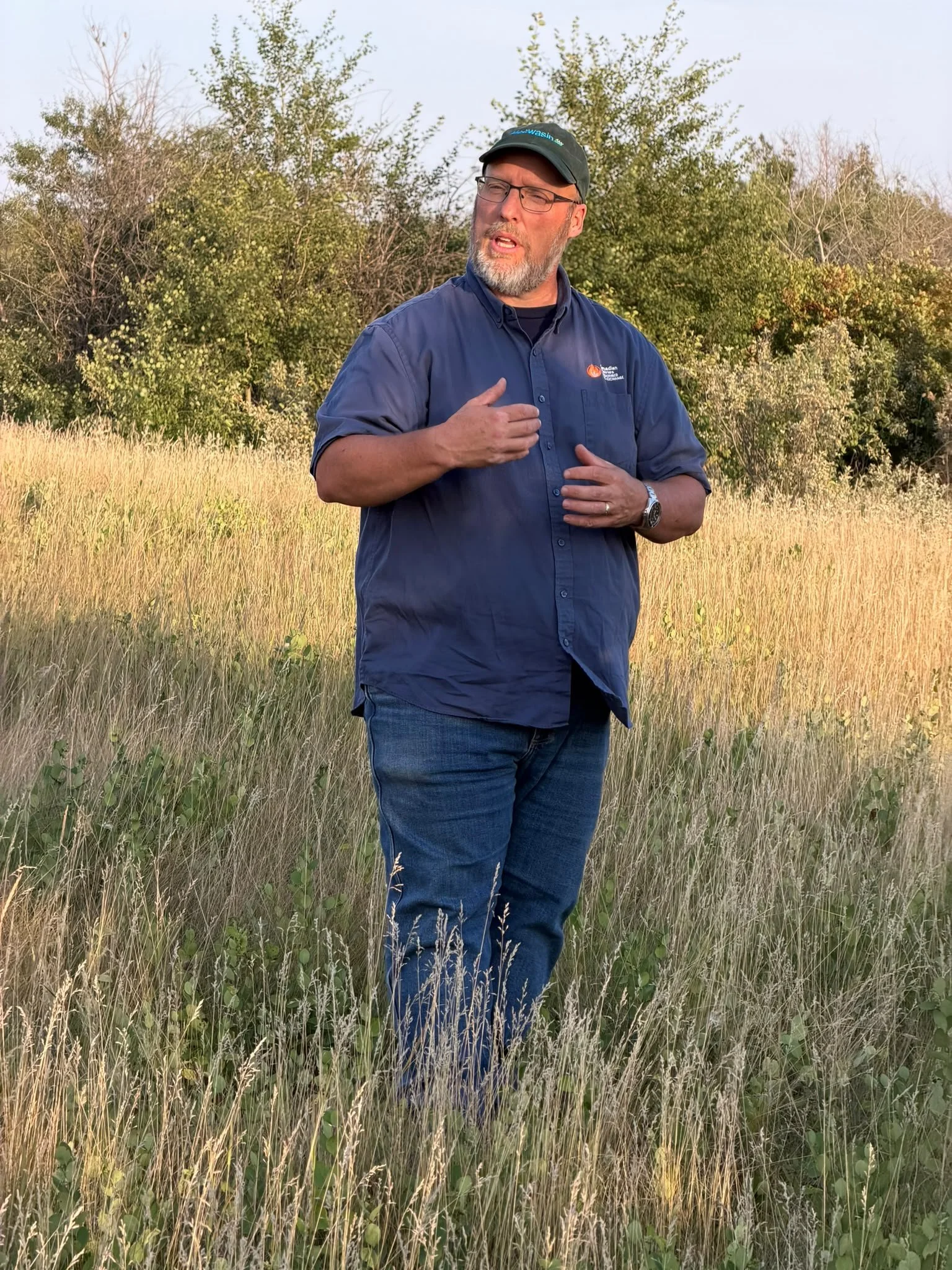
Renny Grilz at the Saskatoon Natural Grasslands
Photo Credit: Tobi Oyedele
The Saskatoon Natural Grassland came alive with lively conversation, crisp prairie air, and a stunning sunset on Thursday, August 20, 2026. In a fantastic collaboration with the Meewasin Valley Authority, local community members and professional agrologists from the Saskatchewan Institute of Agrologists gathered for an engaging evening dedicated to prairie conservation and pyric herbivory.
The weather couldn't have been more cooperative, neither too warm nor too cold; setting a comfortable backdrop for an immersive field tour led by the Distinguished Agrologist, Renny Grilz.
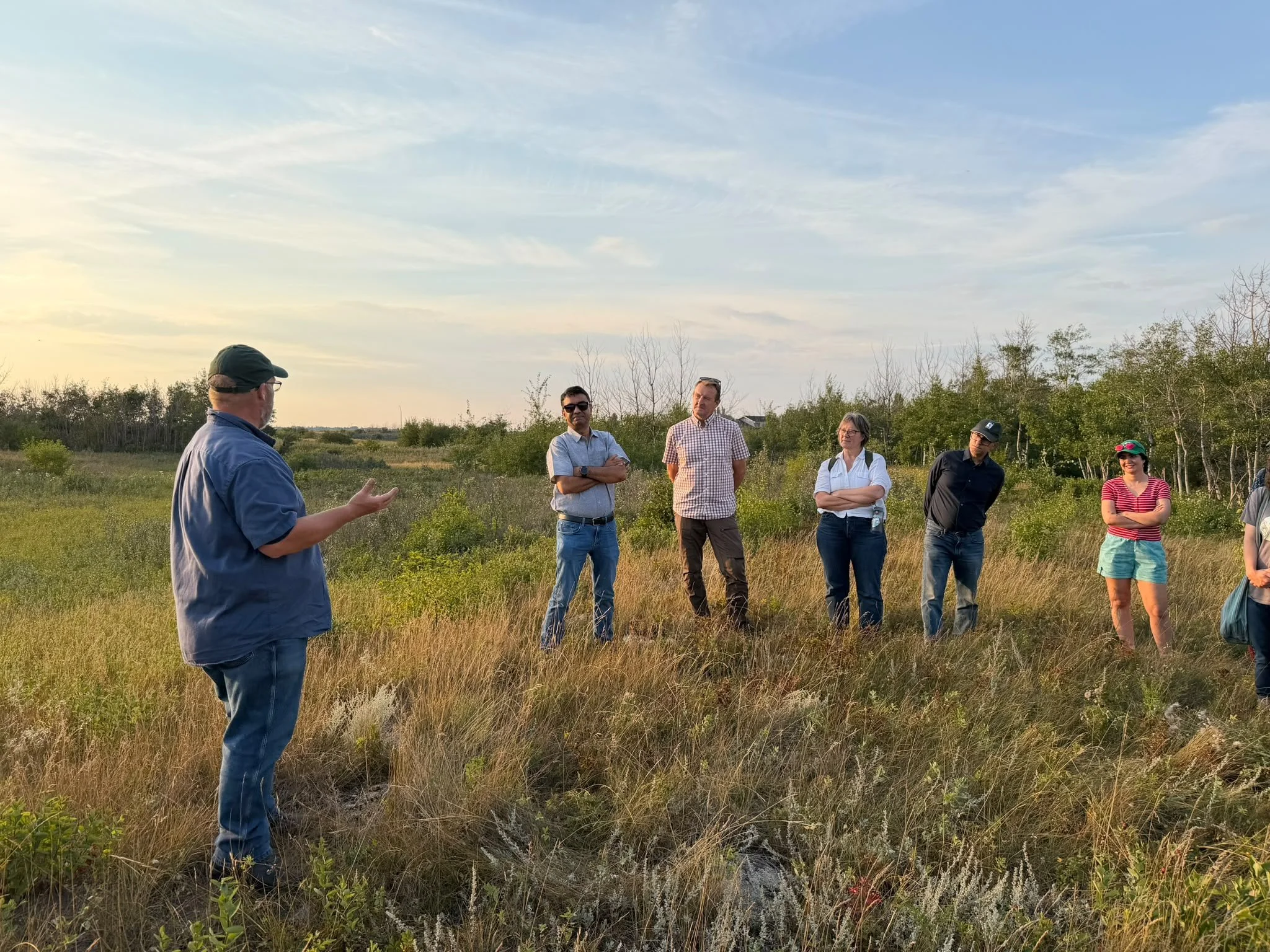
Renny speaks as the participants listen with rapt attention.
Photo Credit: Tobi Oyedele
Field Tour Highlights
Stories of Fire & Restoration: Renny captivated the participants with deep dives into pyric-herbivory, the strategic blending of prescribed fire and targeted grazing to mimic natural prairie cycles and keep native ecosystems resilient.
Mastering the Grazing Process: Attendees got an insider’s look at the meticulous planning required to optimize sheep grazing, and an exciting preview of the upcoming Meewasin Grazing Dinner.
Flora & Grazing Behaviour: The group examined the unique grazing patterns of the flock, learned how targeted herbivory keeps encroaching aspens and invasive weeds in check, and identified native plant species along the trails.
Lighter Moments on the Trail: Beyond the serious science, nature provided plenty of laughs, especially when examining local rose hips, leading to a memorable sharing of its playful childhood nickname, "itchy bum!"
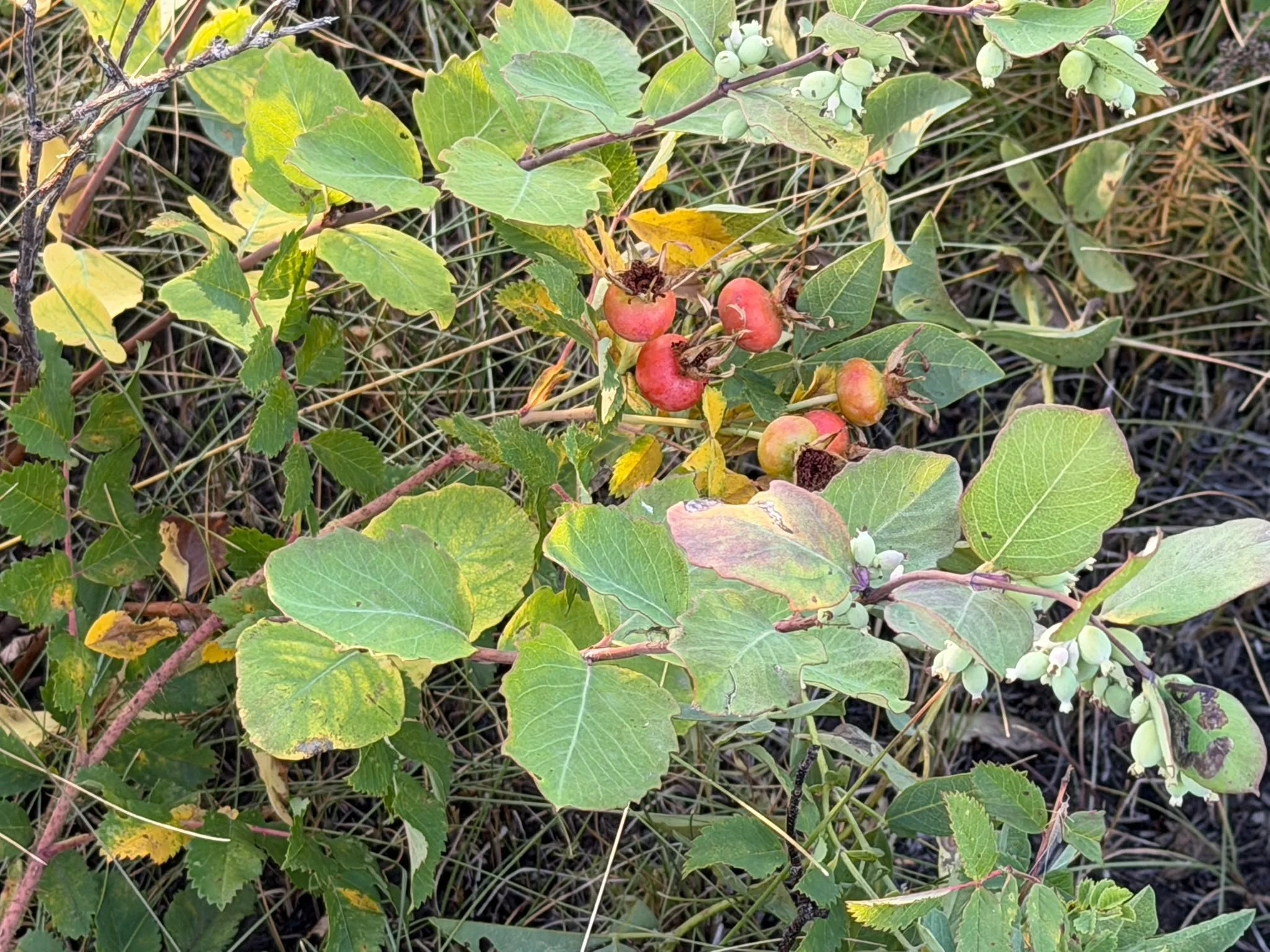
Rose Hips ‘Itchy bum” at the Saskatoon Natural Grasslands
Photo Credit: Tobi Oyedele
Key Takeaways
Fire and grazing work together (pyric-herbivory) to keep the Saskatoon Natural Grasslands healthy and resilient.
Sheep grazing is carefully managed: coordinated and carefully planned thought goes into giving the flock the best grazing experience.
Learning to identify invasive weeds vs. native species (like aspen) helps community members support conservation efforts firsthand.
Sheep grazing behaviour is selective and purposeful, not random. Learning more about it offered a new appreciation for the animals’ role in land management.
Mark your calendar! The upcoming Meewasin Grazing Dinner is a great next opportunity to engage with this work.
And of course, rose hips are now unofficially known as “itchy bum” to this crew!
Thank you to everyone who joined us, to the Meewasin Valley Authority for partnering with us, and to the Saskatchewan Institute of Agrologists for bringing such an engaged crowd. Evenings like this remind us why conservation work is worth celebrating, and why a good sunset never hurts either.
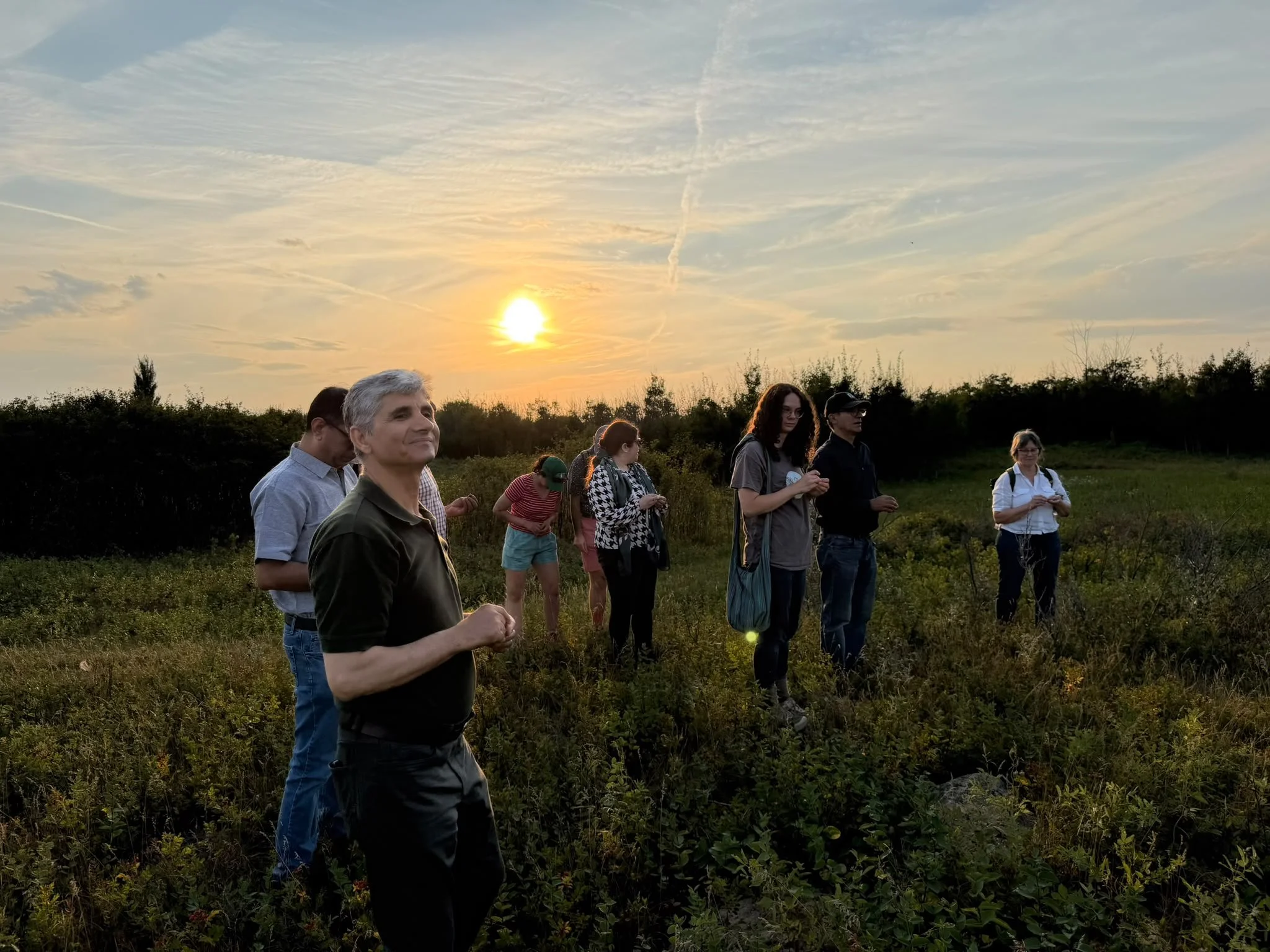
Golden sunset-great talk-good weather, an awesome combination to wrap up our tour at the Saskatoon Natural Grasslands.