

Fire, Hooves, and Heritage: How Pyric Herbivory Restores Prairie Ecosystems and Ranching Economies
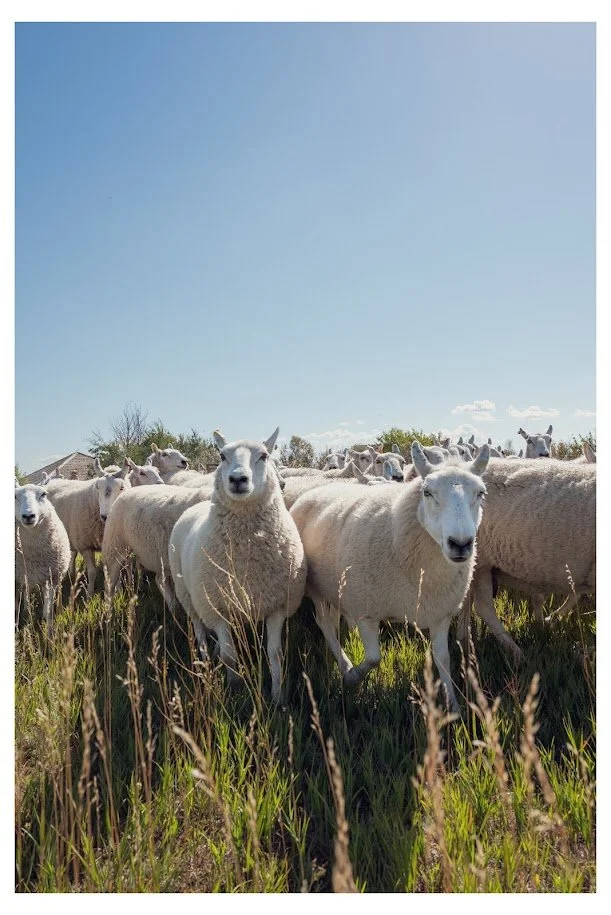
For thousands of years, North American grasslands were shaped by an evolutionary dance between two powerful natural forces: wildfire and grazing herds. Lightning and Indigenous land management ignited the open prairie, clearing dead thatch and sparking nutrient-rich green regrowth. Sensing this high-quality forage, bison herds naturally migrated to the freshly burned patches, allowing unburned pastures time to rest and recover.
When historical management suppressed fire and introduced rigid cross-fencing, prairies lost the spatial diversity that native species depend on. Today, land managers, conservationists, and agricultural producers are bringing this evolutionary partnership back. Known scientifically as pyric herbivory, or simply fire-grazing; the deliberate combination of prescribed burns and managed livestock grazing is proving to be one of the most effective, economical tools available for ecological restoration and agricultural sustainability.
How Fire-Grazing Works: The Shifting Mosaic
Pyric herbivory is not simply burning a pasture and letting livestock graze randomly. Instead, it relies on a feedback loop where fire dictates where animals graze, and grazing dictates where future fires can burn:
1. Patch Burning: Land managers burn a designated portion (e.g., one-third) of a pasture or natural area each year.
2. Targeted Attraction: Livestock (such as cattle or sheep) naturally flock to the tender, high-protein plant shoots sprouting from the post-fire ash, concentrating their grazing in the burned patch.
3. Resting the Unburned Land: Because animals spend up to 70% of their time in the burned zone, the unburned portions of the pasture get a full season of rest, allowing root systems to rebuild and biomass to accumulate for future controlled burns.
Over a multi-year cycle, this rotation creates a shifting mosaic of short, medium, and tall vegetation across the landscape.
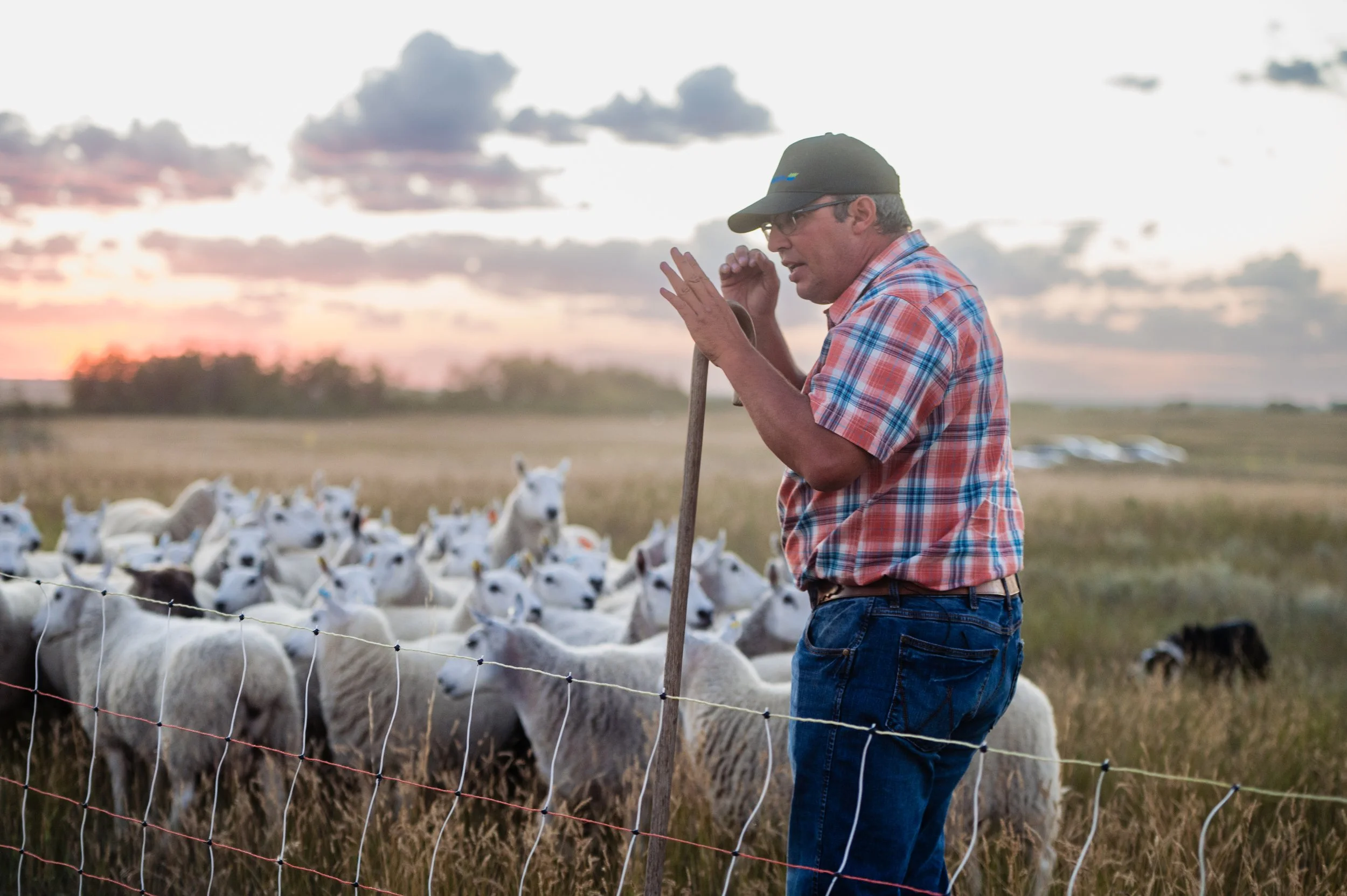
Shepherd Jared with his sheep at the Saskatchewan Natural Grasslands Photo Credit: Samantha Cowan
Ecological Science in Action
A landmark study published by Fuhlendorf et al. (2009) in Conservation Biology demonstrated that pyric herbivory restores historical disturbance patterns far more effectively than grazing or fire applied in isolation. The researchers found that recoupling fire and grazing restored native biodiversity and structural complexity without requiring complex internal fencing.
Ecological Impact: Breathing Life Back into the Grasslands
Maximizing Biodiversity: Different wildlife species require different grass heights. Ground-nesting prairie birds like the Greater Prairie-Chicken need short regrowth for courtships, dense cover for nesting, and taller vegetation for shelter. Pyric herbivory creates all three habitat types within a single pasture.
Invasive Species Control: Prescribed fire weakens invasive weeds and woody encroachment. When livestock consume the fresh post-fire sprouts, they suppress weeds before they can go to seed—drastically reducing the need for chemical herbicides.
Wildfire Risk Mitigation: Removing built-up dead plant thatch reduces fine fuel loads, making surrounding communities safer from unmanaged wildfires.
Economic Advantages: Wins for the Bottom Line
Conservation and ranch profitability go hand-in-hand. Pyric herbivory provides measurable economic benefits for working lands:
Higher Nutritional Value: Post-burn vegetation is higher in crude protein, digestibility, and key essential minerals (like phosphorus, zinc, and copper). Research by Spiess et al. highlights that this nutrient spike improves livestock weight gain and animal performance without relying on expensive dietary supplements.
Superior Livestock Performance: Post-burn vegetation is significantly higher in crude protein, digestibility, and key essential minerals. Studies in rangeland ecology show that this nutritional spike maintains or improves livestock weight gains without relying on expensive dietary supplements.
Lower Input Costs: Combining fire with targeted grazing reduces expenses associated with chemical weed control, mechanical mowing, and cross-fence maintenance.
Drought Resilience: Rested patches develop deeper root networks that retain soil moisture longer, shielding ranches against dry years and climate volatility.
Read & Explore More Conservation Insights in “Prairie Pyro-Logue” our science feature
References
Fuhlendorf, S. D., & Engle, D. M. (2004). Application of the fire–grazing interaction to restore a shifting mosaic on tallgrass prairie. Journal of Applied Ecology, 41(4), 604–614.
Fuhlendorf, S. D., Engle, D. M., Kerby, J., & Hamilton, R. (2009). Pyric herbivory: Rewilding landscapes through the recoupling of fire and grazing. Conservation Biology, 23(3), 588–598.
Limb, R. F., Fuhlendorf, S. D., Engle, D. M., Weir, J. R., Elmore, R. D., & Bidwell, T. G. (2011). Pyric-herbivory and cattle performance in grassland ecosystems. Rangeland Ecology & Management, 64(6), 659–663.
Allred, B. W., Fuhlendorf, S. D., & Hamilton, R. G. (2011). The role of pyric herbivory in managing fire–grazing interactions for habitat heterogeneity. Ecological Applications, 21(3), 675–684.