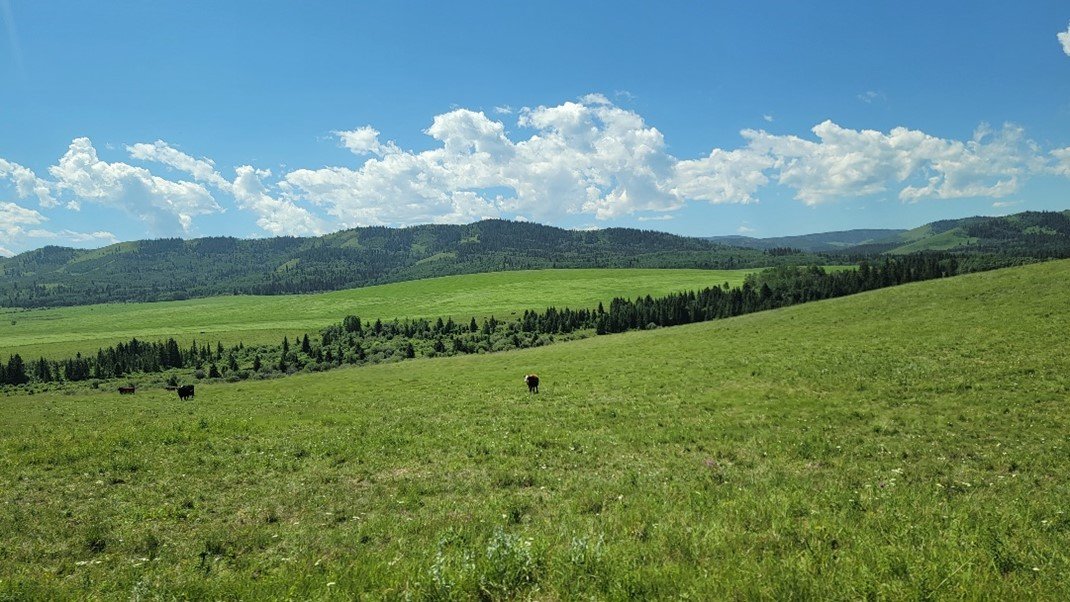

Architects of the Patchwork: How Fire and Wildlife Sculpt Healthy Prairies
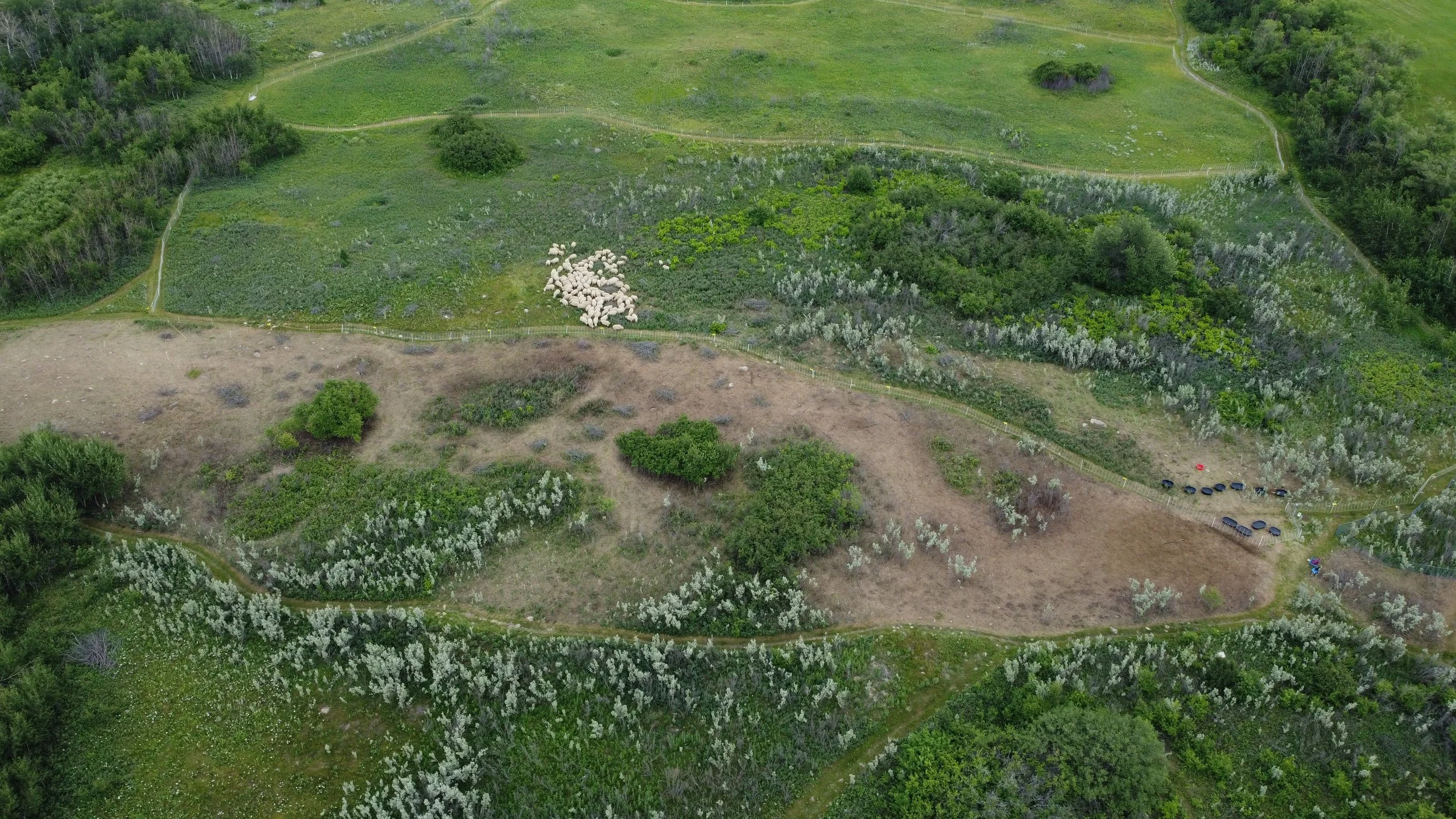
When we talk about saving native grasslands, the word "fire" usually triggers alarm, not optimism. We’ve been conditioned to view flames on the landscape as a disaster in progress. But step onto a healthy prairie, and you’re standing in an ecosystem that wasn't just shaped by fire; it was built by it. For thousands of years, periodic fires swept across North America’s Great Plains alongside vast herds of native grazers like bison. Together, fire and grazing maintained an open, dynamic landscape. Today, prescribed fire isn't an attempt to fight nature; it’s a targeted, science-backed tool used to restore a fundamental ecological process that wildlife depends on to survive.
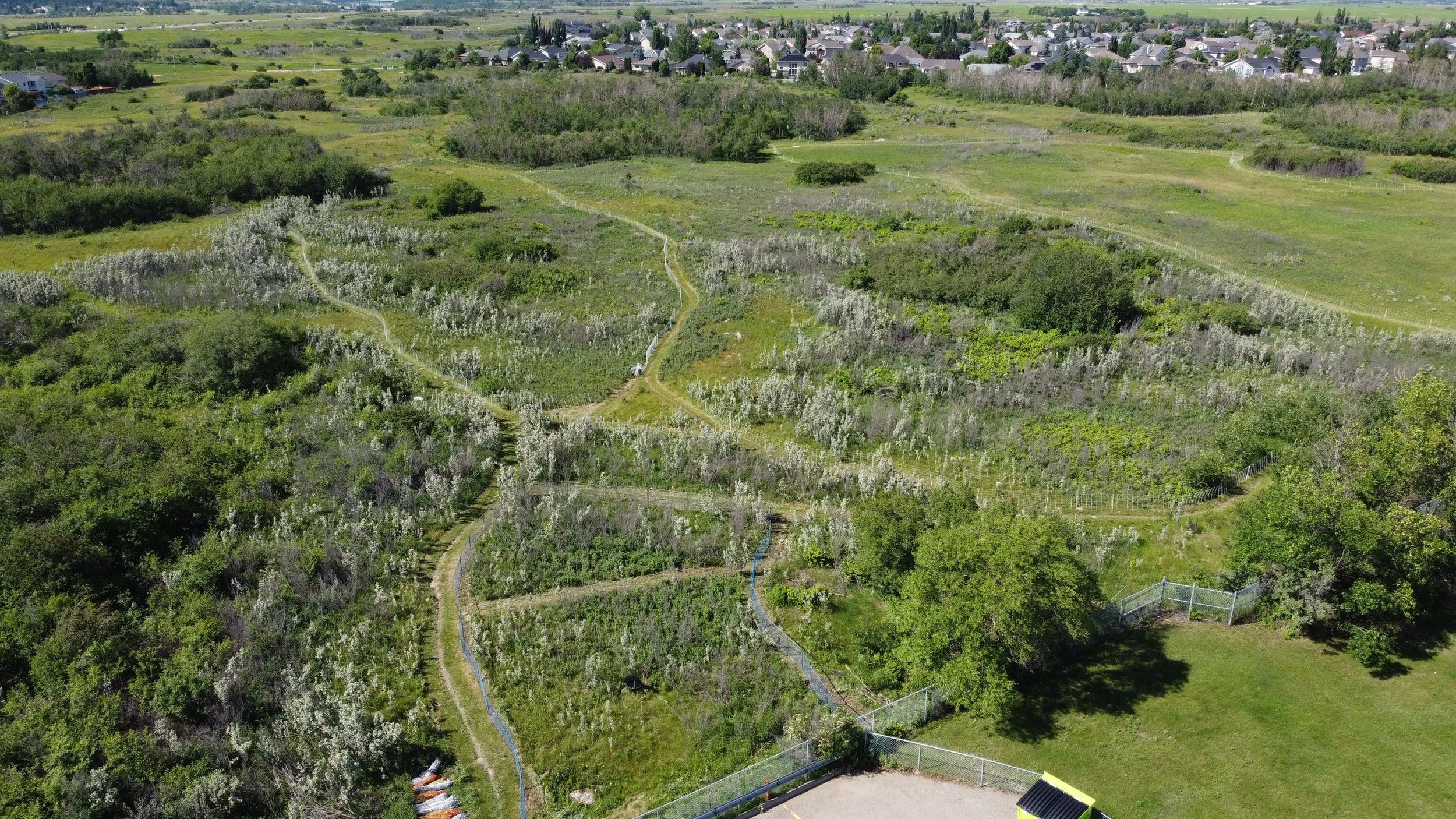
The Power of the Prairie Patchwork
To understand why wildlife needs fire, it helps to look at how animals use a prairie. They don't benefit from miles of uniform, single-height grass. They need structural diversity; a mix of open ground, fresh growth, and dense cover.
Ecologists refer to the interaction between fire and grazing as pyric-herbivory. When a prescribed fire activity removes dead plant litter, it allows sunlight to reach the soil and sparks a rush of nutrient-rich green growth. Grazing animals (both native grazers and managed livestock) are naturally drawn to these freshly burned patches for the high-protein forage.
While livestock or wildlife concentrate on the new growth, unburned areas get a rest, allowing plant thatch to build up over several seasons. As fuel accumulates in those rested patches, fire eventually returns, shifting the grazing pressure to a new part of the landscape. This dynamic cycle creates a mosaic of short, medium, and tall vegetation across the horizon.
Tailor-Made Habitat for Grassland Species
That structural mosaic is essential because grassland species have varied habitat requirements:
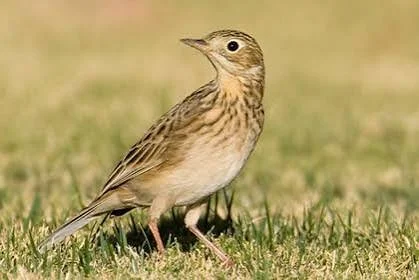
Short, open patches: Grassland birds like the Sprague’s Pipit rely on sparse vegetation and bare ground to walk, forage insects, and detect predators early.
Thick, undisturbed thatch: Ground-nesting species like the Baird's Sparrow require dense plant litter from previous years to hide their nests and shelter fledglings.
Mixed cover: Species like pronghorn thrive on the fresh forage of recent burns while using adjacent taller vegetation for bedding and protection from harsh weather.
When fire is excluded from the landscape, dead thatch builds up, native wildflowers get choked out, and the structural variety that supports diverse wildlife collapses.
Holding the Line Against Encroachments
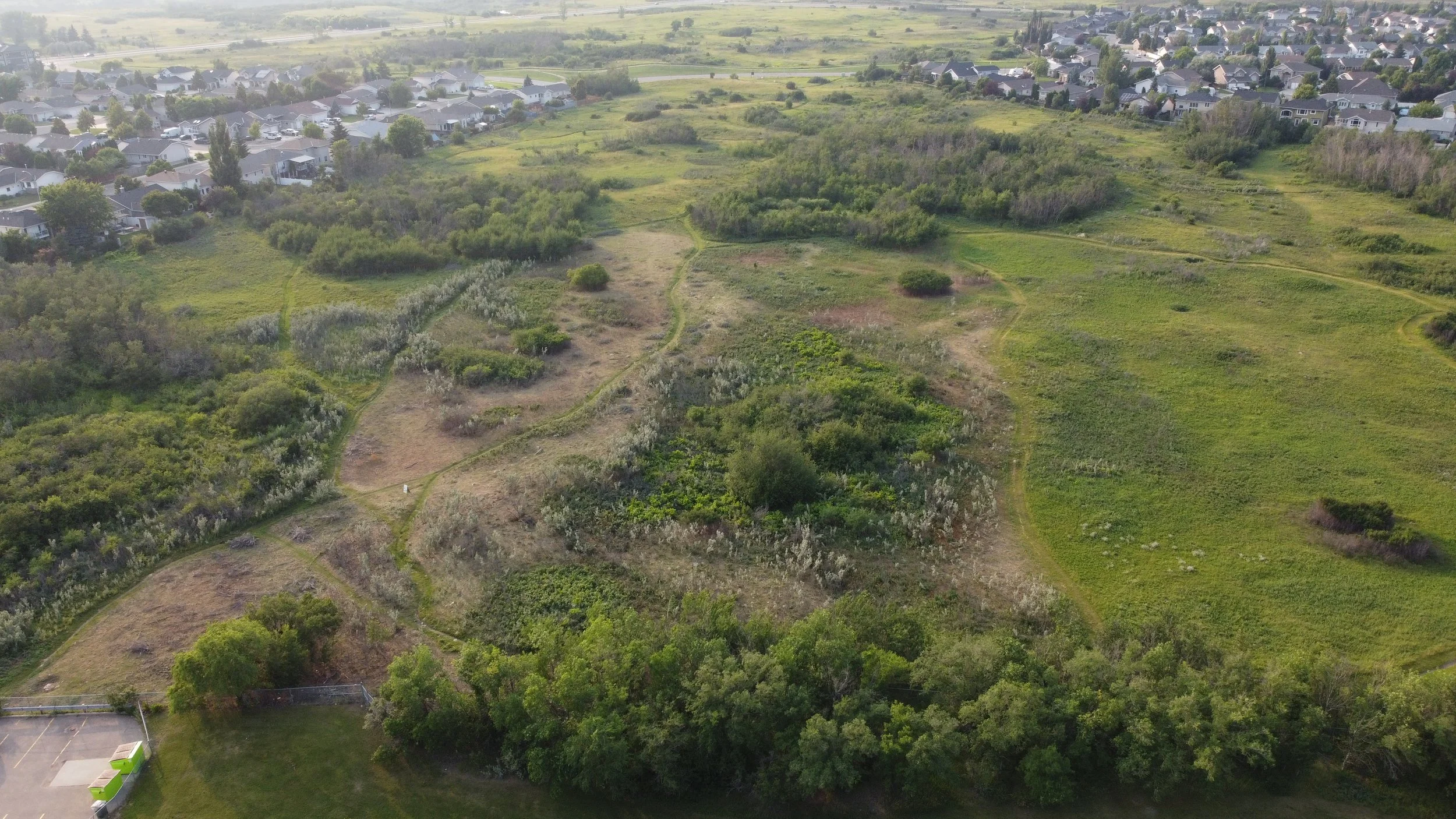
Prescribed fire also acts as a vital safeguard against woody encroachment; the gradual invasion of trees and shrubs like aspen and invasive conifers into open grassland.
Grassland songbirds are among the fastest-declining bird groups in North America, largely due to habitat loss and fragmentation.
Woody encroachment creates perches for raptors and mammalian predators, driving away specialized grassland birds that instinctively avoid treed horizons. Prescribed burns top-kill emerging woody saplings, keeping the prairie open and maintaining essential nesting territory.
Safe and Controlled Application
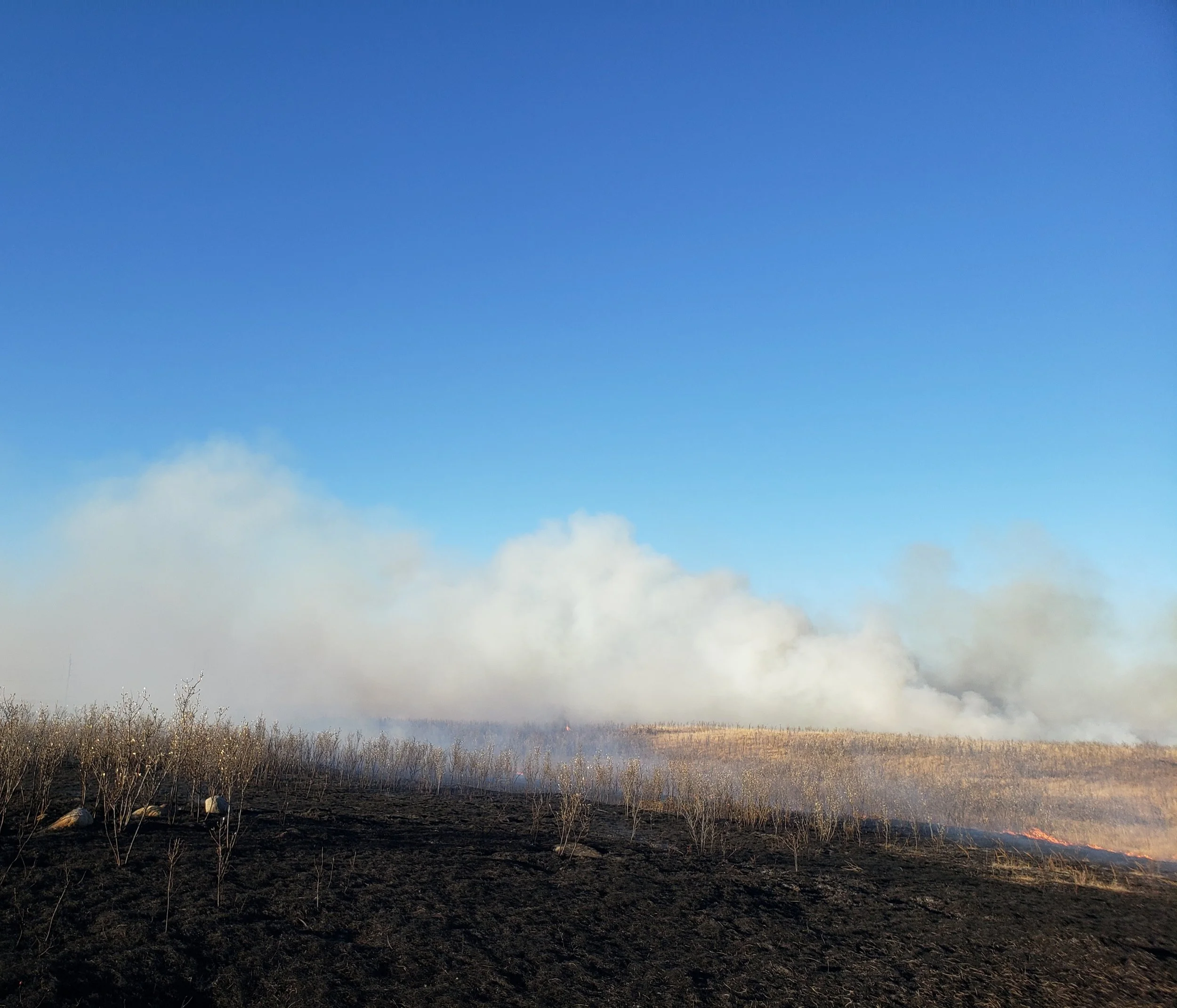
Modern prescribed fire activities rely on detailed planning and safety protocols. Fire practitioners execute burns under specific weather conditions, monitoring wind speed, direction, relative humidity, and fuel moisture to meet targeted ecological goals safely. Burns are also strategically timed to avoid peak nesting periods, allowing adult wildlife to move to nearby unburned patches while the fire is active.
By reintroducing fire as a natural management tool, land stewards aren't damaging the landscape, they are restoring the natural disturbance regime that keeps prairies resilient, biodiverse, and thriving.