

Lighting the Way: Women and the Future of Prescribed Fire
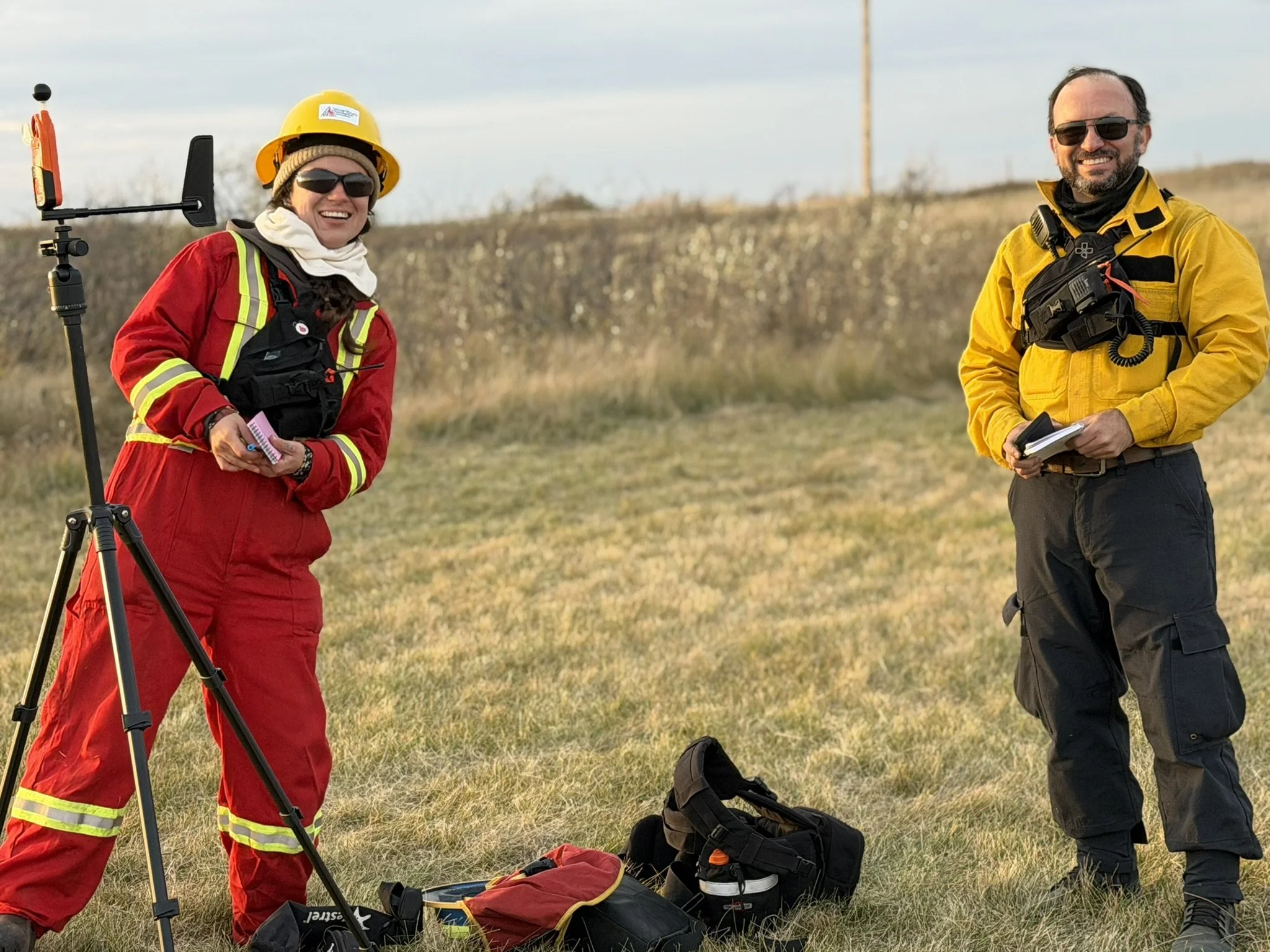
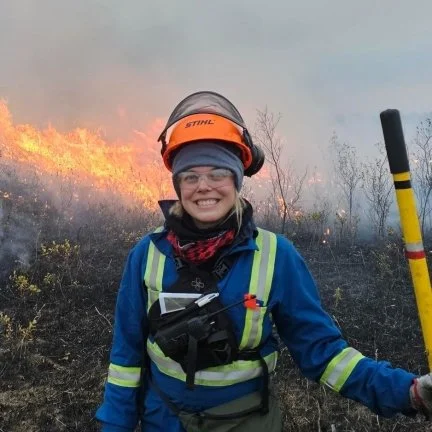
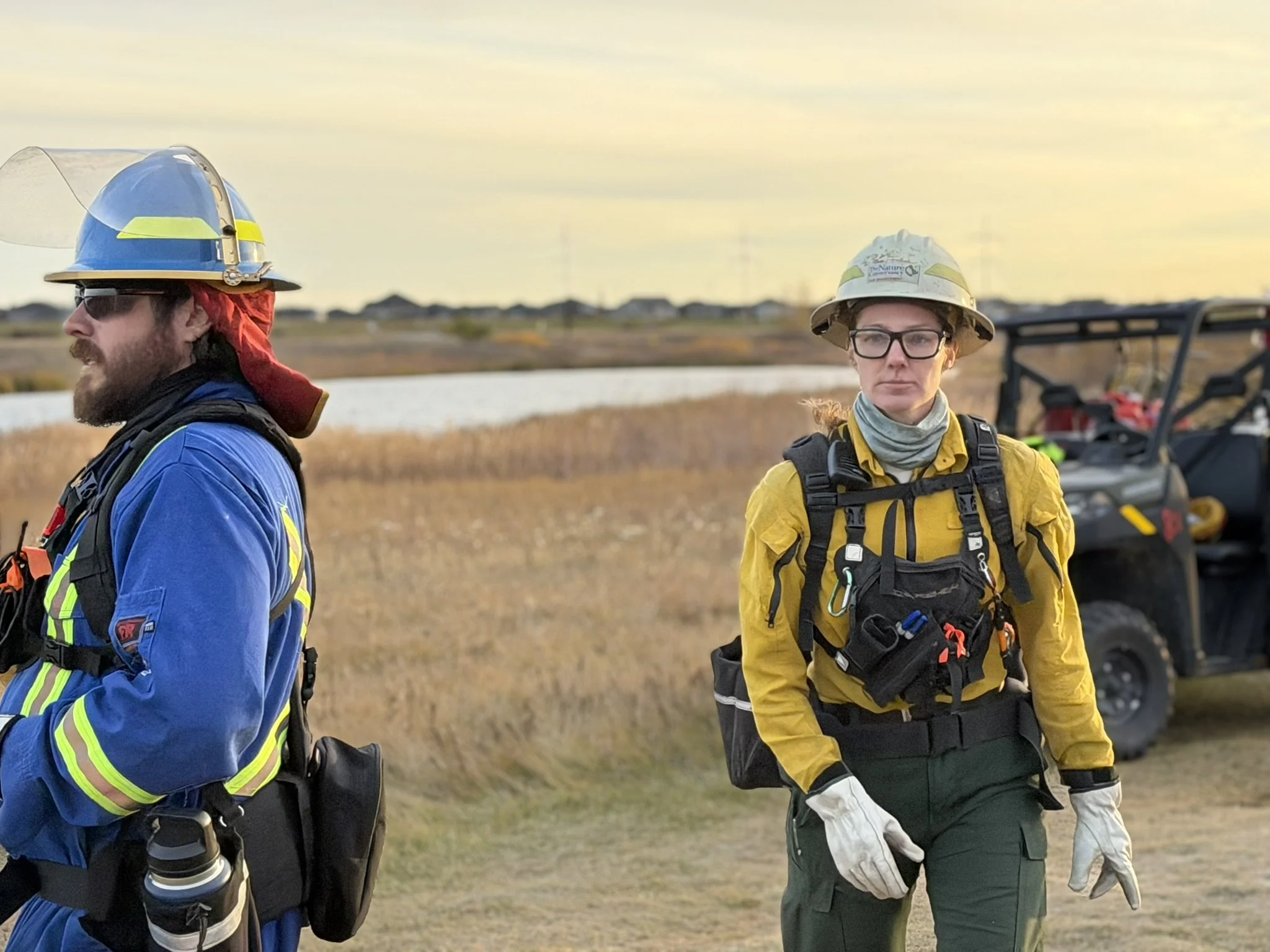
Walk onto a burn unit a few decades ago and you could have counted the women on one hand if any at all. Fire work grew out of forestry, firefighting and ranching, fields with long, mostly male histories. That is changing, and it matters for the land, the profession and the communities that depend on both.
A slow shift
Progress has been real but uneven. By 2019, only about 10 percent of federal agency fire positions in the U.S. were held by women (Fire Adapted Network, 2019). A 2022 survey of U.S. wildland firefighters put the workforce at roughly 79 percent male (Granberg & Verble, 2023).
Headcounts don't tell the whole story, either. Interviews with Australian park staff found that even after affirmative hiring policies in the 1990s, assumptions about bodies, leadership and parenting still shaped who felt they belonged (Eriksen et al., 2016). In British Columbia, wildland firefighters described gender discrimination in the everyday practice of leadership (Reimer & Eriksen, 2018).
The moment things changed
In 2015, a group of women at a prescribed fire training exchange (TREX) in the North Carolina Sandhills realized they shared the same experiences and challenges. That conversation grew into the first Women-in-Fire Prescribed Fire Training Exchange (WTREX), held in northern California in 2016. It paired live-fire training with mentorship, and it worked: participants earned new qualifications, including two women certified as prescribed fire burn bosses.
WTREX has since spread across the U.S. and internationally. In 2025, Australia hosted its first, bringing together 37 women with a focus on supporting Indigenous women's fire knowledge.
Why it matters
Better decisions. Research on groups shows that teams with more women tend to do better at collective problem-solving (Woolley et al., 2010), and gender-diverse research teams tend to produce more innovative, higher-impact science (Nielsen et al., 2017). Fire management is full of complex, high-stakes judgment calls, and it benefits from more than one way of seeing a landscape.
Stronger conservation. Studies of community forest governance have linked greater participation by women to better conservation outcomes (Agarwal, 2009).
Knowledge that was left out. In many Indigenous communities, women have long been keepers of fire knowledge and stewards of the land. Programs that centre Indigenous women help bring that knowledge back into practice.
Opportunity. Fire and conservation work means careers, training and leadership. When women see someone like them running a burn, more of them imagine themselves doing it.
Women leading the way
Across Canada and the United States, women are planning burns, leading crews, doing the science and teaching the next generation. Among them are Dr. Carol Baldwin, Kerry Hecker, Sam Gunn, Sarah Romould, Sarah Bradley, Katherine Standen, Erica Maier, Moira Green, Lael Neal and Melanie Schmidt. Their work shows what it looks like when fire is led by the people who care for the land.
Looking ahead
The goal isn't just more women in the field. It's workplaces where they can lead, be mentored and stay. Fire has always been about renewal, and fire programs are healthier when more people are at the table.
References
Agarwal, B. (2009). Gender and forest conservation: The impact of women's participation in community forest governance. Ecological Economics, 68(11), 2785–2799.
Eriksen, C. (2014). Gender and Wildfire: Landscapes of Uncertainty. Routledge.
Eriksen, C., Waitt, G., & Wilkinson, C. (2016). Gendered dynamics of wildland firefighting in Australia. Society & Natural Resources, 29(11), 1296–1310.
Fire Adapted Network (2019). Women-in-Fire Prescribed Fire Training Exchanges summary.
Granberg, R., & Verble, R. (2023). Gender, sexual orientation, ethnicity and socioeconomic factors influence how wildland firefighters communicate their work experiences. Frontiers in Communication, 8, 1021914.
Natural Hazards Research Australia (2025). Impact evaluation of the Australia WTREX program.
Nielsen, M. W., et al. (2017). Gender diversity leads to better science. PNAS, 114(8), 1740–1742.
Reimer, R., & Eriksen, C. (2018). The wildfire within: Gender, leadership and wildland fire culture. International Journal of Wildland Fire, 27(11), 715–726.
Woolley, A. W., et al. (2010). Evidence for a collective intelligence factor in the performance of human groups. Science, 330(6004), 686–688.