

Prairie Pyro-Logue: Launching Our New Prescribed Fire Science Features
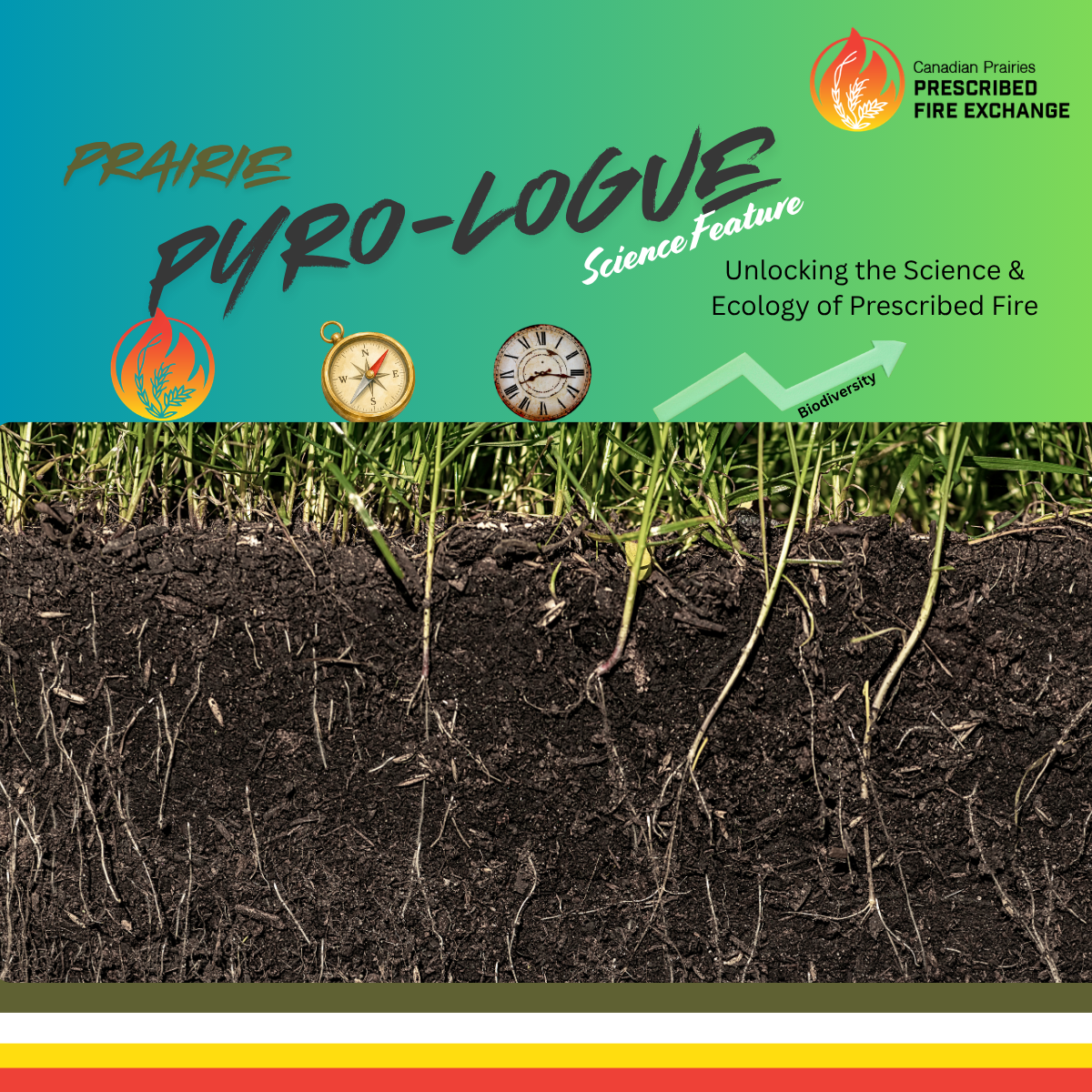
Good land management does not happen by accident; it is driven by rigorous, data-backed research. While the visual impact of a prescribed fires is immediate, the ecological transformation happens over months, years, and decades.
To explore the "why" and "how" behind our work, the CPPFE is proud to introduce our Science Feature Articles series. This dedicated space on our blog will serve as a digital journal and chronicle, translating complex ecological research into accessible actionable insights, the Canadian prairie landscape.
The northern Great Plains evolved alongside fire. Without it, these vital ecosystems face encroachment from woody species, loss of biodiversity, and an increased risk of catastrophic wildfires. The Prairie Pyro-Logue will dive deep into the latest research breaking down the numbers and mechanics behind:
Fire Ecology and Health of the Prairies and Grasslands: Providing evidence-based over-view of the prairies and grassland health while highlighting the role that fire plays in maintaining a healthy ecosystem.
Pyric Herbivory: Exploring the fascinating interaction between fire and grazing animals, and how the "patch-burn" dynamic creates structural diversity in habitats.
Nutrient Cycling & Soil Health: How safe fires unlock nutrients bound in dead plant matter, recycling them back into the soil to stimulate robust new growth.
Wildfire Resilience & Smoke Management: The science of using low-intensity prescribed burns to reduce hazardous forest and grassland fuel loads, and how practitioners model smoke to minimize impacts on air quality and community health.
The goal? Simple! We want to bridge the gap between academic research and practical application on the ground. Whether you are a scientist, a land manager, or a curious neighbor, these articles will give you a deeper look at the data driving modern fire ecology.
Look out for our inaugural science feature later this month, where we break down fire ecology and explore how healthy our grasslands are.