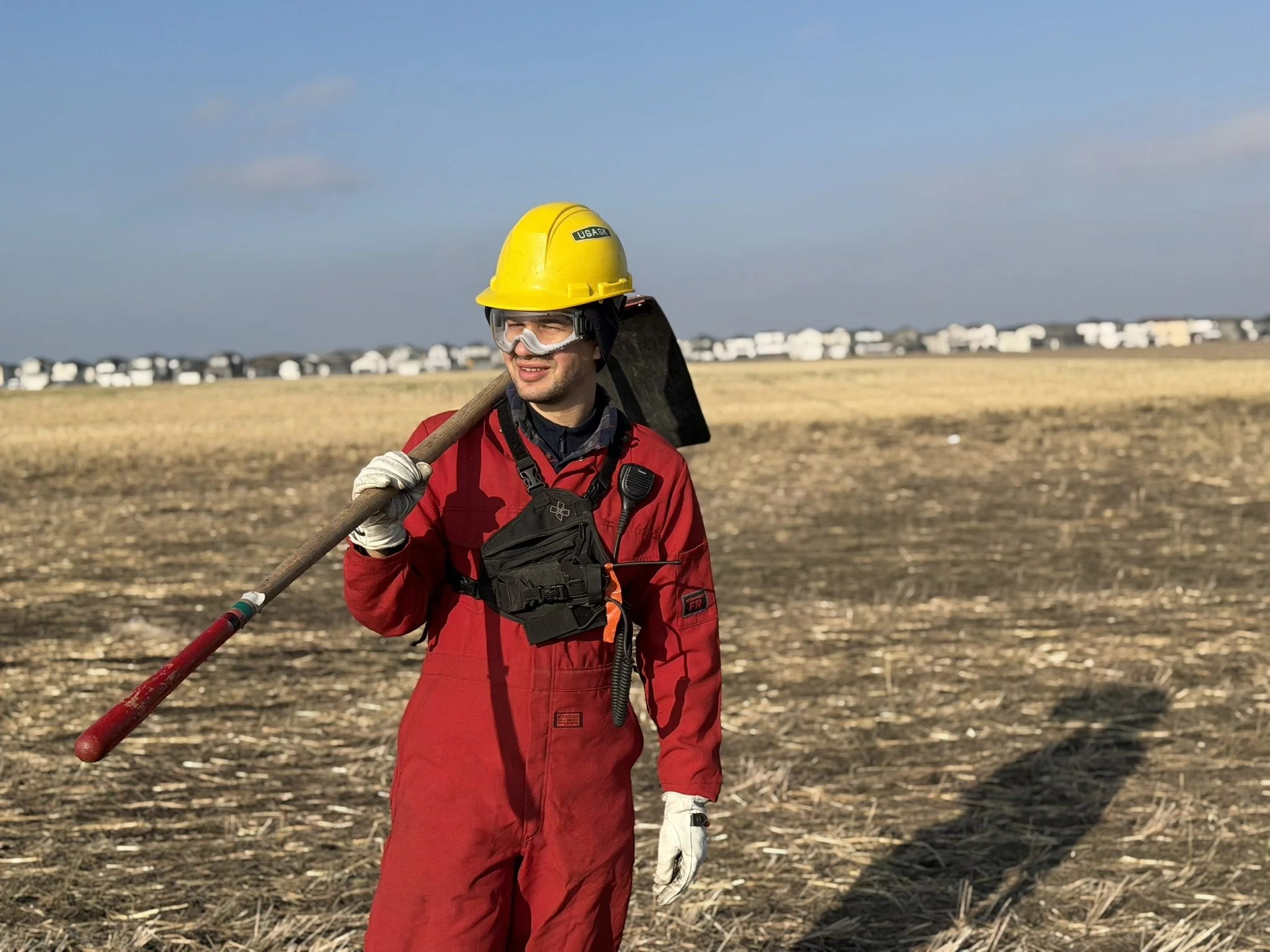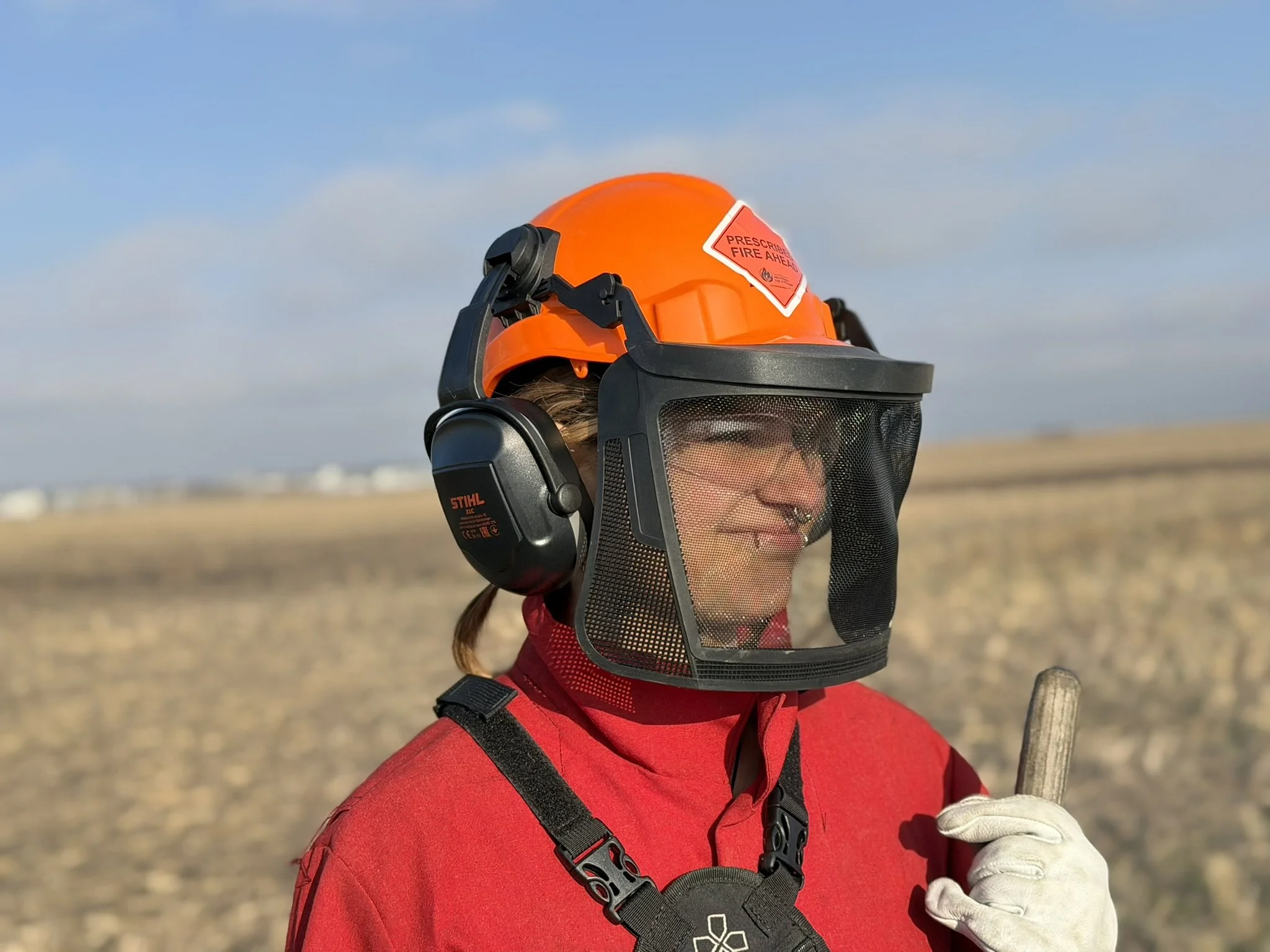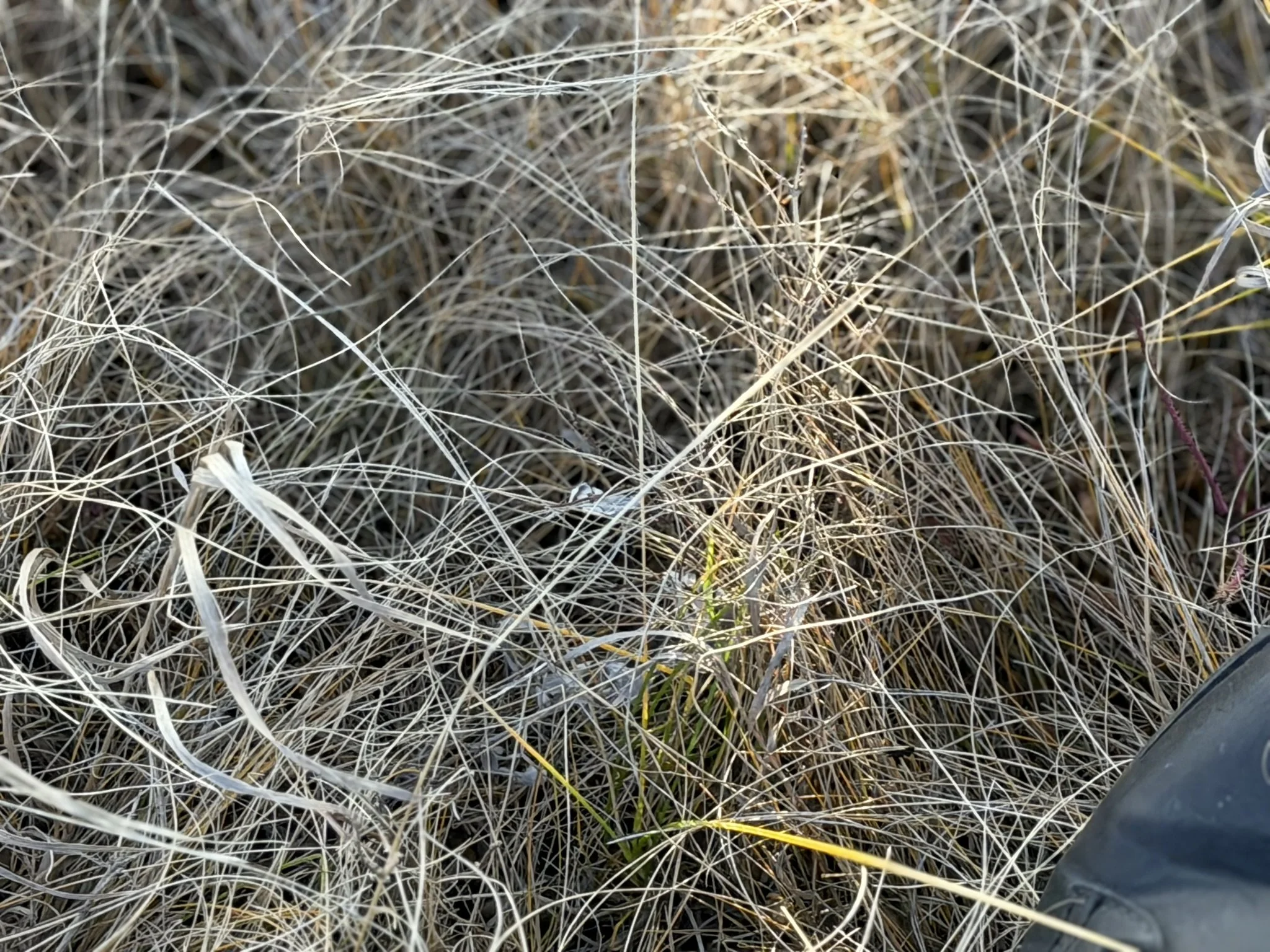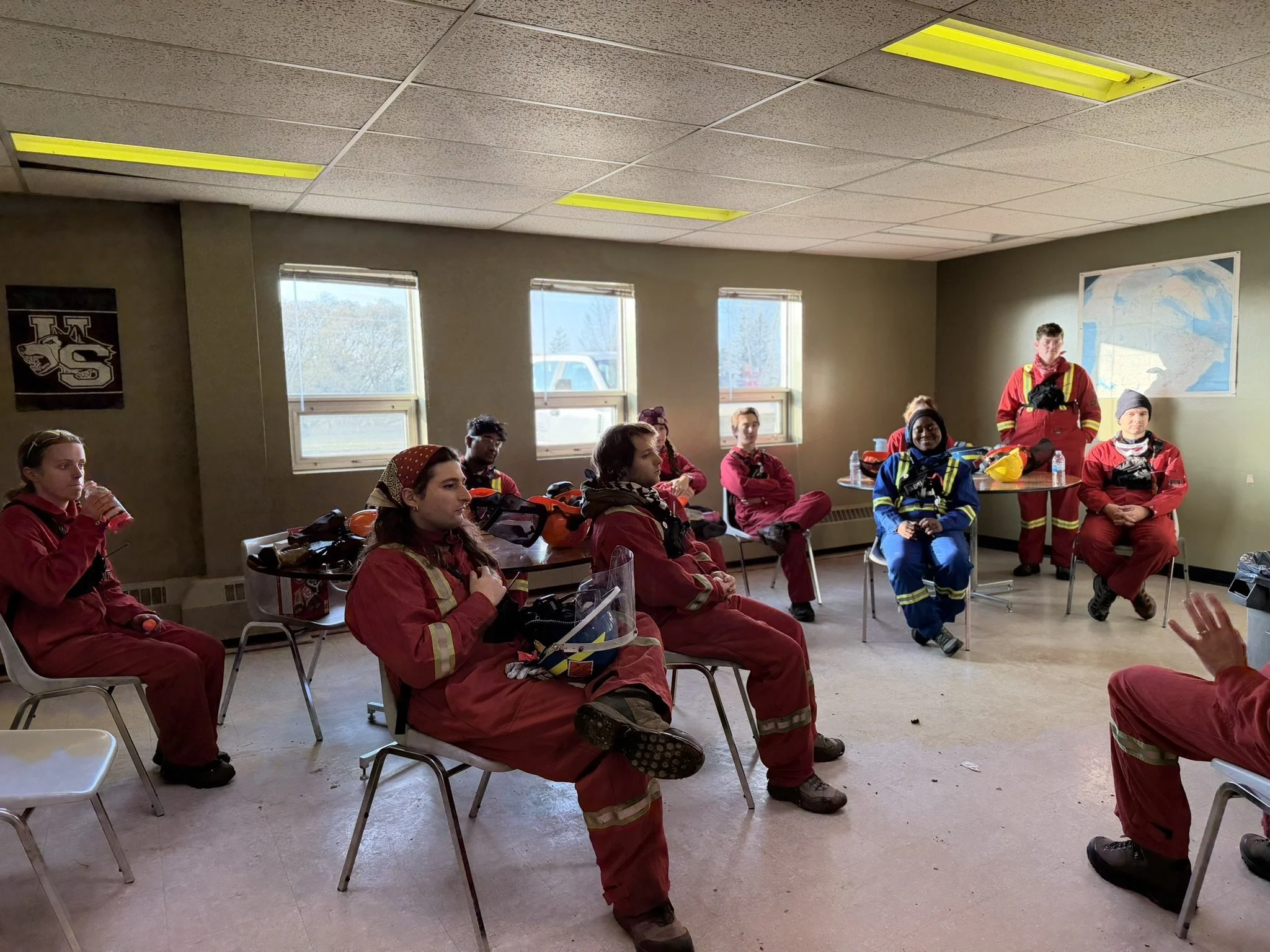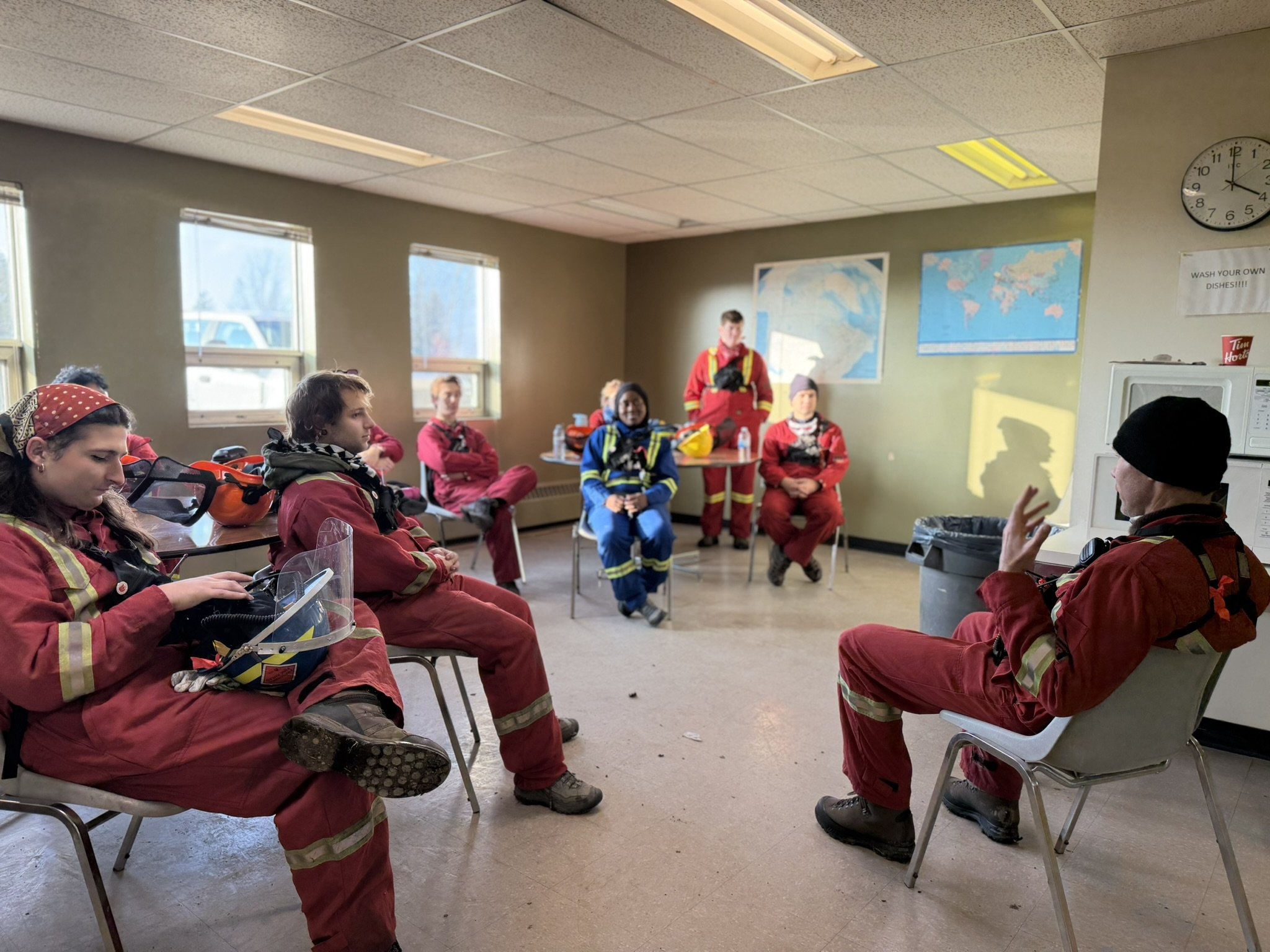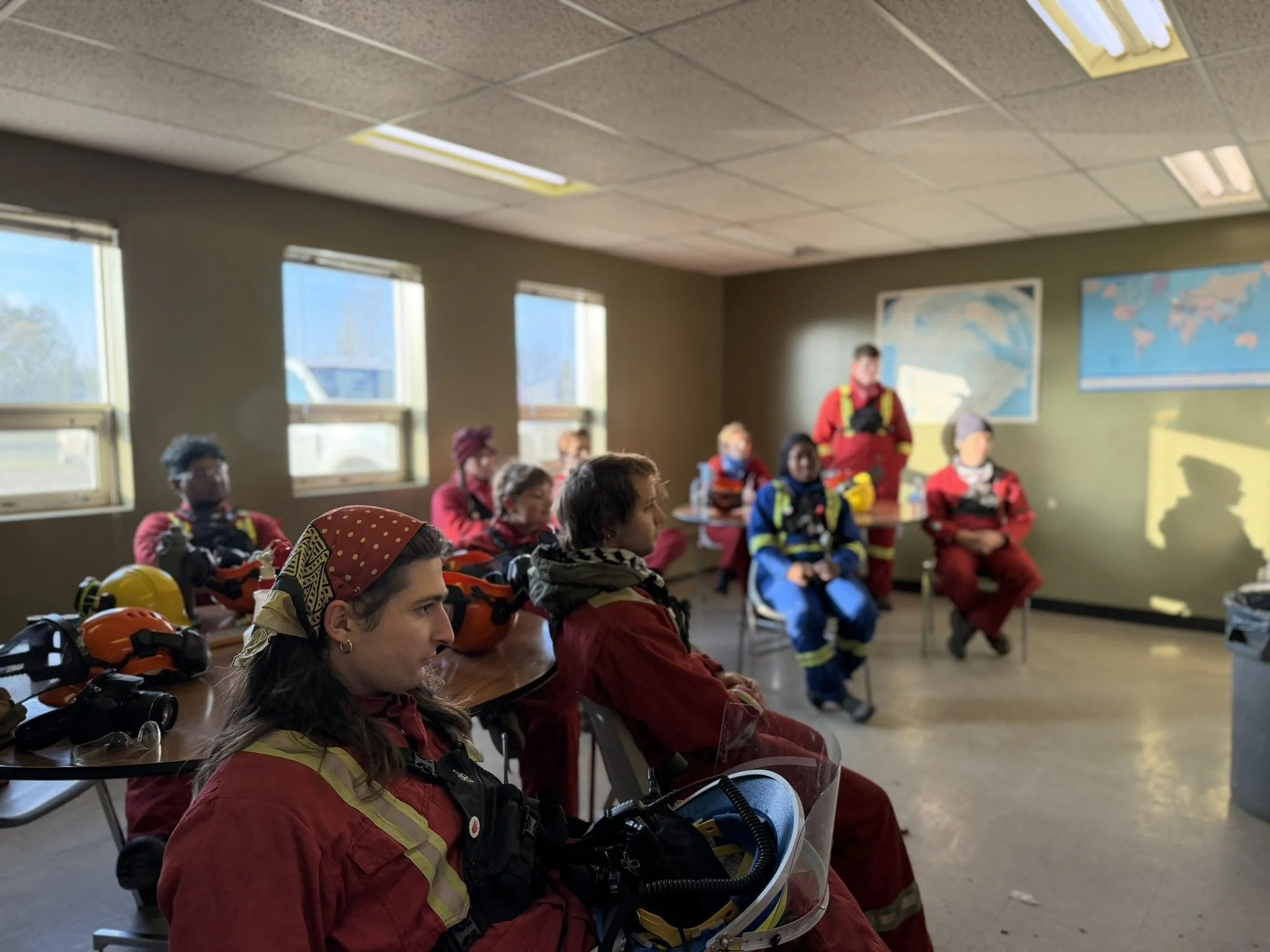

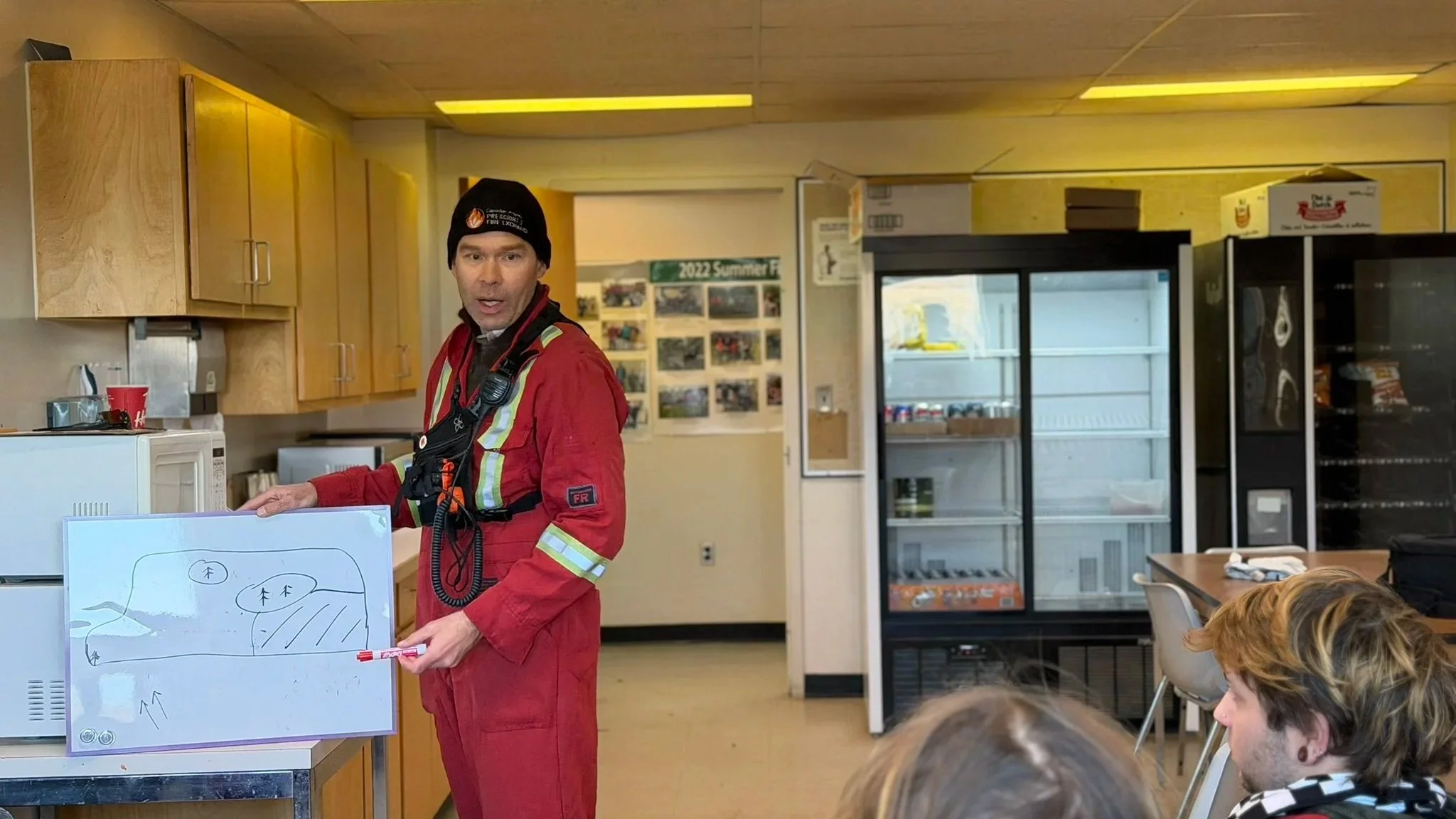
Prescribed fire is best learned in the field, with good mentors, clear communication, and a strong safety culture.
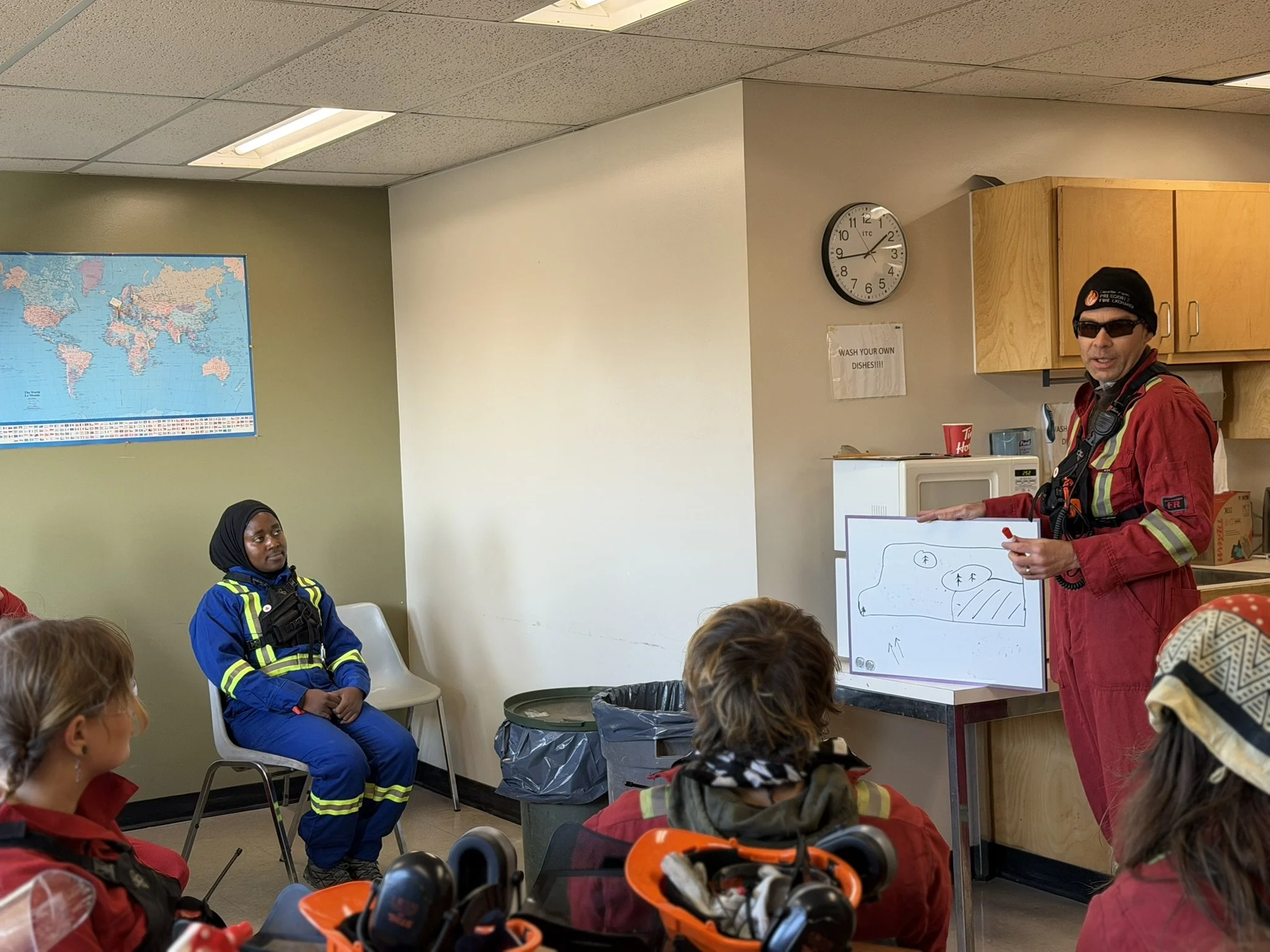
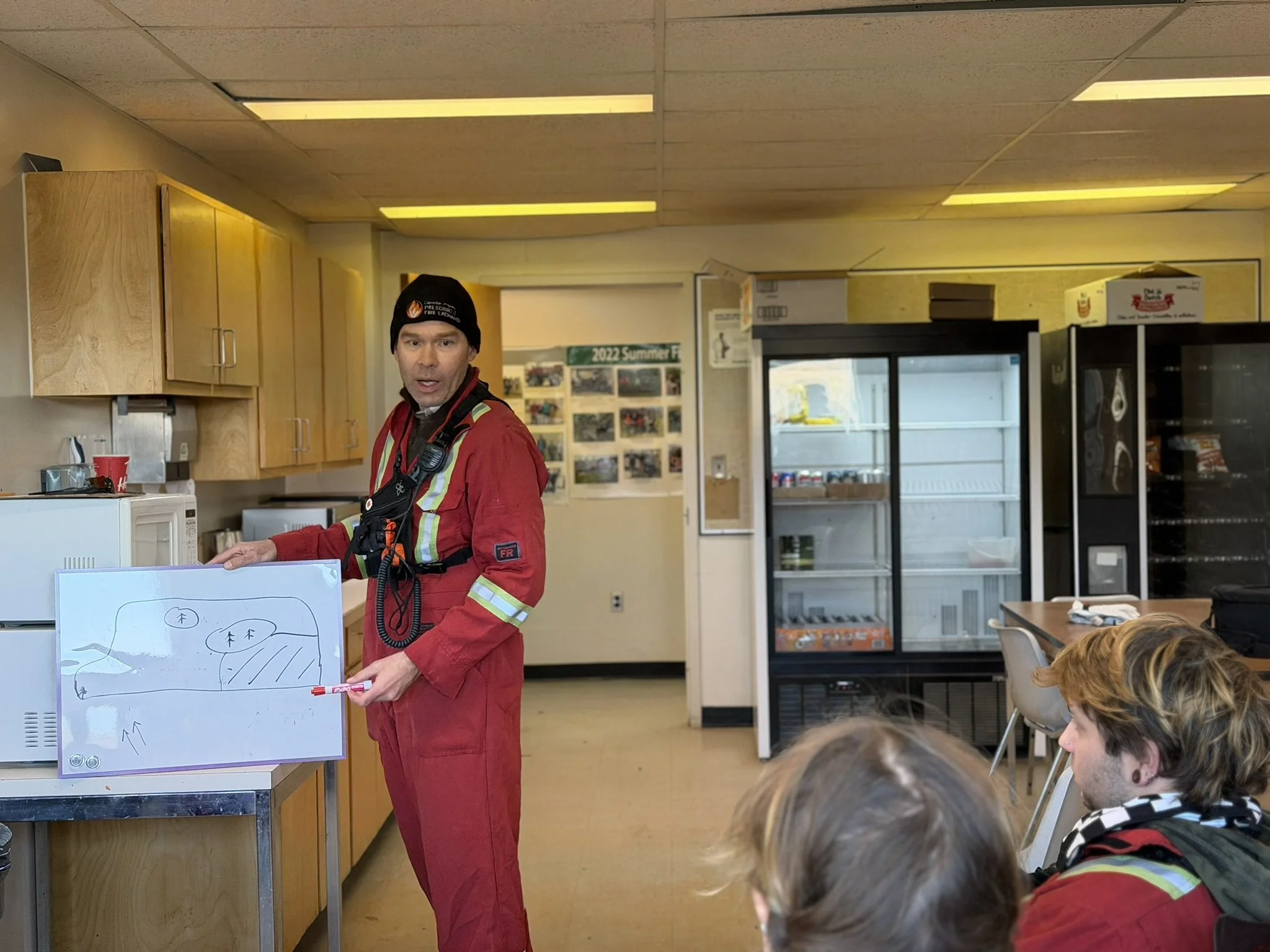
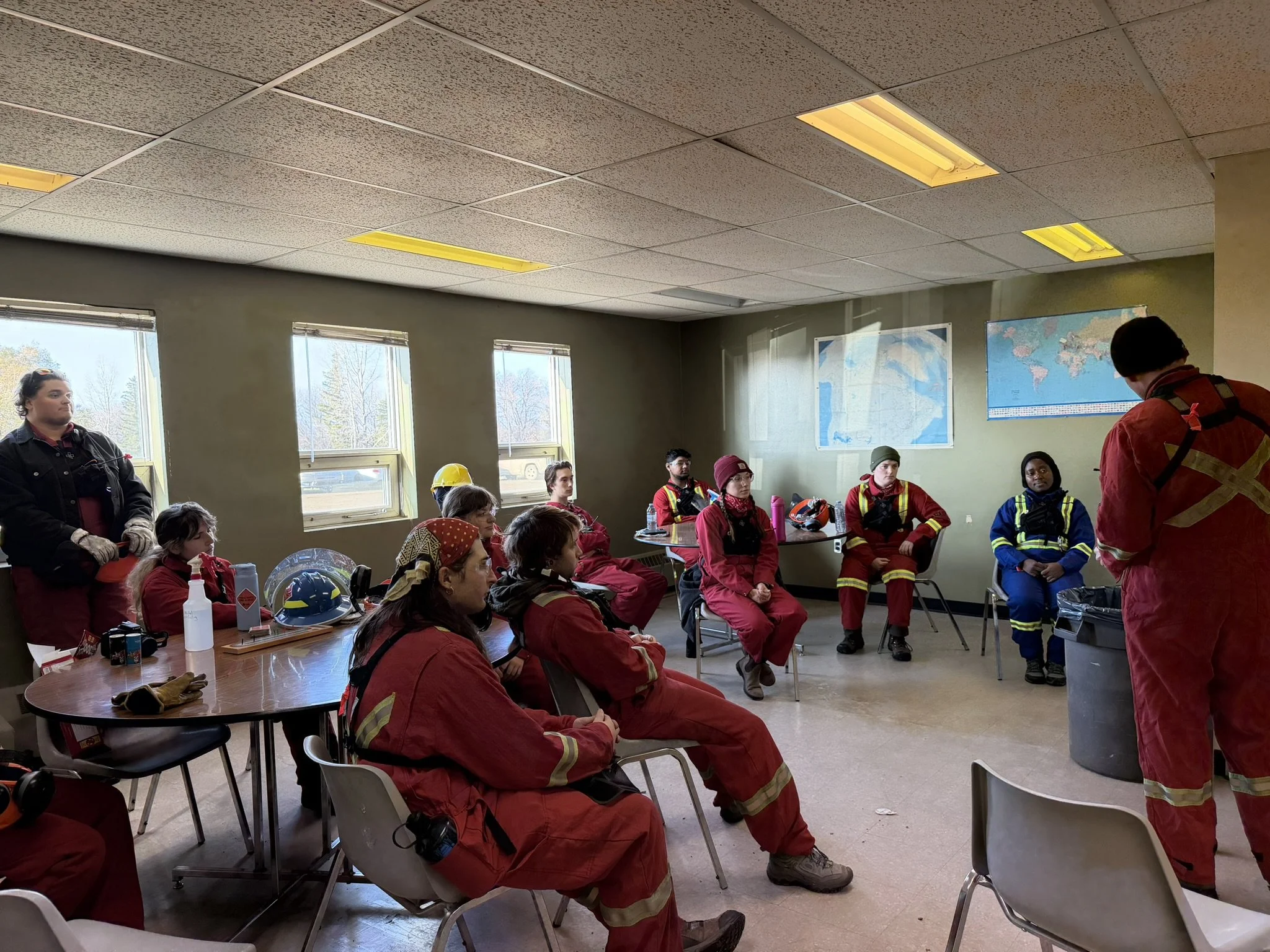
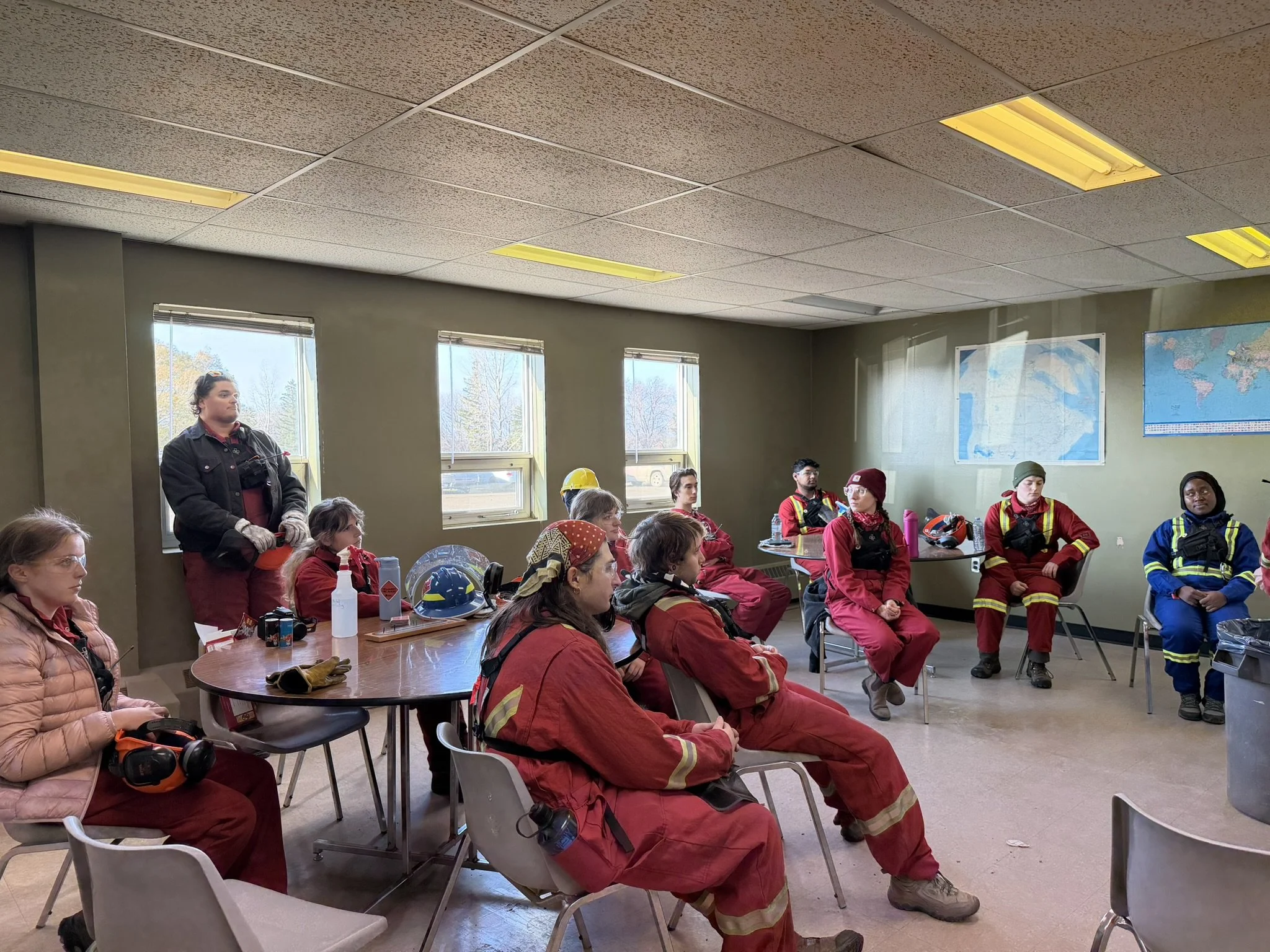
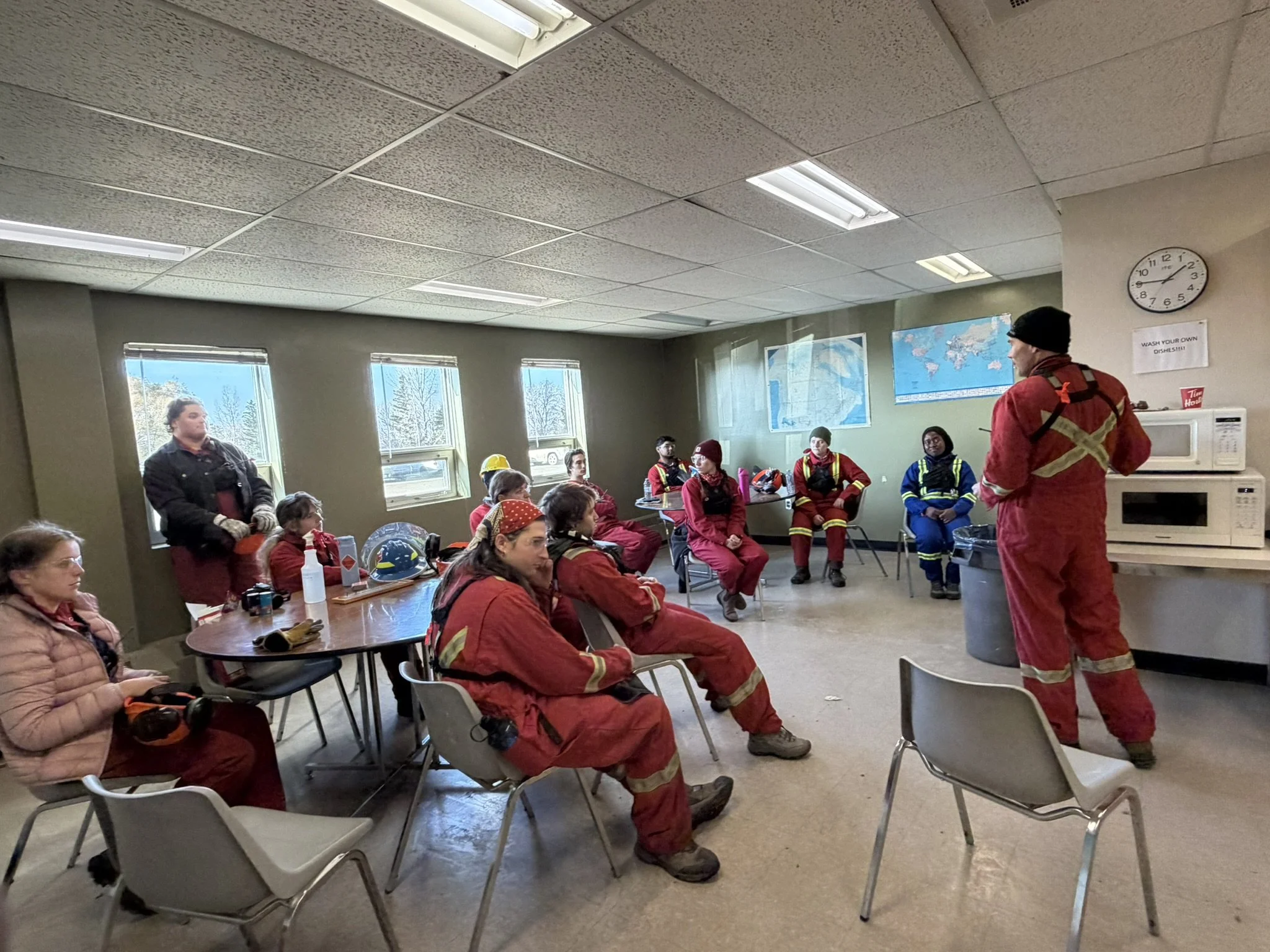
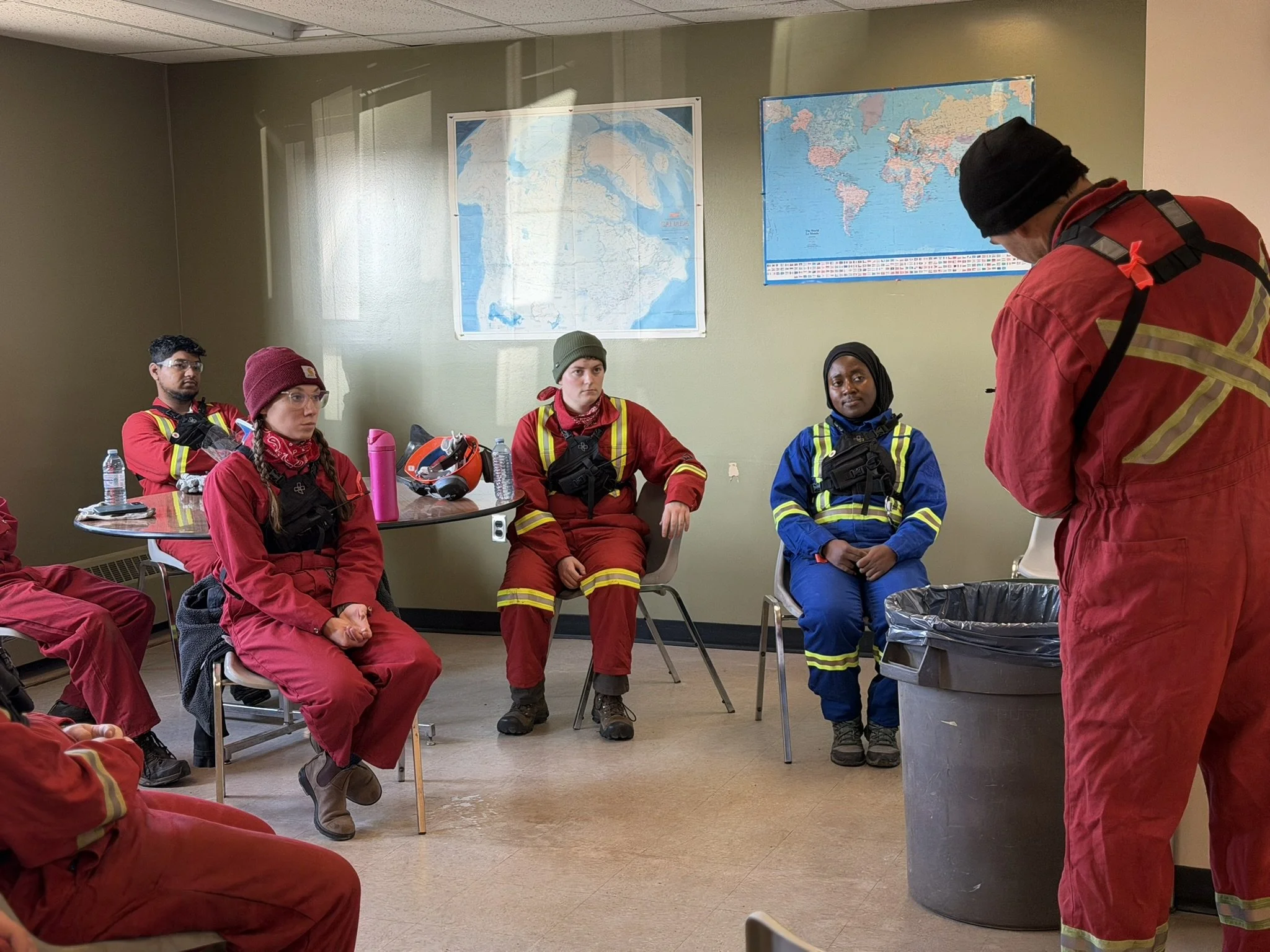
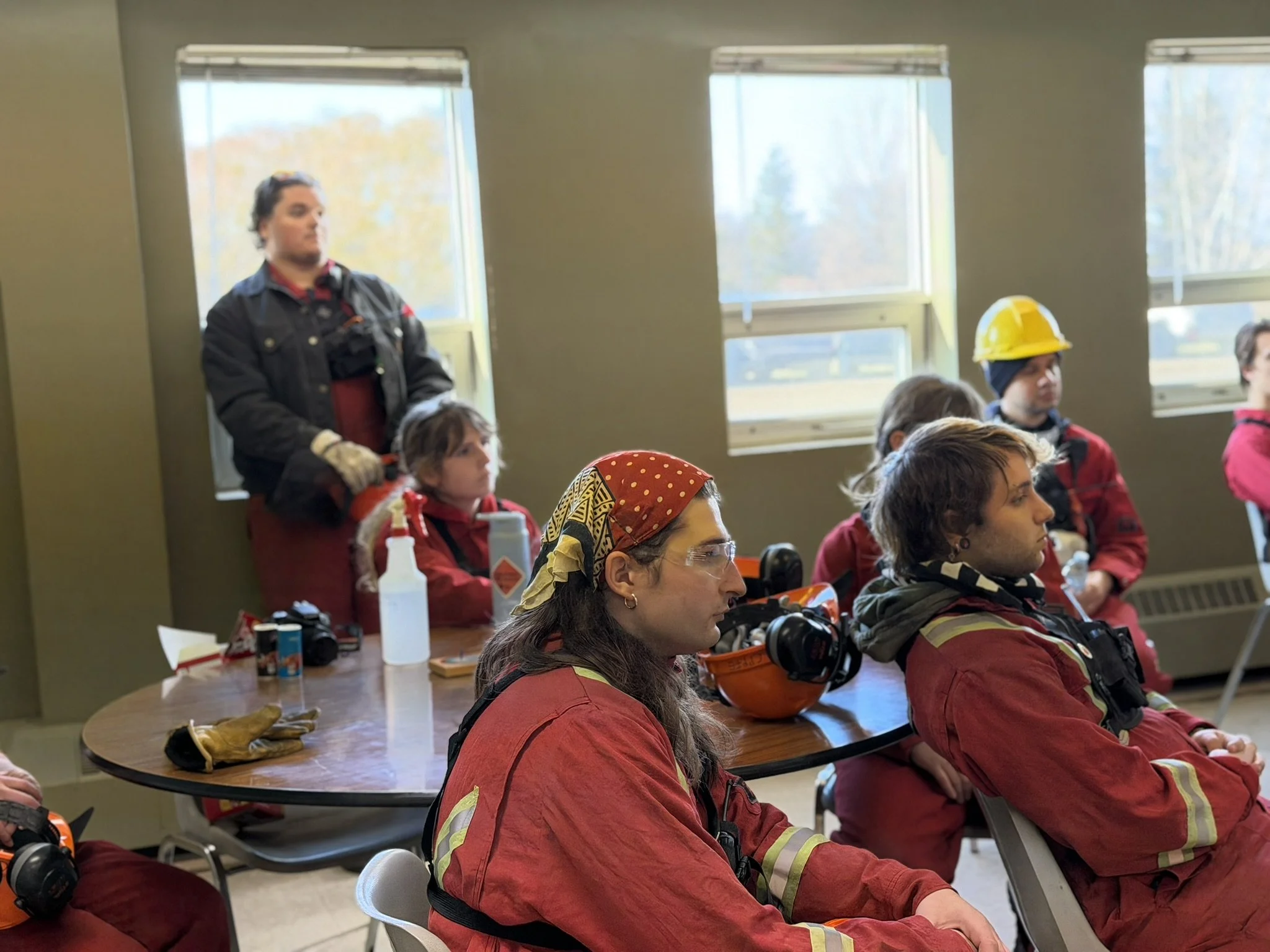
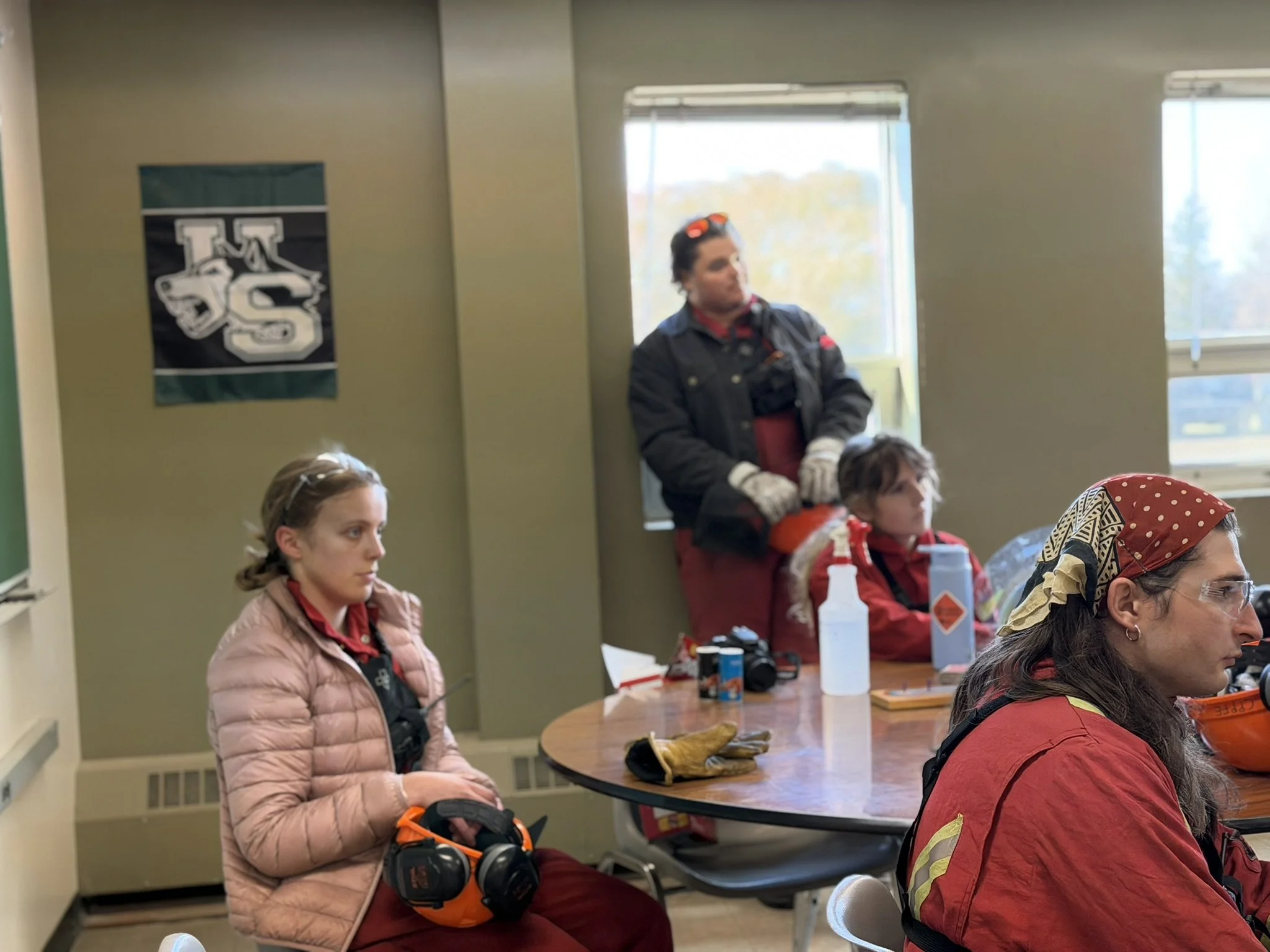
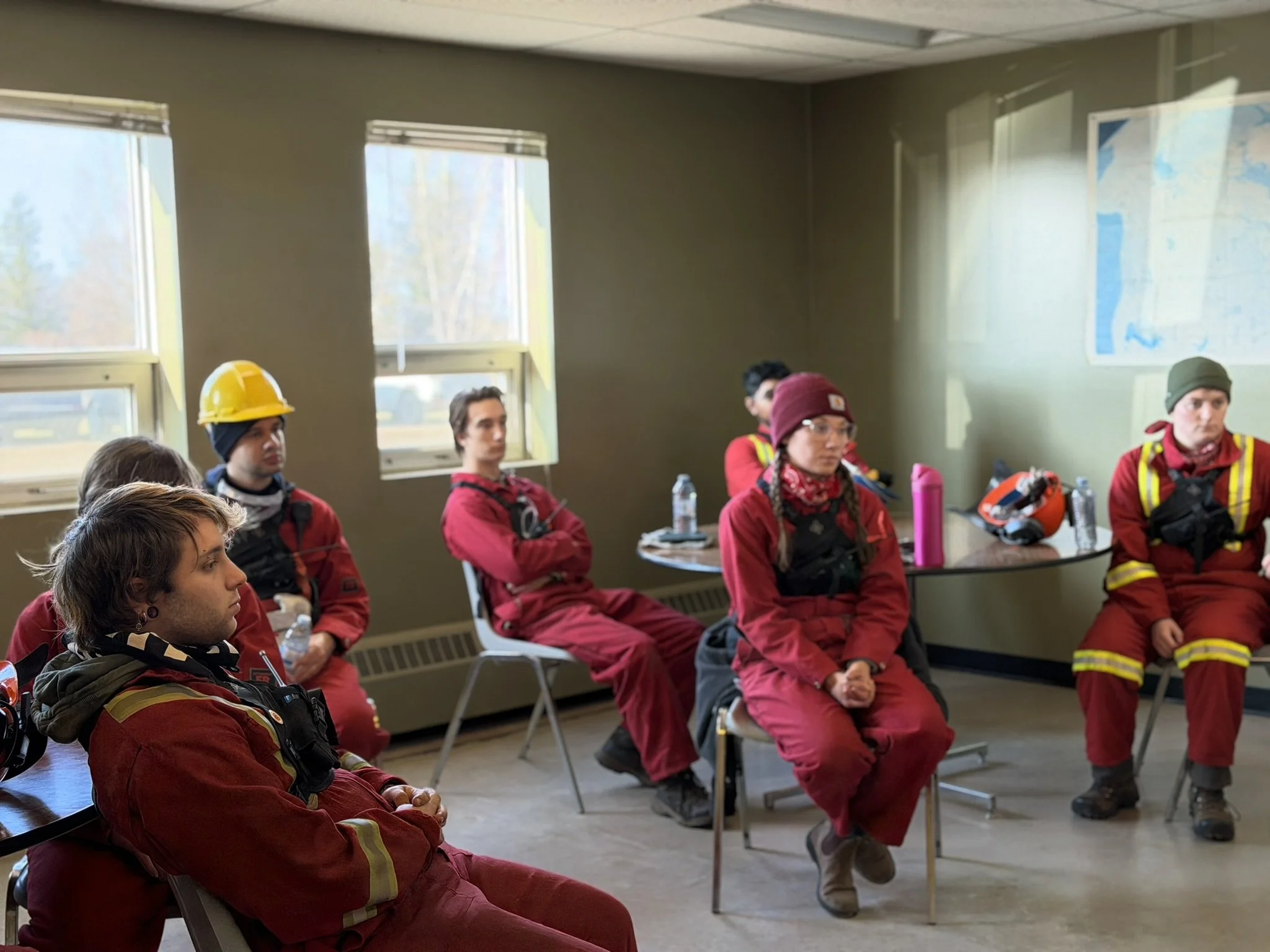
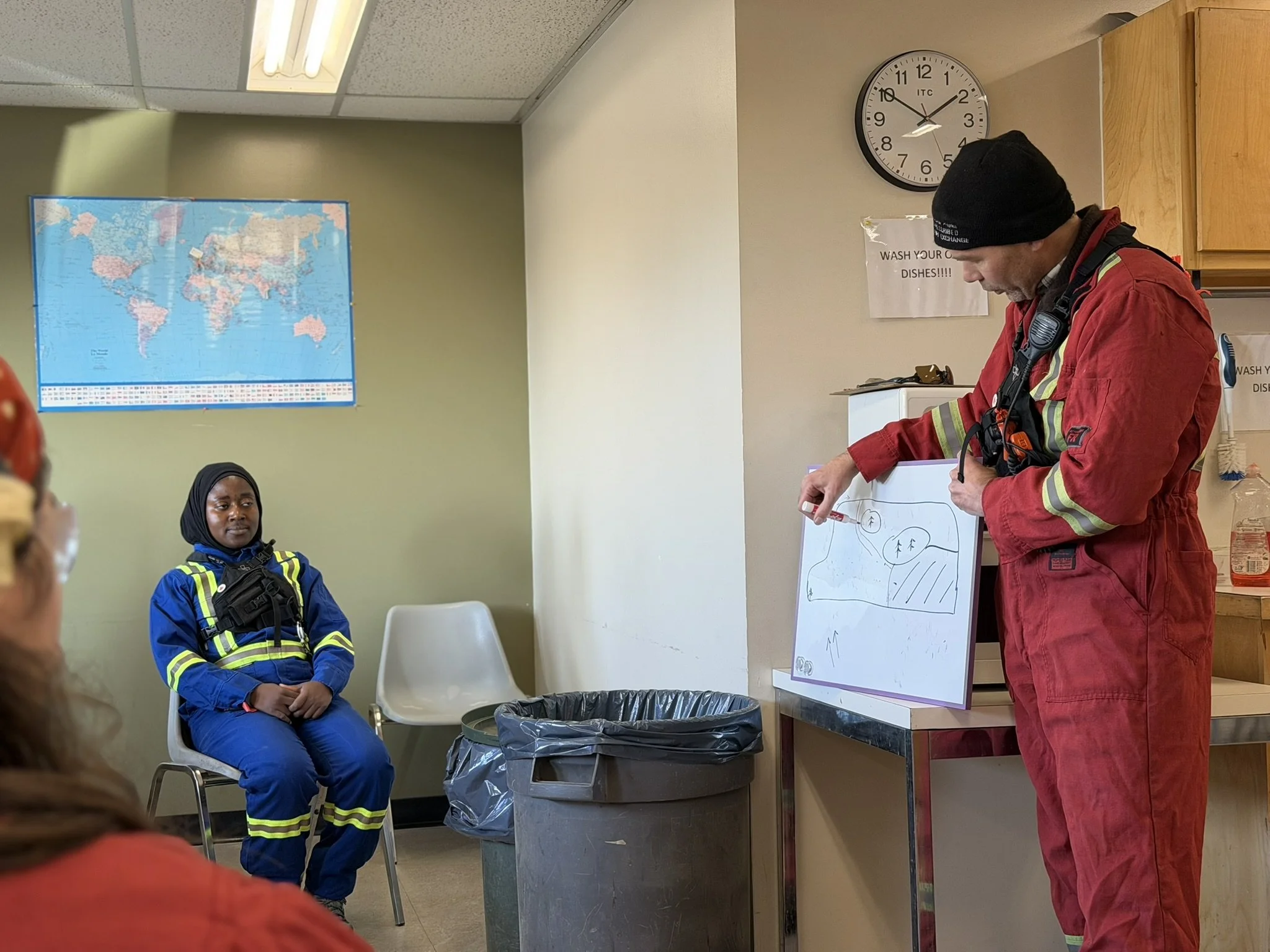
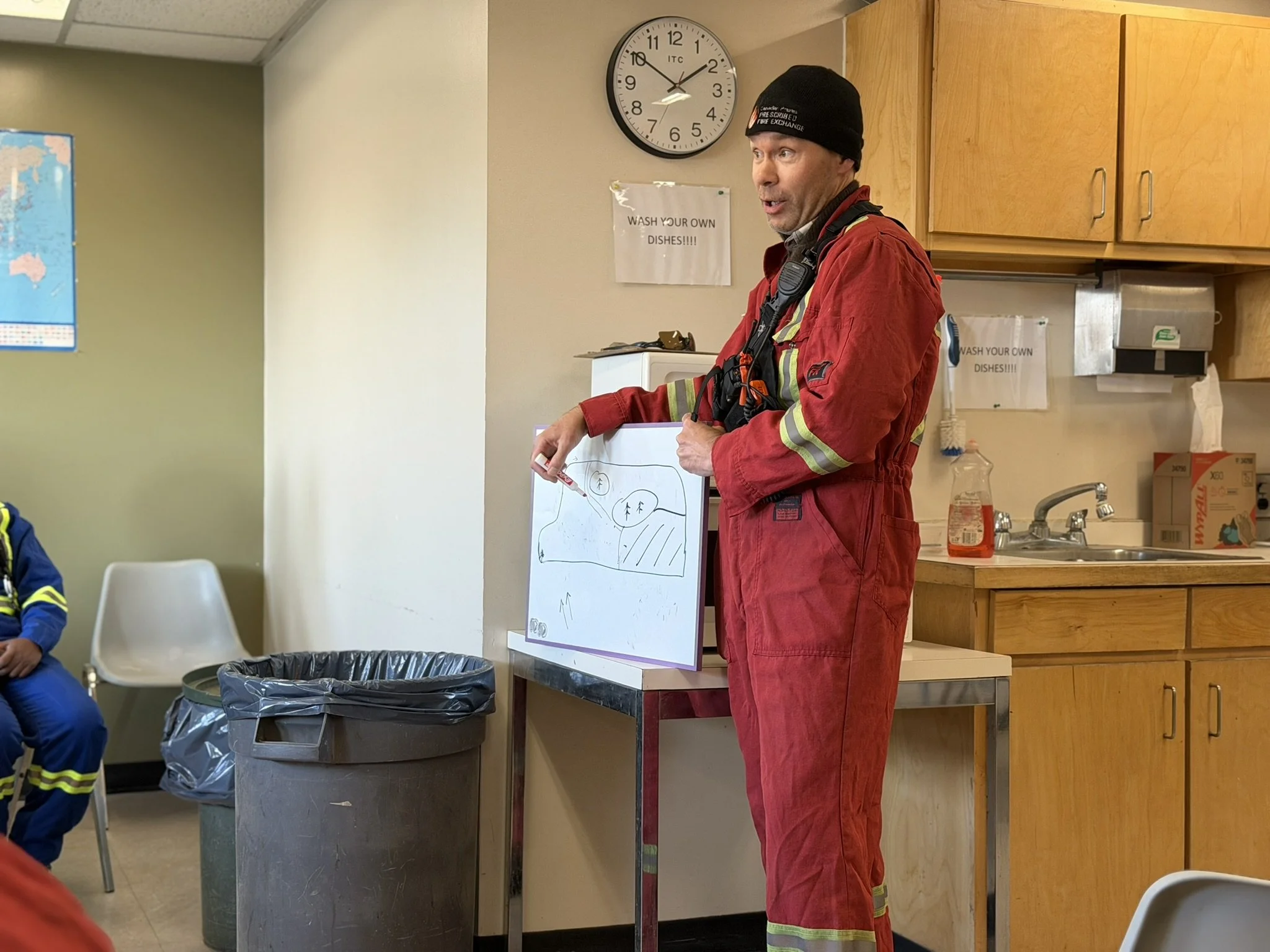
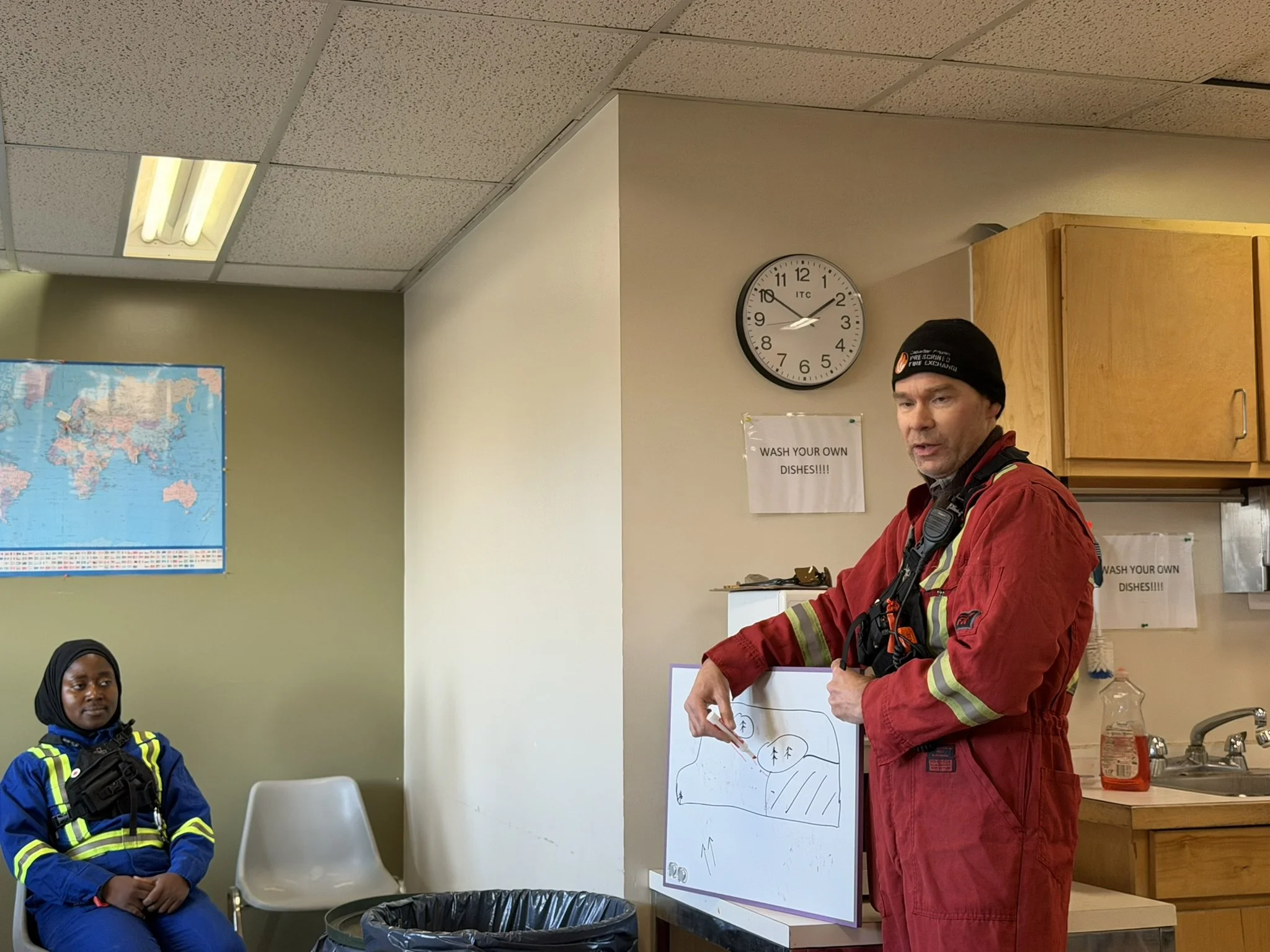
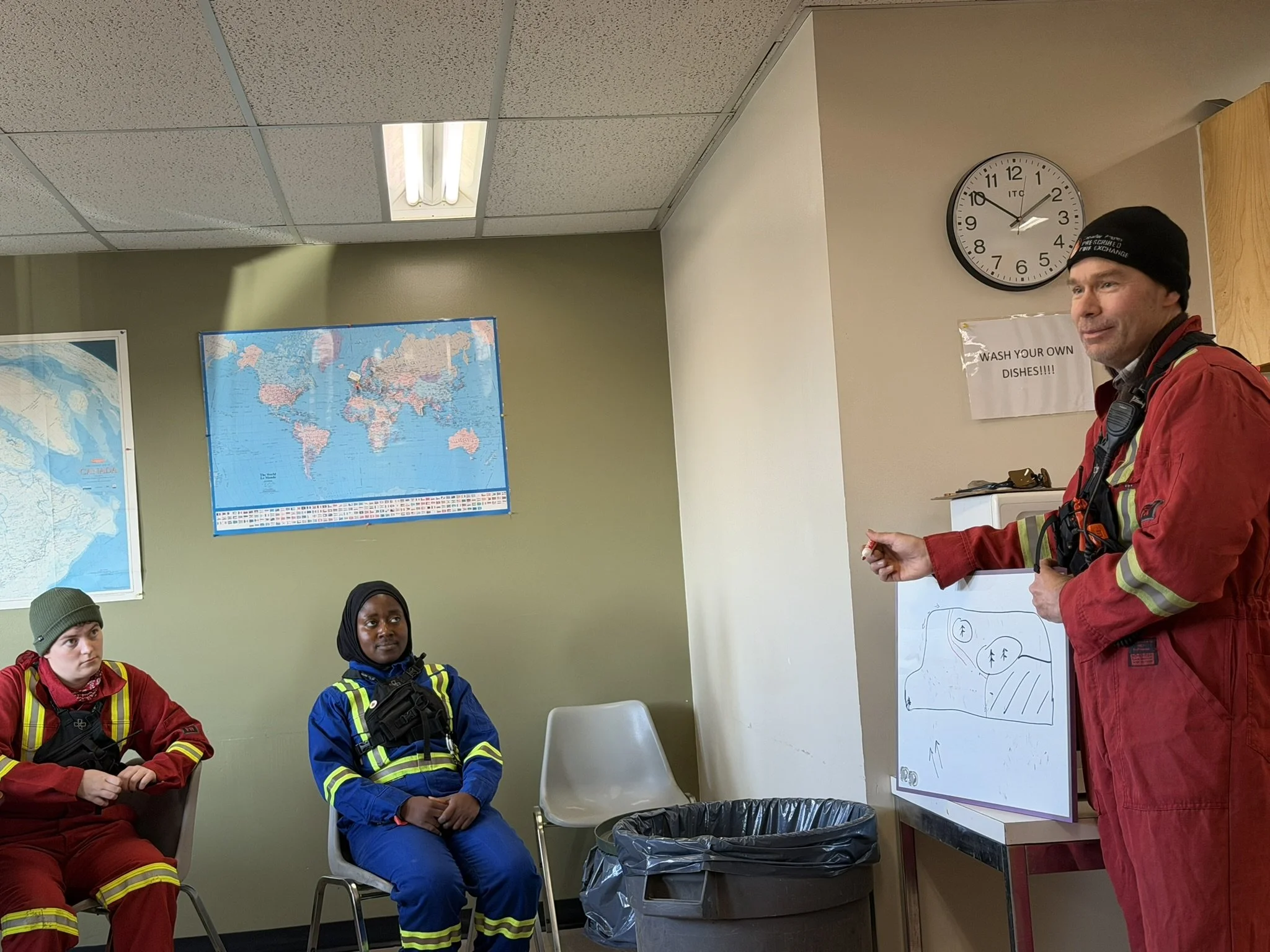
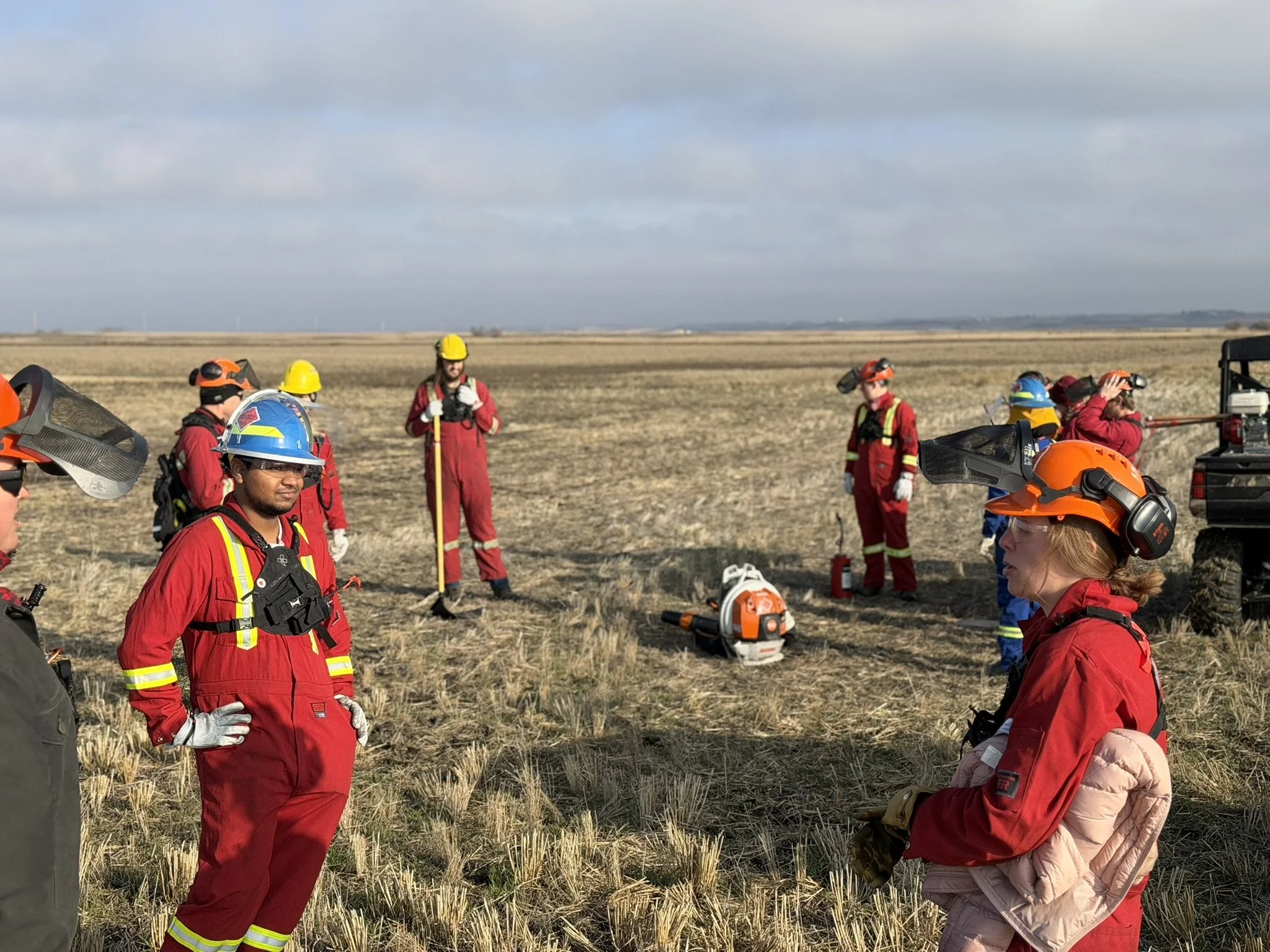
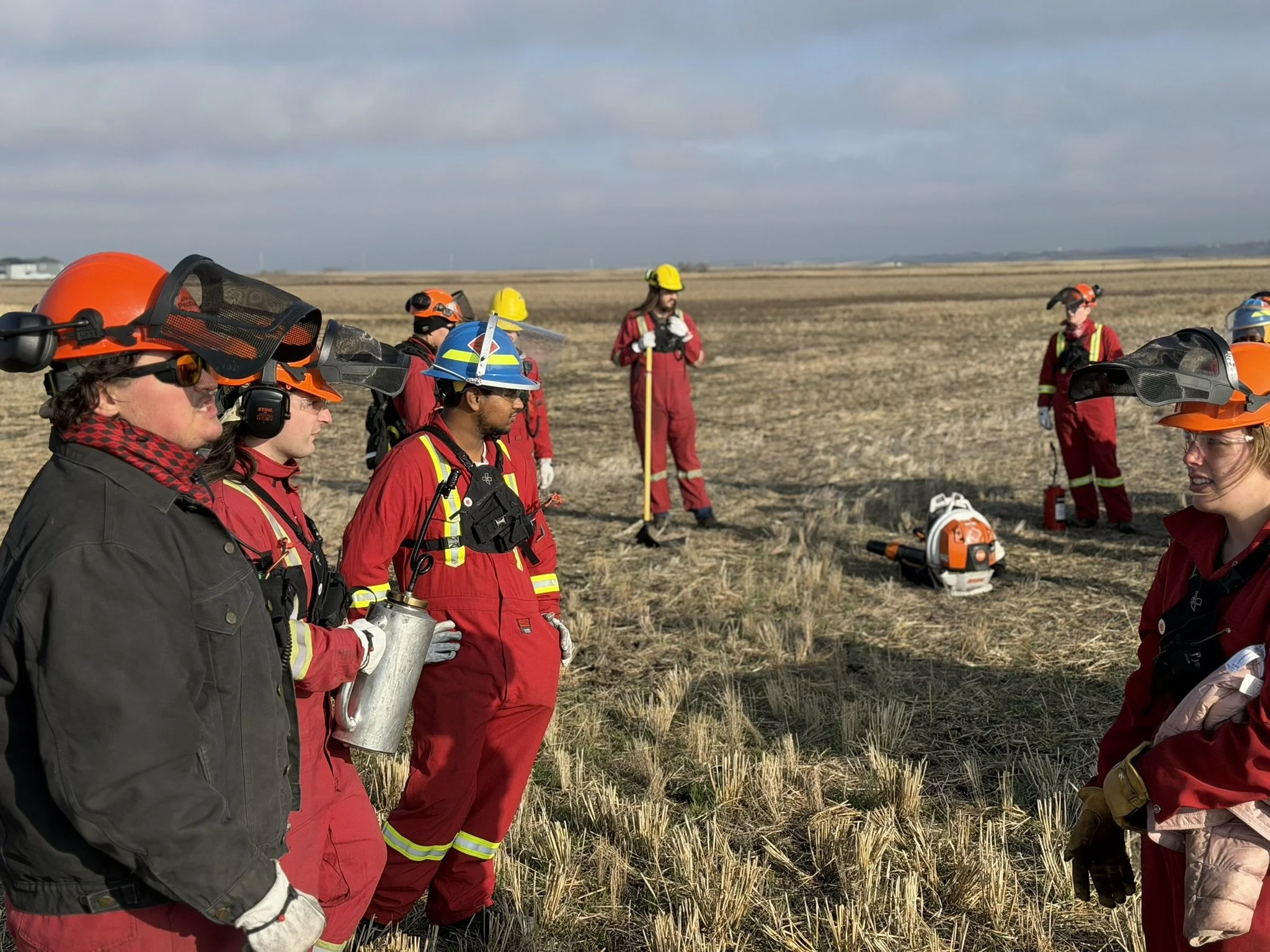
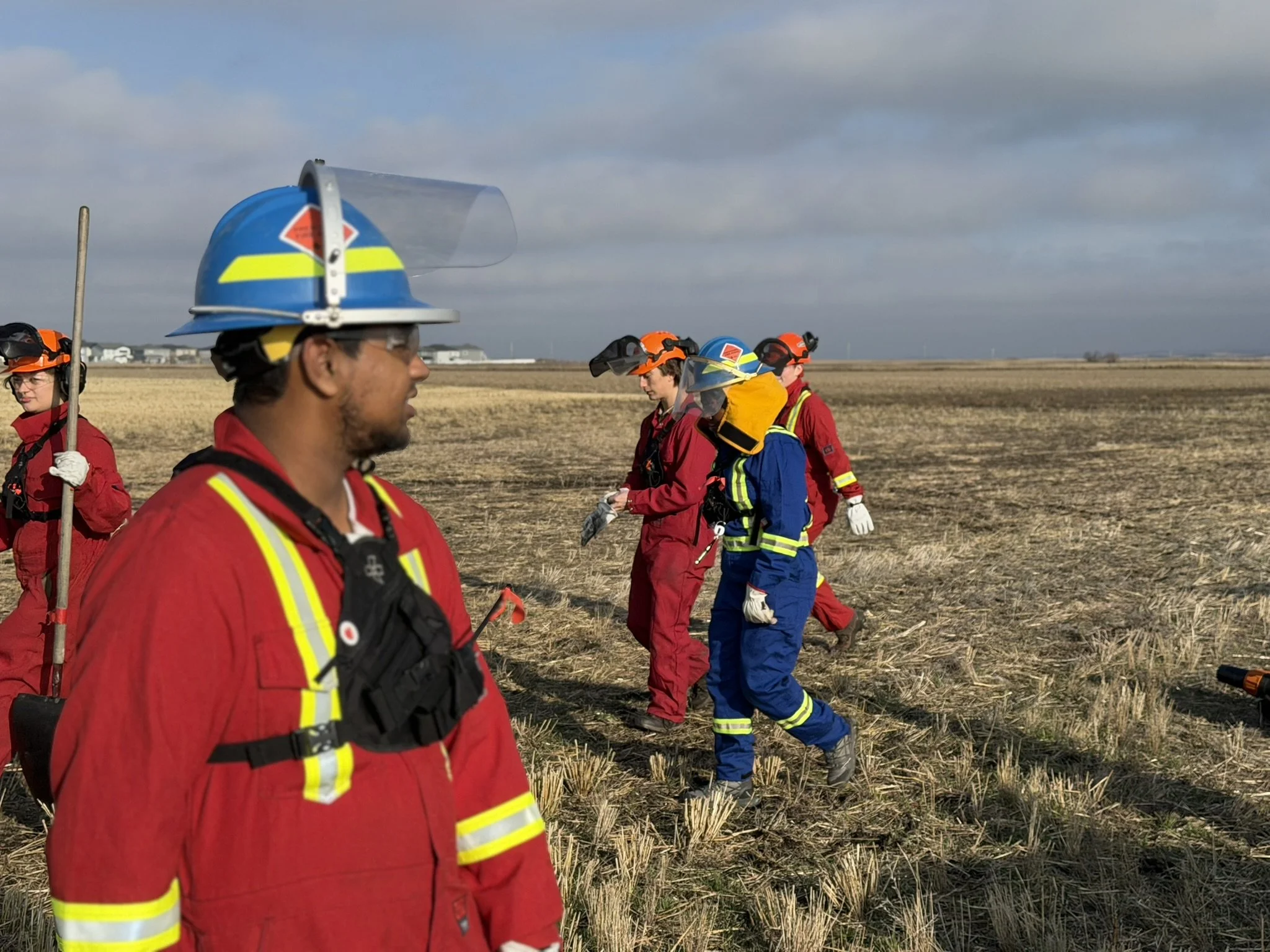
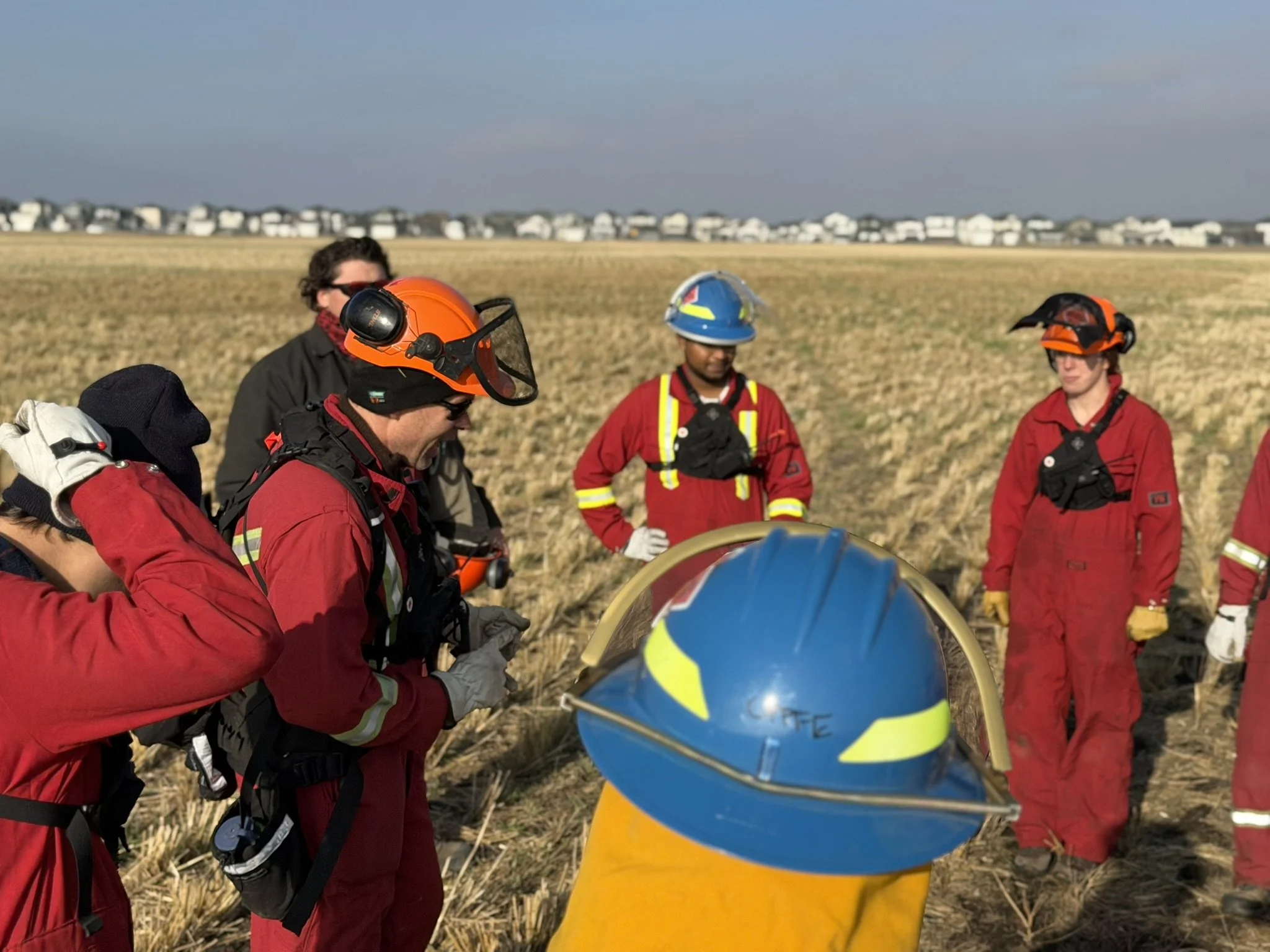
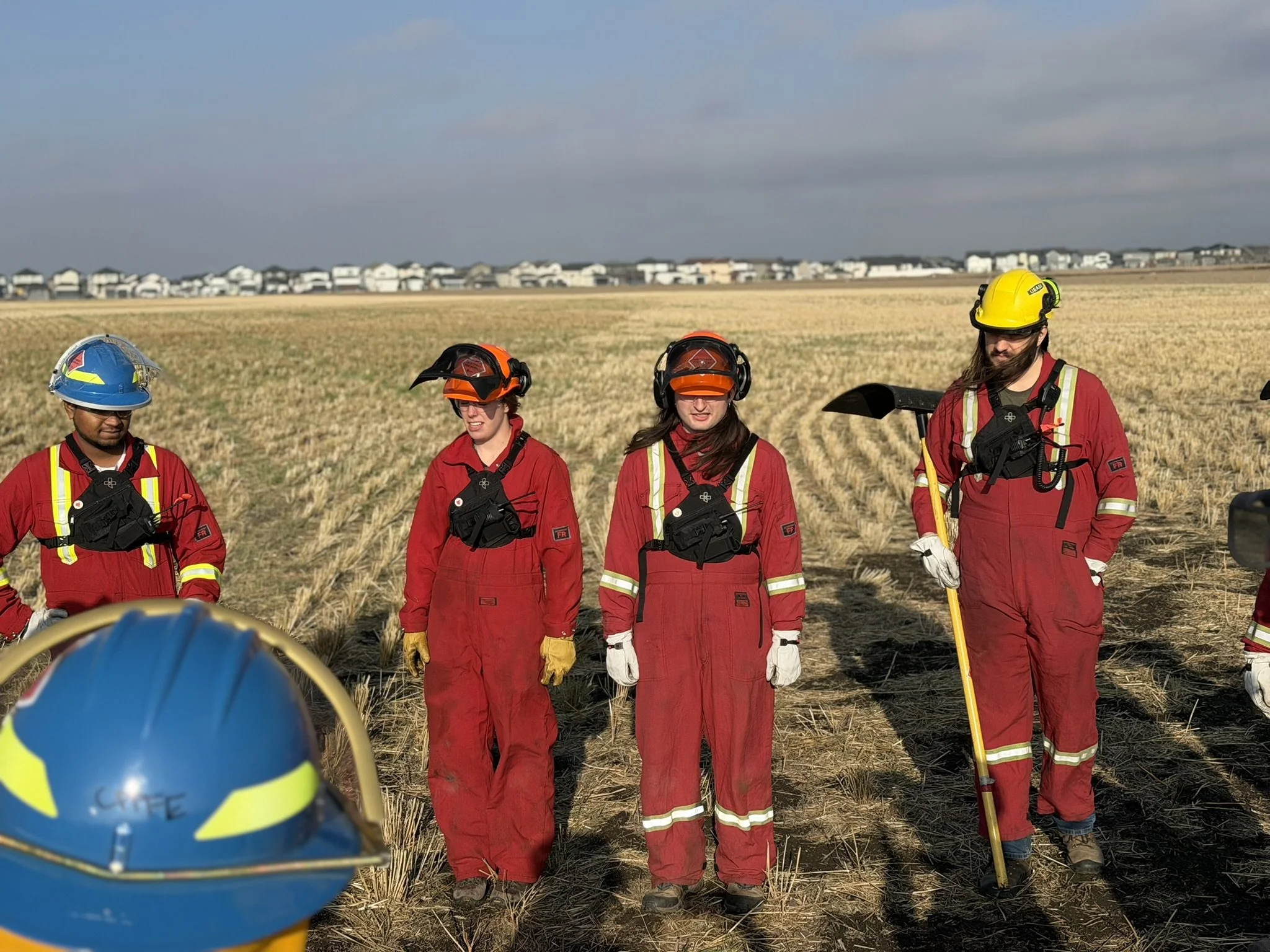
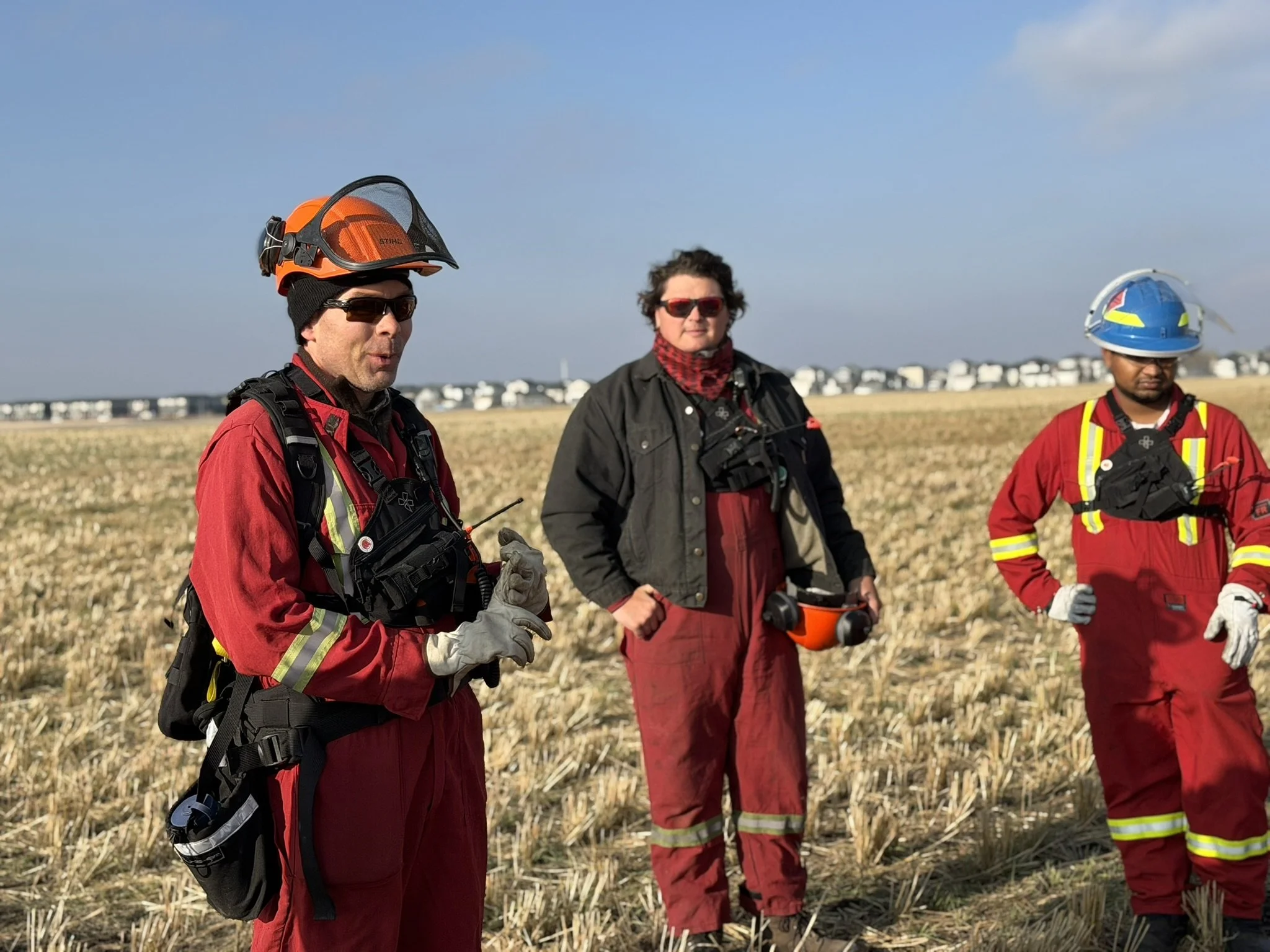
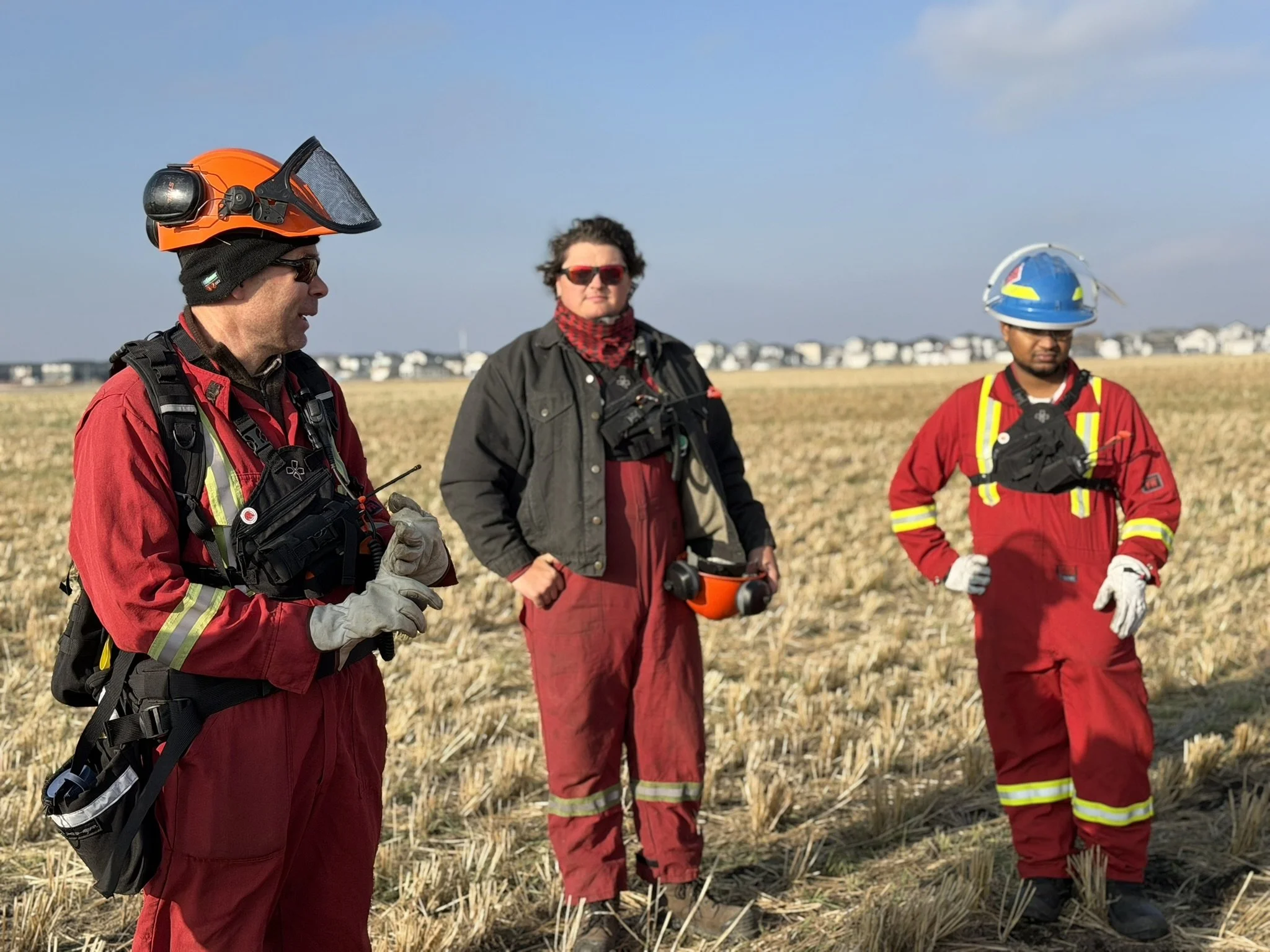
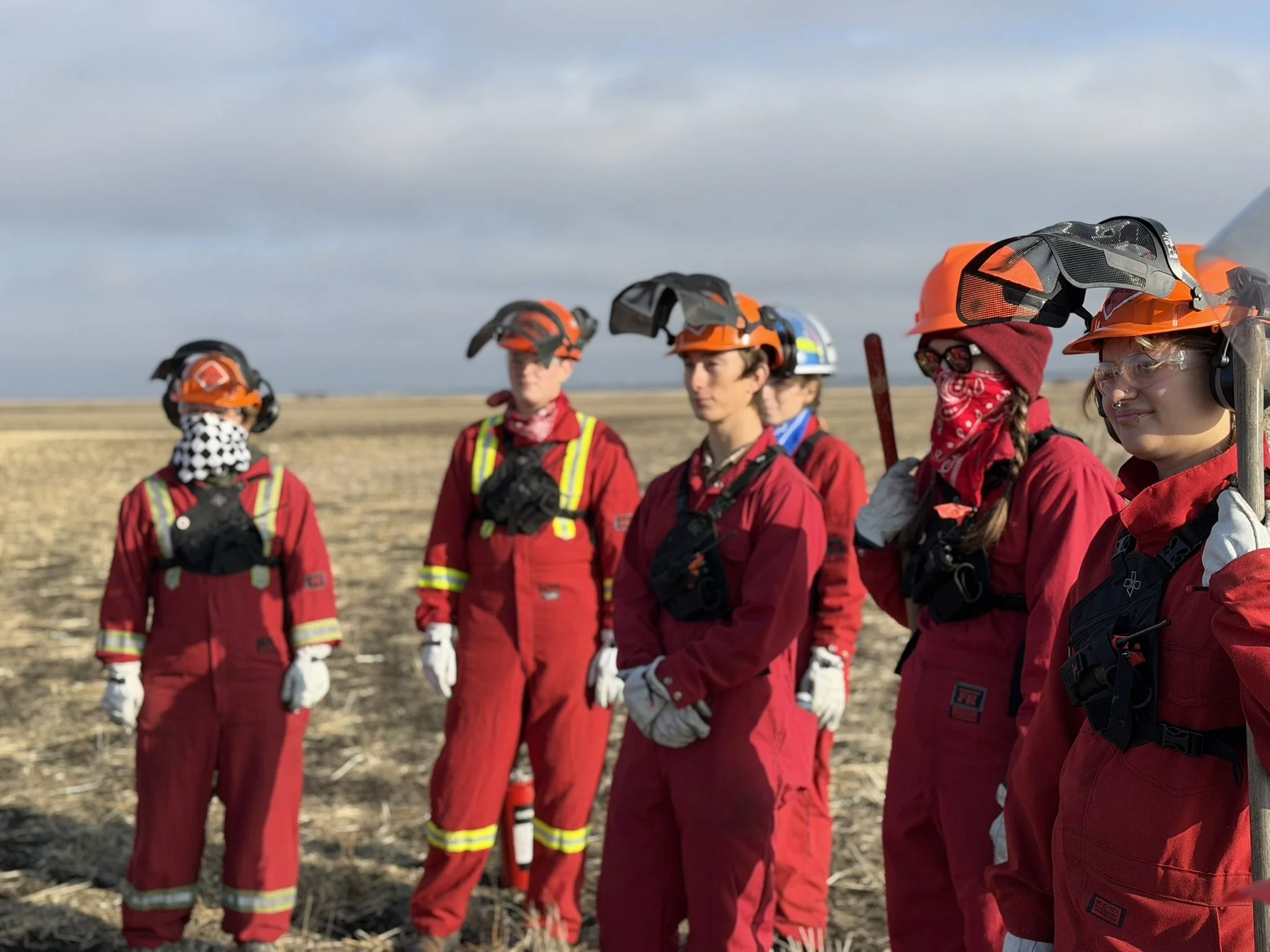
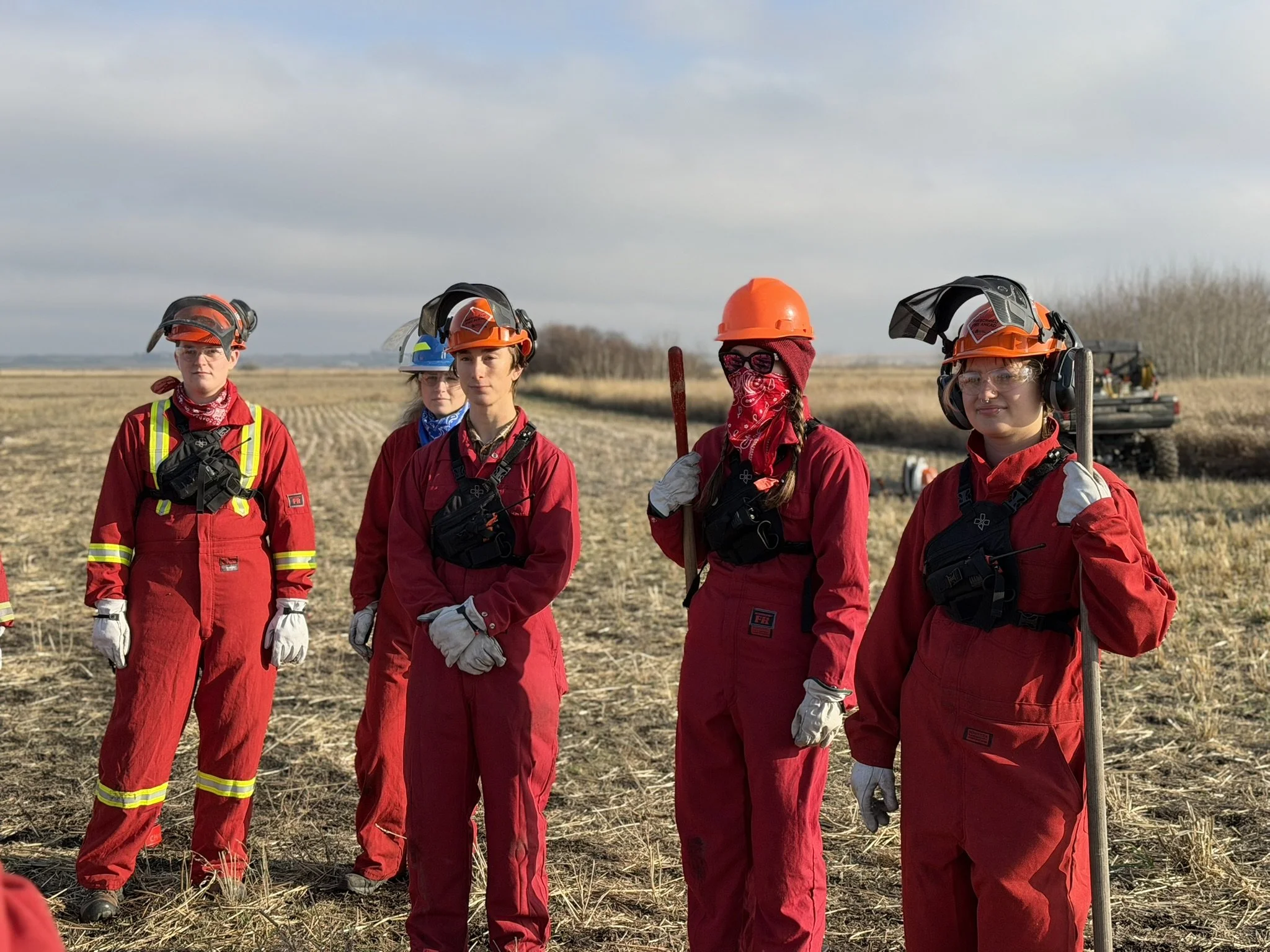
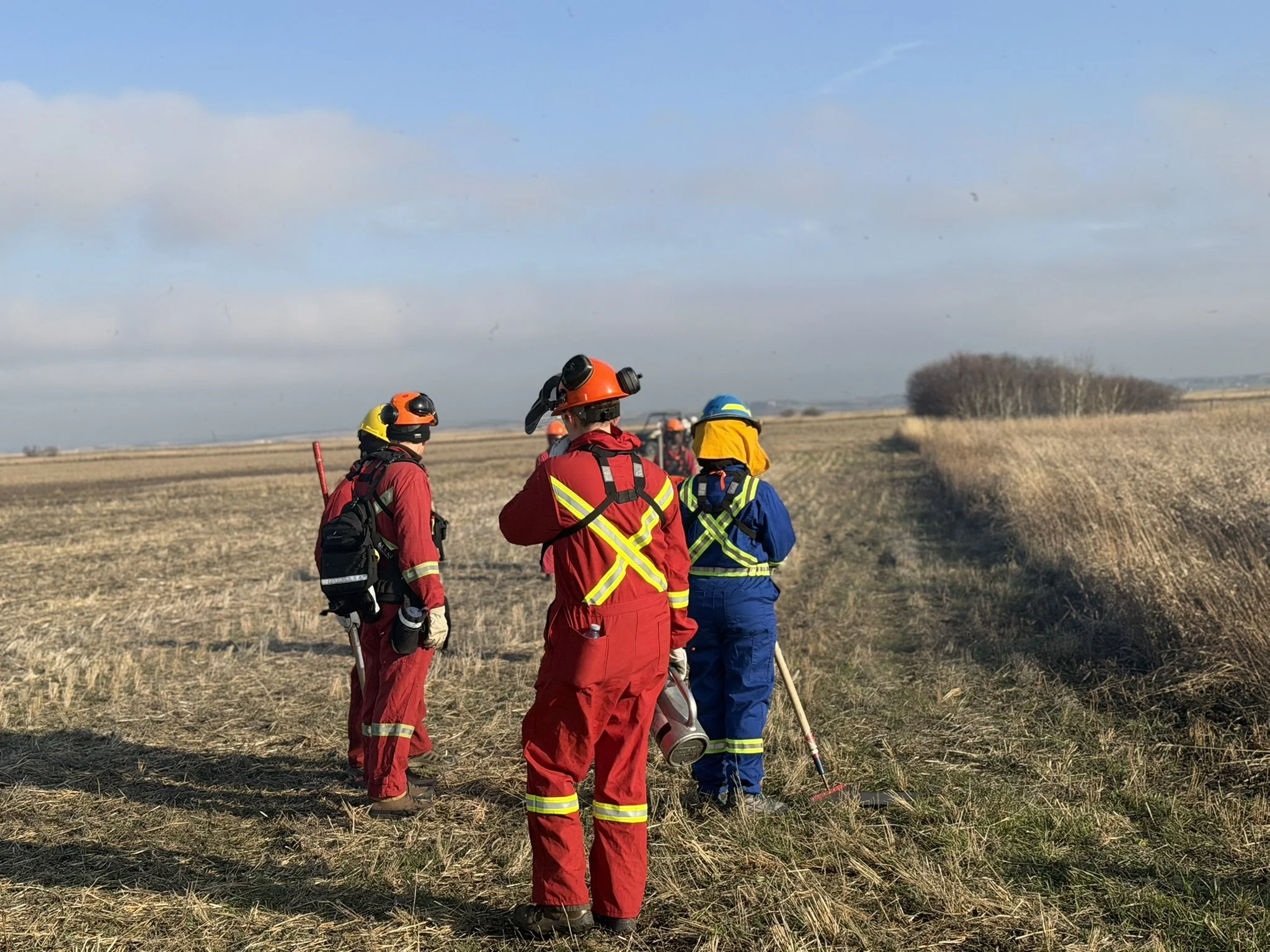
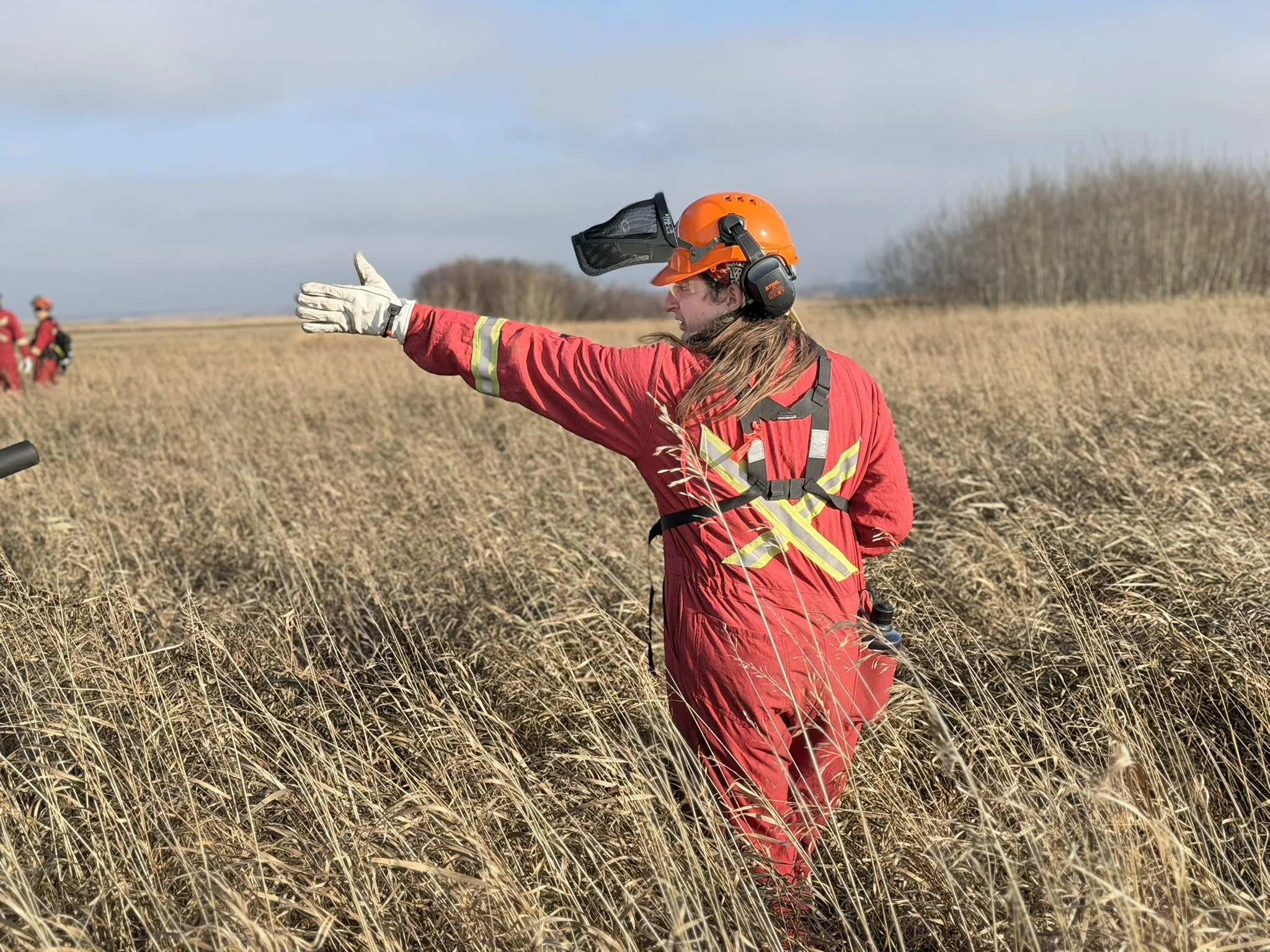
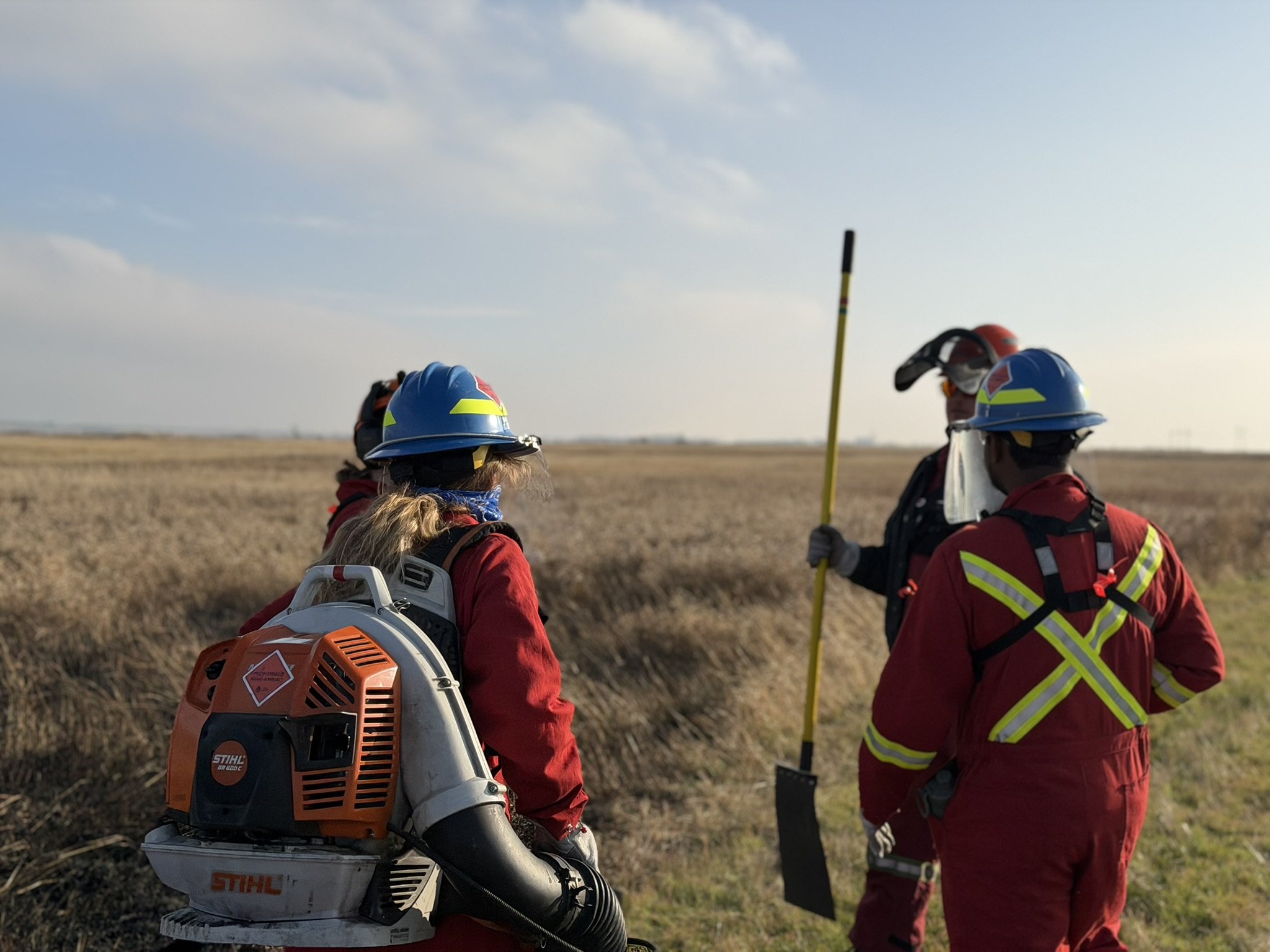
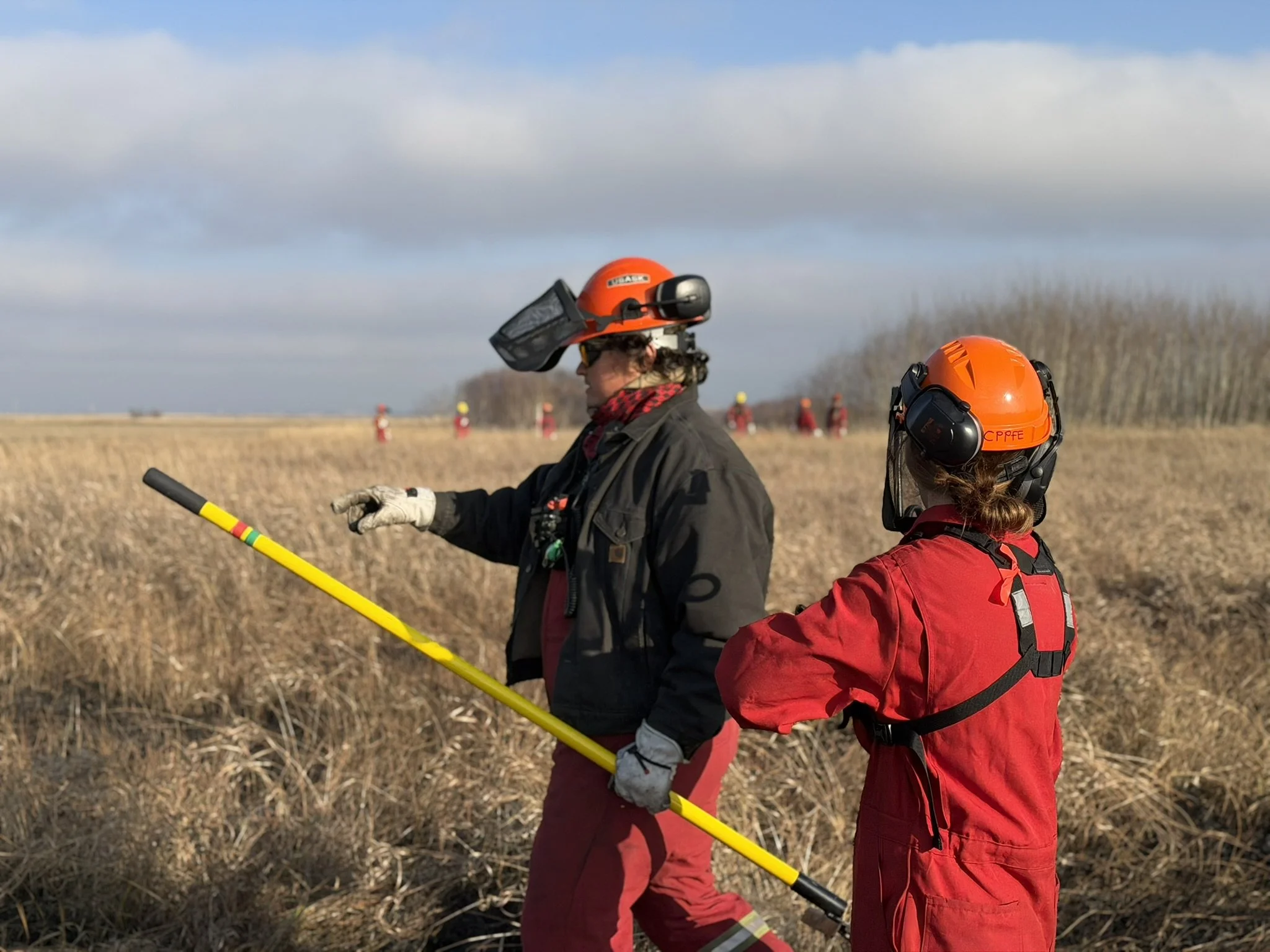
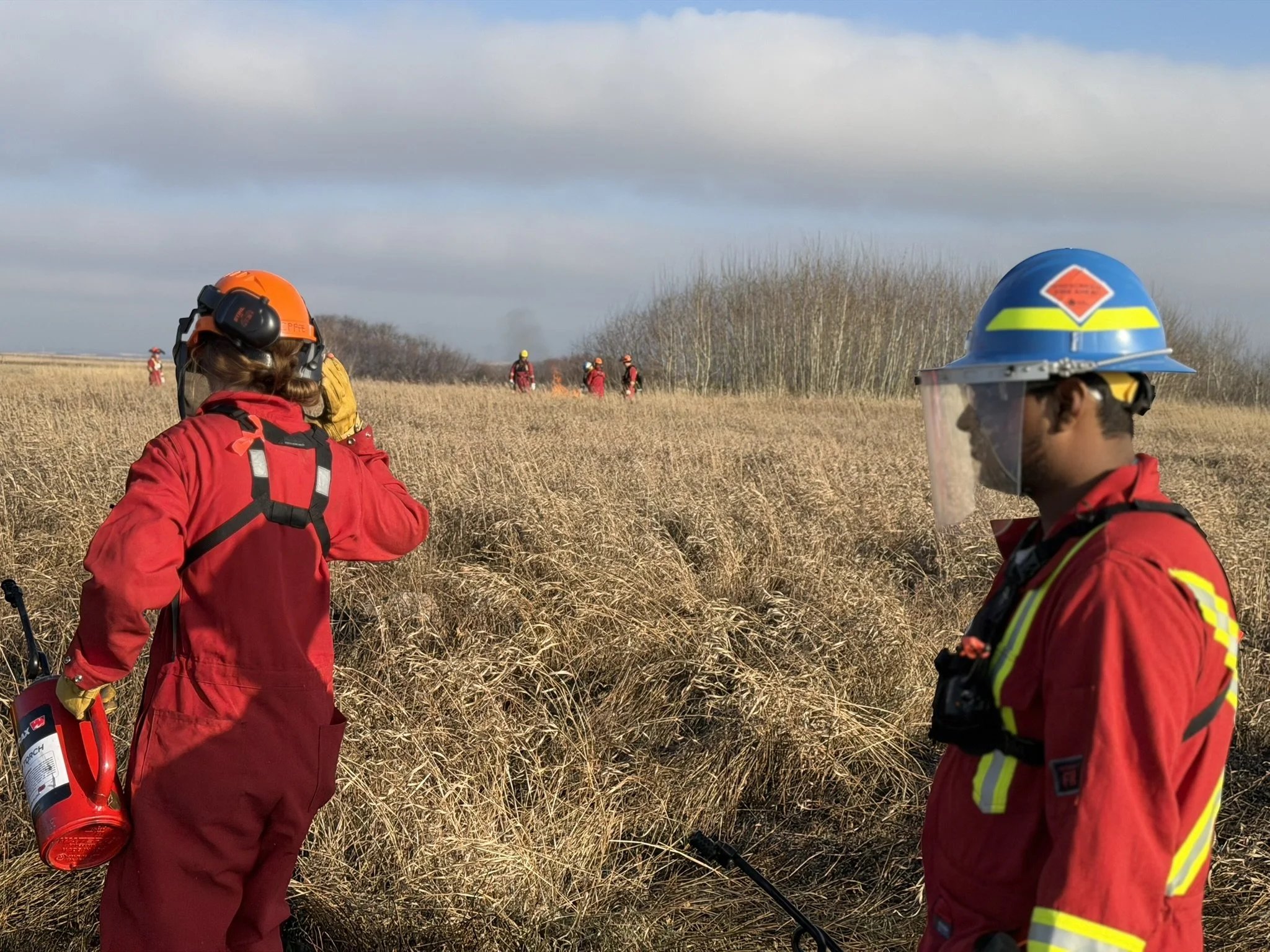
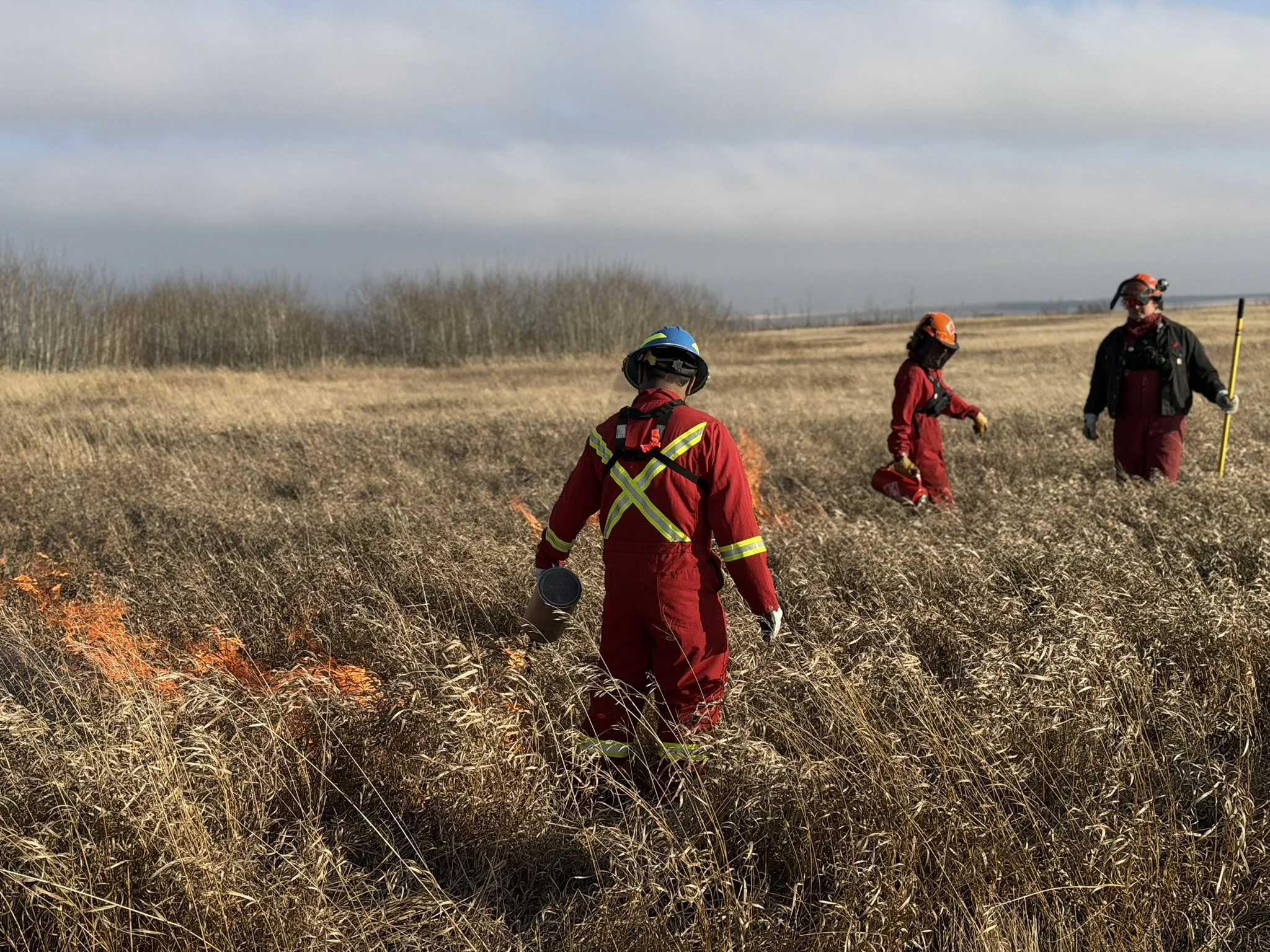
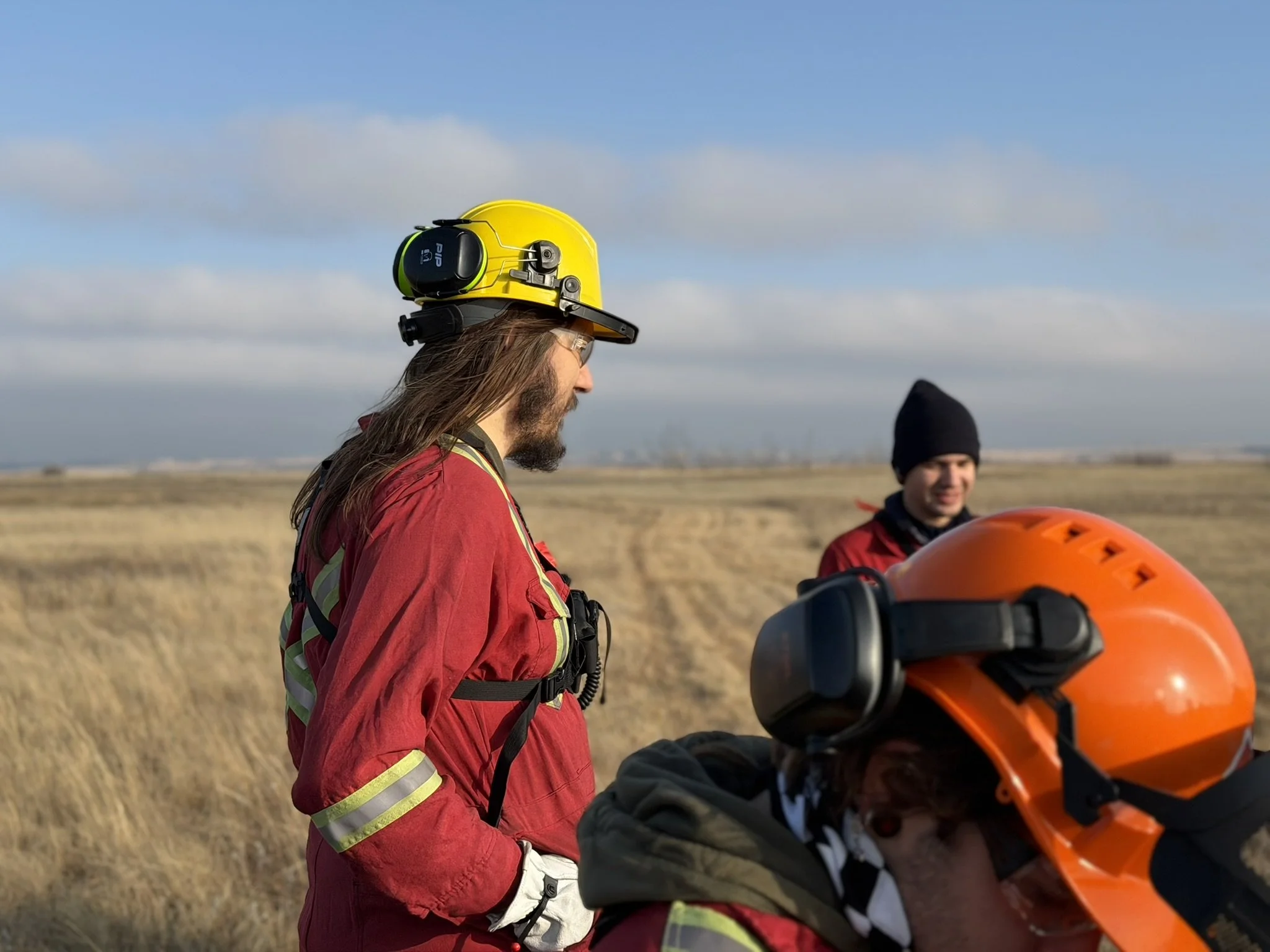
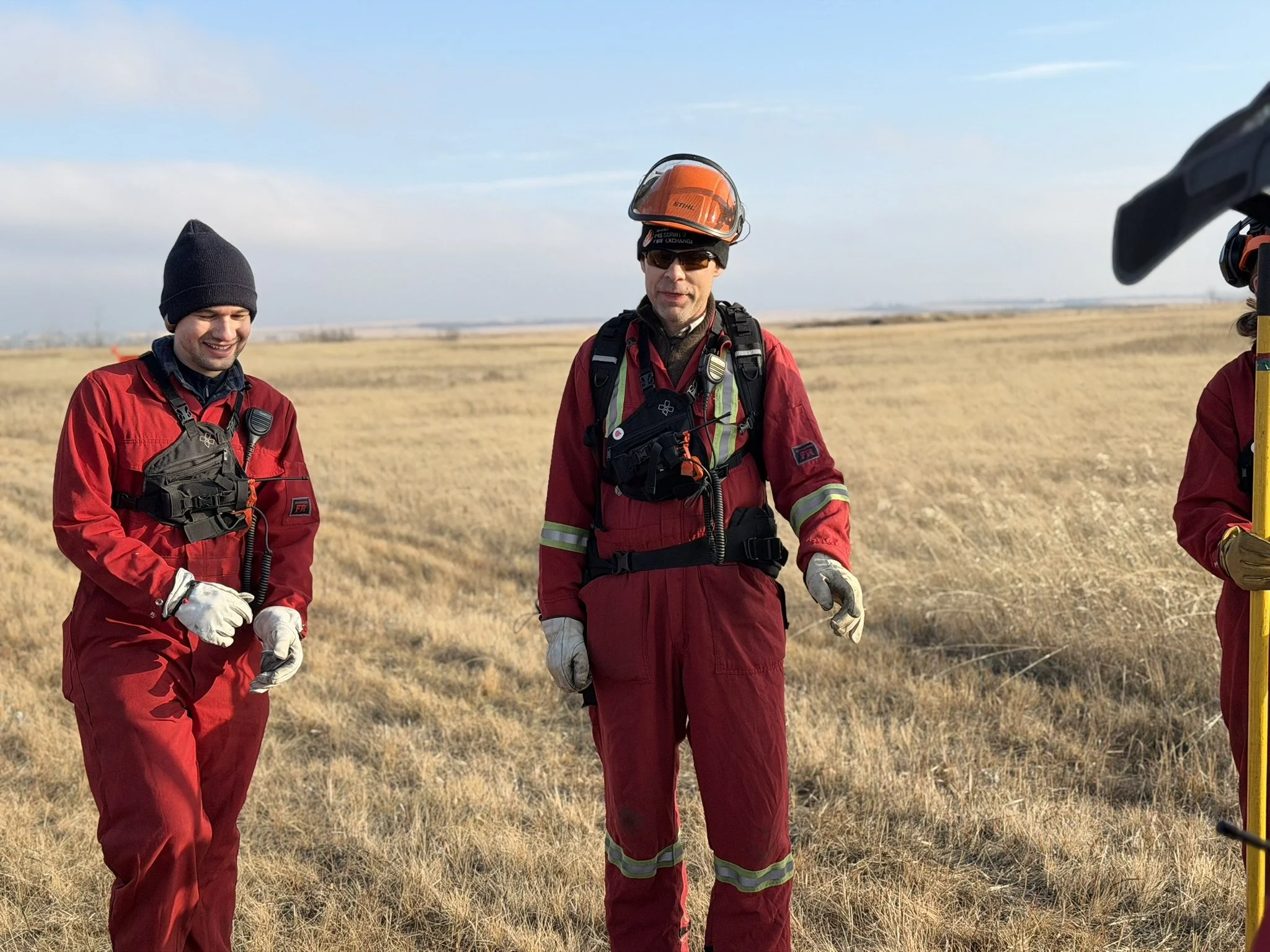
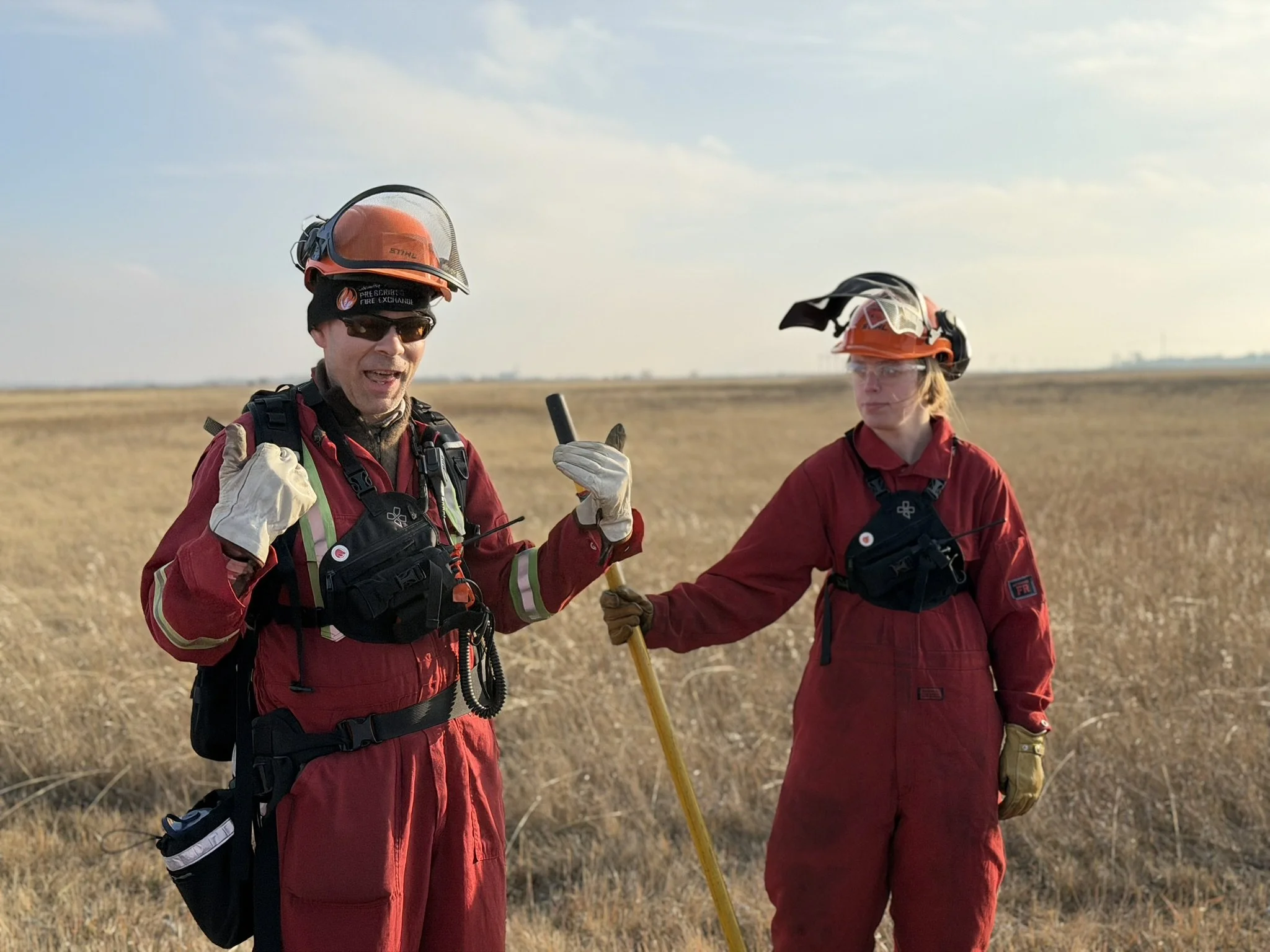
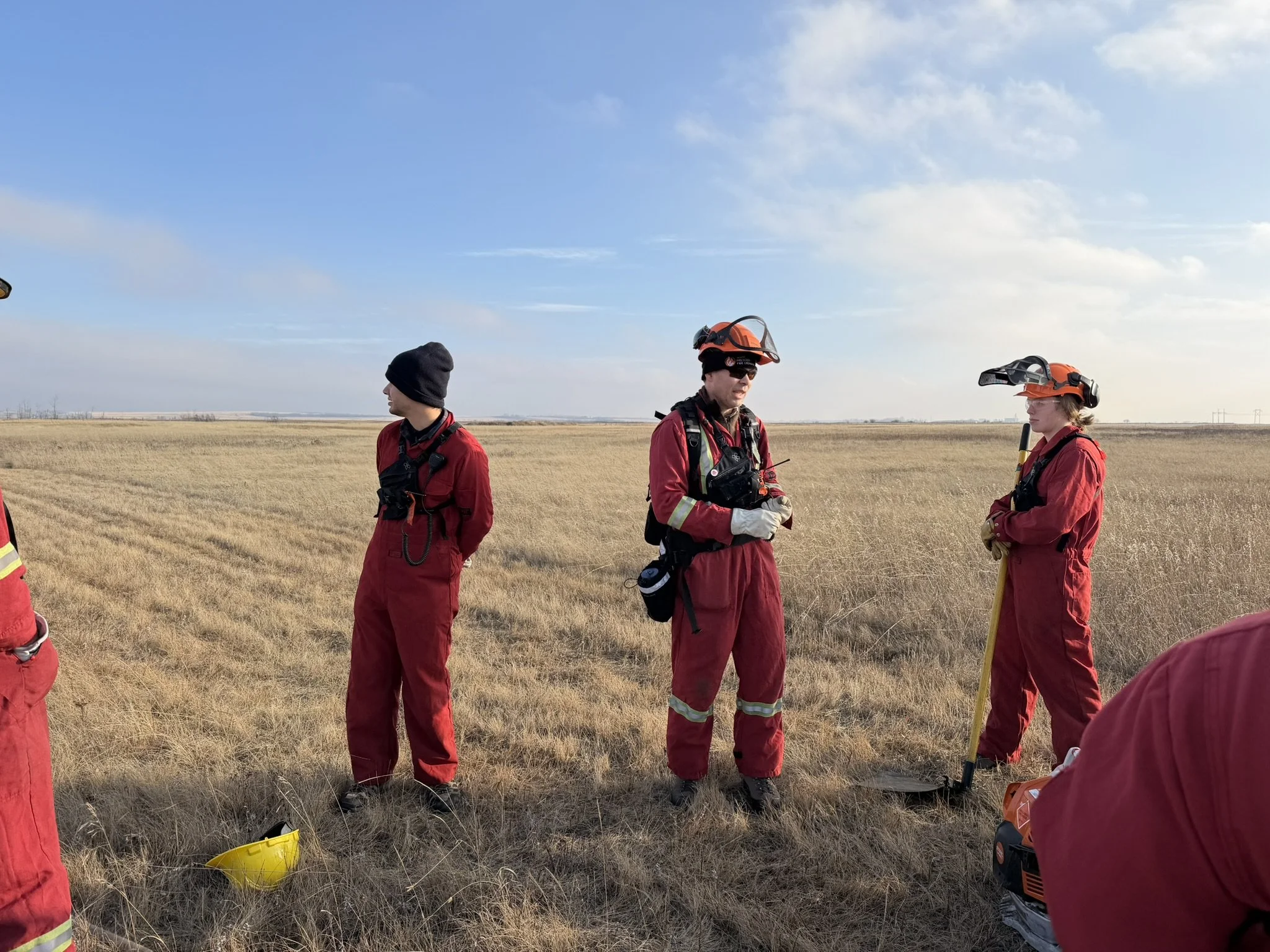
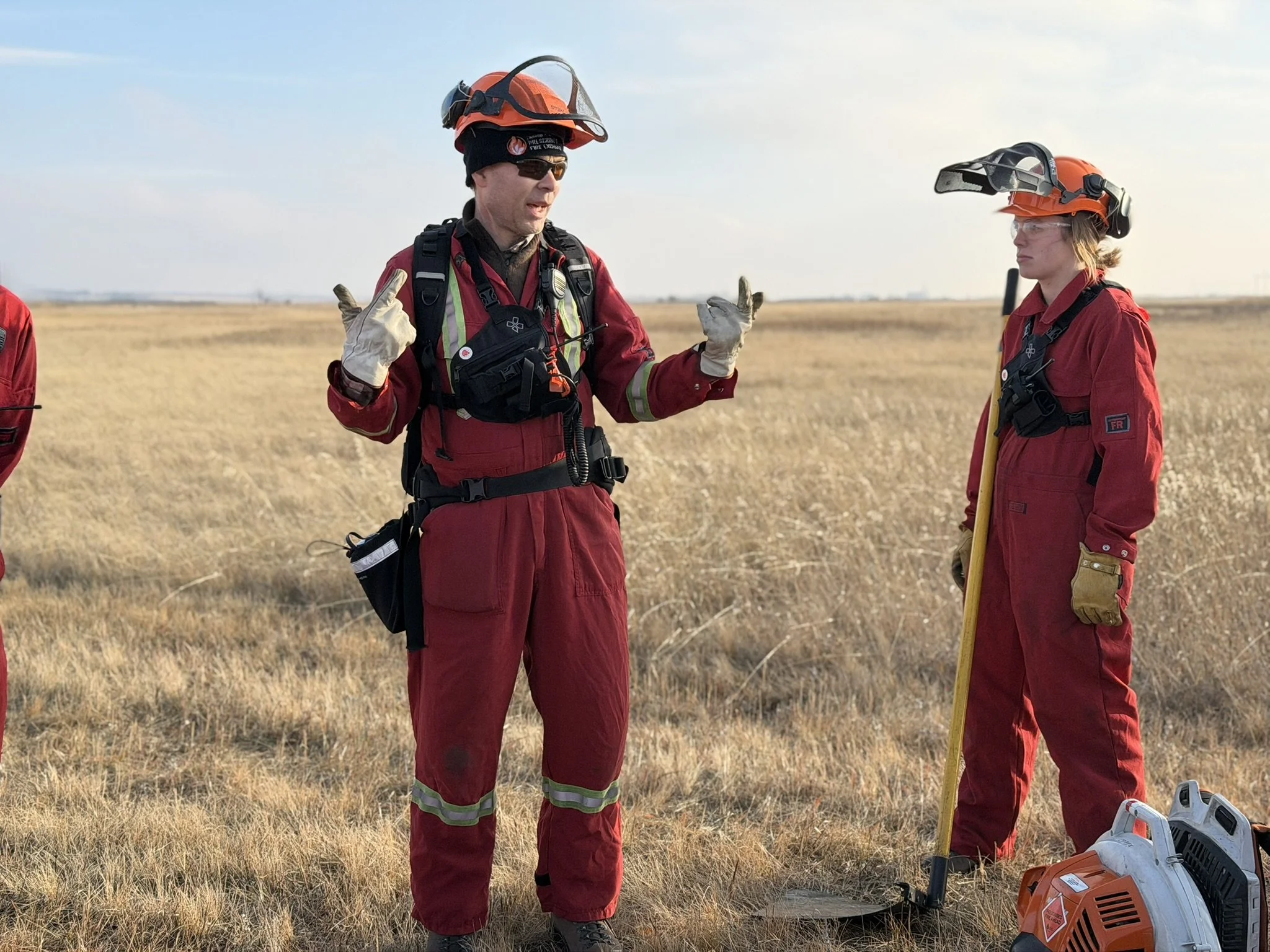
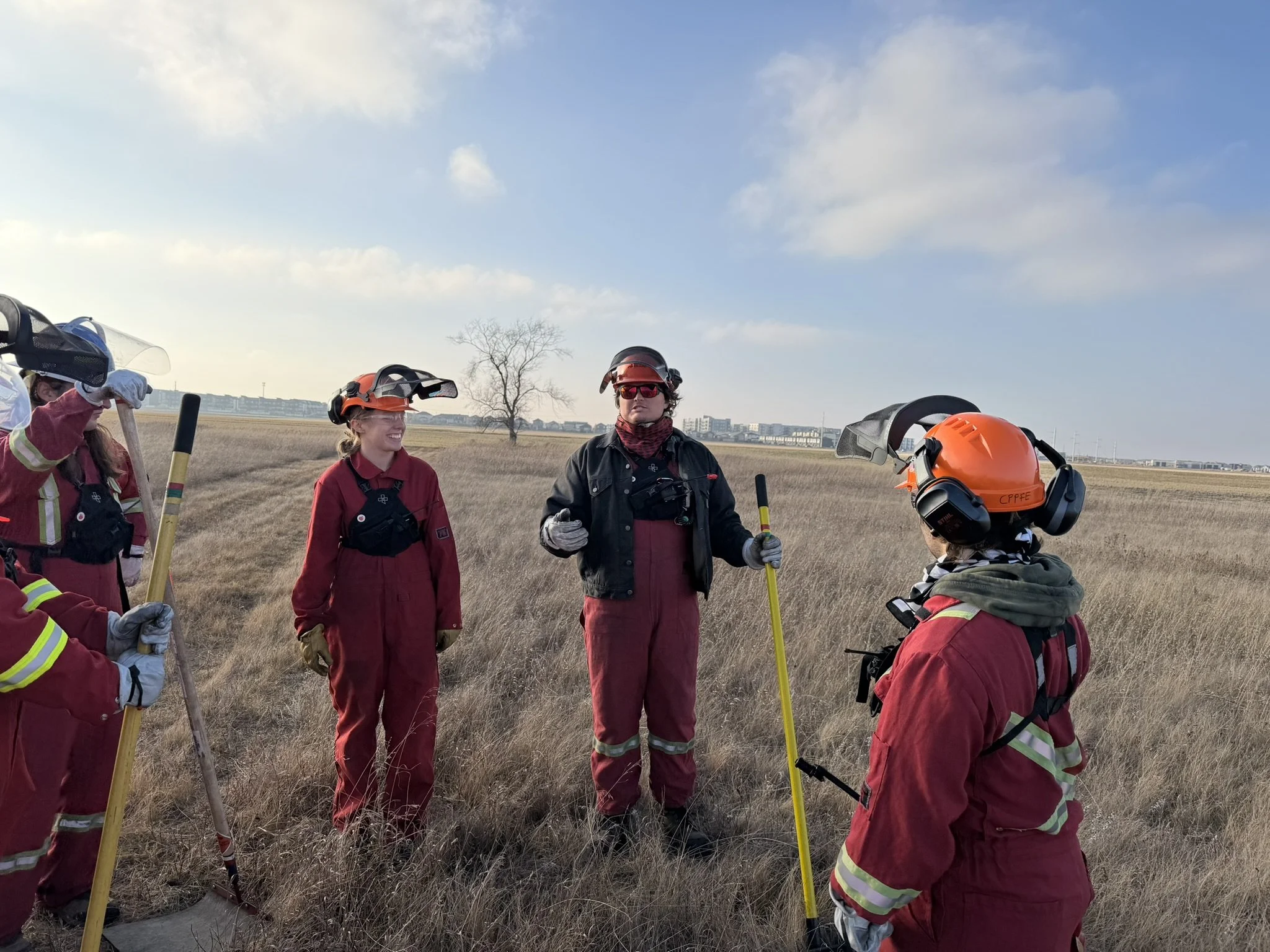
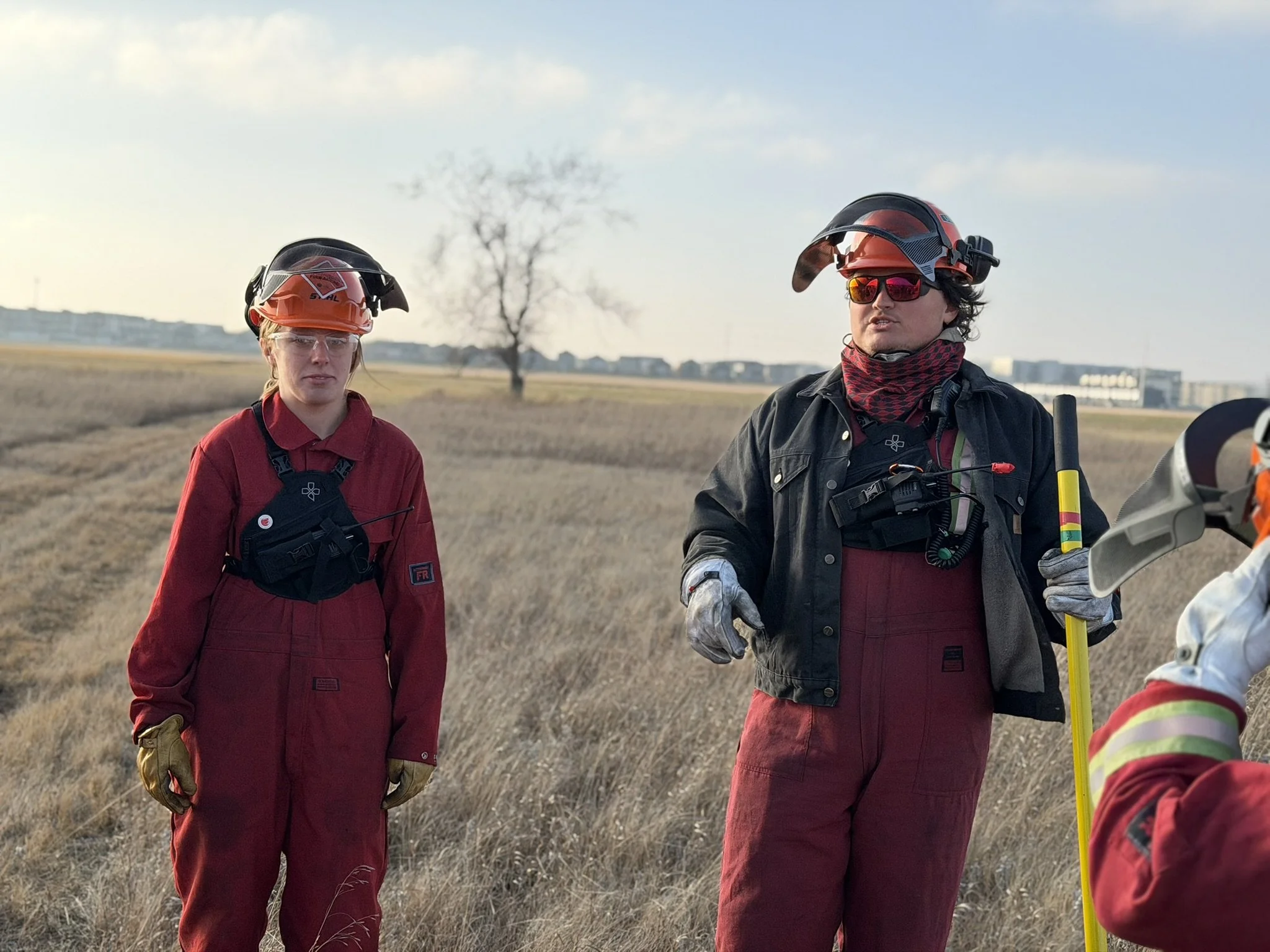
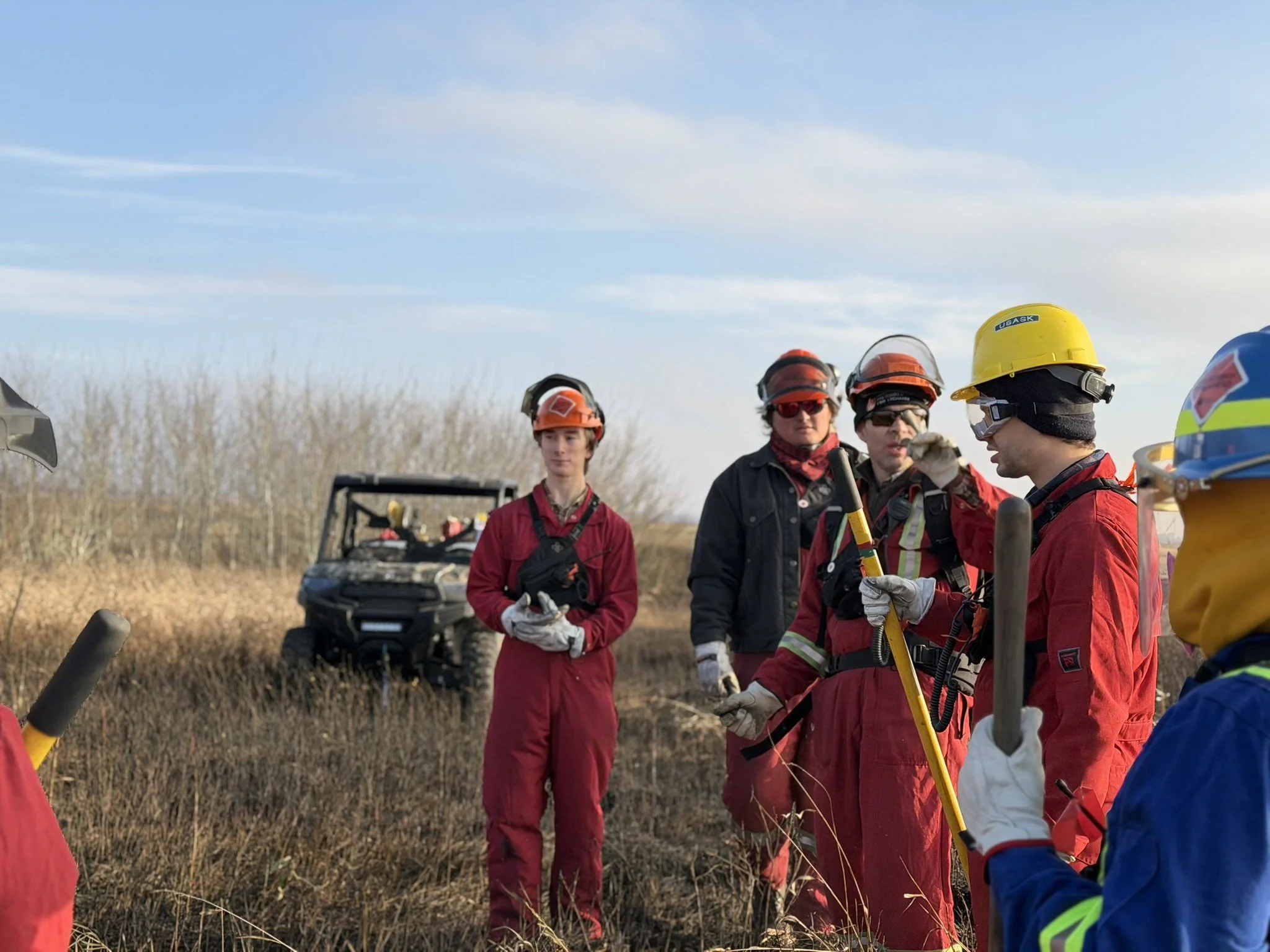
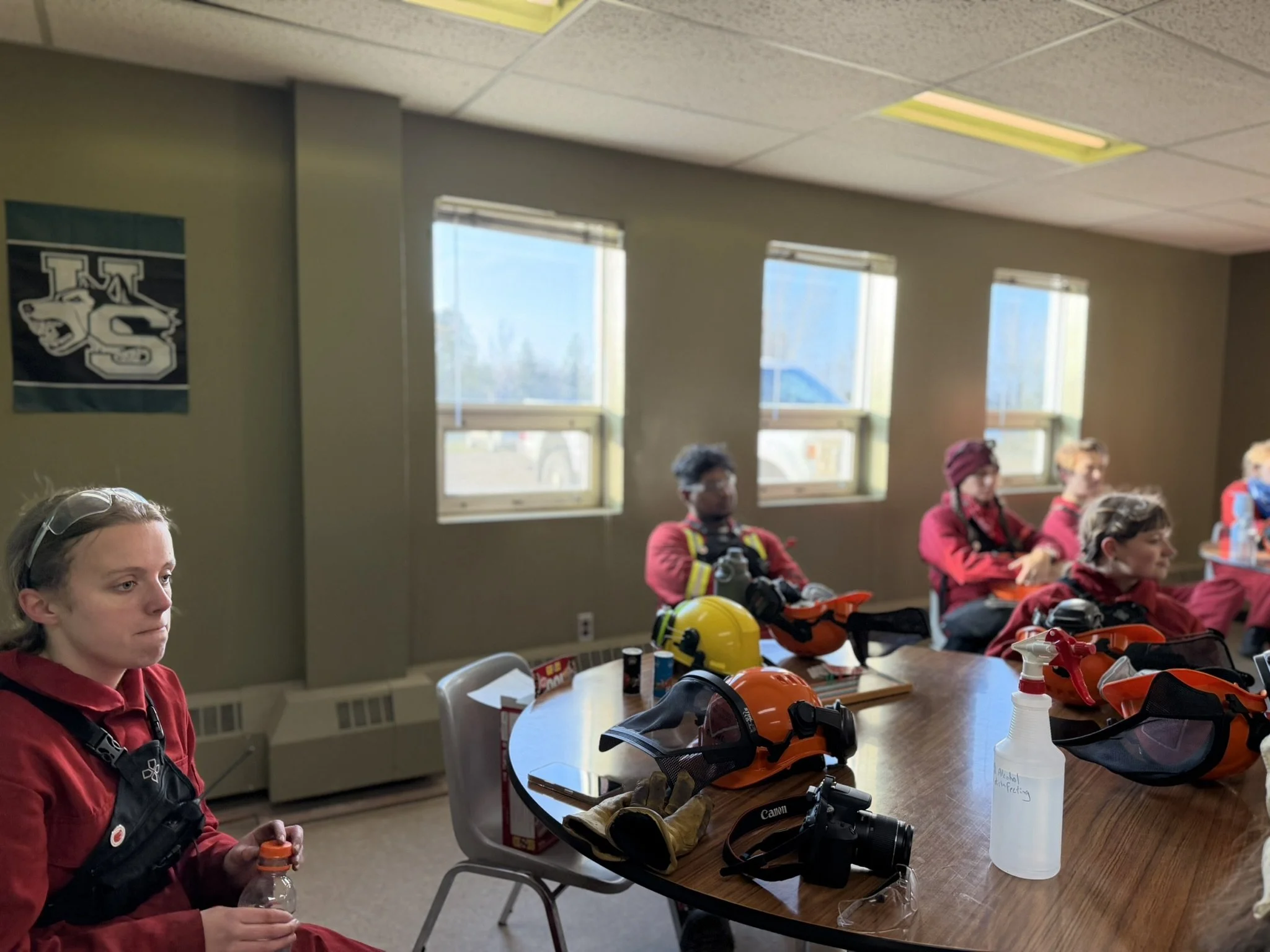
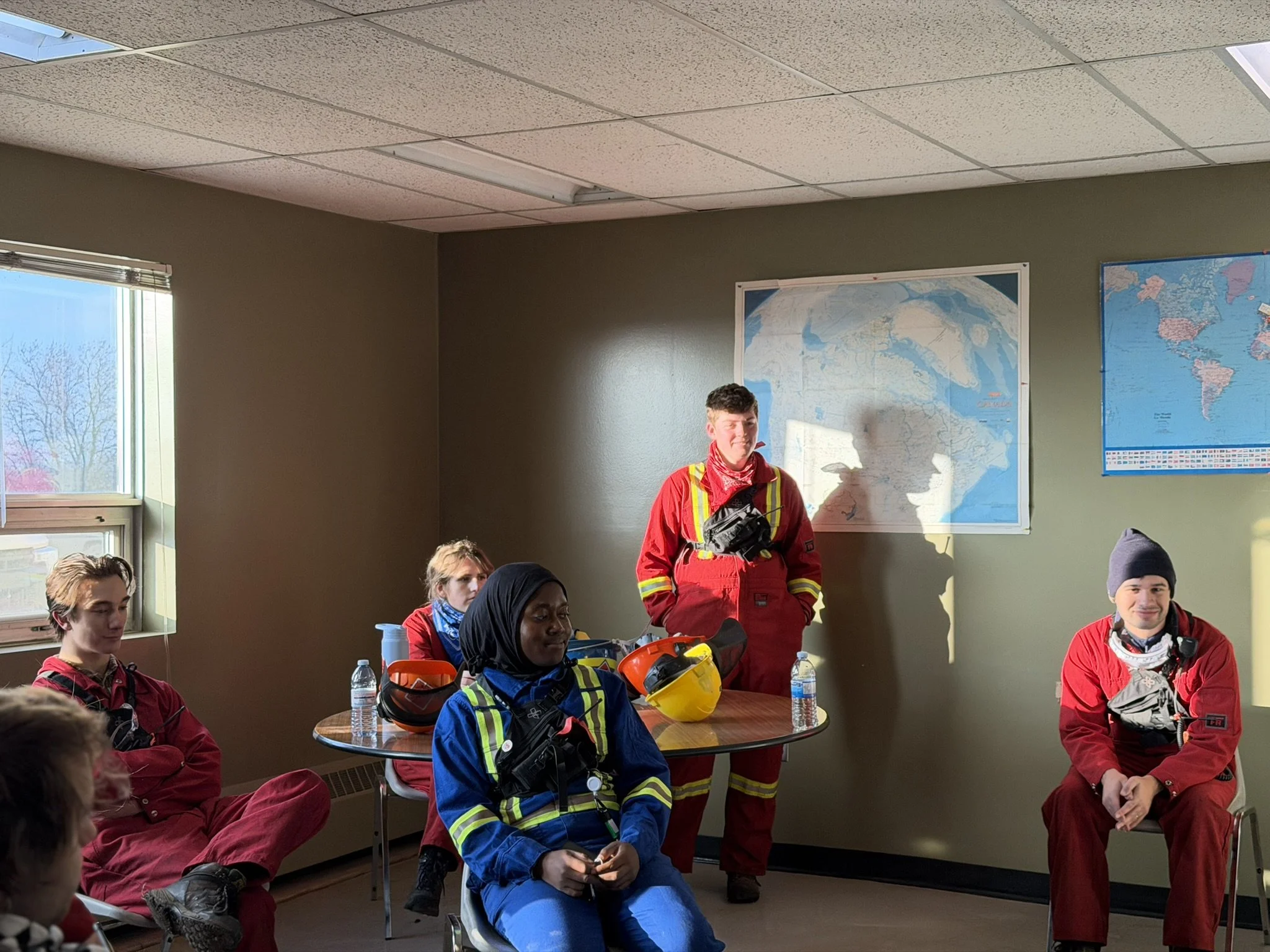
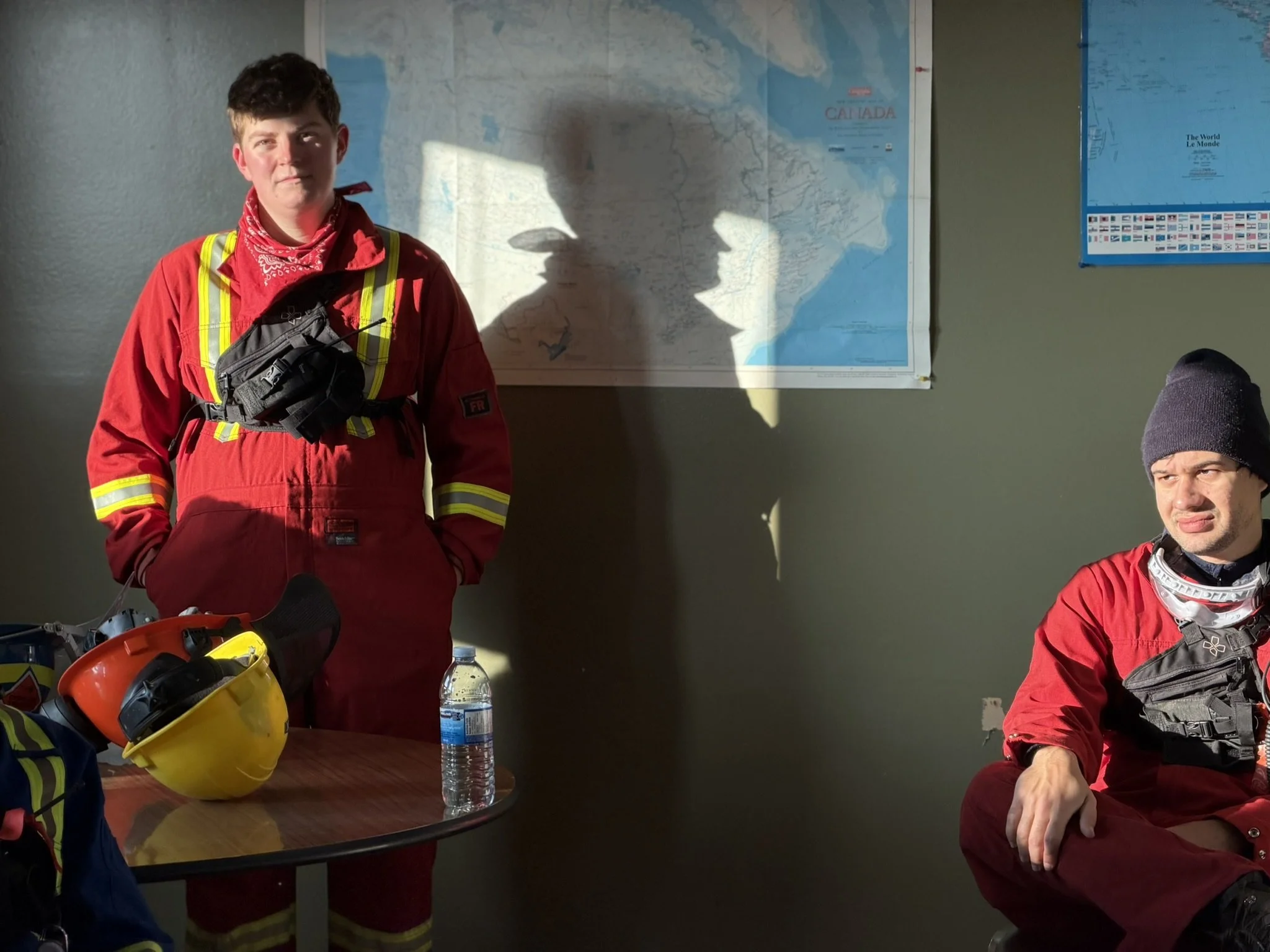
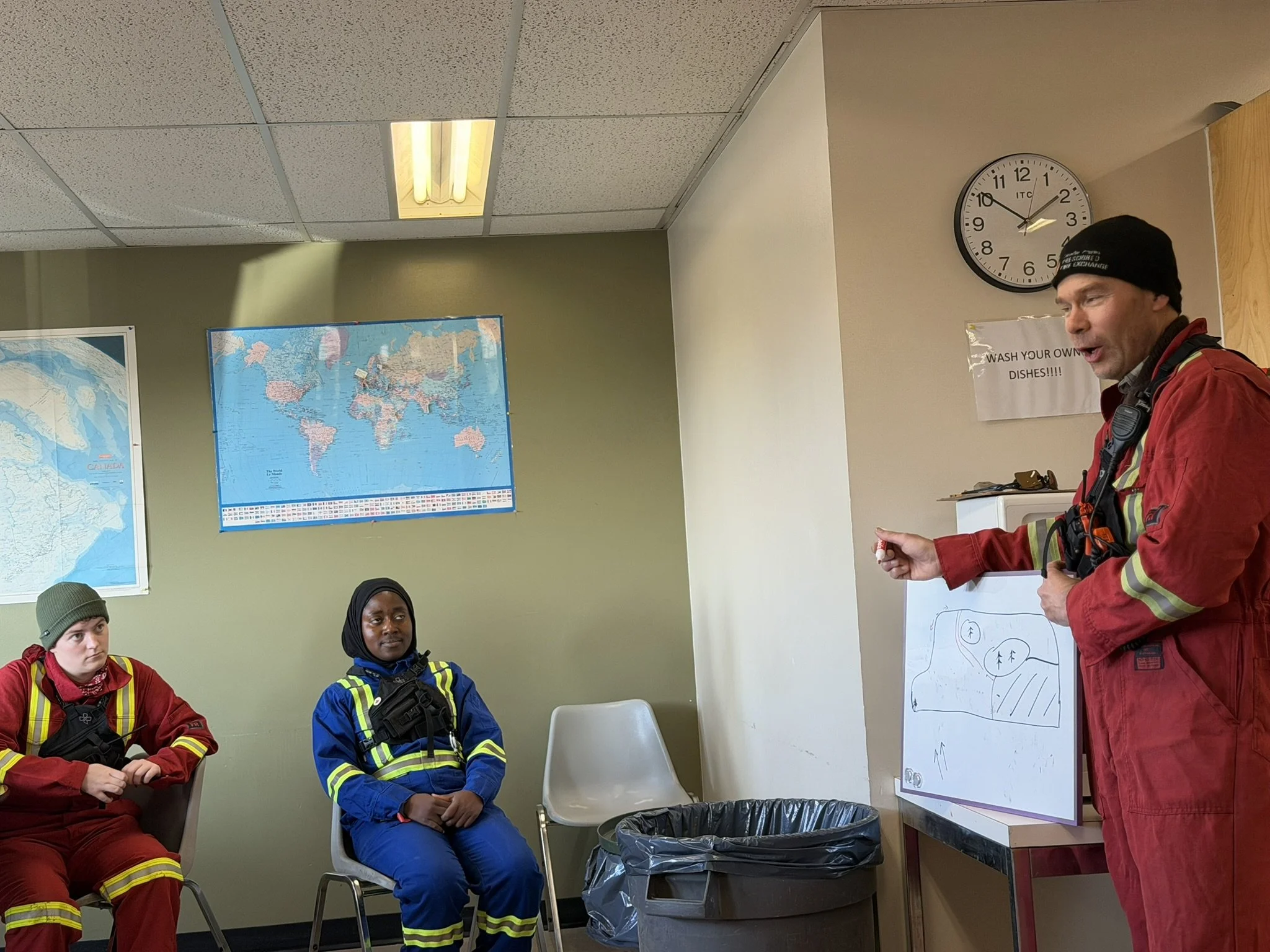
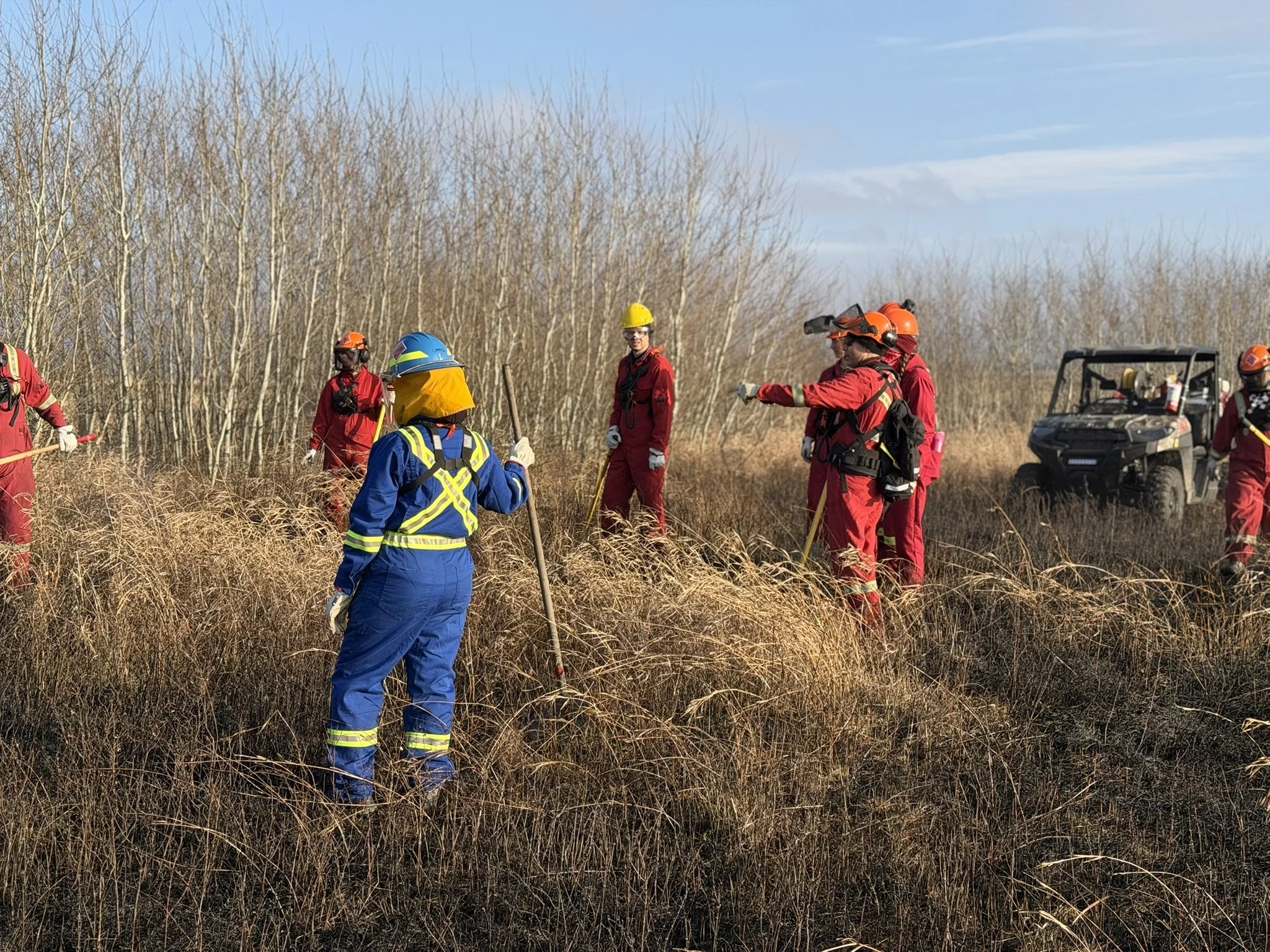
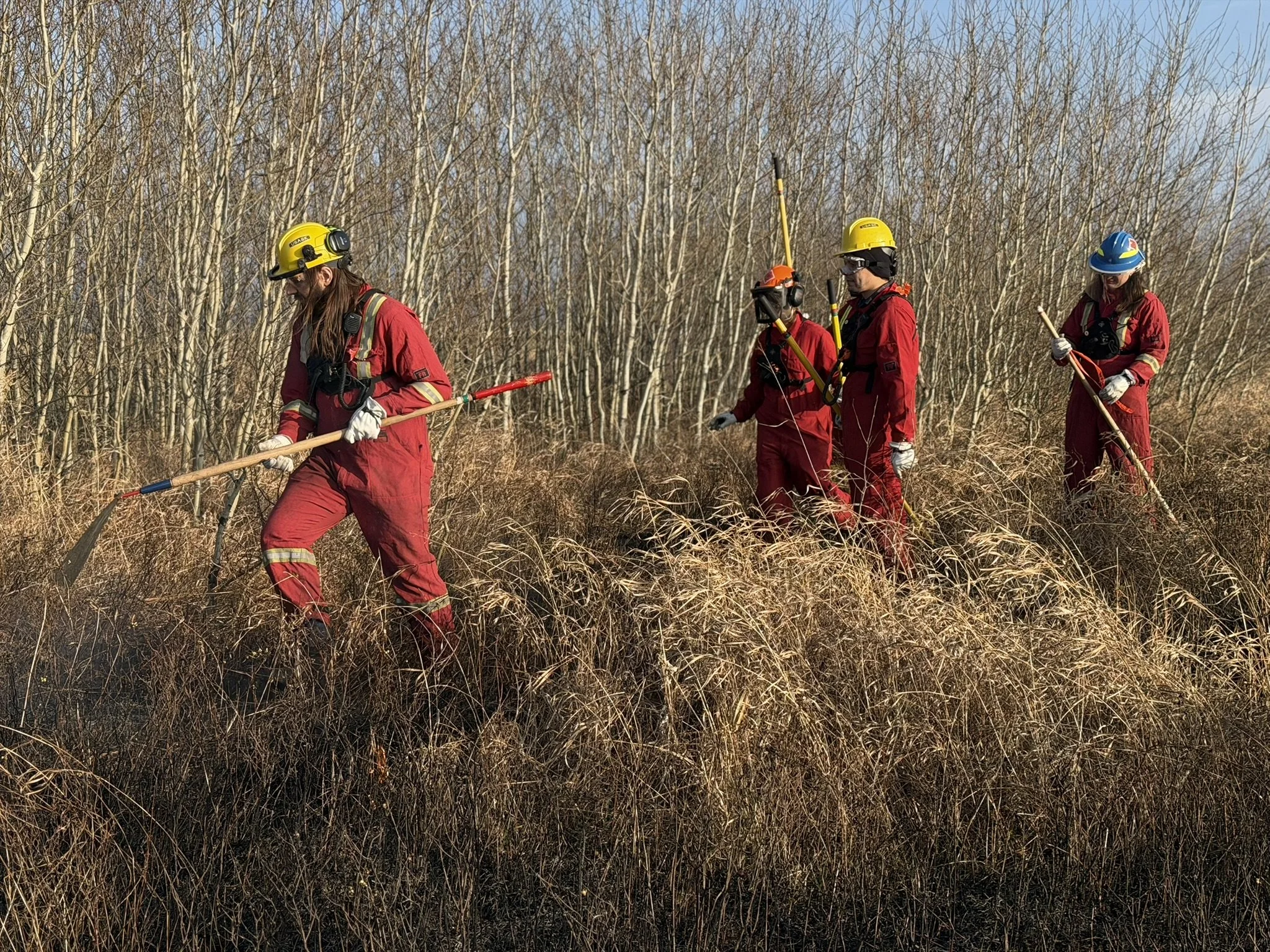
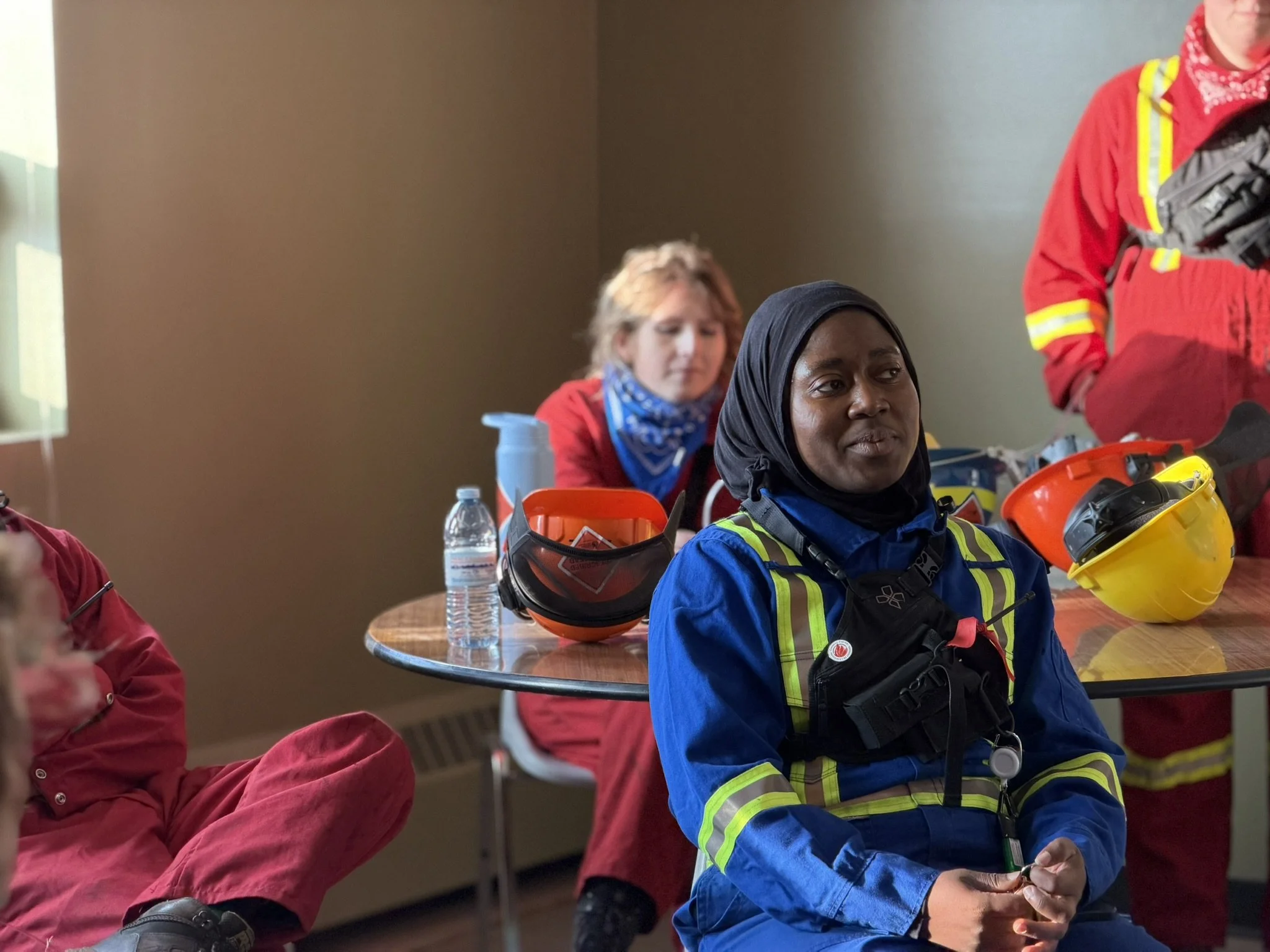
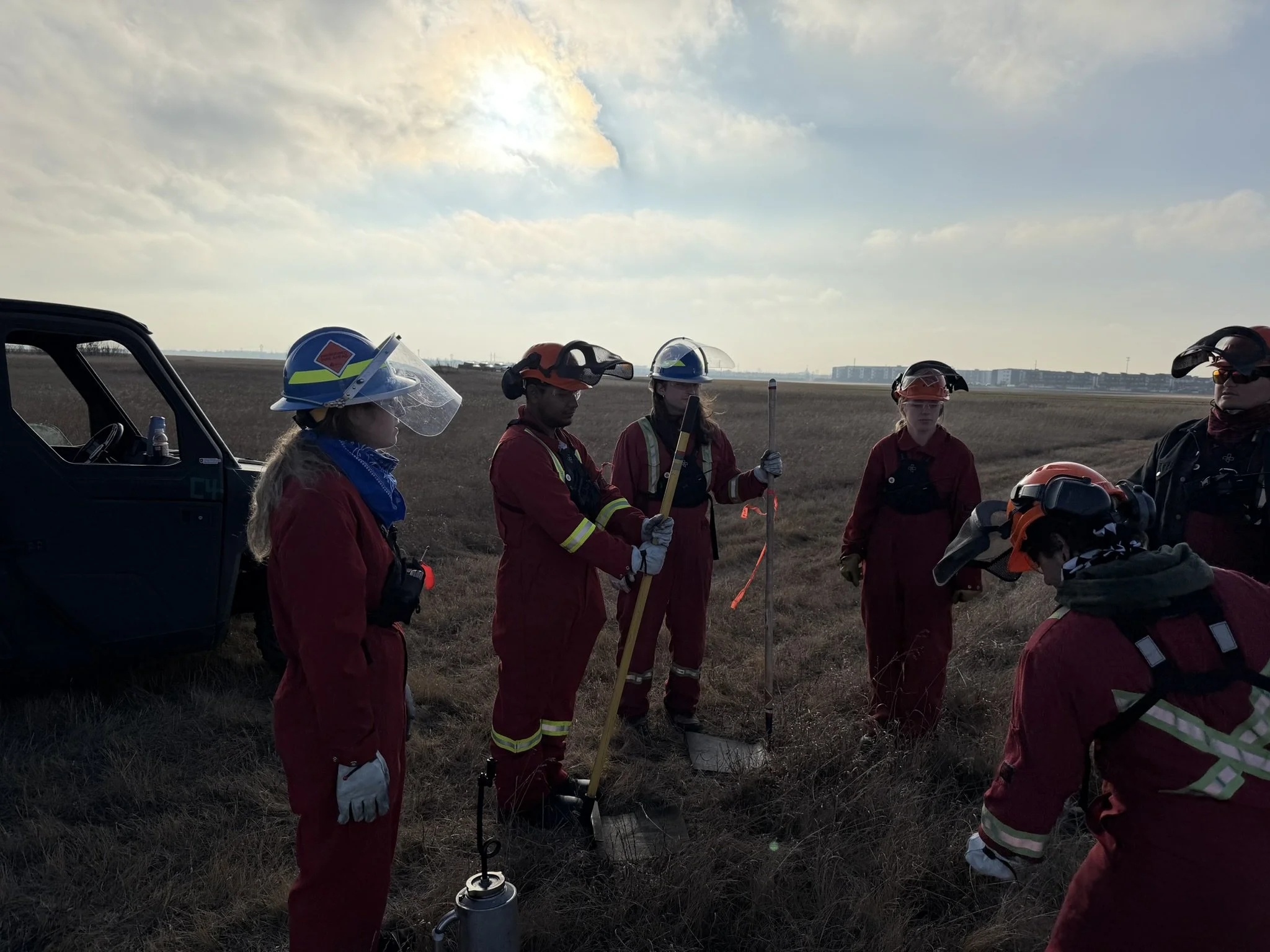
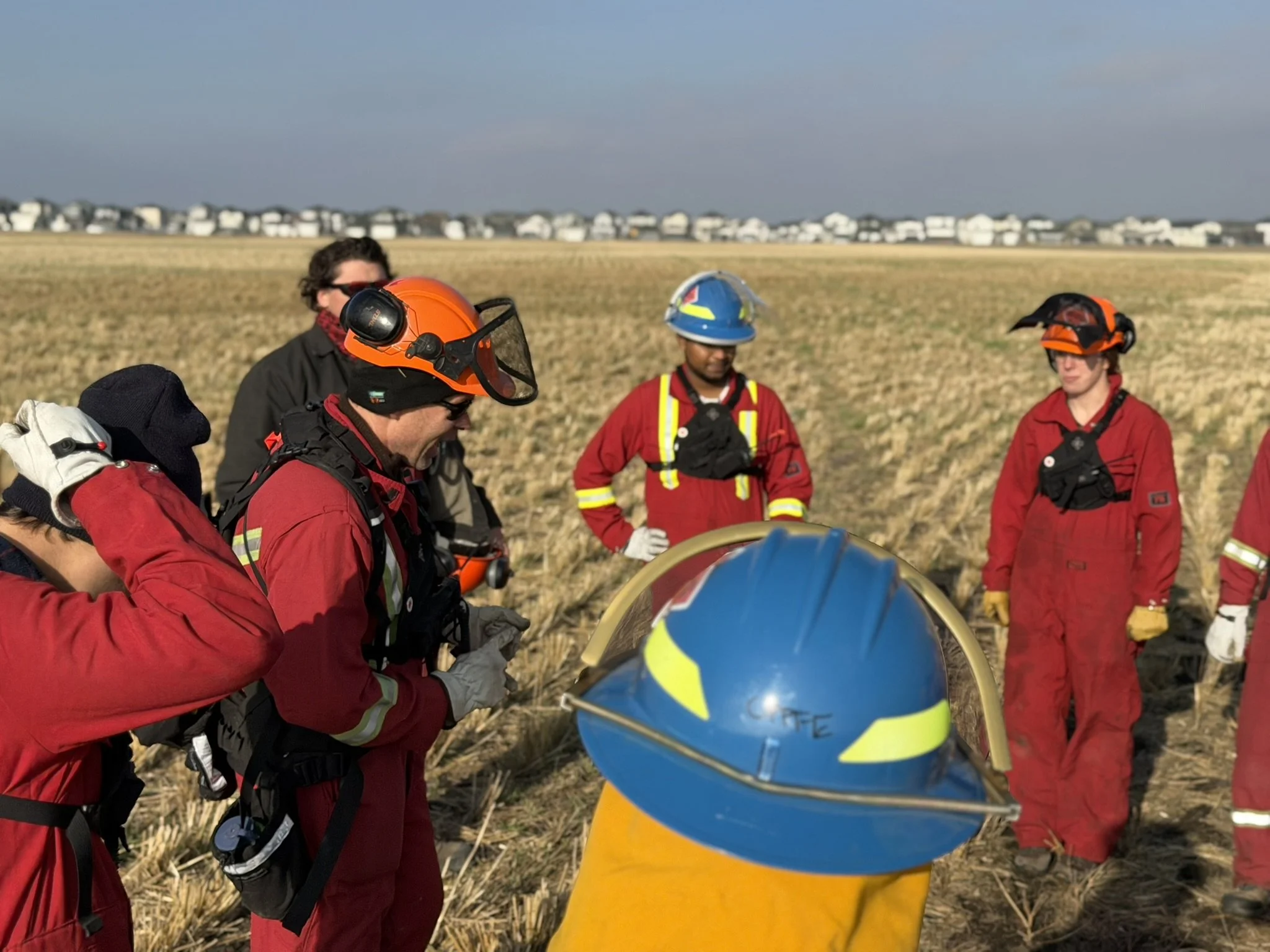
Dr. Lamb shares the prescribed fire strategy with the students during the pre-activity briefing.
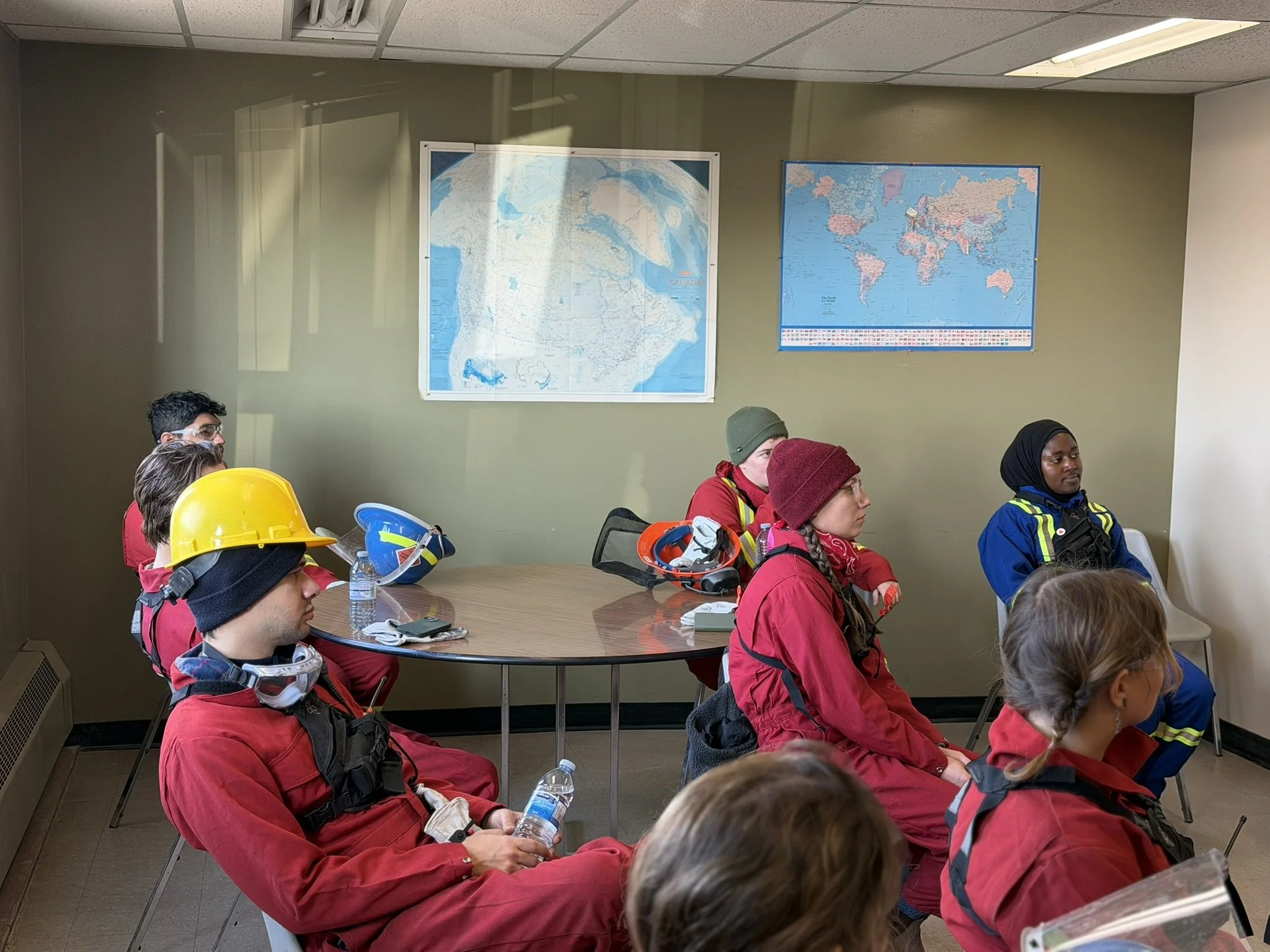
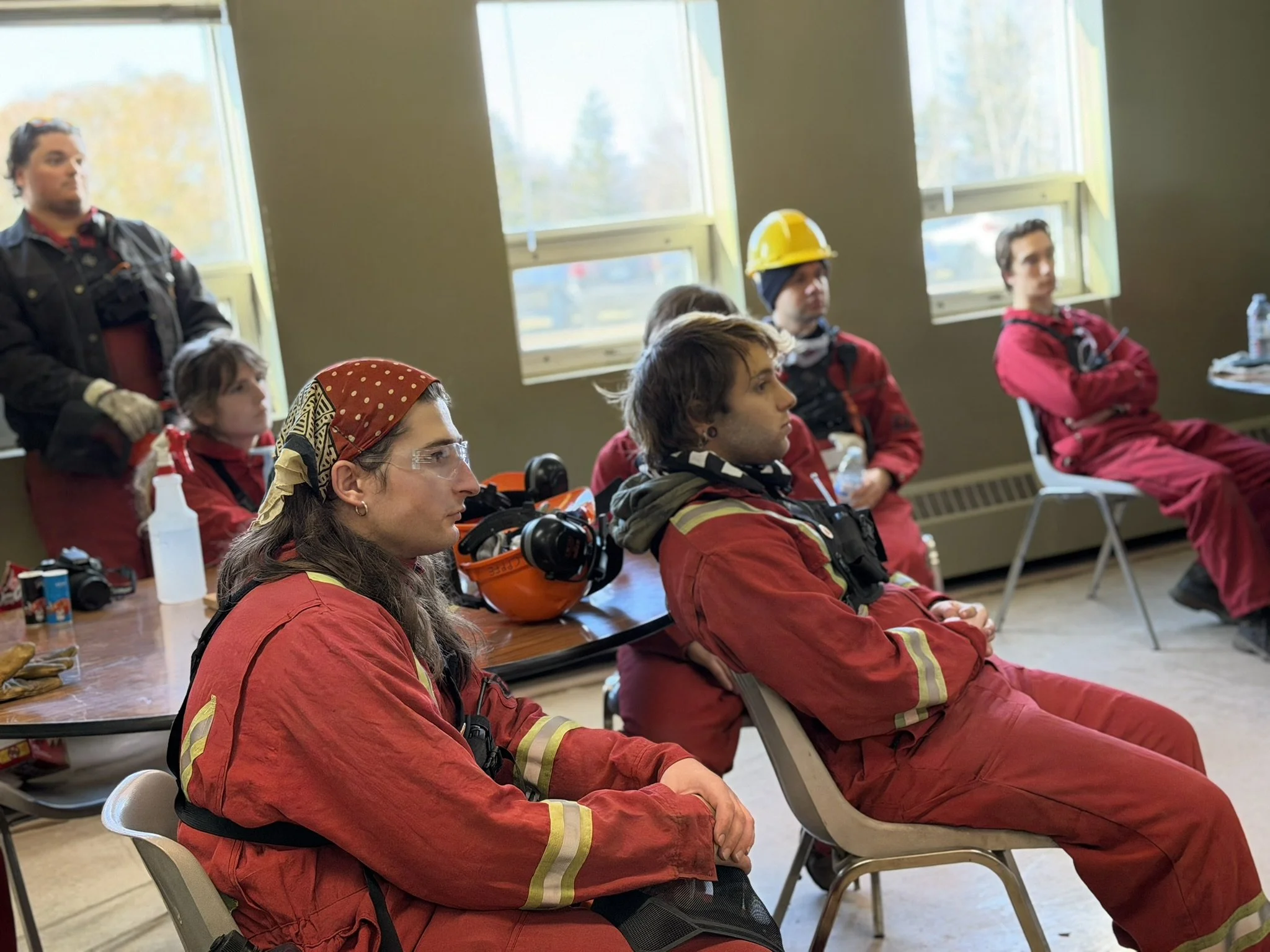
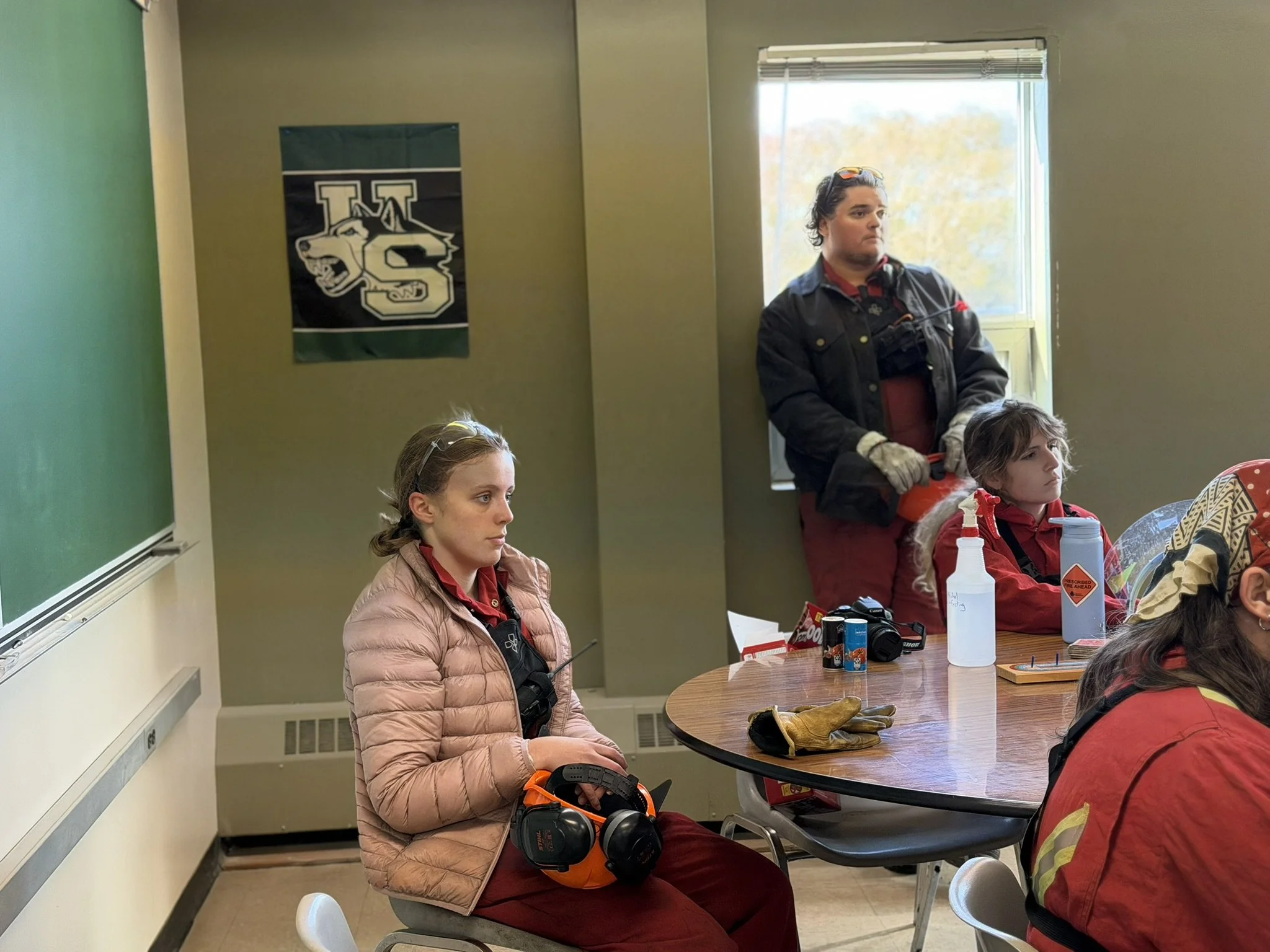
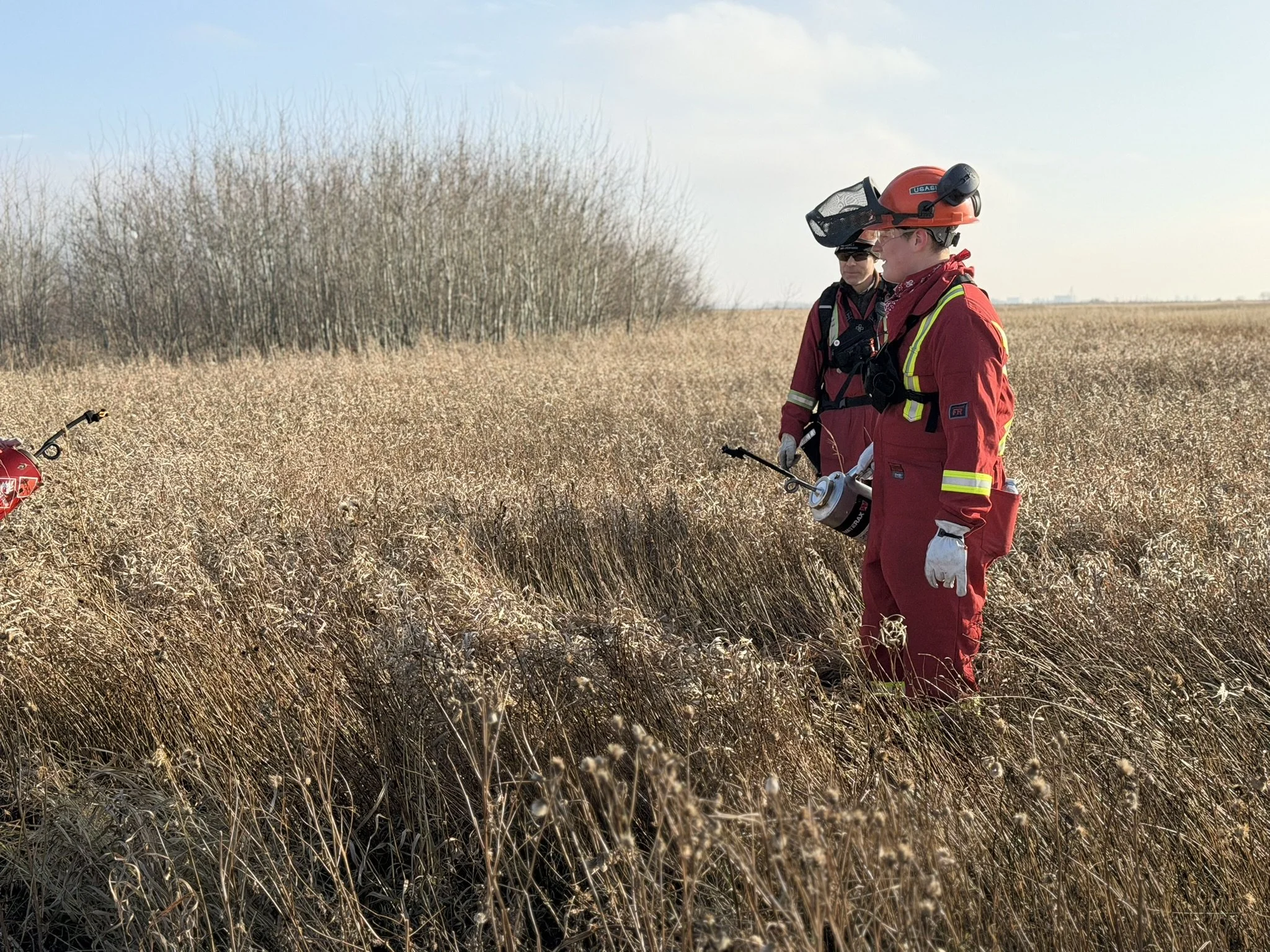
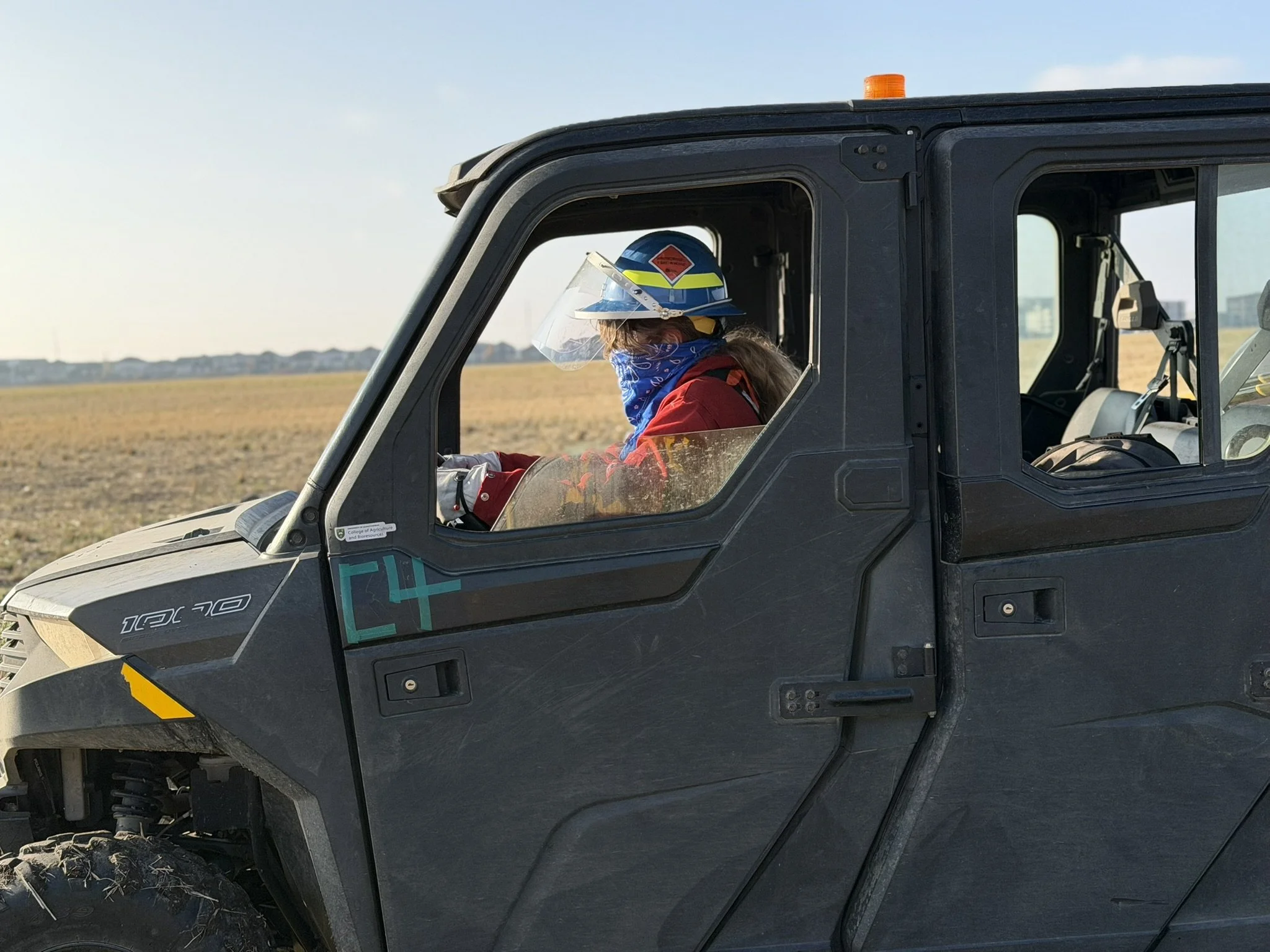
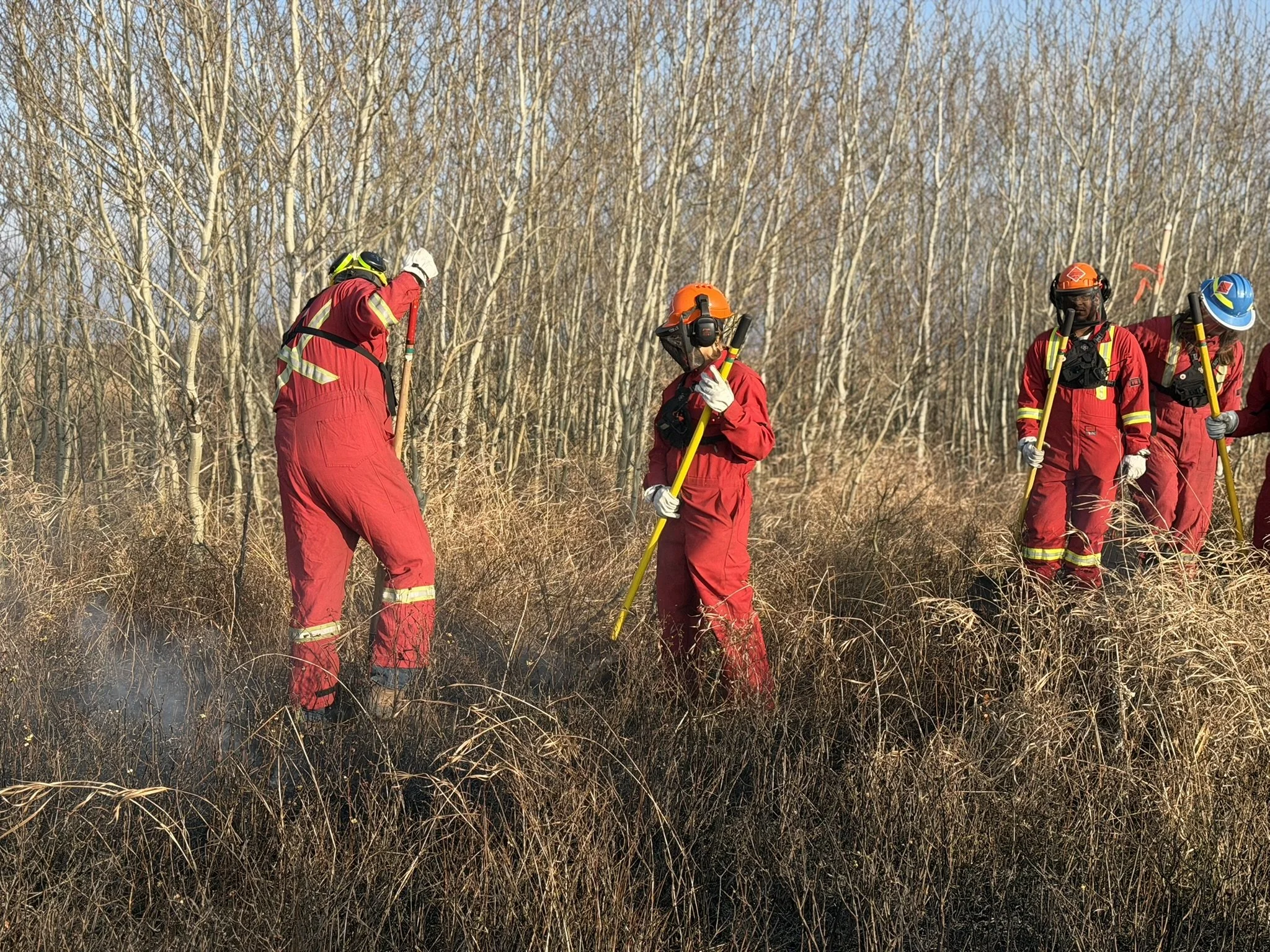
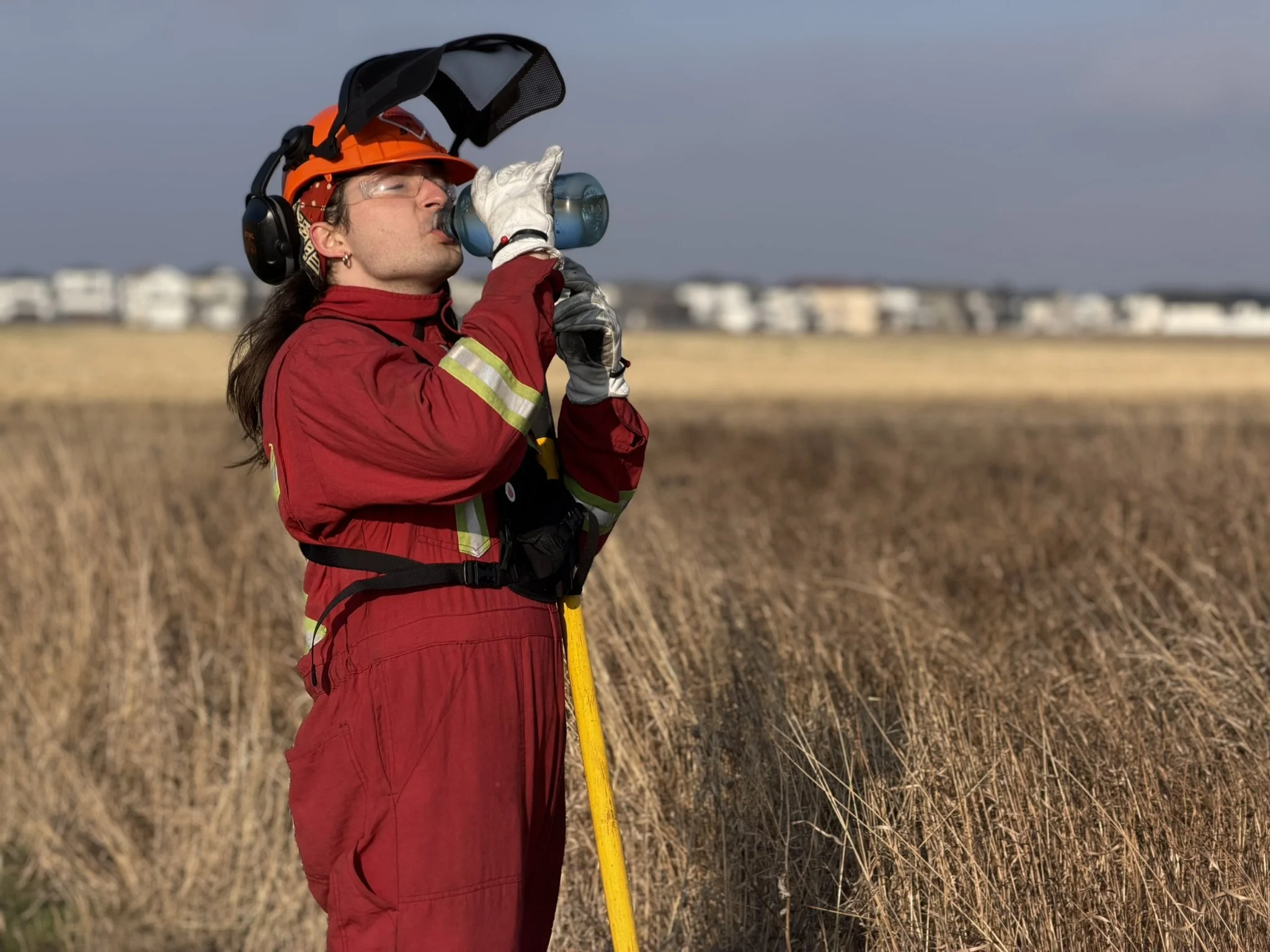
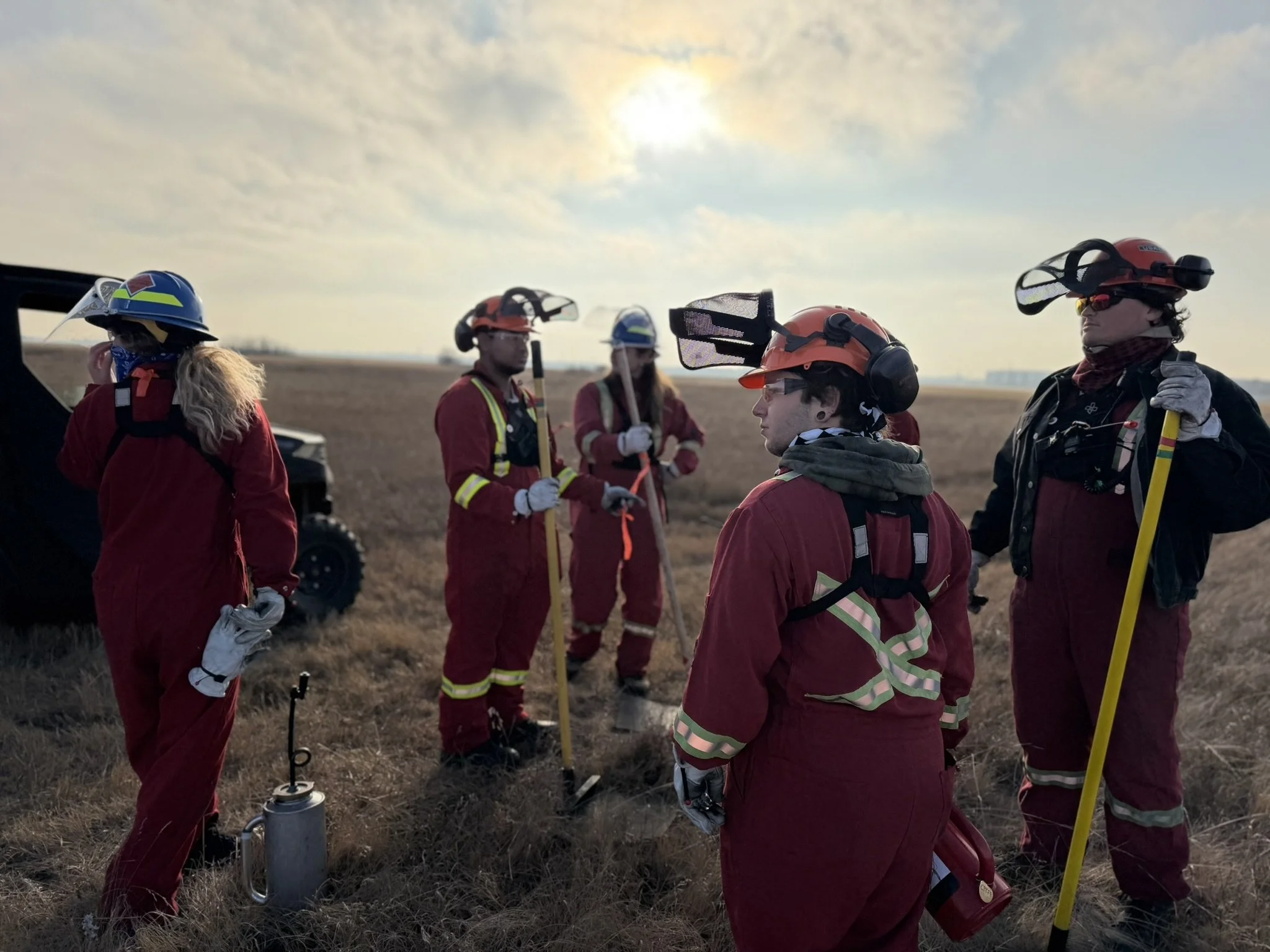
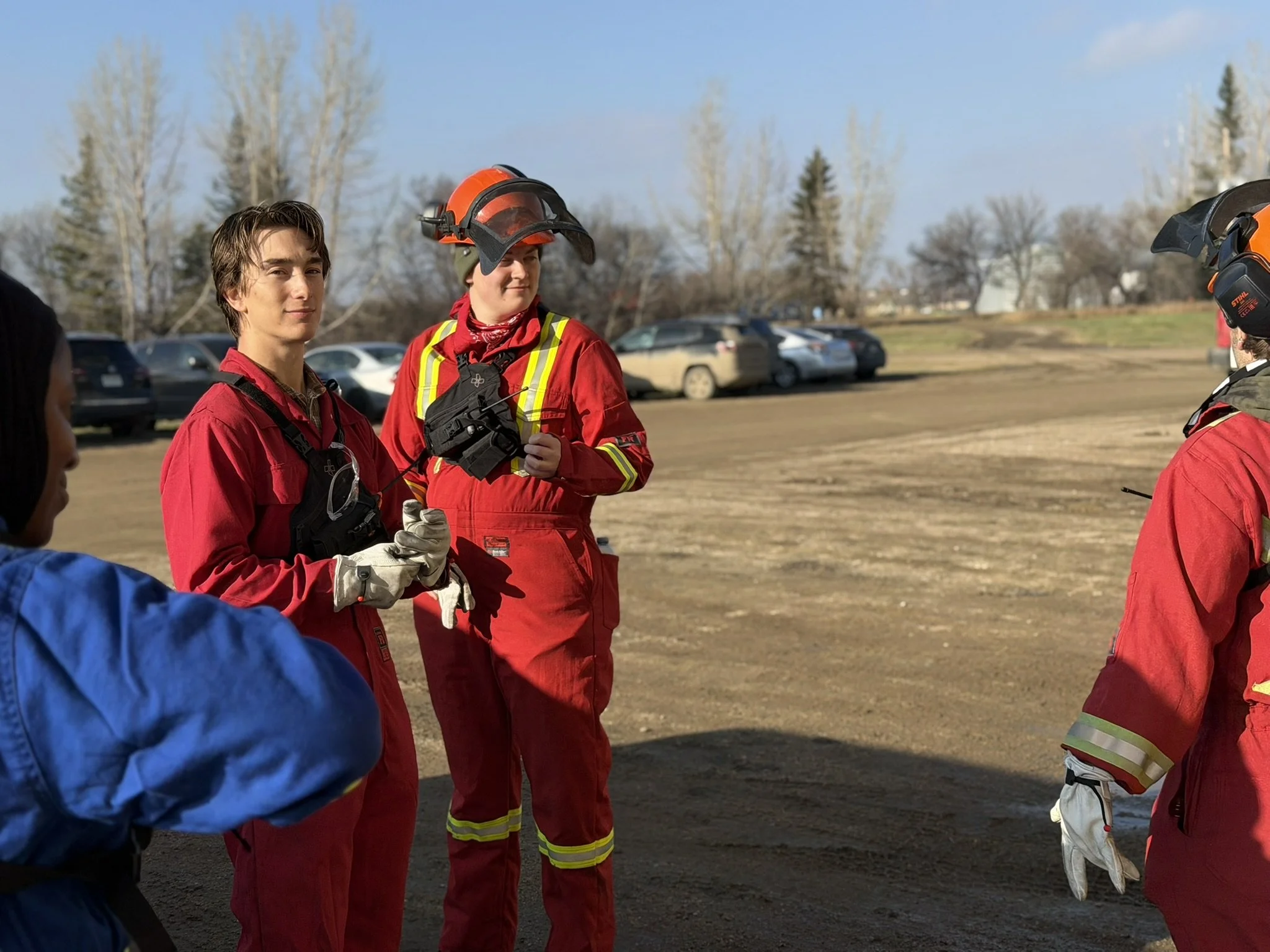
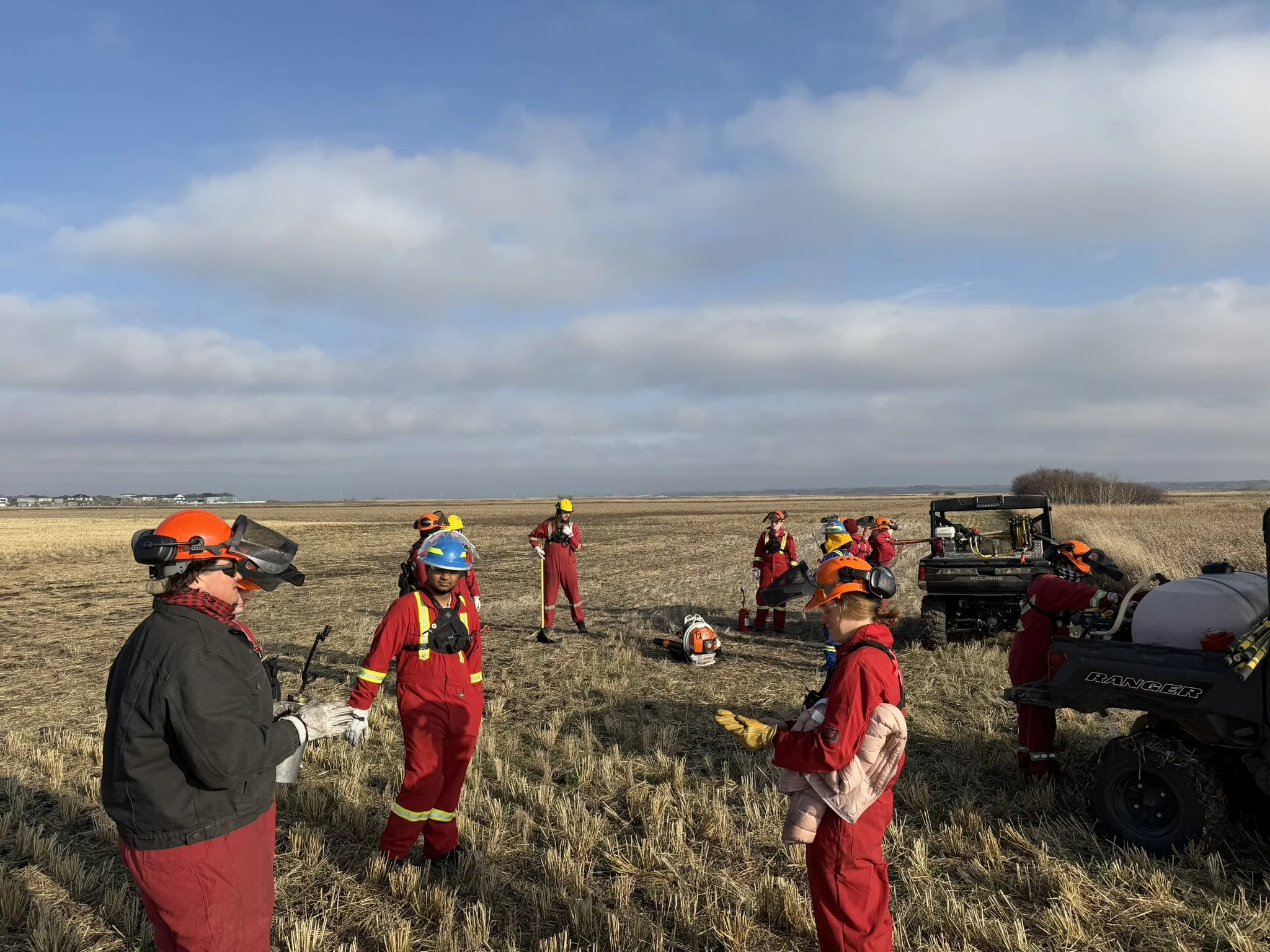
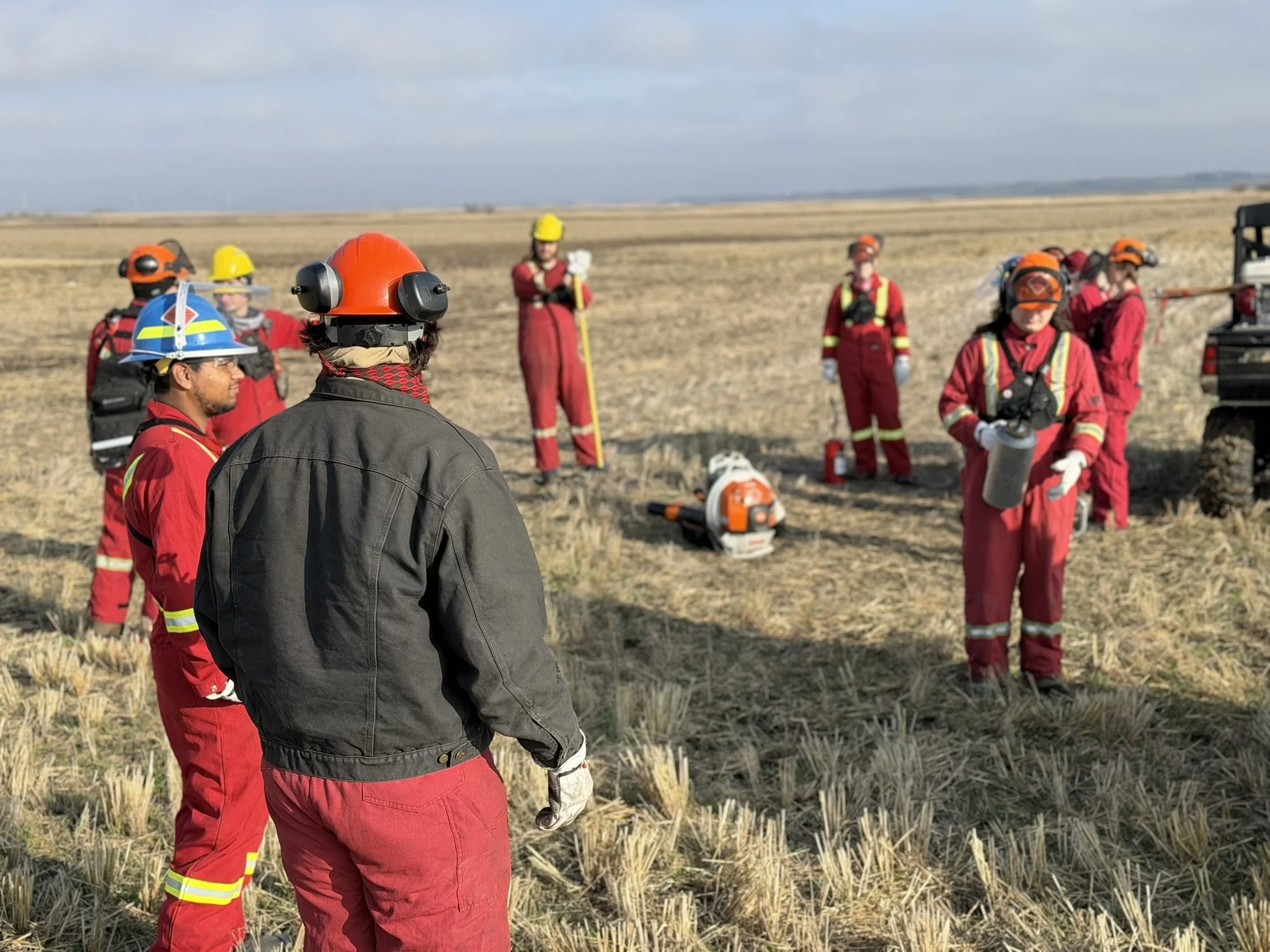
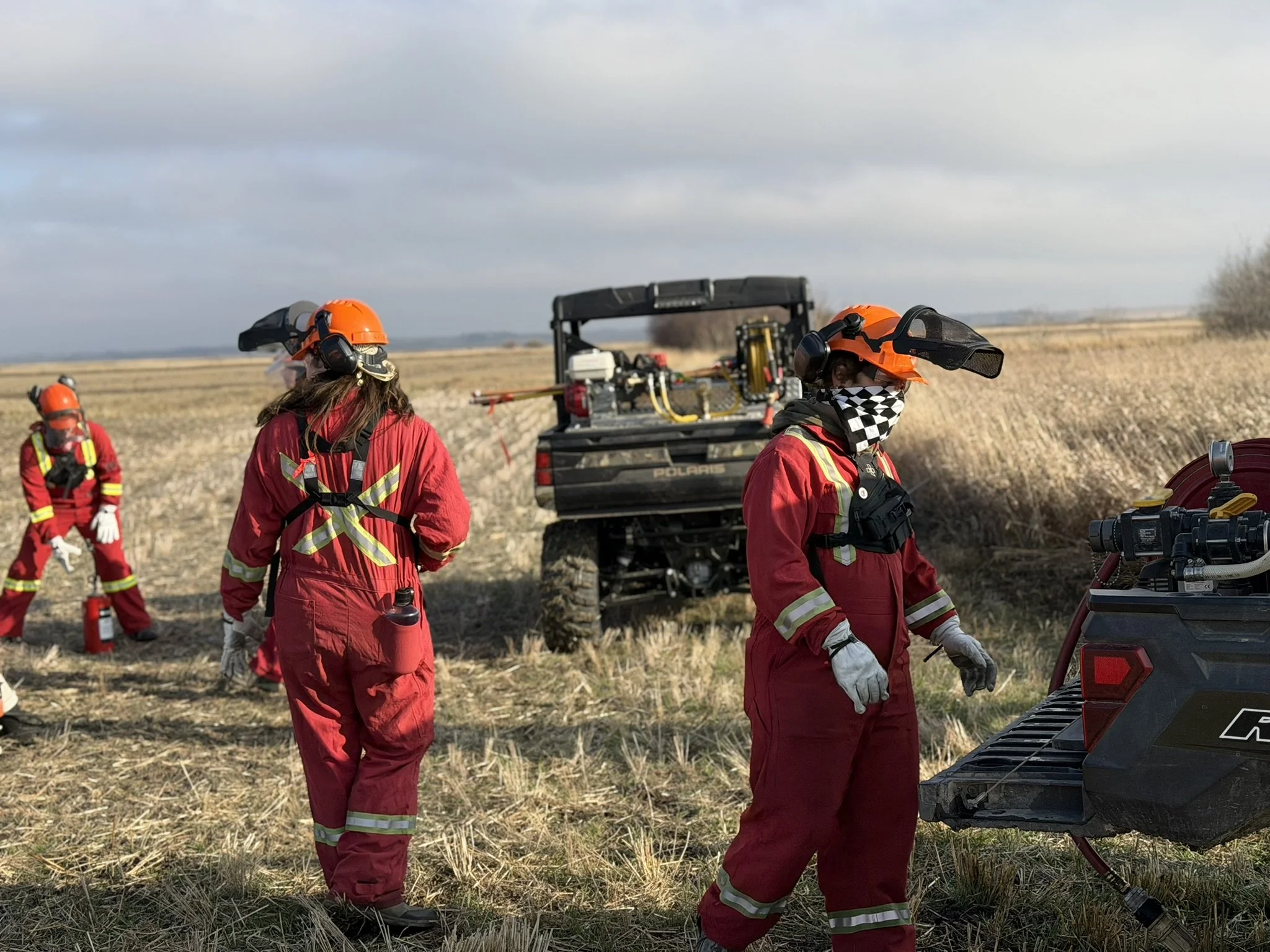
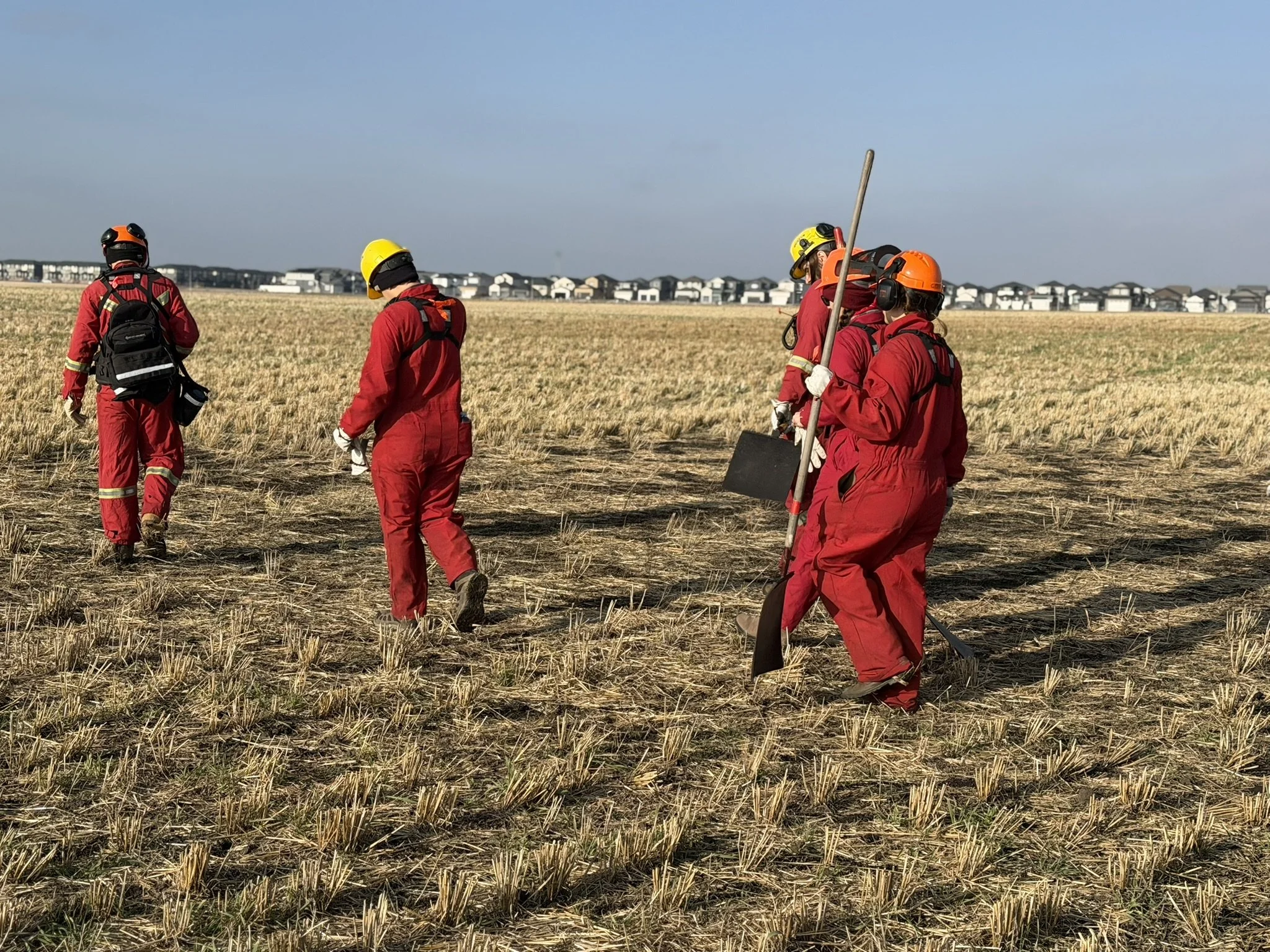
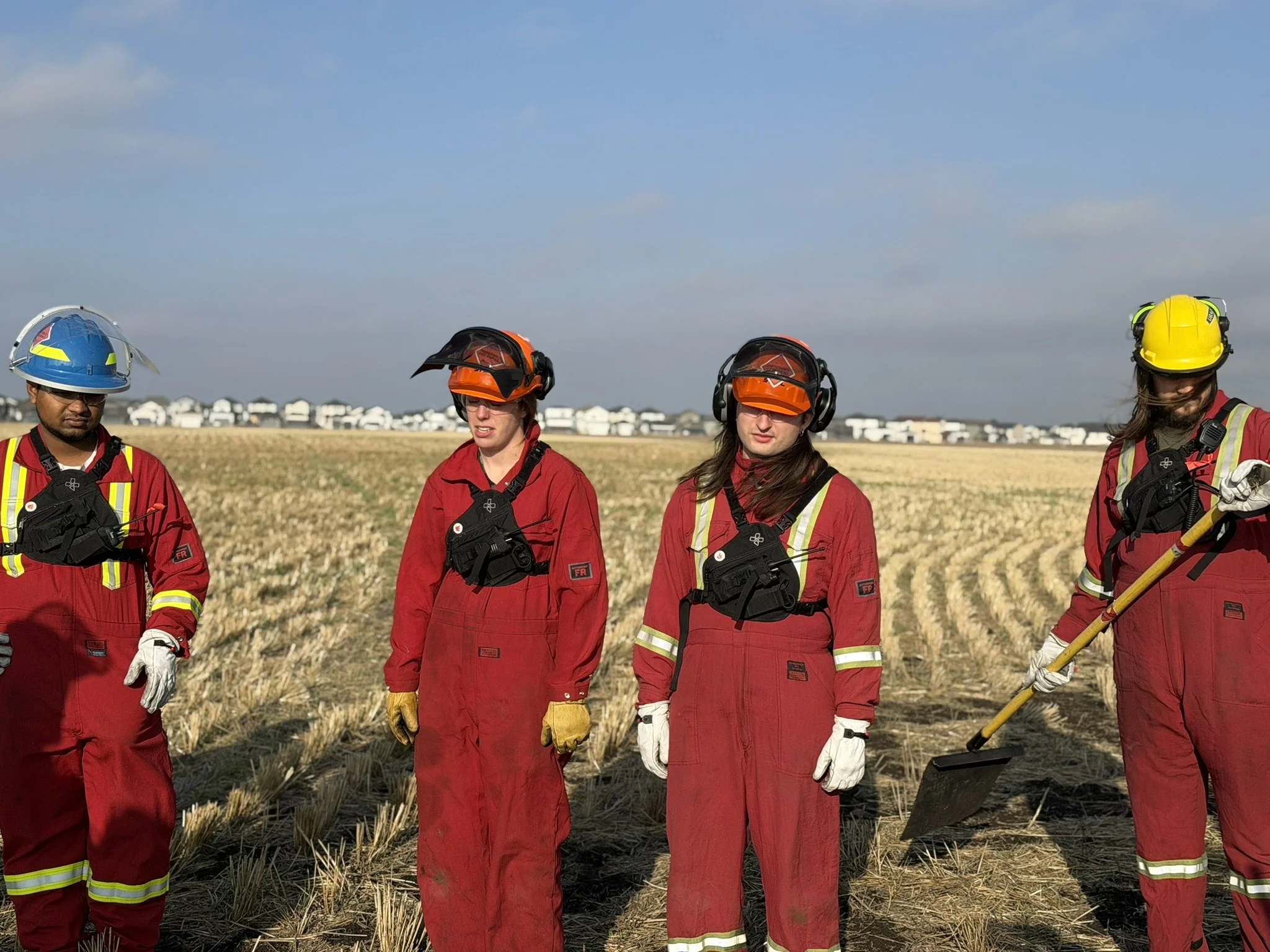
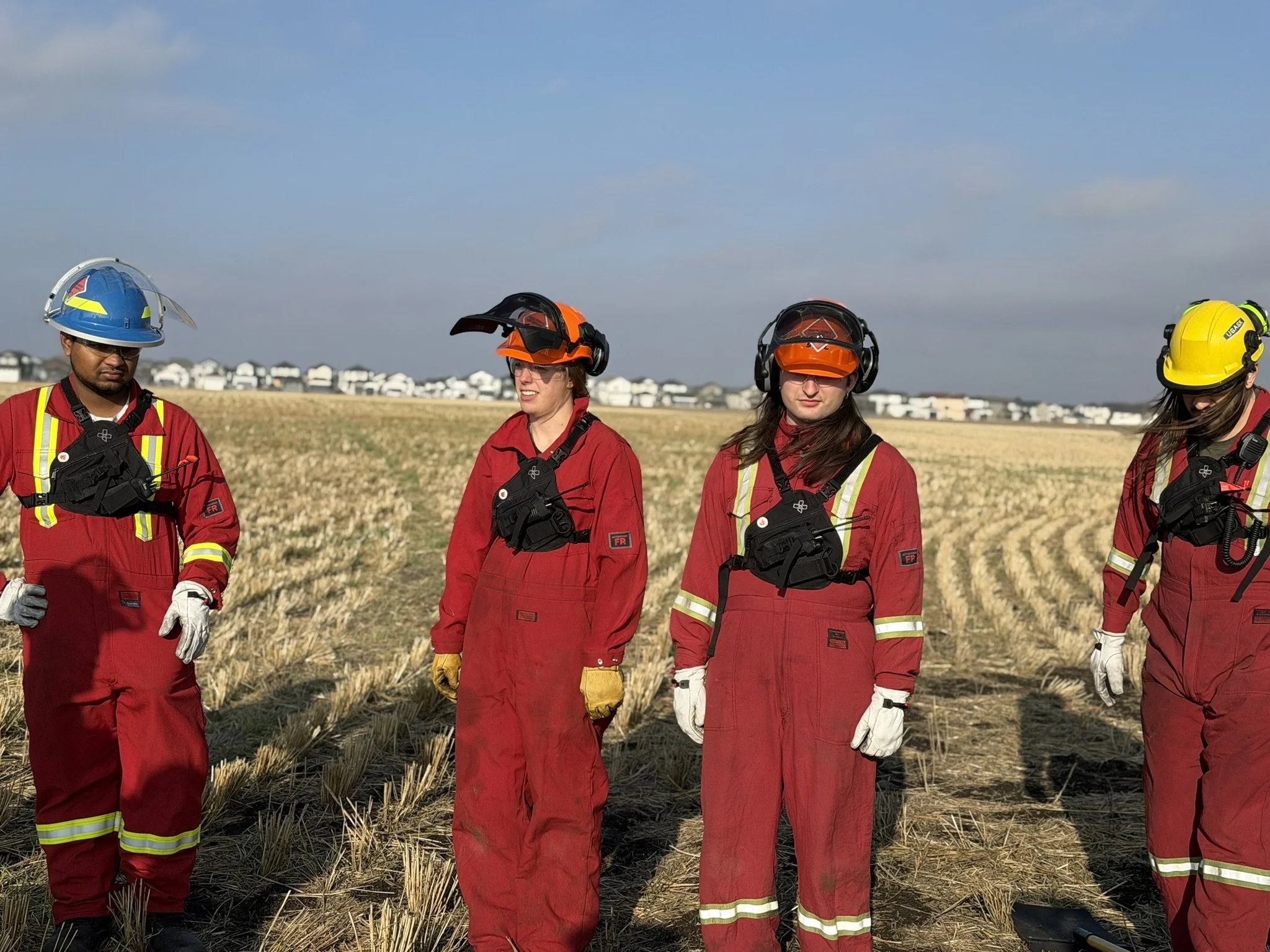
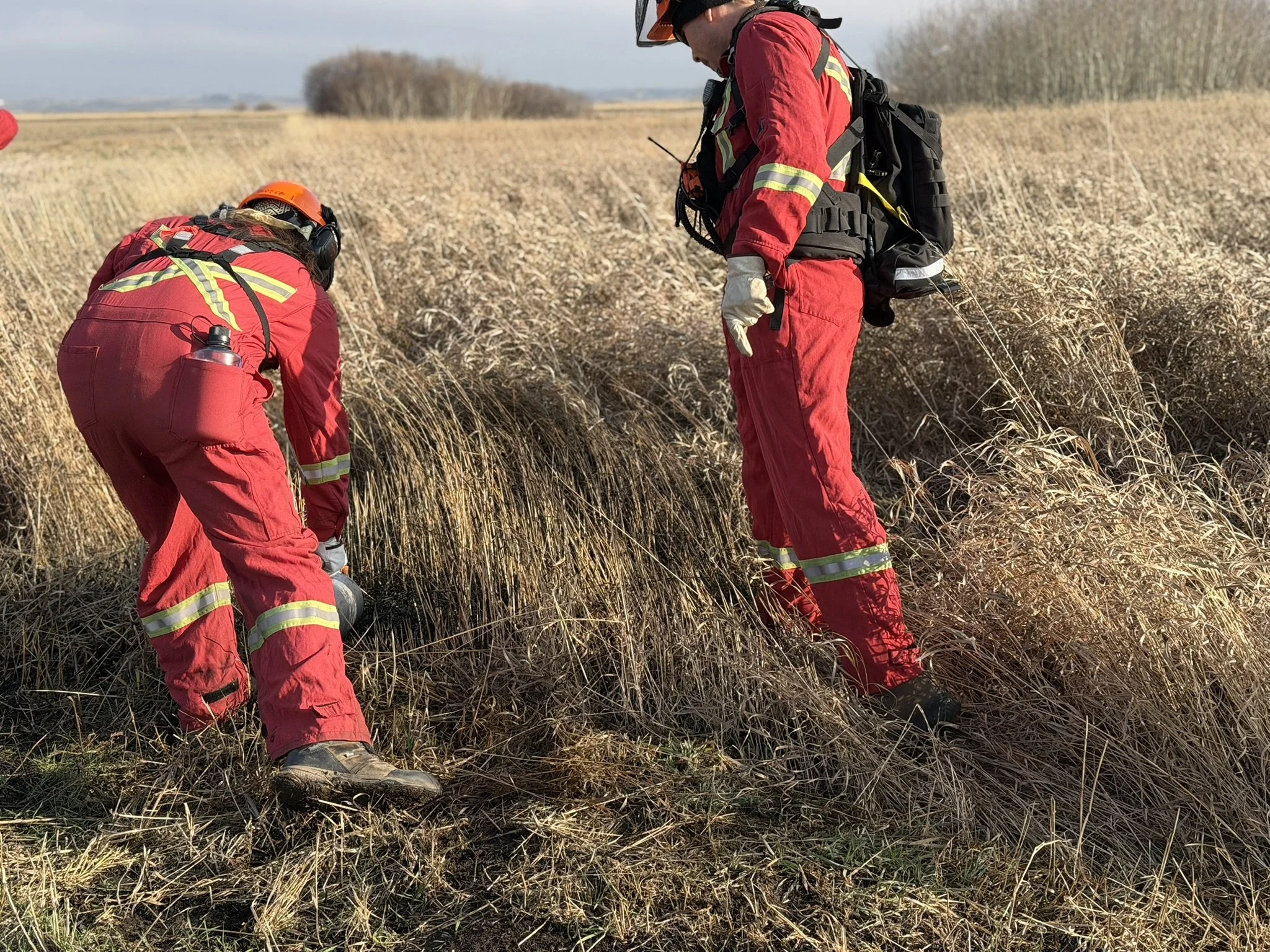
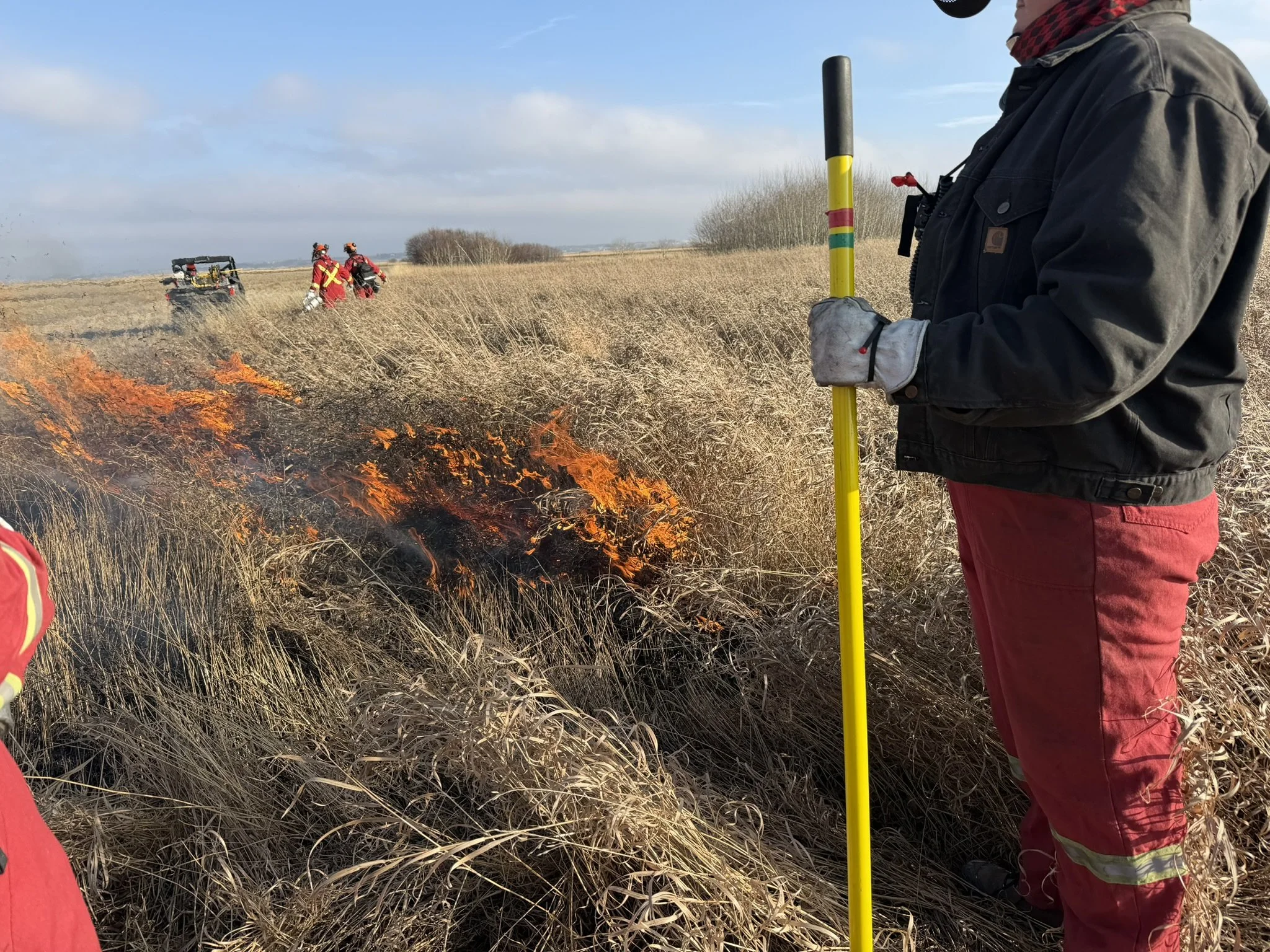
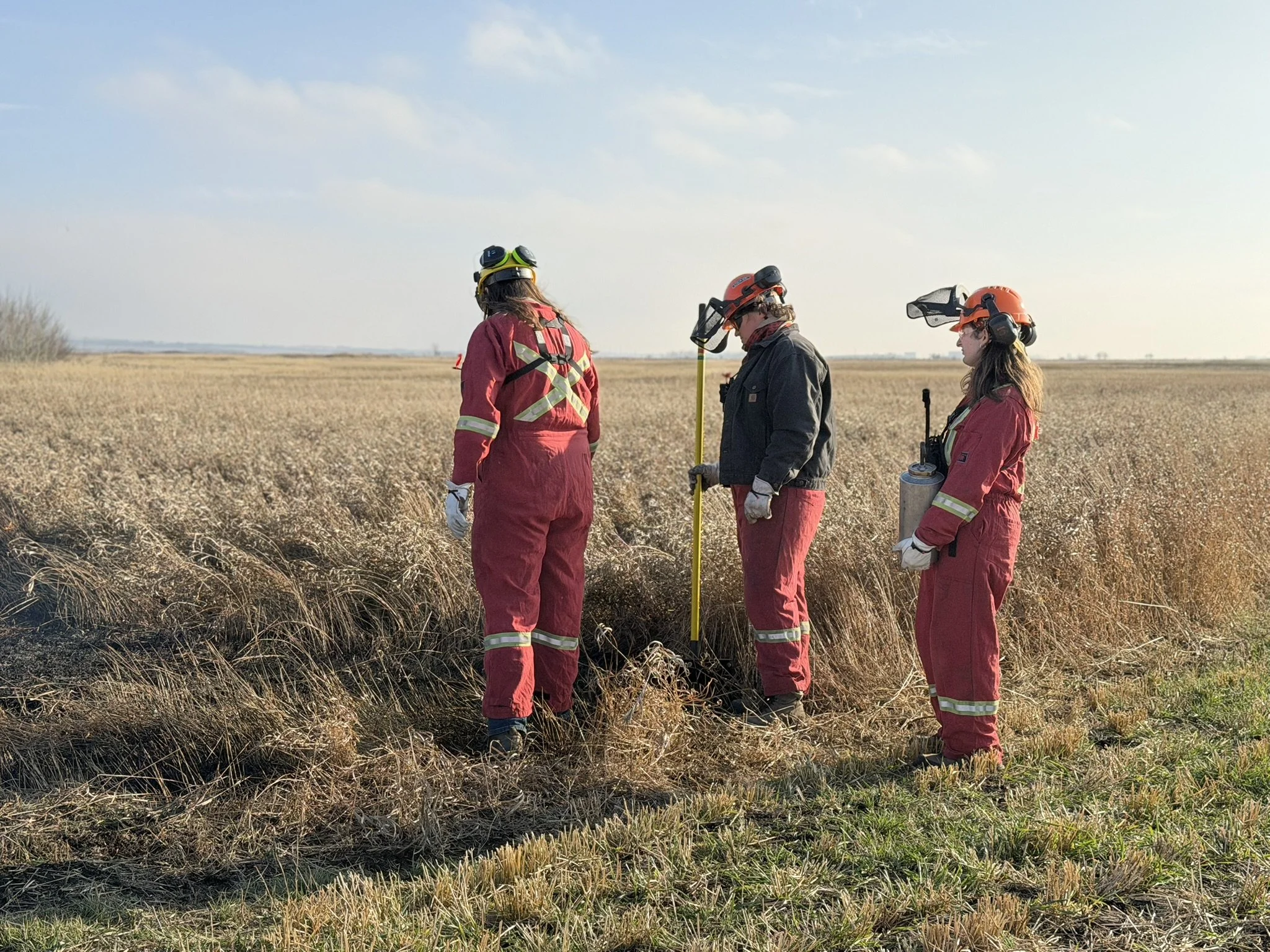
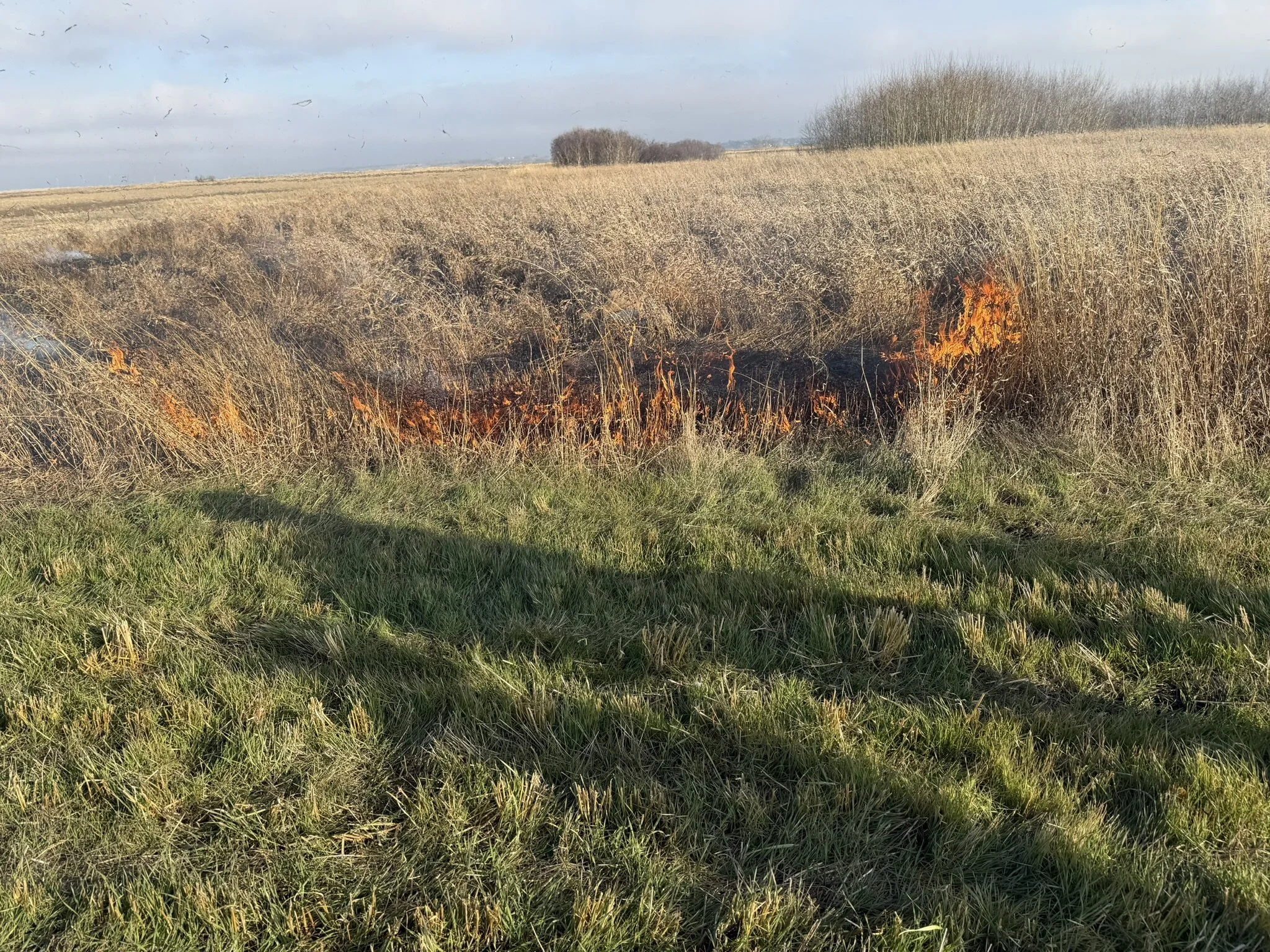
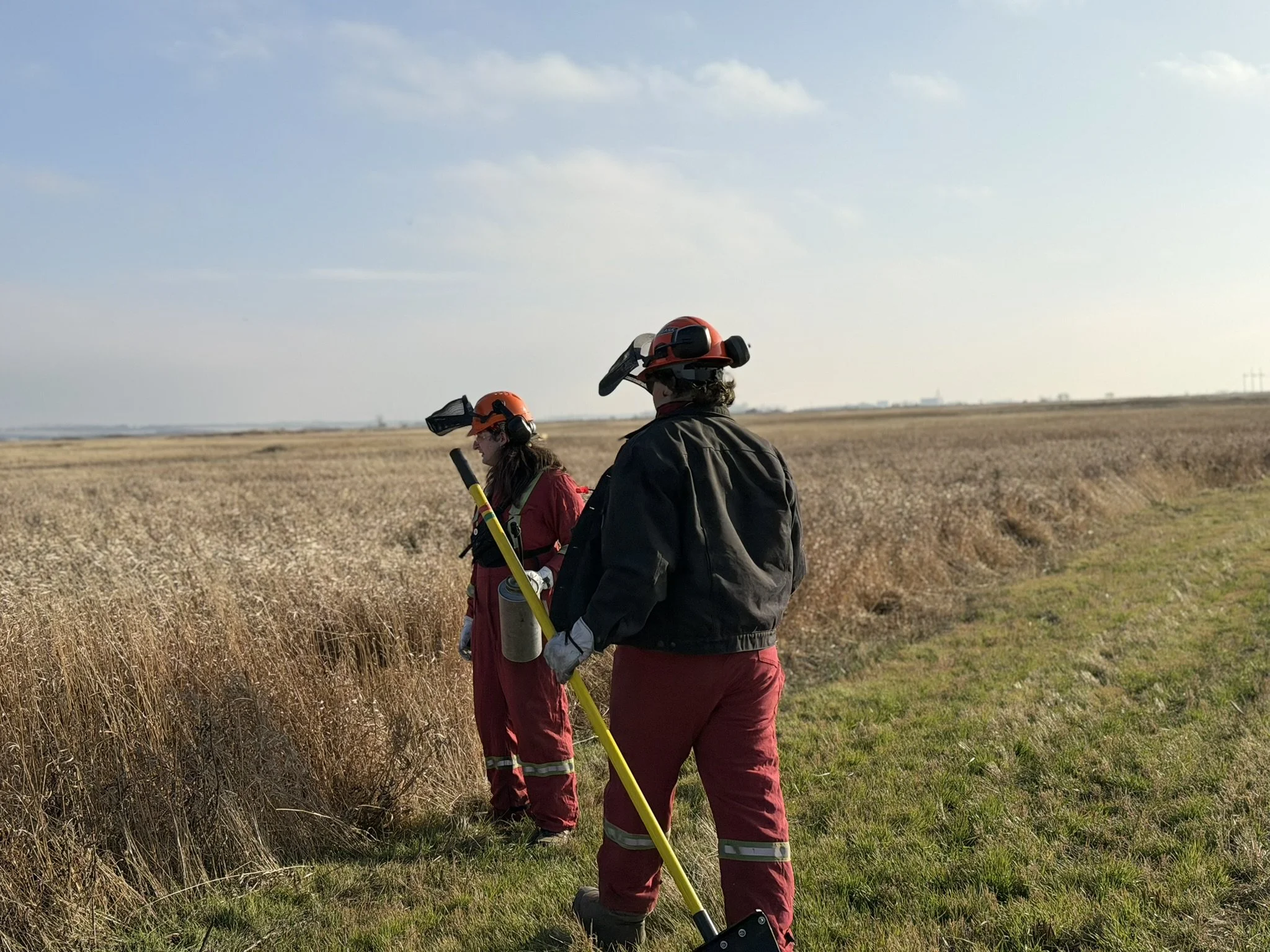
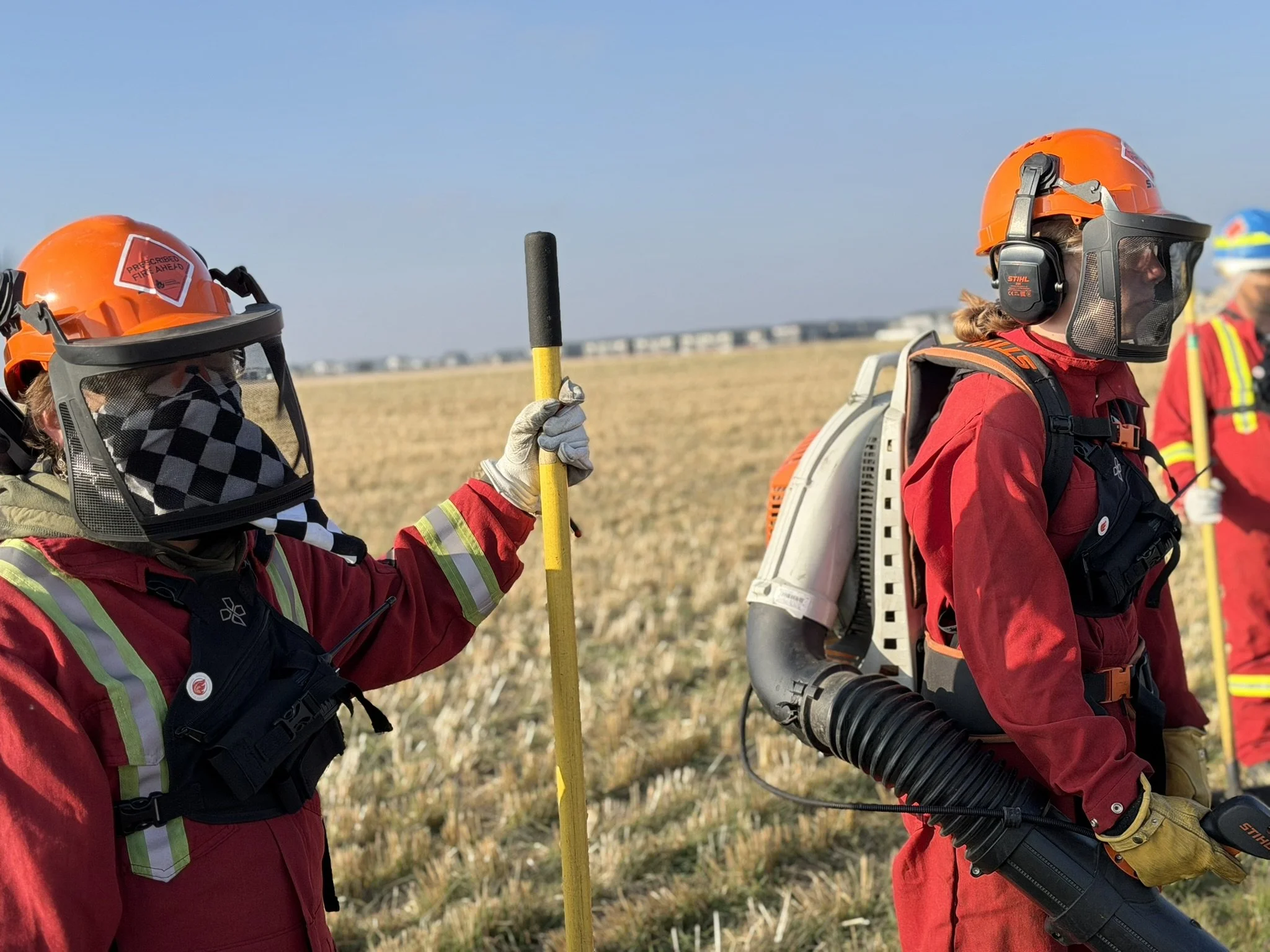
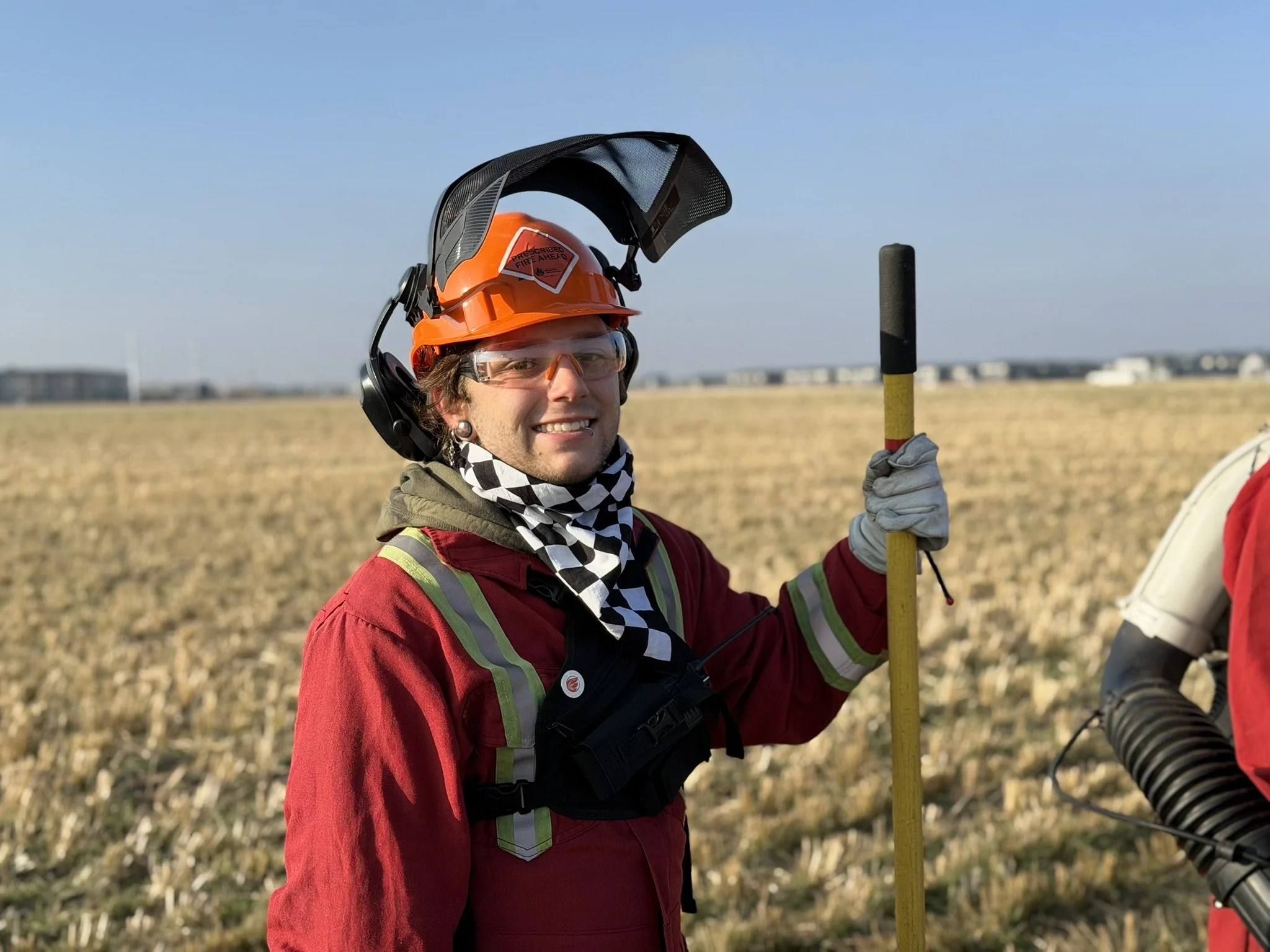
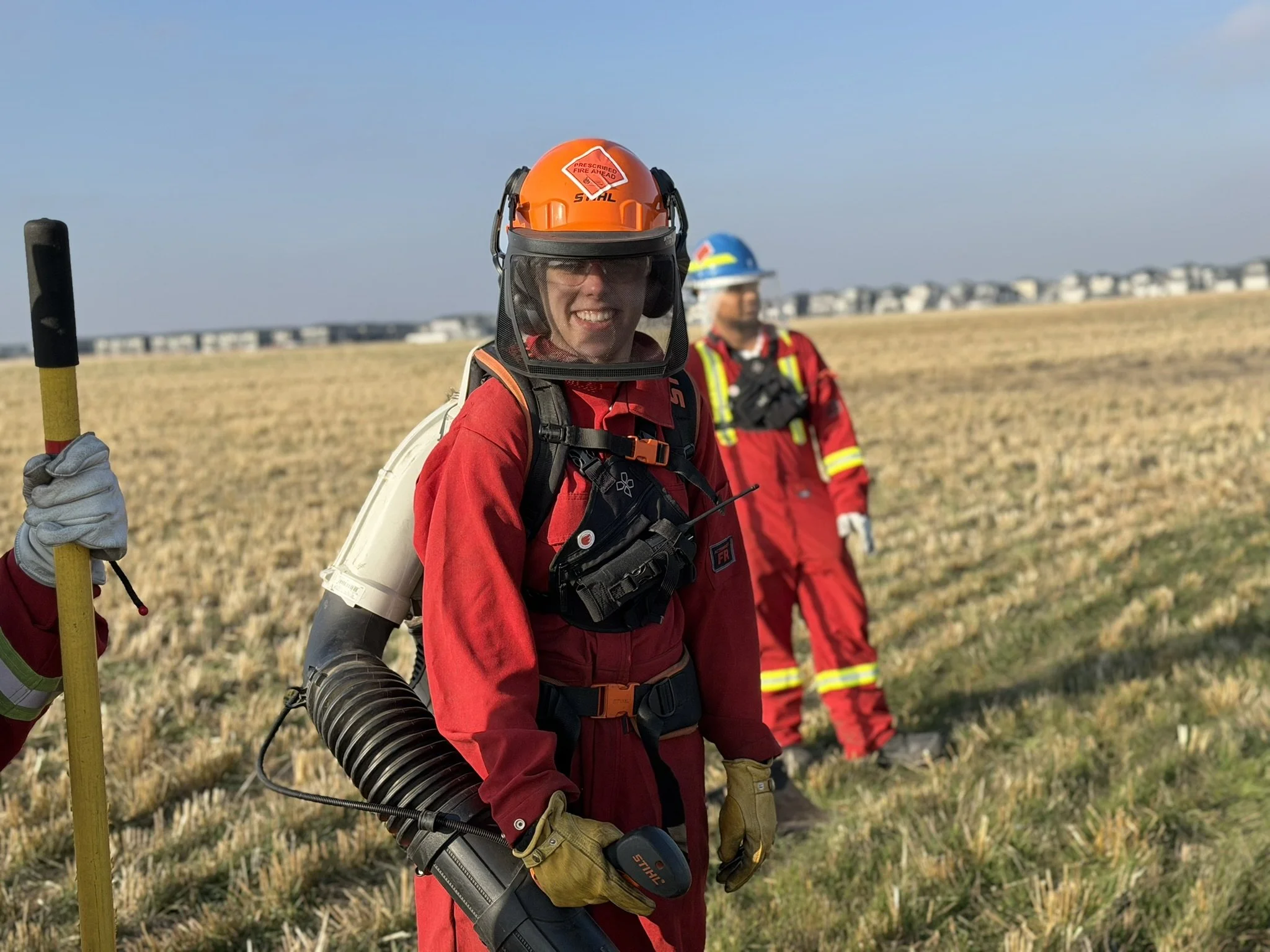
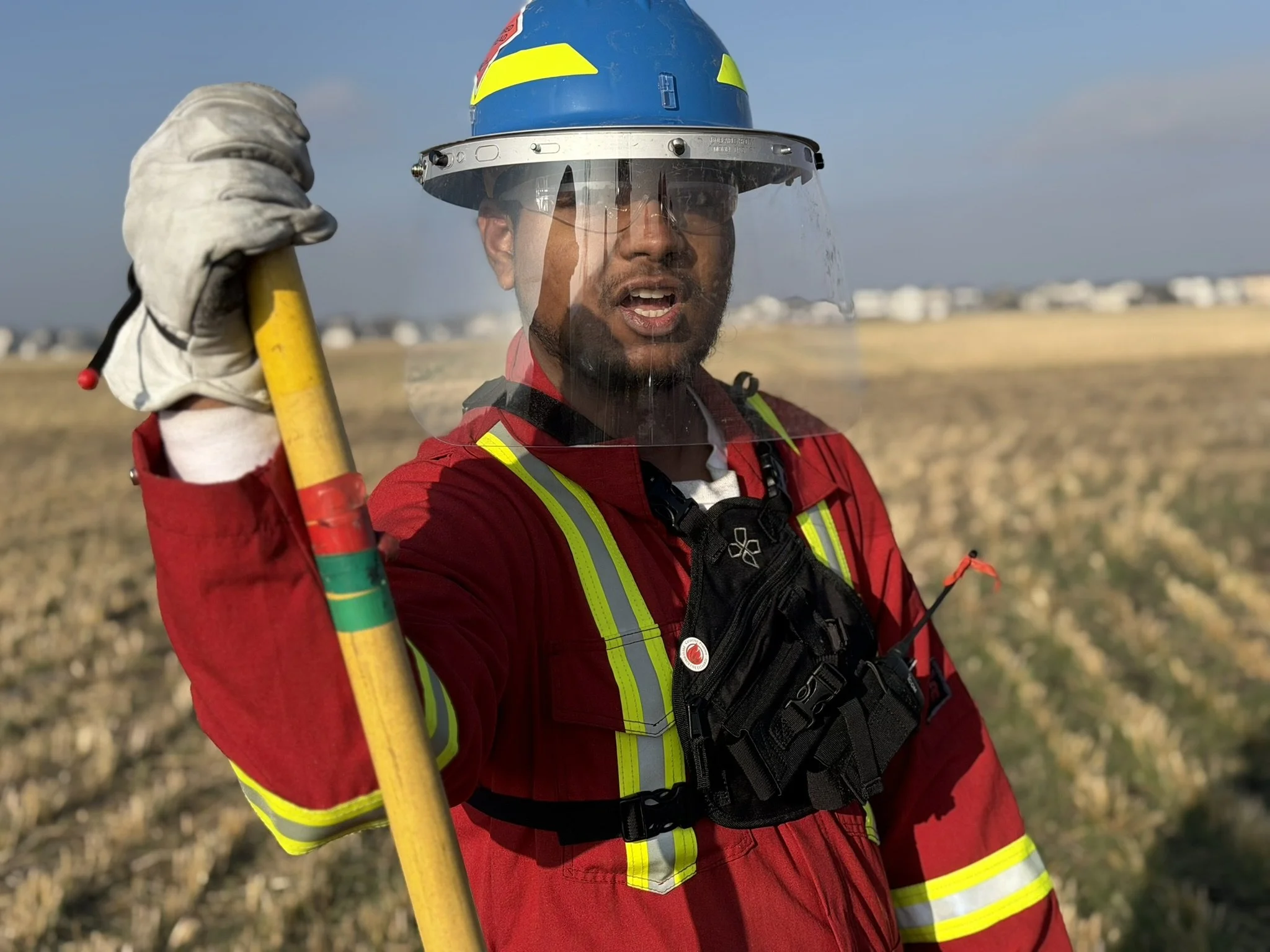
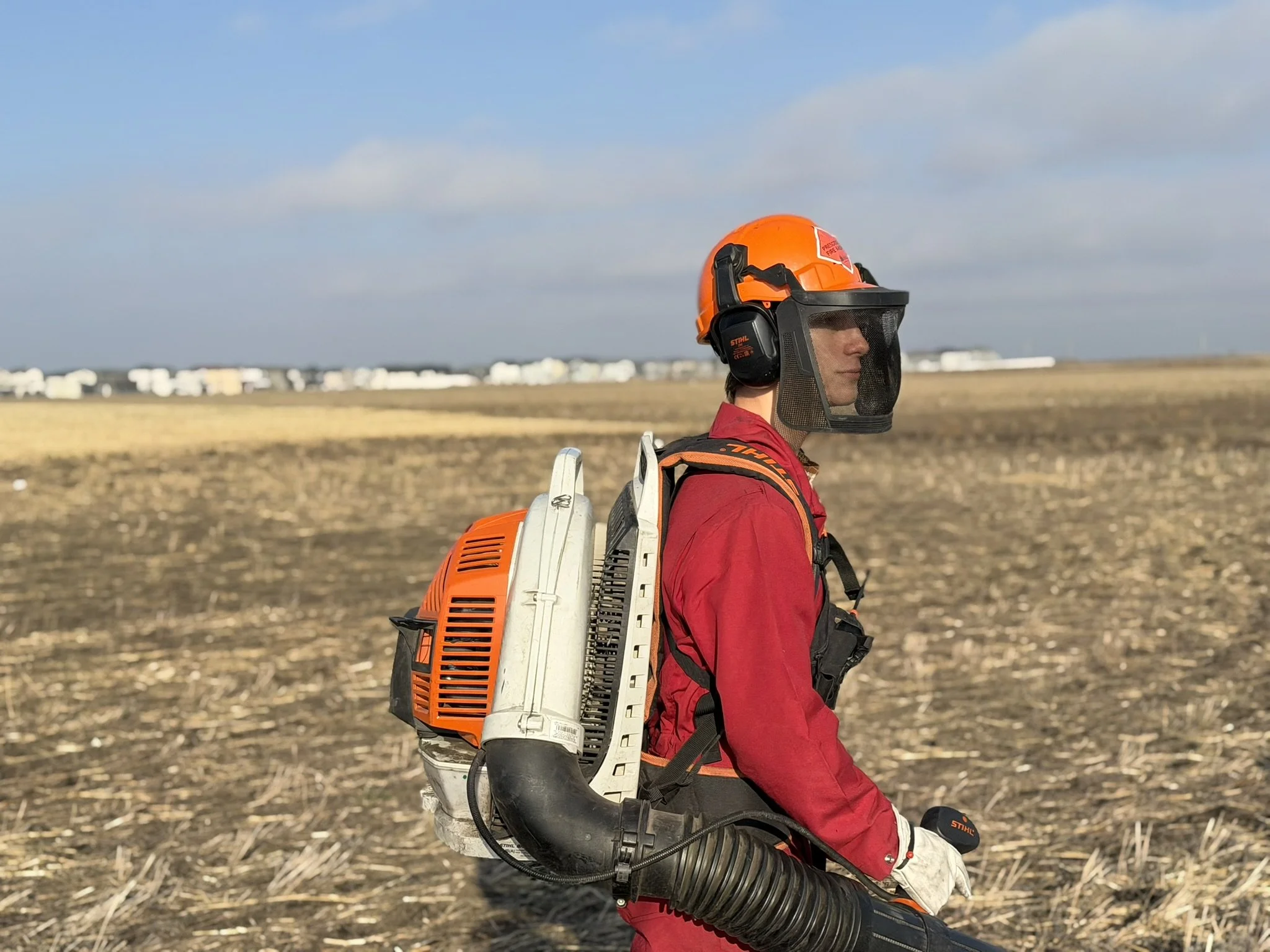
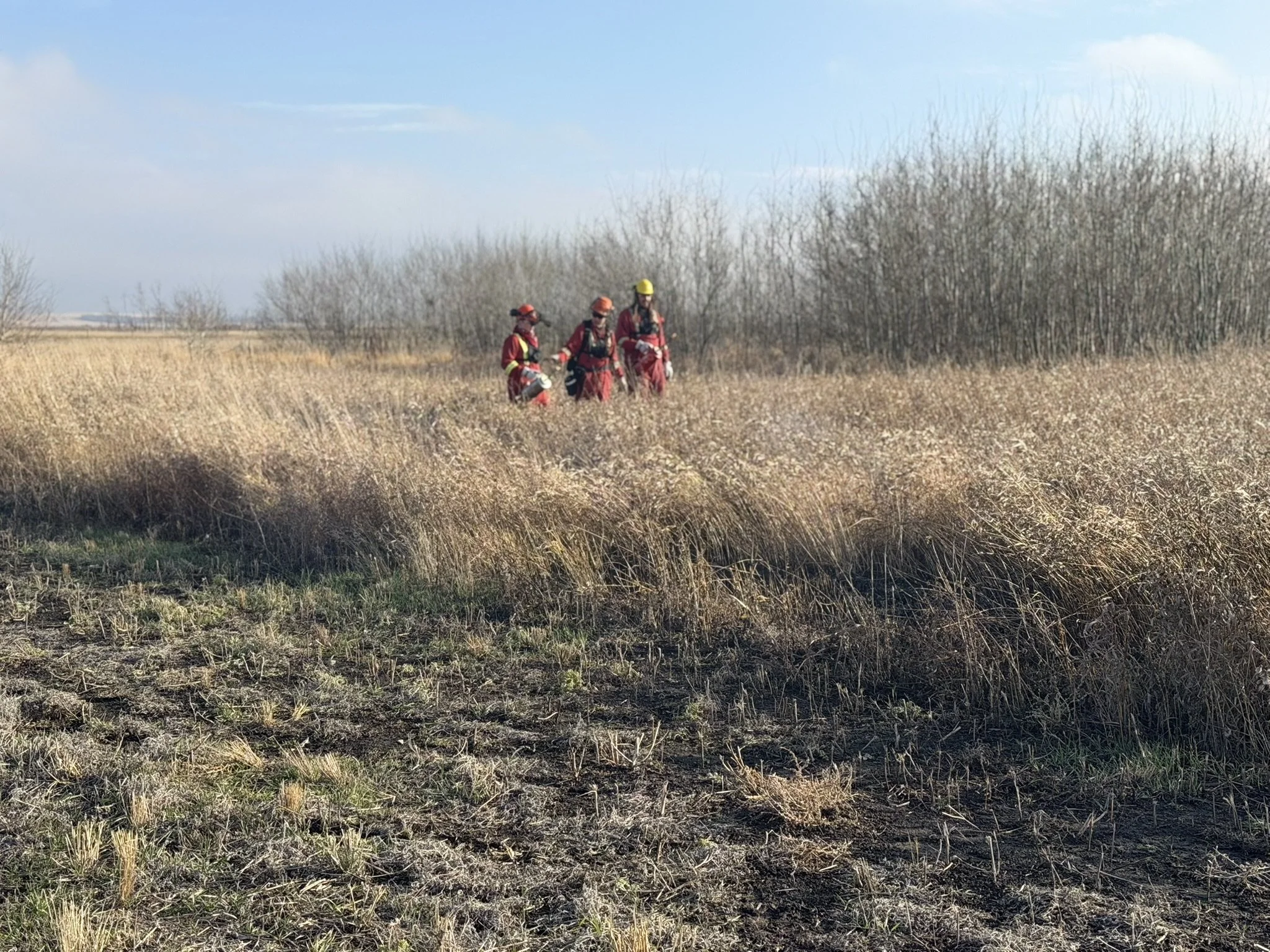
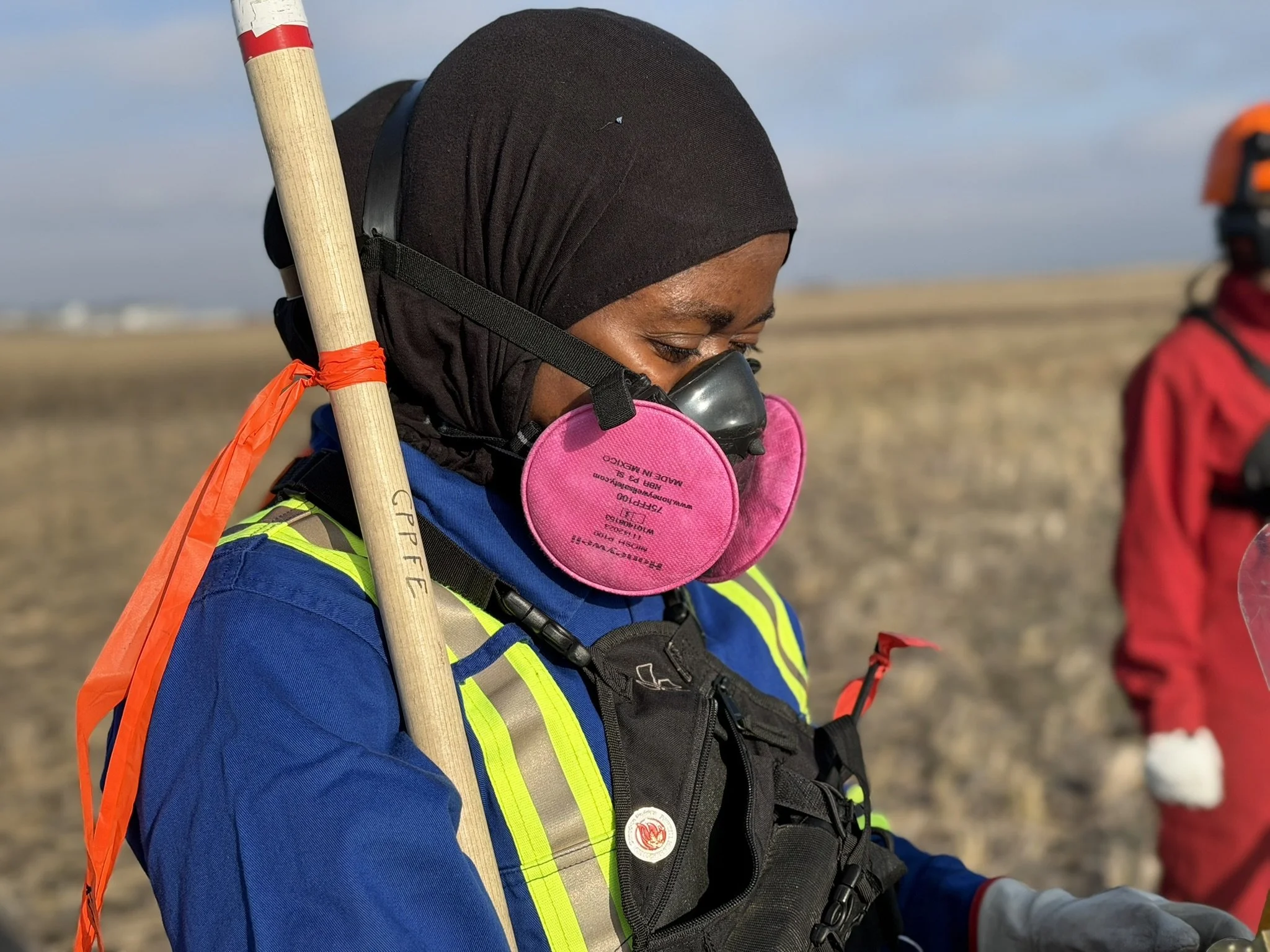
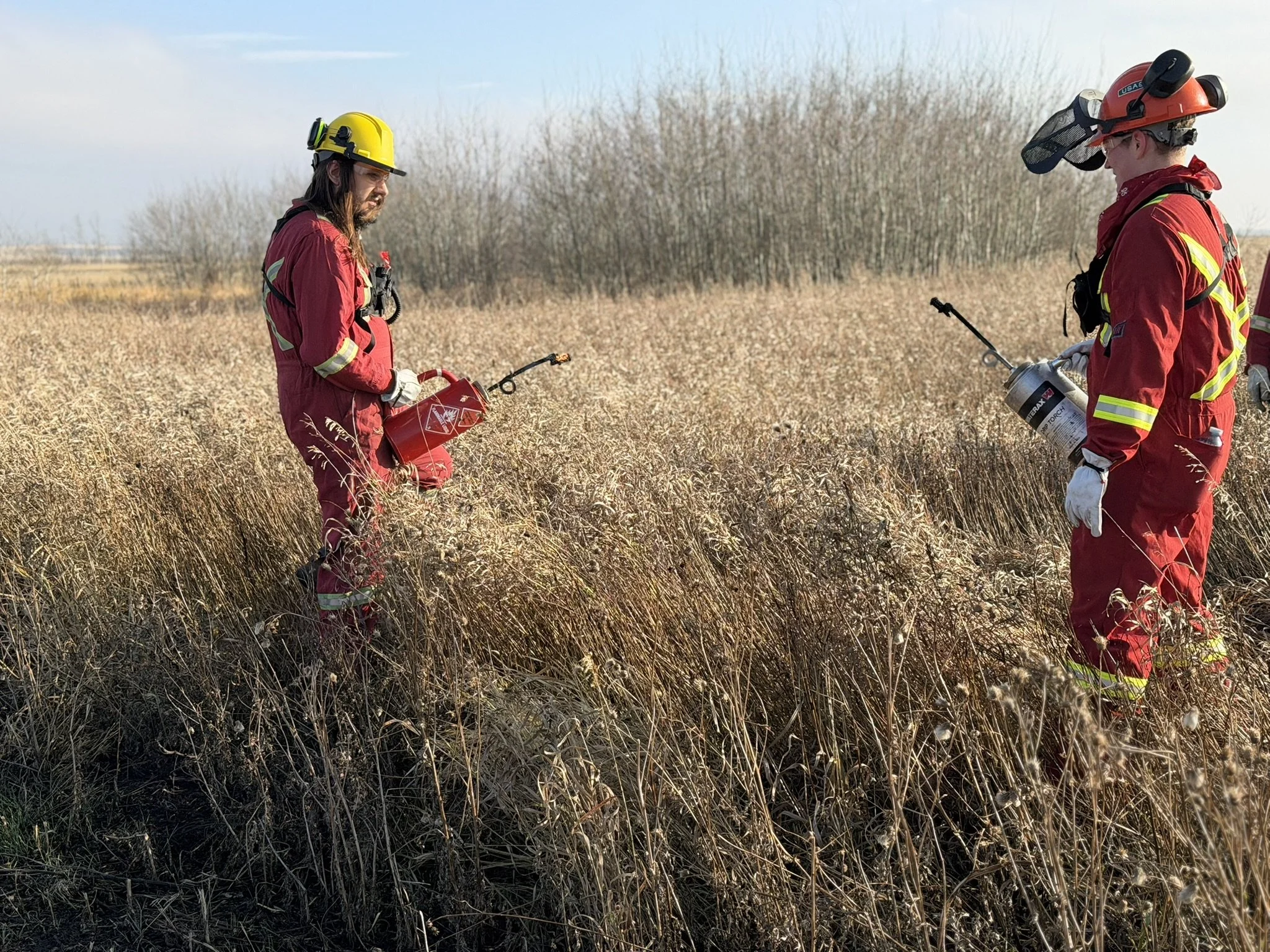
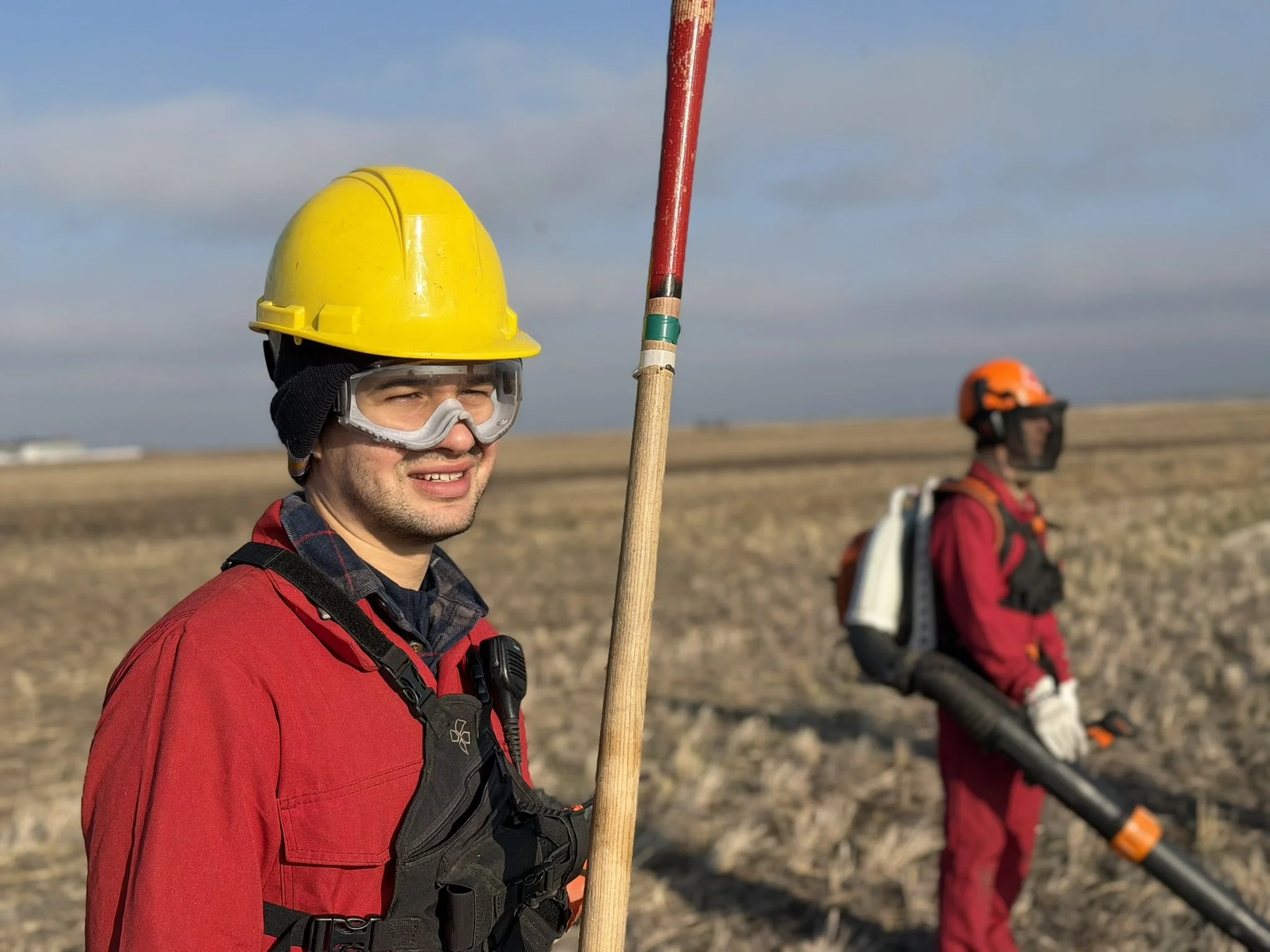
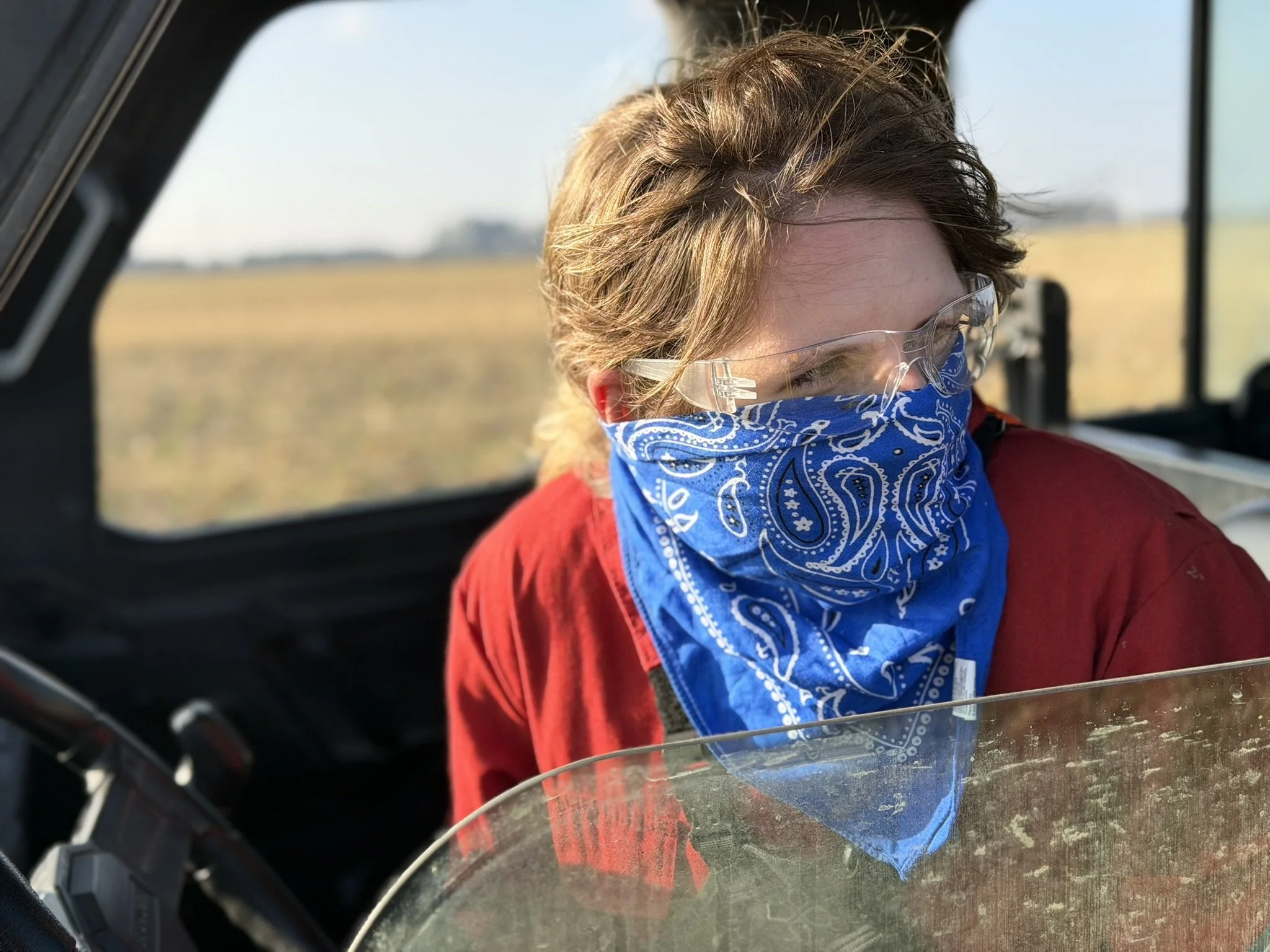
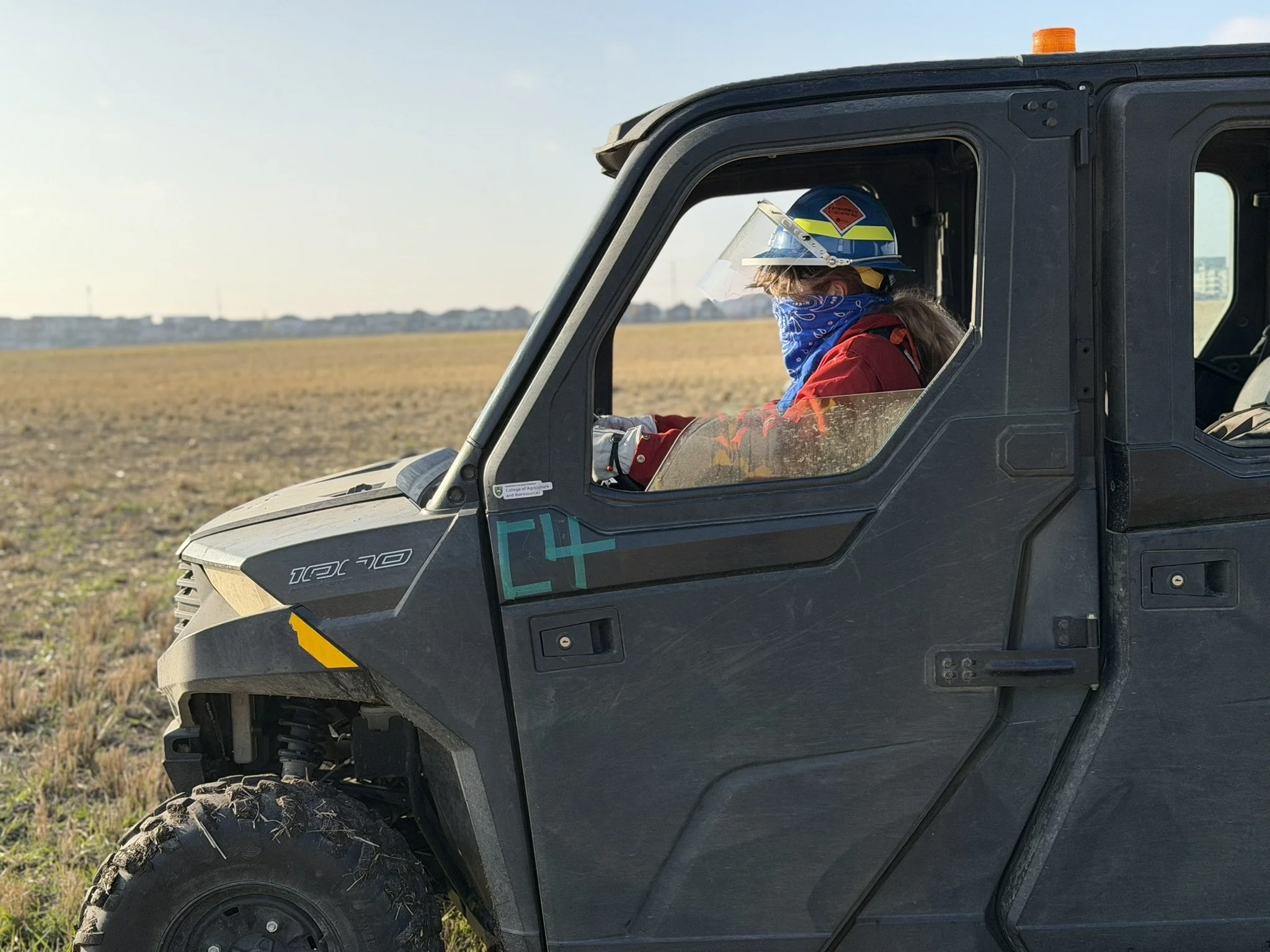
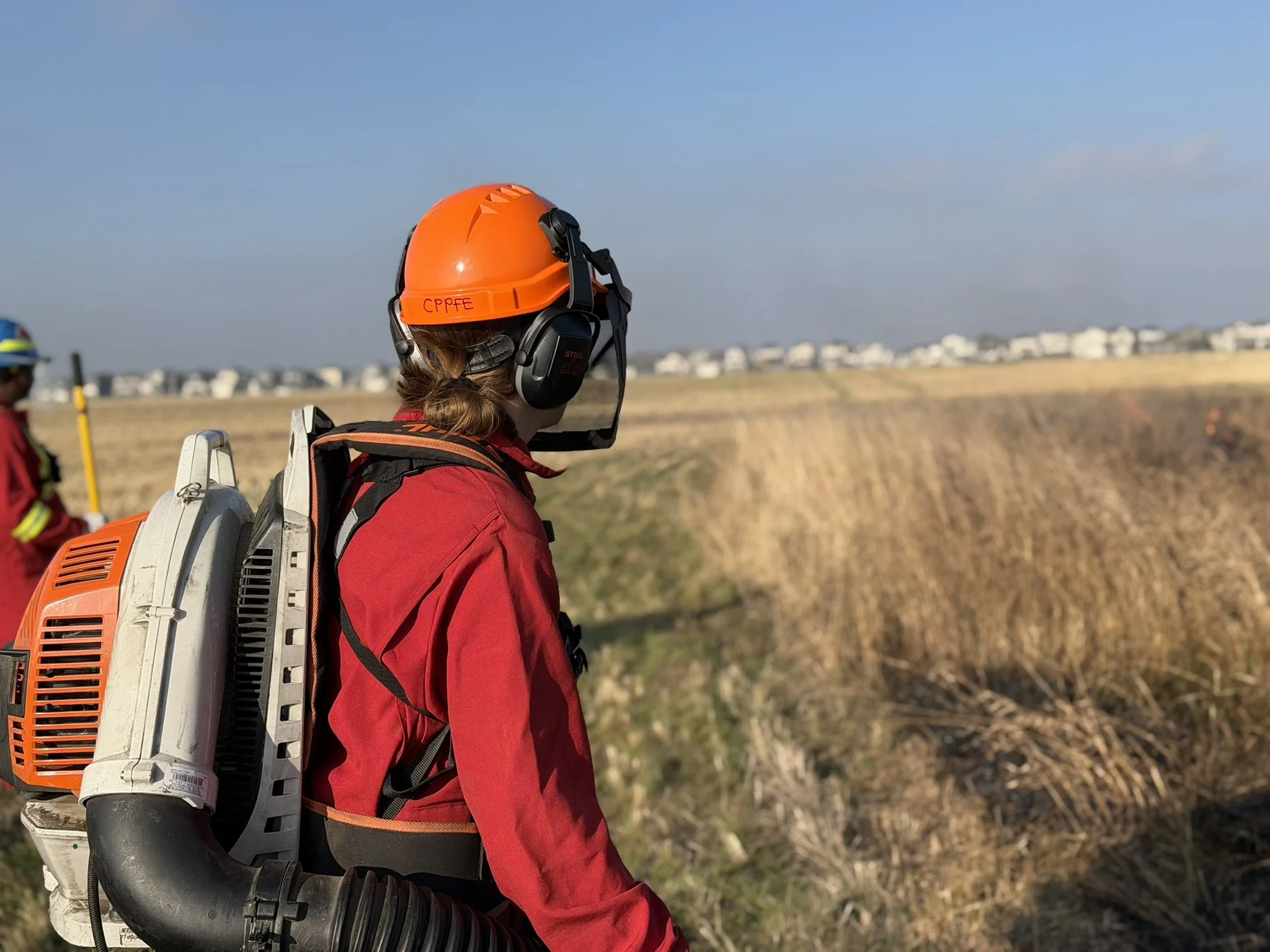
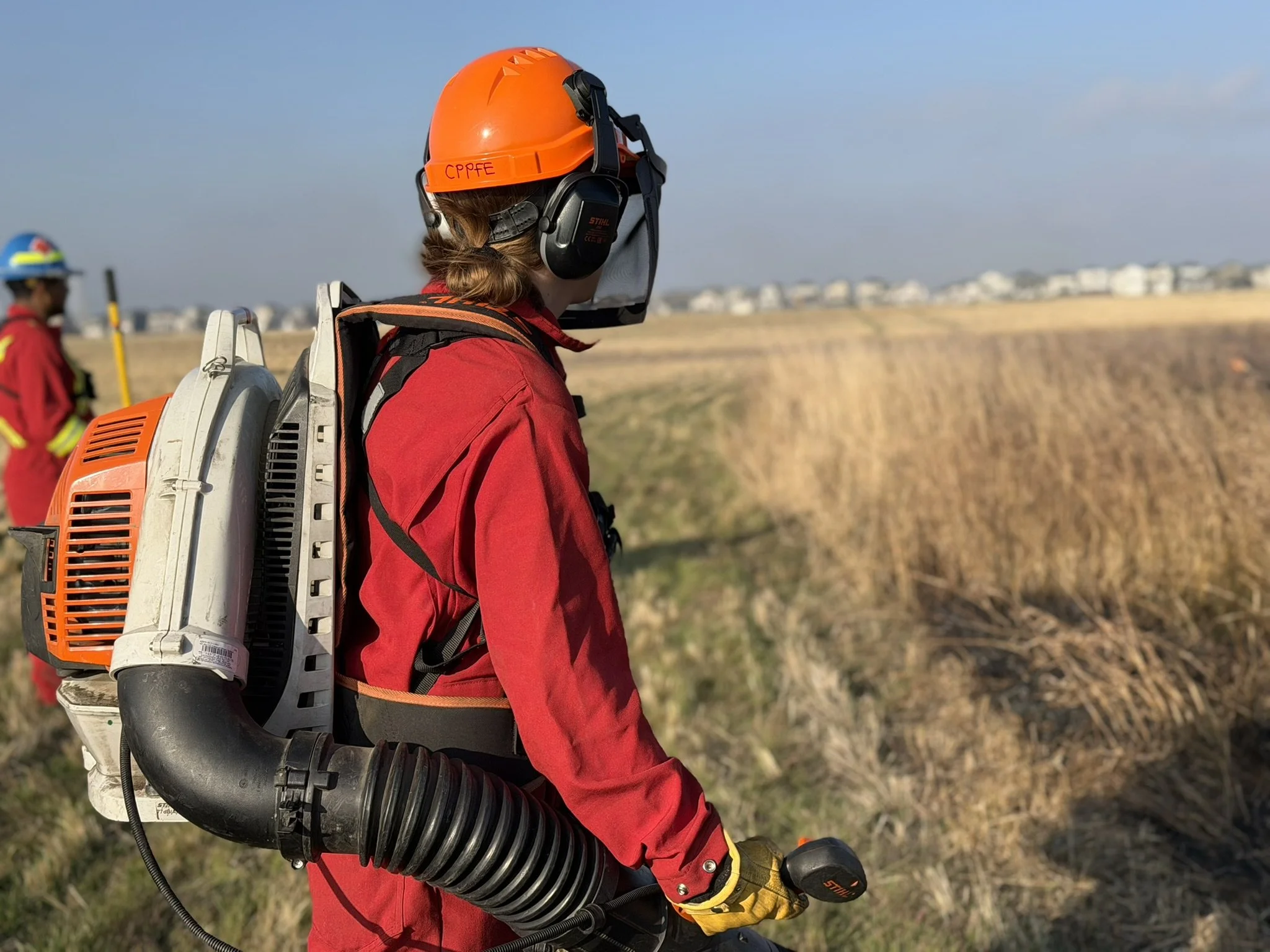
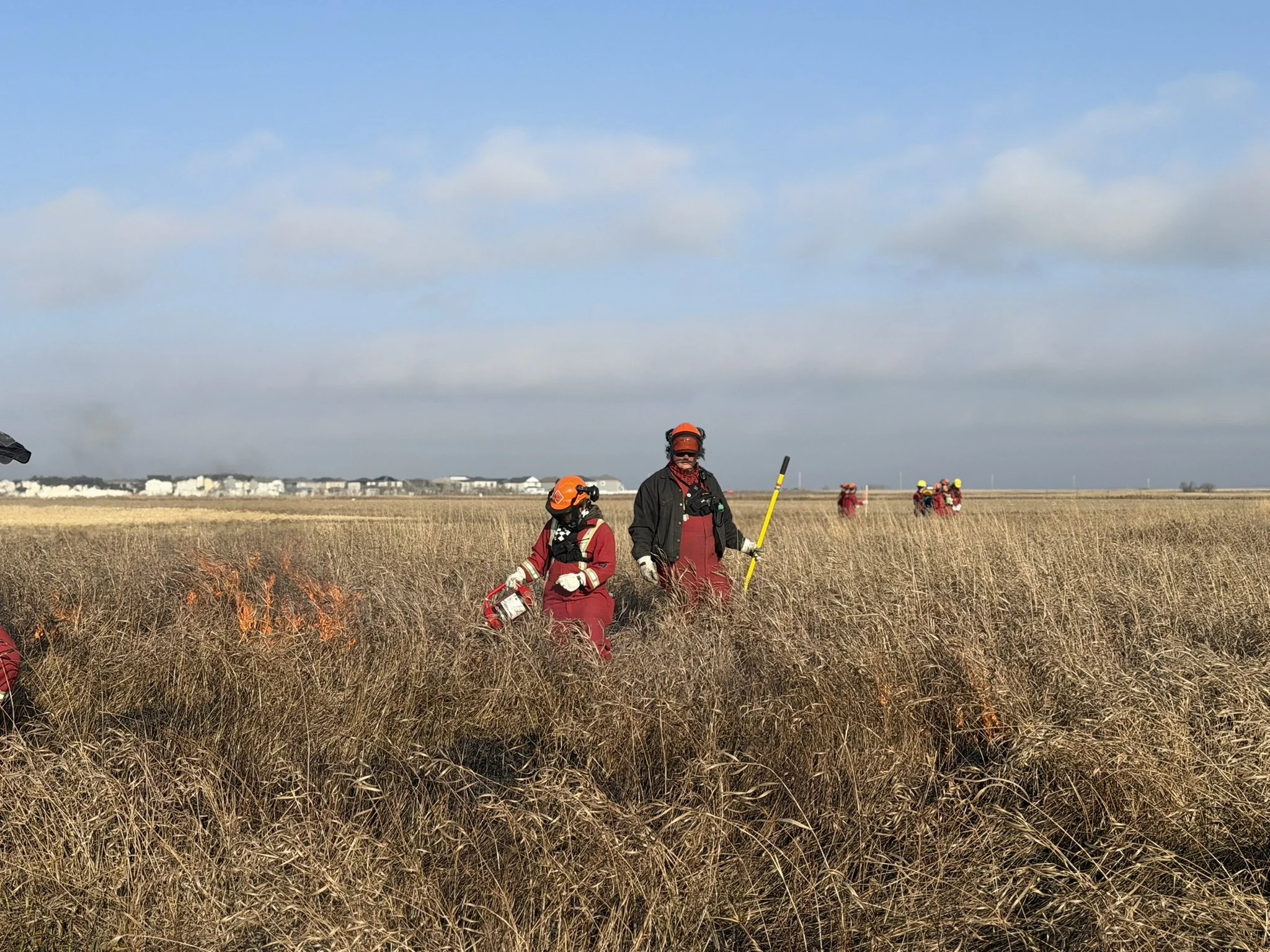
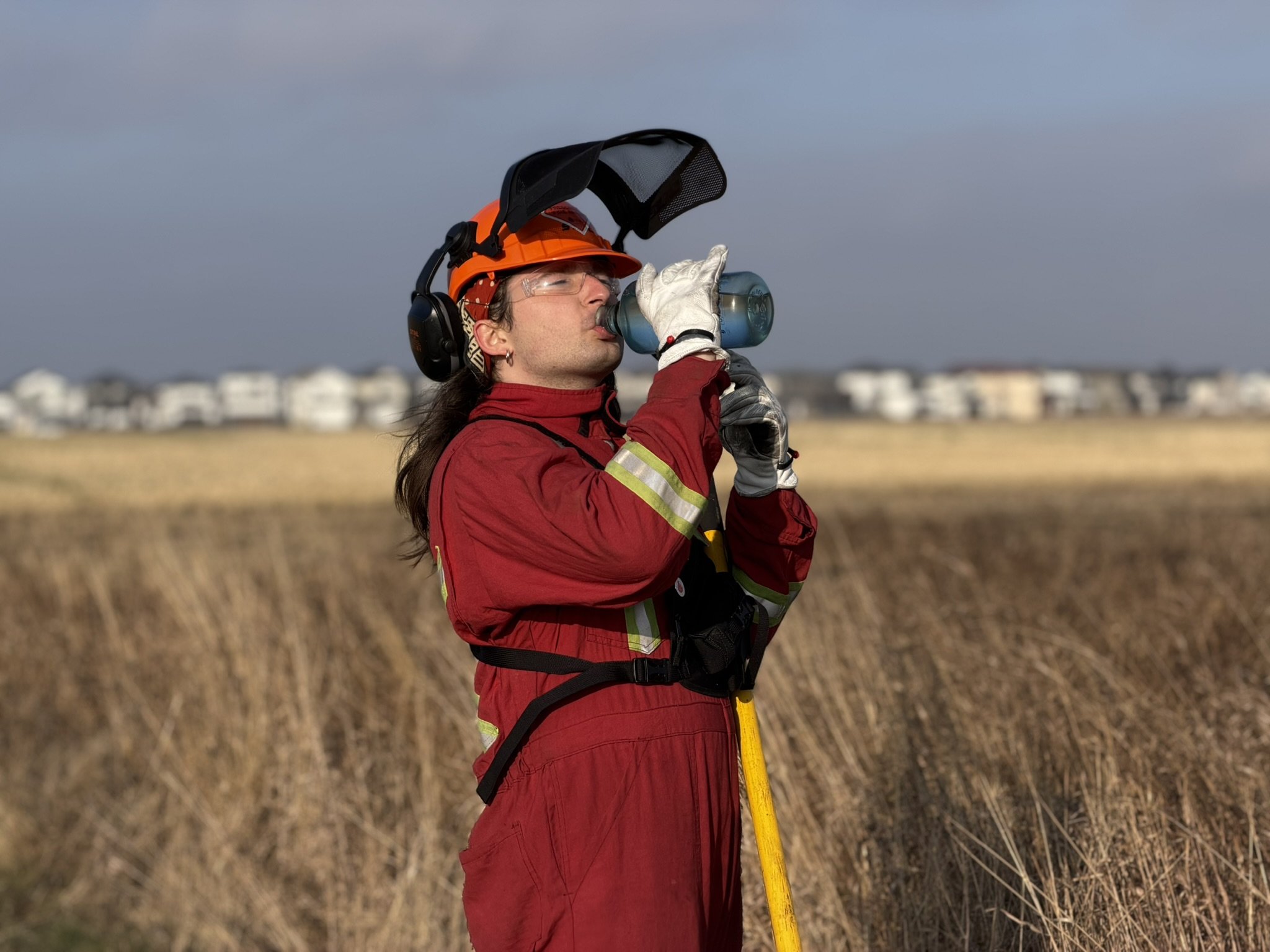
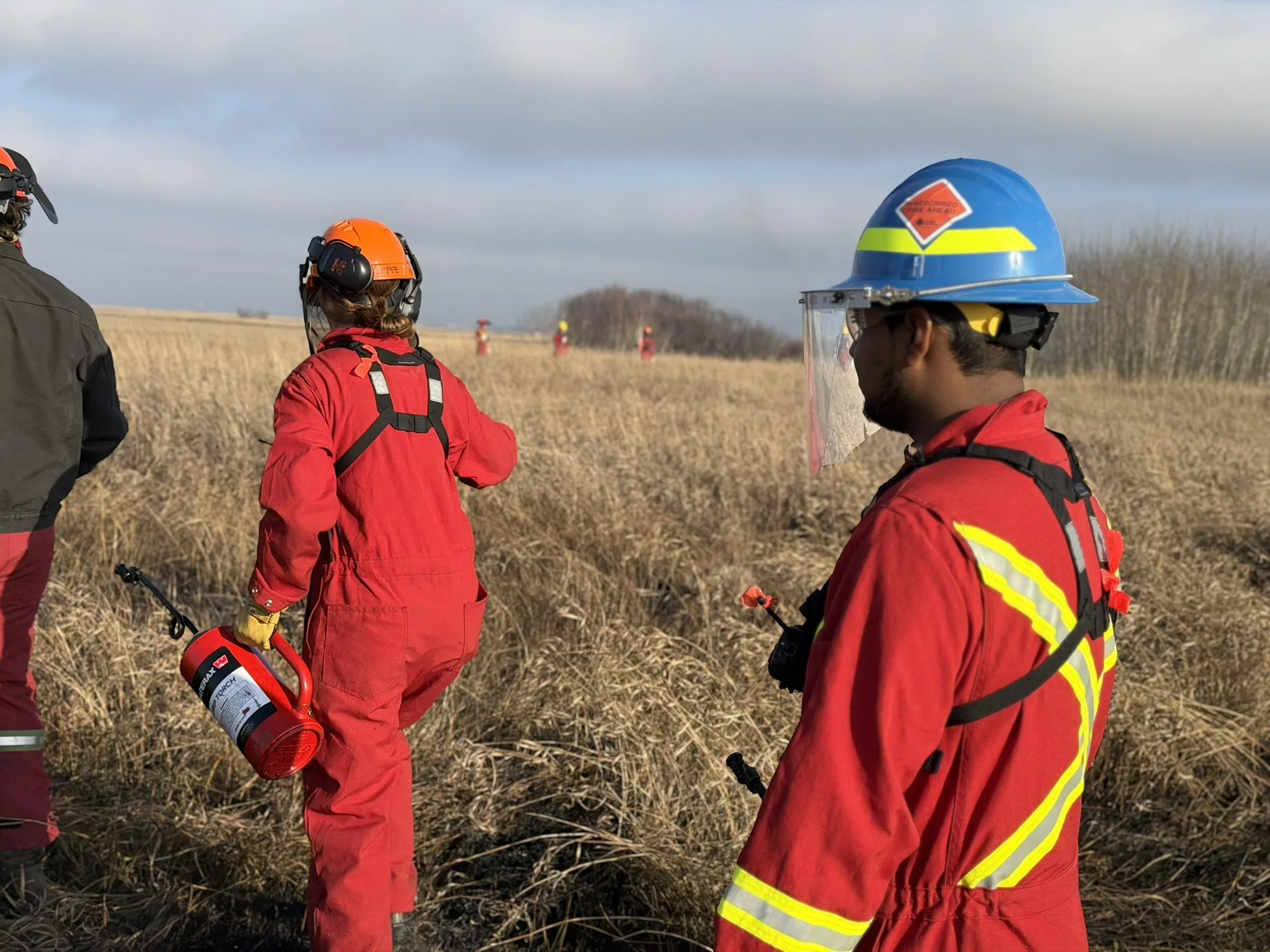
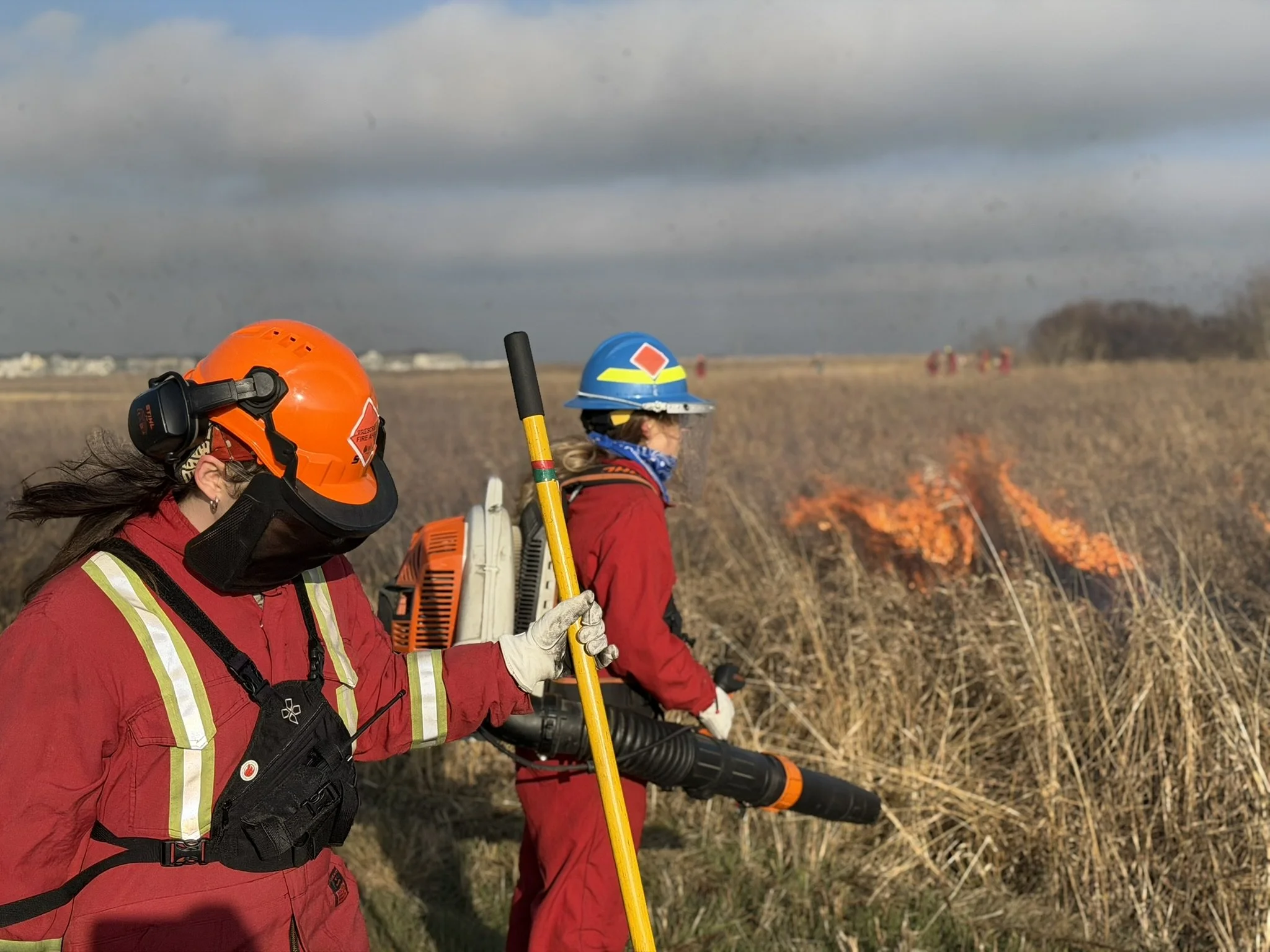
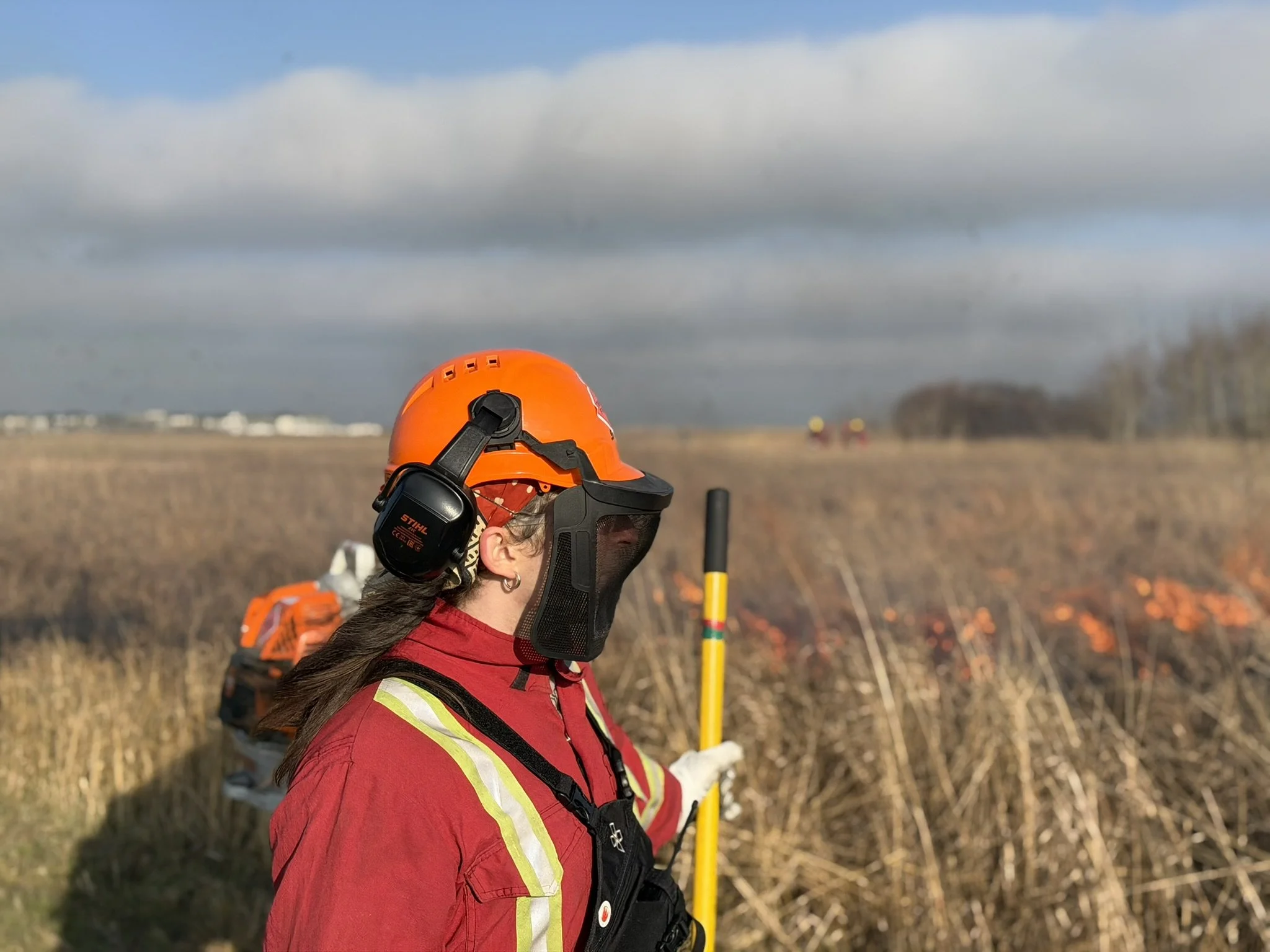
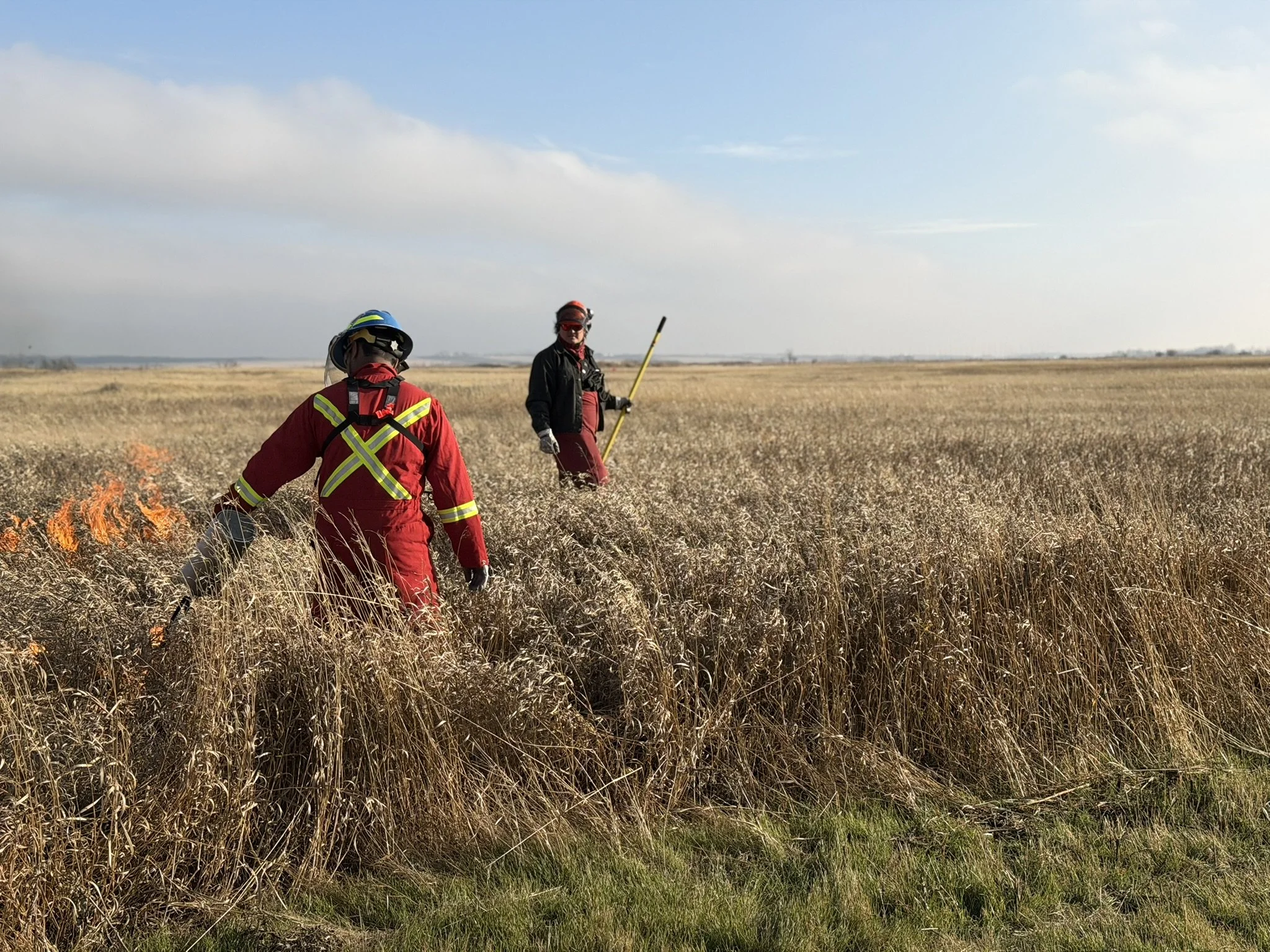
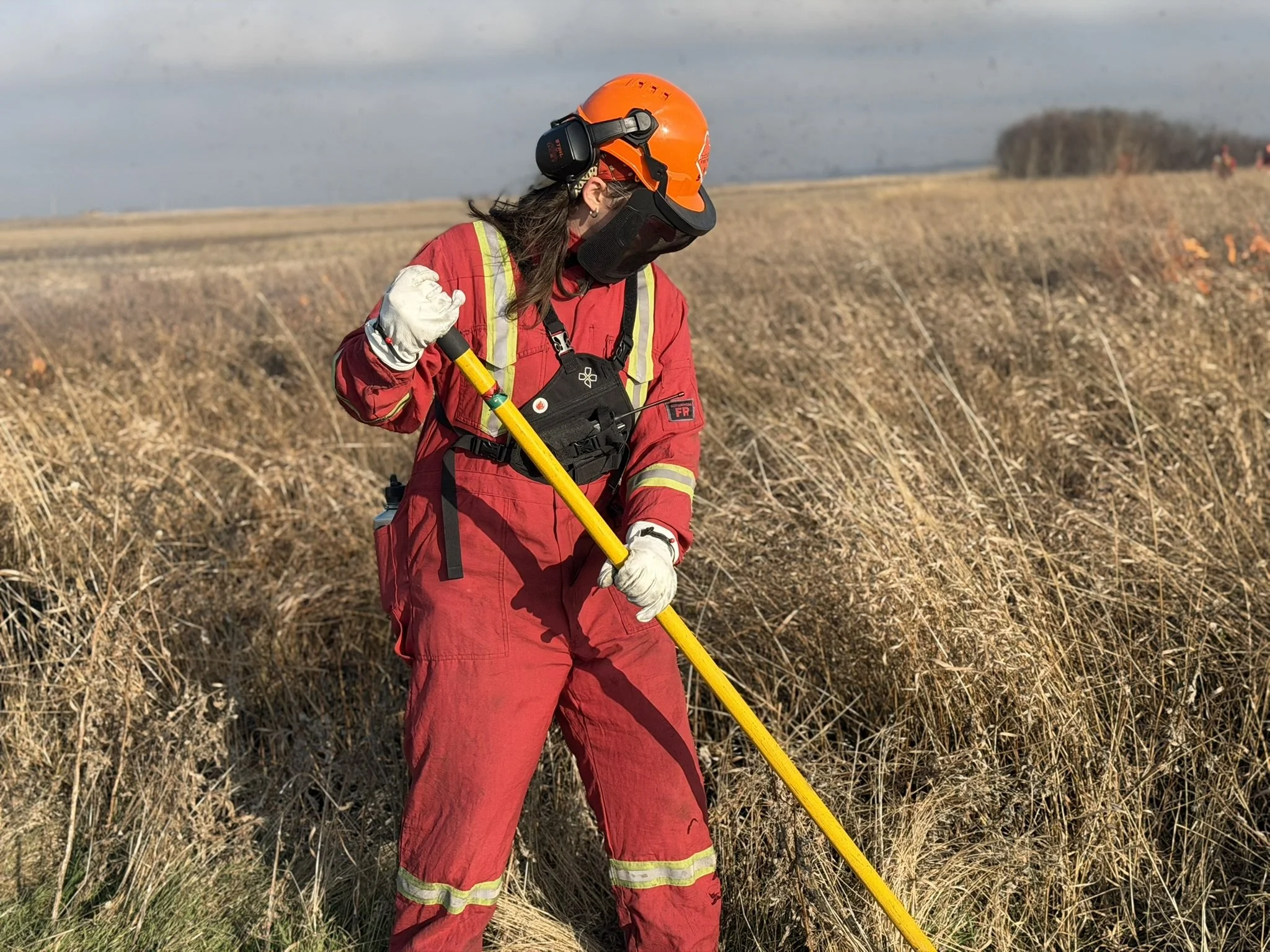
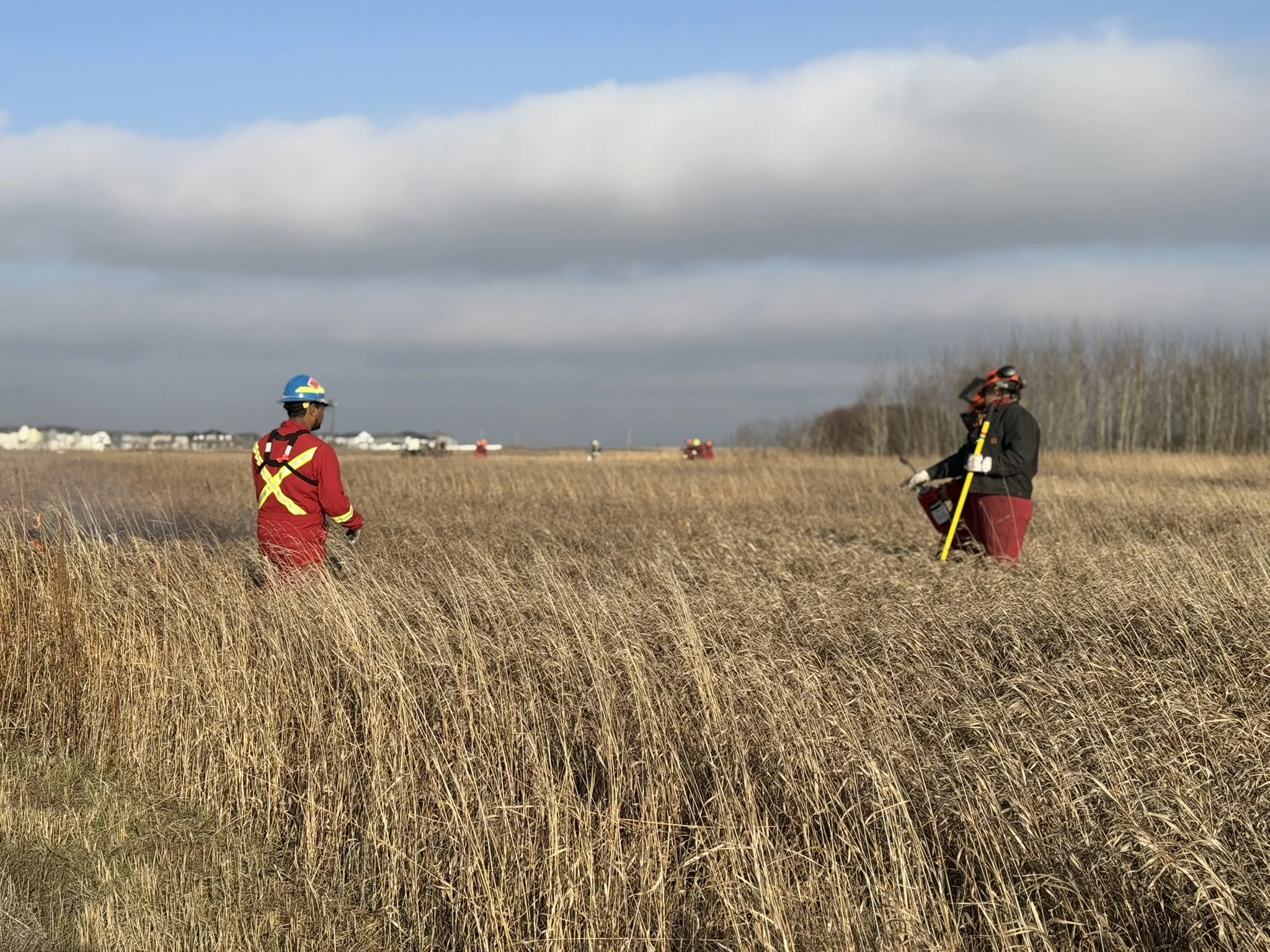
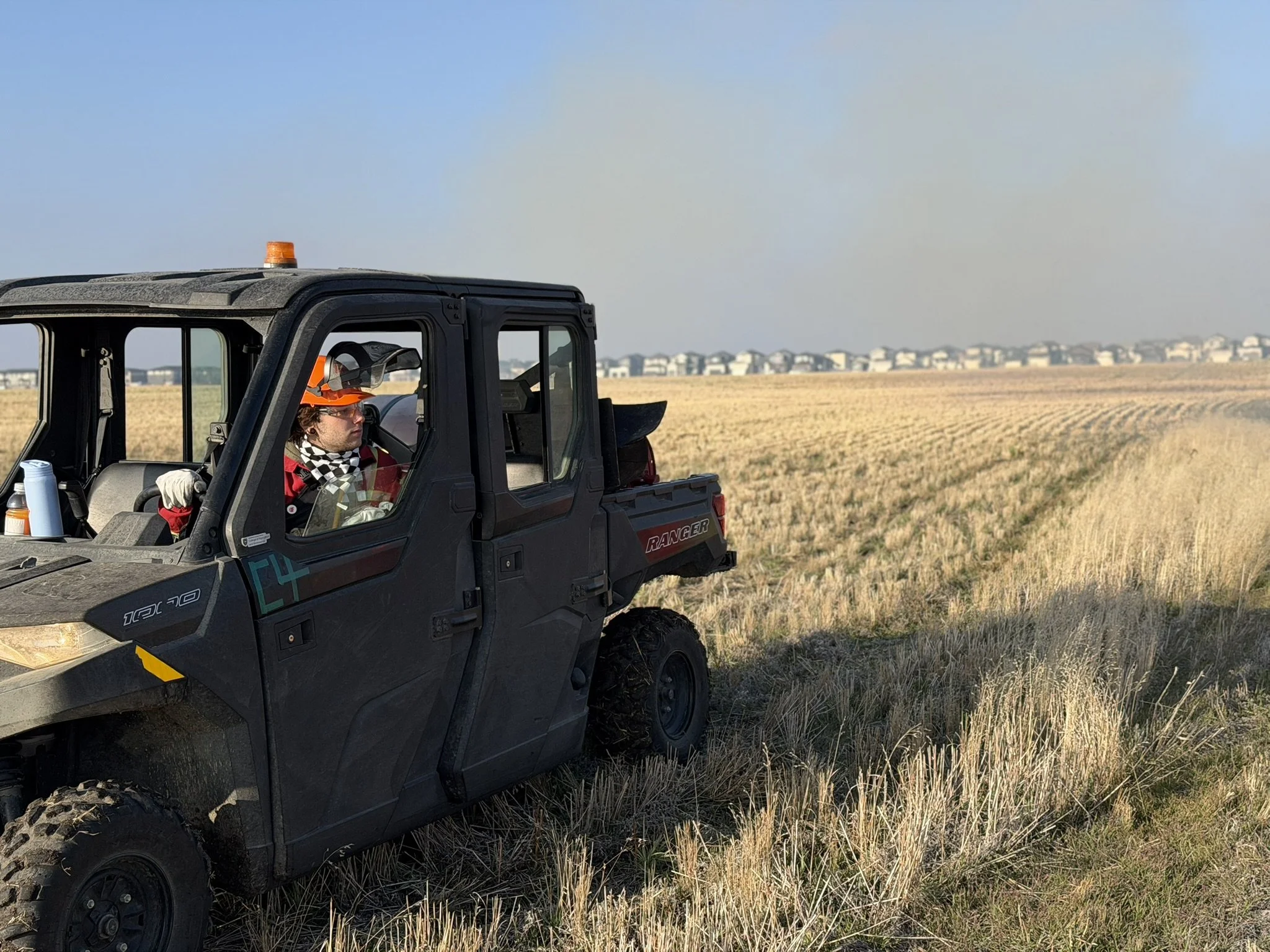
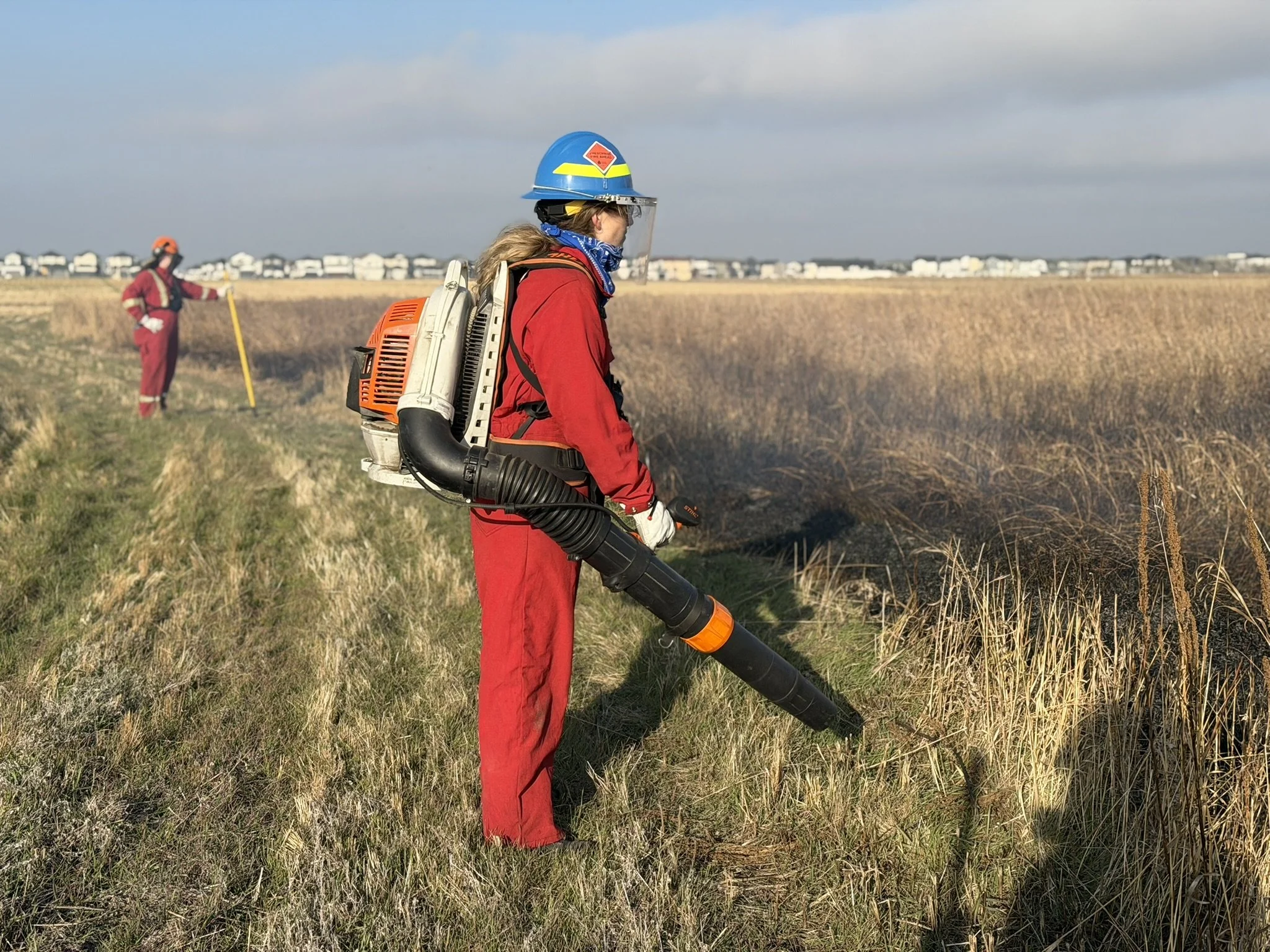
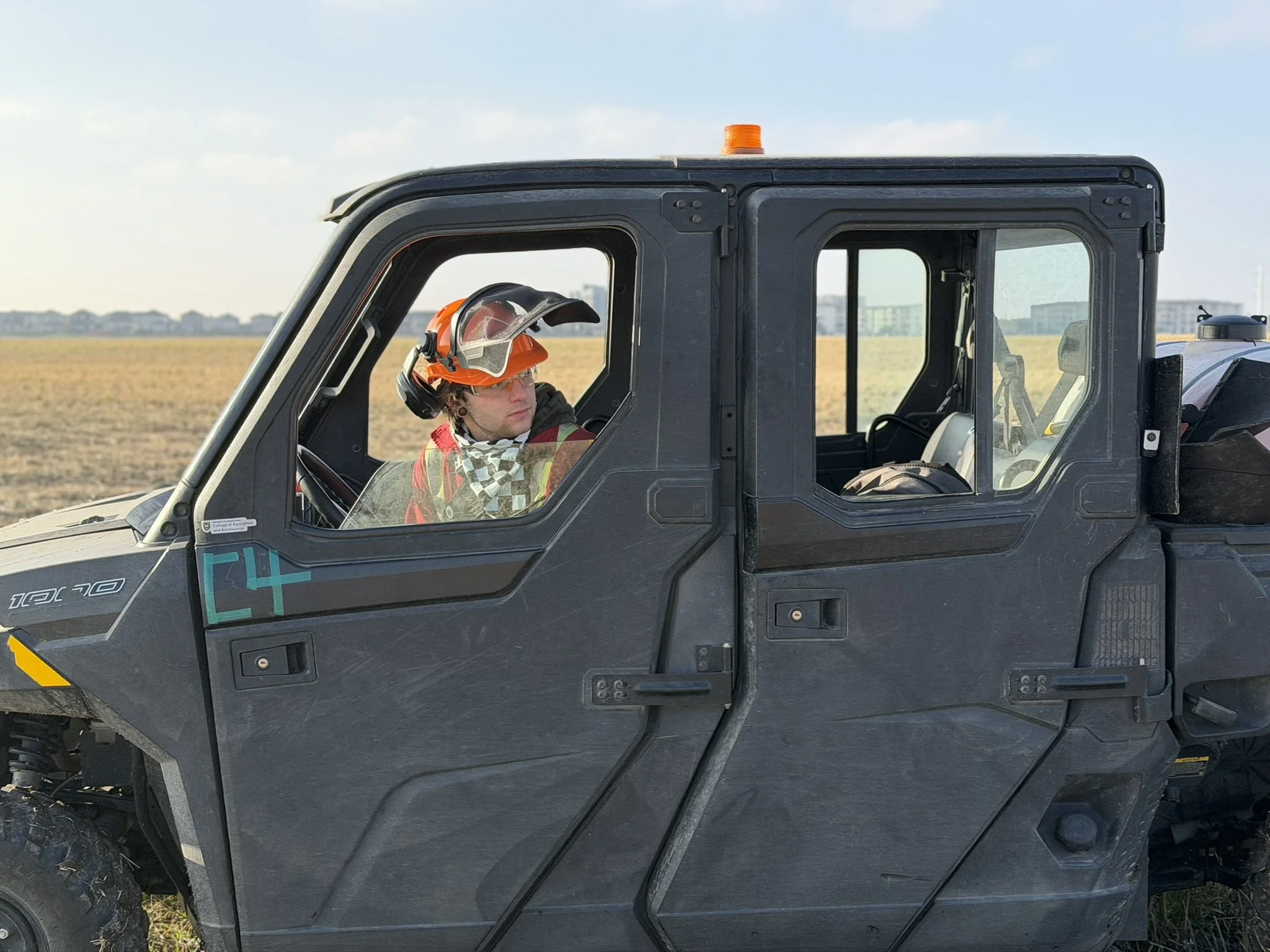
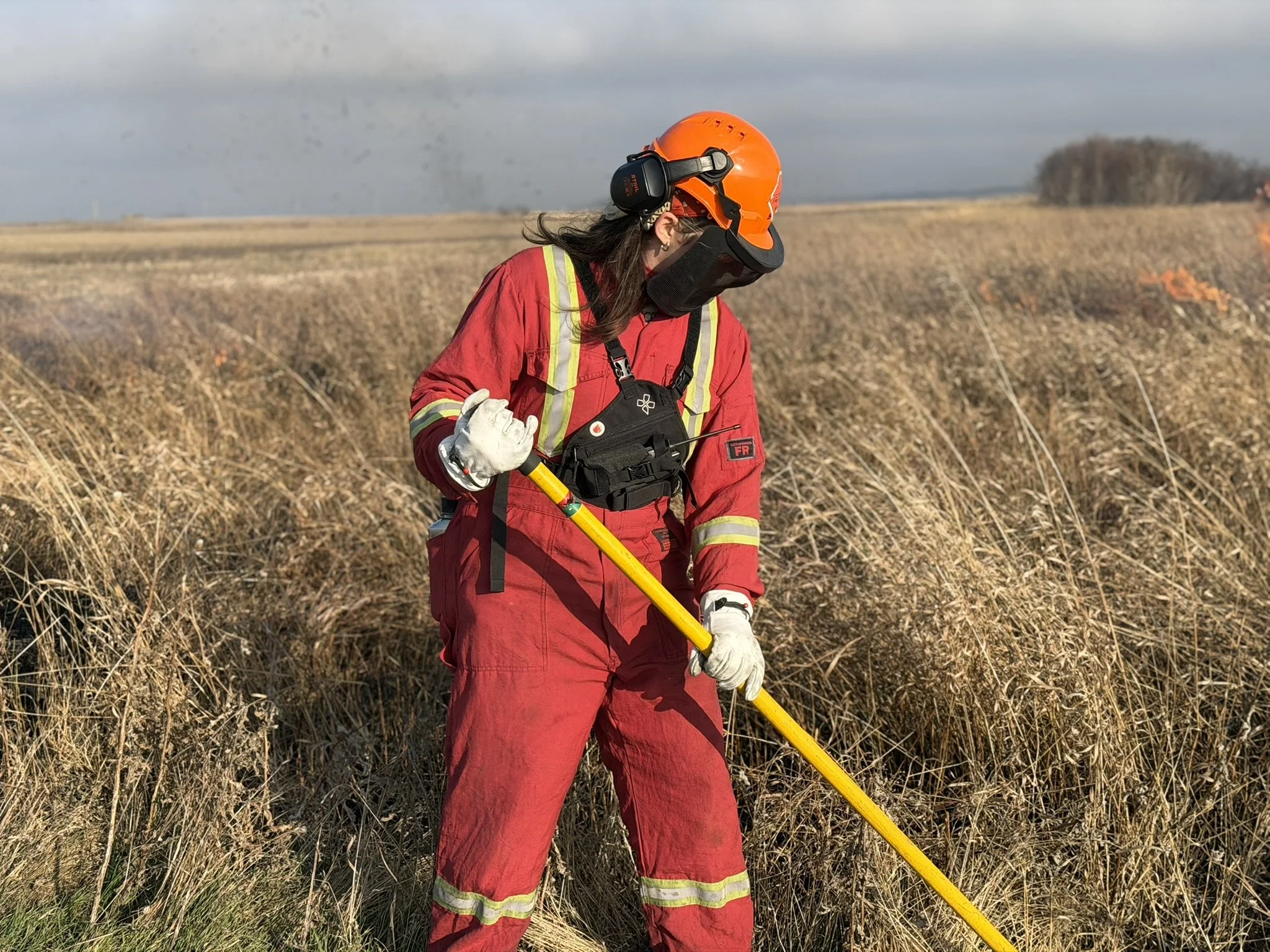
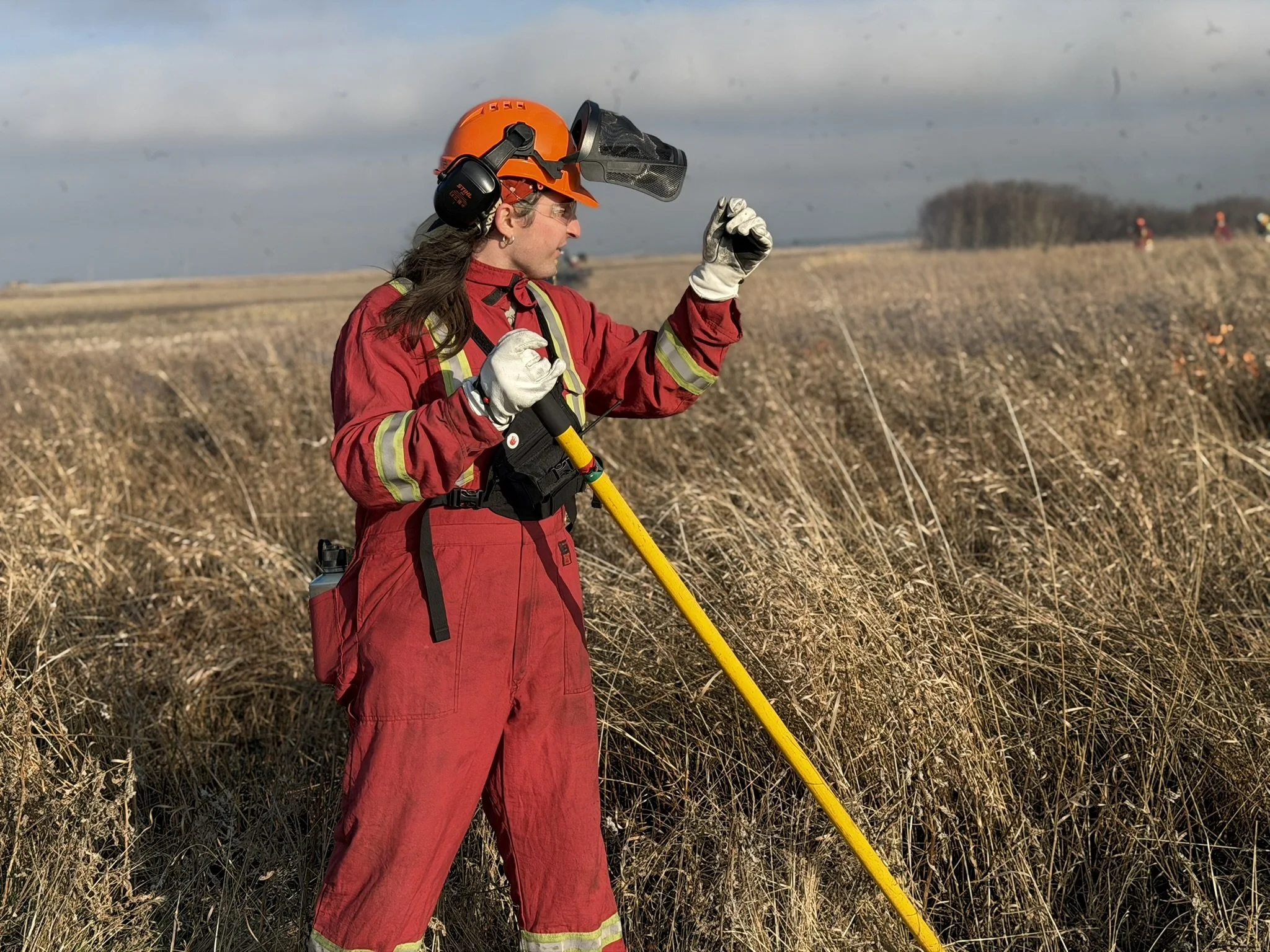
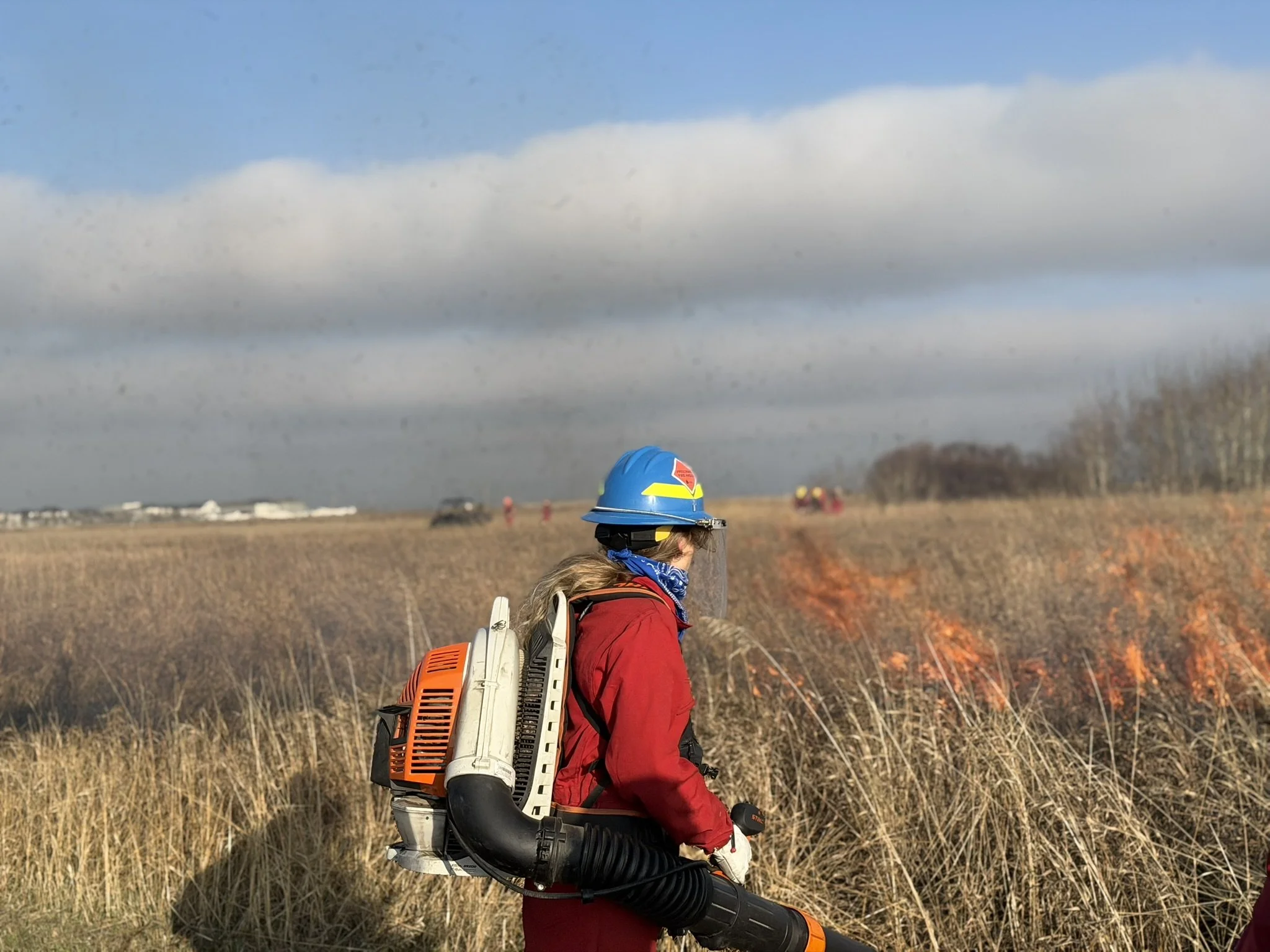
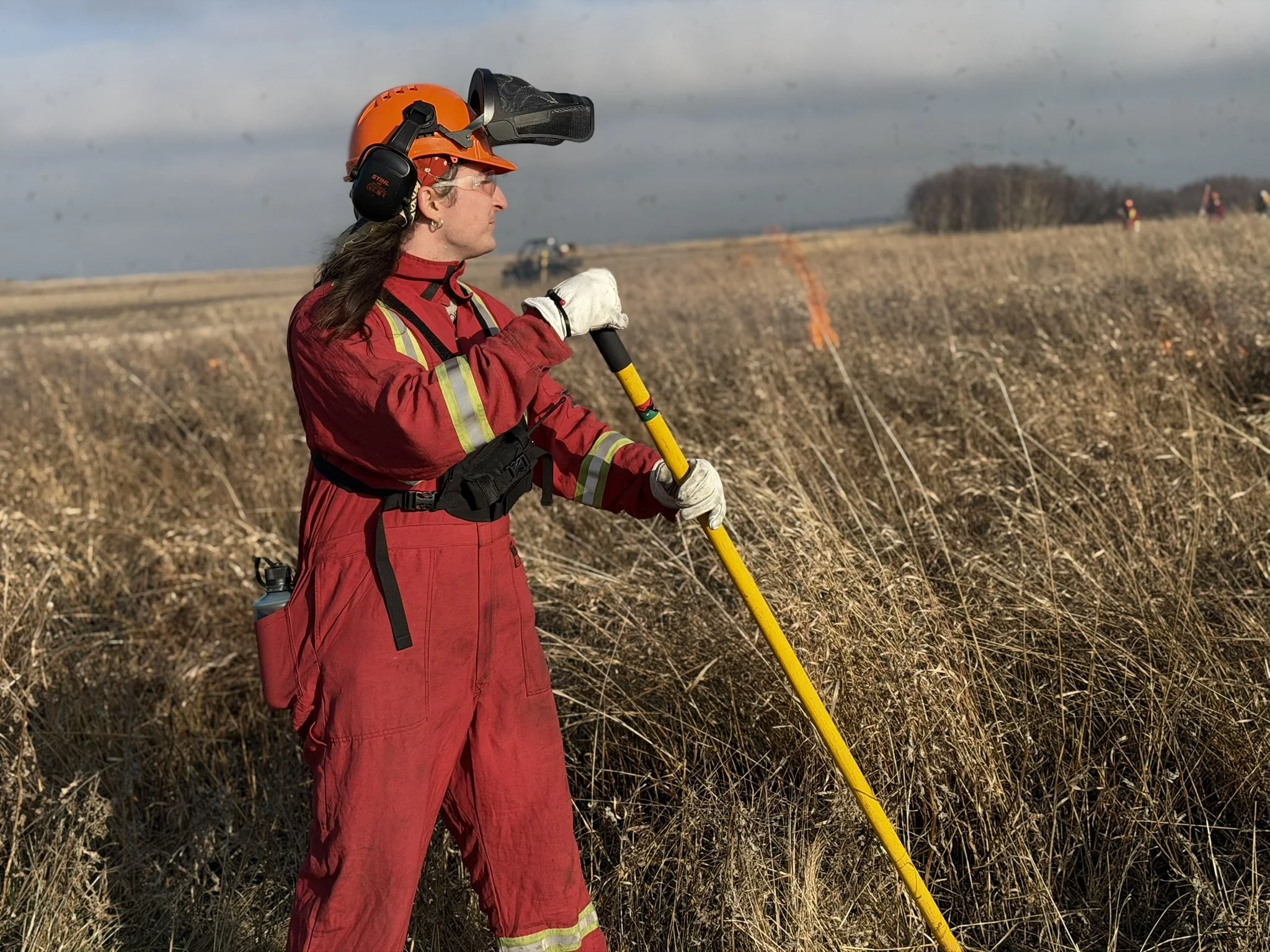
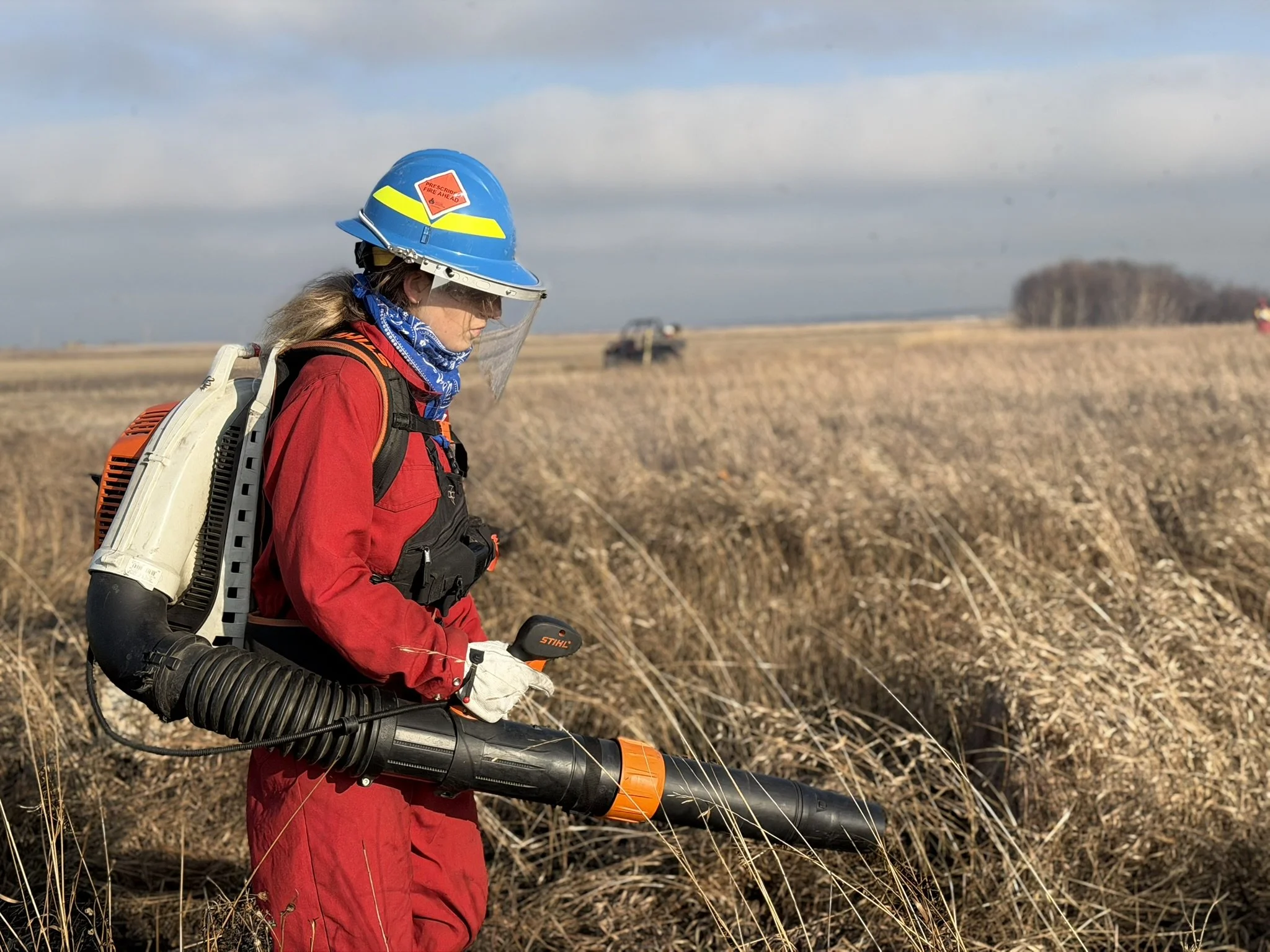
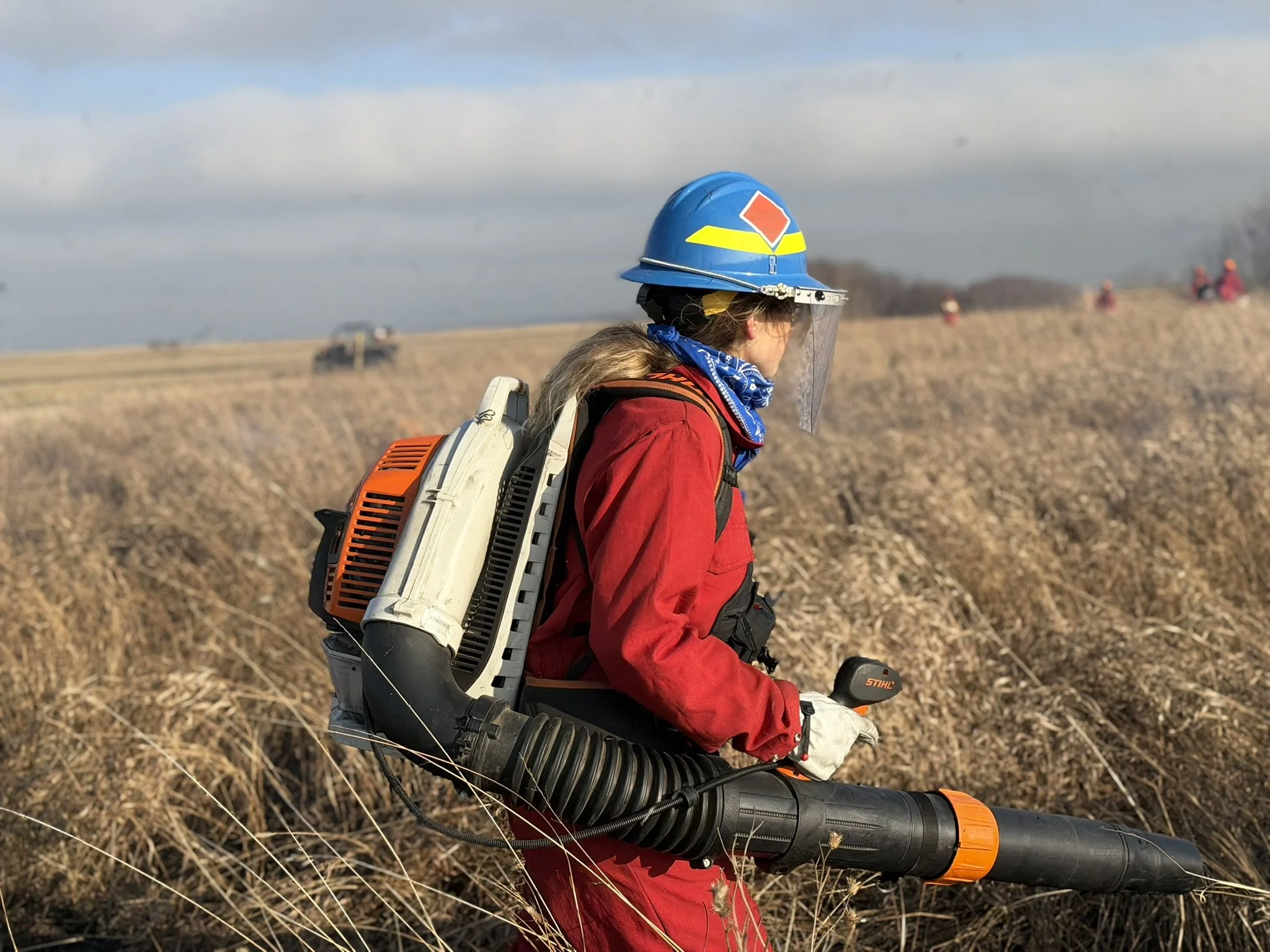
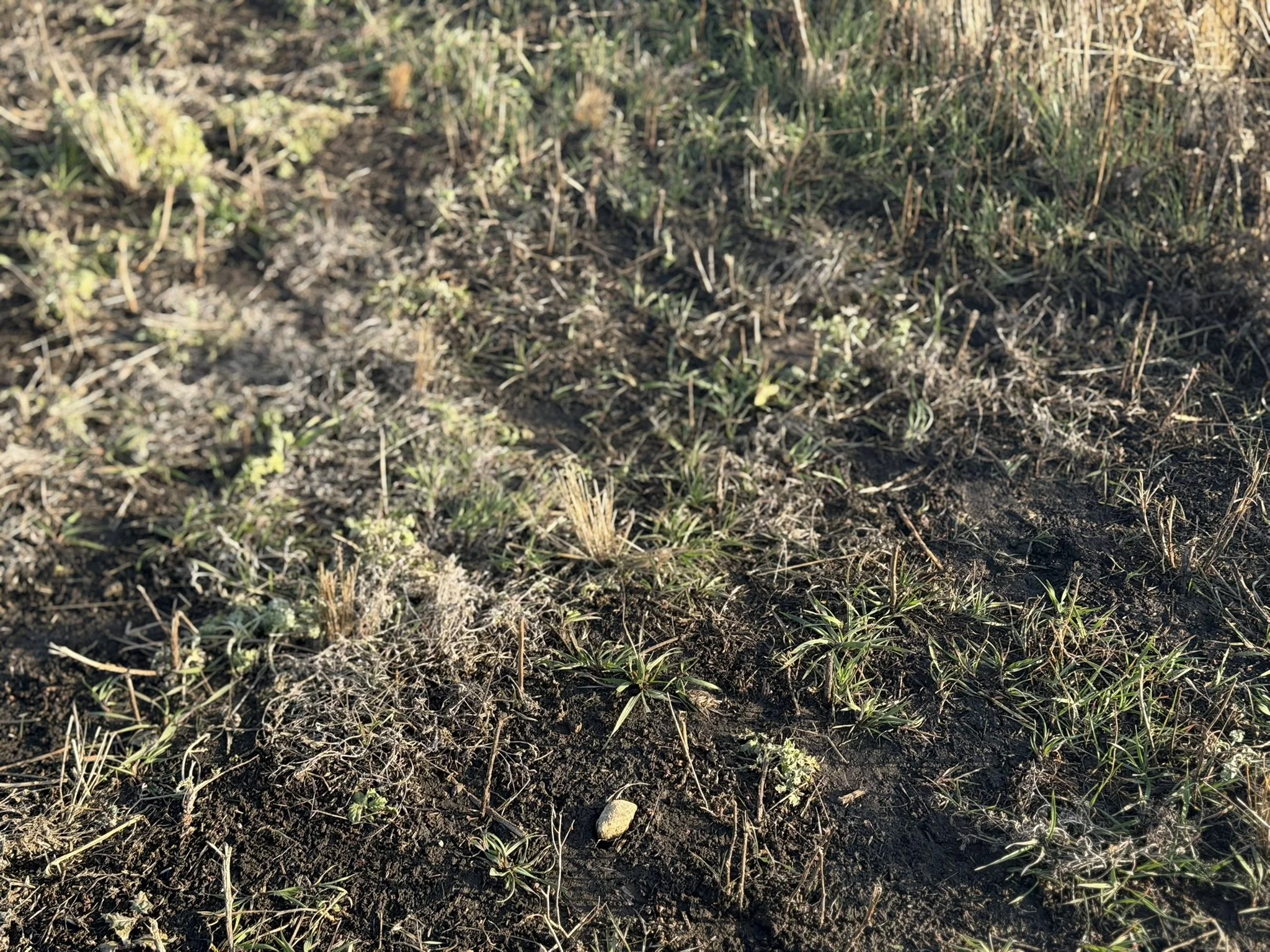
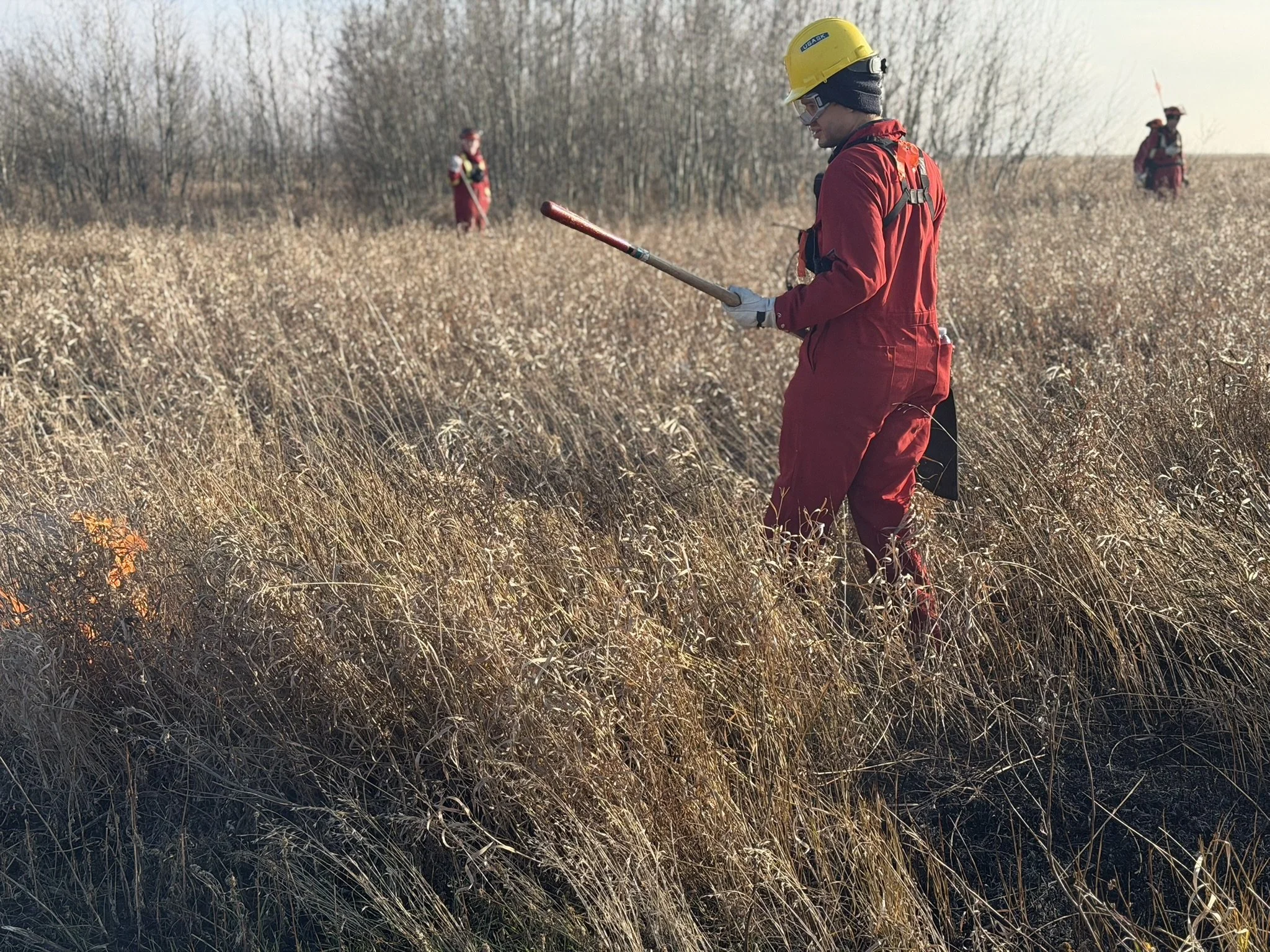
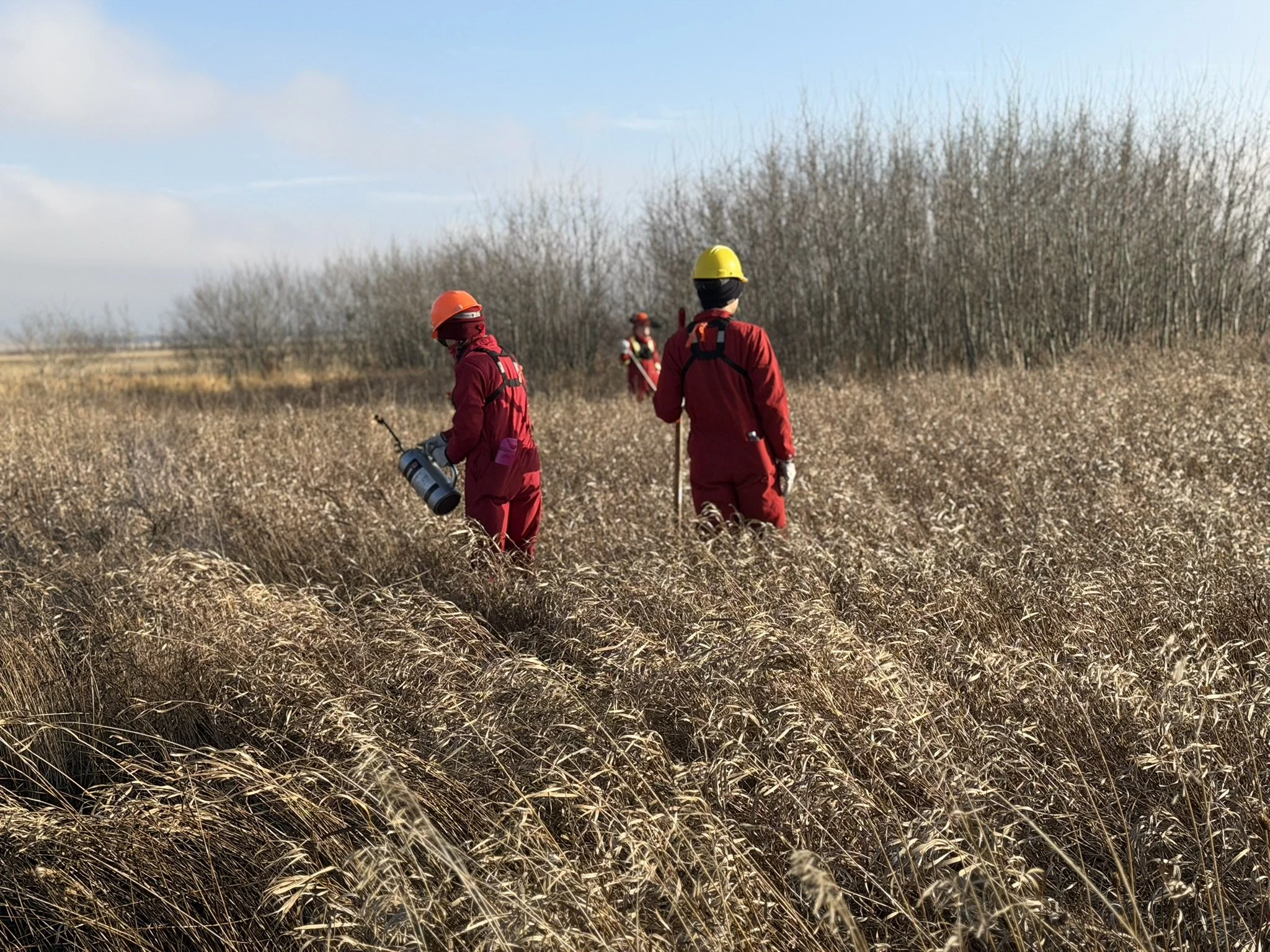
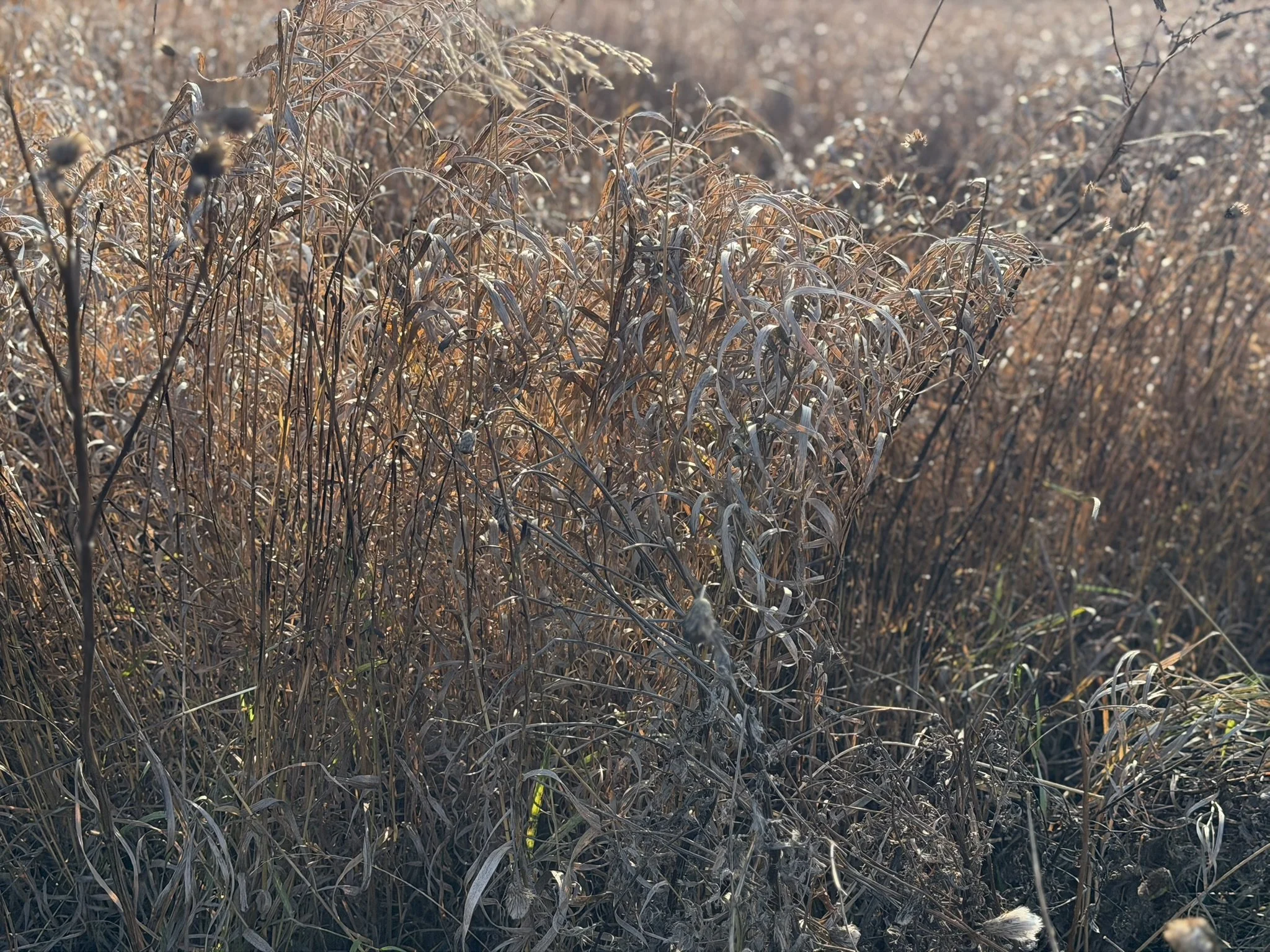
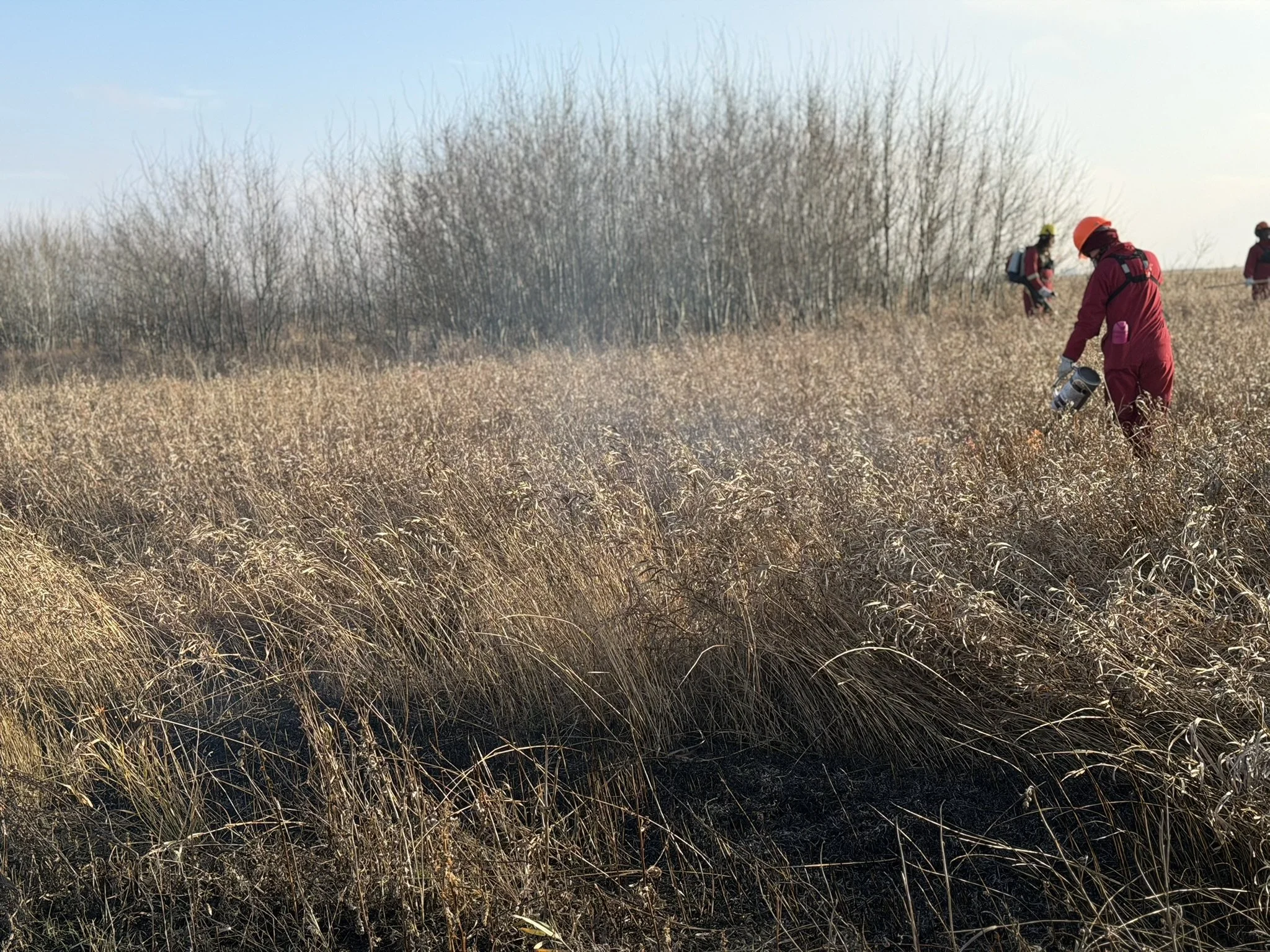
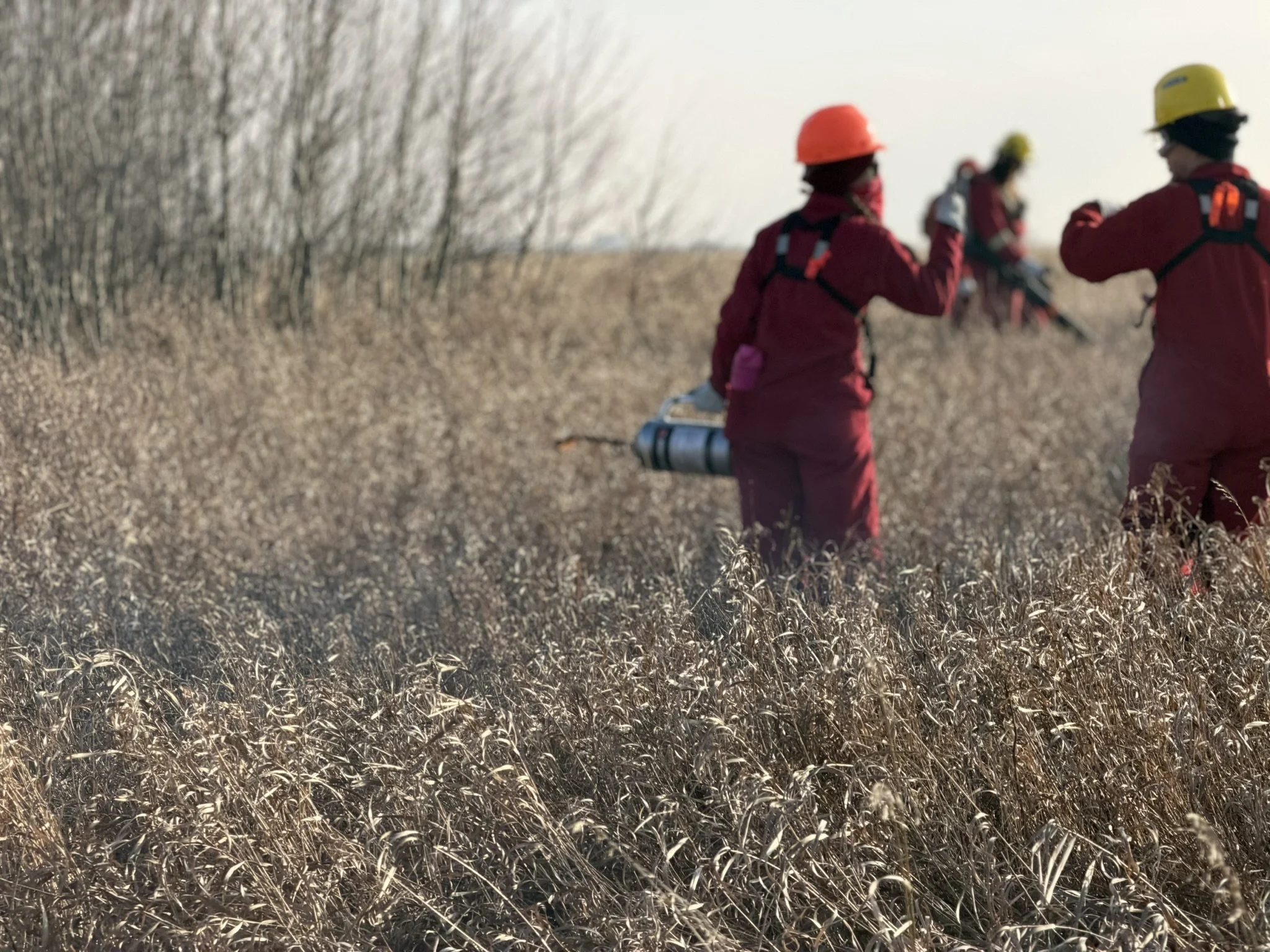
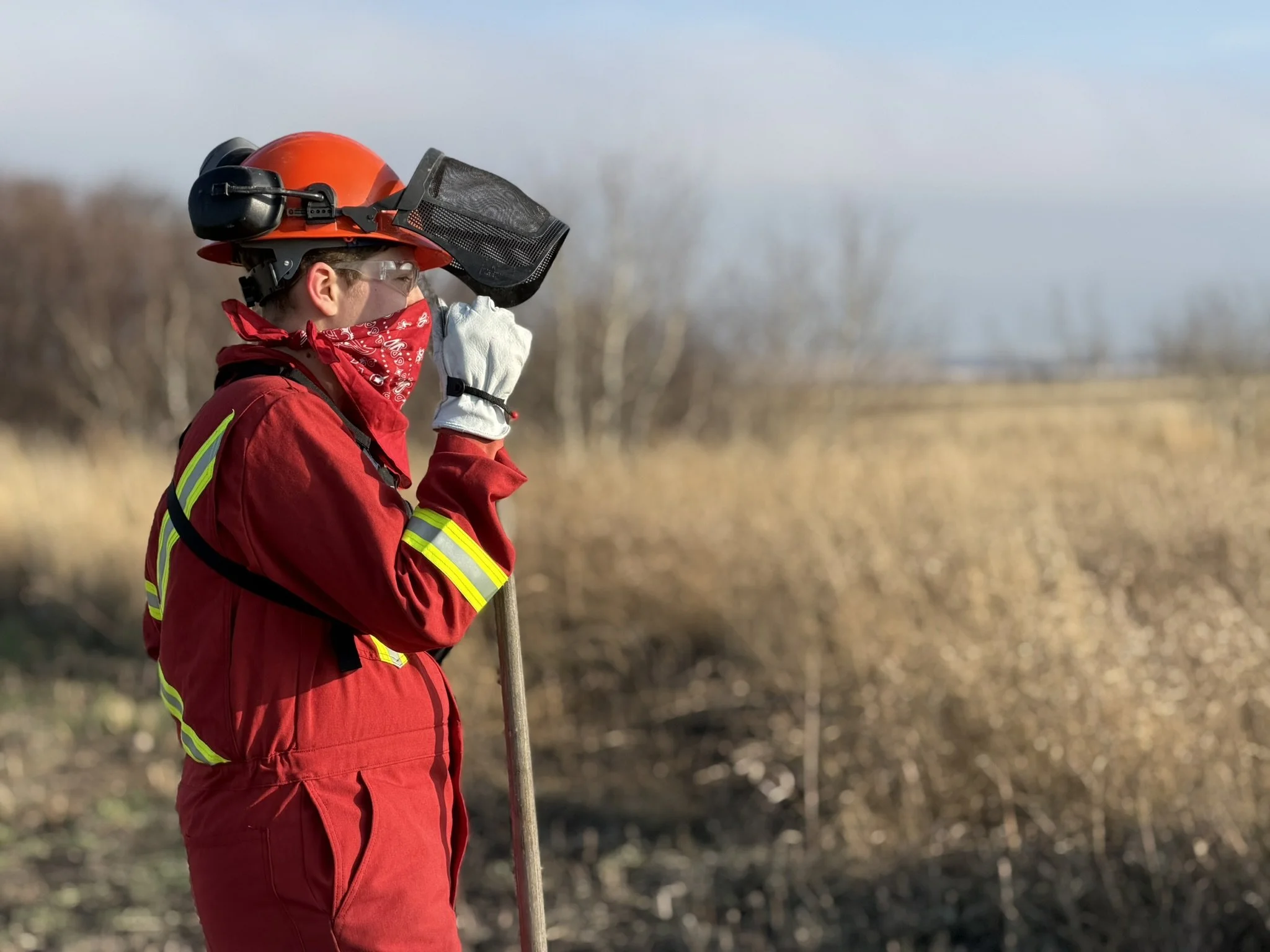
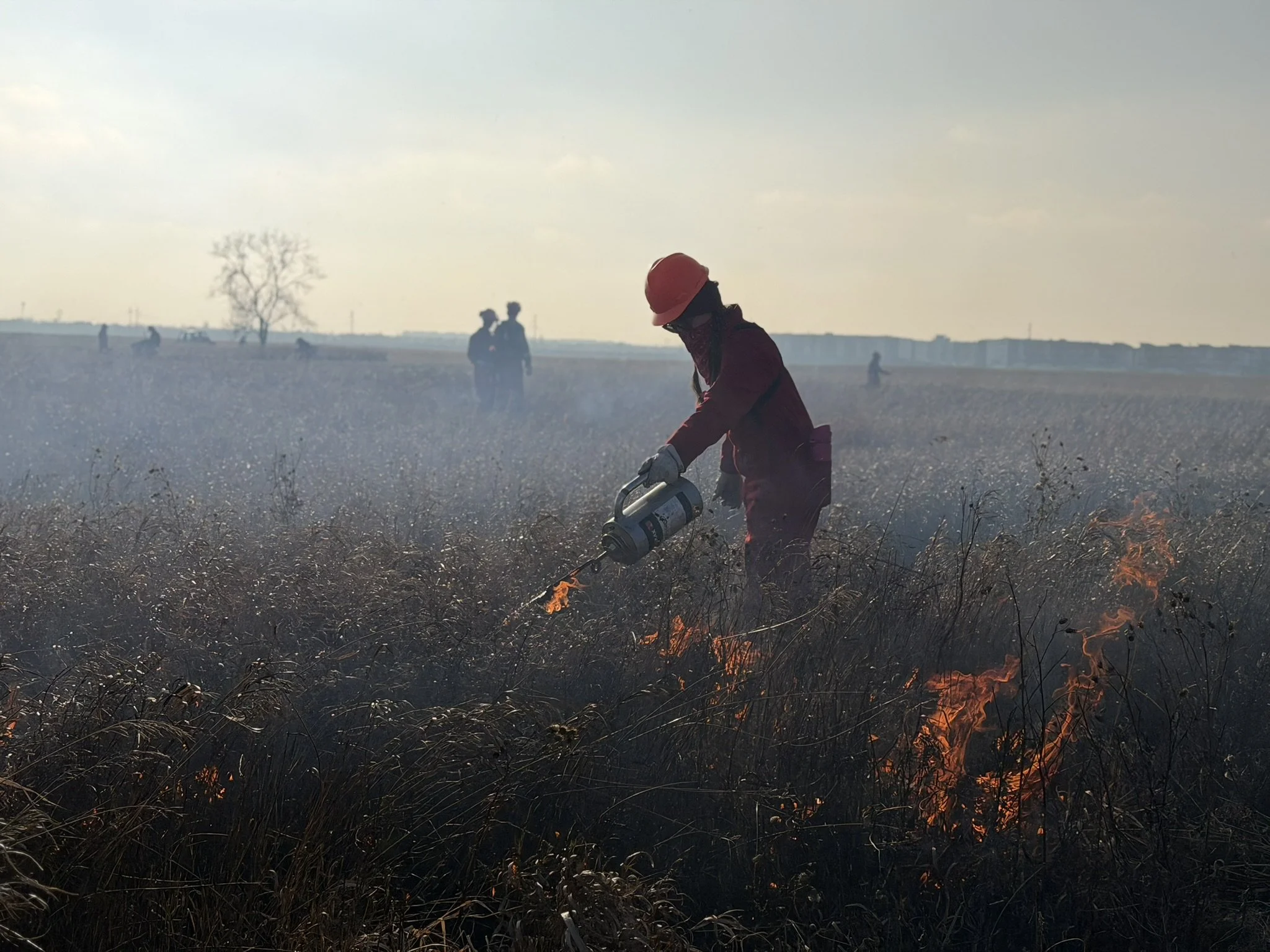
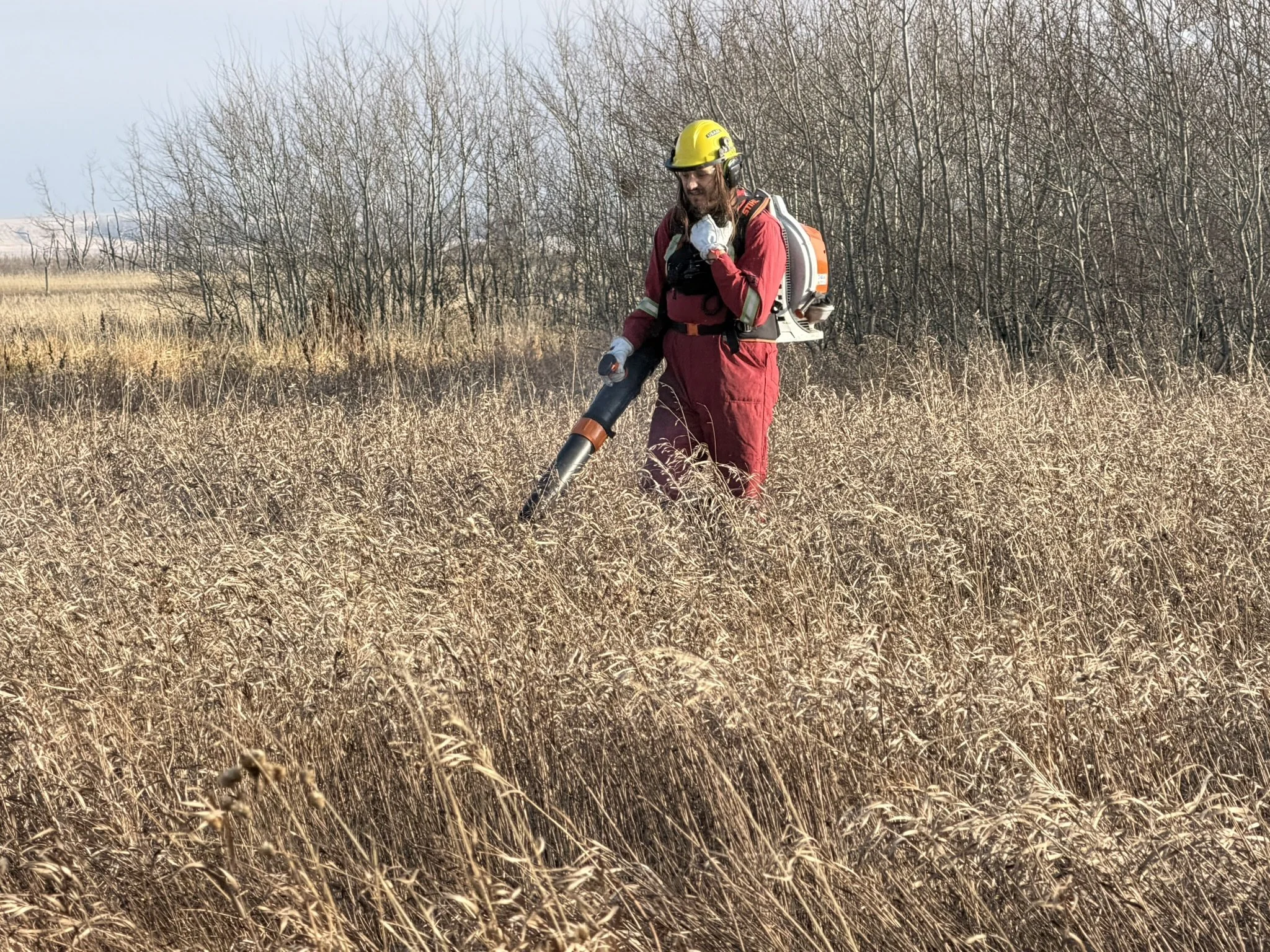
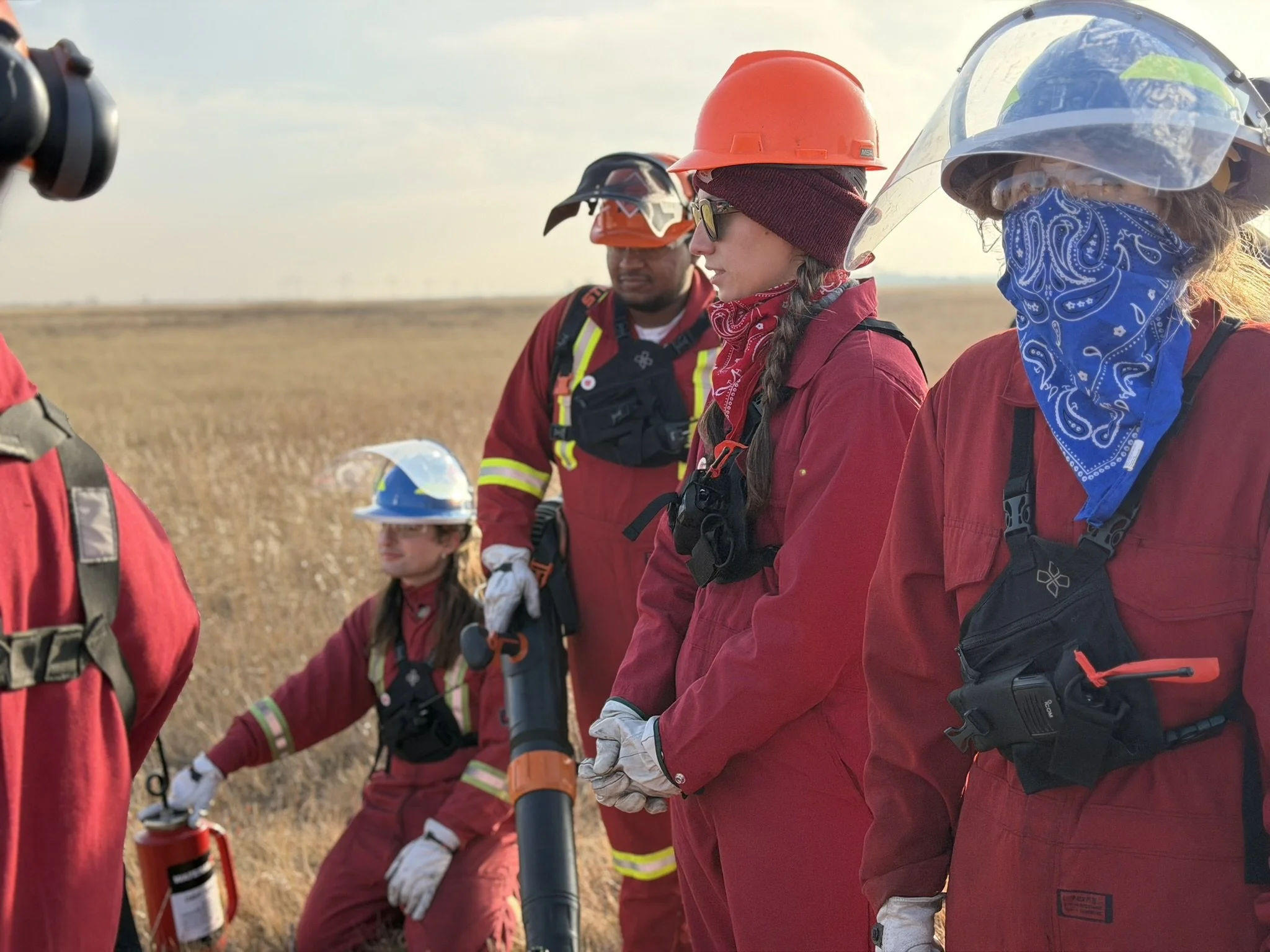
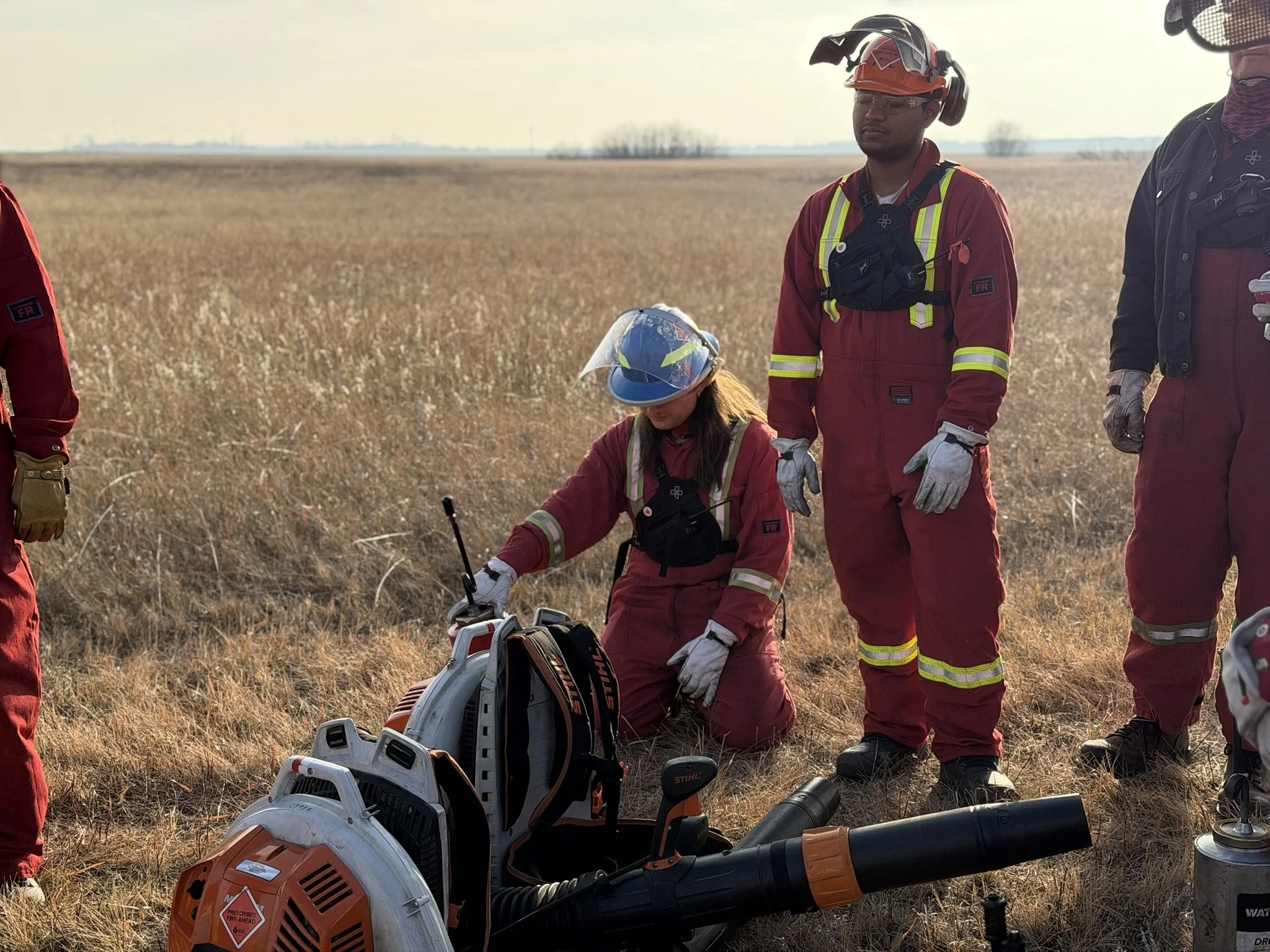
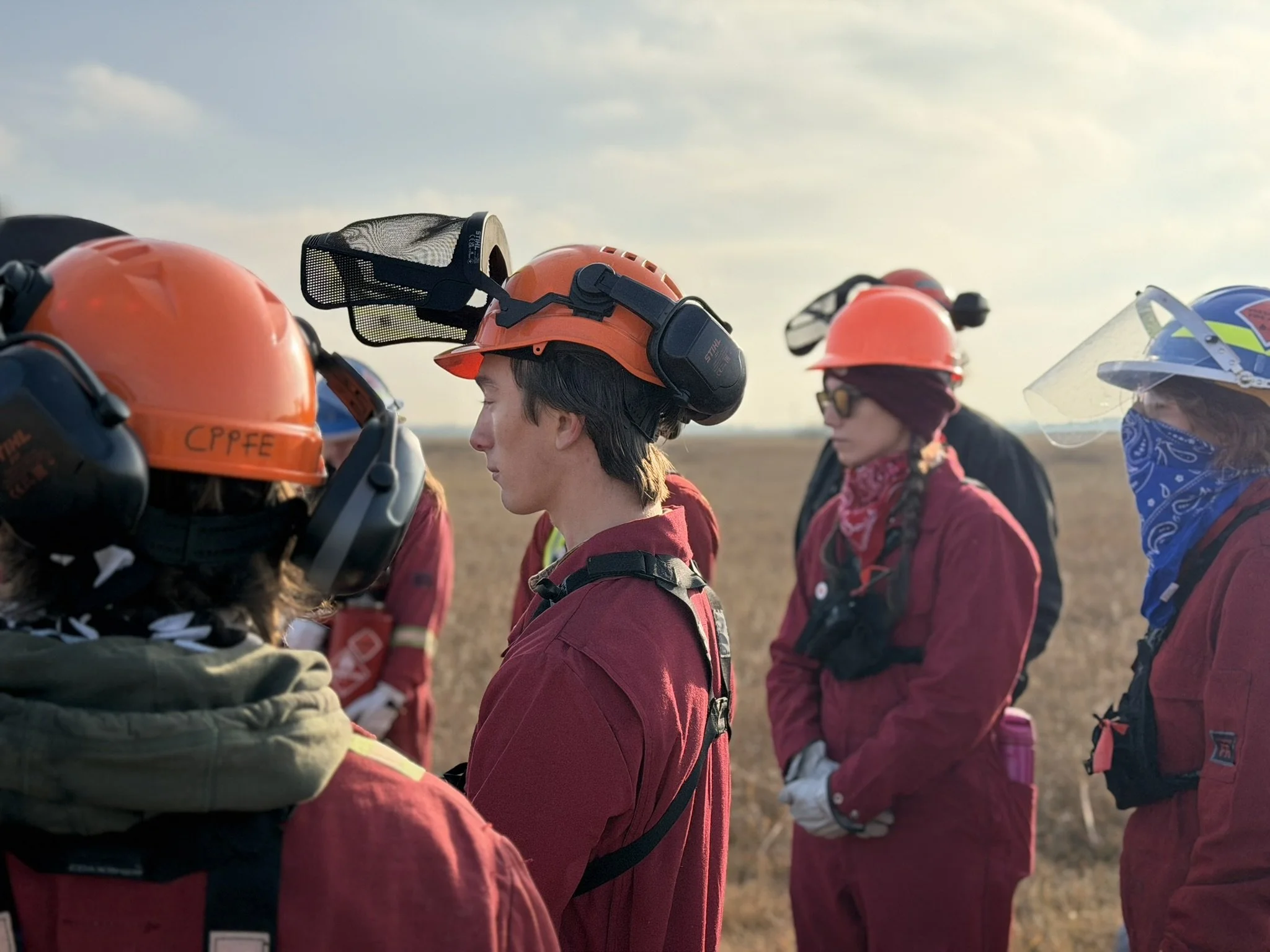
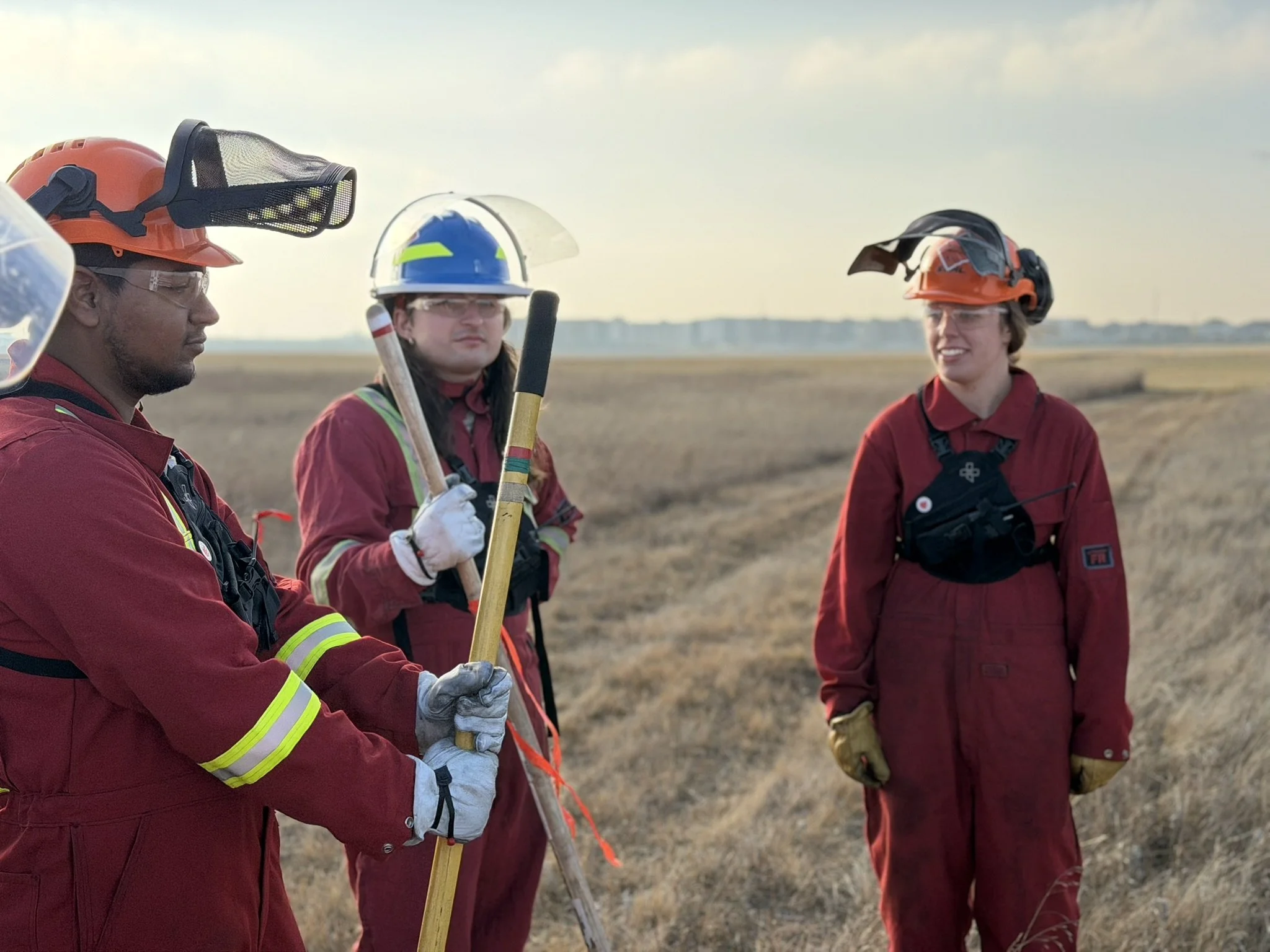
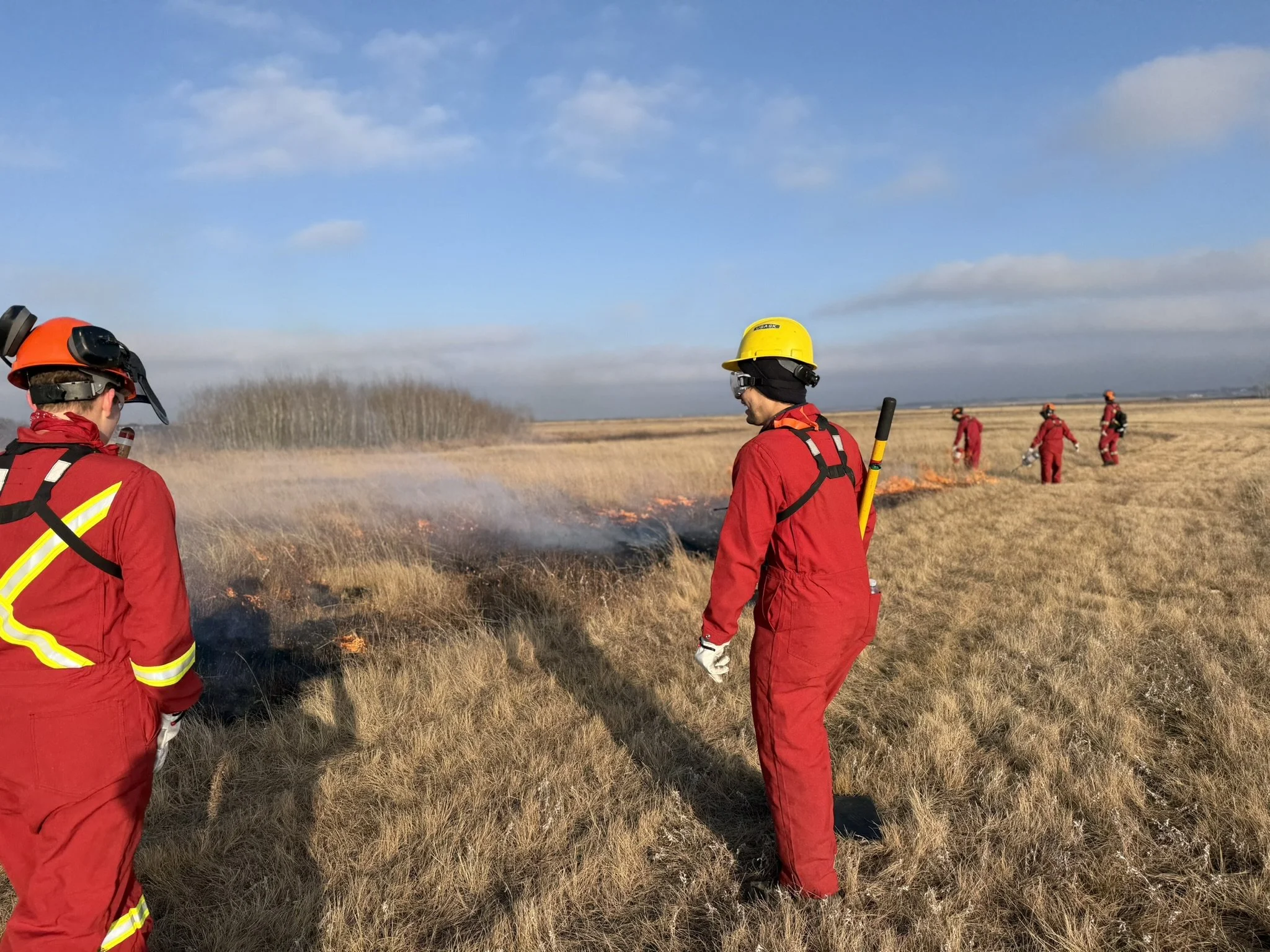
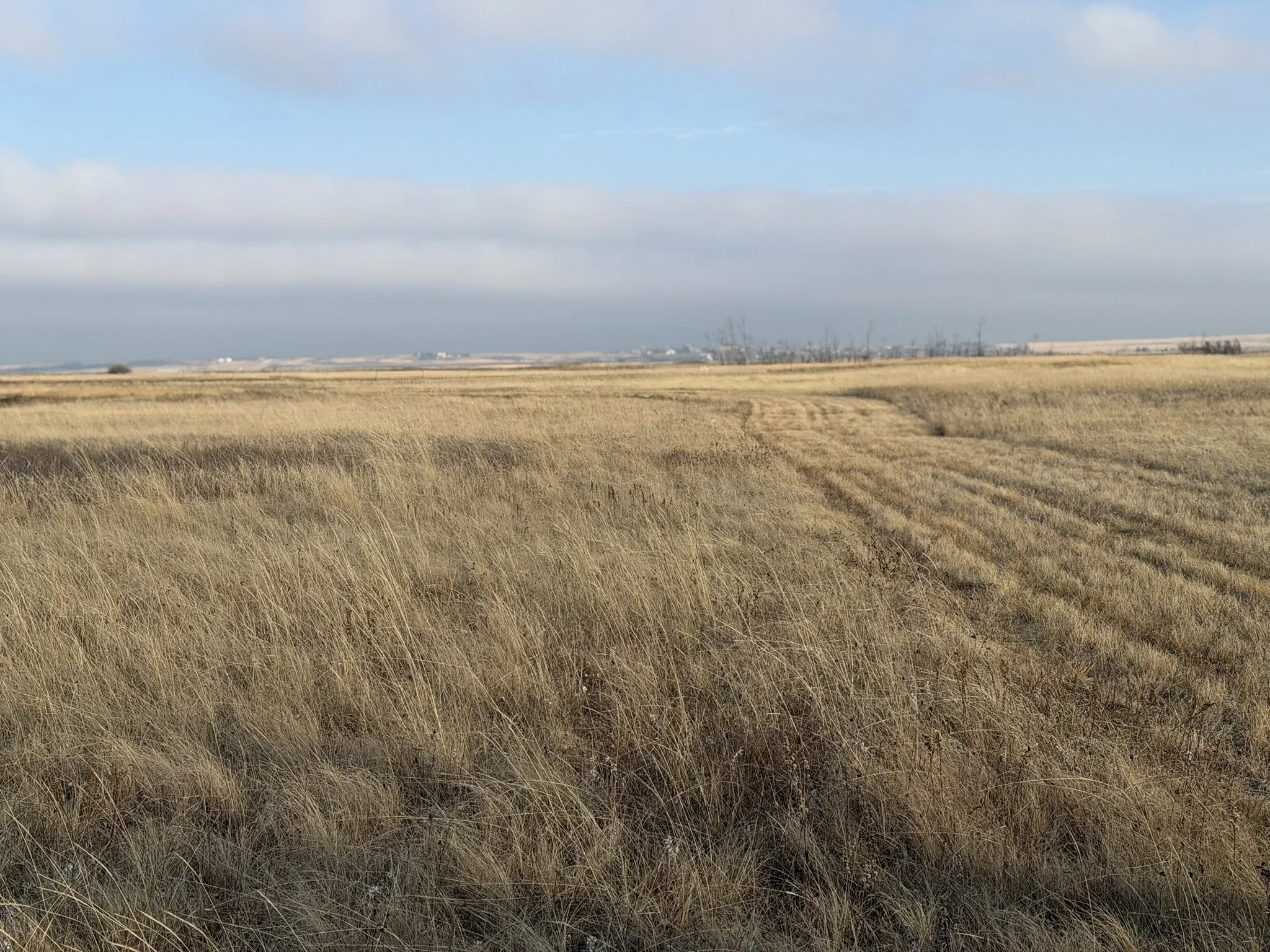
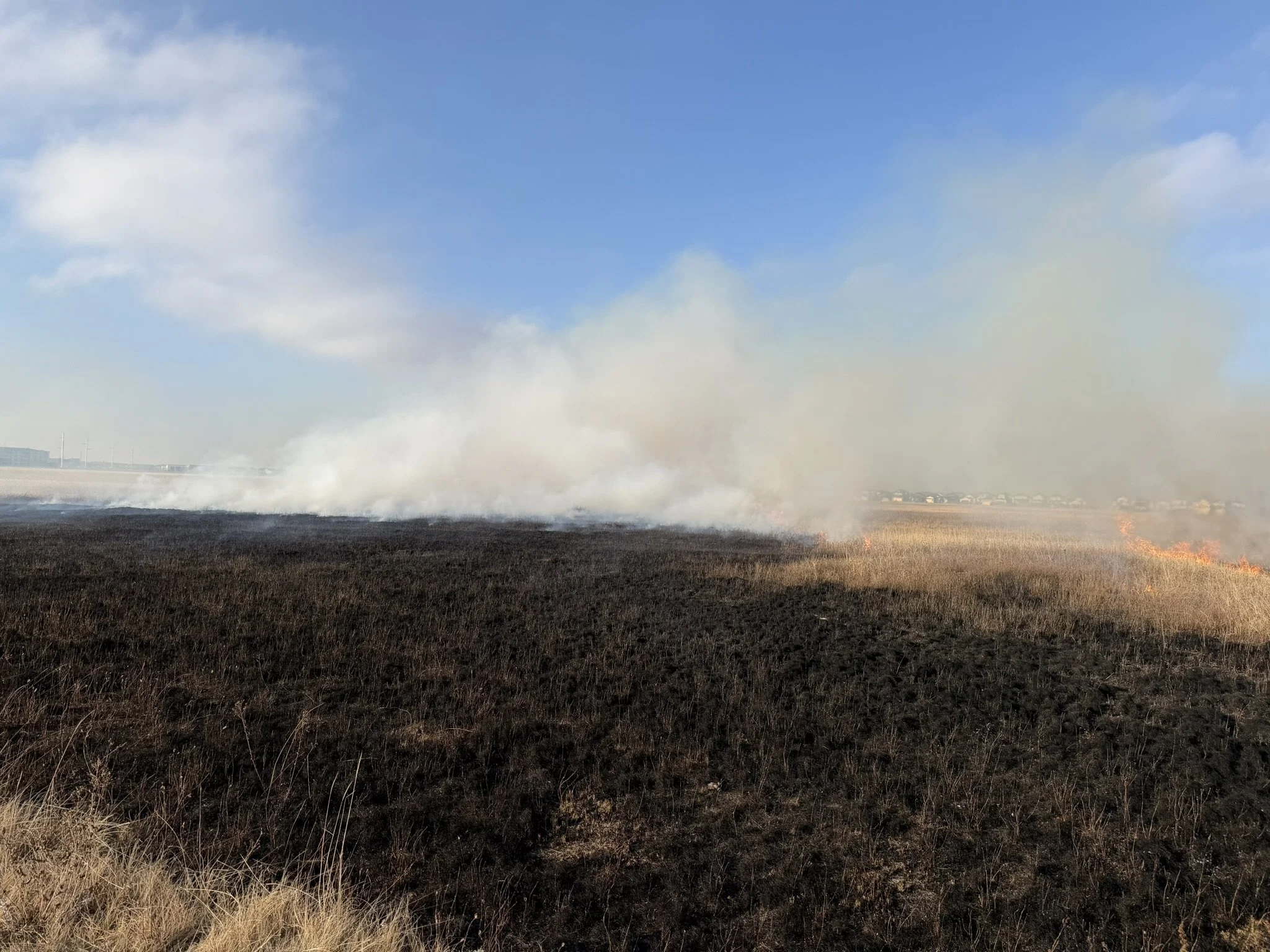
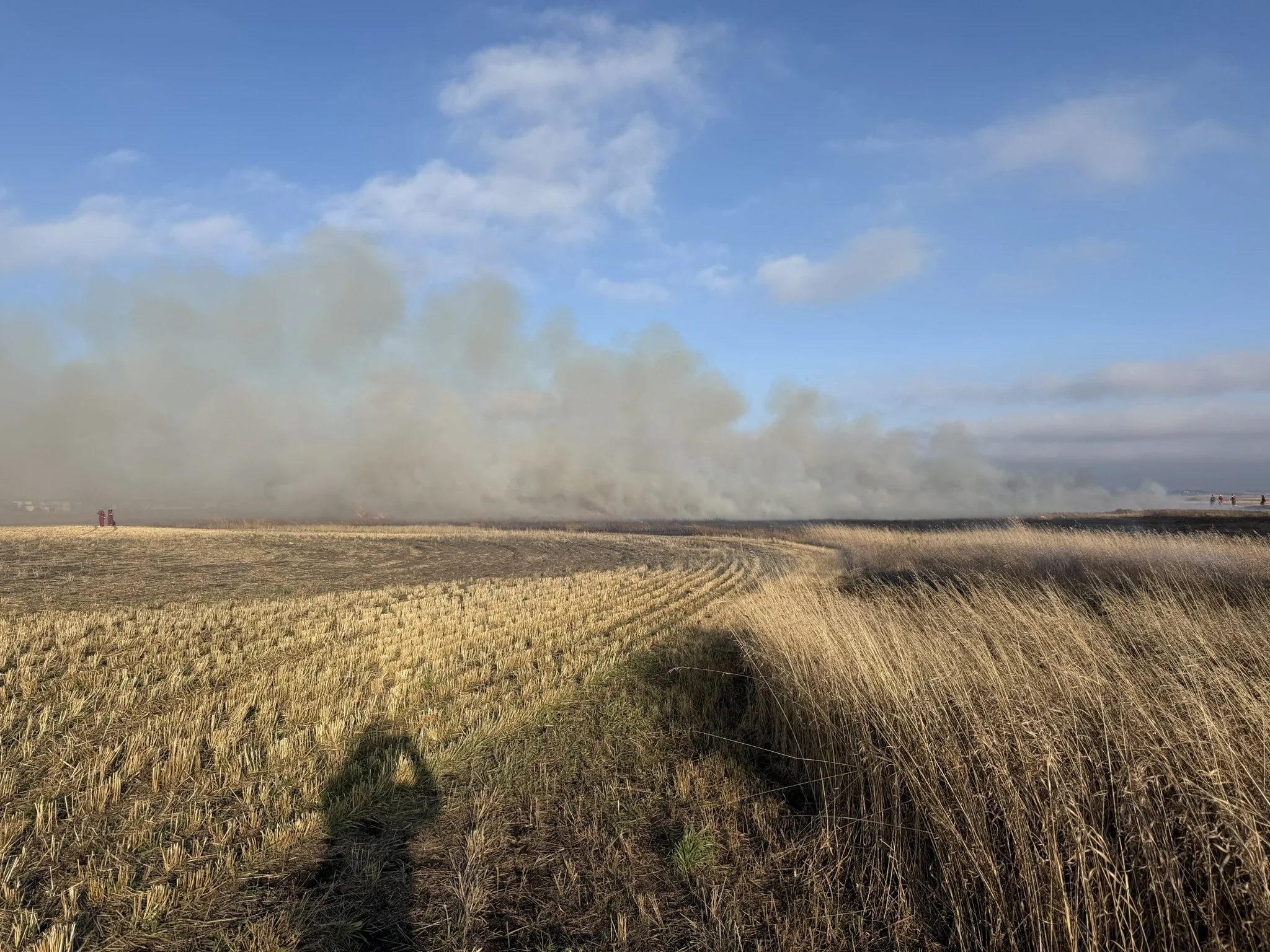
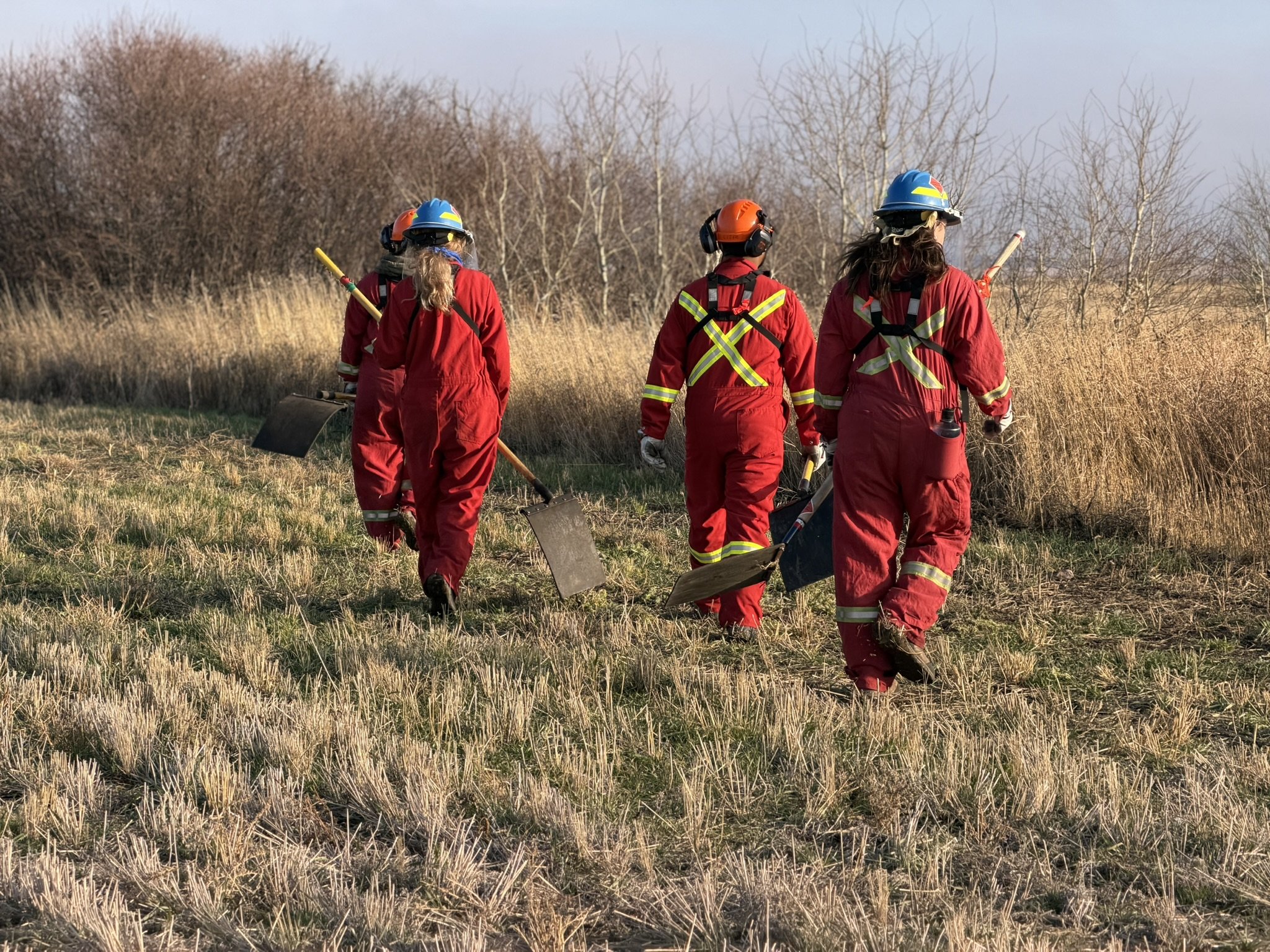
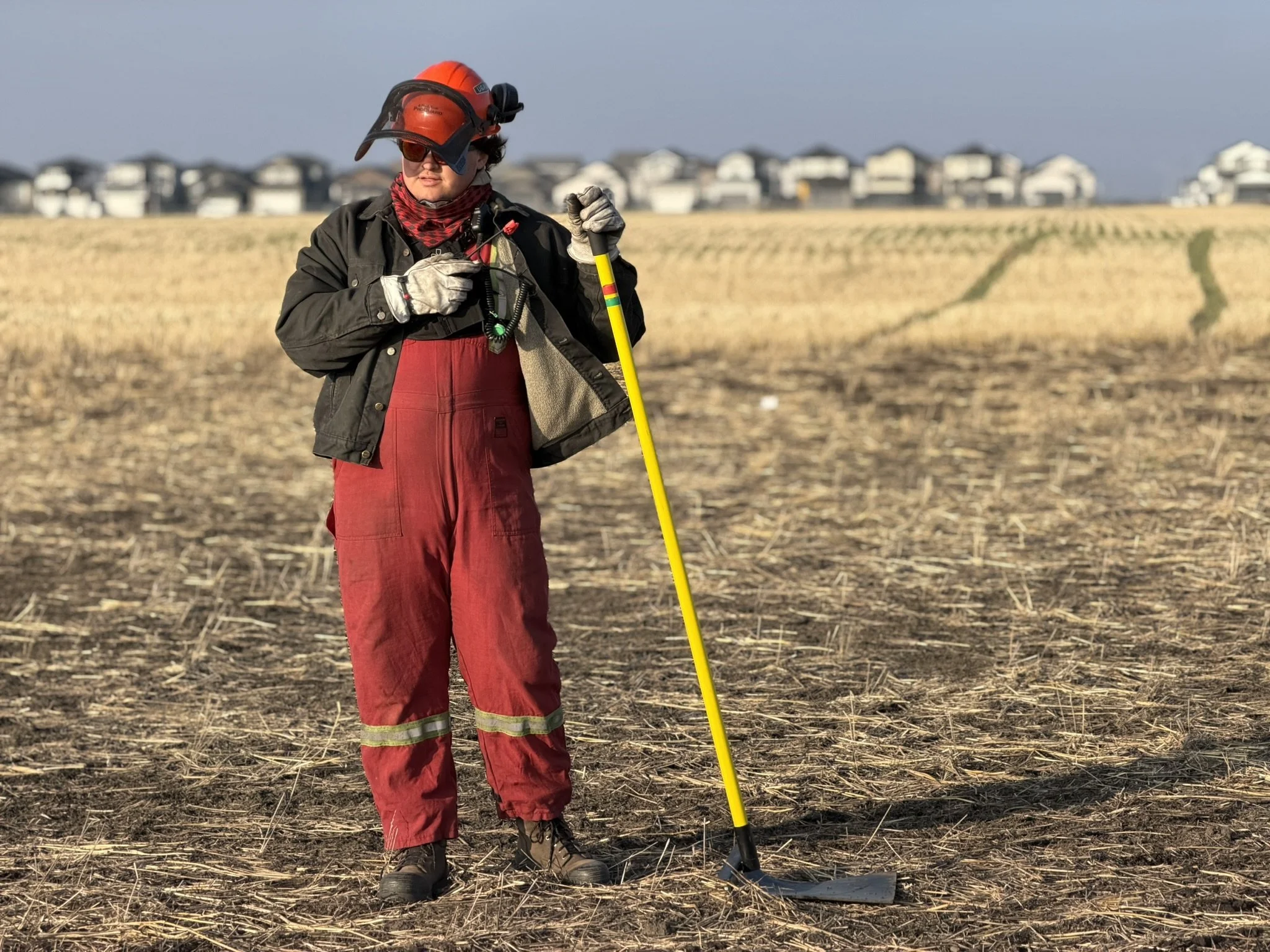
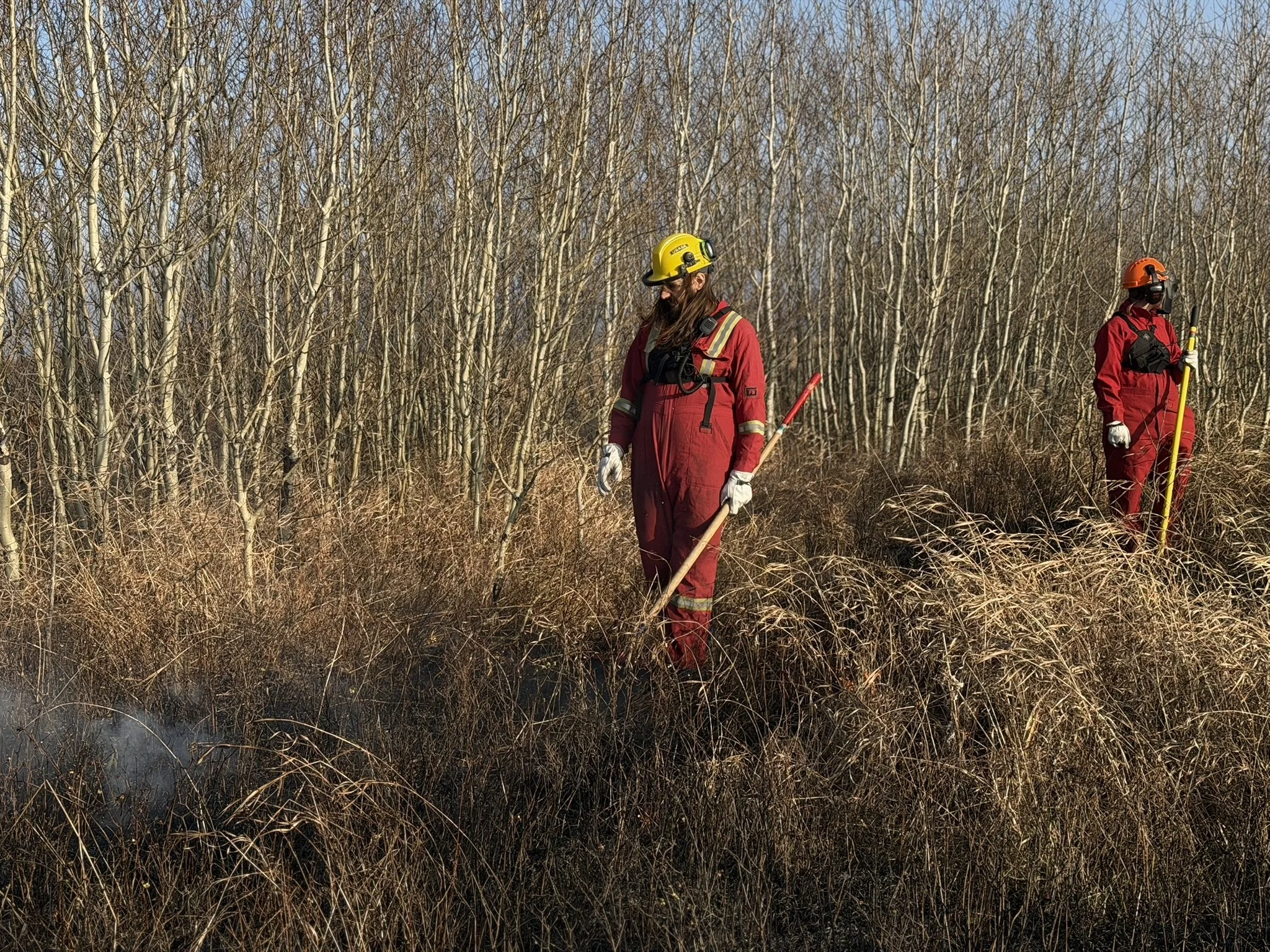
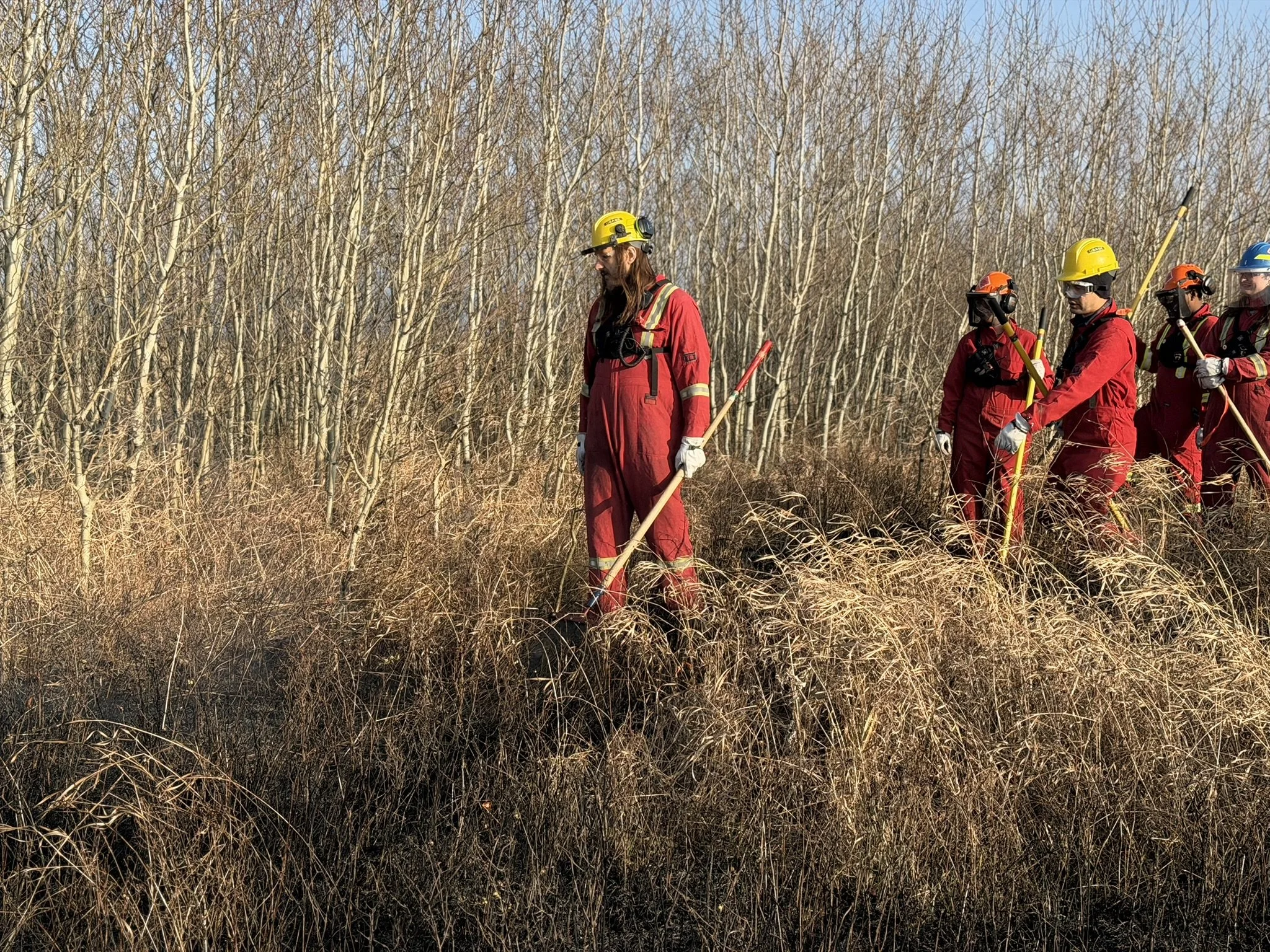
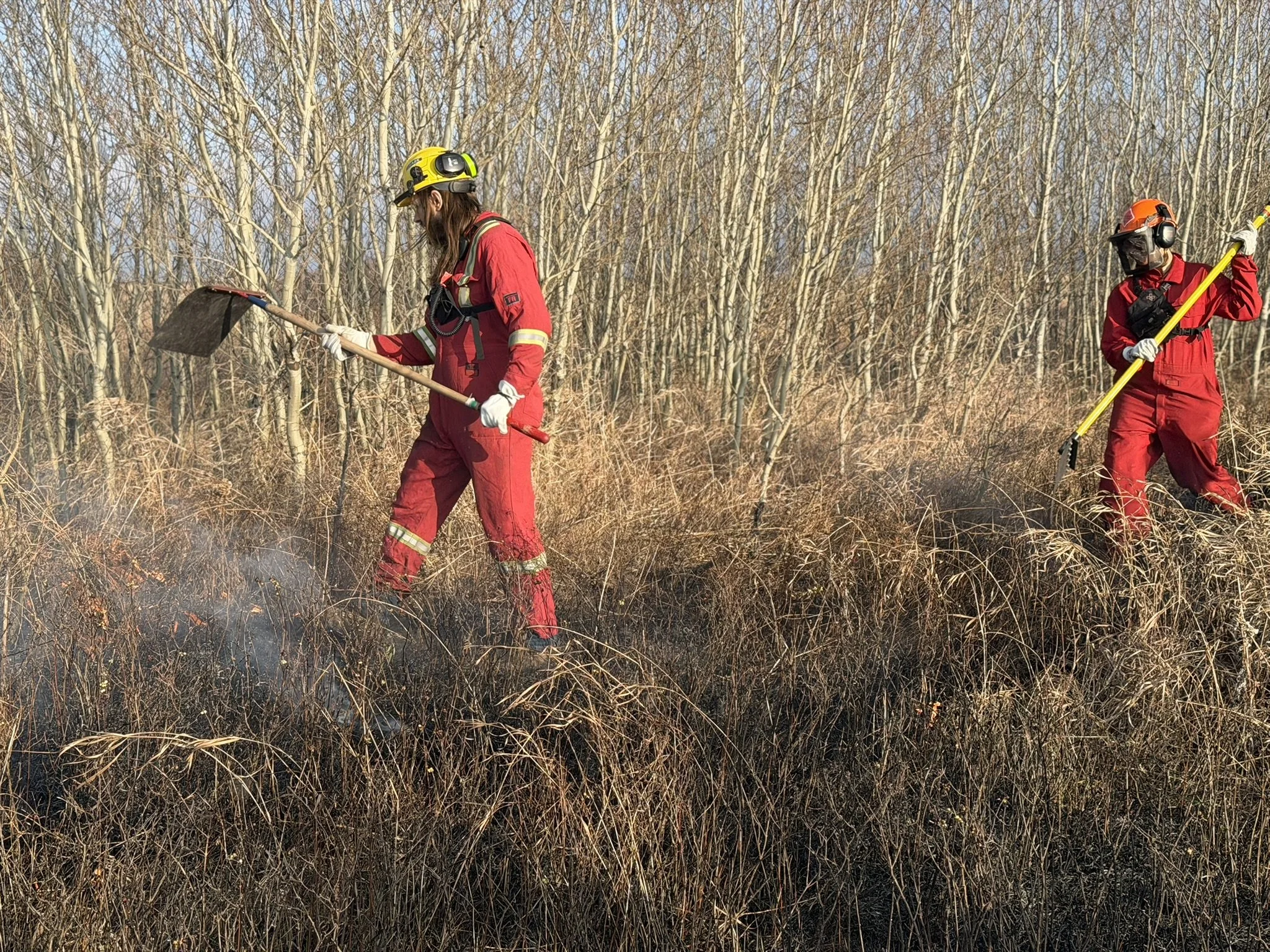
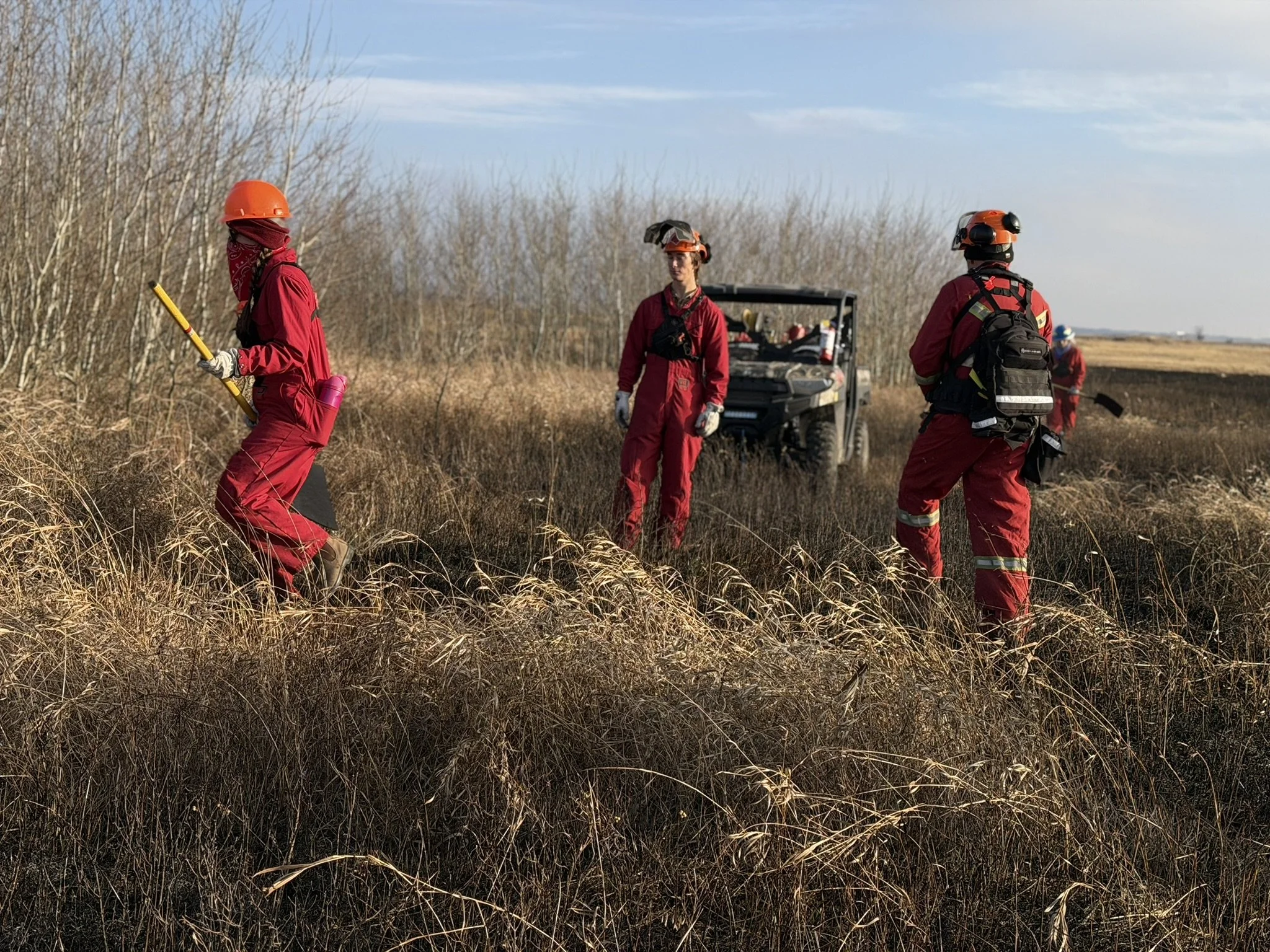
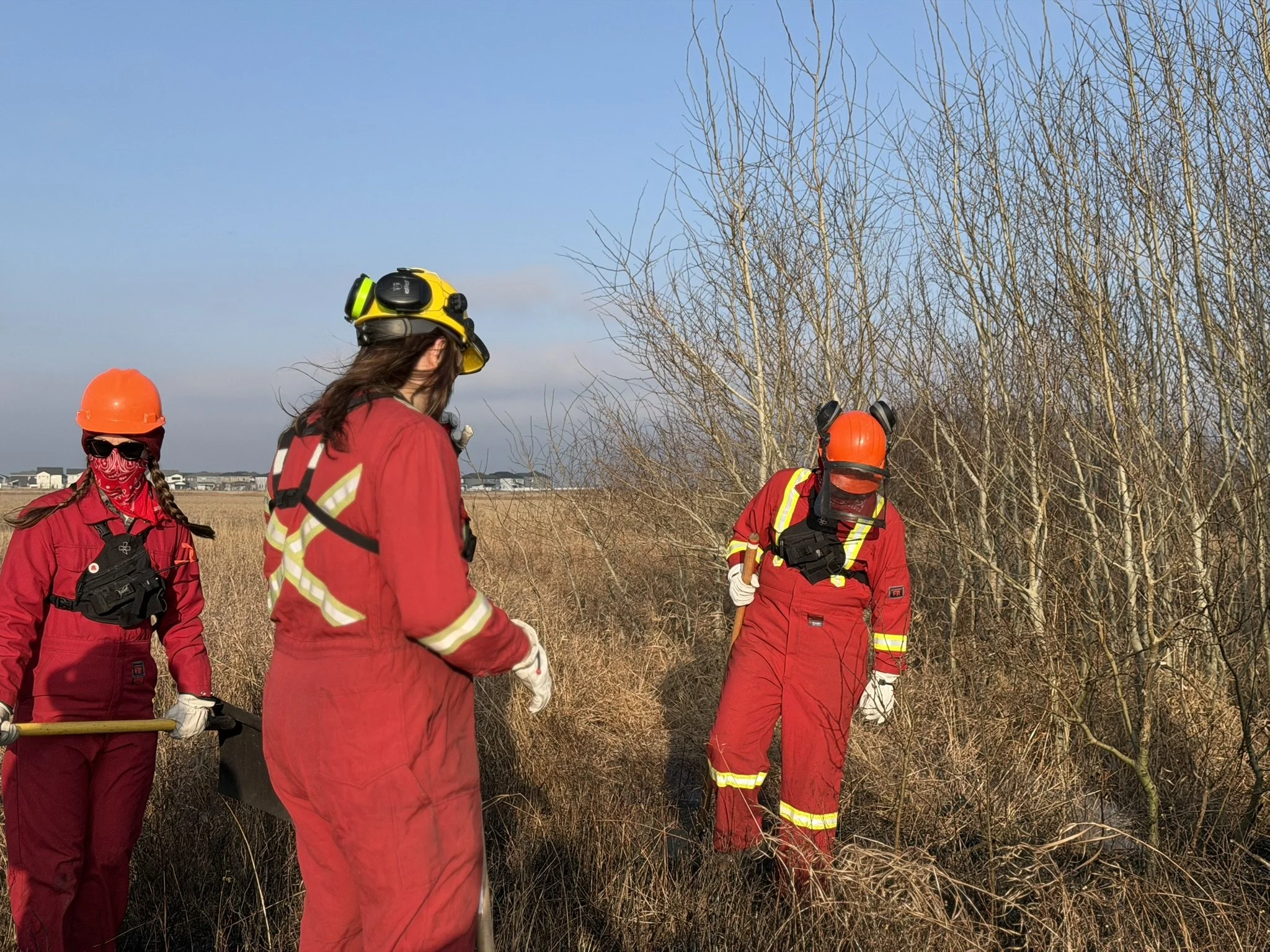
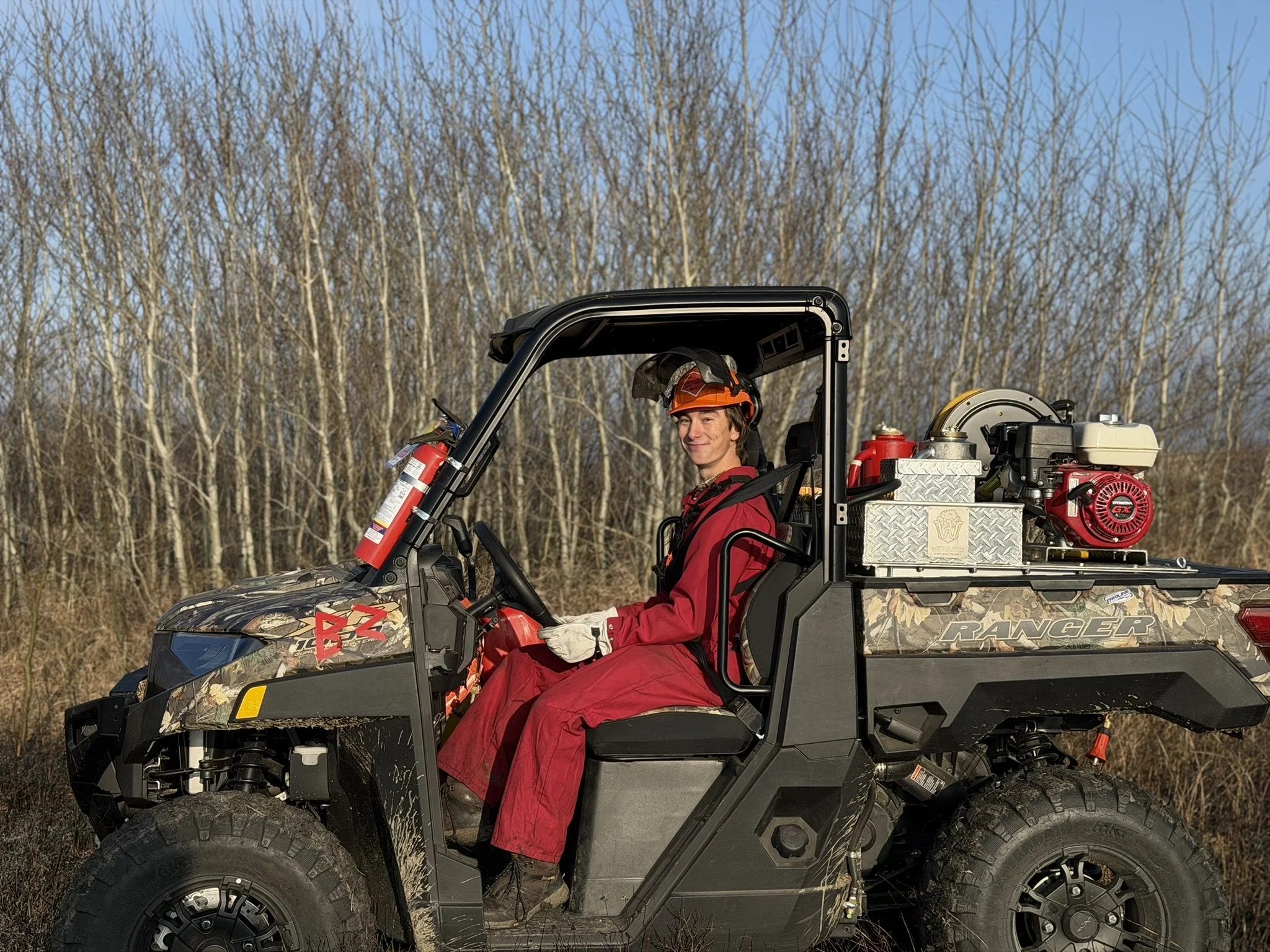
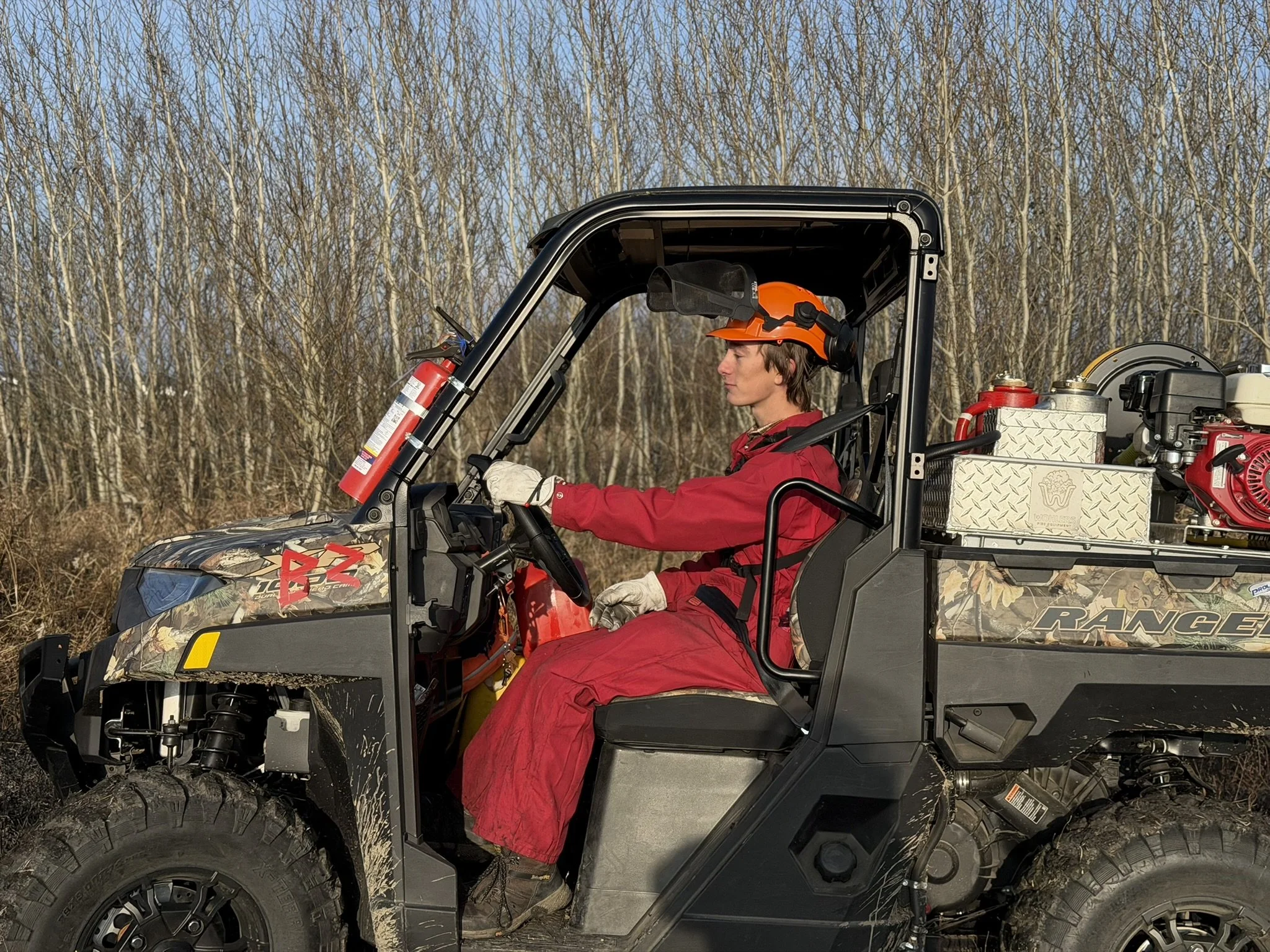
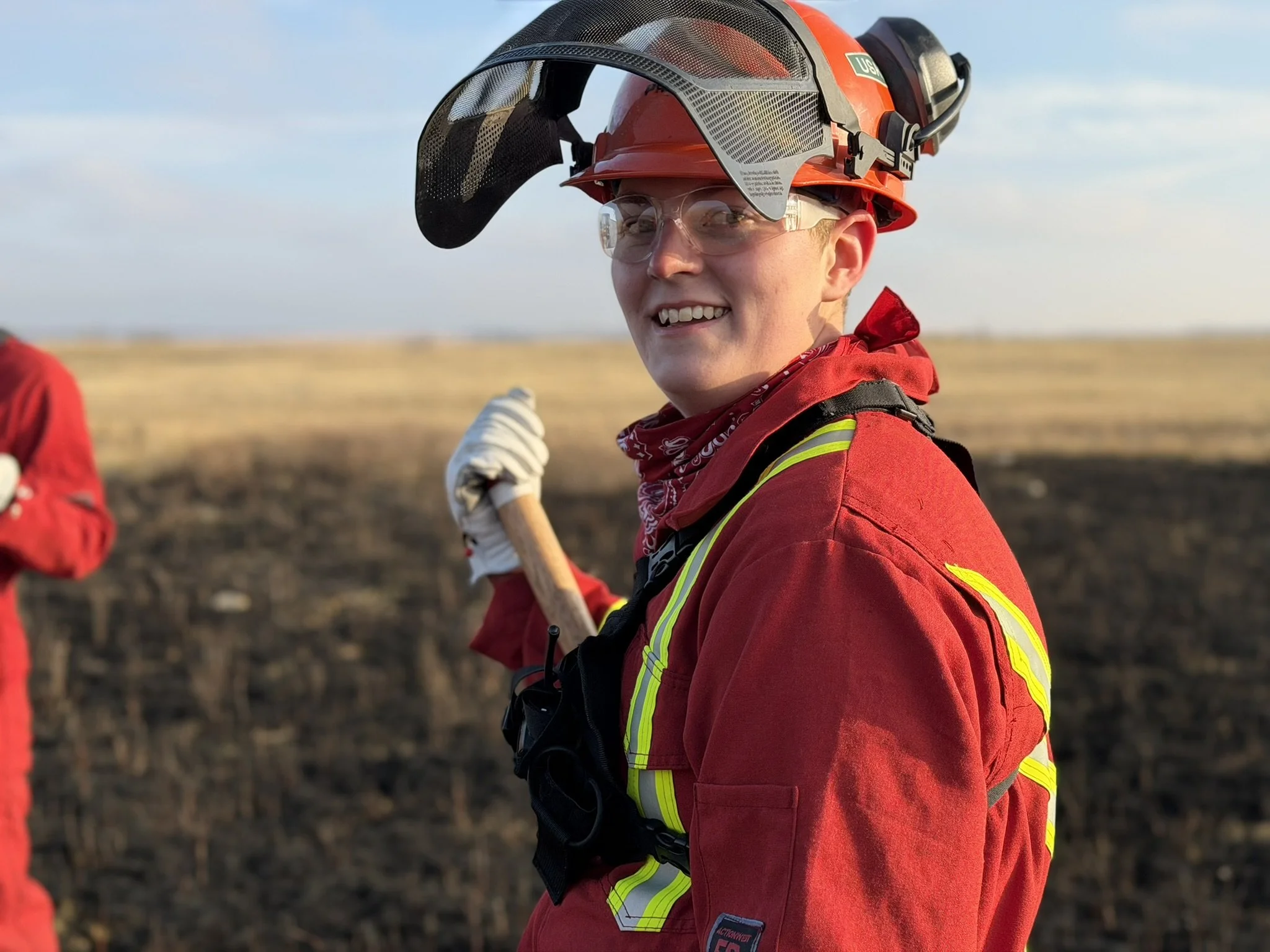
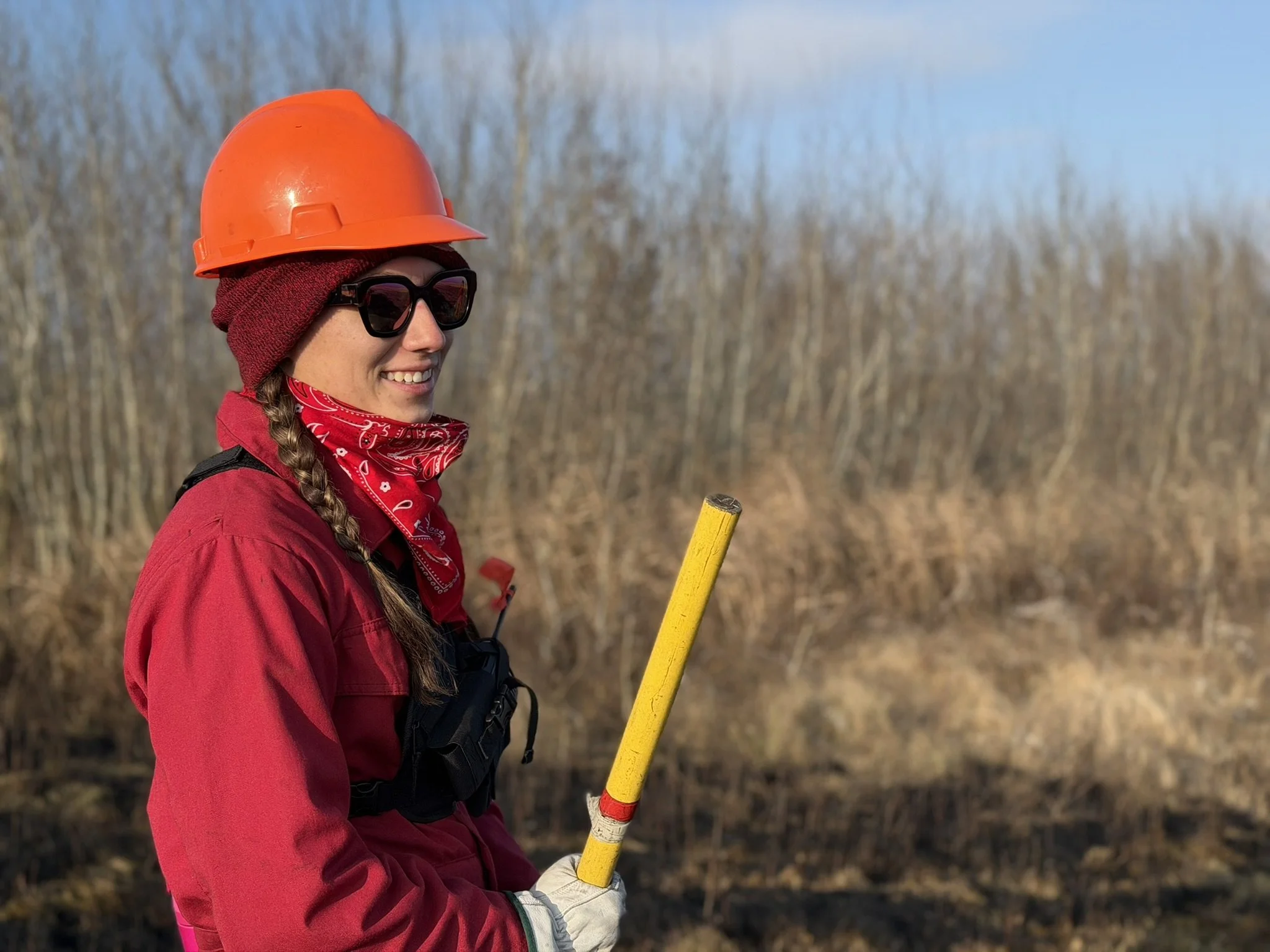
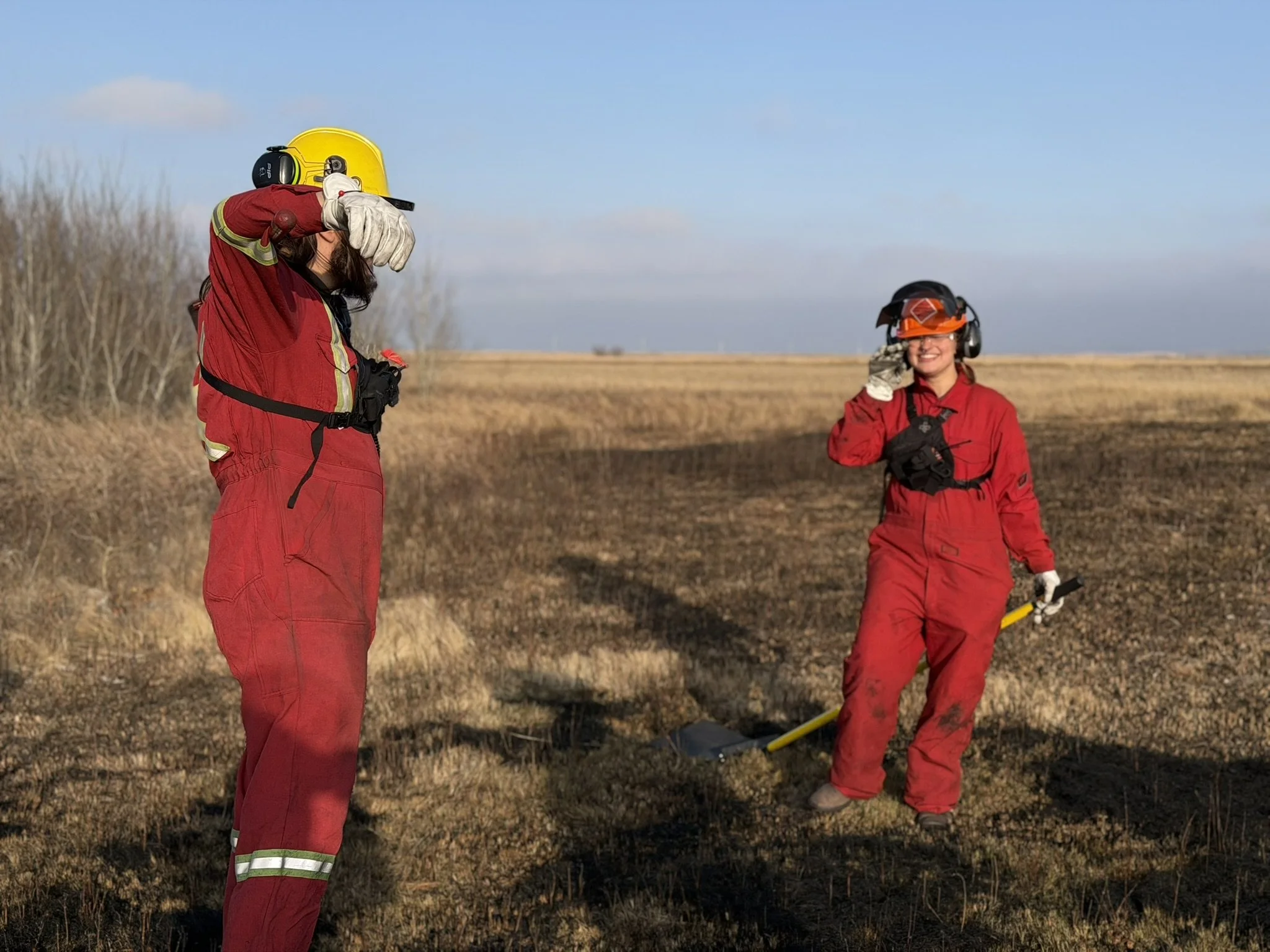
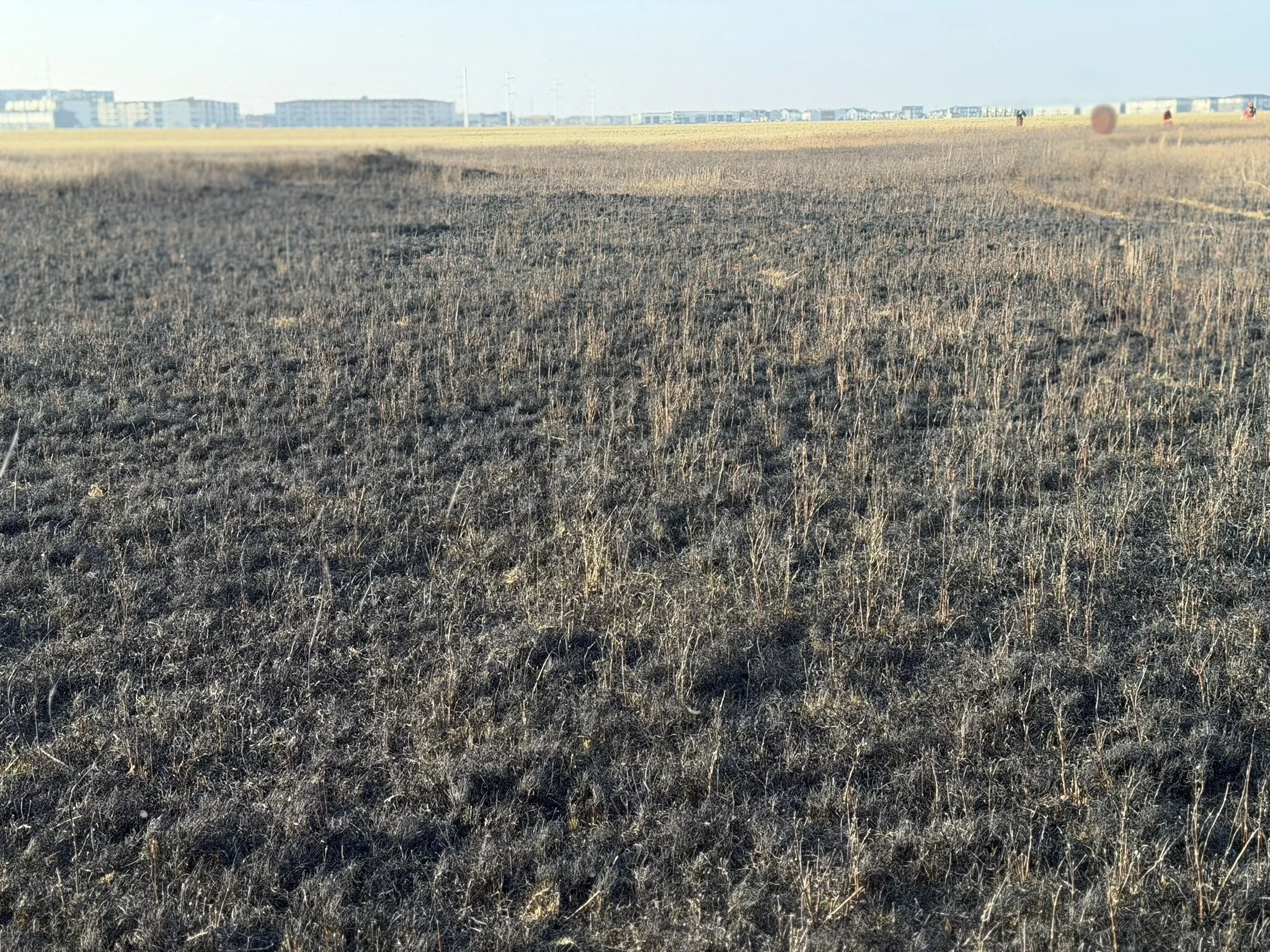
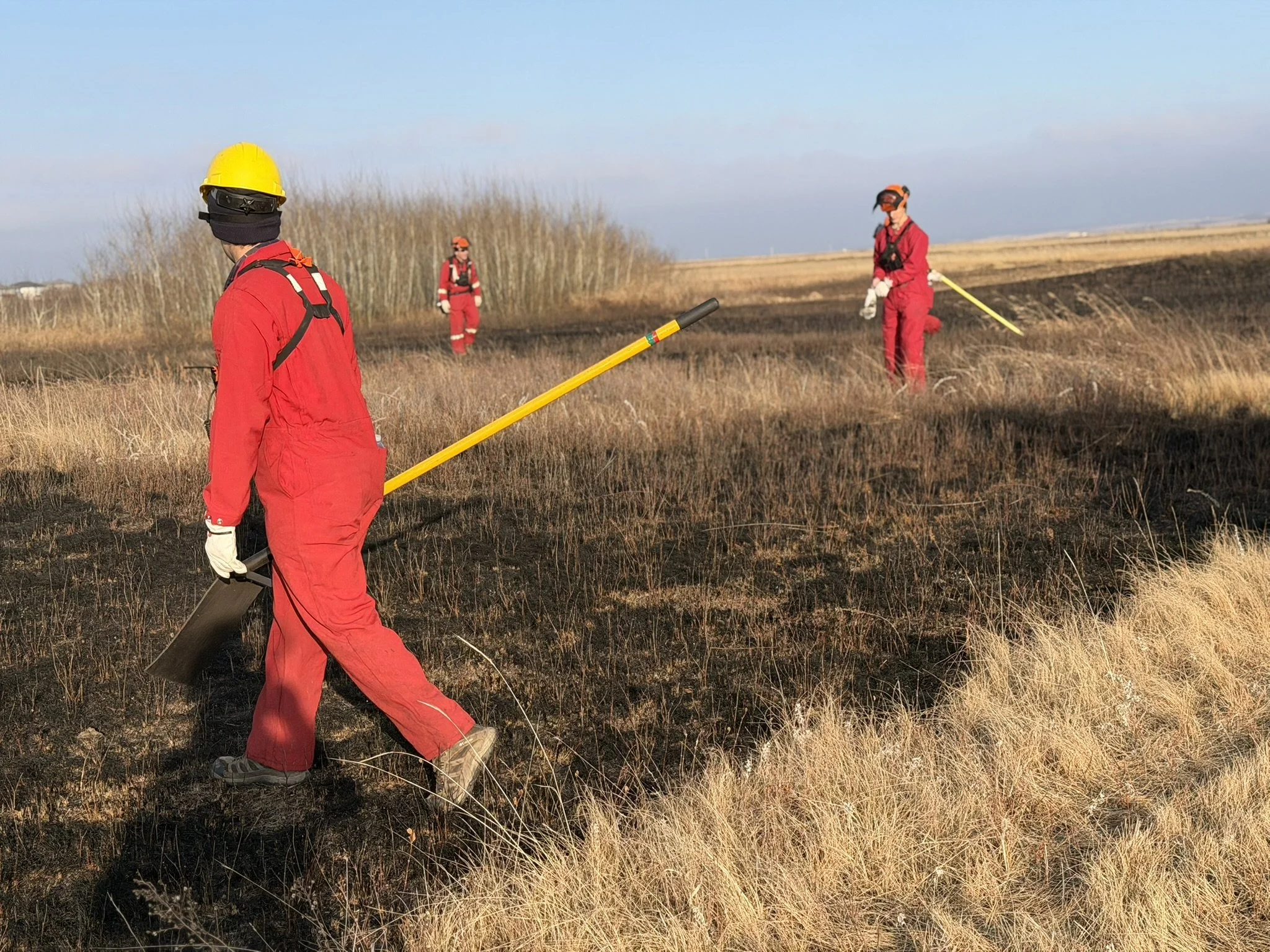
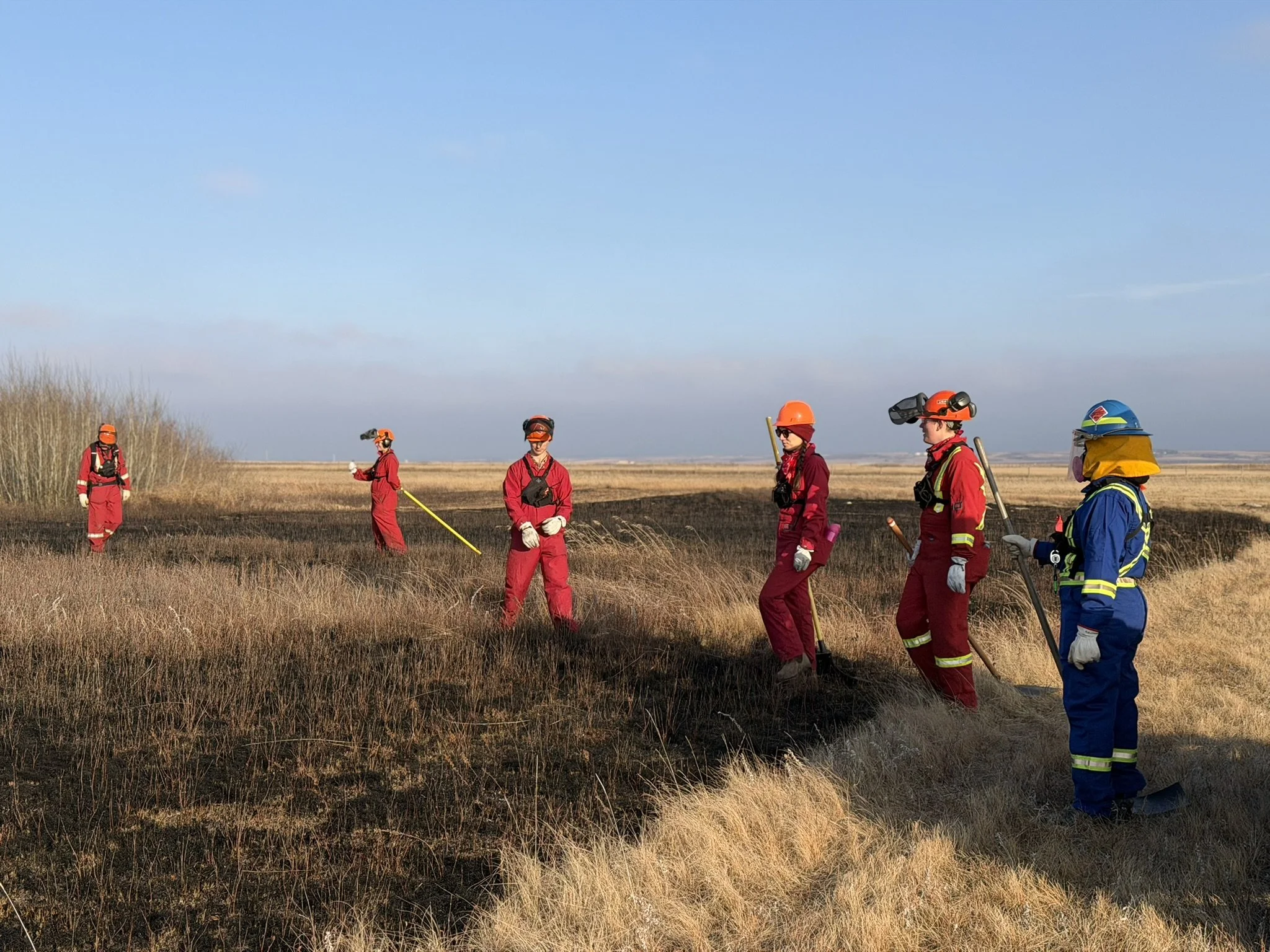
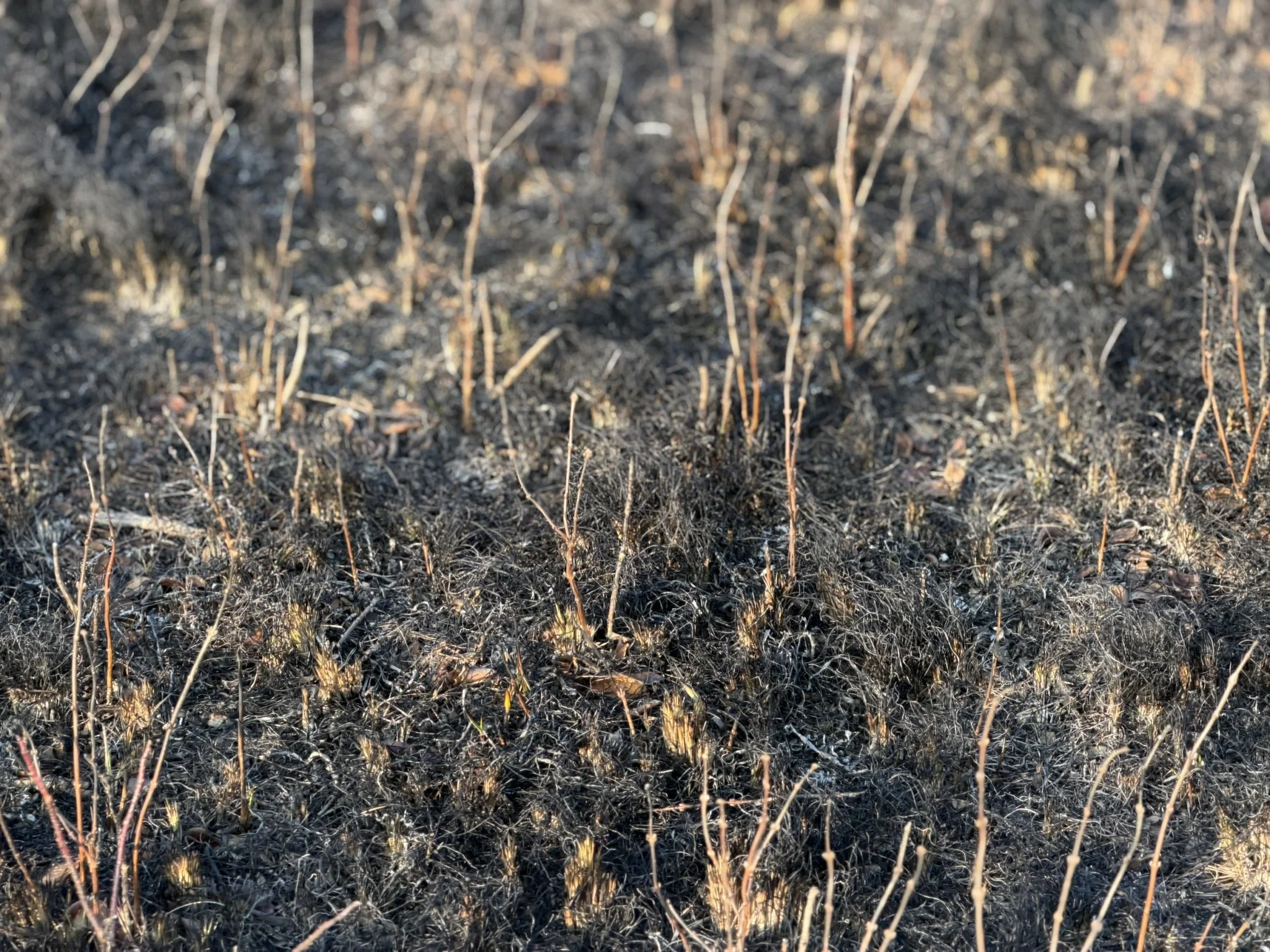
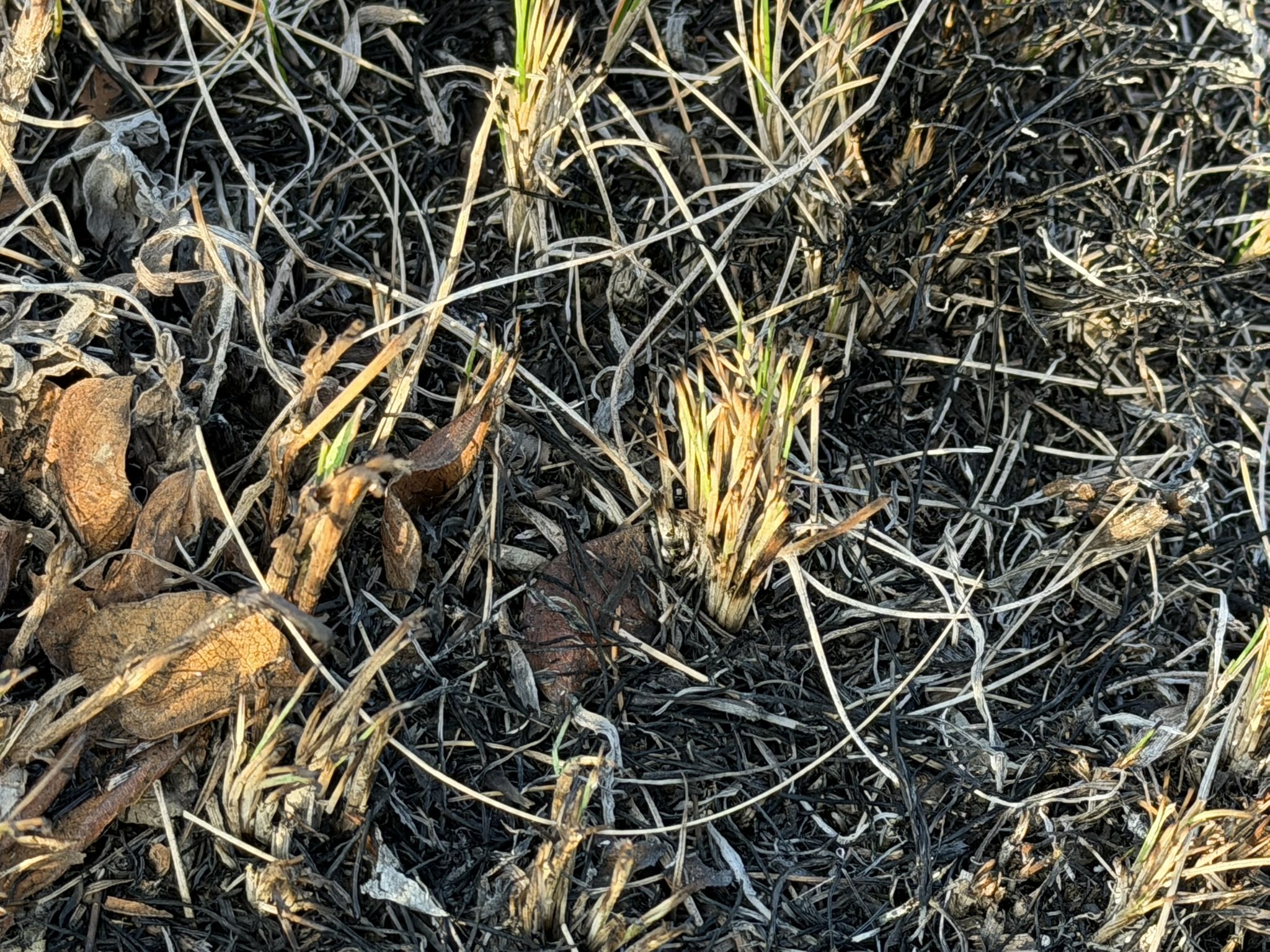
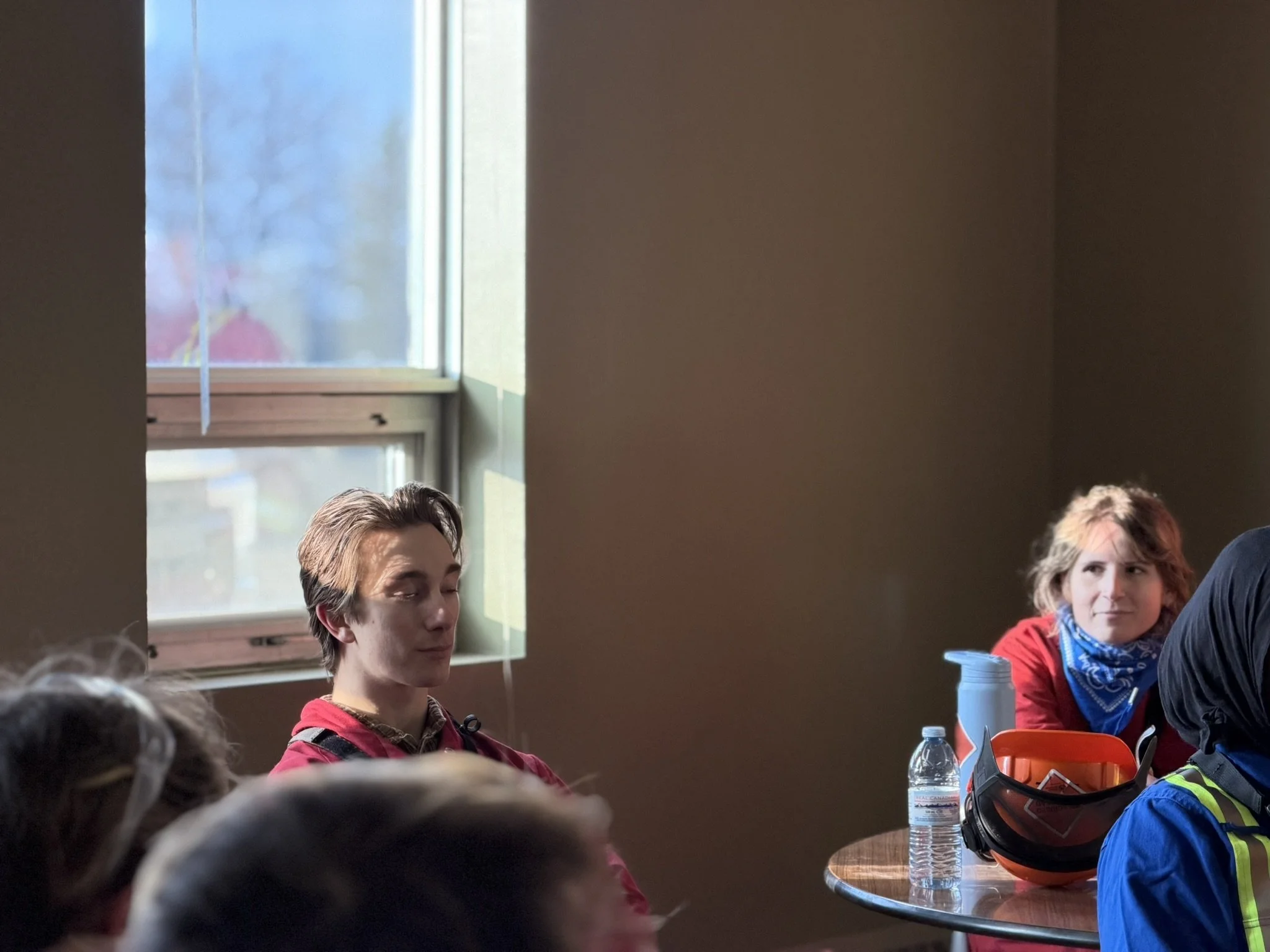
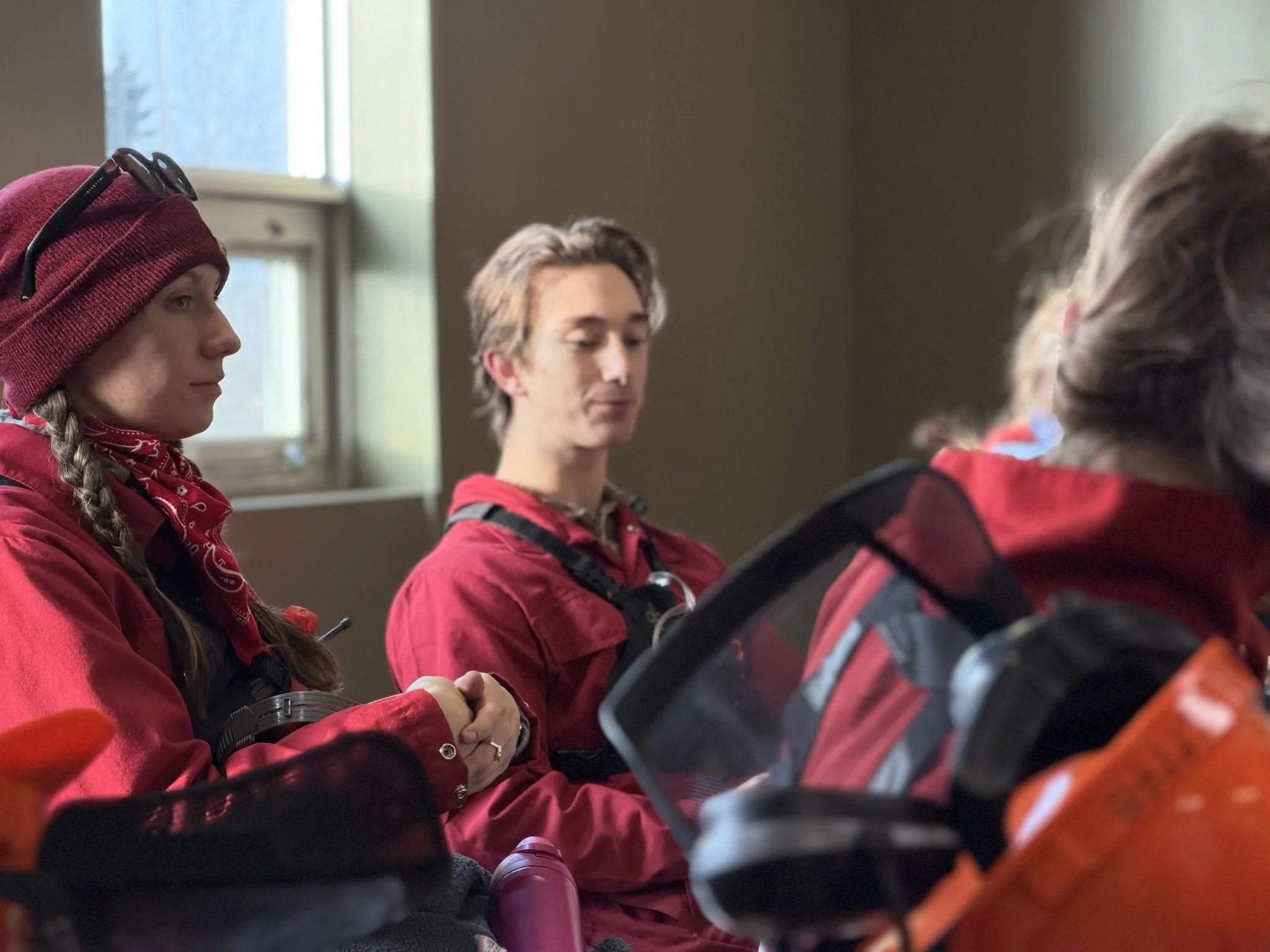
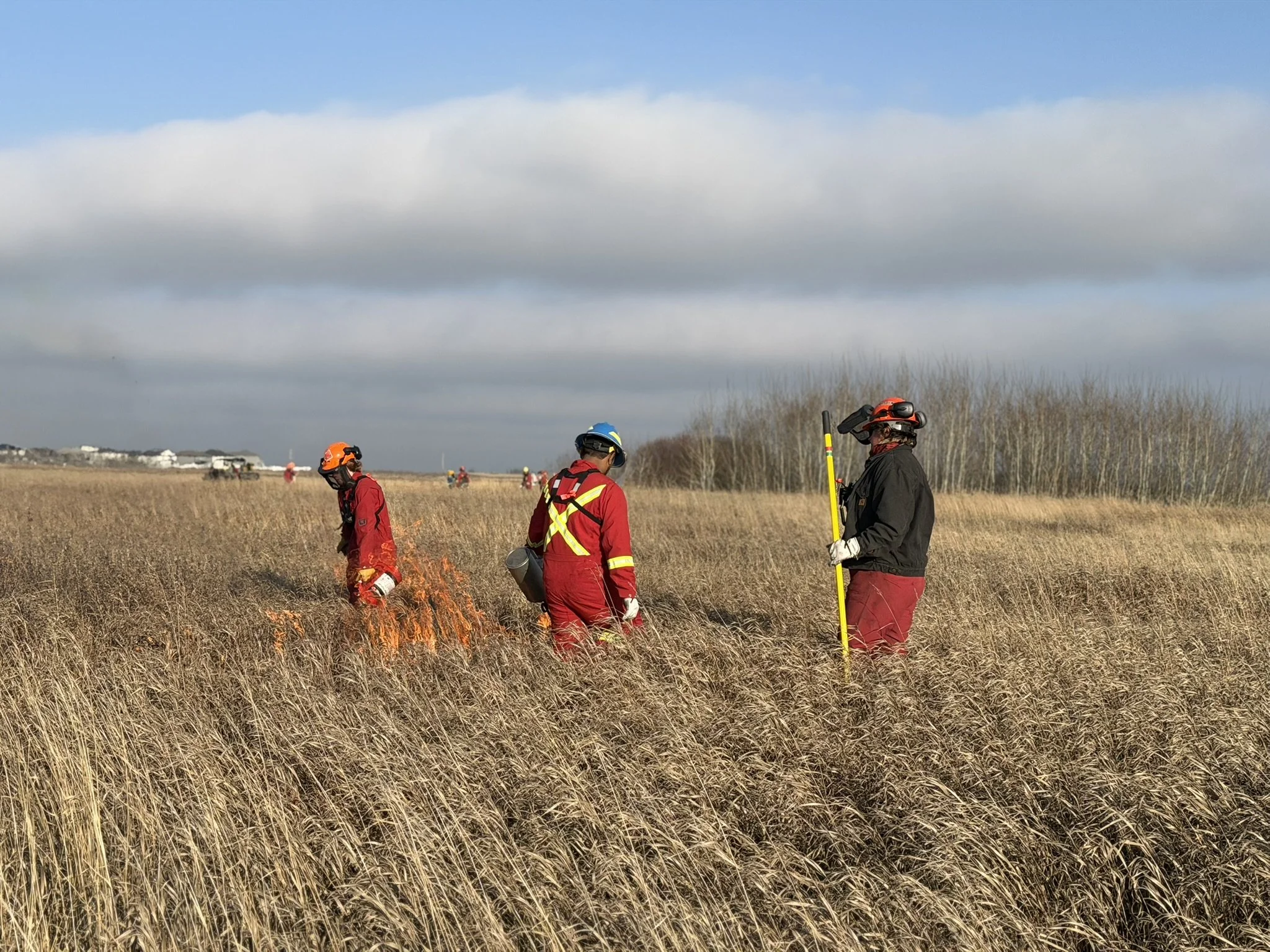
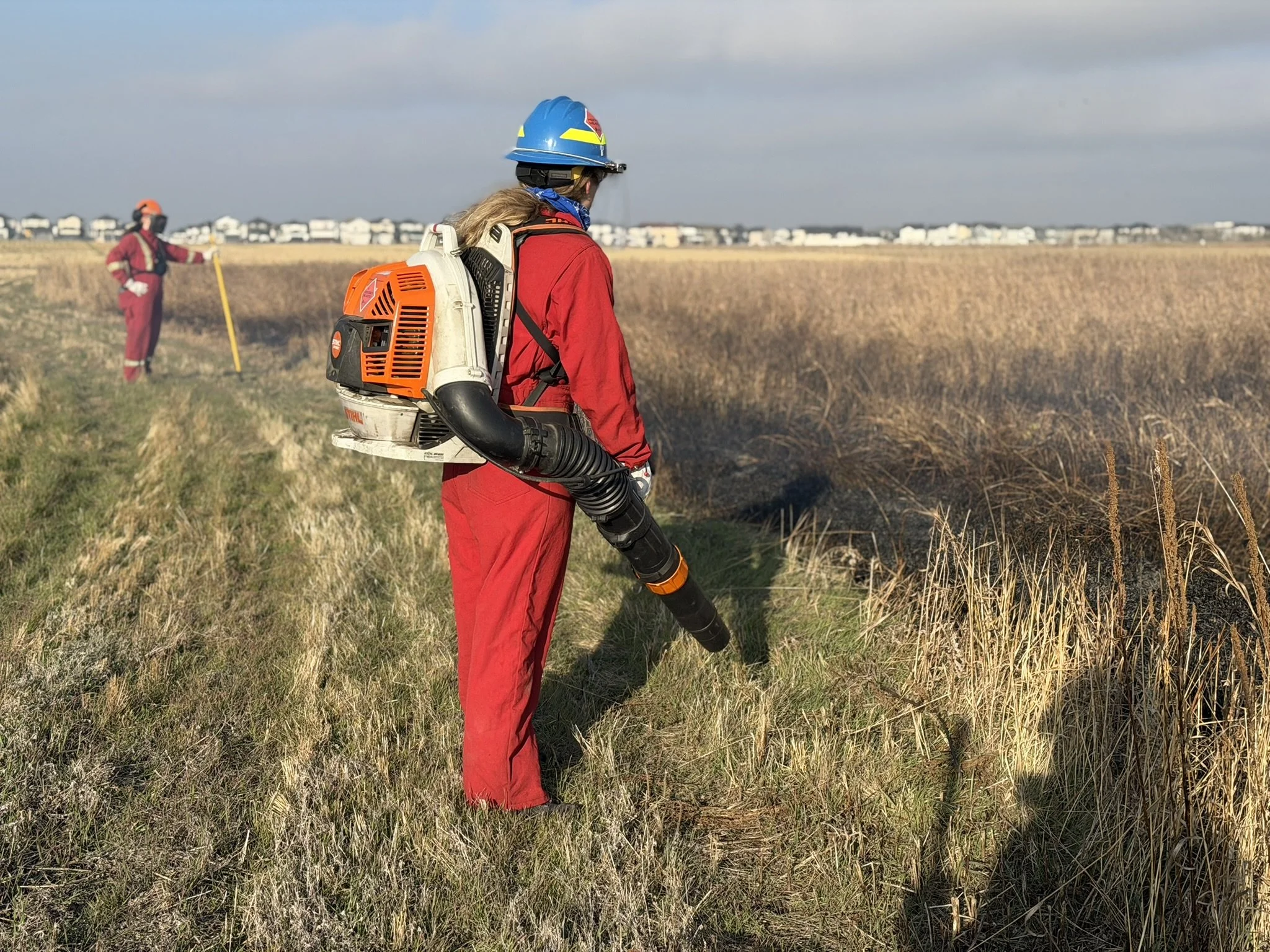
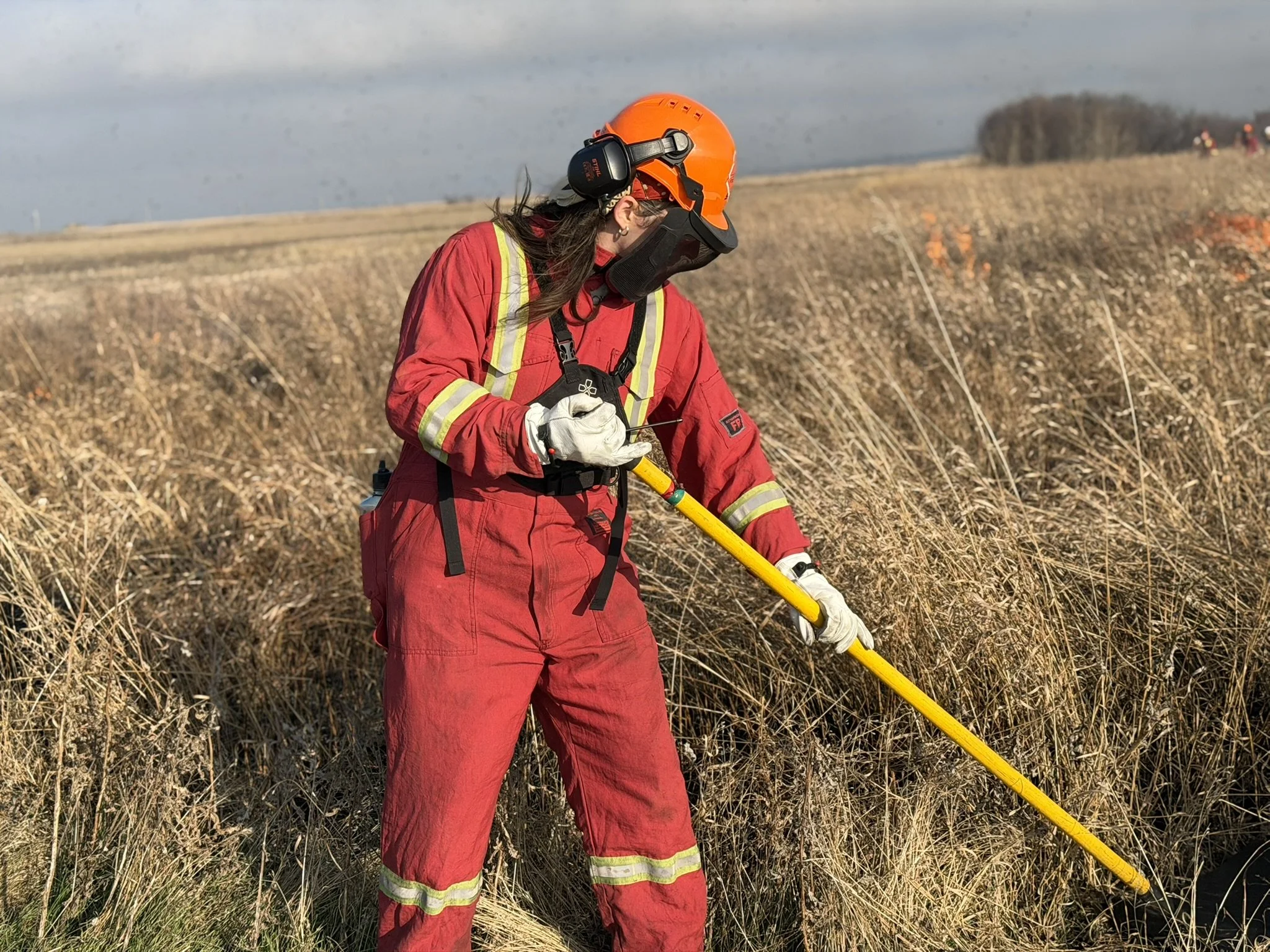
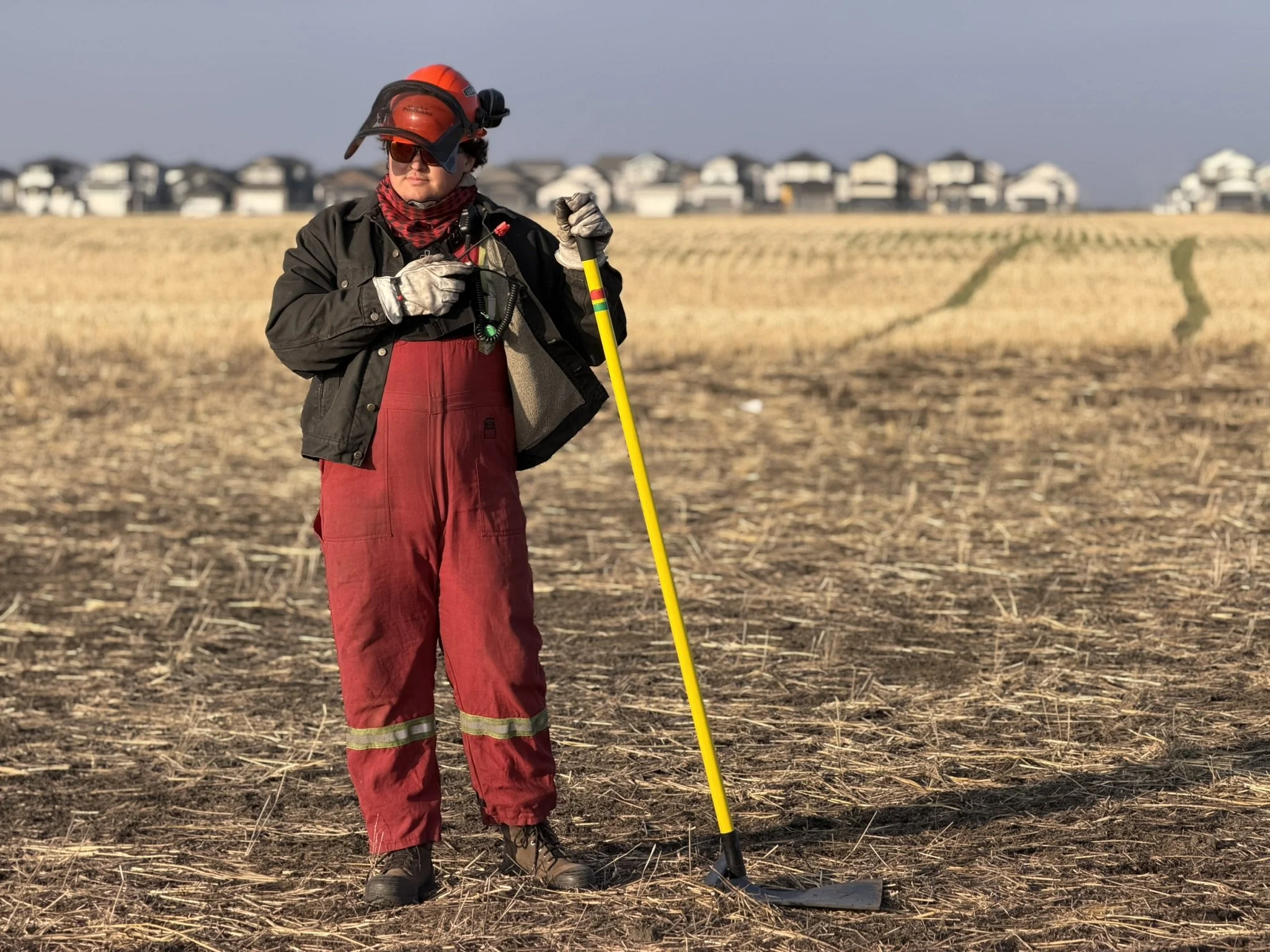
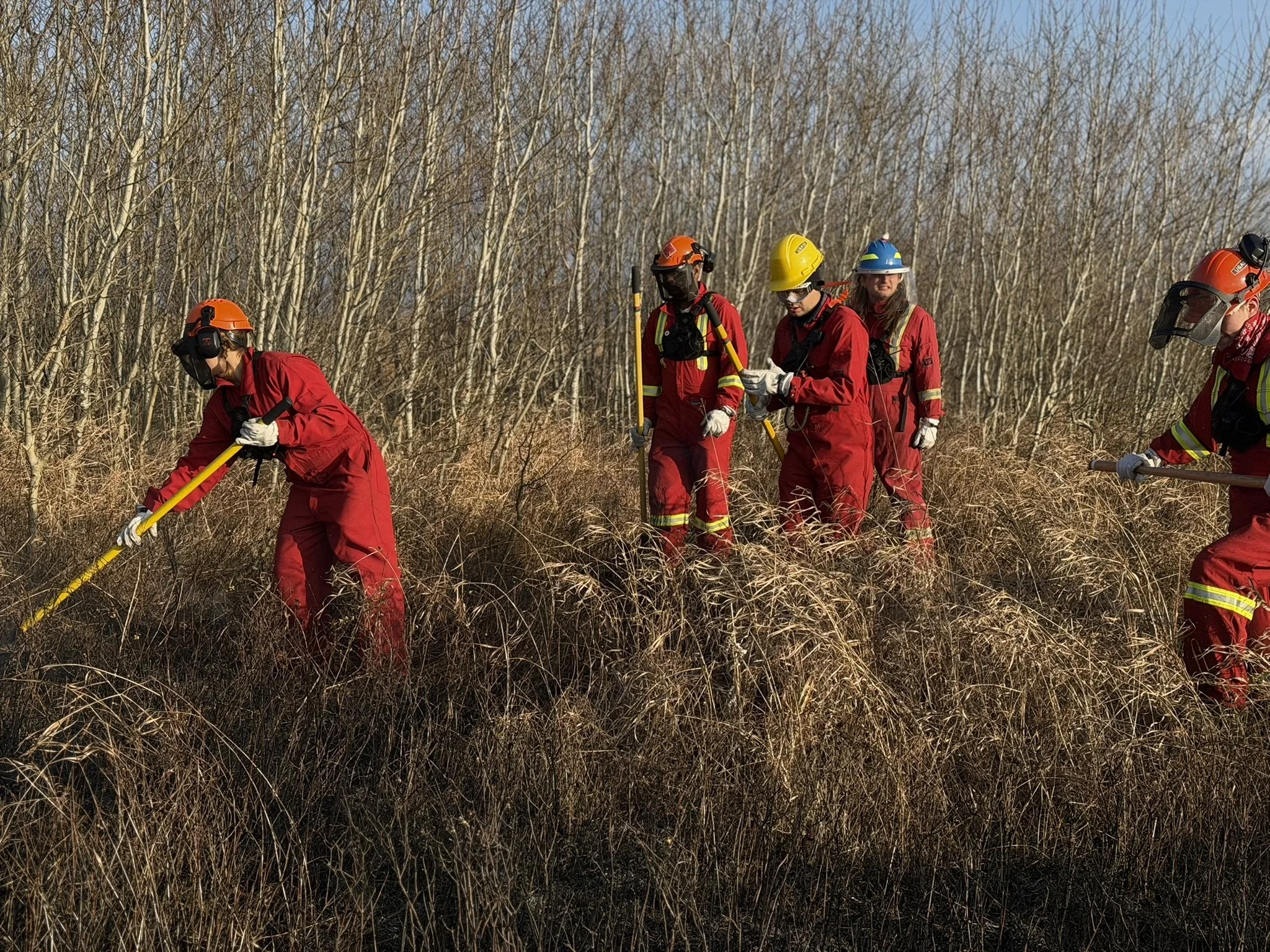
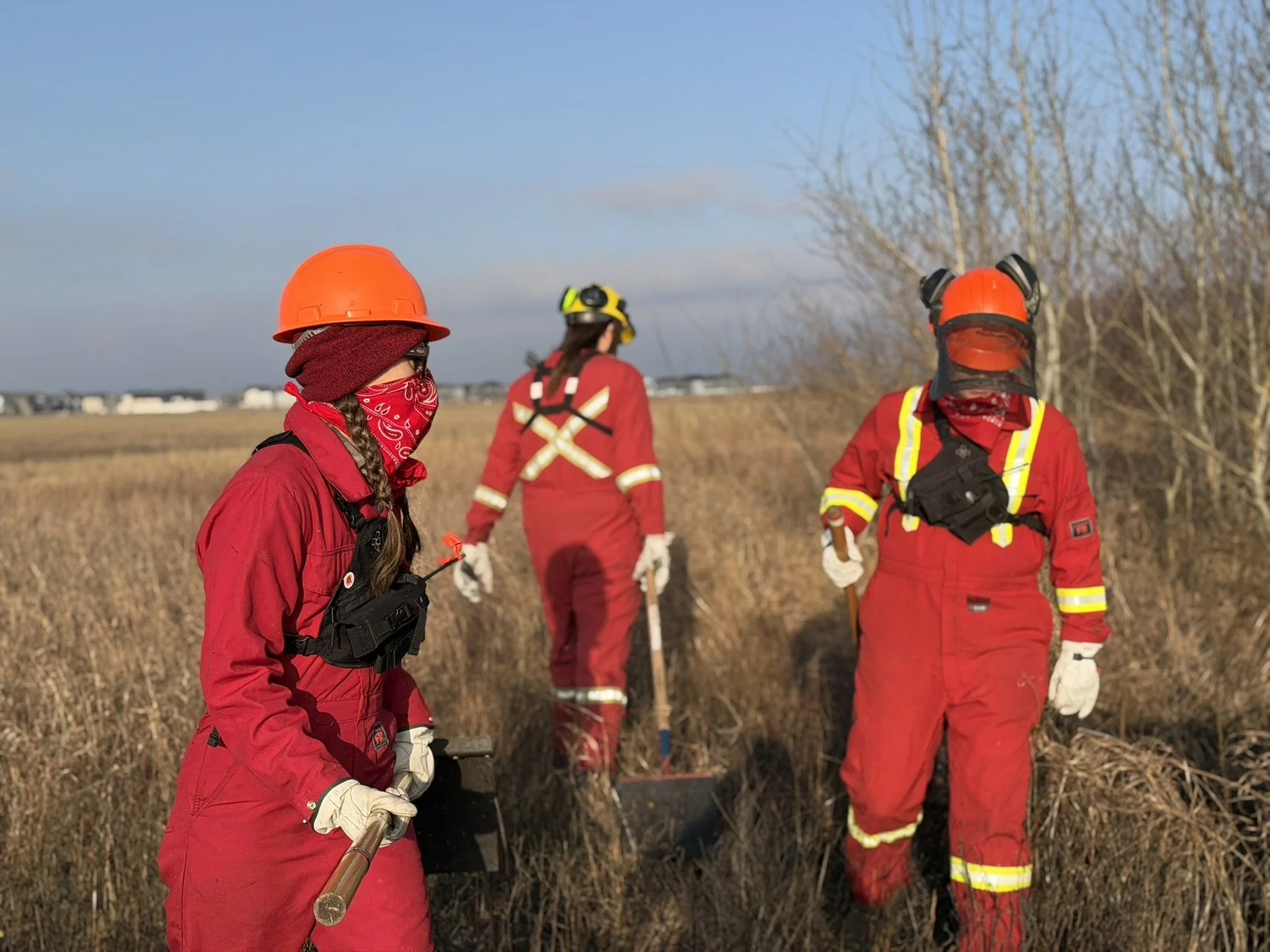
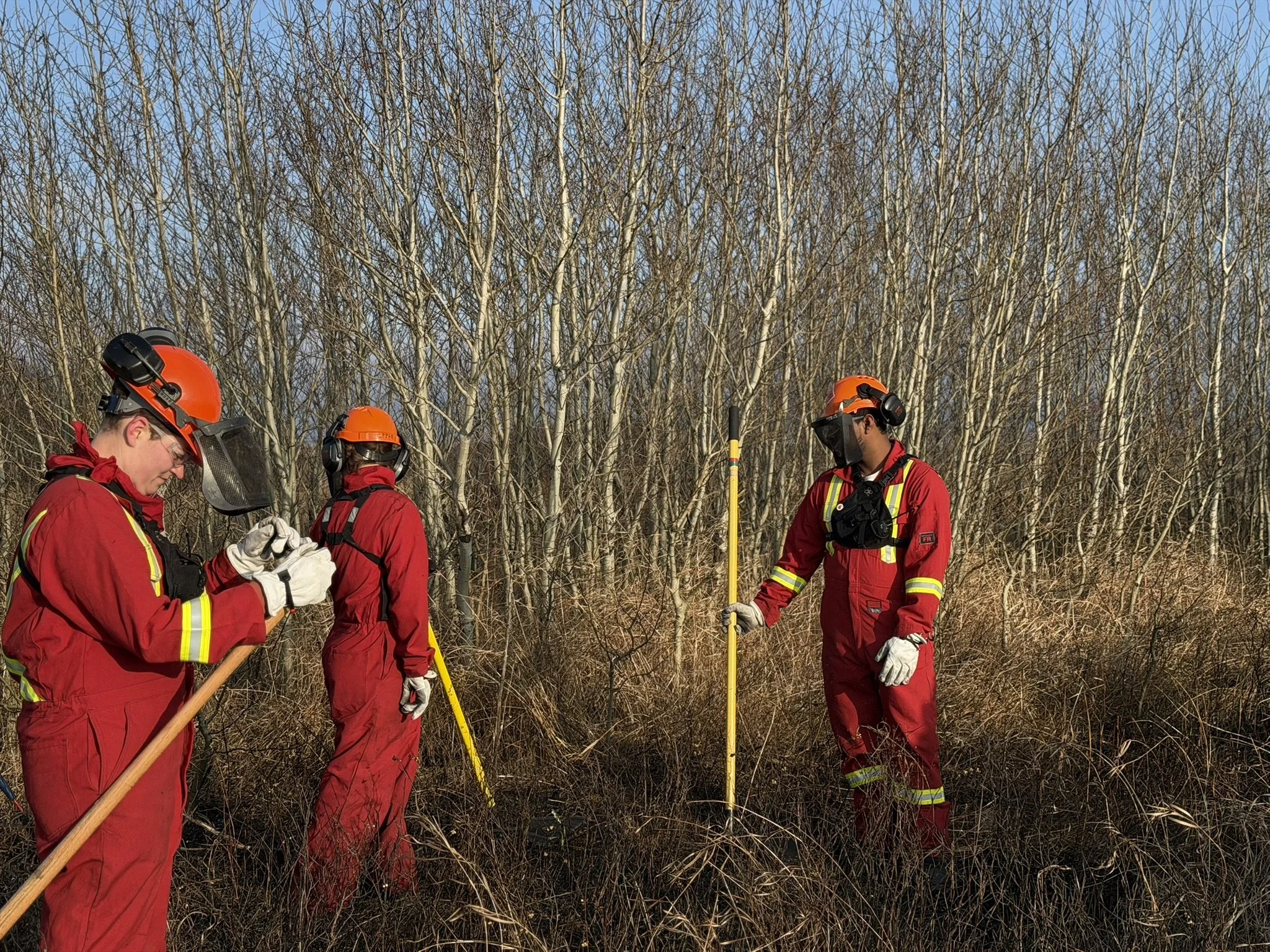
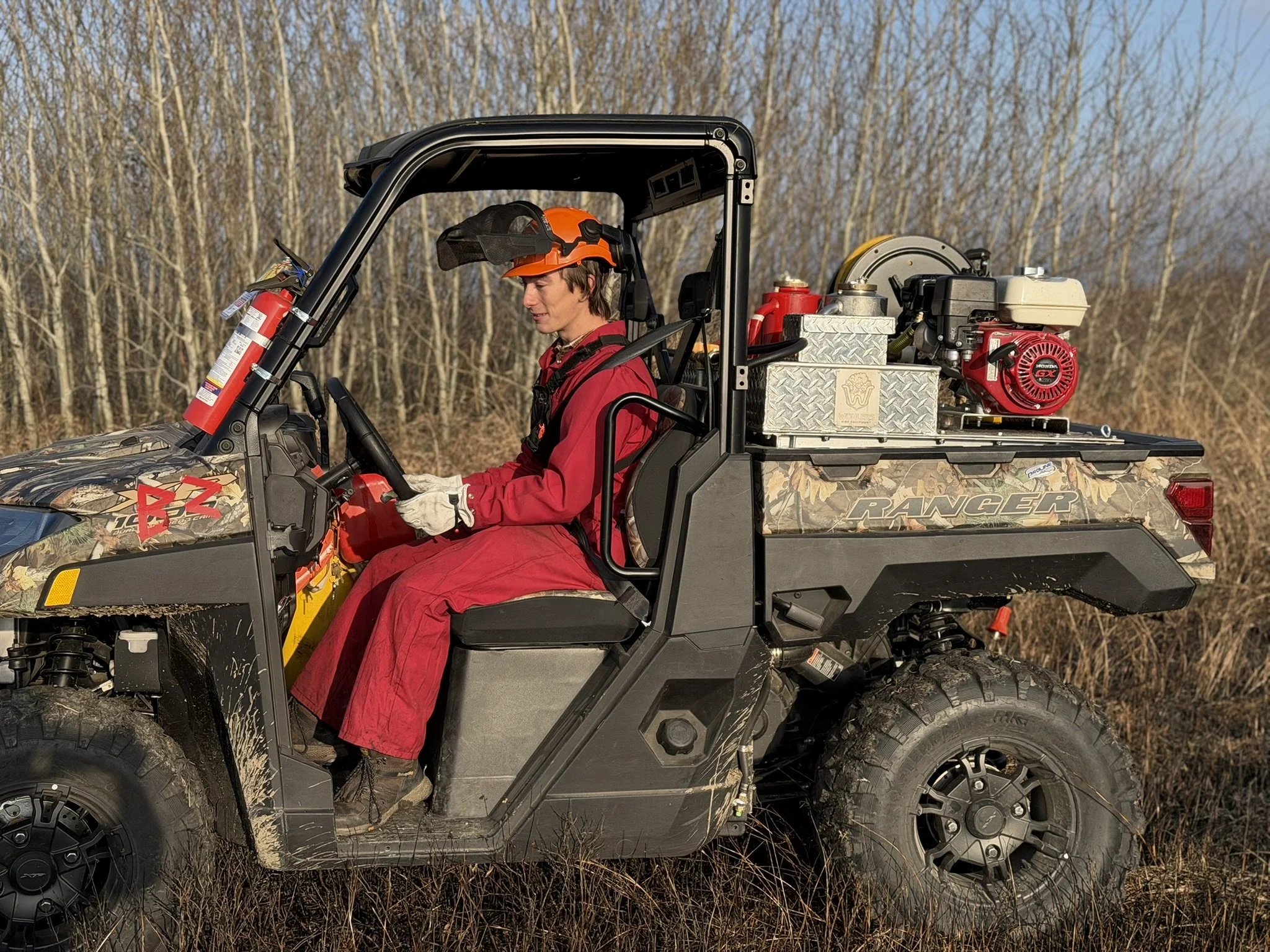
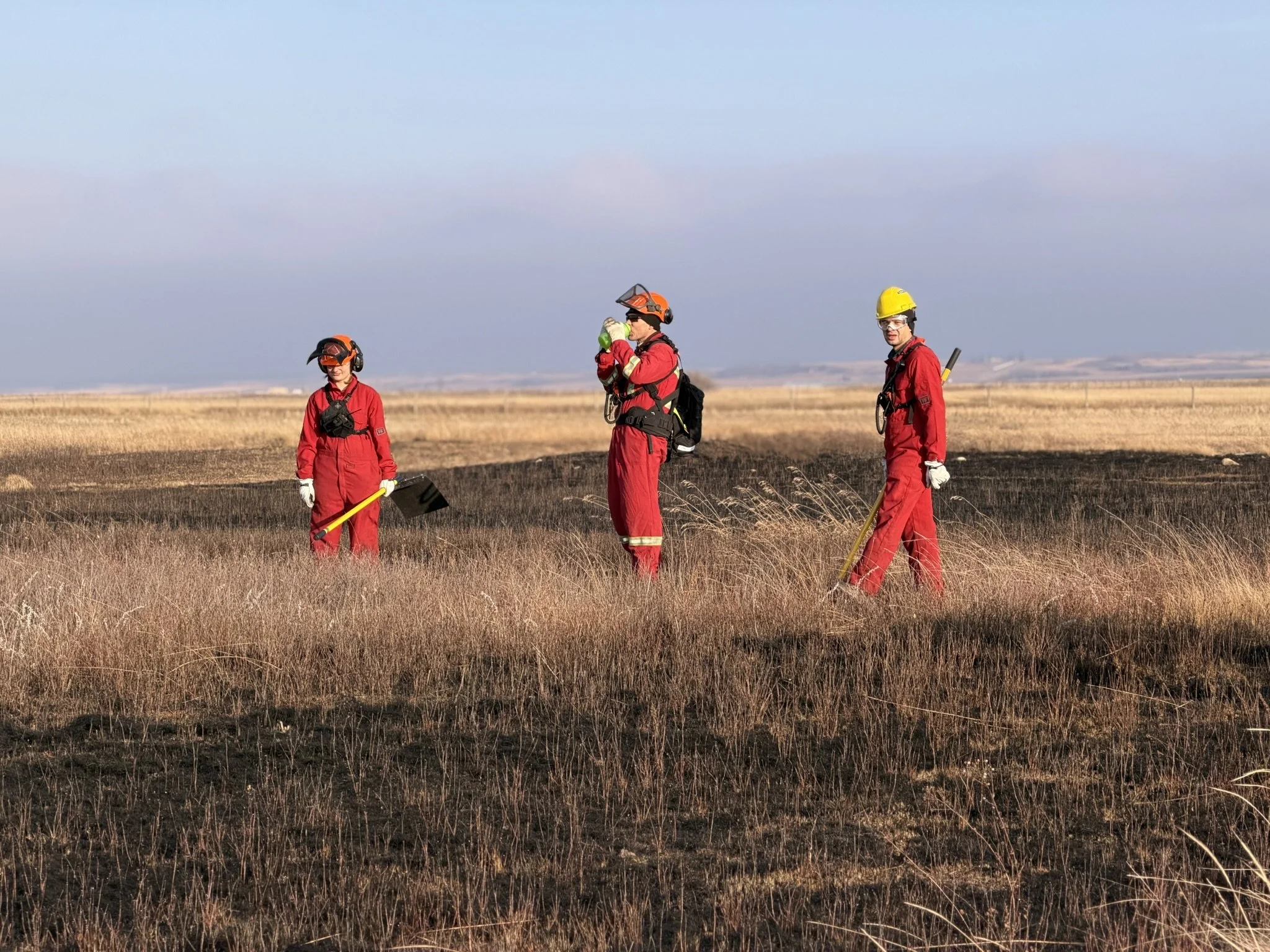
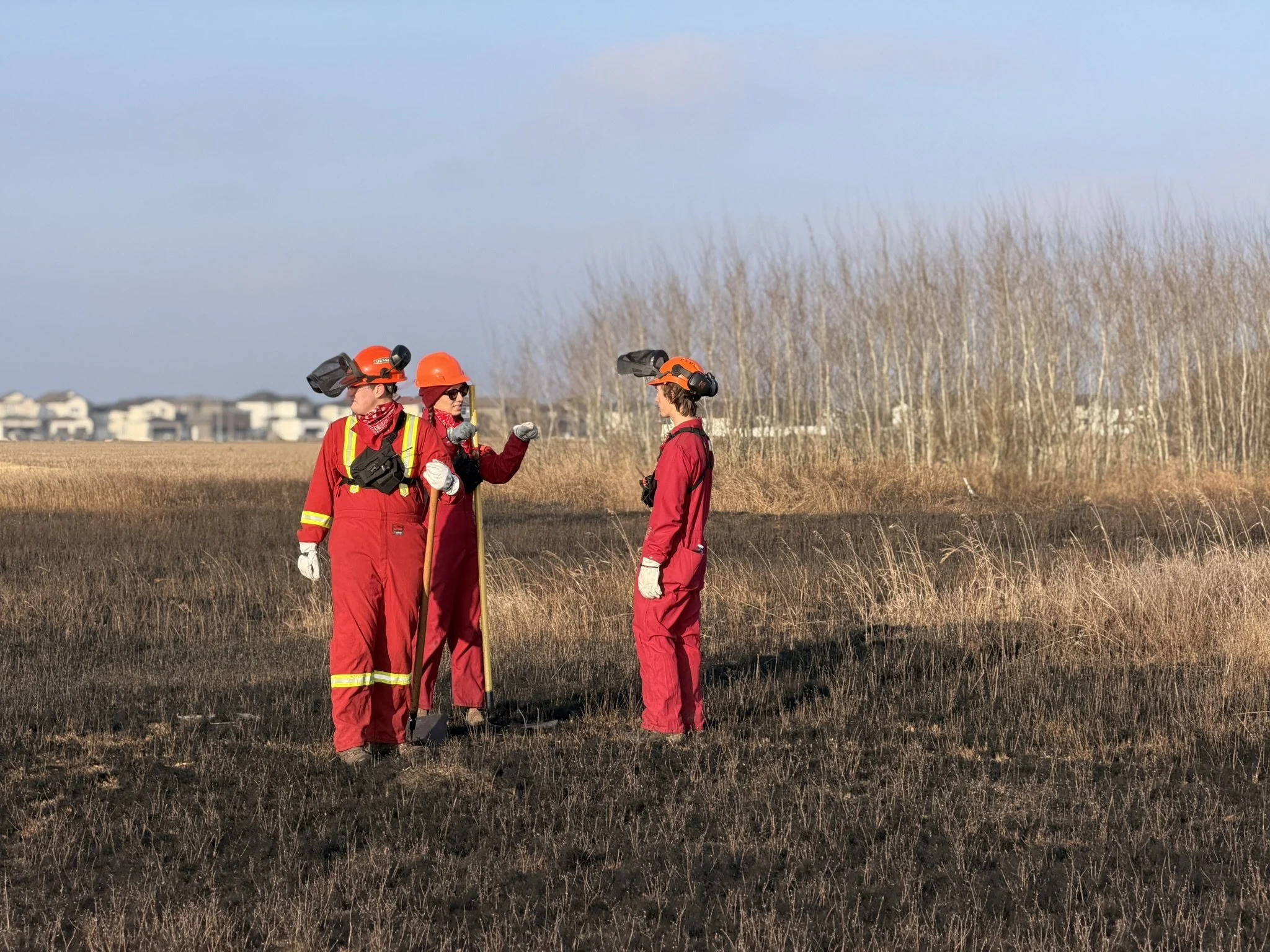
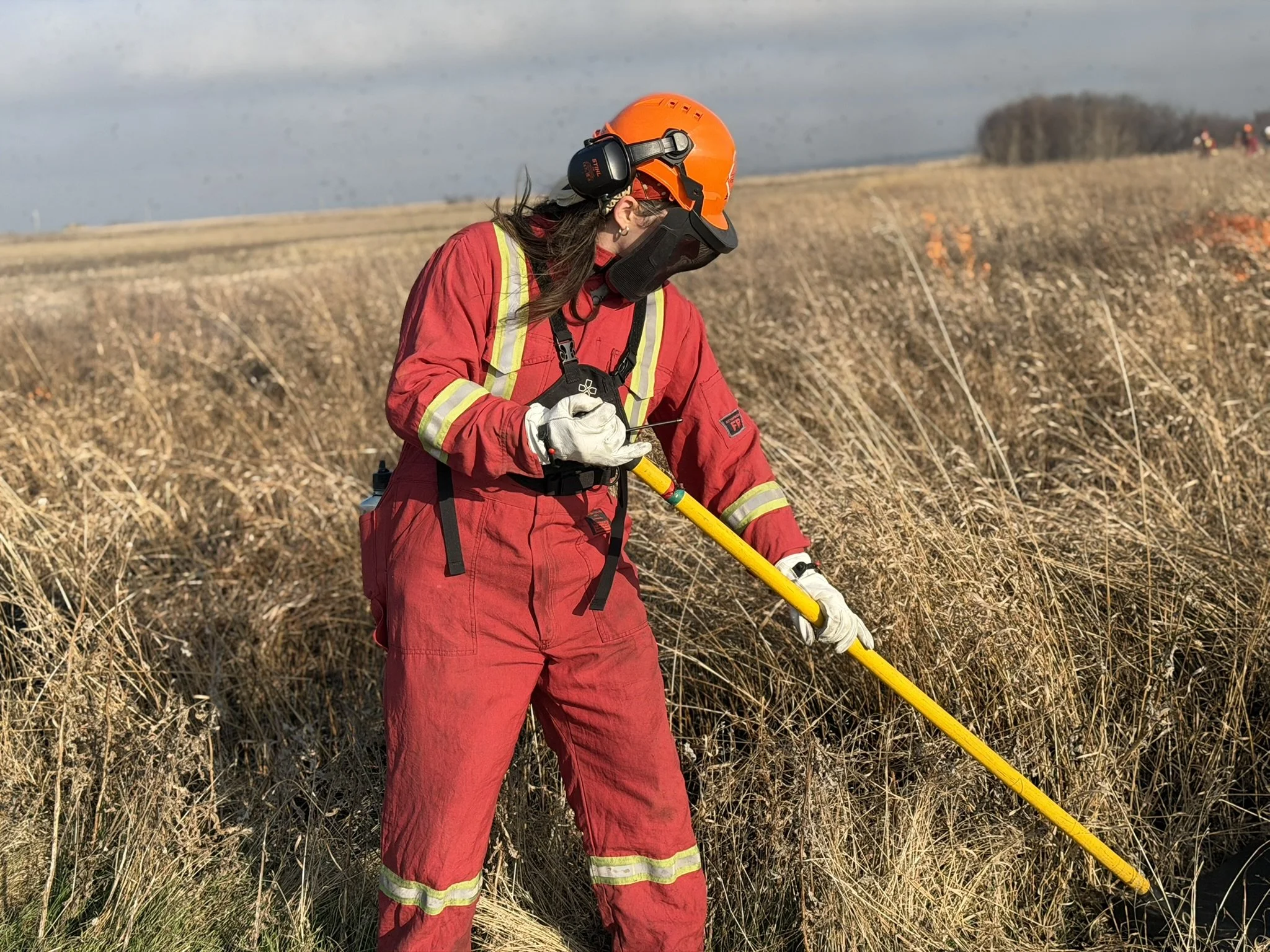
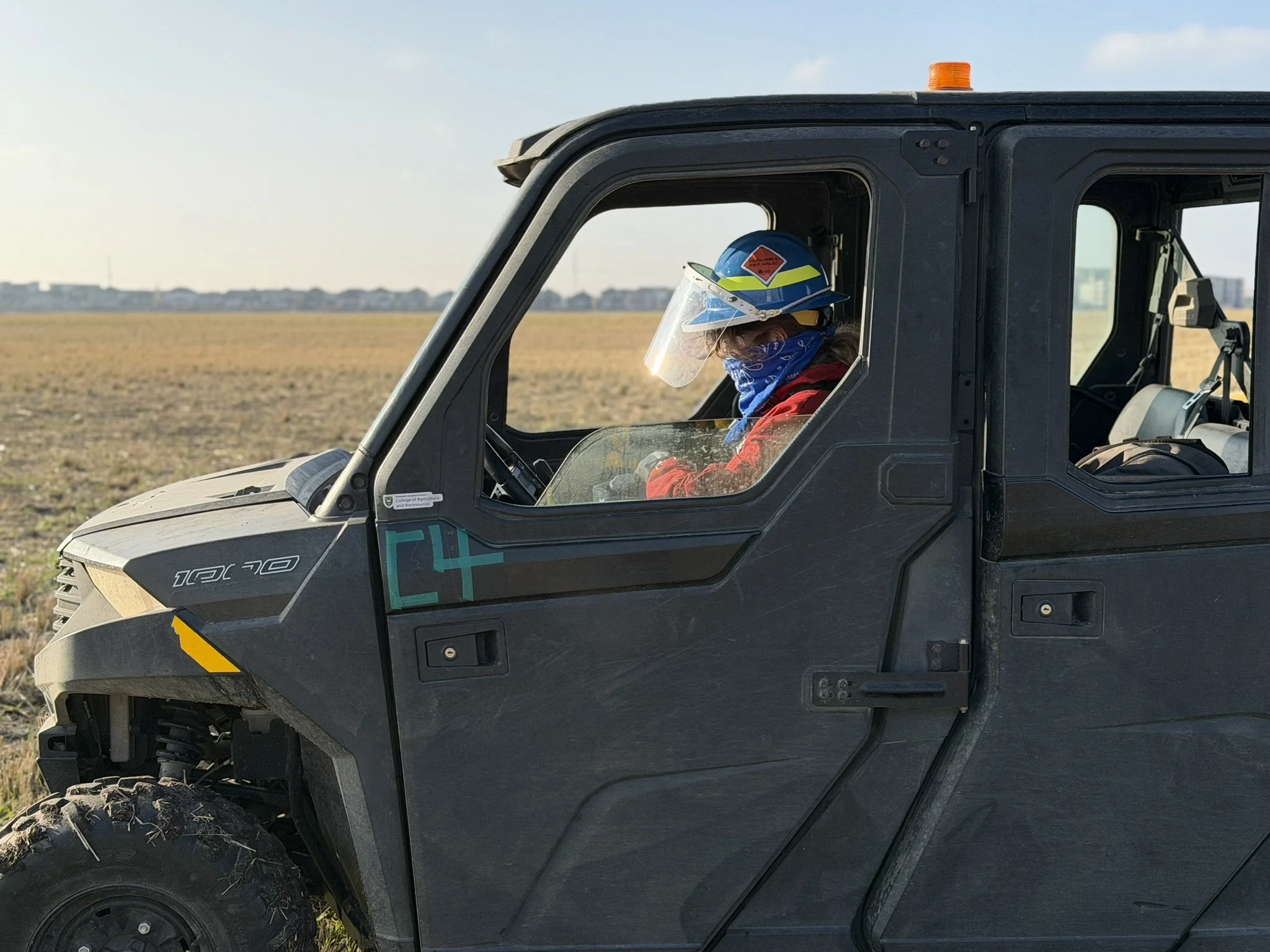
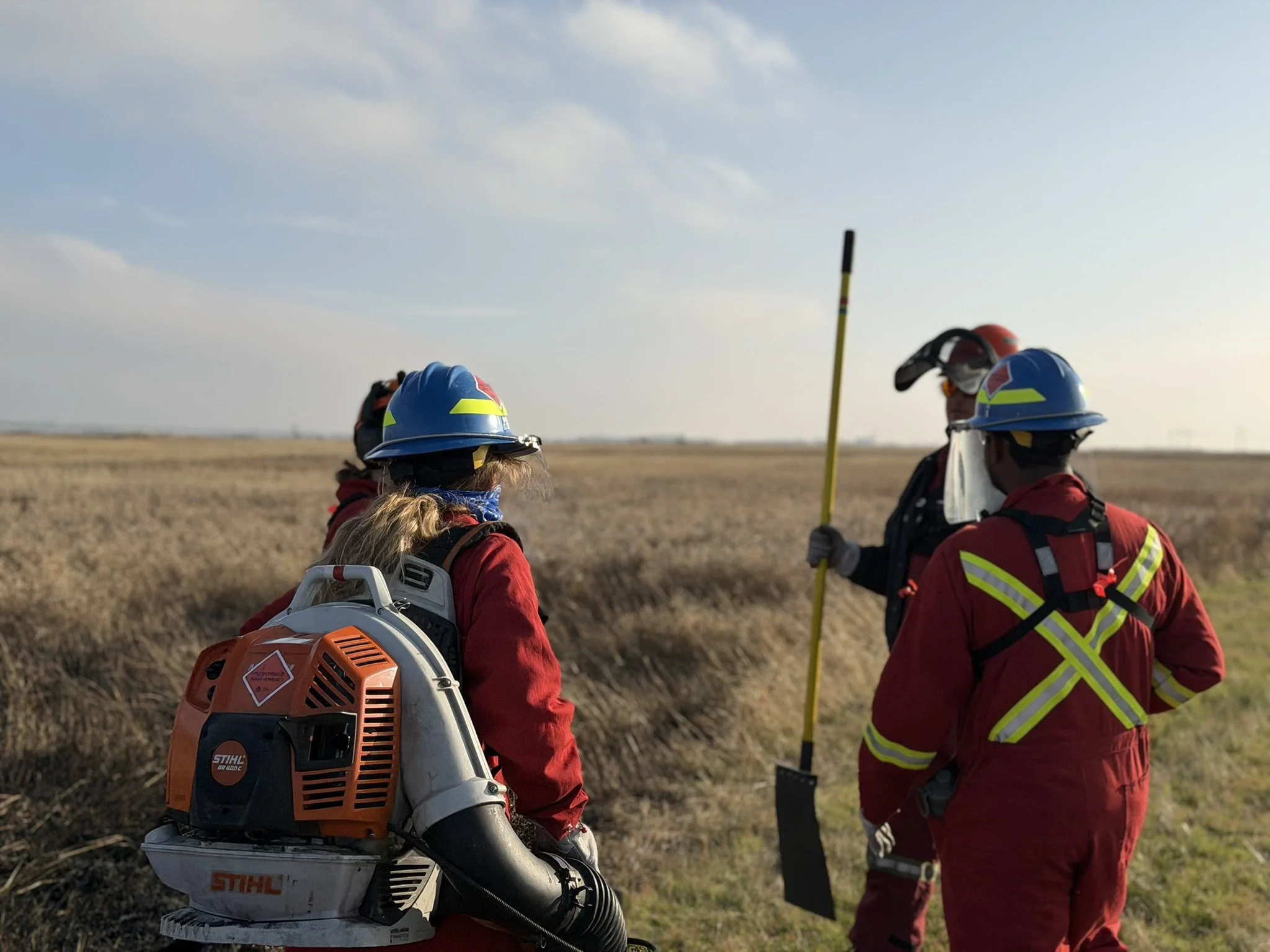
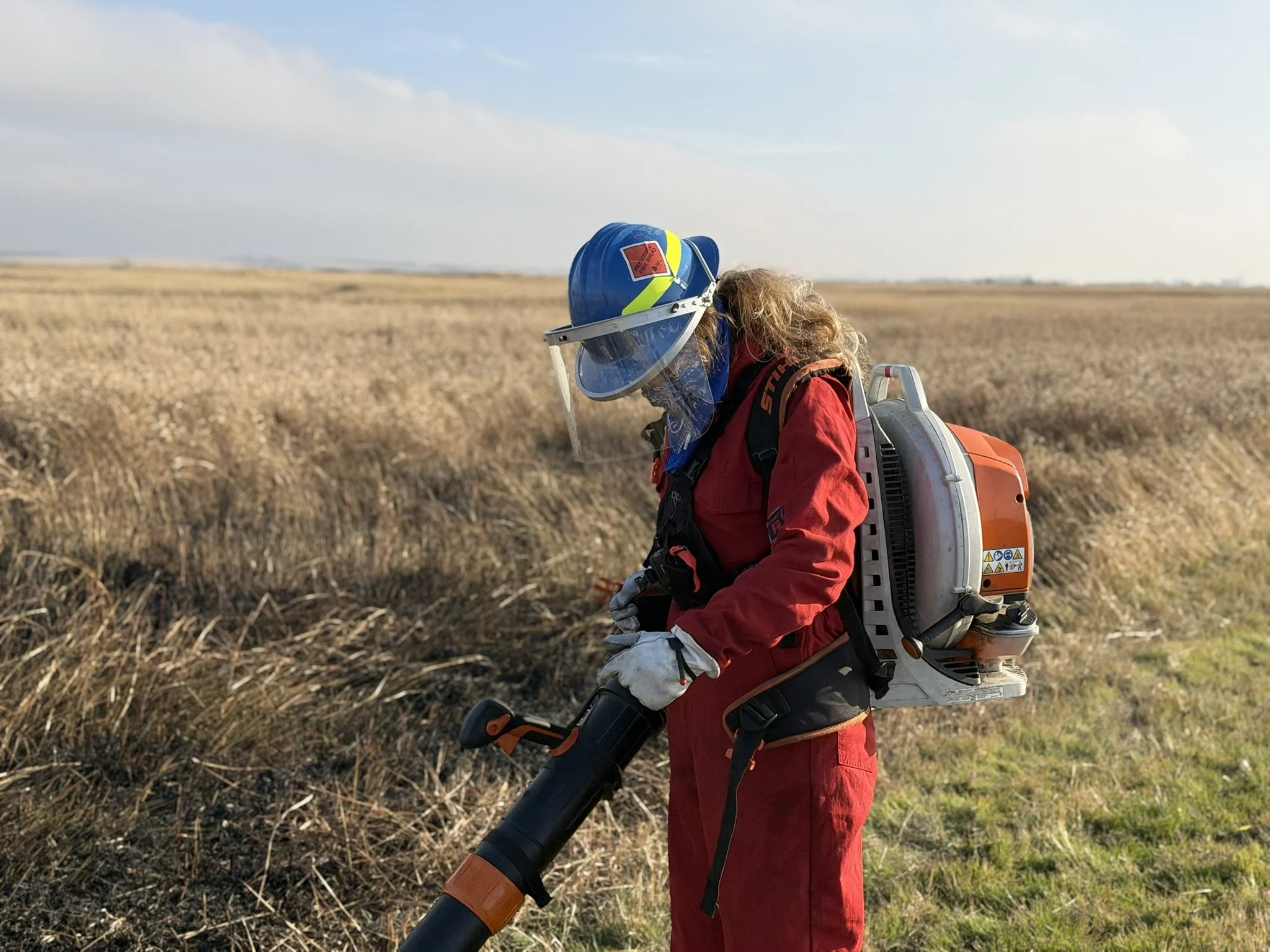
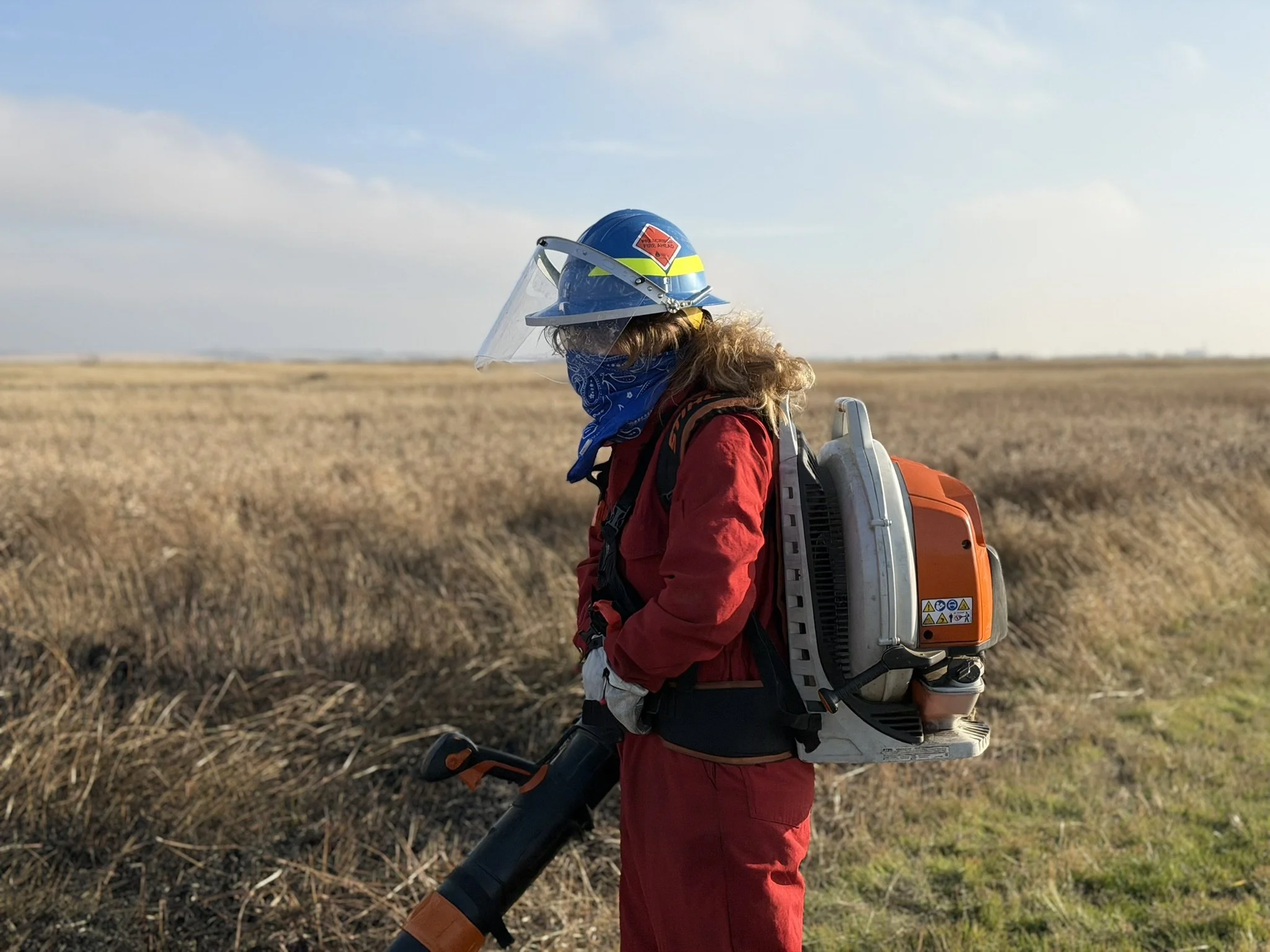
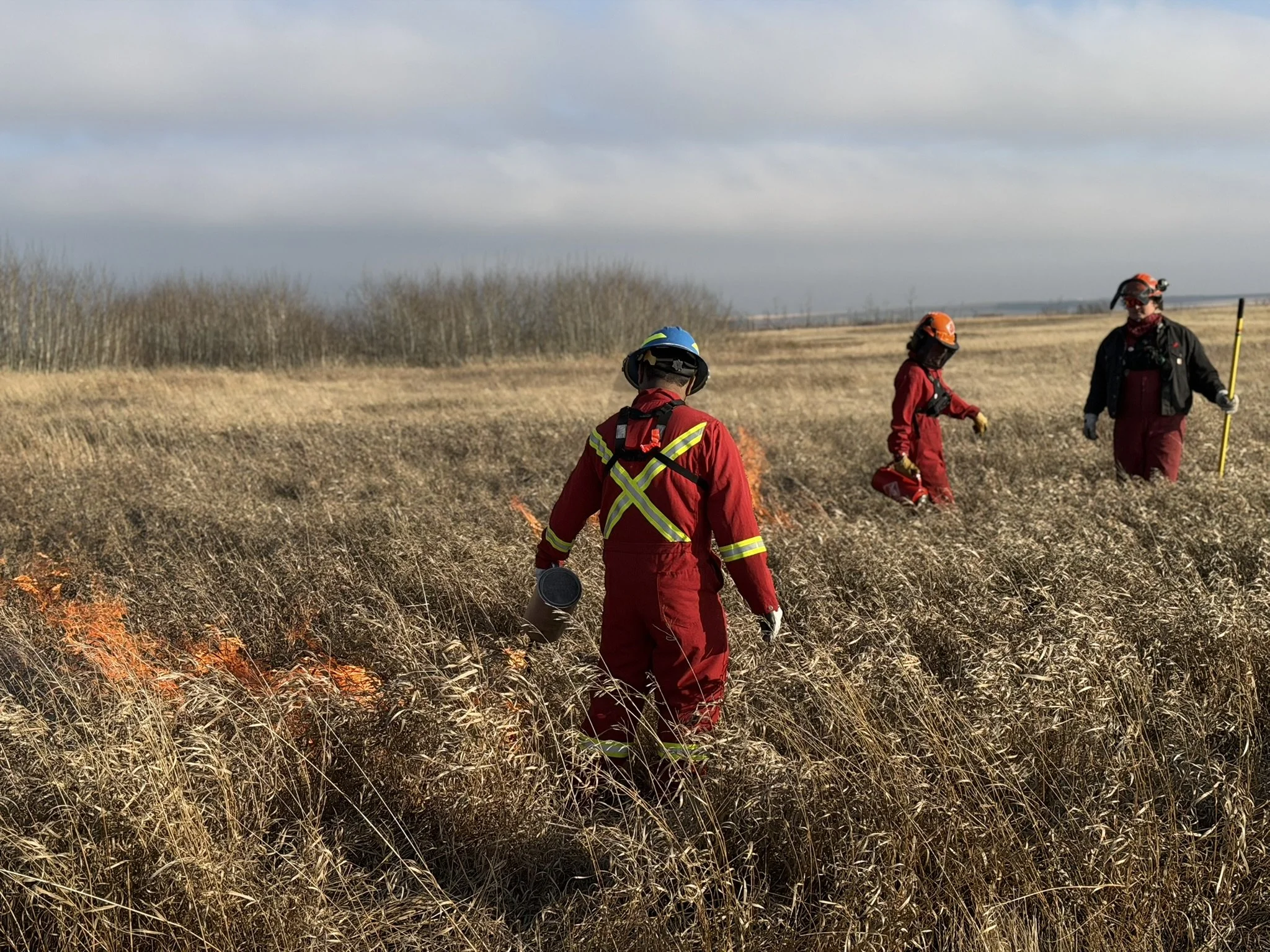
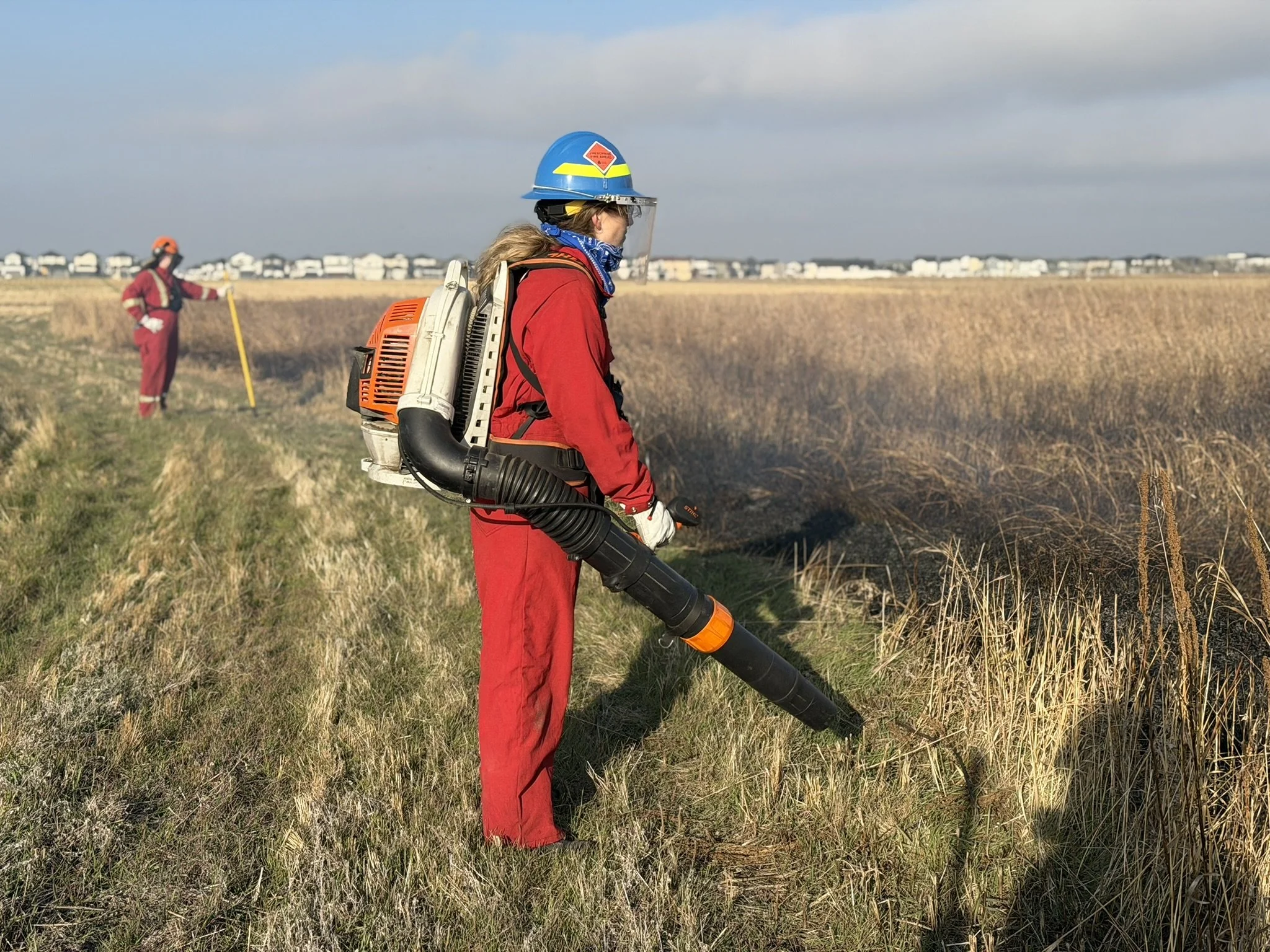
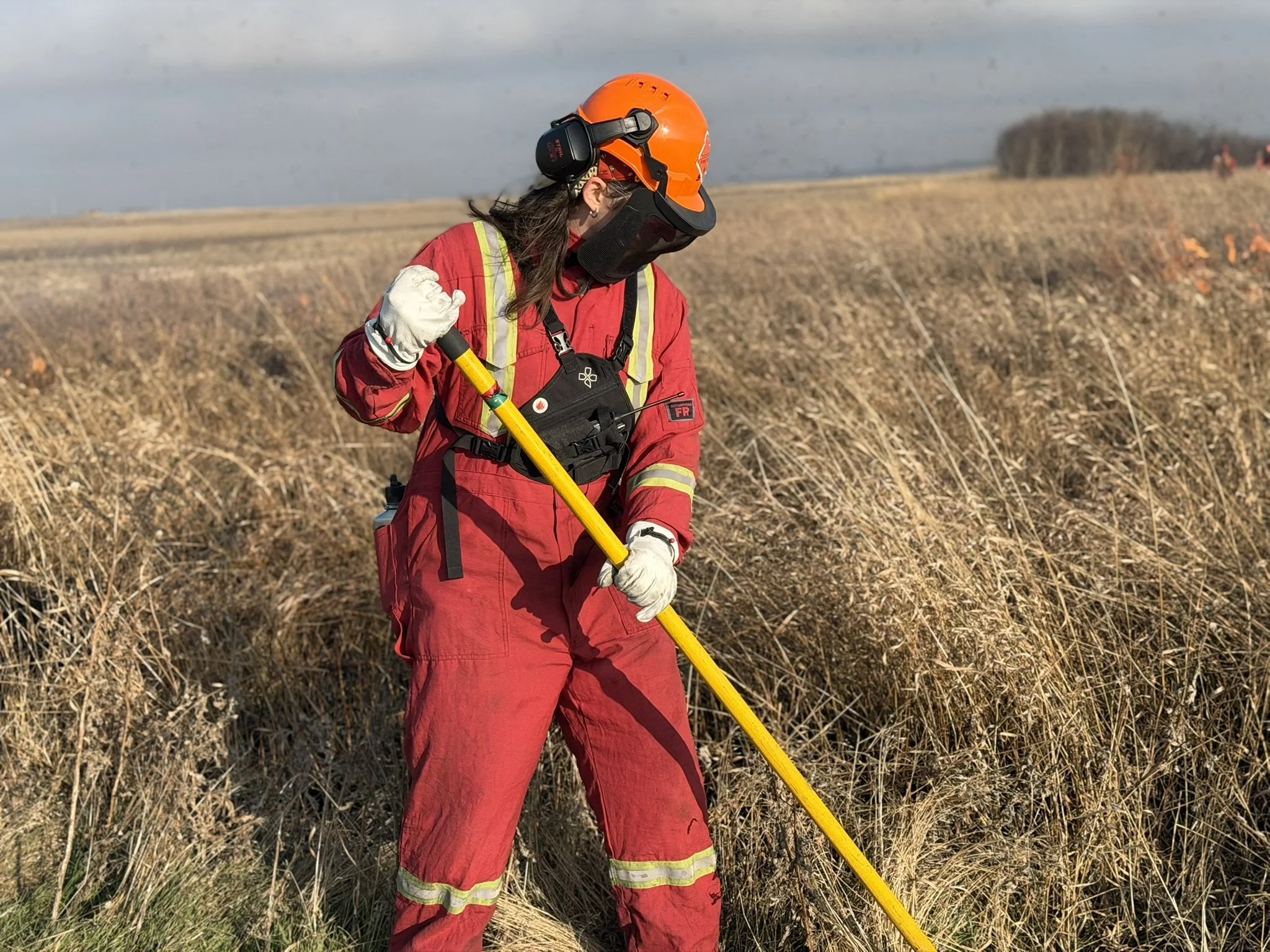
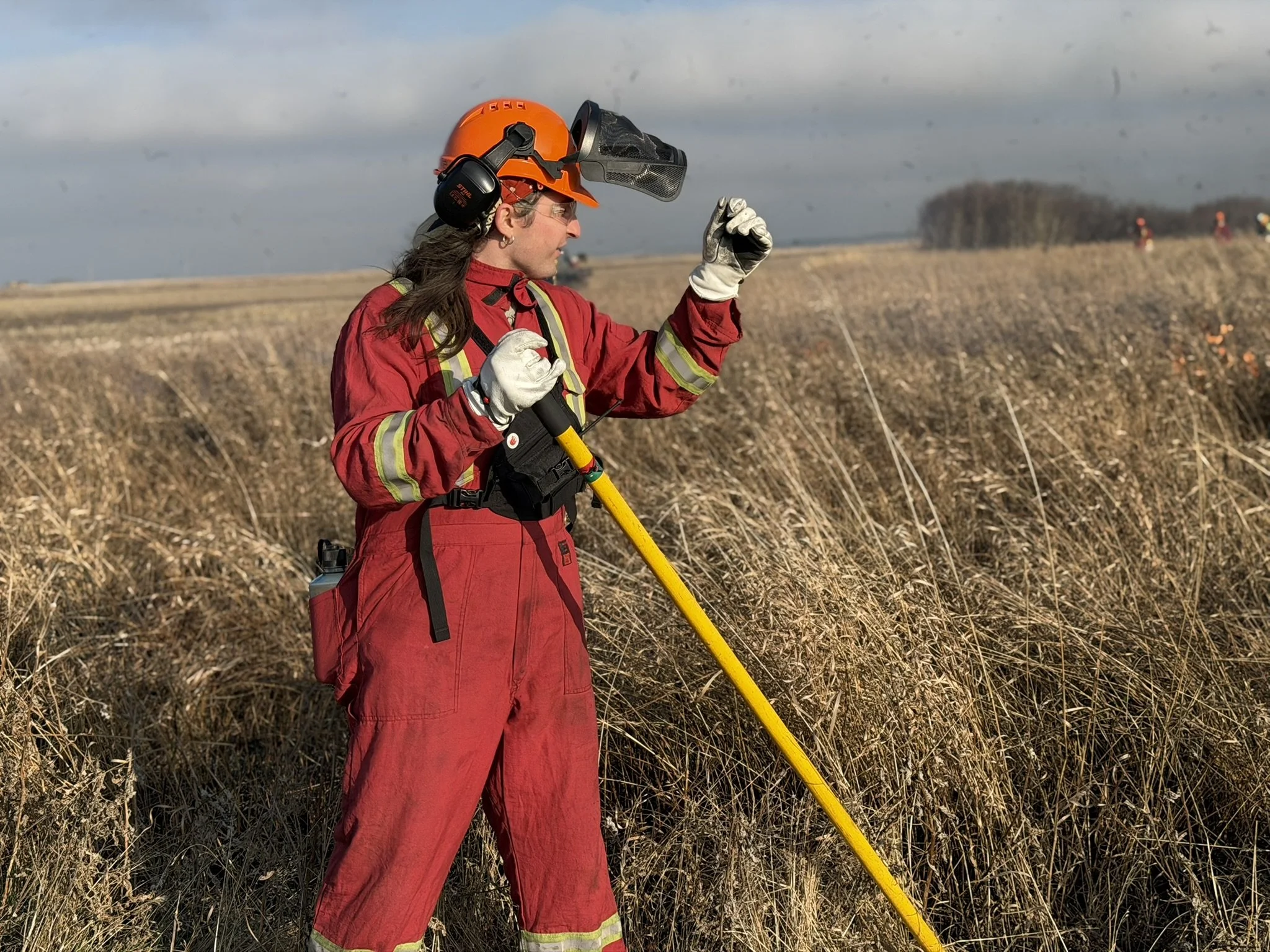
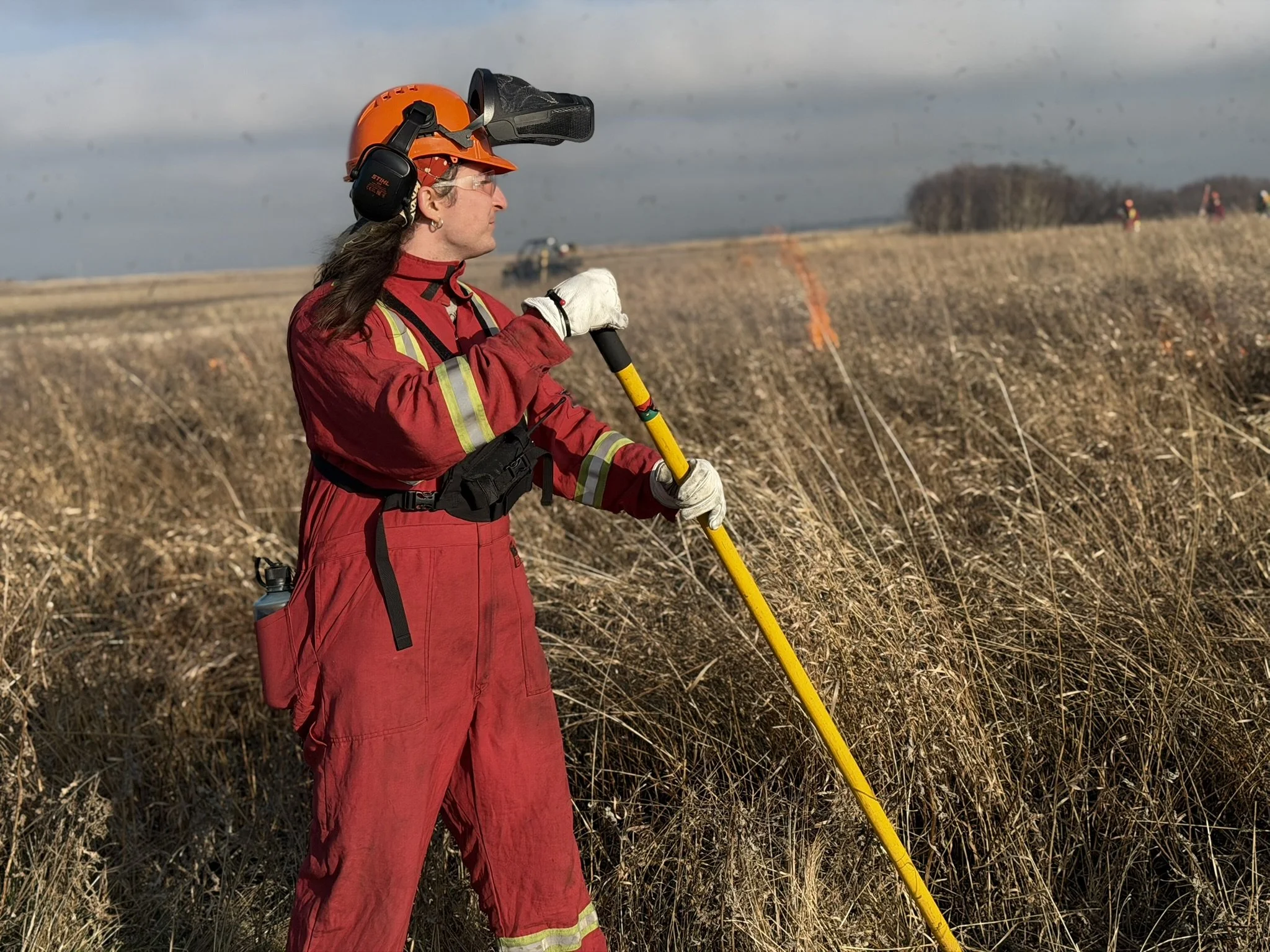
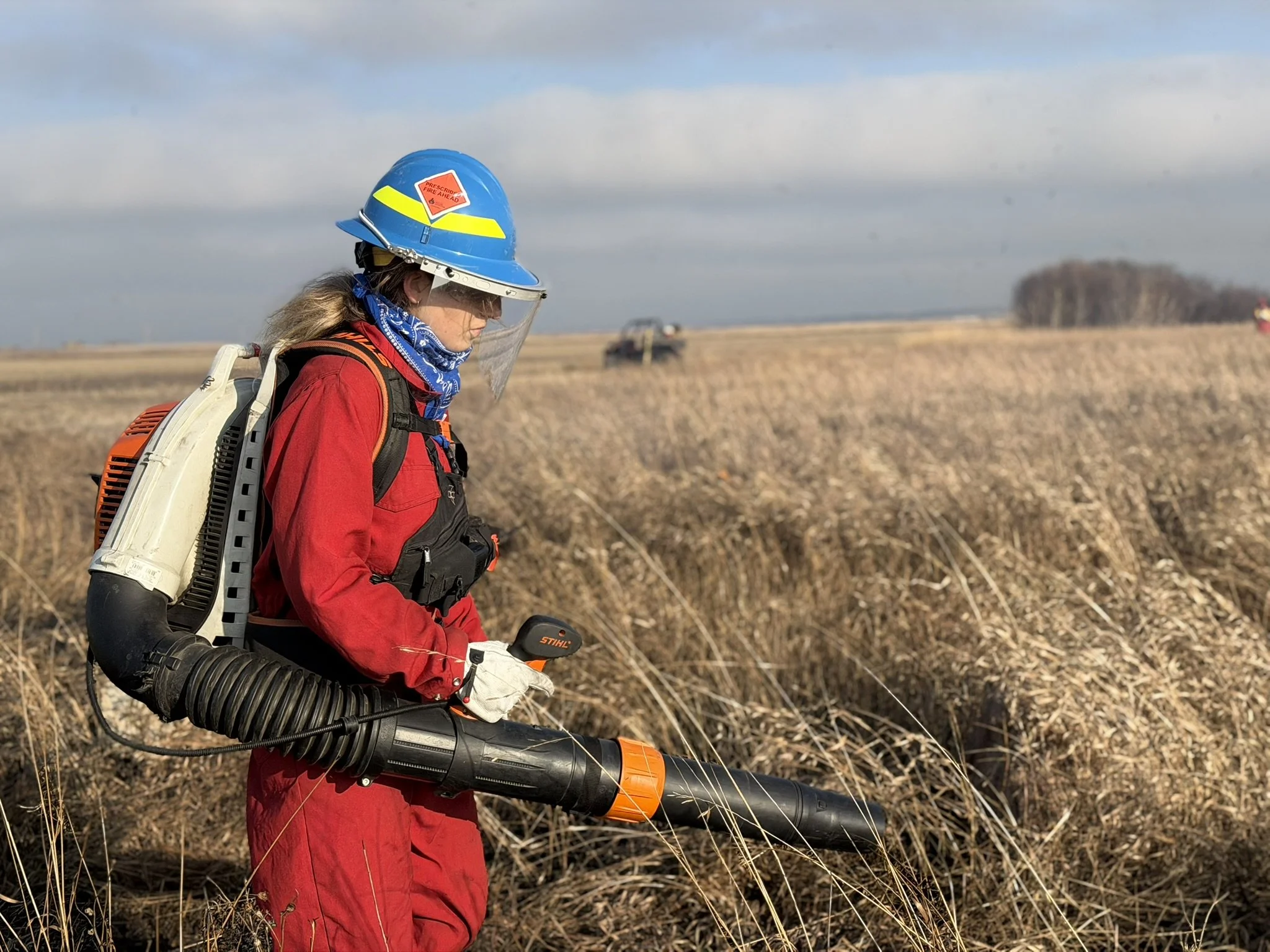
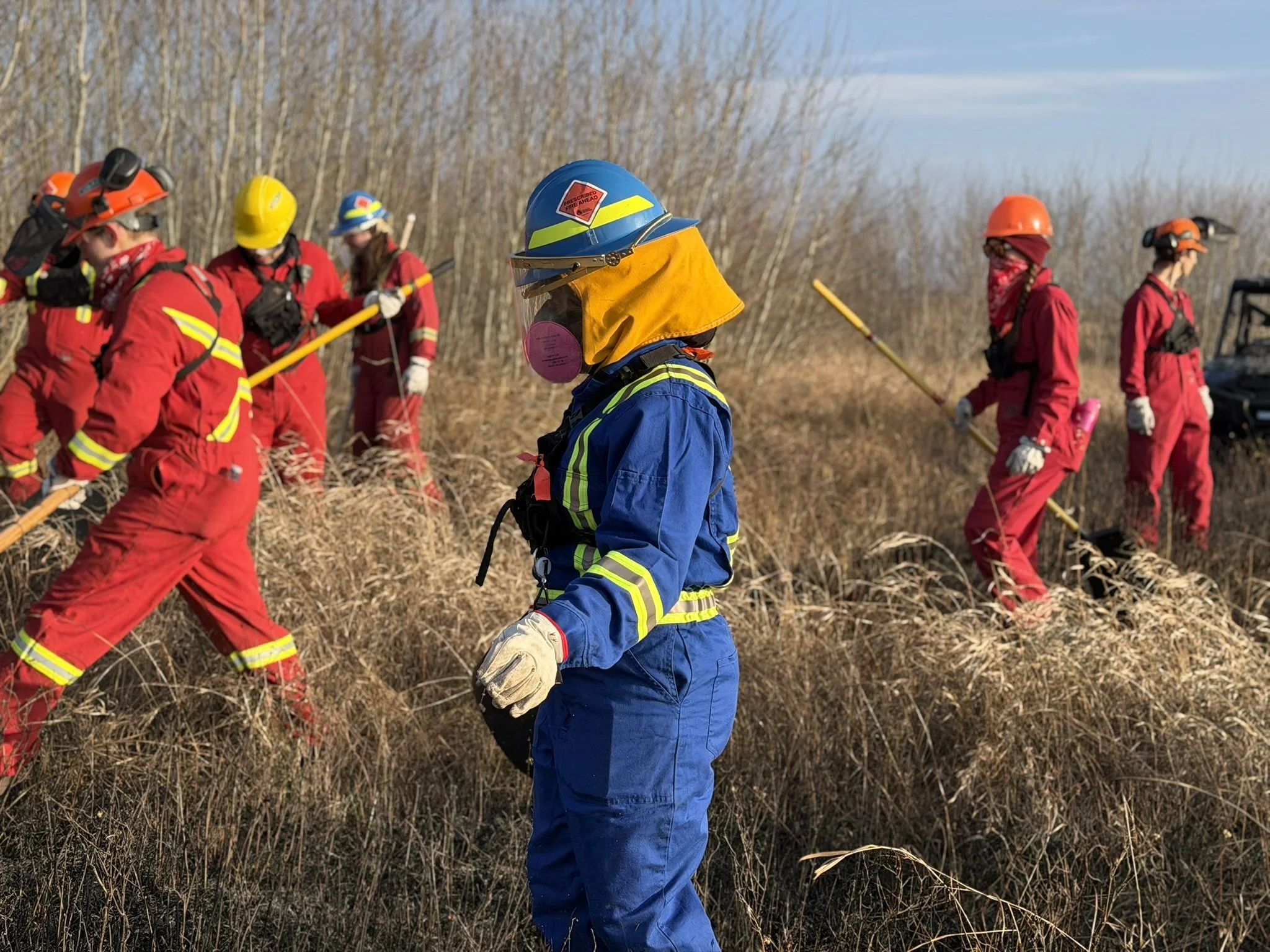
On Thursday, November 5, 2026 at Kernen Prairies, a group of University of Saskatchewan plant science students stepped out of the classroom and onto the burn unit. Hosted by Dr. Eric Lamb and supported by the Canadian Prairies Prescribed Fire Exchange (CPPFE), the session gave students a chance to learn prescribed fire the best way possible- by doing it.
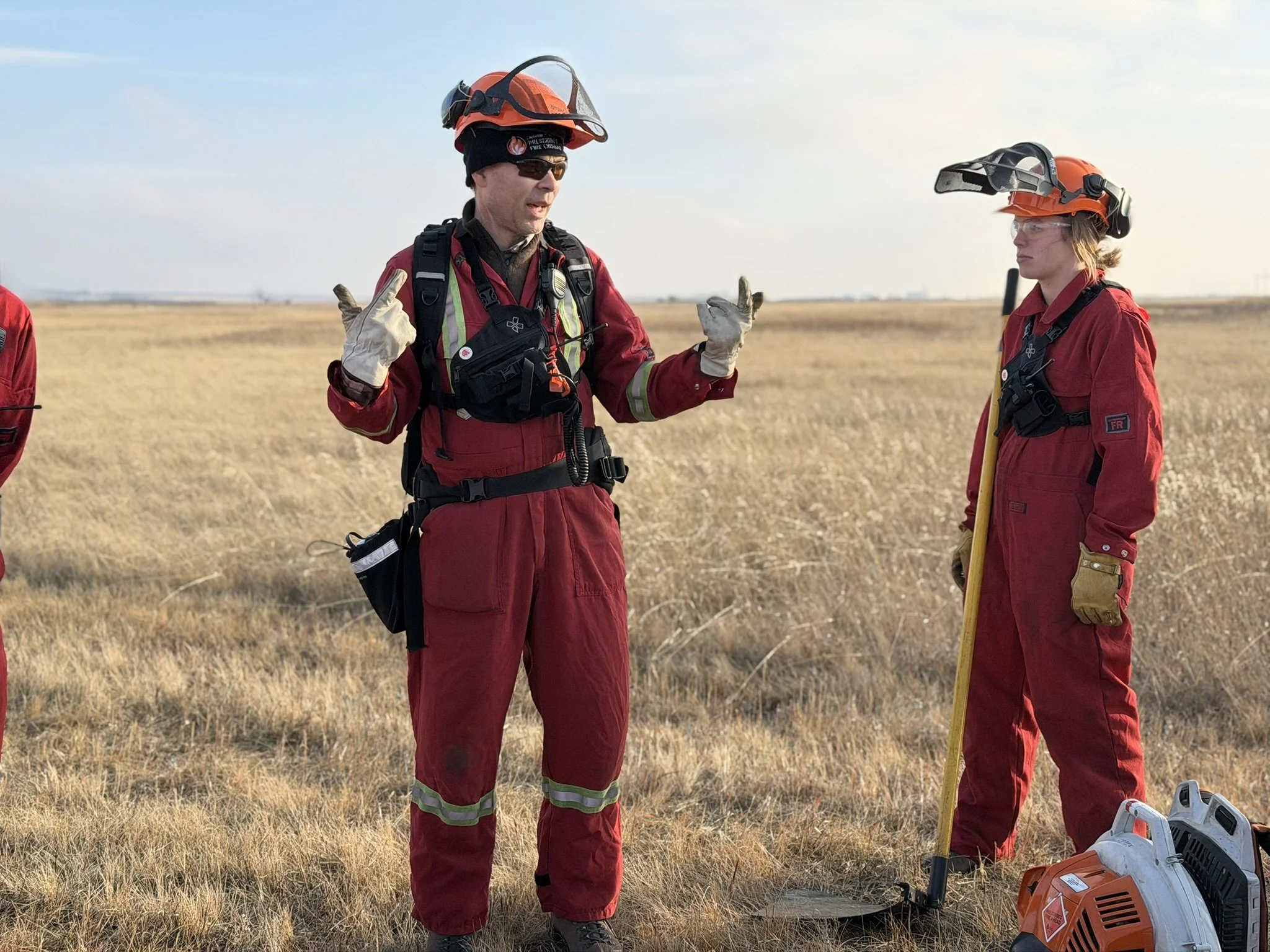
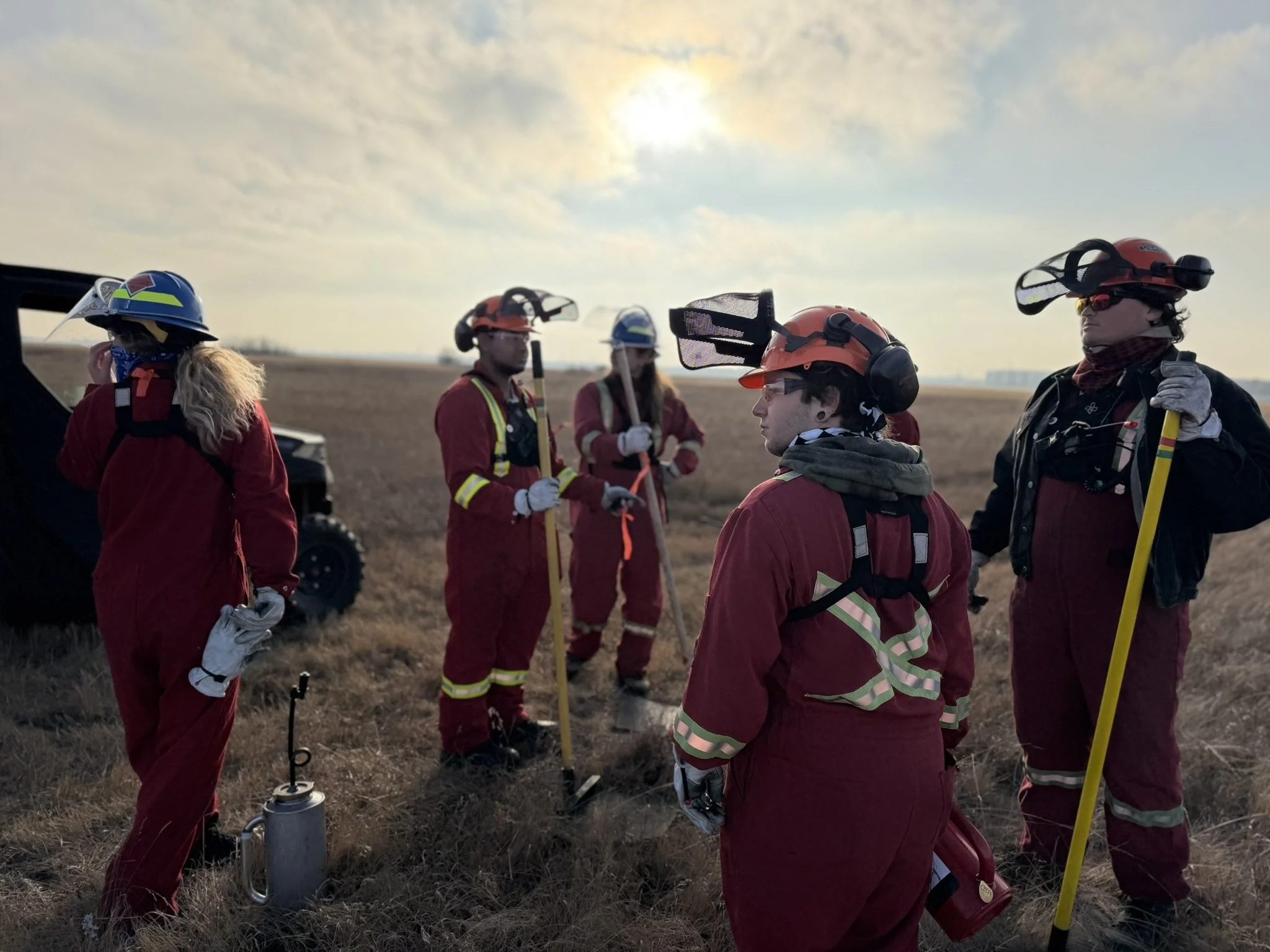
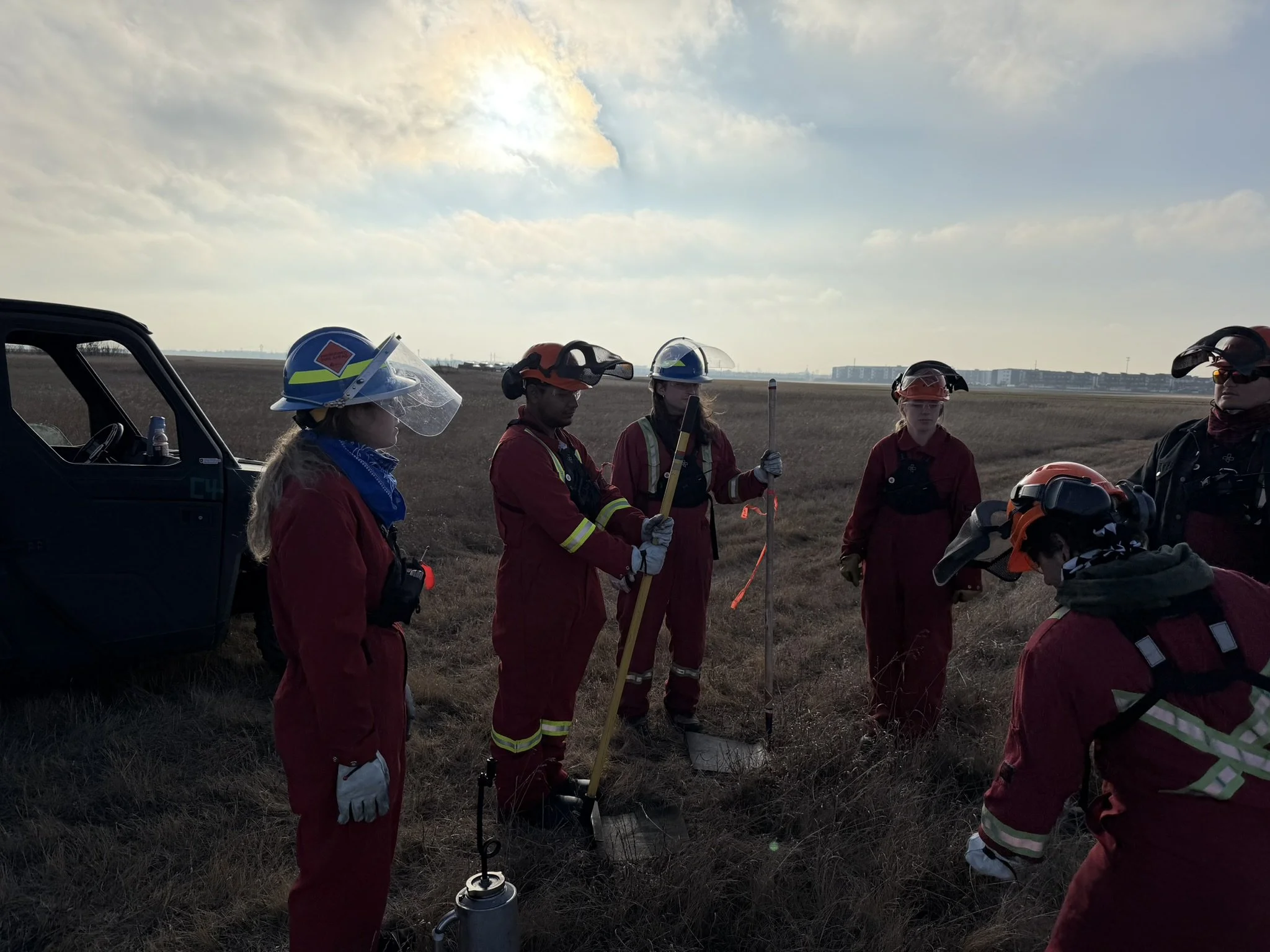
Learning by rotating through the stations
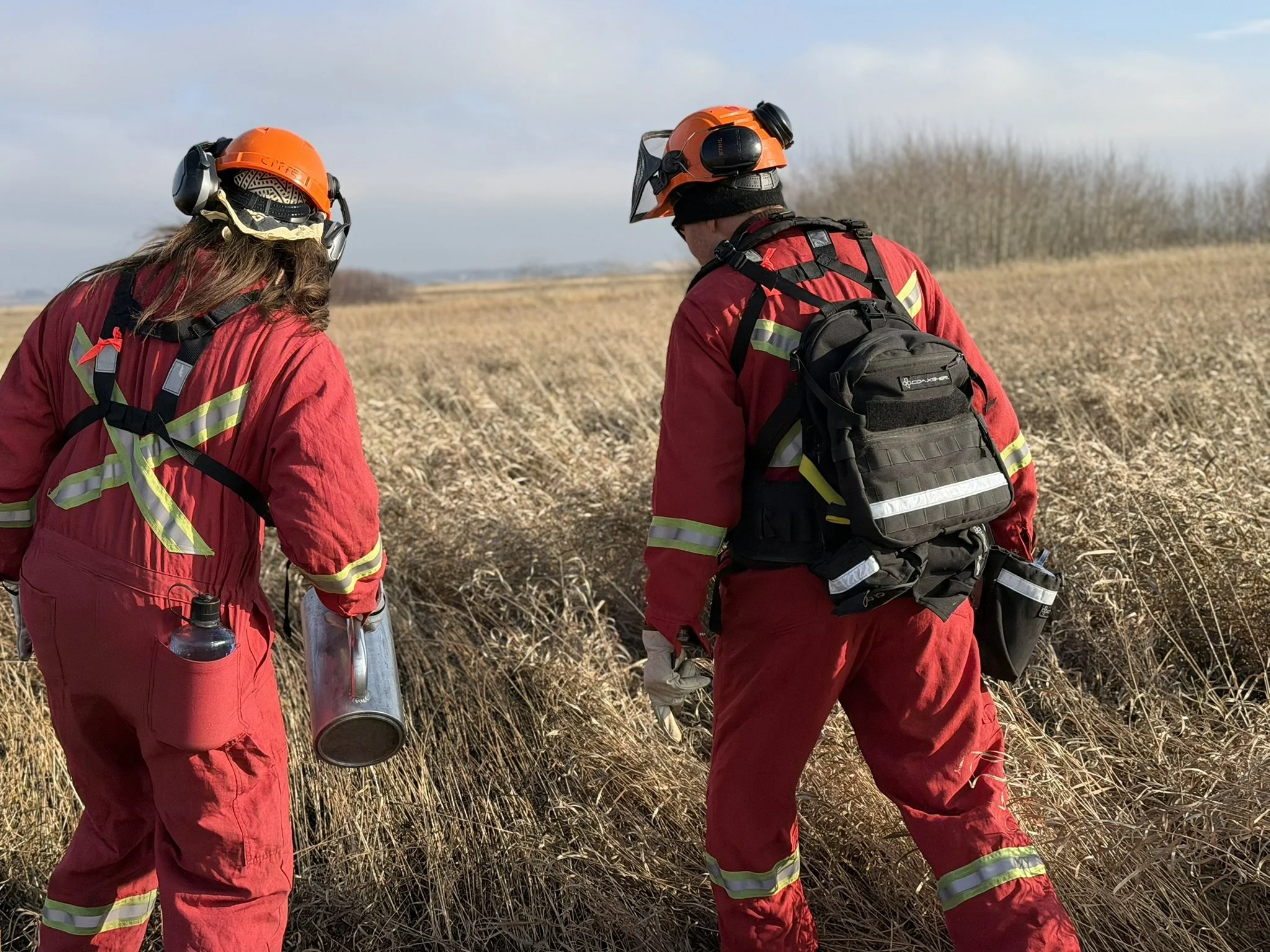
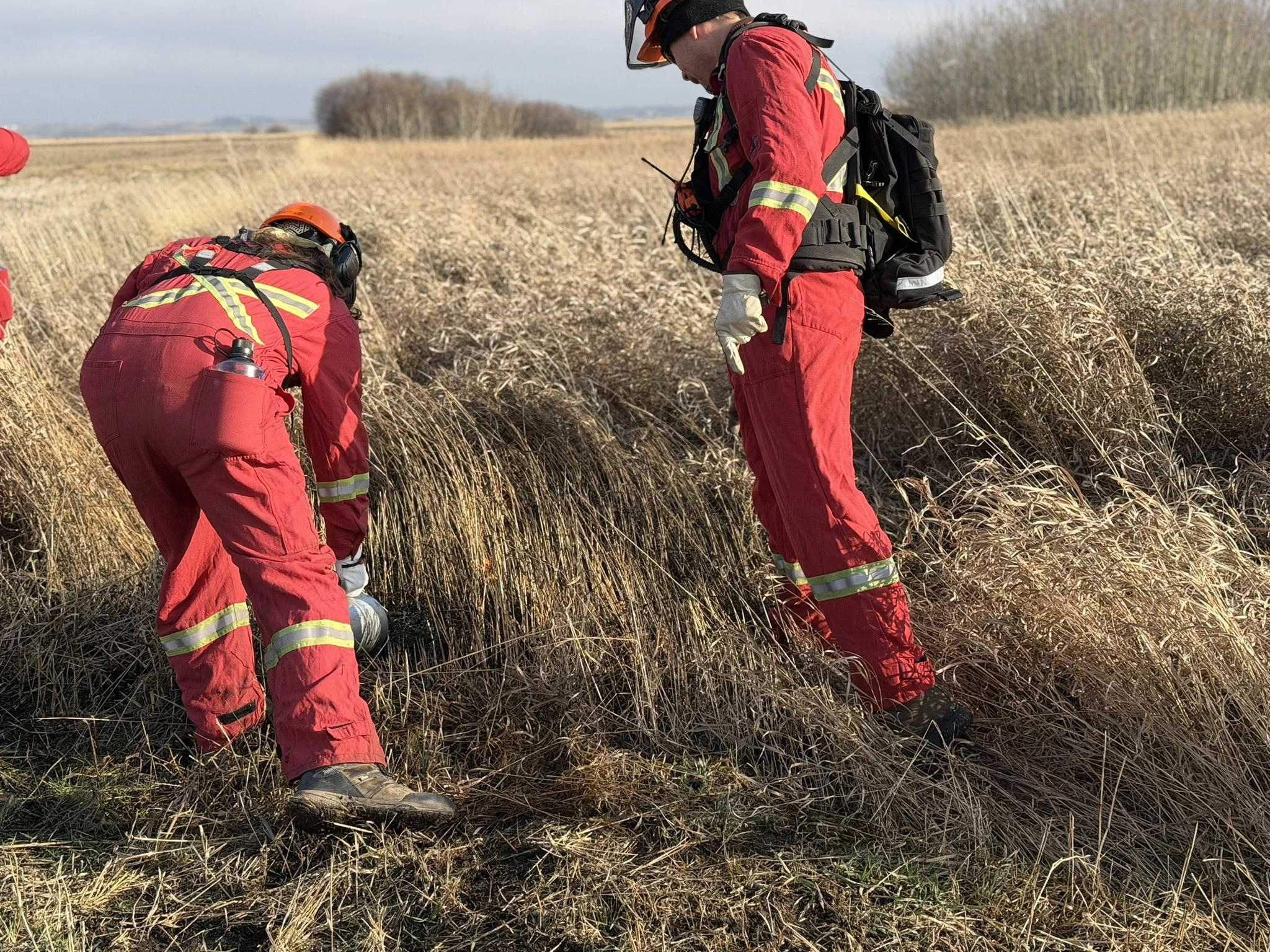
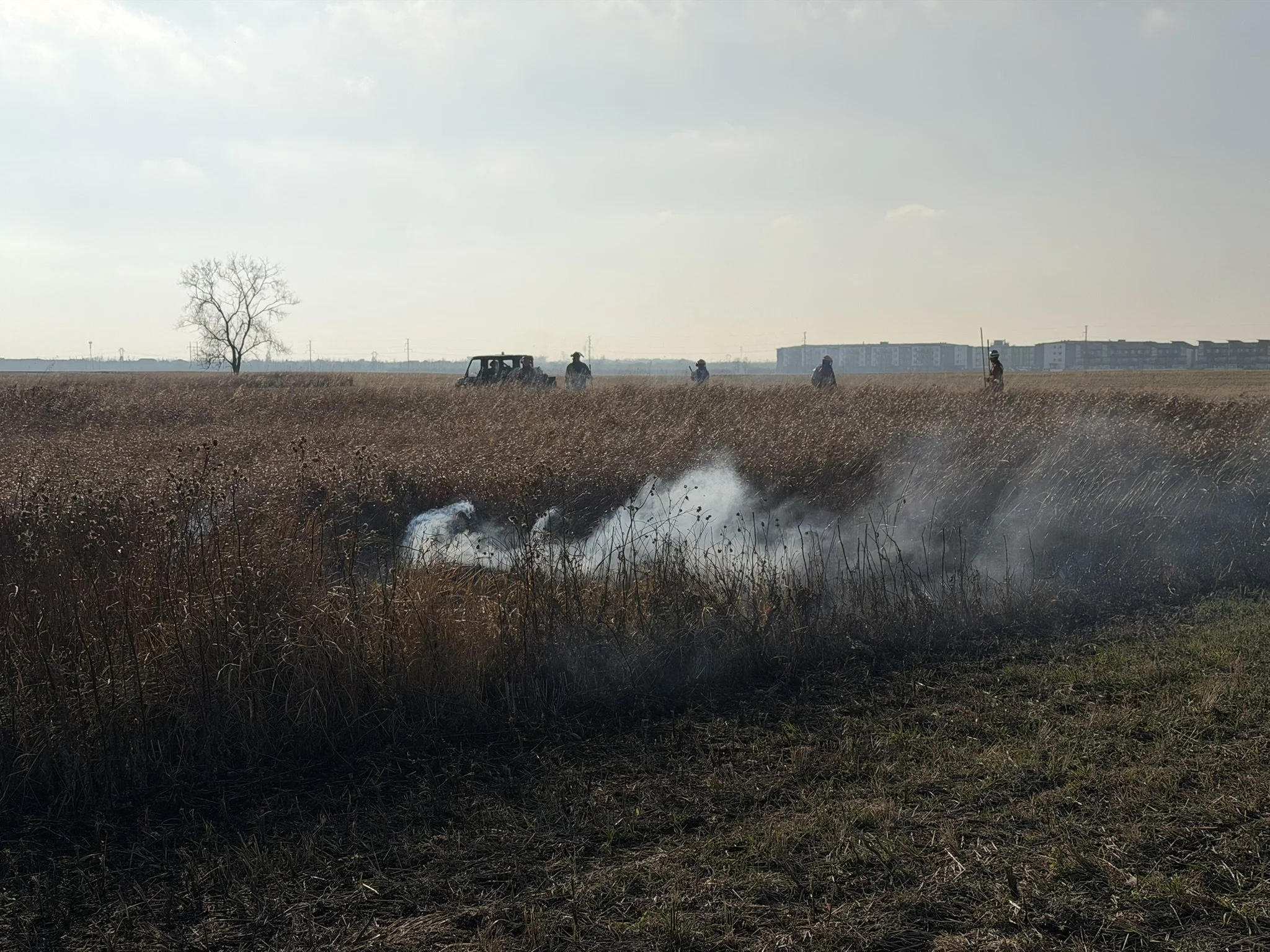
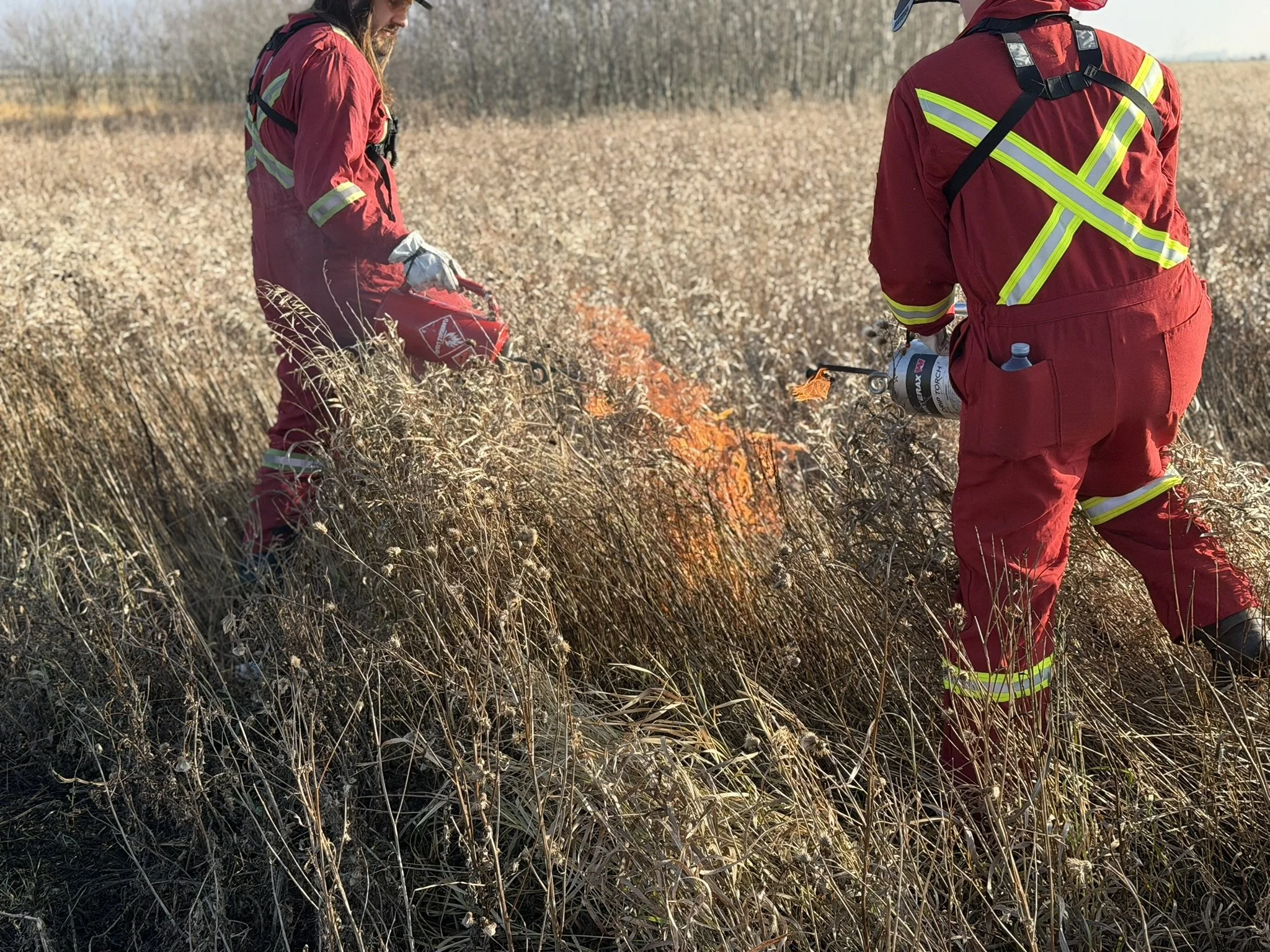
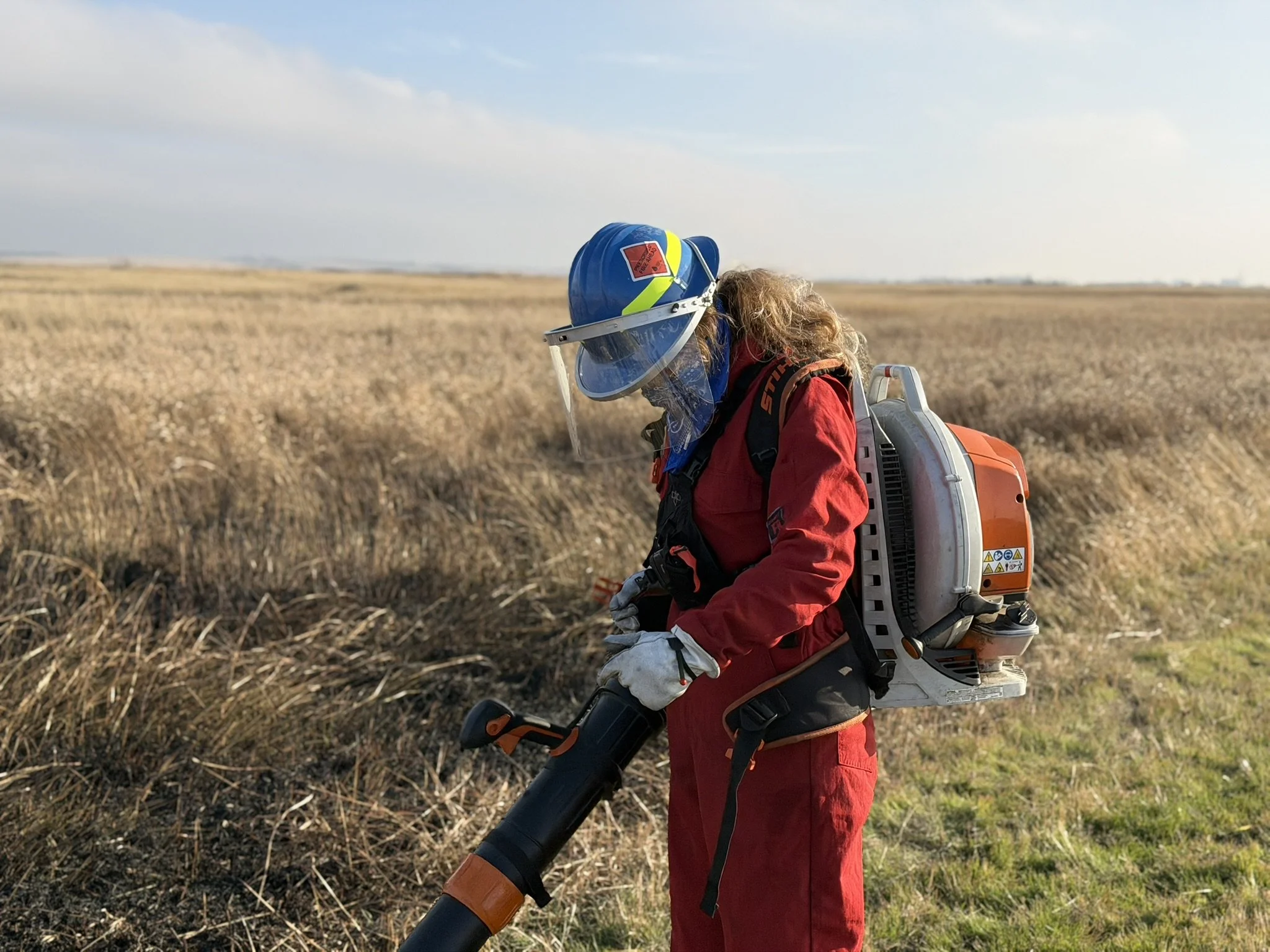
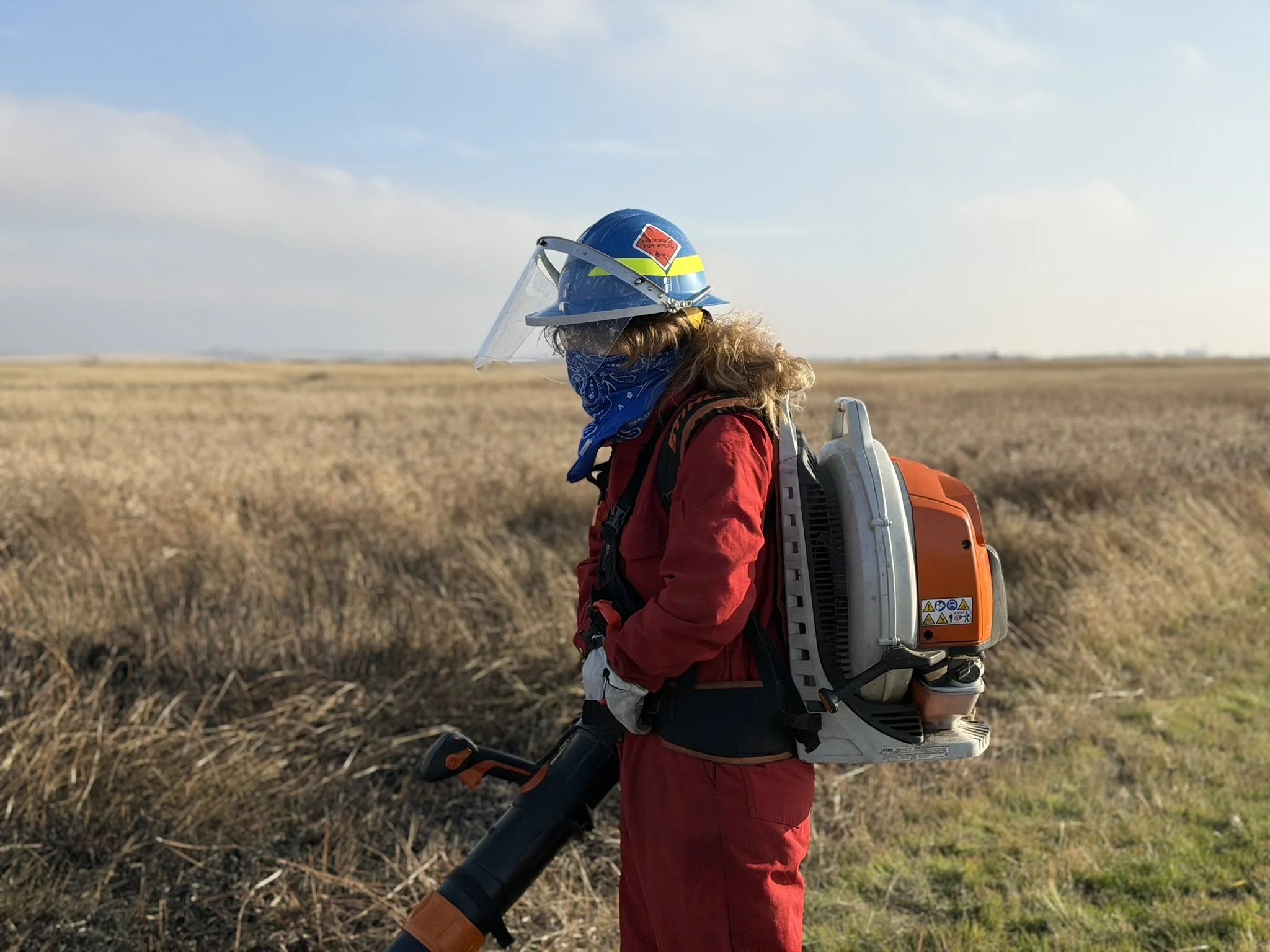
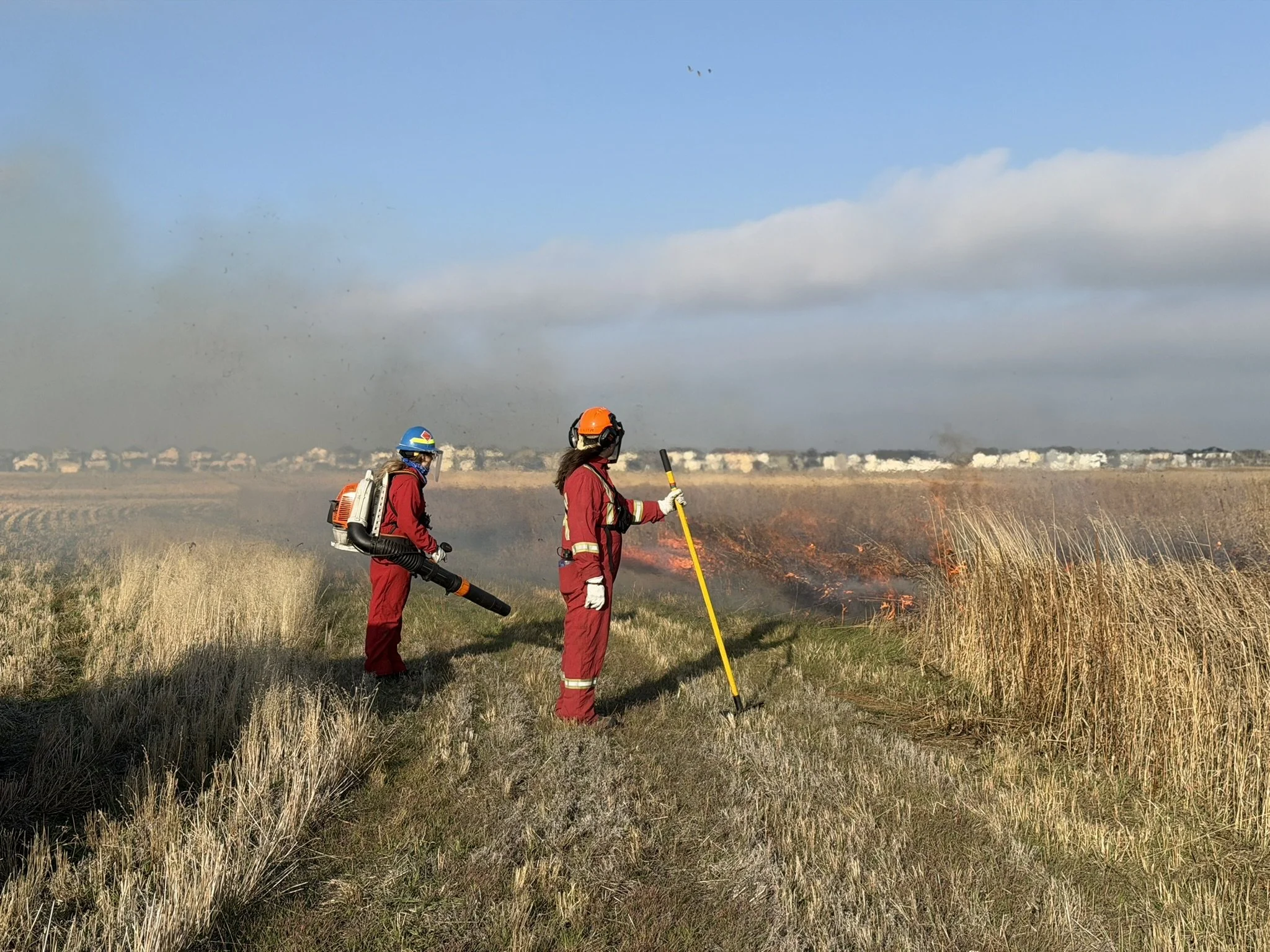
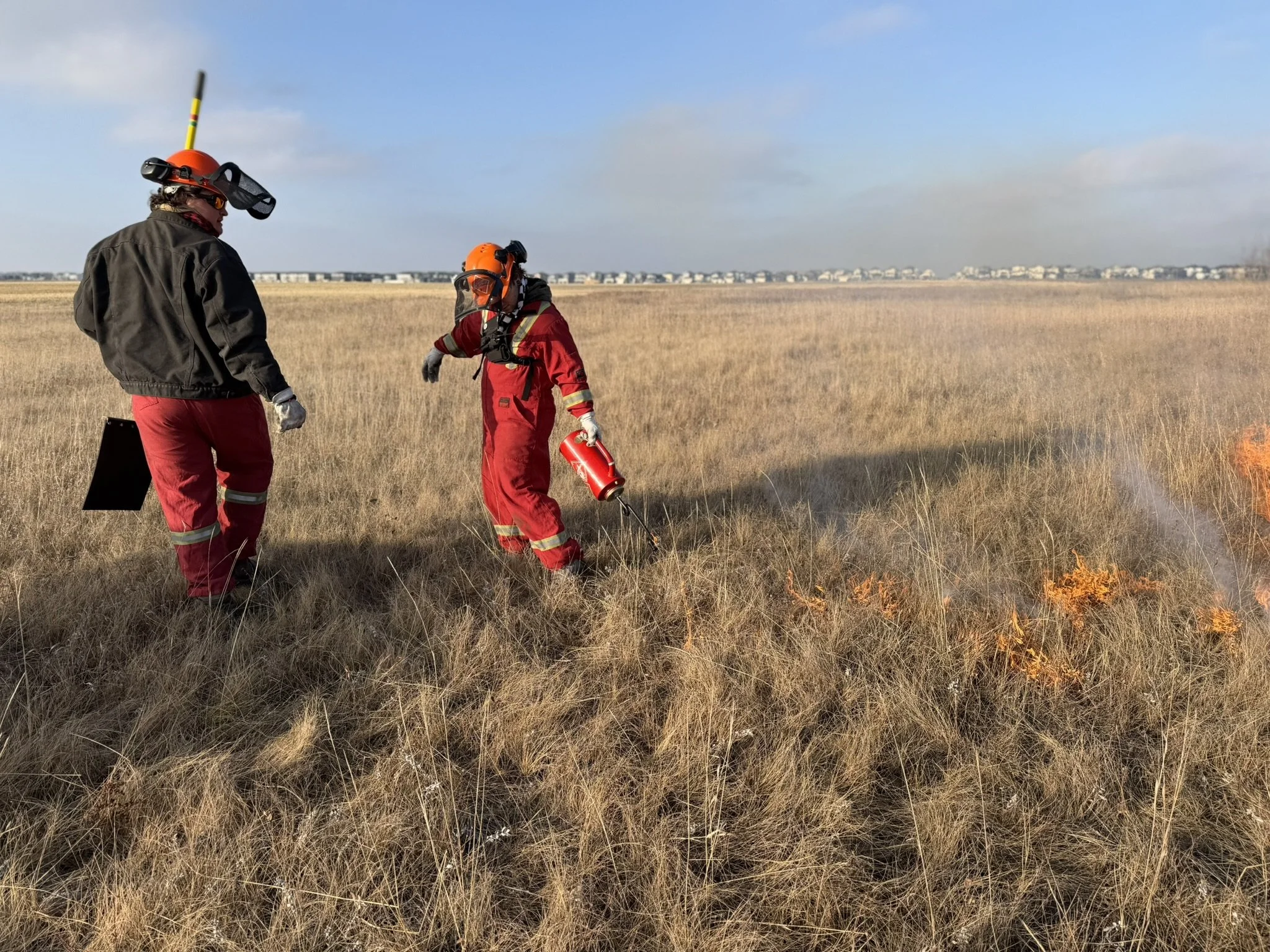
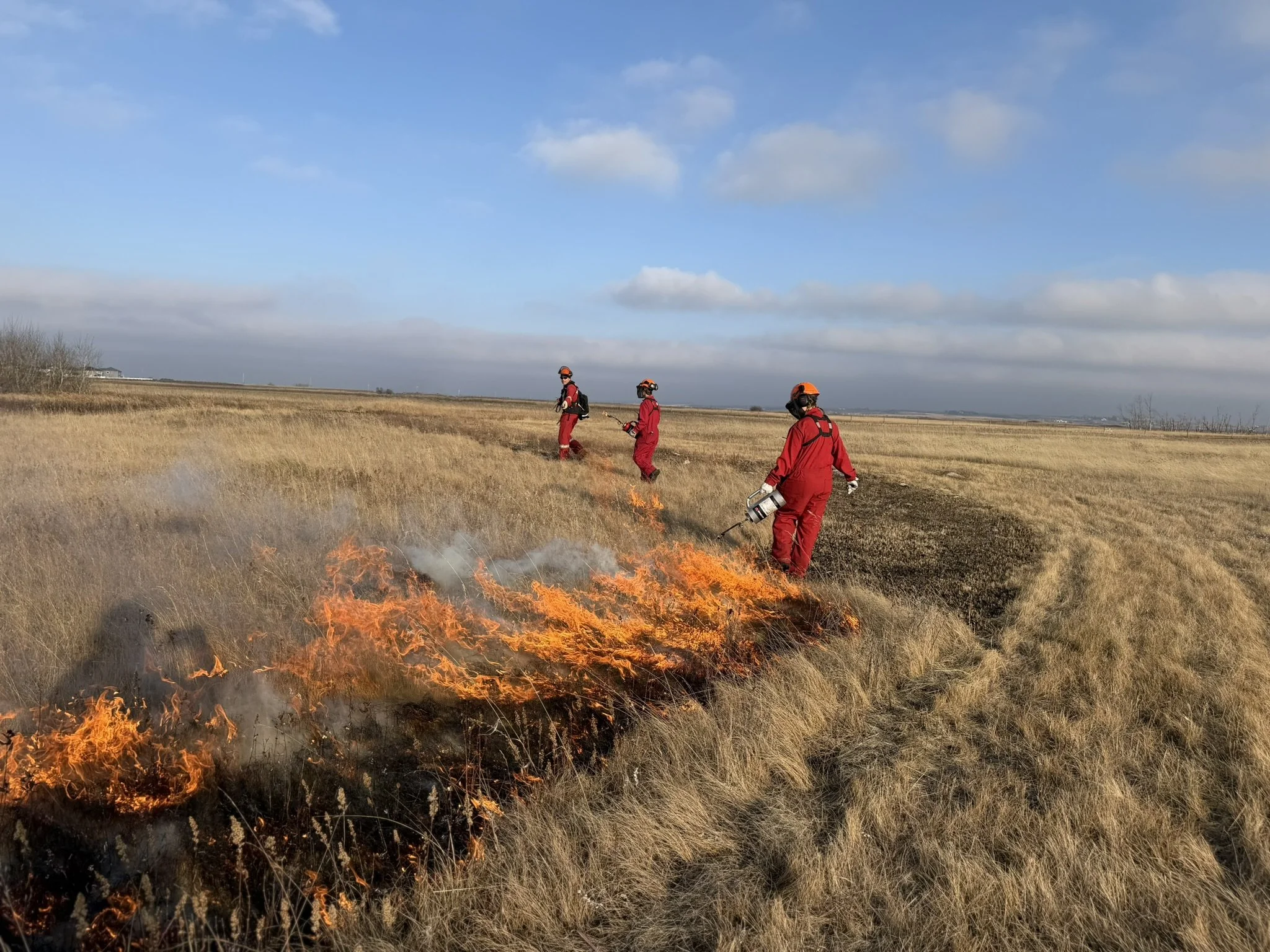
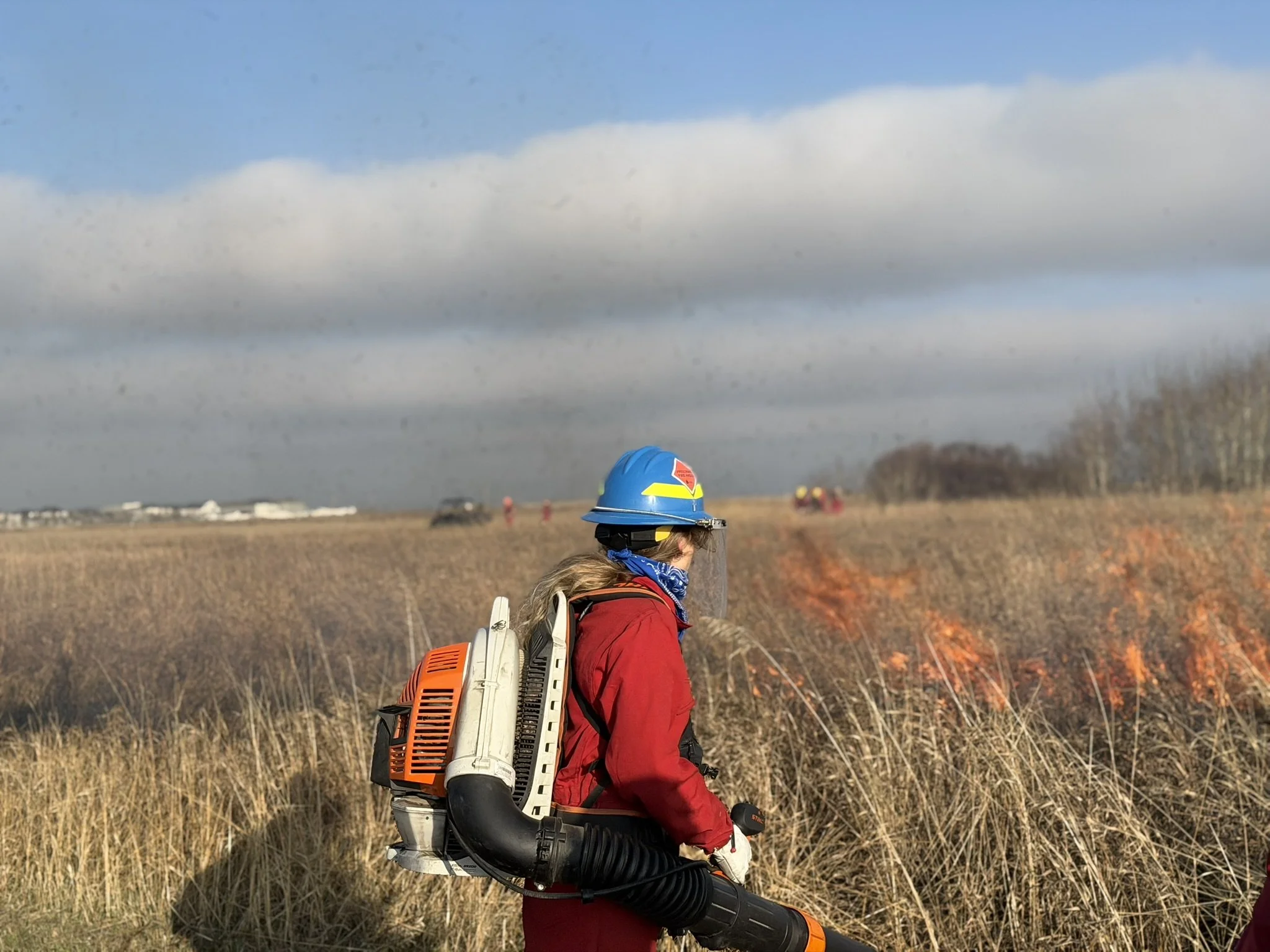
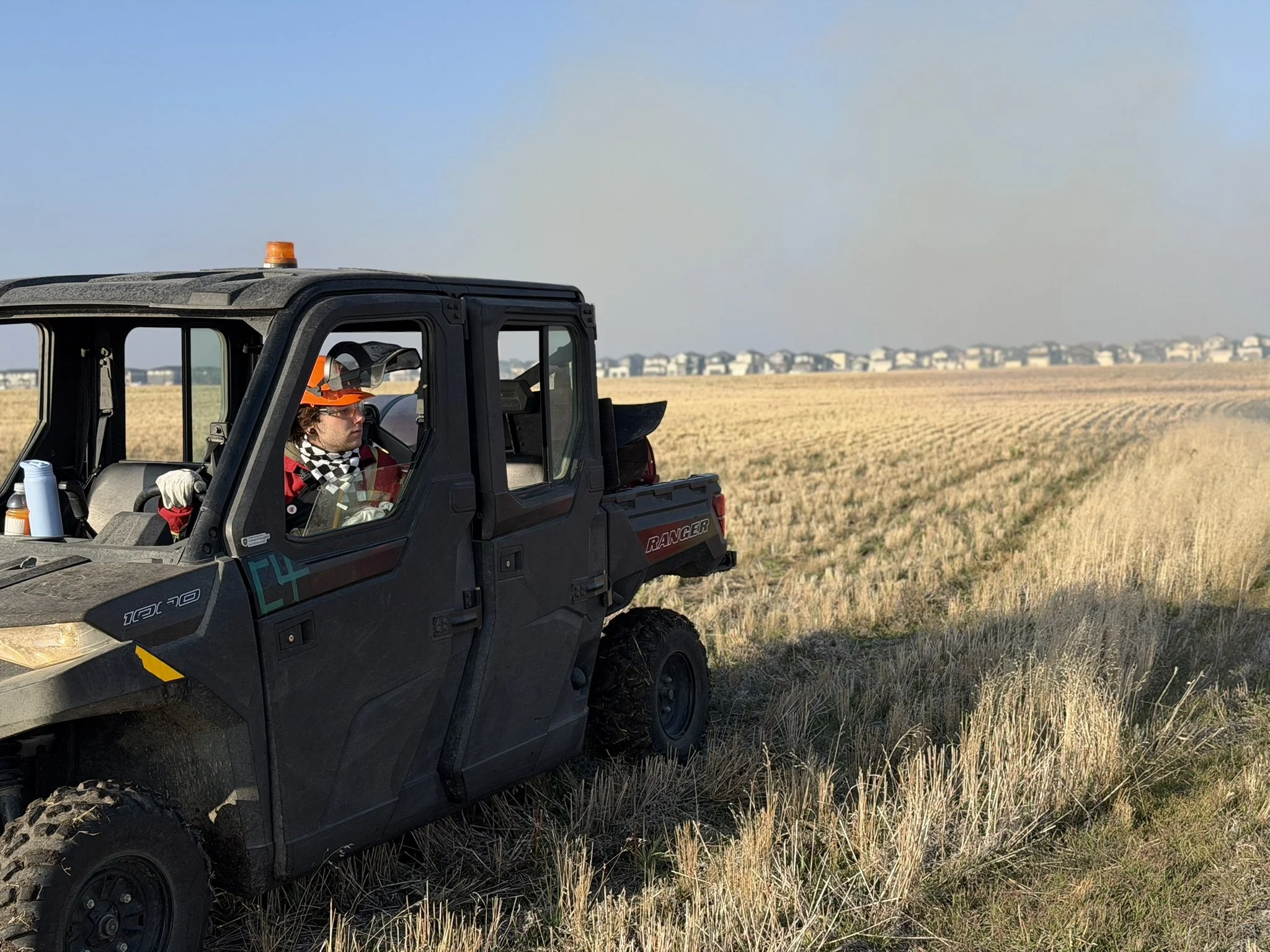
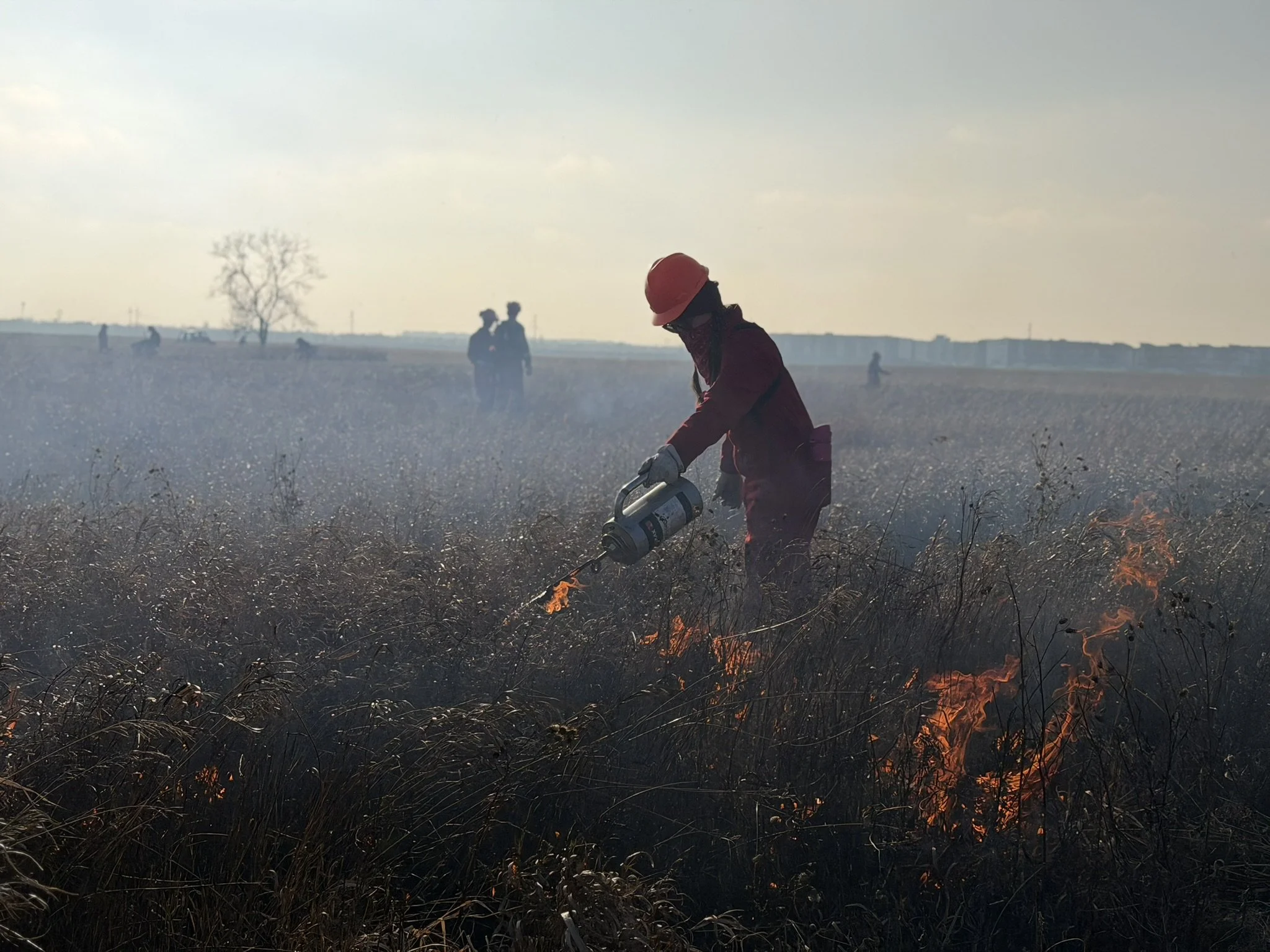
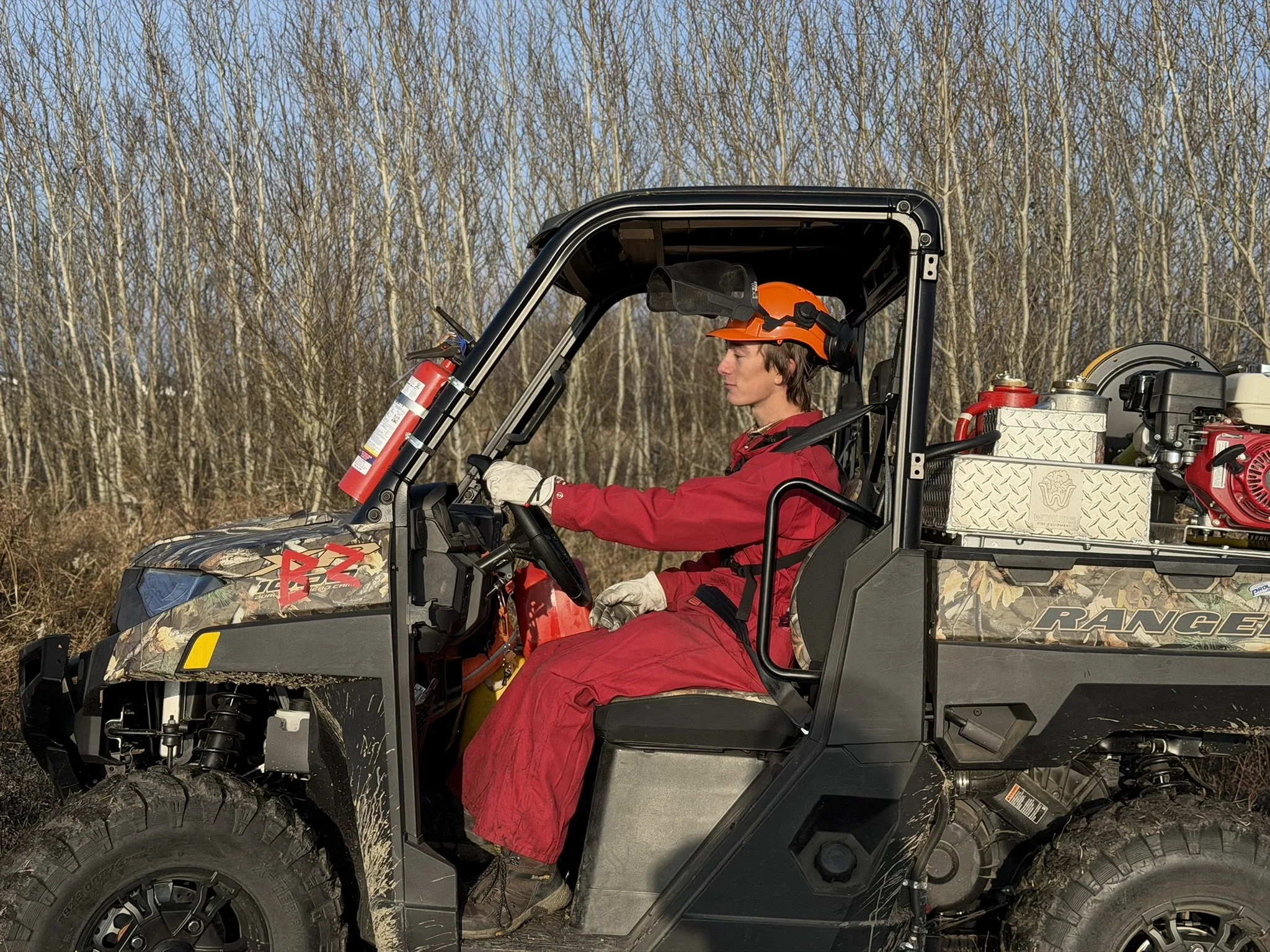
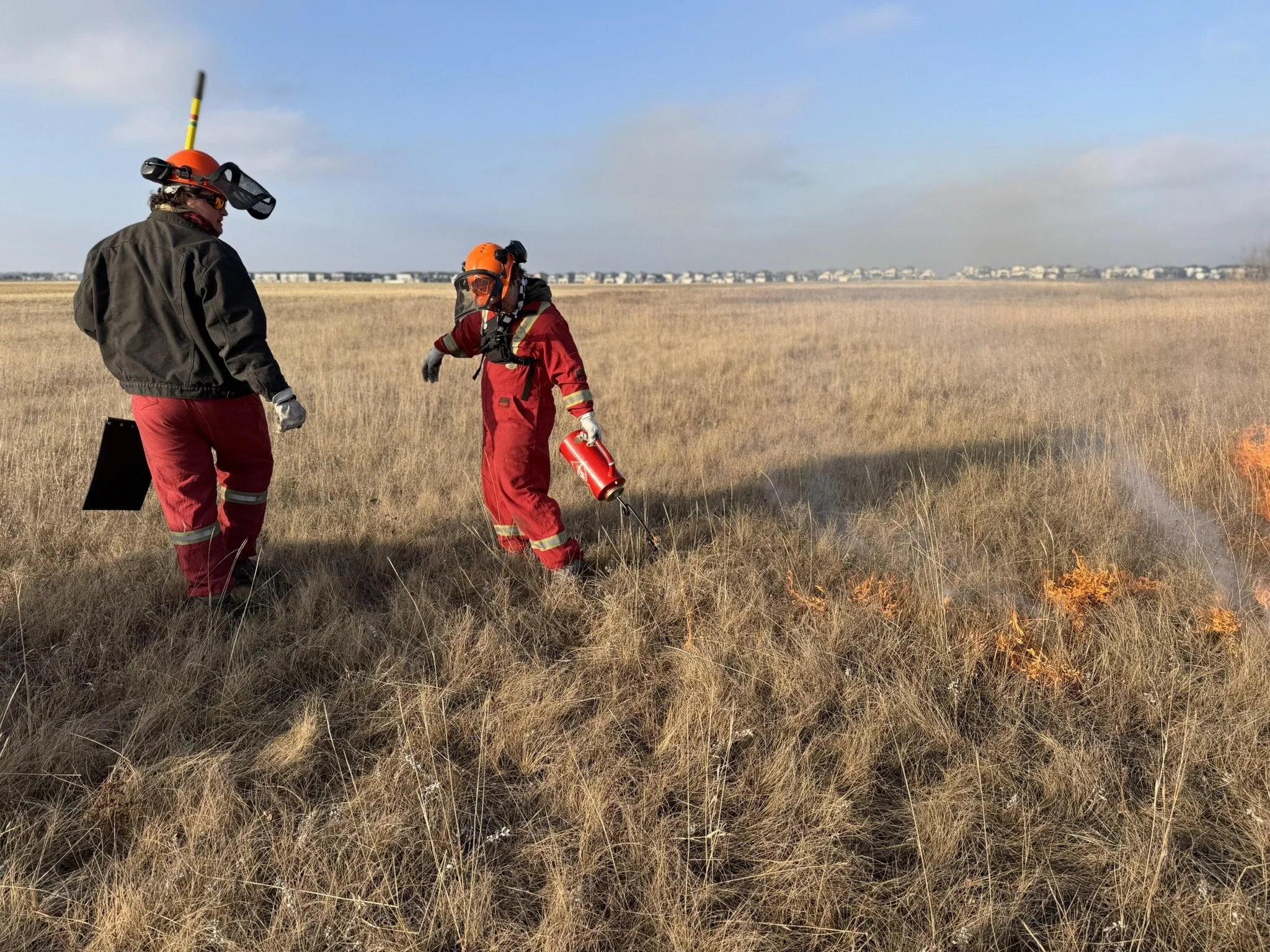
Rather than watching from the sidelines, students took turns working each station on the burn, from ignition to holding the line. Every role came with its own responsibilities, and every student had the chance to practise, ask questions, and get ready to step in. Moving through the stations helped them see that a burn is a team effort, where each person's job depends on everyone else doing theirs.
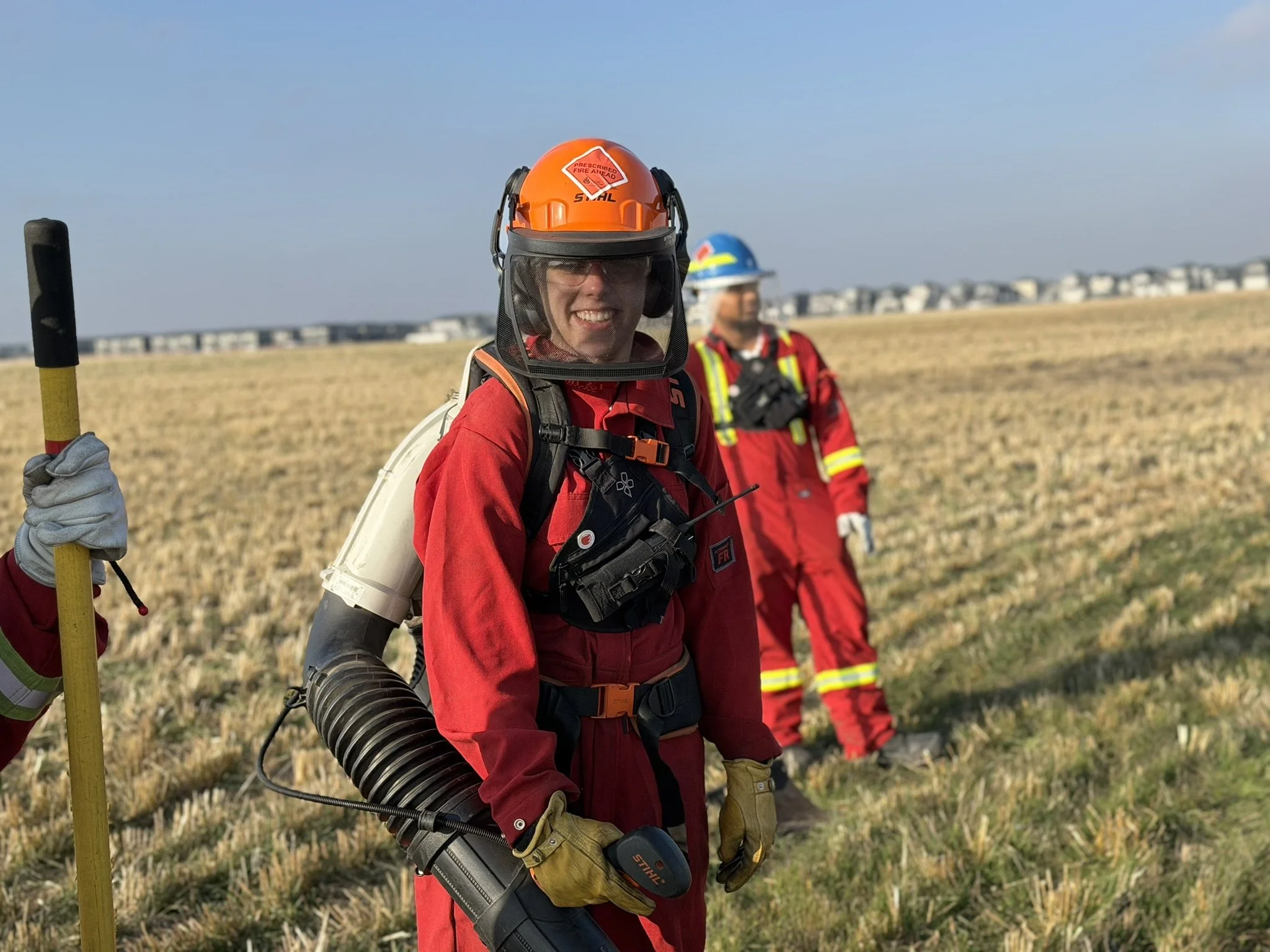
Reading fire and using the wind
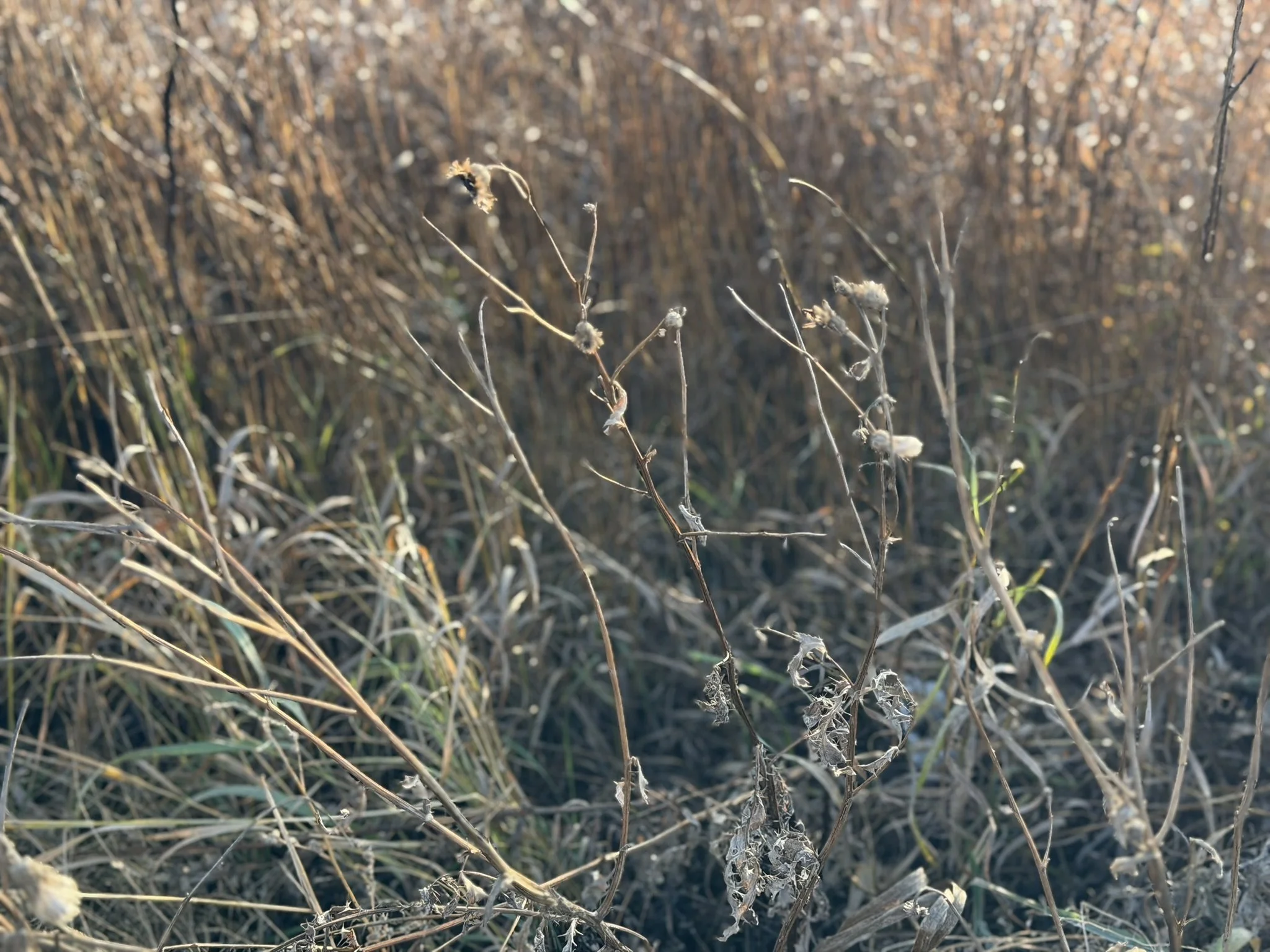
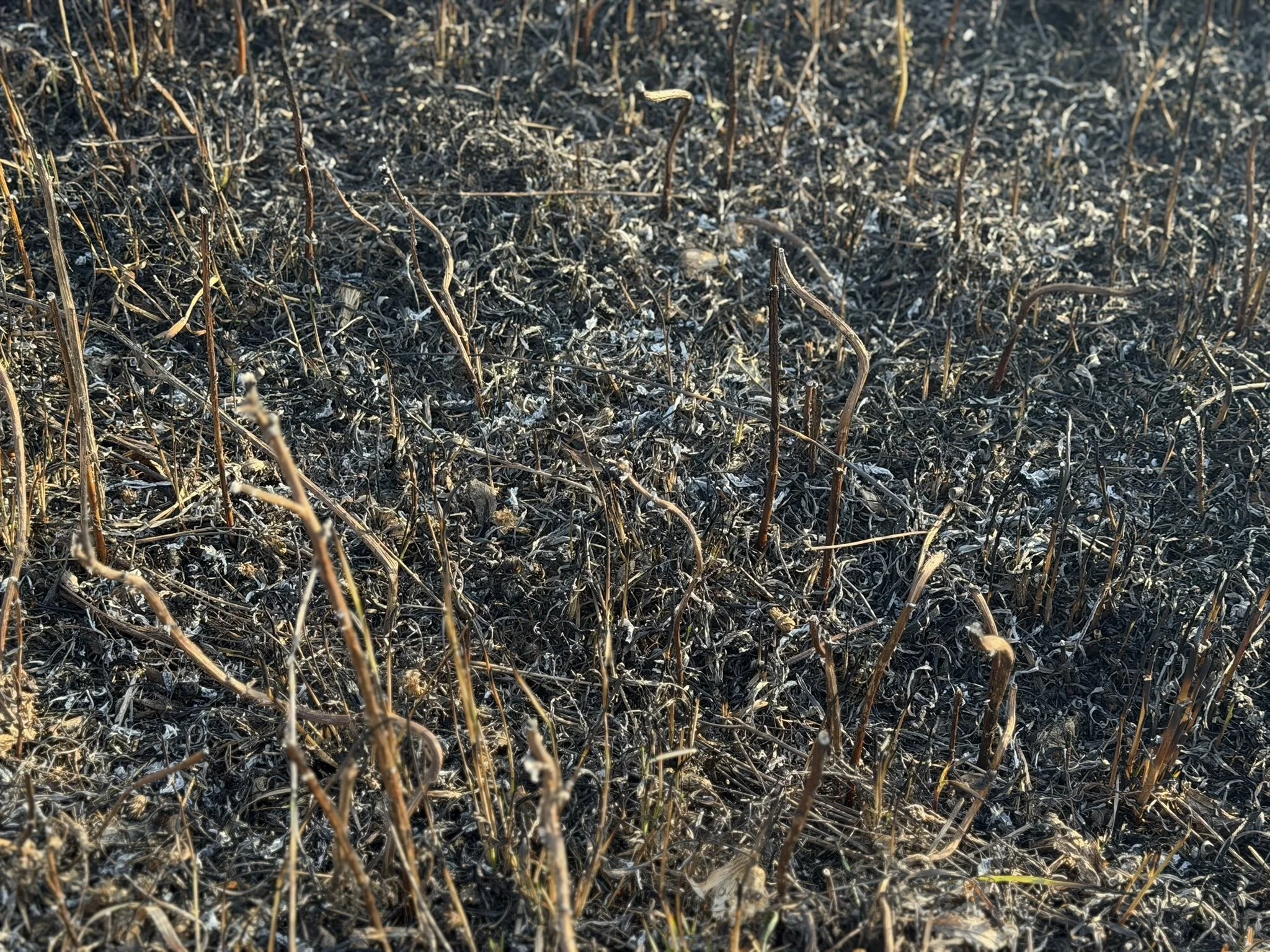
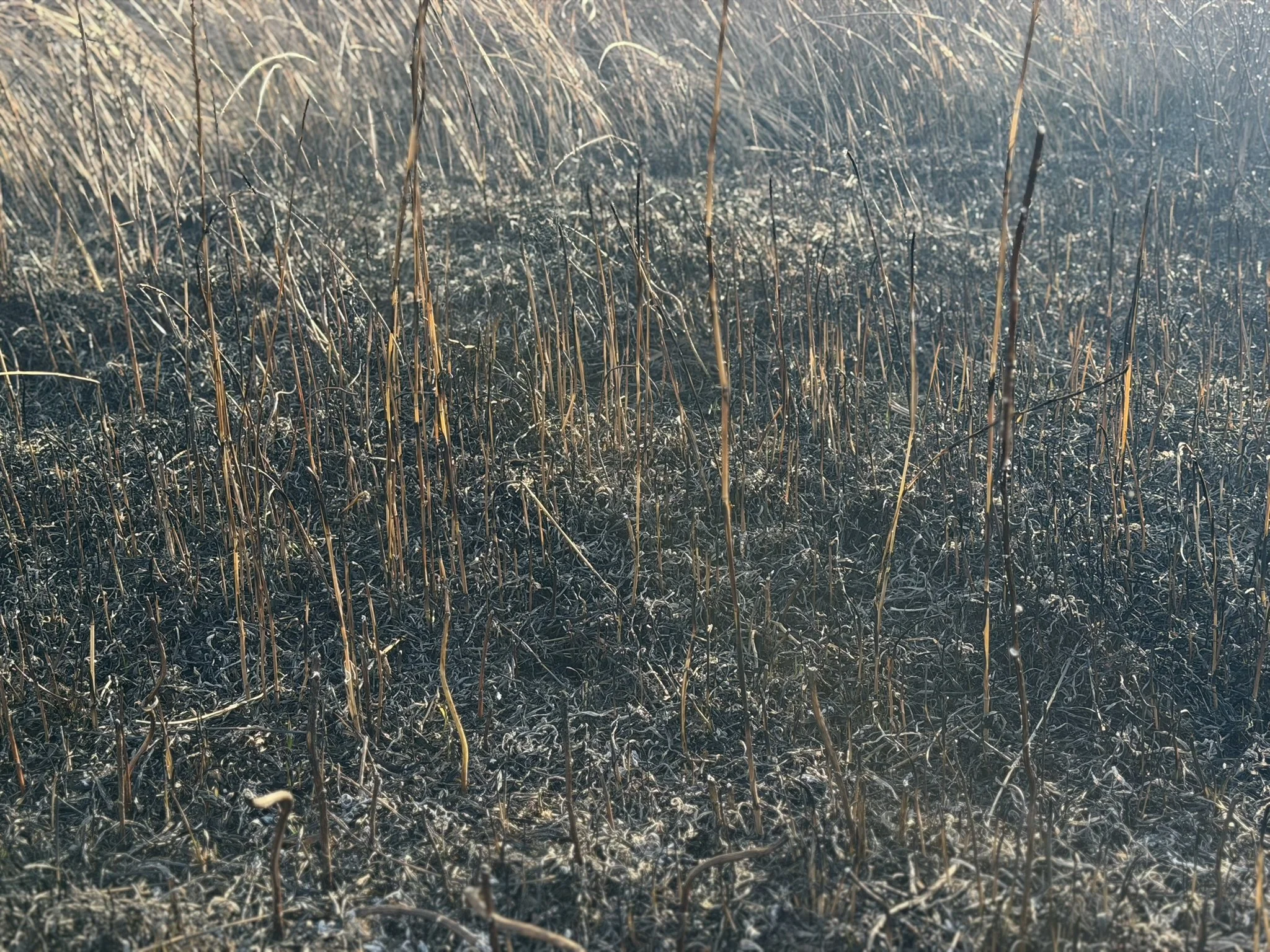
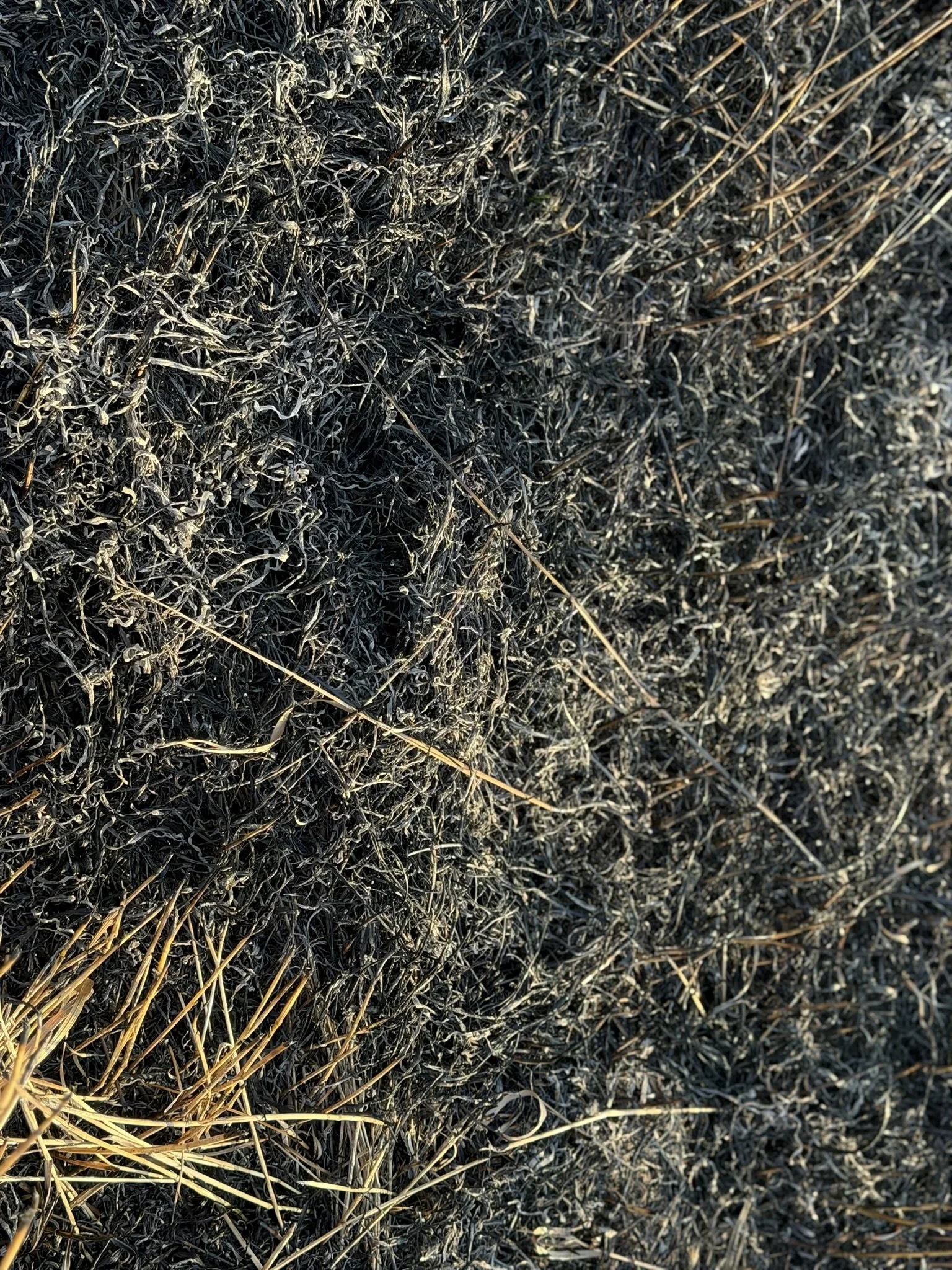
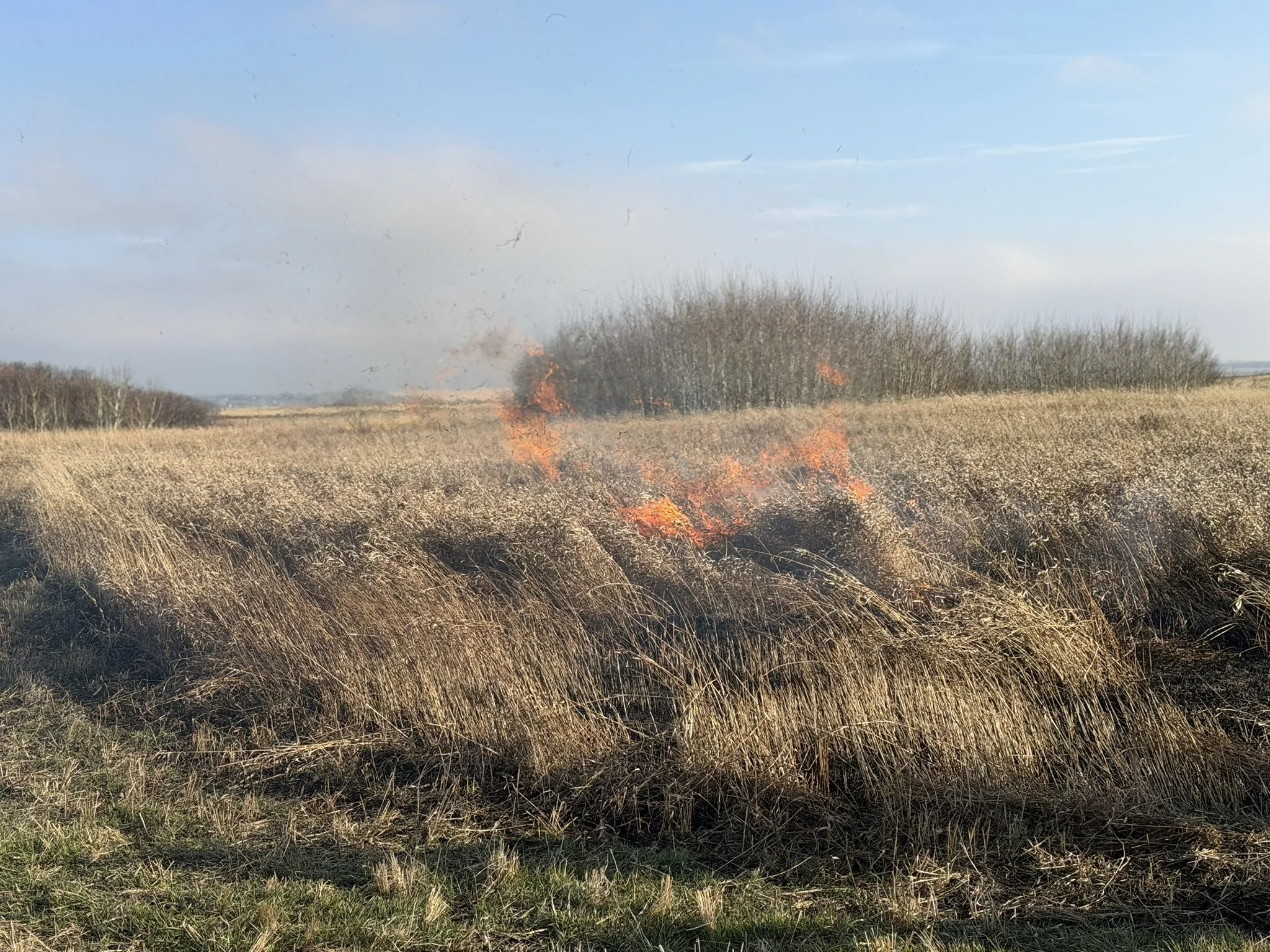
A big part of the day was learning to read fire behaviour. Students practised spotting the cues that matter, such as how quickly flames are moving, how the fuel is burning, and how the smoke is behaving. They also saw how wind can work for or against a burn plan. By choosing where and how to light, crews can use the wind to their advantage and achieve their objectives safely with control.
What first-timers should know
For anyone learning prescribed fire, or lighting their first burn, here are some lessons that came up in the field:
Listen more than you talk: Radio traffic and briefings carry critical information.
Know your role and your neighbour's: Understanding the whole operation makes you a better crew member.
Fire changes, so keep watching: Conditions can shift quickly, and staying alert matters more than sticking to the plan.
Slow and steady wins: Rushing leads to mistakes, while calm, deliberate work keeps the burn under control.
Ask questions: Nobody expects a beginner to know everything, and good crews welcome curiosity.
Respect the wind: Always check its direction and strength before and during the burn.
What does LACES mean?
Safety is the foundation of every burn, and one of the most useful tools for remembering it is the LACES acronym:
L: Lookouts. Someone is always watching the fire and surrounding area, and flags any change.
A: Awareness. Everyone stays alert to fire behaviour, weather, and what's happening around them.
C: Communications. Clear, constant communication keeps the whole crew on the same page.
E: Escape routes. Know at least two ways out, and make sure everyone knows them too.
S: Safety zones. Identify a place where crew can go to be safe from the fire, before it's needed.
Why it matters
Sessions like this reflect the heart of what the CPPFE does: sharing fire science, offering training, and supporting partners when conducting burns. Working with partners like USask also supports our goal of building a shared equipment cache to increase prescribed fire capacity across the prairies, and encourages research into how fire affects biodiversity and natural disturbance regimes.
Today's students are tomorrow's researchers, land managers, and burn bosses. We're proud to help them get started.
Thank you to Dr. Eric Lamb, the USask plant science students, and everyone who supported the day.
Key Takeaways
Hands-on learning sticks: Rotating through each station gave students a real feel for how a burn comes together, and why every role matters.
Fire behaviour can be read: Flame speed, fuel condition, and smoke movement all tell a story if you know what to look for.
Wind is a tool, not just a risk: Understanding wind lets crews plan ignition patterns that help them reach their objectives safely.
LACES keeps everyone safe: Lookouts, Awareness, Communications, Escape routes, and Safety zones are the foundation of every burn, big or small.
Beginners belong on the burn: With good mentorship, first-timers can learn quickly, ask questions, and contribute meaningfully.
Partnerships build capacity: Collaboration between the University of Saskatchewan and the Canadian Prairies Prescribed Fire Exchange helps train the next generation of practitioners and supports more prescribed fire across the prairies.